Il Girasole Trattoria
Our verdict
The trattoria format here signals something specific: a kitchen more interested in sourcing and consistency than in tasting-menu theatre. For Italian food in a city that skews toward ambitious tasting counters, it represents a different set of priorities.

Pearl is the En Primeur Club membership app, where members save venues, book tables and use the concierge.

The menu
What to order
- Penne All’ Arrabbiata
- Gnocchi Al Girasole
- Risotto Porcini
Bucktown's Italian Table and What It Says About Chicago Dining
Chicago's Italian dining scene has always split along a fault line that other American cities rarely articulate this clearly. On one side sit the white-tablecloth operators and the tasting-format Italians who compete in the same conversation as Alinea and Smyth. On the other side, and this is the more interesting side to understand, sit the trattorie: kitchens that define themselves by what they leave out. No amuse-bouches, no modernist plating, no rotating concept seasons.
Bucktown and its adjoining blocks have shifted considerably since the early 2000s, when the area was primarily working-class Italian and Polish. The restaurant stock has diversified, and the diners who fill these rooms on a Tuesday night now include a mix of longtime residents and younger transplants who moved here precisely because the dining feels grounded rather than aspirational. A trattoria that survives in that context does so by earning neighbourhood loyalty, which is a harder metric than a Michelin star and in some ways a more honest one. For a broader view of where Il Girasole sits within Chicago's wider restaurant map, our full Chicago restaurants guide provides useful orientation.
The Sourcing Question and Why It Matters Here
Italian cooking at its functional core is an argument about ingredients. The tradition holds that technique exists to reveal produce, not to transform it, that a tomato sauce tells you as much about the tomatoes as about the cook. This is a different philosophy from what drives the kitchens at, say, Next Restaurant or Kasama, where the cooking is frankly the point. In a trattoria format, the cooking is supposed to be invisible.
That invisibility is harder to achieve than it sounds, and it places specific demands on sourcing. When there is no sauce reduction or technique flourish to compensate for mediocre produce, the produce itself has to carry the plate. Italian regional kitchens in Italy have geographic advantage here: proximity to specific DOP-certified ingredients, seasonal markets within driving distance, relationships with producers that span generations.
Across the broader American dining scene, the restaurants that have most credibly made this argument, that sourced Italian simplicity is the most demanding form of the cuisine, tend to operate outside the tasting-menu tier. Places like Blue Hill at Stone Barns in Tarrytown and Single Thread Farm in Healdsburg have built their entire identities around provenance. The trattoria tradition reaches the same conclusion through a different route: not farm-to-table as a brand statement, but ingredient focus as the default assumption of the cuisine itself. It is a neighbourhood street with a neighbourhood restaurant logic: the places that work here work because locals return, not because out-of-town visitors programme them into a dining itinerary. That dynamic tends to produce more honest cooking than destination corridors, where kitchens sometimes perform for the room rather than feeding it. The atmosphere on arrival reflects the corridor: no marquee signage, no velvet rope logic, no design flourish meant to signal price point before you've crossed the threshold. The room, as is typical for the trattoria format in American cities, is intended to feel like a continuation of the street rather than a departure from it.
Il Girasole in the Context of Chicago's Broader Italian Tier
Chicago has a range of Italian restaurants that compete across very different registers. The serious tasting-format Italian end of the spectrum is a small cohort. The mid-market Italian-American dining tradition, by contrast, runs deep and wide, with family-format restaurants in neighbourhoods from Bridgeport to Lincoln Square that have been operating for decades. Il Girasole sits somewhere in the space between those poles: a trattoria name implies casual format and moderate price expectations, but the address in a gentrified stretch of Bucktown means the surrounding diners are not the same demographic as the original working-class Italian neighbourhoods further south and west.
Across American cities, this middle tier of Italian dining is where the most interesting decisions about authenticity get made. At Le Bernardin in New York or The French Laundry in Napa, the frame is always fine dining, with sourcing and technique operating in explicit dialogue. At the trattoria level, neither the frame nor the sourcing is ever stated, they are either present in the food or they are not, and regular diners figure it out quickly. That transparency, enforced by the format rather than chosen for marketing purposes, is what gives neighbourhood Italian restaurants their particular credibility when they earn it.
Other American cities have developed their own versions of this credibility test. Bacchanalia in Atlanta, Lazy Bear in San Francisco, and Providence in Los Angeles each built reputations through consistency over years rather than through launch-period coverage. The same logic applies at the trattoria tier: reputation here accrues slowly and holds because of it. For comparison, neighbourhood trattorias in this part of Chicago typically operate with moderate weekday covers and fill more quickly on weekends, particularly in the autumn and winter months when the format's comfort-register draws repeat visitors. For guests building a wider Chicago dining itinerary, the city's Oriole and Smyth represent the tasting-counter end of the spectrum, while Il Girasole offers a different set of priorities for the same city.
Frequently asked questions
What makes Il Girasole Trattoria worth seeking out?
In Chicago's Italian dining scene, the middle tier between red-sauce institutions and serious tasting-format rooms is increasingly thin, which is exactly where a Bucktown trattoria like Il Girasole operates. North Western Avenue is not a high-traffic dining corridor, meaning the restaurant draws a repeat neighbourhood clientele rather than tourist foot traffic, a reliable indicator of a kitchen that earns its customers rather than inheriting them from location alone. For diners who find the West Loop's price clustering around the $$$$ tier excessive for a weeknight pasta, this format is a practical alternative.
Comparable Venues
Comparable venues nearby, for context on price, style, and recognition.
| Venue | Cuisine | Price | Notes |
|---|---|---|---|
| Il Girasole TrattoriaThis venue (the venue you are viewing) | Northern Italian Trattoria | $30–50 | Not listed |
| Rosati's Pizza Of Chicago | Chicago-Style Pizza | $20–30 | Chicago Loop |
| Mano a Mano | Contemporary Italian Trattoria | $50–100 | Logan Square |
| Club Lucky | Classic Southern Italian & Sicilian | $30–50 | Bucktown |
| Sapori Trattoria | Traditional Italian Trattoria | $30–50 | Lincoln Park |
| La Crosta Woodfire Pizzeria Italiana | Authentic Italian Woodfire Pizza | $20–30 | Lincoln Park |
Continue exploring
More in Chicago
Restaurants in Chicago
All restaurants in Chicago →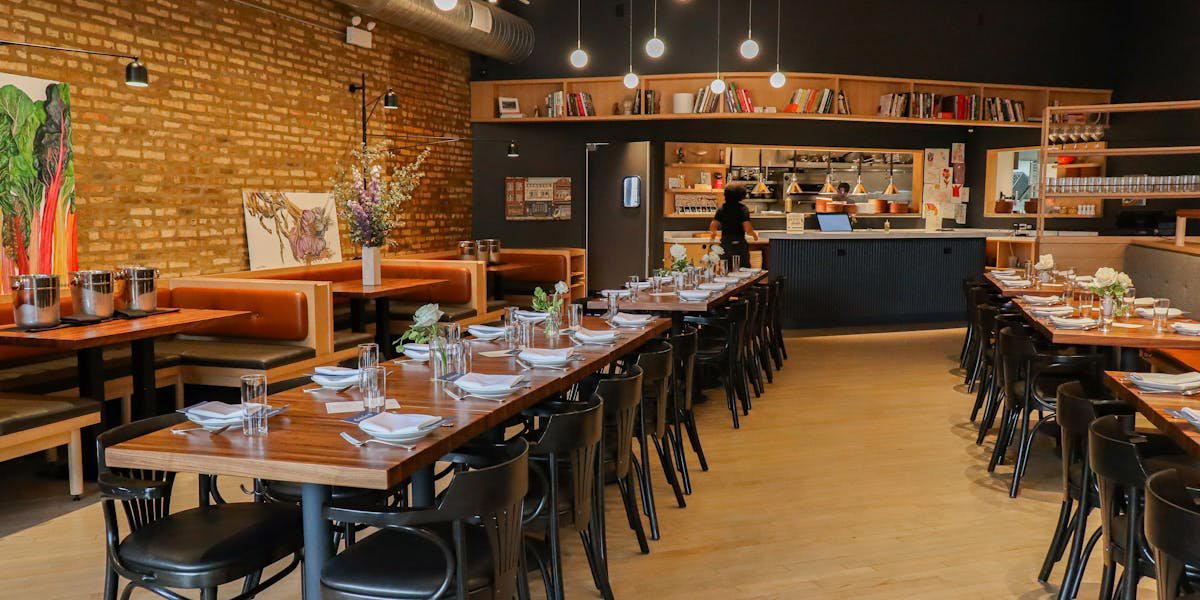
Bars in Chicago
All bars in Chicago →
Details
- Cozy
- Rustic
- Intimate
- Classic
- Date Night
- Family
- Business Dinner
- Open Kitchen
- Craft Cocktails
- Local Sourcing
- A La Carte
- Prix Fixe
- Cocktails
- Wine
Current opening hours
- Monday
- 4–9 PM
- Tuesday
- 4–9 PM
- Wednesday
- 4–9 PM
- Thursday
- 4–9 PM
- Friday
- 4–10 PM
- Saturday
- 4–10 PM
- Sunday
- 4–9 PM
Hours can change for holidays and private events. Hours as of .
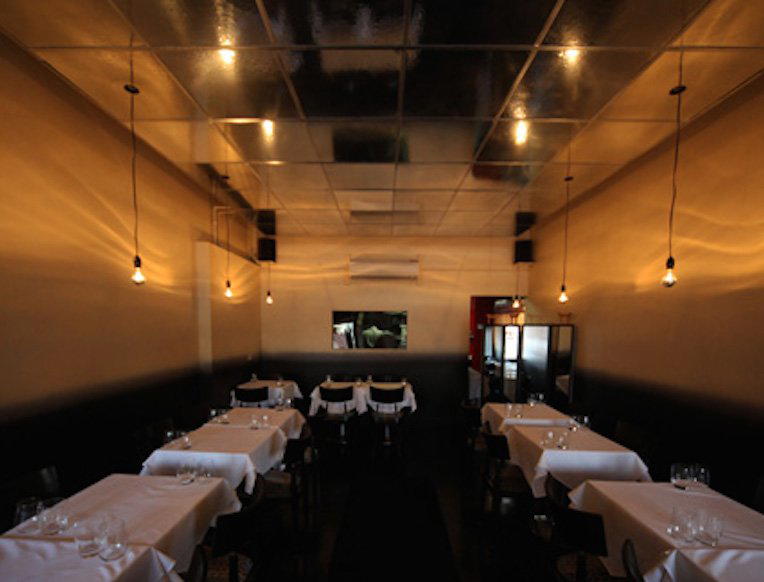
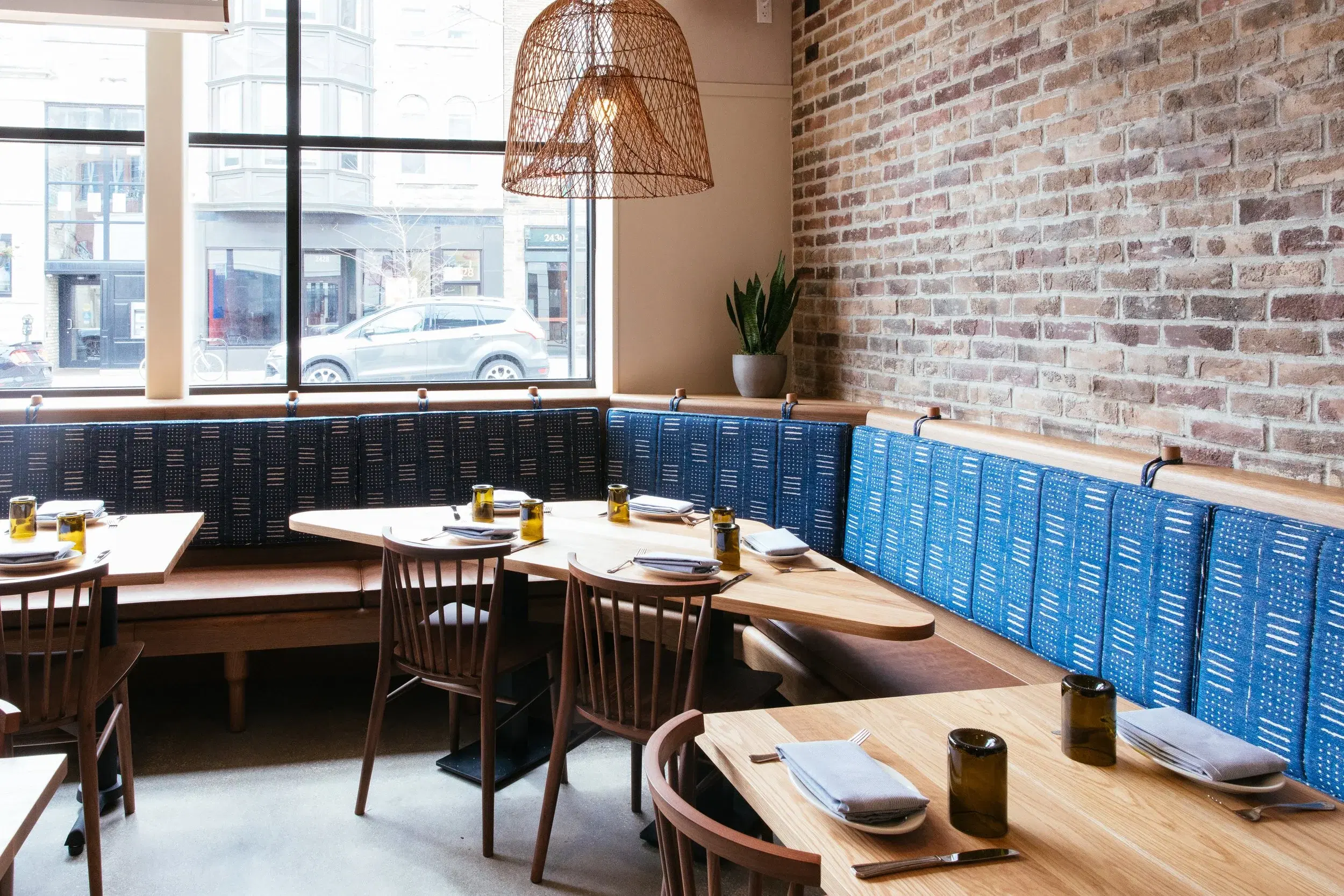
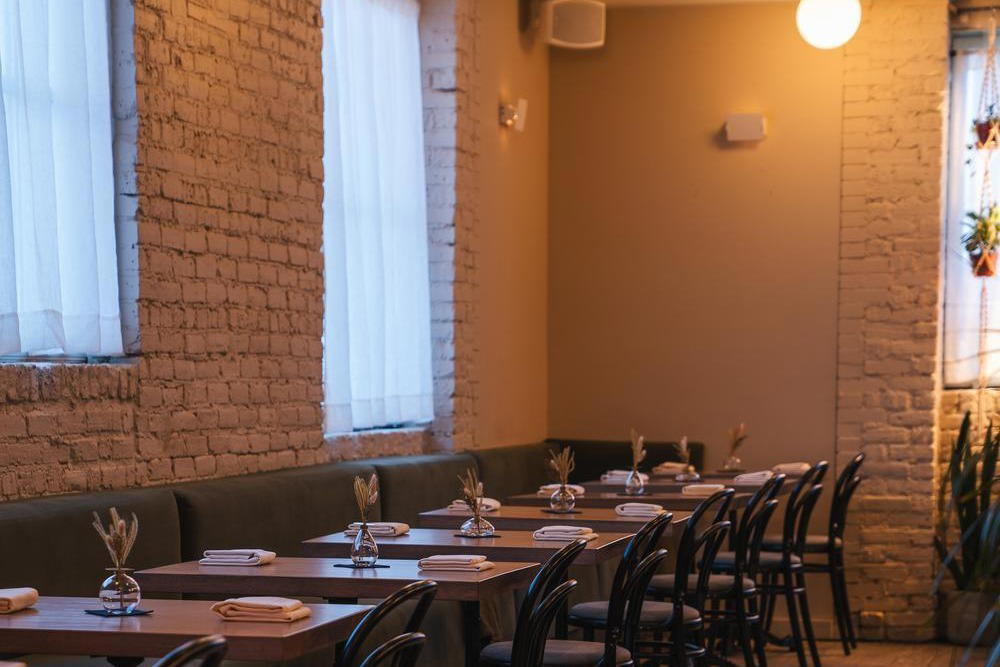
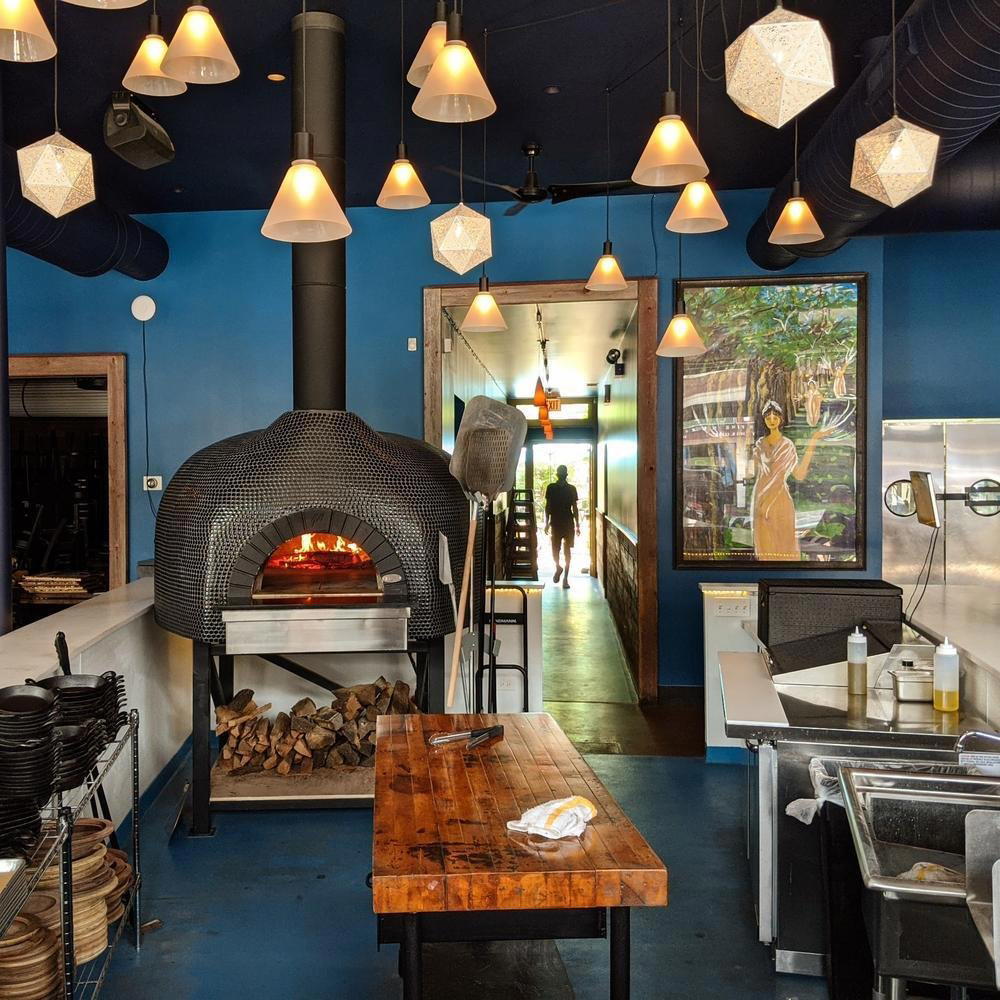
Charming and cozy space with inviting aromas, well-suited for intimate family dinners.