
Sangenjaya’s Italian scene runs on neighbourhood loyalty rather than hotel-dining polish, and Trattoria e Pizzeria L'ARTE fits that grammar: pizza, pasta, wine service, and a 38-seat room close to Sangen Jaya Station. Its Tabelog Italian TOKYO 100 selection in 2025, after earlier Pizza 100 selections, puts it in a serious Tokyo trattoria bracket without losing the casual rhythm of a Setagaya address.
Pearl is the En Primeur Club membership app — saves, bookings, and concierge access live there. Same editors, same standards.
- Address
- 東京都世田谷区三軒茶屋1-35-17 1F
- Phone
- +81334243003
- Website
- larte.jp
- Directions
- Get directions
 Saves & bookings on Pearl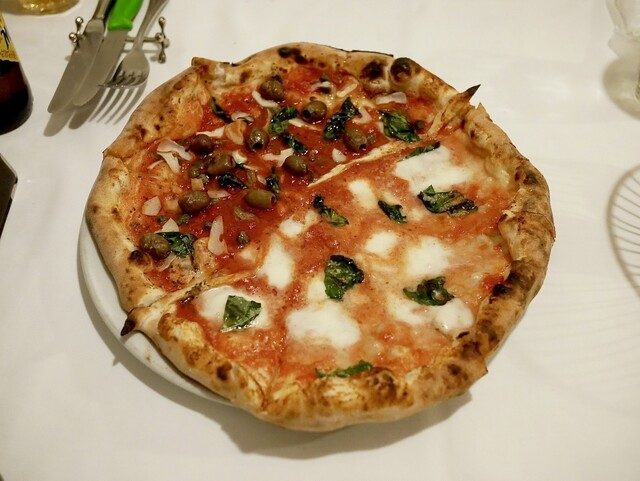
Approaching south Sangenjaya, Tokyo’s restaurant mood shifts from destination dining to rooms sustained by repeat local use. Here, an Italian trattoria must be informal enough for lunch, structured enough for dinner, and confident enough with wine to avoid feeling like a pizza stop with linen aspirations. Trattoria e Pizzeria L'ARTE sits in that middle register, where room, kitchen, and floor team move together rather than lean on a single chef narrative.
Tokyo treats Italian cooking seriously. Its stronger Italian restaurants rarely use pasta and pizza as tourist-safe fallbacks; they compete with French tasting rooms, sushi counters, yakitori specialists, and kappo kitchens for diners who read technique closely. Sangenjaya adds different pressure: compared with central dining zones, it rewards places useful on an ordinary week yet precise enough for a planned dinner. That is the lane here: Italian, pizza, and pasta, backed by wine service and a sommelier presence rather than a loose trattoria list.
Neapolitan pizza, pasta, and wine service in a Sangenjaya frame
The kitchen’s public identity is built around Italian categories, not a tasting-menu format. Pizza matters, but the restaurant’s Tabelog Italian TOKYO 100 recognition in 2025 suggests more than crust alone. Earlier Tabelog Pizza 100 selections in 2017, 2018, 2019, and 2021 place it in Tokyo’s specialist pizza conversation; the 2023 and 2025 Italian selections move it into a broader trattoria set. For readers, that signals a room where pasta, wine, and front-of-house pacing matter alongside the oven.
The team dynamic is the story. Tokyo’s stronger casual Italian rooms depend on choreography: the kitchen must land dishes quickly, the sommelier keep choices legible, and the floor read whether a table is there for weekday lunch, a date, or a longer dinner with friends. Listed service details point to hybrid use: sommelier available, celebrations handled, take-out offered, and counter seating alongside tables. Alone, none proves greatness; together they describe a restaurant built for repeat neighbourhood use, not occasional ceremony.
Price places it clearly in Tokyo. Dinner is JPY 8,000 to JPY 9,999, lunch JPY 3,000 to JPY 3,999, with weekday lunch courses handled through cash, card, or QR payment. In Sangenjaya, that sits above the casual-cafe tier represented by Pancake Mama Cafe VoiVoi, Tonkatsu Gensuiton, CAFE Mame-Hico Sangenjaya honten, Mikazuki Do, and Imagawayaki Kashiwaya, all in lower everyday price bands. The comparison clarifies intent: not inexpensive neighbourhood Italian, nor Ginza-style formality, but a priced-up local room with a reputation anchored by Tabelog’s Italian and Pizza 100 selections.
What the awards say about Tokyo's Italian dining culture
Tabelog’s Hyakumeiten lists reward category depth, and Italian in Tokyo is crowded. Selection for Italian TOKYO 100 in 2025, with a Tabelog score of 3.85, gives Trattoria e Pizzeria L'ARTE a trust signal especially relevant in Japan, where user-led platforms influence bookings. The point is consistency across formats: a restaurant first noted in pizza lists and later recognized in Italian lists has moved from specialist appeal to fuller dining identity.
That evolution mirrors Tokyo’s wider Italian pattern. The city long separated high-formal Italian dining from pizzerias, but the more interesting middle tier now blurs that line. Serious pizza no longer has to sit apart from composed dinner; a trattoria can use pasta, wine, and service tempo to broaden the evening without losing the informality that made the room work. Sangenjaya, with residential density and late-evening dining culture, suits the model. The strongest argument here is not novelty, but that the format fits the neighbourhood.
The restaurant’s 38 seats keep the experience closer to a managed room than a dining hall. Private-room information is nuanced: the room can accommodate 8 people, smaller groups may share it, and groups of 7 or more may have it exclusively. That reveals the operation’s scale. The floor must manage intimacy without promising total seclusion to every party. For a date or dinner with friends, that can help; for a confidential business meal, check before committing.
Accessibility and comfort details reinforce practicality. The space lists counter seating, wheelchair access, and non-smoking status, while parking is unavailable. Lunch dress is more casual, with jeans and sneakers noted during daytime, and elementary-school-age children have been observed at lunch. These are not glamorous signals, but they separate a useful restaurant from a fragile special-occasion room. Tokyo has plenty of restaurants that ask diners to adapt to the house; this format gives the house more responsibility to adapt to the daypart.
How to fold it into a Tokyo itinerary
Sangenjaya works when the day is built around western Tokyo rather than a cross-city sprint. The nearest station is Sangen Jaya on the Tokyu Den-en-toshi Line, with the restaurant listed a short walk from the south exit. Hours shift by day, and Thursday dinner operates every other week, so plan with calendar awareness rather than assuming drop-in rhythm. Weekend and holiday lunch reservations are accepted, weekday lunch reservations are not, and weekend or holiday lunch seating is limited to 1 hour and 20 minutes.
For broader planning, understand Tokyo dining by category rather than a single neighbourhood crawl. Compare this Sangenjaya Italian format with other city registers in Our full Tokyo restaurants guide, from . 鮪と炭火焼き うお炭 秋葉原店 and 12/10 Shinjuku ten to 124. KAGURAZAKA (Yakitori), 2D Cafe, and 3 Chome no Curry Ya San. Pair the meal with sleep, drinking, cellar, and culture research through Our full Tokyo hotels guide, Our full Tokyo bars guide, Our full Tokyo wineries guide, and Our full Tokyo experiences guide.
Outside Tokyo, the same editorial logic applies: format, price, and neighbourhood use tell the reader more than adjectives. For comparison across Japan and beyond, see -Grilled beef Sukiyaki- KAMAKURA TANUKIAN 鎌倉 たぬき庵 in Kamakura.cafe in Osaka.know in Kumamoto, (Shoku) Vietnam in Kawasaki, [Curry Senmon Ten] Maruyama Kyoju. in Sapporo, [ki:] in Kyoto, Jōdo Saké Bar in Los Angeles, and Onigiri Time in Pasadena. The lesson from Sangenjaya is simple: a good Tokyo itinerary leaves room for restaurants whose strength lies in coordination, not spectacle.
City Peers
Comparable venues in the metro at similar price points.
| Venue | Cuisine | Price | Notes |
|---|---|---|---|
| Trattoria e Pizzeria L'ARTEThis venue — the venue you are viewing | Traditional Italian trattoria & Neapolitan pizzeria | $$ | Not listed |
| La TRIPLETTA | Neapolitan pizza & Italian in Musashi-Koyama | $$ | Shinagawa |
| SAVOY Tomato & Cheese (SAVOY とまととちーず) | Neapolitan Pizza with Japanese Fusion | $$ | Azabujuban |
| Pepe Rosso | Traditional Italian | $$ | Setagaya |
| PIZZA BORSA | Traditional Neapolitan Pizza | $$ | Toshima |
| SAVOY | Neapolitan-Style Pizza | $$ | Setagaya |
Recognition history
Dated appearances from independent guides and award organizations, with the underlying list record or original source where available.
Tabelog 100 #57 · No. 57
Tabelog · Tabelog 100 - Italian - TOKYO - 2025














At a Glance
- Cozy
- Rustic
- Lively
- Intimate
- Date Night
- Group Dining
- Casual Hangout
- After Work
- Family
- Open Kitchen
- Standalone
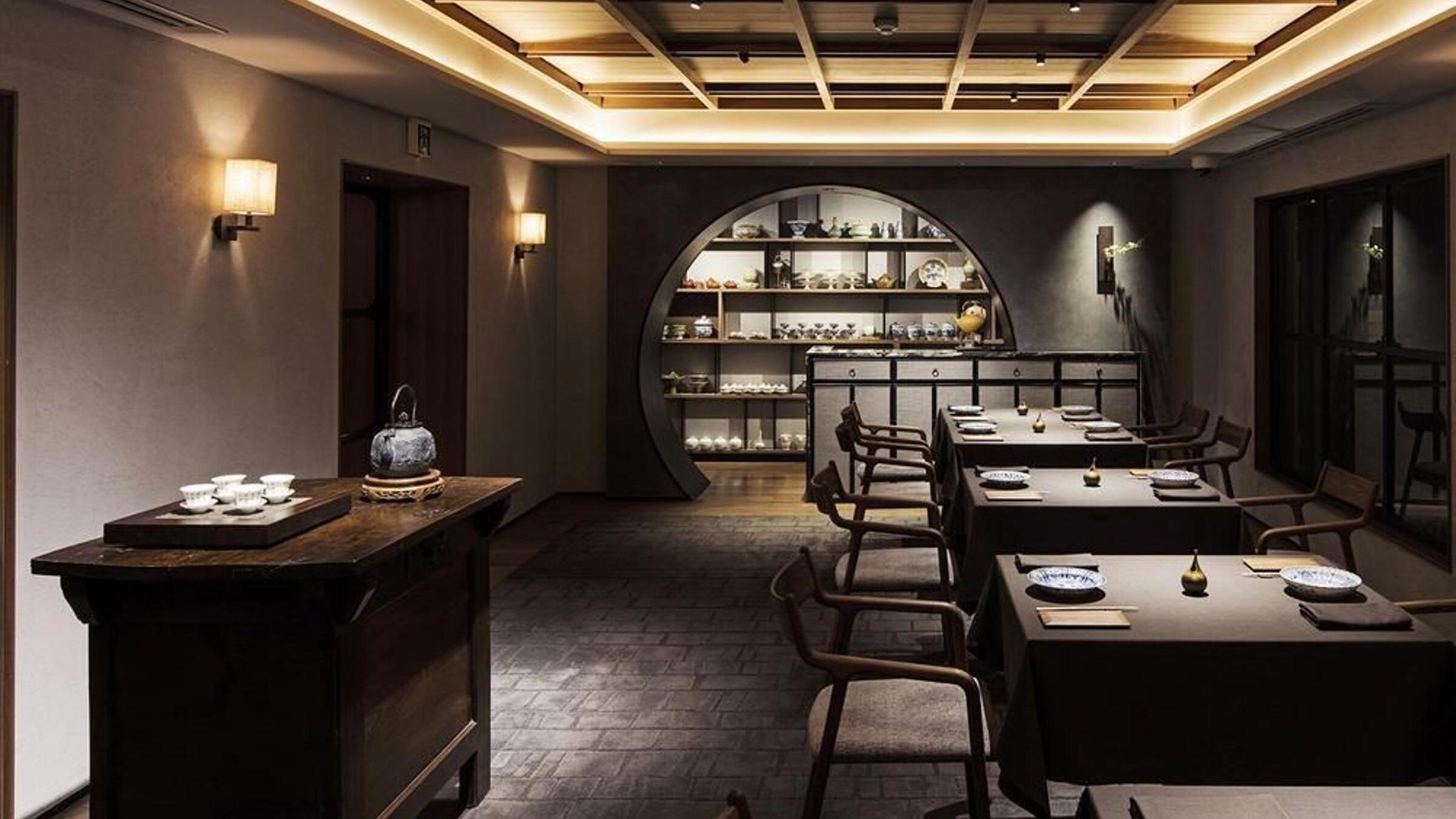
Warm and rustic Italian trattoria with the glow and focal presence of a wood-fired pizza oven, casual neighborhood energy, and relaxed, lively buzz at peak times.