
Michelin Plate
Our verdict
A Michelin Plate-recognised trattoria in Caprarola, housed in a building dating to 1370 and run by the Calistri family since 1940. The menu reads as a focused survey of Lazio's larder: cured hams, fresh pasta including a well-regarded amatriciana, grilled meats, and regional cheeses. At the €€ price point, it represents serious regional cooking in a village most visitors pass through on the way to Palazzo Farnese.

Pearl is the En Primeur Club membership app, where members save venues, book tables and use the concierge.
The menu
What to order
- Maremma beef carpaccio with porcini mushrooms
- Fettuccine with porcini mushrooms
- Pici alla amatriciana
- Hazelnut tart with zabaglione
Where the Road to Palazzo Farnese Begins
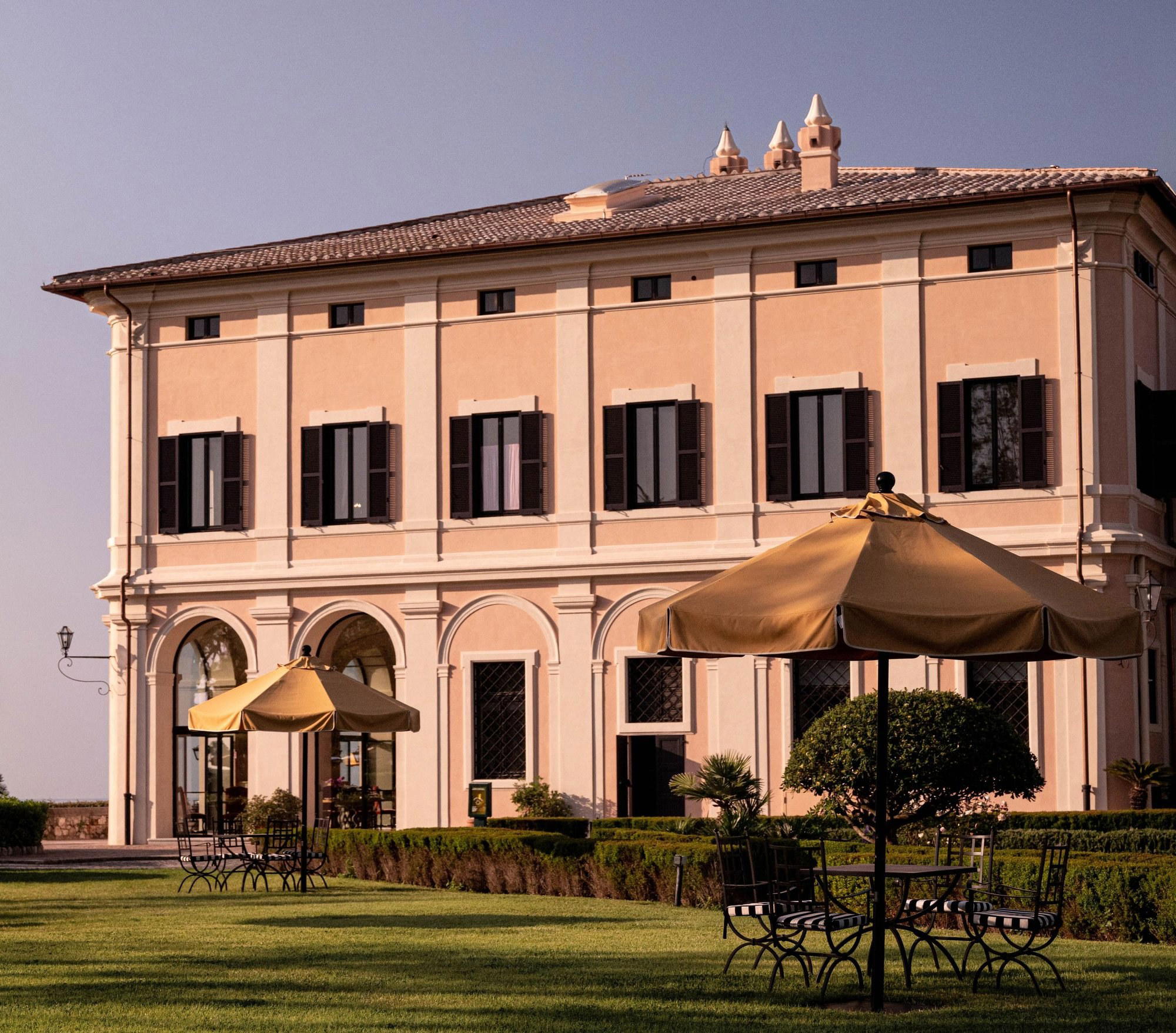
The hill leading up to Palazzo Farnese in Caprarola is one of the more dramatic approaches in Lazio's inland provinces. The sixteenth-century Farnese palace dominates the ridgeline above the village, and the stone buildings lining the ascent date in some cases to the medieval period. The structure at Via Filippo Nicolai, 44 is among the oldest of them, its fabric tracing back to 1370. That physical context matters: the building predates the palace it faces, and eating here situates you inside a layer of Caprarola's history that the palace tour cannot reach.
The Calistri family have operated the trattoria since 1940, which places them across four generations of the same regional cooking tradition. In a country where family-run trattorias are common, the ones that endure past the eighty-year mark do so because the kitchen maintains a consistent relationship with the region's producers, not because it chases trends. That sourcing continuity is the defining quality of a place like this, and it is what Michelin's Plate recognition, awarded in both 2024 and 2025, implicitly acknowledges: the cooking is at a level Michelin considers worth noting, without the creative elaboration that earns stars.
Lazio's Larder on the Plate
Lazio's food culture sits between Rome's trattoria tradition and the agricultural produce of the Viterbo province, which supplies much of the capital's market vegetables, legumes, and pork. Caprarola is in Tuscia, the area once controlled by the Etruscans, where the volcanic soil of the Cimini hills yields produce with a density that flatland farming does not replicate. The chestnuts, hazelnuts, and vegetables grown on these slopes have supplied the tables of this area for centuries, and the cured meats and cheeses available at a trattoria of this standing reflect producers who have worked the same land across multiple generations.
The amatriciana at Trattoria del Cimino is the dish most frequently referenced in accounts of the kitchen. Amatriciana originates in Amatrice, a town in the Rieti province to the east, but it has spread through Lazio in ways that expose sharp quality differences. The version here is considered particularly sound, which in the context of this dish means the right balance of guanciale fat, tomato acidity, and pecorino sharpness, with pasta made in-house rather than dried. Fresh pasta is part of the trattoria's stated identity, and the difference between a hand-made amatriciana and a dried-pasta version is significant enough to make it a meaningful ordering choice.
The cured hams are listed as a kitchen strength. Lazio's cured pork tradition runs parallel to those of Umbria and Tuscany, with producers in the Viterbo area working with heritage breeds and curing methods that the supermarket category cannot approximate. An antipasto course built around these products tells you something about the kitchen's supplier relationships before the pasta arrives. The cheese and dessert selection rounds out a menu structure that is classical Lazio trattoria from first course to final bite: no deconstructed gestures, no imported technique.
Grilled meats sit alongside the pasta and cured products. The wine list extends that logic: the Lazio region produces Frascati, Est! Est! Est! Cesanese, and several less-distributed DOC wines that a serious regional trattoria would stock in depth.
How This Kitchen Sits in Italy's Dining Range
Italian fine dining at the leading end occupies a very different register. Places like Osteria Francescana in Modena, Enoteca Pinchiorri in Florence, or Enrico Bartolini in Milan operate at €€€€, where the proposition involves extensive tasting menus, large service teams, and creative programs that treat regional ingredients as starting points for elaboration. The same applies to Dal Pescatore in Runate, Le Calandre in Rubano, Piazza Duomo in Alba, Uliassi in Senigallia, Quattro Passi in Marina del Cantone, Reale in Castel di Sangro, Atelier Moessmer Norbert Niederkofler in Brunico, and Casa Perbellini 12 Apostoli in Verona.
Trattoria del Cimino operates at €€, which in Italy's trattoria tier means two courses, a glass of regional wine, and a shared antipasto for under thirty euros per person in most cases. The Michelin Plate signal places the kitchen above the undifferentiated mid-range without repositioning it toward the fine-dining register. It is a useful distinction: you are eating food that a serious guide considers worth seeking out, in a room that makes no argument for spectacle. For visitors whose primary reason to visit Caprarola is the Farnese palace, the trattoria provides a meal that extends the trip's logic rather than interrupting it.
For comparable Lazio cooking in different contexts, Cacciani in Rome and L'Osteria della Trippa in Rome approach regional traditions from a city base, where supplier access and price points differ from a village trattoria with eight decades of local relationships.
Planning a Visit
Caprarola sits in the Viterbo province, roughly ninety minutes north of Rome by road. The village is compact, and Via Filippo Nicolai runs directly up toward Palazzo Farnese, making the trattoria easy to locate on foot from the main piazza. Reservations are advisable in high season; the trattoria's physical address on Via Filippo Nicolai is the primary way to make contact given that phone and website details are not publicly listed in standard directories. Arriving on foot from the palace after a morning visit is the natural sequence: the downhill walk, a table for lunch, and a carafe of whatever regional white the kitchen is pouring.
For further context on eating and staying in the area, see our full Caprarola restaurants guide, our full Caprarola hotels guide, our full Caprarola bars guide, our full Caprarola wineries guide, and our full Caprarola experiences guide.
Frequently asked questions
What's the price range at Trattoria del Cimino dal 1895?
Pricing at Trattoria del Cimino dal 1895 is listed as €€.
Side-by-Side Snapshot
| Venue | Cuisine | Price | Awards | Notes |
|---|---|---|---|---|
| Trattoria del Cimino dal 1895This venue (the venue you are viewing) | Traditional Italian Trattoria | $30–50 | Michelin Plate | Not listed |
| Atelier Moessmer Norbert Niederkofler | Modern Alpine Fine Dining | $300–500 | 3 Michelin Stars · World's 50 Best #20 | Italian, Creative |
| Dal Pescatore | Classic Italian Fine Dining | $200–300 | 3 Michelin Stars · World's 50 Best #38 | Italian, Italian Contemporary |
| Enoteca Pinchiorri | Contemporary Italian Fine Dining | $200–300 | 3 Michelin Stars · World's 50 Best #32 | Italian - French, Italian Contemporary |
| Enrico Bartolini | Modern Italian Fine Dining | $300–500 | 3 Michelin Stars · World's 50 Best #85 | Creative |
| Osteria Francescana | Avant-Garde Italian Contemporary | $300–500 | 3 Michelin Stars · World's 50 Best #1 | Progressive Italian, Creative |
Recognition history
Dated appearances from independent guides and award organizations, with the underlying list record or original source where available.
Michelin Plate
Michelin
Full recognition history (3 entries)
Michelin Plate
Michelin
Michelin Plate
Michelin
Continue exploring
More in Caprarola
Restaurants in Caprarola
All restaurants in Caprarola →
Bars in Caprarola
Browse all →

Details
- Rustic
- Cozy
- Historic
- Intimate
- Classic
- Date Night
- Family
- Special Occasion
- Historic Building
- Wine Cellar
- Sommelier Led
- Local Sourcing
- A La Carte
Current opening hours
- Monday
- Closed
- Tuesday
- 12–2:30 PM, 7:30–9 PM
- Wednesday
- 12–2:30 PM, 7:30–9 PM
- Thursday
- 12–2:30 PM, 7:30–9 PM
- Friday
- 12–2:30 PM, 7:30–9:30 PM
- Saturday
- 12–3:30 PM, 7:30–10 PM
- Sunday
- 12–5 PM, 7:30–9 PM
Hours can change for holidays and private events. Hours as of .
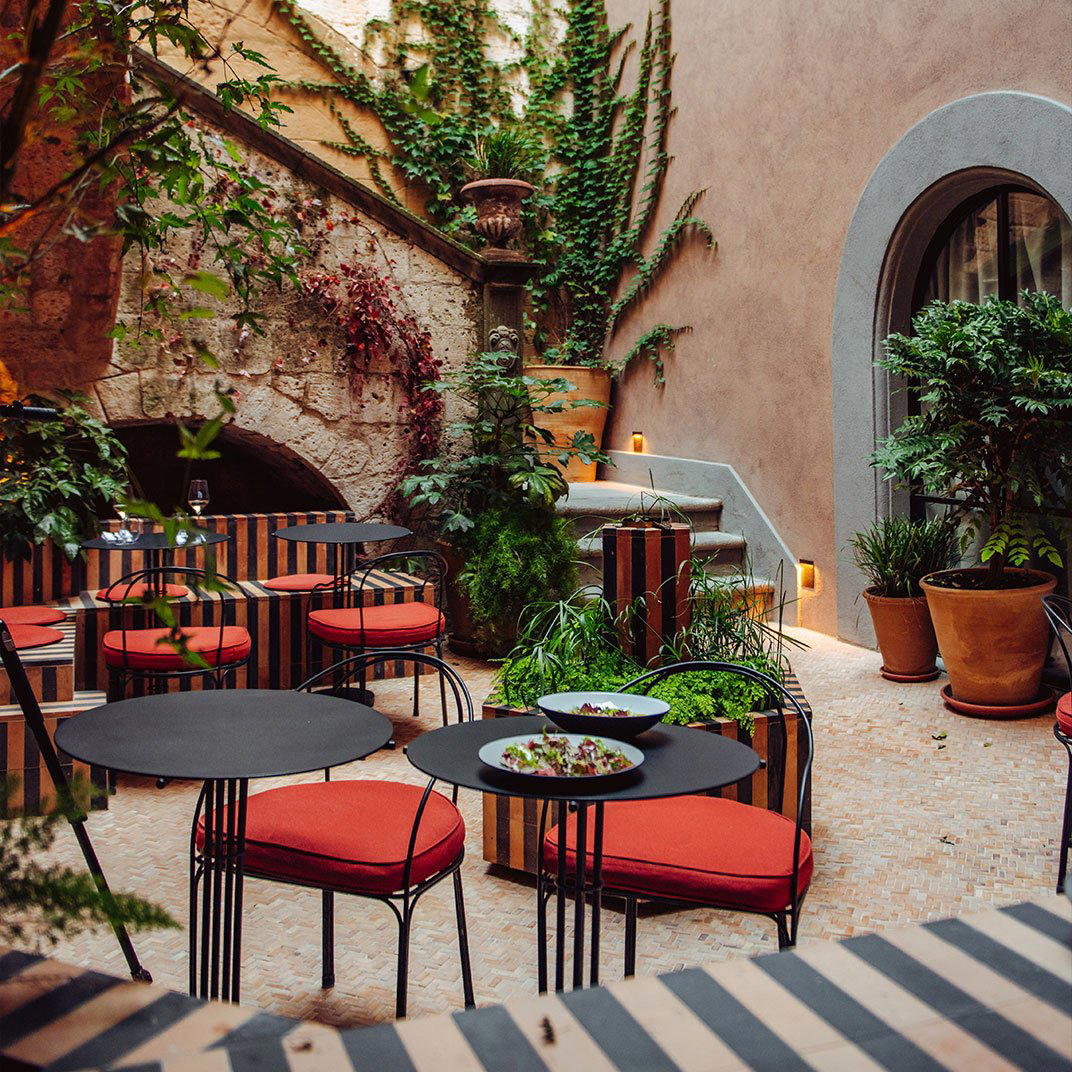
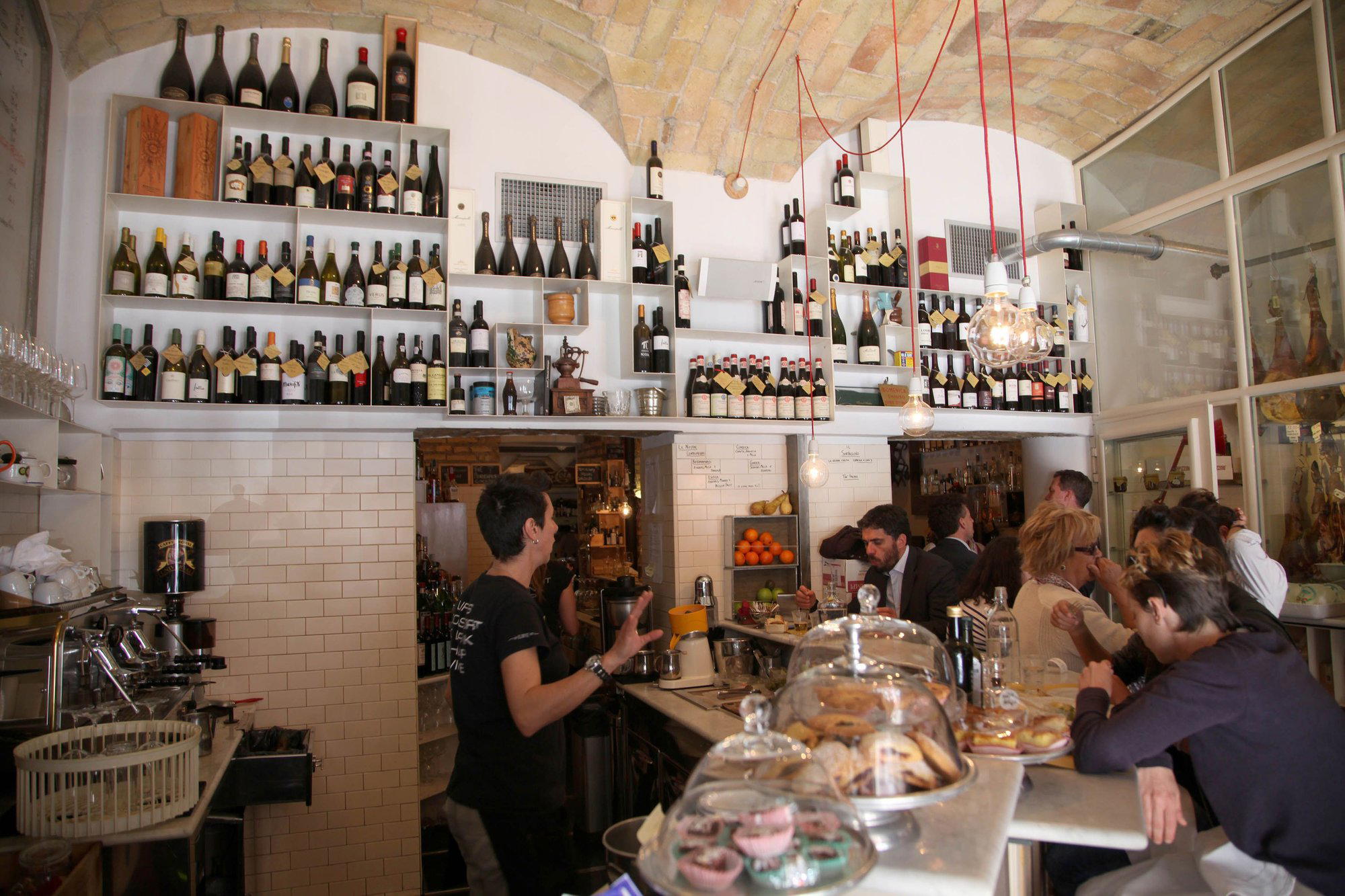
Cozy and welcoming historic space with frescoed vaults, colorful stylish decor, family warmth through classic ceramics, and a lived-in pleasant atmosphere.