.png)
Tipico Osteria dei Sensi sits on Via Roma in Montone, one of Umbria's most preserved medieval hilltowns, serving a menu grounded in regional tradition. Operated alongside the gourmet Locanda del Capitano, Tipico offers a simpler, more accessible expression of Umbrian cooking, with a wine list of over 400 labels and an olive oil selection drawn from the region's finest producers.
Pearl is the En Primeur Club membership app — saves, bookings, and concierge access live there. Same editors, same standards.
- Address
- Via Roma 5/7, 06014 Montone PG, Italy
- Phone
- +39 075 928 8040
- Website
- tipicomontone.it
 Saves & bookings on Pearl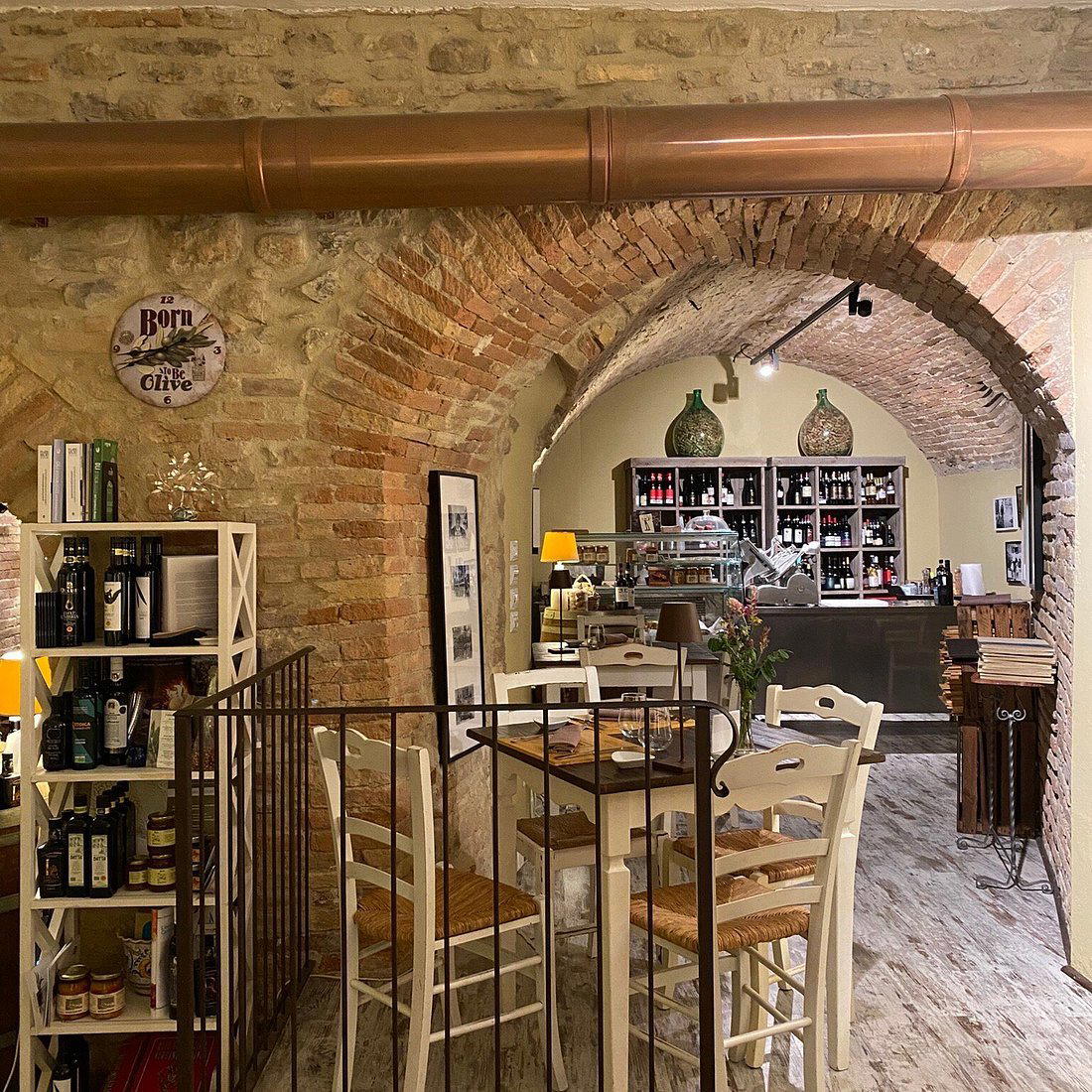
Stone, Silence, and the Weight of Umbrian Tradition
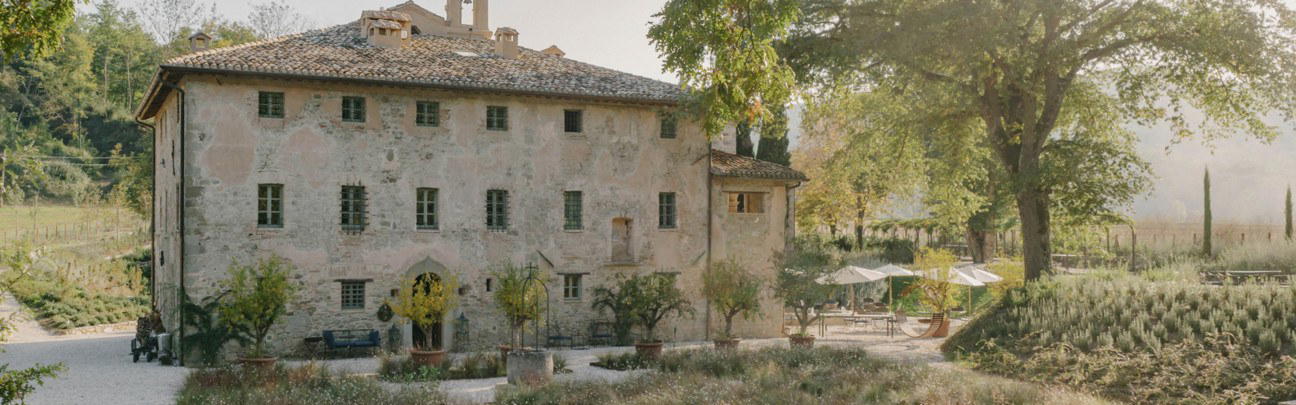
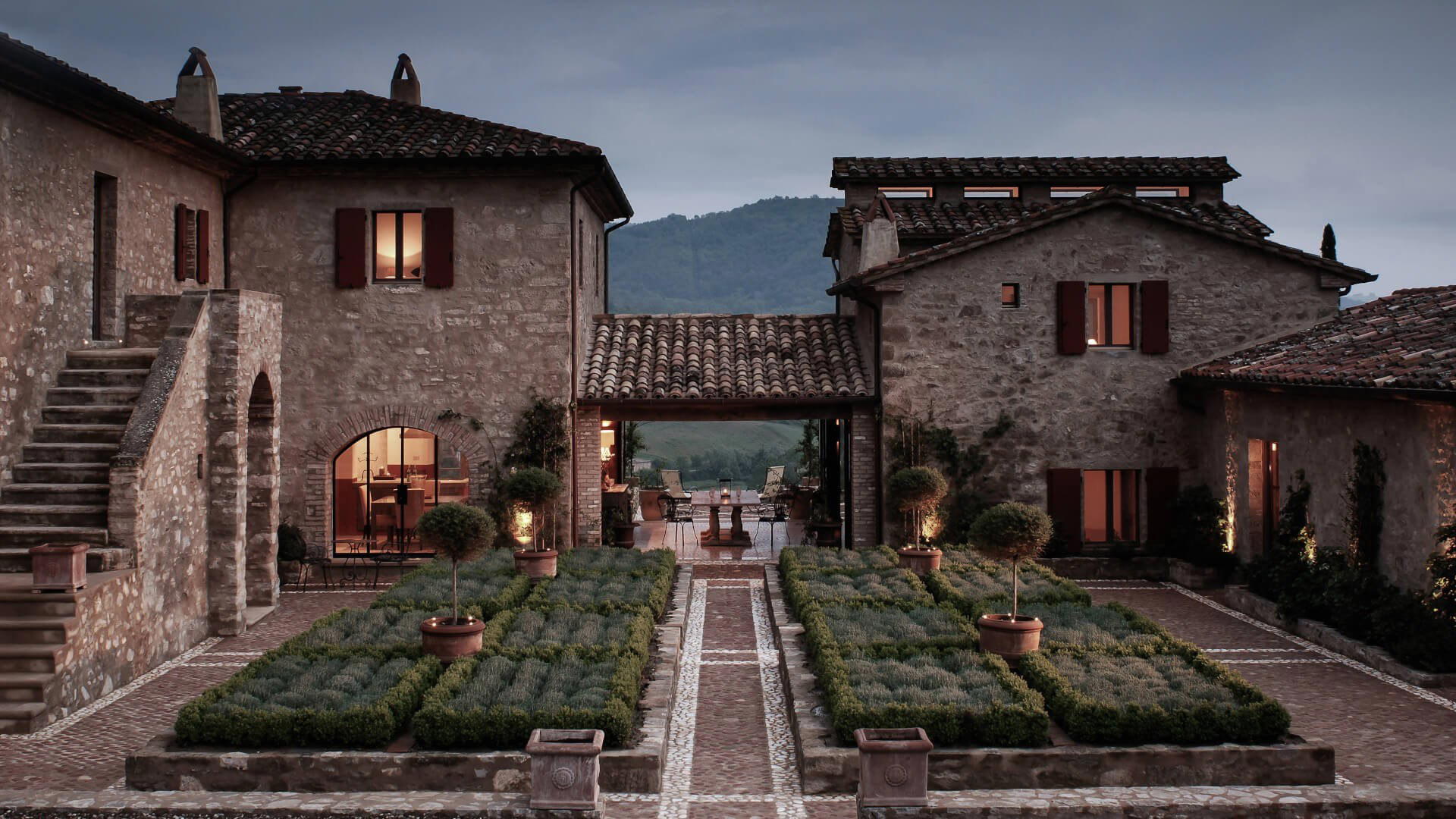
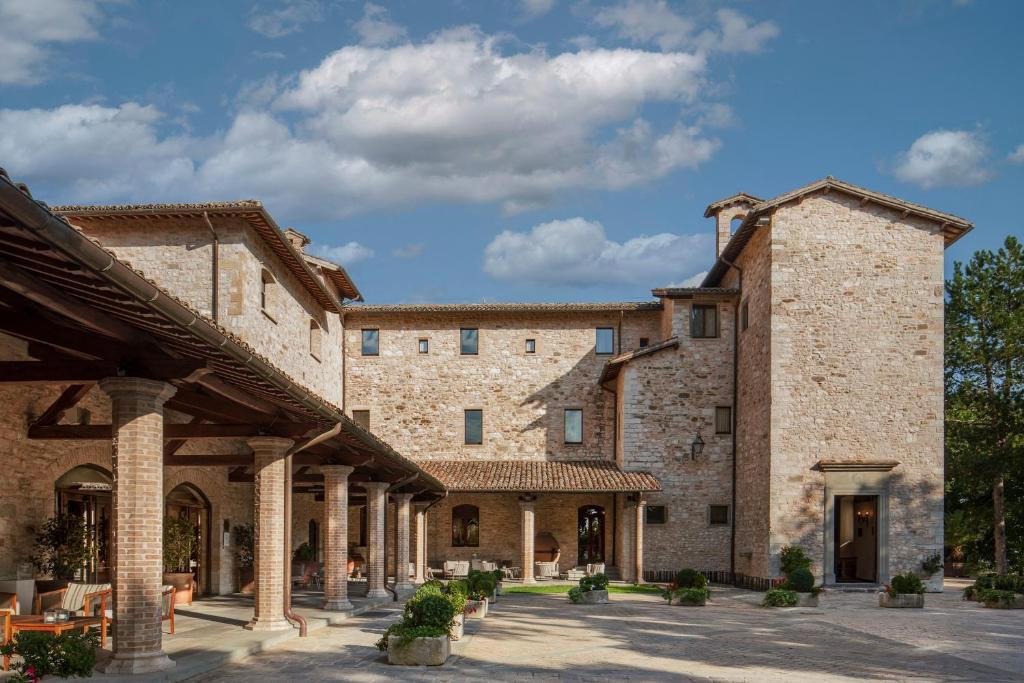
Arriving in Montone already frames the meal. The village sits above the Tiber valley on a ridge that has changed very little since the fourteenth century, and Via Roma, the kind of street where the pavement is older than most countries, runs through the centre of it. Eating here is not incidental to the place; it is continuous with it. The stone walls, the quiet, the absence of the commercial noise that surrounds Italian dining in better-known cities: all of this belongs to the experience of Tipico Osteria dei Sensi before a single dish arrives.
Umbrian cooking occupies a distinct position in the broader Italian regional canon. It is not the refined restraint of Piemonte, where a venue like Piazza Duomo in Alba translates local ingredients through a contemporary technical lens, nor the celebrity-driven progressivism of Massimo Bottura's Osteria Francescana in Modena. Umbria works in a quieter register: black truffle, cured pork, bitter greens, legumes grown in the high plains around Castelluccio, and olive oils from groves that produce some of the most assertive examples in Italy. The cuisine rewards those who read it on its own terms rather than against the more glamorous benchmarks of northern Italy.
Two Addresses, One Kitchen Logic
Tipico functions as the more accessible half of a two-venue operation that shares infrastructure with the Locanda del Capitano, which sits alongside it and pitches its menu at the gourmet end of Umbrian cooking. This split-format model, one address for the elaborate, one for the direct, is a practical response to the range of travellers a village like Montone attracts. Some arrive for a long weekend and want a composed tasting experience; others are passing through and want a plate of pasta and a glass of Sagrantino without ceremony. Tipico serves the latter, and the format carries its own integrity.
The simpler menu at Tipico does not mean a diluted one. Umbrian trattoria cooking at its finest is disciplined in exactly the ways that matter: ingredients sourced locally, preparations that do not obscure the produce, and portions calibrated for people who eat this way regularly rather than as a novelty. The shared wine list, with over 400 labels, means that even a casual lunch at Tipico is not short on depth. The wine list gives the room real depth without changing its informal format.
The Olive Oil Dimension
In most restaurant contexts, olive oil is background. In Umbria, it is foreground. The region produces oils that can run from grassy and green to intensely peppery and bitter, depending on the grove, the cultivar, and the harvest timing, and the selection at Tipico reflects that range rather than flattening it. This is not a detail for specialists only: the difference between a generic supermarket oil and a well-sourced Umbrian extra virgin on a plate of legumes or bruschetta is immediate and legible even without technical vocabulary. The commitment to regional oils here is a signal about how the kitchen approaches sourcing more broadly.
What the Inspector Ordered
The dish that drew specific attention from the EP Club inspector was the maritozzo di mazzafegato, a sausage bun built around mazzafegato, the spiced offal sausage that is one of the more distinctive products in Umbrian charcuterie, served with escarole, caramelised onions, and olives. Mazzafegato is not a dish that appears in many restaurants outside the region; it requires both a producer relationship and a diner willing to engage with it. Its presence on the Tipico menu is an indicator that the kitchen is not softening the Umbrian repertoire for outside consumption. The combination of the fatty, spiced sausage with the bitterness of escarole and the sweetness of caramelised onion follows a logic that runs through Central Italian cooking: fat balanced by bitterness, sweetness used as a bridge rather than a dominant note.
Montone as a Dining Destination
Montone is not a place most travellers plan around. It appears on itineraries because someone is already in Umbria, has exhausted the more obvious stops, and has either done the research or been pointed here by someone who has. That pattern of discovery tends to produce a particular kind of visitor: one who is paying attention. For those building a longer Umbrian itinerary, the village rewards the detour, and Tipico provides a low-commitment entry point to the local food culture before, or instead of, committing to the more involved Locanda del Capitano format next door.
Where Tipico Sits in the Wider Italian Picture
The Italian restaurant scene currently runs from multi-Michelin technical programs, Enrico Bartolini in Milan, Le Calandre in Rubano, Reale in Castel di Sangro, Uliassi in Senigallia, Quattro Passi in Marina del Cantone, or the rigorous French-Italian synthesis at Atelier Moessmer Norbert Niederkofler in Brunico, to the kind of regional trattoria that exists to keep a local food culture intact rather than to reinvent it. Tipico is firmly in the second category. That is not a consolation; it is a different ambition, one that international fine dining programs from Le Bernardin in New York to Atomix consistently gesture toward as a source of authenticity even as their own formats move further from it.
Planning a Visit
Tipico Osteria dei Sensi is on Via Roma, 5, in the centre of Montone, a village in the province of Perugia that requires a car from most Umbrian bases; Given that Montone has a very small resident population, arriving without a reservation on busy weekends or during the summer season carries risk. Booking ahead is advisable, particularly if visiting alongside the Locanda del Capitano or during one of Montone's seasonal festivals, which draw visitors from across the region.
Price and Positioning
Comparable venues nearby, for context on price, style, and recognition.
| Venue | Cuisine | Price | Awards | Notes |
|---|---|---|---|---|
| Tipico Osteria dei SensiThis venue — the venue you are viewing | Montone, Modern Umbrian Osteria | $$ | Bib Gourmand | |
| Locanda del Capitano & Tipico Osteria | Montone, Umbrian Fine Dining | $$$ | Bib Gourmand | |
| La Palomba | $$ | Michelin Plate | Historic Center, Traditional Umbrian Trattoria | |
| Osteria La Solita Zuppa | $$ | Bib Gourmand | historic centre, Traditional Tuscan Trattoria | |
| Del Fagioli | $$ | Michelin Plate | San Niccolo, Authentic Florentine Trattoria | |
| All'Antico Vinaio | $$ | San Niccolo, Tuscan Schiacciata Sandwiches |
At a Glance
- Rustic
- Cozy
- Intimate
- Elegant
- Family
- Date Night
- Special Occasion
- Historic Building
- Extensive Wine List
- Local Sourcing
- Street Scene
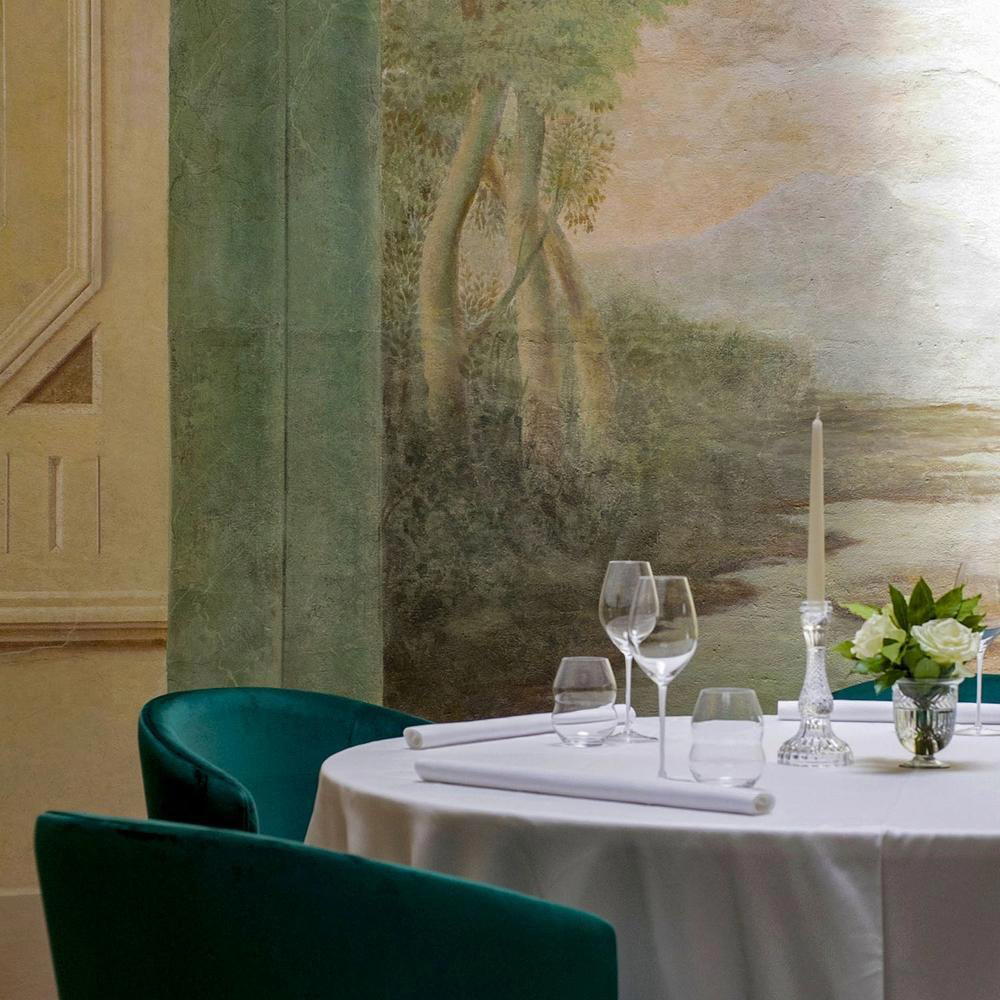
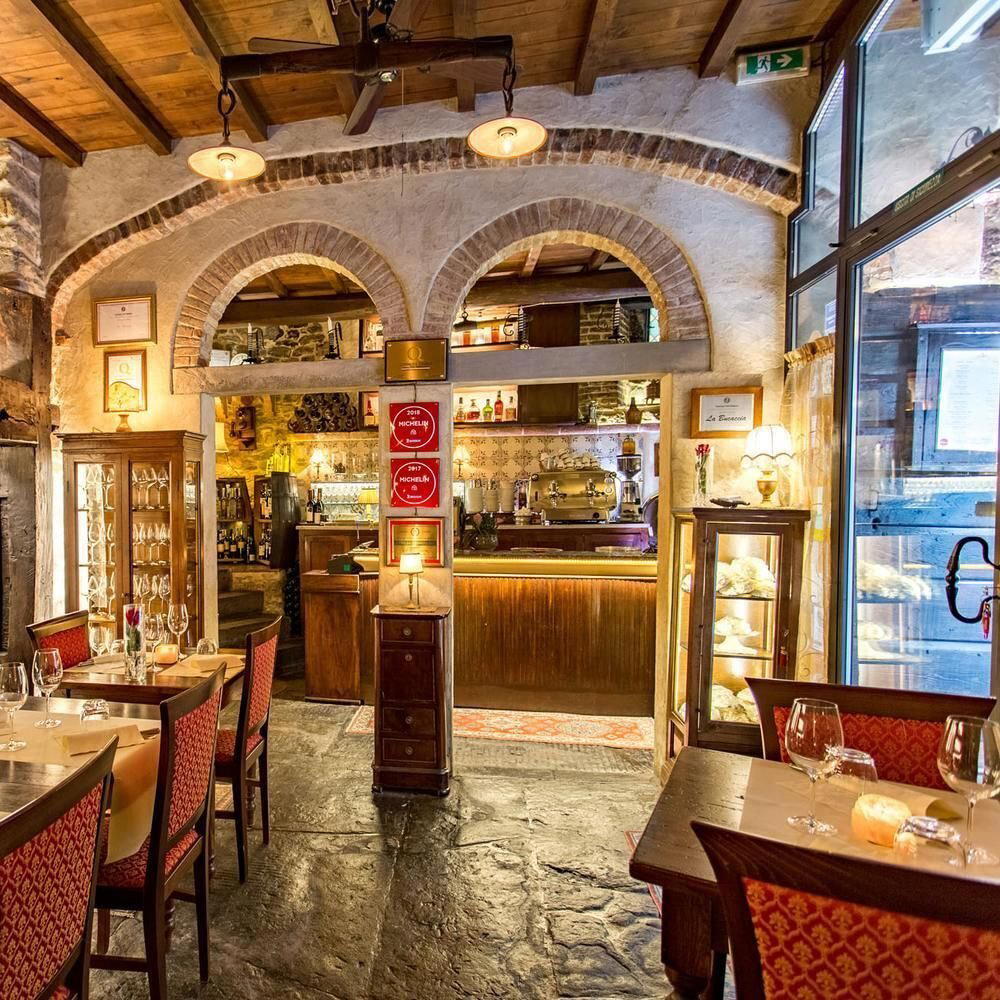
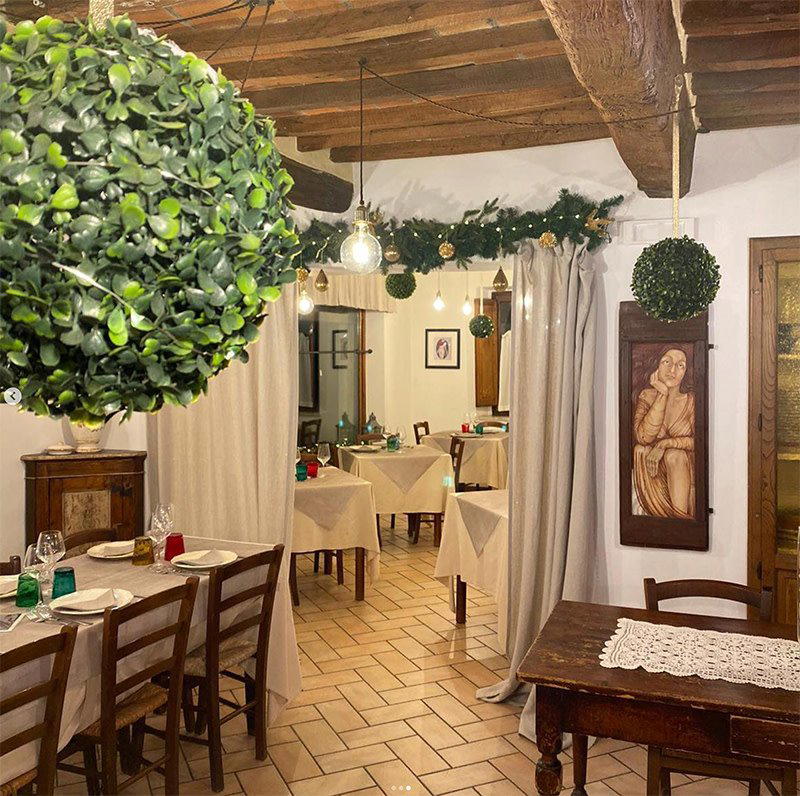
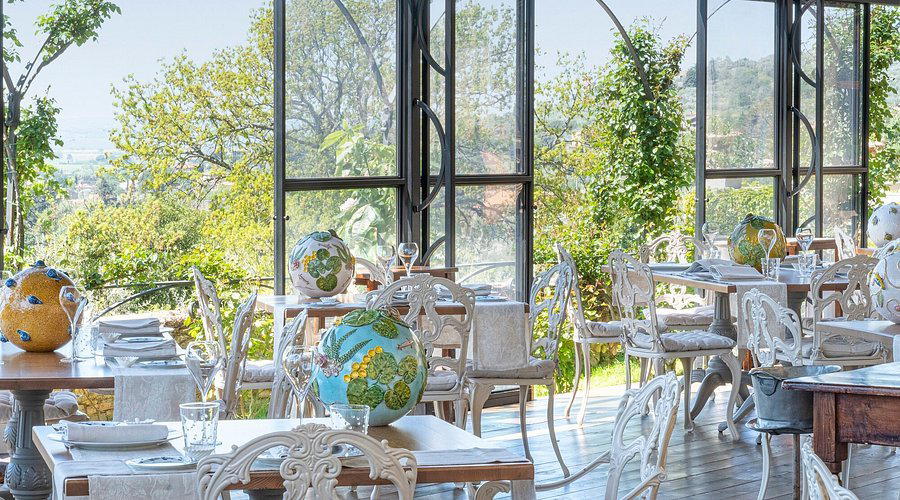
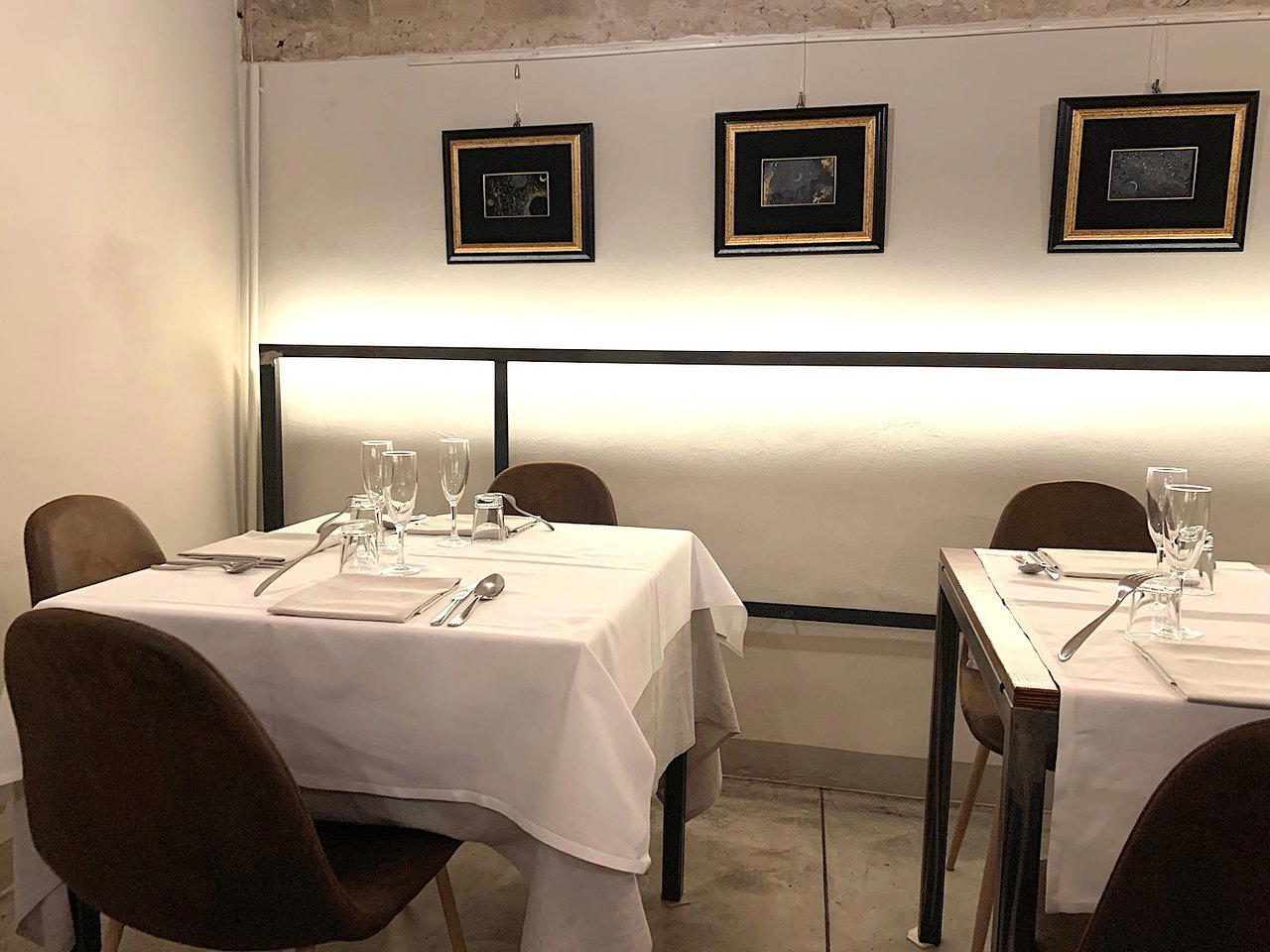
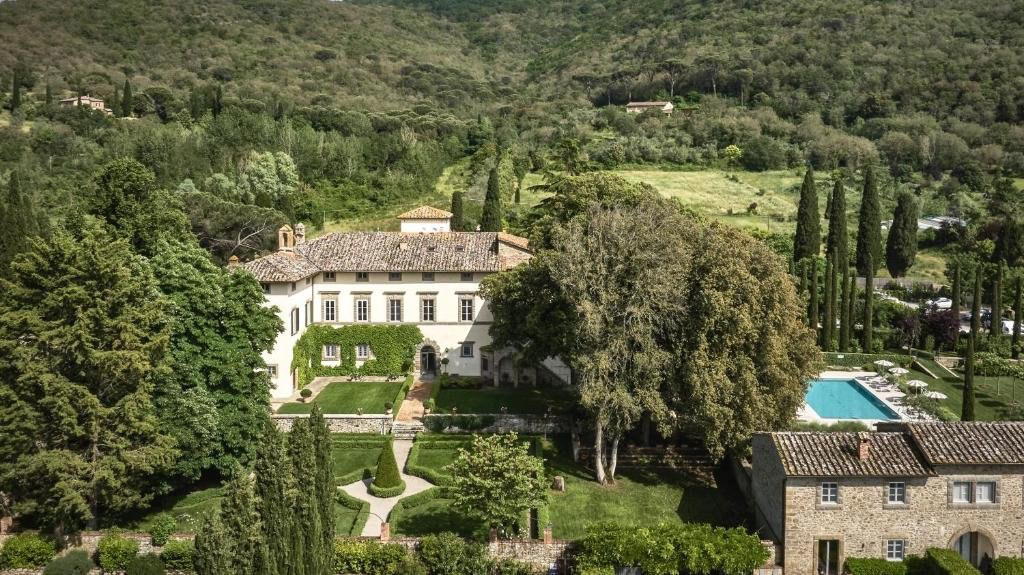
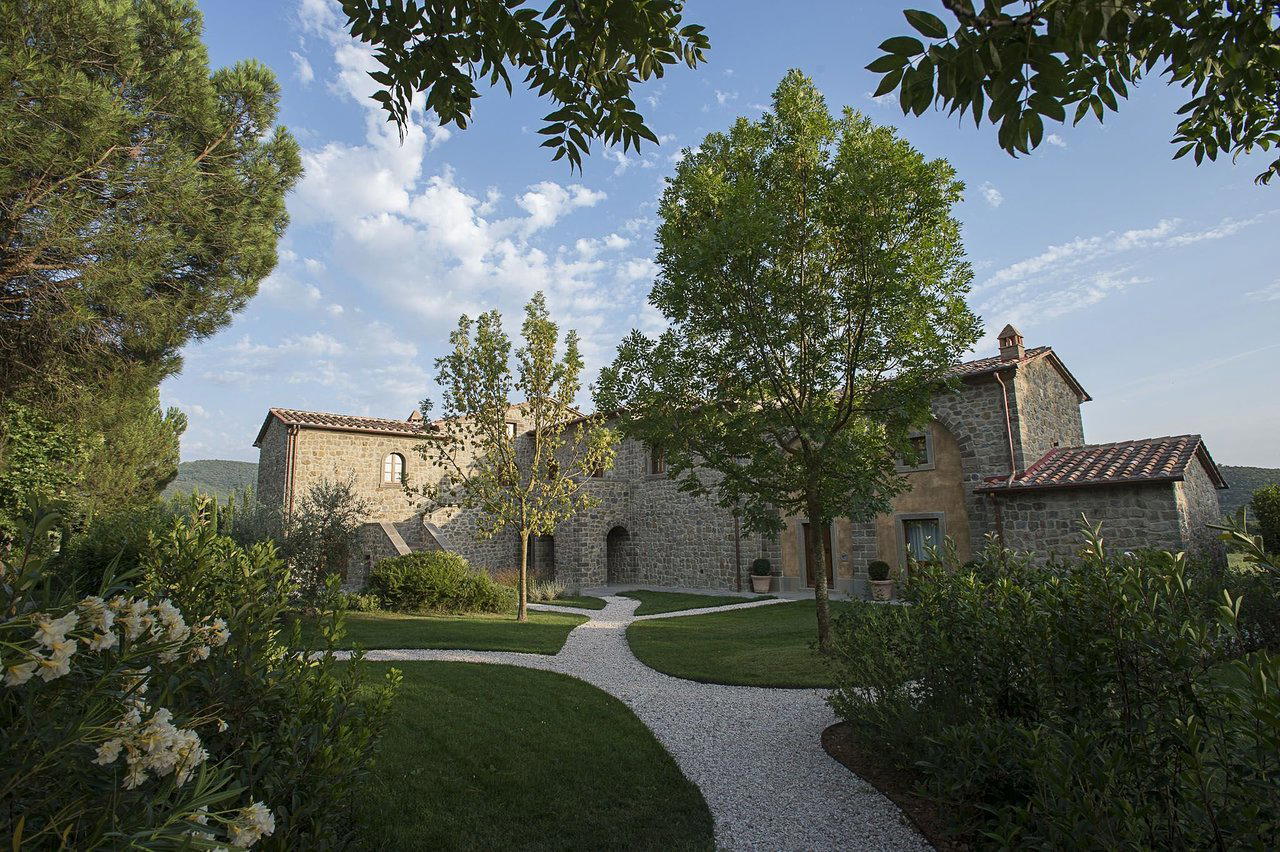
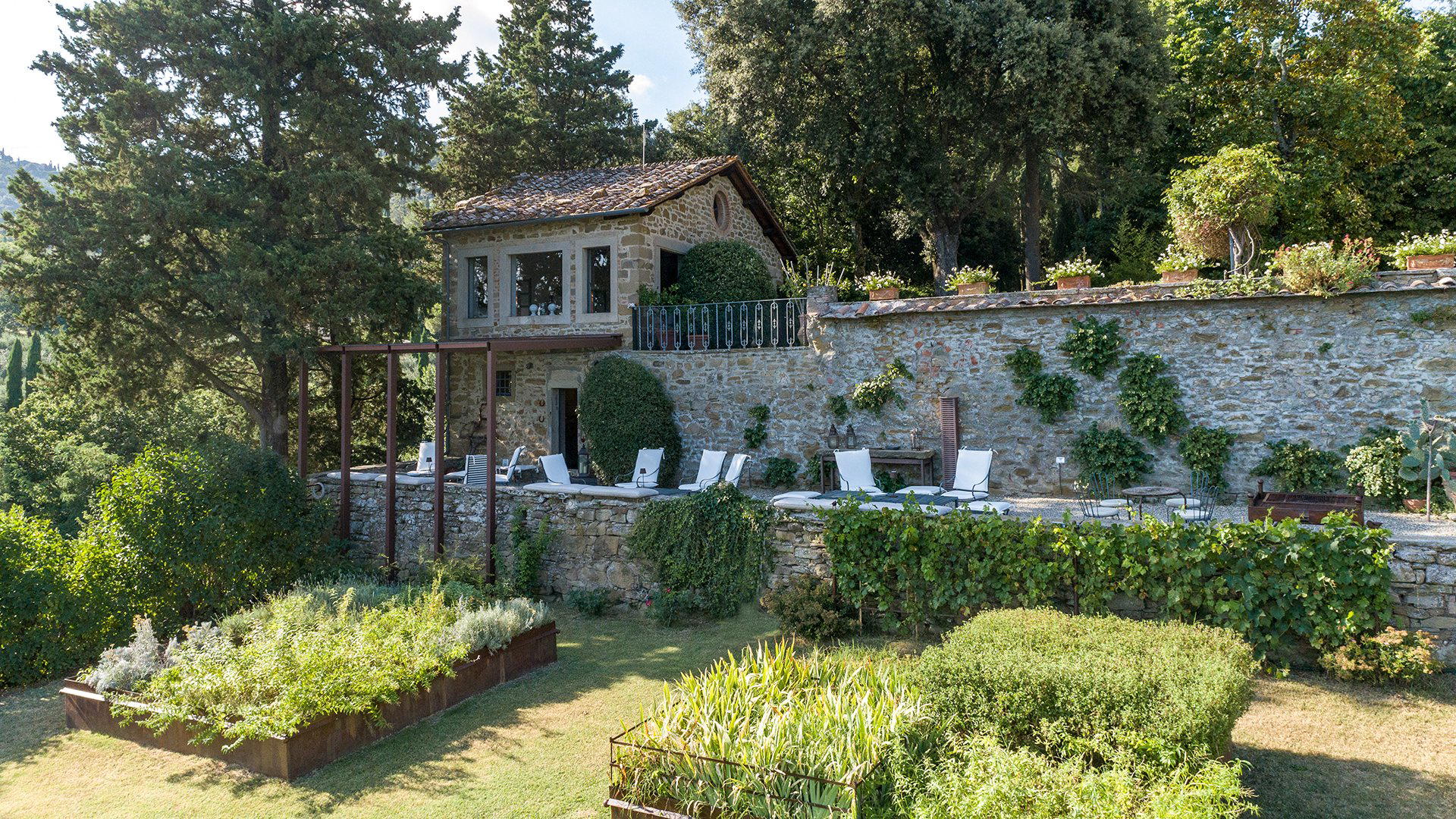
Welcoming and relaxed atmosphere in a beautifully decorated historic setting, blending rustic charm with refined touches.