
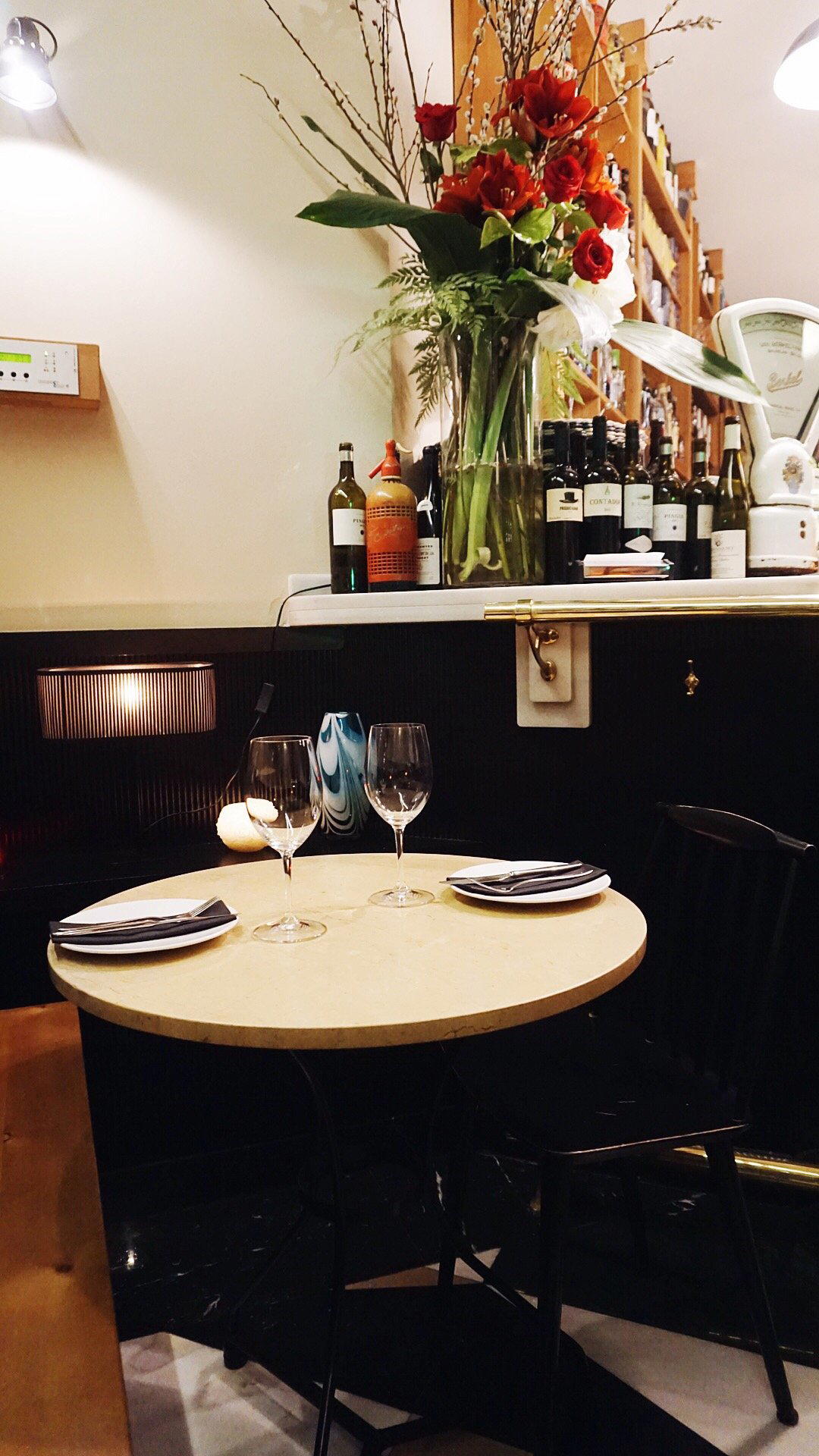
Tragaldabas focuses on modern Mediterranean with Spanish fusion for lunch or dinner, with terrace seating, an open kitchen, and a conversational pace.
Pearl is the En Primeur Club membership app — saves, bookings, and concierge access live there. Same editors, same standards.
- Address
- Carrer de Mallorca, 96, L'Eixample, 08029 Barcelona, Spain
- Phone
- +34607659404
- Website
- tragaldabasrestaurante.com
- Directions
- Get directions
 Saves & bookings on Pearl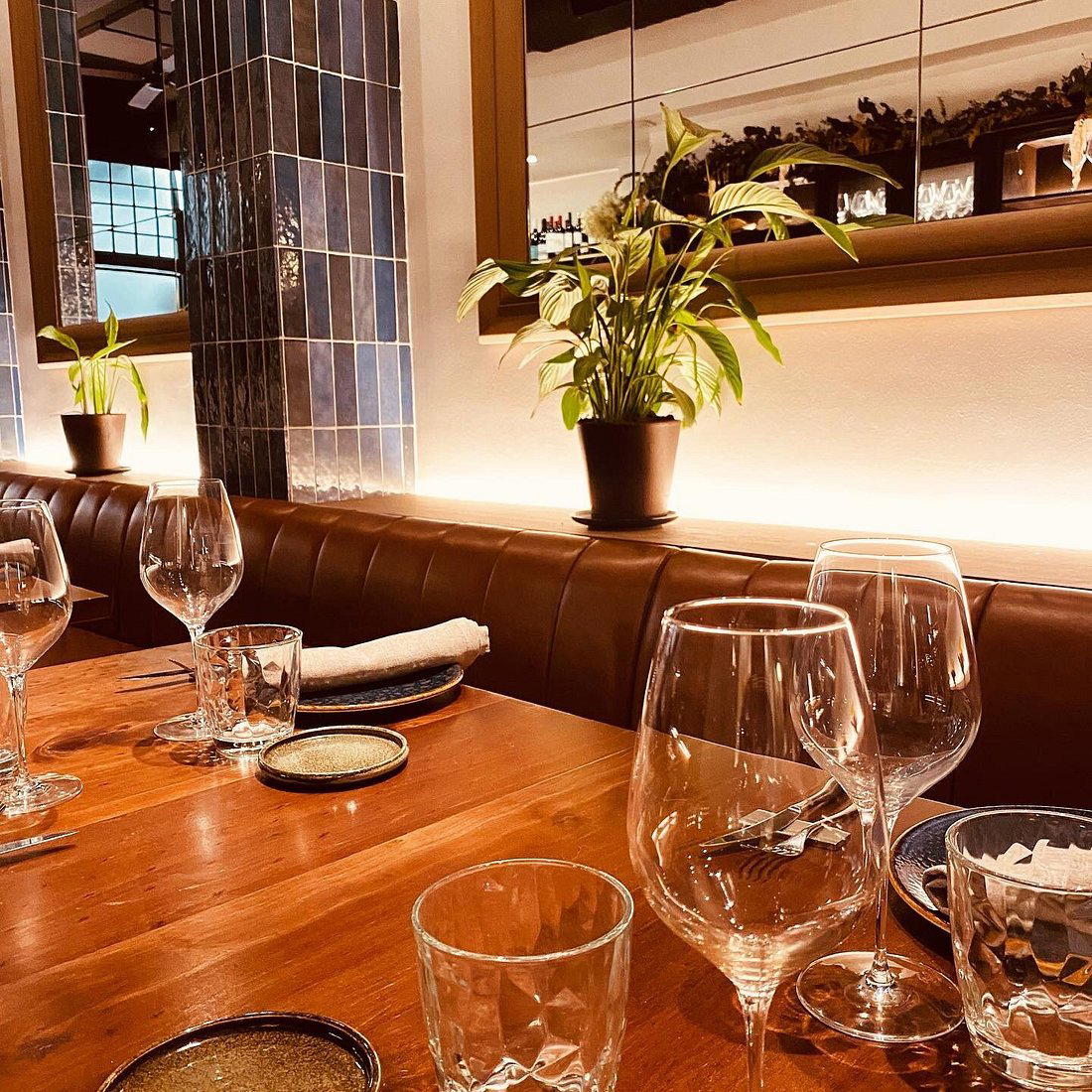
An Address in L'Eixample Worth Paying Attention To
Carrer de Mallorca runs through the middle of L'Eixample's grid with the quiet confidence of a street that has never needed to announce itself. The neighbourhood, laid out in Ildefons Cerdà's orderly octagonal blocks, has long supported a dense layer of mid-range and neighbourhood restaurants beneath Barcelona's headline creative scene. Tragaldabas is a restaurant in Barcelona’s L'Eixample, at Carrer de Mallorca, 96, with a price point of about $45 per person. That physical modesty is part of L'Eixample's dining character: the neighbourhood rewards the visitor who moves past the obvious thoroughfares.
How the Menu Frames the Kitchen
In Barcelona, the menu's architecture frequently tells you more about a restaurant's ambitions than any single dish. The city's creative tier, occupied by addresses like Disfrutar, ABaC, and Lasarte, structures its offering around long tasting sequences that require both time and budget. Below that tier, the more interesting question is how a kitchen chooses to organise its shorter, more accessible menu: whether it clusters dishes by ingredient origin, by technique, or by something less legible, a seasonal logic that only becomes apparent halfway through the meal.
Tragaldabas operates in a part of the market where those structural choices carry real weight. The address positions itself through the internal evidence of what it offers and how it sequences that offer. The name itself, drawn from Spanish slang for a glutton or a person of large appetite, signals something about portion philosophy and the intended relationship between kitchen and table: this is not a place built around restraint and minimalism. That is a defensible position in a city that has spent two decades refining the art of the small, precise bite.
Barcelona's broader dining conversation has been shaped significantly by the Catalan creative tradition, with houses like Cocina Hermanos Torres and Enigma anchoring the upper end. Further afield across Spain, the benchmark for technically ambitious restaurant cooking runs through addresses including El Celler de Can Roca in Girona, Arzak in San Sebastián, Azurmendi in Larrabetzu, and Mugaritz in Errenteria. Tragaldabas does not compete in that register, nor does it need to. The L'Eixample neighbourhood dining tier has its own logic, and a well-executed menu that respects seasonal Catalan produce and delivers on its name's promise of generosity can sustain a loyal local following independent of international recognition.
Barcelona's Neighbourhood Restaurant Economy
Understanding where Tragaldabas sits requires a working picture of how Barcelona's restaurant economy is structured outside its trophy addresses. The city supports a dense population of neighbourhood restaurants, particularly across L'Eixample, that serve residents rather than destination diners. These kitchens tend to absorb the rhythms of the local calendar: market produce, seasonal shifts in the Mediterranean pantry, the afternoon lunch trade that remains a fixture in Spanish urban life in a way that has largely vanished elsewhere in Europe.
This is the environment that produces restaurants with real regulars rather than rotation visitors, where the kitchen's relationship with nearby suppliers matters more than press cycles. Across Spain, particularly consistent cooking happens at this level, in rooms that will never appear on international ranking lists but that sustain a clear point of view across years. The same pattern is visible in other Spanish cities, where mid-market neighbourhood cooking has proven more durable than many of the destination-format experiments of the 2000s. Comparable dynamics play out in Madrid at addresses that sit beneath the visibility of DiverXO, and along Spain's coasts where kitchens like Aponiente in El Puerto de Santa María or Quique Dacosta in Dénia command international attention while local neighbourhood cooking continues largely undocumented.
What the Location Offers the Visitor
Carrer de Mallorca at number 96 sits in the western section of L'Eixample, an area with fewer tourist-facing restaurants than the blocks closer to Passeig de Gràcia and Rambla de Catalunya. The grid here is residential in character, with the rhythm of the street set by local commerce rather than hospitality industry. For a visitor staying in the neighbourhood, that means Tragaldabas is within walking distance of the main architectural landmarks but operates at a remove from the concentrations of restaurants that serve them. That position, quieter and less observed, suits the kind of meal where the room's energy comes from regulars rather than first-timers.
Barcelona's L'Eixample has produced durable restaurant addresses across several generations, and the street itself has seen the neighbourhood evolve from a largely residential fabric into one of the city's principal dining zones. For those interested in the Spanish restaurant scene more broadly, addresses including Martin Berasategui in Lasarte-Oria, Ricard Camarena in València, and Atrio in Cáceres provide useful points of comparison for what serious Spanish cooking looks like across different formats and regions. International benchmarks at the technical extreme include Le Bernardin in New York and Atomix in New York City, though the comparison underlines how different Tragaldabas's operating register is from that world.
City Peers
Comparable venues nearby, for context on price, style, and recognition.
| Venue | Cuisine | Price | Notes |
|---|---|---|---|
| TragaldabasThis venue — the venue you are viewing | Modern Mediterranean with Spanish Fusion | $$$ | Not listed |
| Cera 23 | Modern Galician-Mediterranean Fusion | $$$ | el Raval |
| Gilda by Belgious | Mediterranean-Belgian Fusion Tapas | $$$ | Barri Gotic |
| Bastian Beach Club | Mediterranean Beach Club Cuisine | $$$ | Port Vell |
| Restaurant Agua | Mediterranean Rice Dishes & Seafood | $$$ | la Barceloneta |
| La Balsa | Mediterranean with Basque and Catalan Influences | $$$ | Sant Gervasi - la Bonanova |
Recognition history
Dated appearances from independent guides and award organizations, with the underlying list record or original source where available.
Macarfi 7.5 Food Rating
Macarfi
Continue exploring
More in Barcelona
Restaurants in Barcelona
Browse all →
Bars in Barcelona
Browse all →
Hotels in Barcelona
Browse all →
At a Glance
- Cozy
- Modern
- Intimate
- Date Night
- Casual Hangout
- Group Dining
- Terrace
- Standalone
- Extensive Wine List
- Local Sourcing
- Street Scene
A cozy, stylish Eixample restaurant described as unpretentious and soulful, with a bar and terrace.