Tosca

Michelin Plate
Our verdict
Set among the stone and cypress of the Sienese hills, Tosca at Località Querceto carries a 2025 Michelin Plate for Mediterranean cooking that draws directly from the Tuscan countryside around it. The room reads classic elegance through stone arches and soft furnishings, while the kitchen applies an innovative hand to deeply local ingredients. At €€€€ pricing, this is Casole d'Elsa dining at its most considered.

Pearl is the En Primeur Club membership app, where members save venues, book tables and use the concierge.
Stone, Olive Oil, and the Sienese Table
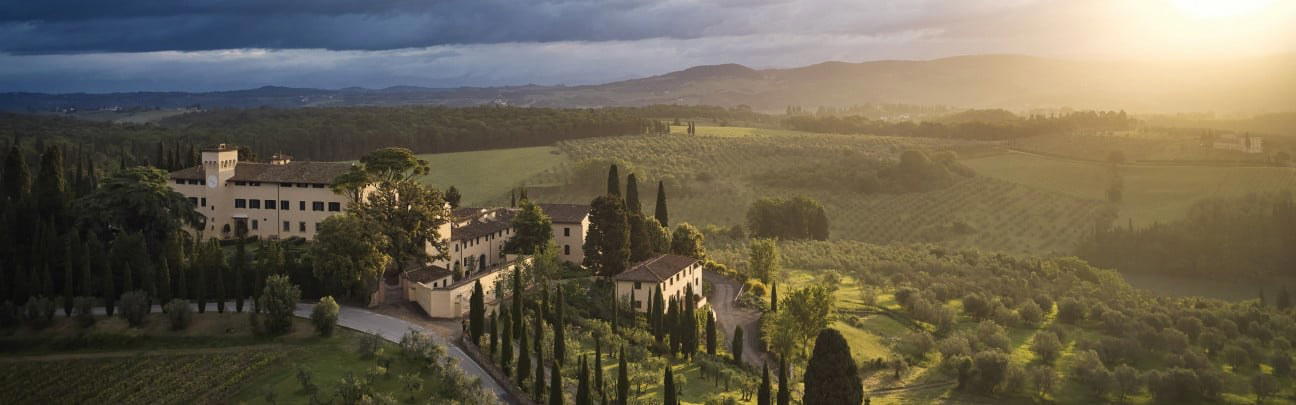
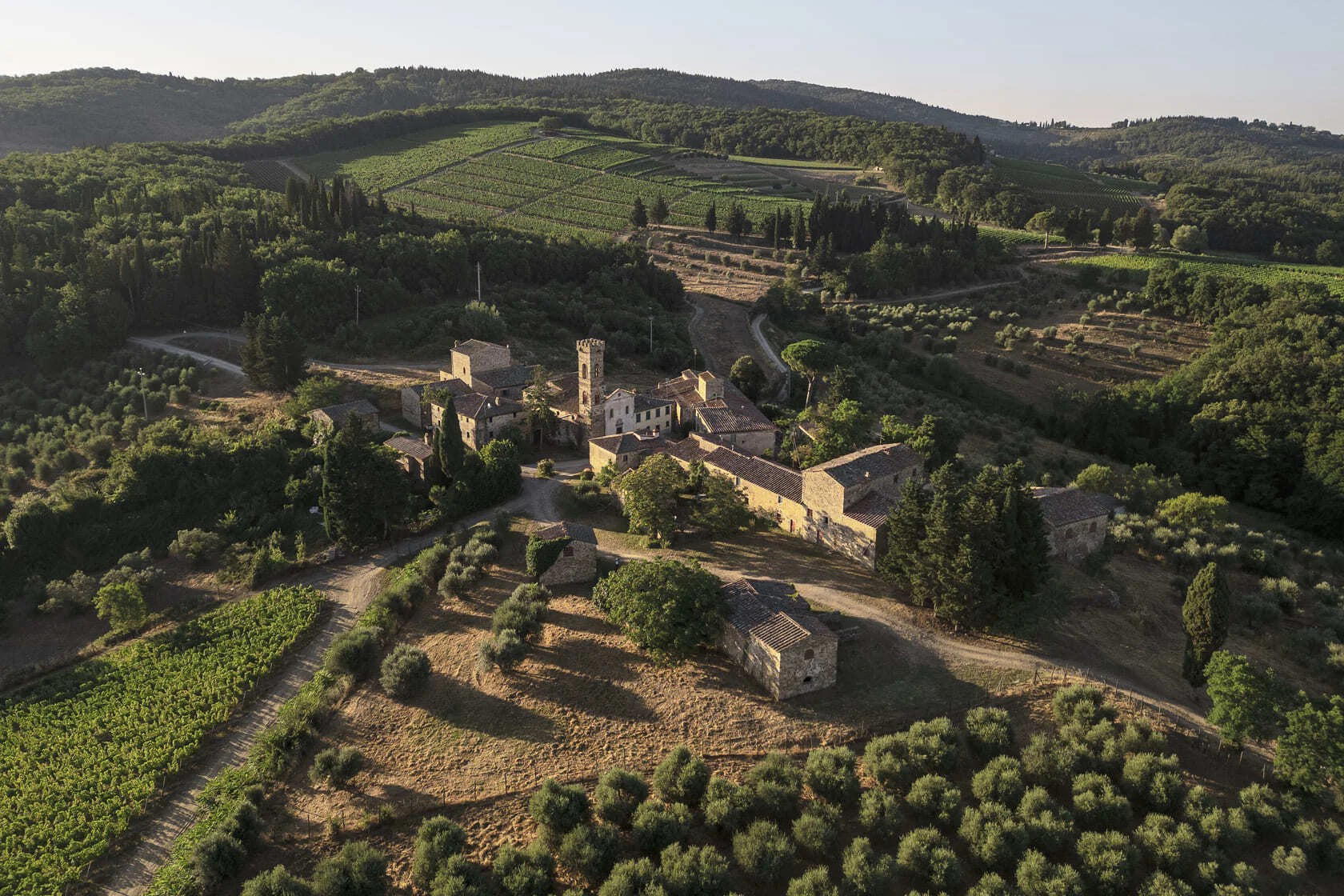
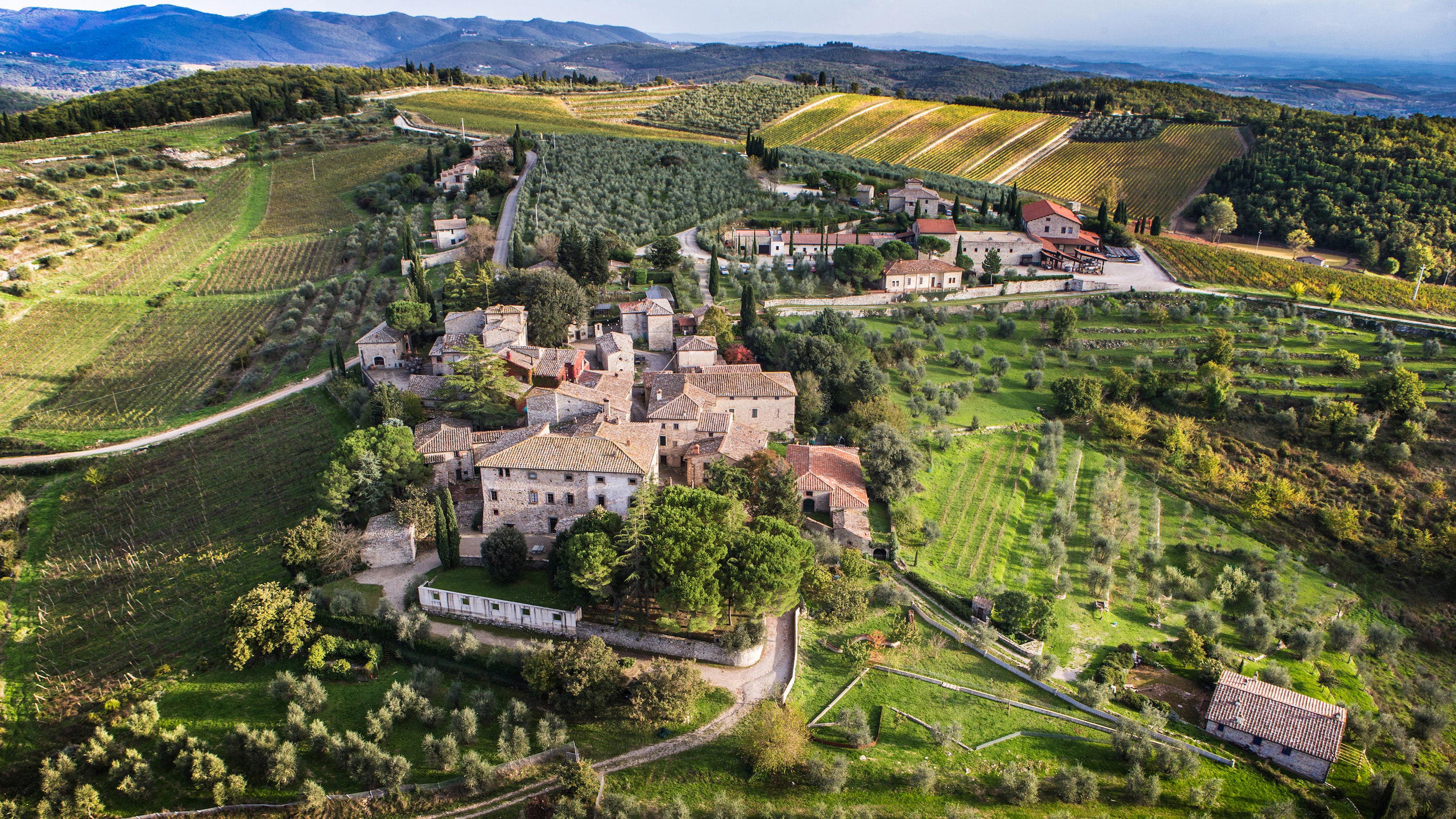
The villages of the Val d'Elsa sit in one of Italy's most productive olive oil territories, where Frantoio, Moraiolo, and Leccino cultivars press into oils that carry enough grassy bitterness and late-harvest pepper to anchor a kitchen's identity as firmly as any signature technique. In this context, a restaurant that describes its cooking as Mediterranean and locally grounded is making a specific claim: that the raw materials of the Sienese hills, oil, legumes, cured meats, seasonal greens, are ingredient enough without imported flourish. Tosca, at Località Querceto on the outskirts of Casole d'Elsa, operates within that tradition while the kitchen's stated commitment to an innovative twist separates it from direct regional cooking.
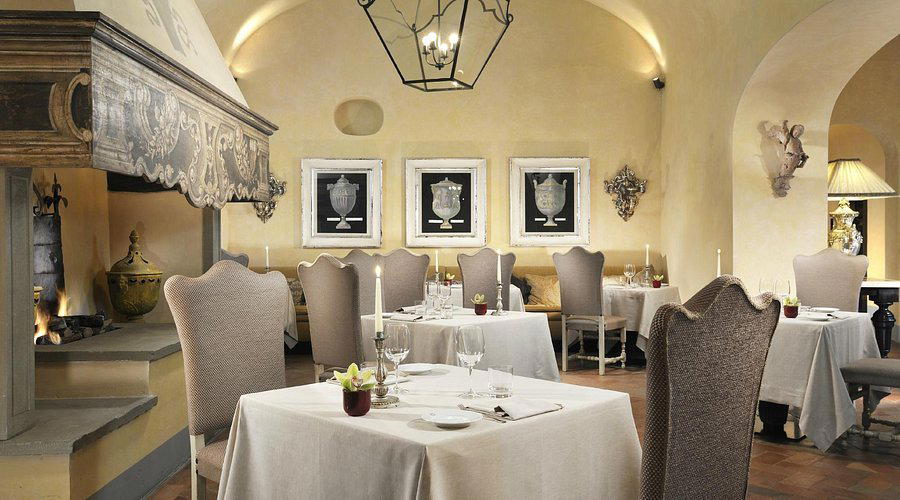
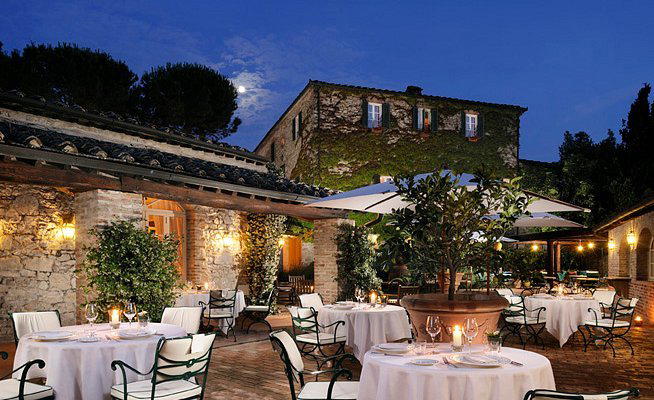
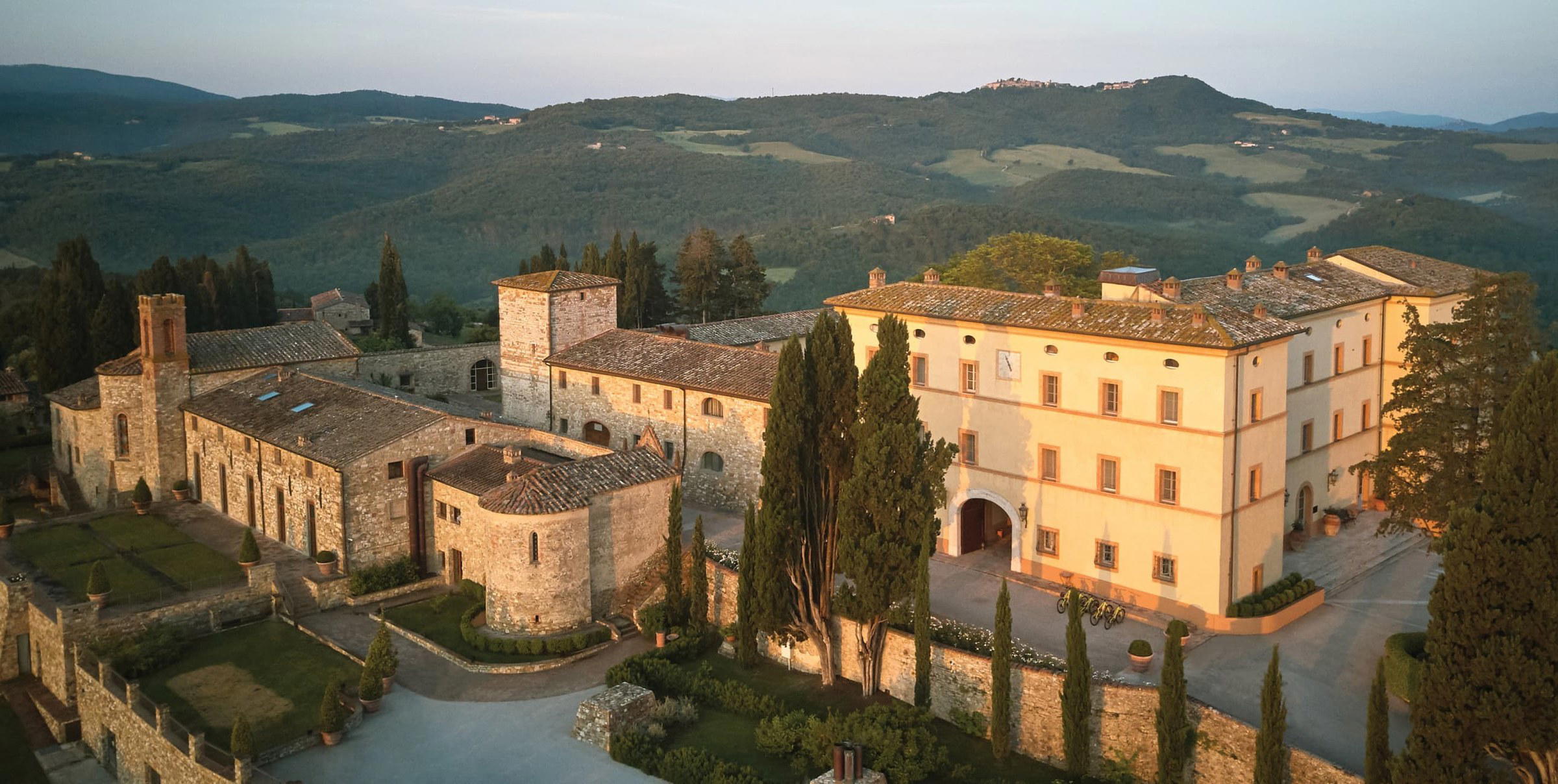
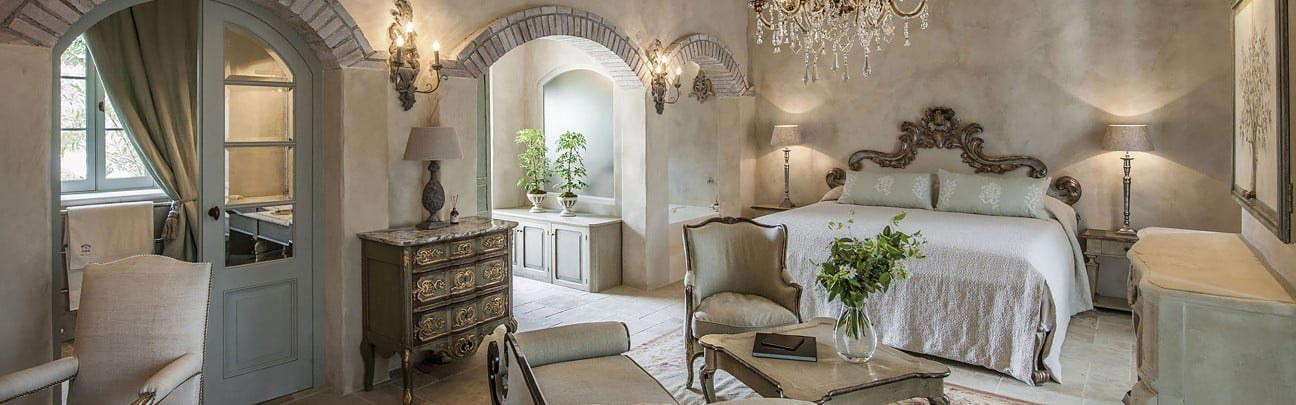
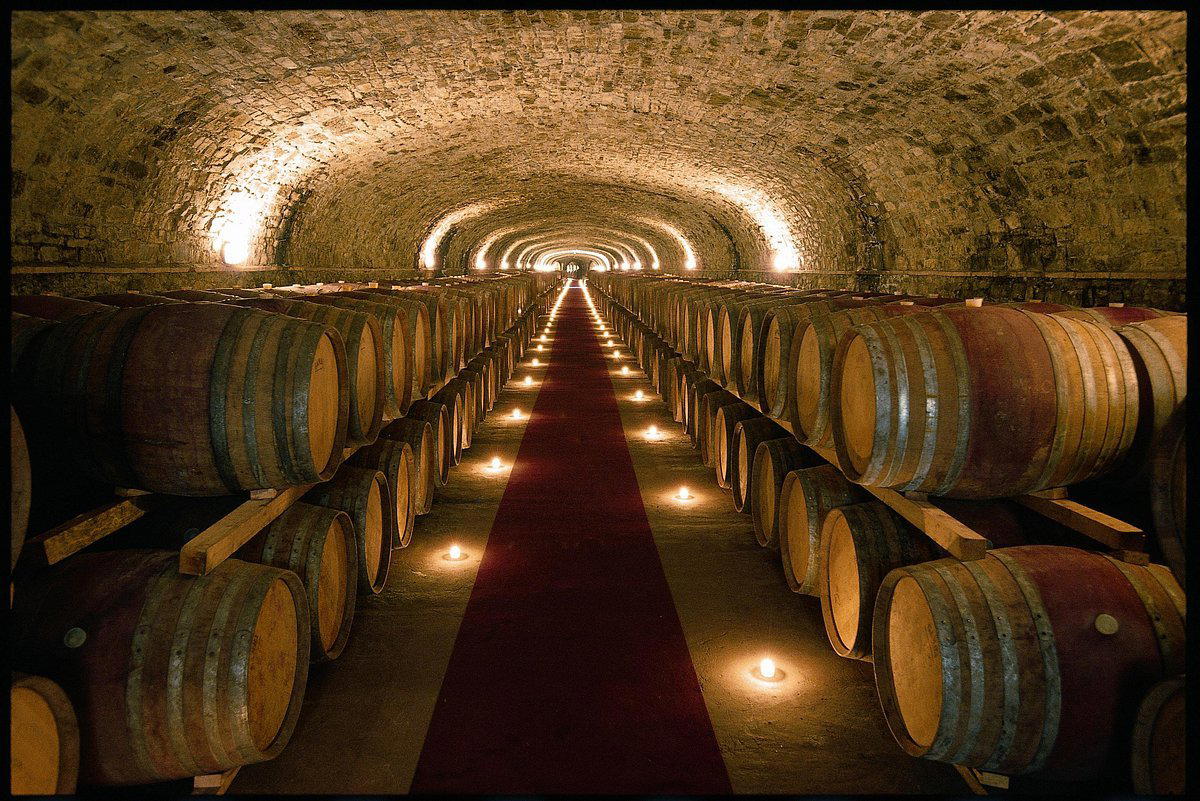
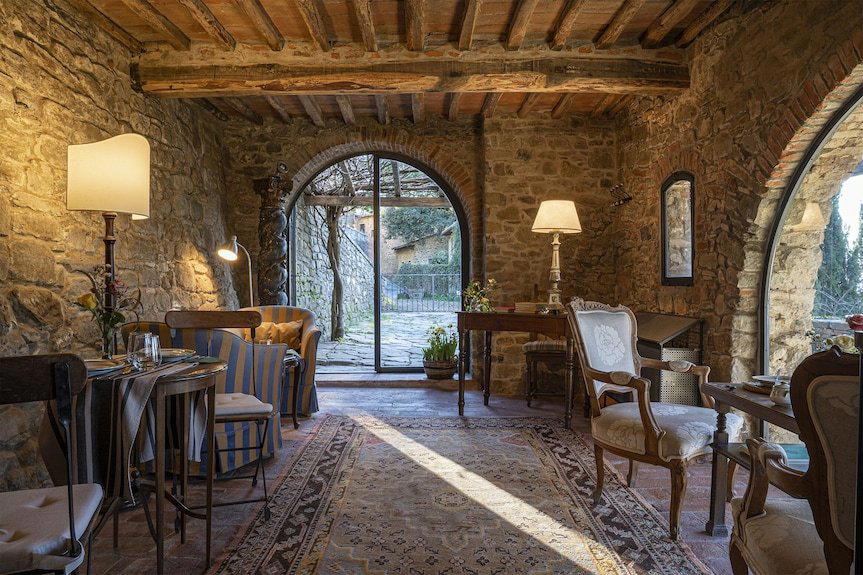
The dining room announces its register immediately. Stone arches and original walls confirm the building's age; the sofas and armchairs signal that this is not a trattoria operating on fast covers. That combination, historic architectural fabric alongside considered comfort, is a physical argument for the meal's pacing. Tuscany produces a particular category of restaurant where the setting is not incidental decoration but the actual frame through which the food is understood, and Tosca fits that category. The weight of the stone, the way light moves through an old arch, the temperature of a room that was never built for air conditioning: these details condition the diner before the first course arrives.
What the Michelin Plate Signals in This Price Bracket
2025 Michelin Plate is a useful calibration point. It recognises fresh ingredients and carefully prepared dishes without the starred hierarchy, placing Tosca in a tier of restaurants that take technical execution seriously without the multi-hour tasting architecture that defines the starred circuit. For comparison, the Italian €€€€ tier includes venues such as Osteria Francescana in Modena, Enoteca Pinchiorri in Florence, and Enrico Bartolini in Milan, all operating at the multi-starred end of the Michelin scale. Tosca occupies the same price bracket but a different critical register, which is a meaningful distinction: the €€€€ pricing here reflects location, setting, and ingredient sourcing rather than the condensed luxury of a metropolitan tasting menu.
That positioning makes Tosca legible as part of the broader category of Tuscan country restaurants where the dining cost is spread across experience as much as plate. The room, the rural address, the sourcing from the immediate territory, these contribute to a price point that would look different in the same Plate-recognised category on a city high street. For visitors exploring the wider Casole d'Elsa restaurant scene, this distinction matters: the restaurant is priced for an occasion, not a casual midweek dinner.
Mediterranean Cooking in a Tuscan Key
The Mediterranean designation covers a broad arc of cooking styles, from the herb-driven simplicity of Provençal kitchens to the oil-and-legume foundations of central Italian cucina povera. In the Sienese territory, Mediterranean cooking tends to read through ribollita logic, ingredients layered for depth, olive oil used as a finishing element with character rather than neutral fat, vegetables treated as primary rather than secondary. The kitchen's claimed innovative approach to local tradition suggests that the menu does not simply reproduce Tuscan standards but reconsiders them through a more contemporary technical lens.
This is a common strategy among the stronger country restaurants across Tuscany: preserve the ingredient integrity and seasonal honesty that define regional cooking, then apply modern technique selectively, particularly in texture, temperature, and the balance of acid. The result, when executed well, is food that reads immediately legible to a diner who knows the region but offers something that a purely traditional trattoria would not. Restaurants in neighbouring areas taking a similar approach include La Brezza in Ascona and, at higher star counts, Reale in Castel di Sangro, where regional identity and contemporary method converge.
The Olive Oil Argument
Central Tuscany's DOP olive oils, particularly those from the Chianti Classico and Terre di Siena designations, represent some of the most documented ingredient provenance in Italian cooking. The bitterness that Moraiolo contributes, the fruity roundness of Frantoio, the resistance of Leccino to cold: these are not abstract credentials. They produce oils with enough personality to define a dish's character when used correctly, and kitchens in this territory that source locally are working with ingredient quality that is traceable and consistent in a way that makes the oil argument concrete rather than atmospheric. A restaurant identifying its cooking as locally influenced in the Val d'Elsa is implicitly making a claim about this oil, whether or not it appears explicitly on the menu card.
The broader Mediterranean restaurant category is seeing similar ingredient-first arguments made with increasing specificity across the region. At the multi-starred end, venues like Arnaud Donckele and Maxime Frédéric at Louis Vuitton in Saint-Tropez have built international reputations on Mediterranean sourcing treated with haute-cuisine rigour. Tosca operates in a quieter key but within the same fundamental argument: that the base ingredients of the Mediterranean basin, sourced with care and handled with precision, do not require supplementation.
Planning a Visit
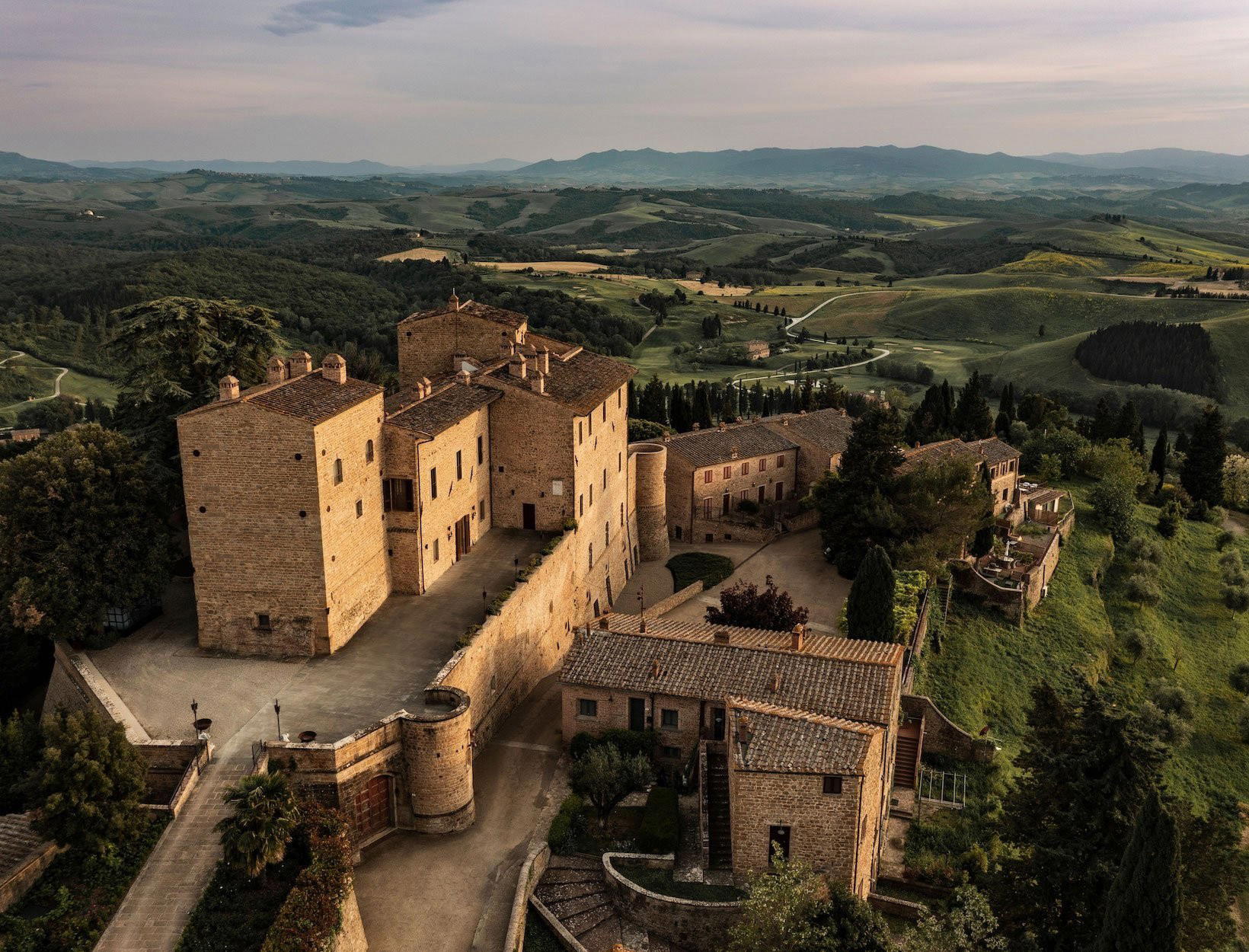
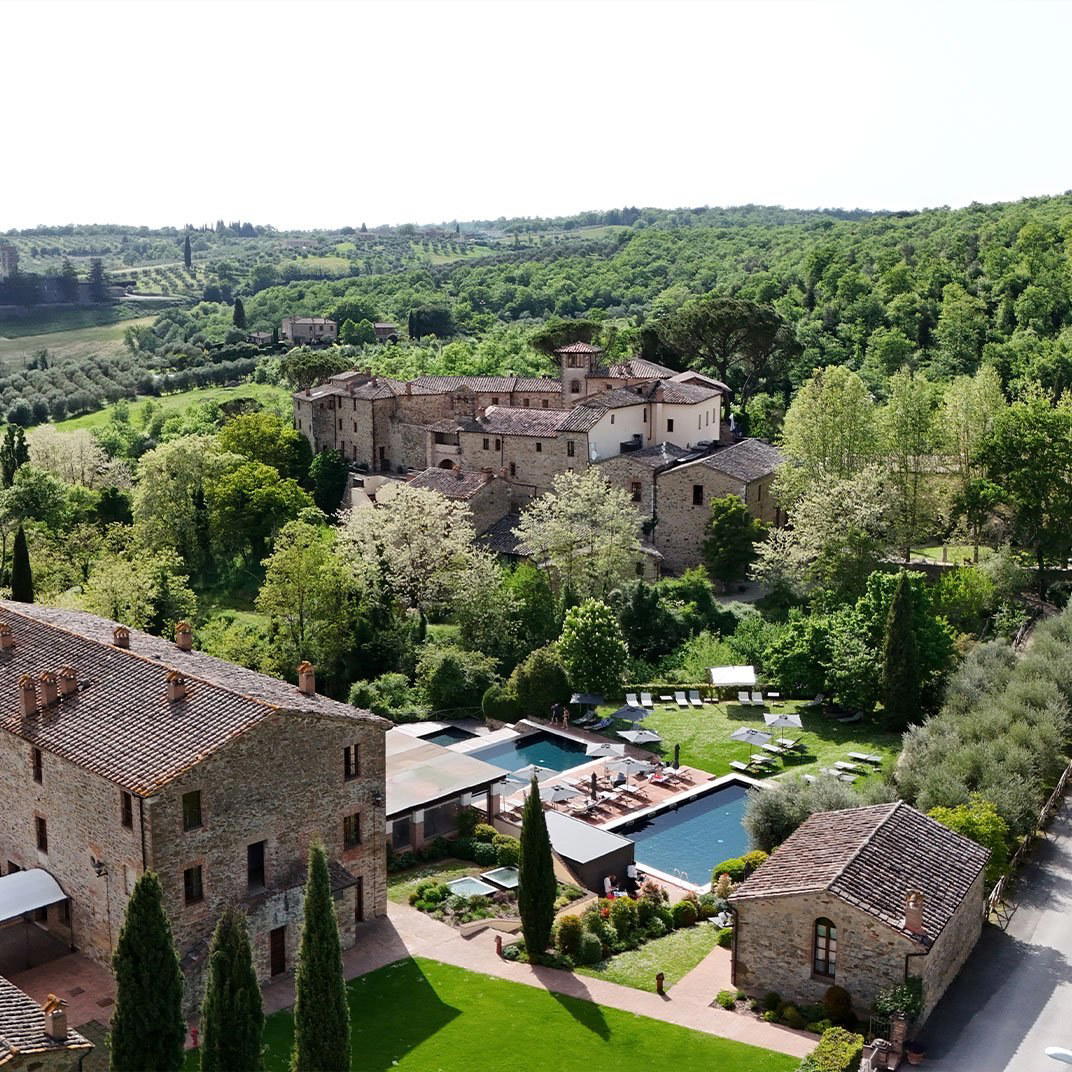
Tosca sits at Località Querceto, outside the village of Casole d'Elsa in the province of Siena. The rural address means a car is the practical approach; the nearest large town, Colle di Val d'Elsa, is a short drive north, and Siena is accessible within forty minutes. The €€€€ price range places dinner in the range of a considered occasion, and given the setting and Michelin recognition, the expectation at the table is for an evening rather than a quick meal. The room, with its armchairs and stone interior, is built for that pace.
For those spending time in the area, accommodation options around Casole d'Elsa allow for the kind of unhurried arrival the restaurant's atmosphere rewards. Visitors with broader interests in the area can reference local bar options, wineries in the Casole d'Elsa territory, and experiences around the Val d'Elsa to build a fuller itinerary. The Sienese hills reward slow travel, and Tosca fits that approach.
Among the wider Italian €€€€ circuit, other reference points in the country house or rural-destination category include Dal Pescatore in Runate, Quattro Passi in Marina del Cantone, Uliassi in Senigallia, Le Calandre in Rubano, Piazza Duomo in Alba, Atelier Moessmer Norbert Niederkofler in Brunico, and Casa Perbellini 12 Apostoli in Verona, each framing regional cooking through a different prism of technique and setting.
Frequently asked questions
Is Tosca child-friendly?
Tosca's setting at Località Querceto leans toward a composed dining atmosphere, with stone-arched interiors and a price bracket (€€€€) that signals a slower, adult-oriented meal. Families with older children who are comfortable at that register should have no difficulty; for younger children, the rural location and formal-leaning room are worth factoring in before booking.
Is Tosca formal or casual?
The room reads as relaxed elegance rather than strict formality: stone walls, stylish sofas, and comfortable armchairs sit alongside the classic Tuscan architectural features. The €€€€ price range and 2025 Michelin Plate recognition place it above a trattoria in both cooking ambition and setting, so while a jacket is not required, the room rewards dressing with some intention.
Has Tosca won any awards?
Tosca has received recognition including: This restaurant has a charming decor that combines classic elegance and typical Tuscan features such as stone arches and walls, as well as stylish sofas and comfortable armchairs. The cuisine is heavily influenced by local traditions, albei….
What's the signature dish at Tosca?
Tosca's kitchen works within Mediterranean cooking interpreted through Val d'Elsa's local larder, with a stated emphasis on local traditions given an innovative turn.
What's the price range at Tosca?
Pricing at Tosca is listed as €€€€.
How It Stacks Up
| Venue | Cuisine | Price | Awards | Notes |
|---|---|---|---|---|
| ToscaThis venue (the venue you are viewing) | Modern Tuscan Fine Dining | $100–150 | Michelin Plate | Not listed |
| Atelier Moessmer Norbert Niederkofler | Modern Alpine Fine Dining | $300–500 | 3 Michelin Stars · World's 50 Best #38 | Italian, Creative |
| Dal Pescatore | Classic Italian Fine Dining | $200–300 | 3 Michelin Stars · World's 50 Best #38 | Italian, Italian Contemporary |
| Enoteca Pinchiorri | Contemporary Italian Fine Dining | $200–300 | 3 Michelin Stars · World's 50 Best #32 | Italian - French, Italian Contemporary |
| Enrico Bartolini | Modern Italian Fine Dining | $300–500 | 3 Michelin Stars · World's 50 Best #85 | Creative |
| Osteria Francescana | Avant-Garde Italian Contemporary | $300–500 | 3 Michelin Stars · World's 50 Best #1 | Progressive Italian, Creative |
Recognition history
Dated appearances from independent guides and award organizations, with the underlying list record or original source where available.
Michelin Plate
Michelin
Full recognition history (2 entries)
Michelin Plate
Michelin
Continue exploring
More in Casole d'Elsa
Restaurants in Casole d'Elsa
All restaurants in Casole d'Elsa →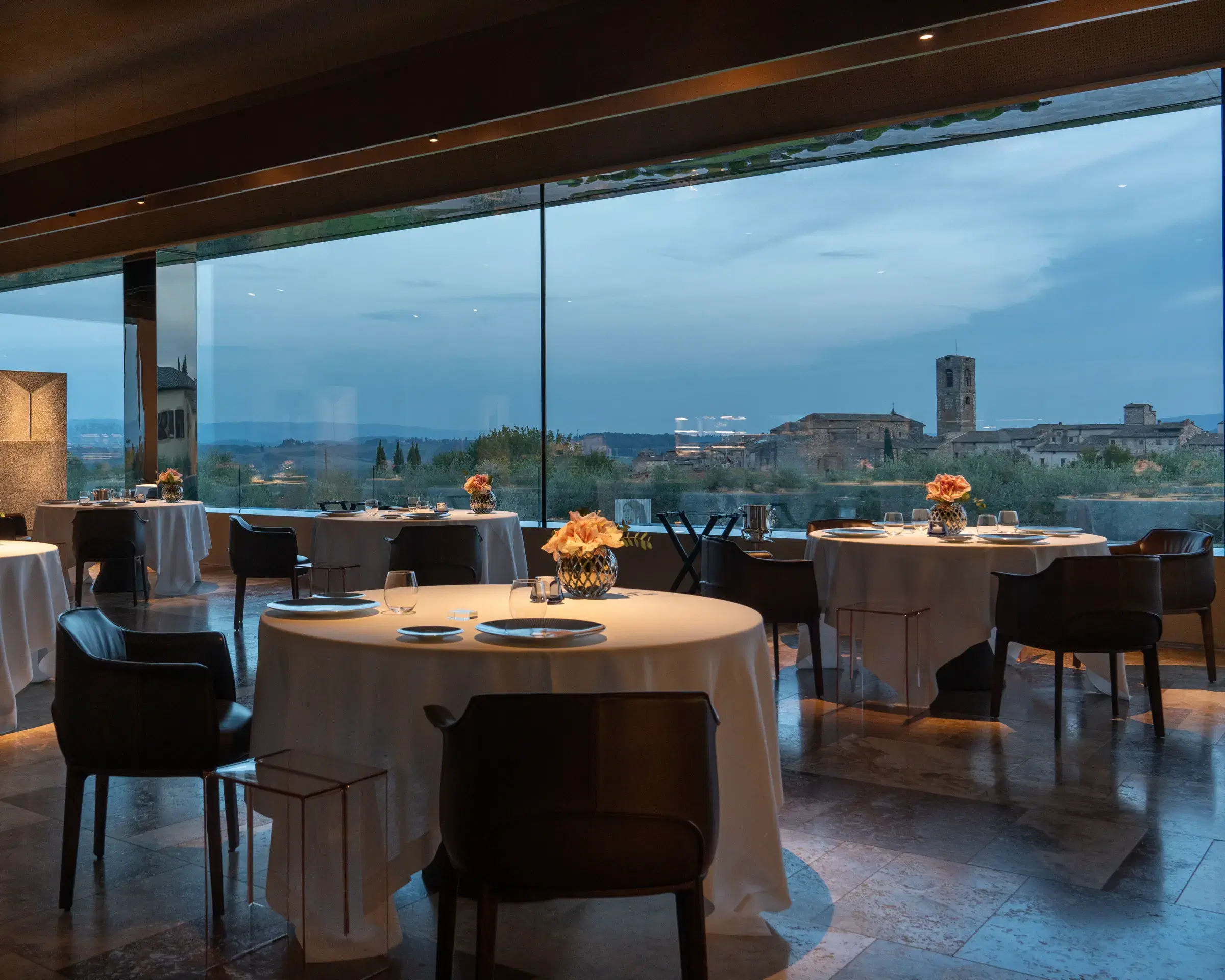
Bars in Casole d'Elsa
All bars in Casole d'Elsa →
Tosca
The wine
- Wine program
- Deep wine list
- Extensive wine list
- Sommelier-led
Details
- Elegant
- Rustic
- Romantic
- Sophisticated
- Cozy
- Date Night
- Special Occasion
- Hotel Restaurant
- Historic Building
- Extensive Wine List
- Sommelier Led
- Local Sourcing
- Garden
- Tasting Menu
- A La Carte
- Vegetarian Friendly
Charming decor blending classic elegance with Tuscan stone arches, stylish sofas, and a quiet, intimate atmosphere.