
Tokyo yakitori has moved far beyond casual skewers and beer, with small counter rooms now carrying the weight once reserved for sushi and kappo. torisawa belongs to that occasion-dining tier in Nakameguro: an 11-seat, counter-led yakitori and izakaya address selected for Tabelog’s Yakitori EAST 100 in 2025, with a stop-service omakase format and a drinks list spanning sake, shochu and wine.
Pearl is the En Primeur Club membership app — saves, bookings, and concierge access live there. Same editors, same standards.
- Address
- 東京都目黒区上目黒1-5-13 メゾン中目黒 1F
- Phone
- +815031334994
- Website
- lit.link
 Saves & bookings on Pearl
Nakameguro changes character quickly after dark: the station crowd thins, the side streets tighten, and small dining rooms begin to matter more than frontage. In that setting, Tokyo yakitori feels less like a snack category and more like a precision format. The serious rooms are compact, counter-driven and paced by the grill, where a celebration dinner depends on timing as much as appetite.
torisawa sits in this narrower register of Tokyo dining. The useful way to read it is not as a casual chicken-skewer stop, but as a milestone meal for diners who want the ceremony of a counter without the formality or price escalation of sushi omakase. Tabelog selected it for the Yakitori EAST 100 in 2025, and the restaurant carries a 3.77 score, a meaningful signal in a category where Tokyo diners are unusually fluent and unforgiving.
Nakameguro yakitori built for occasion dining
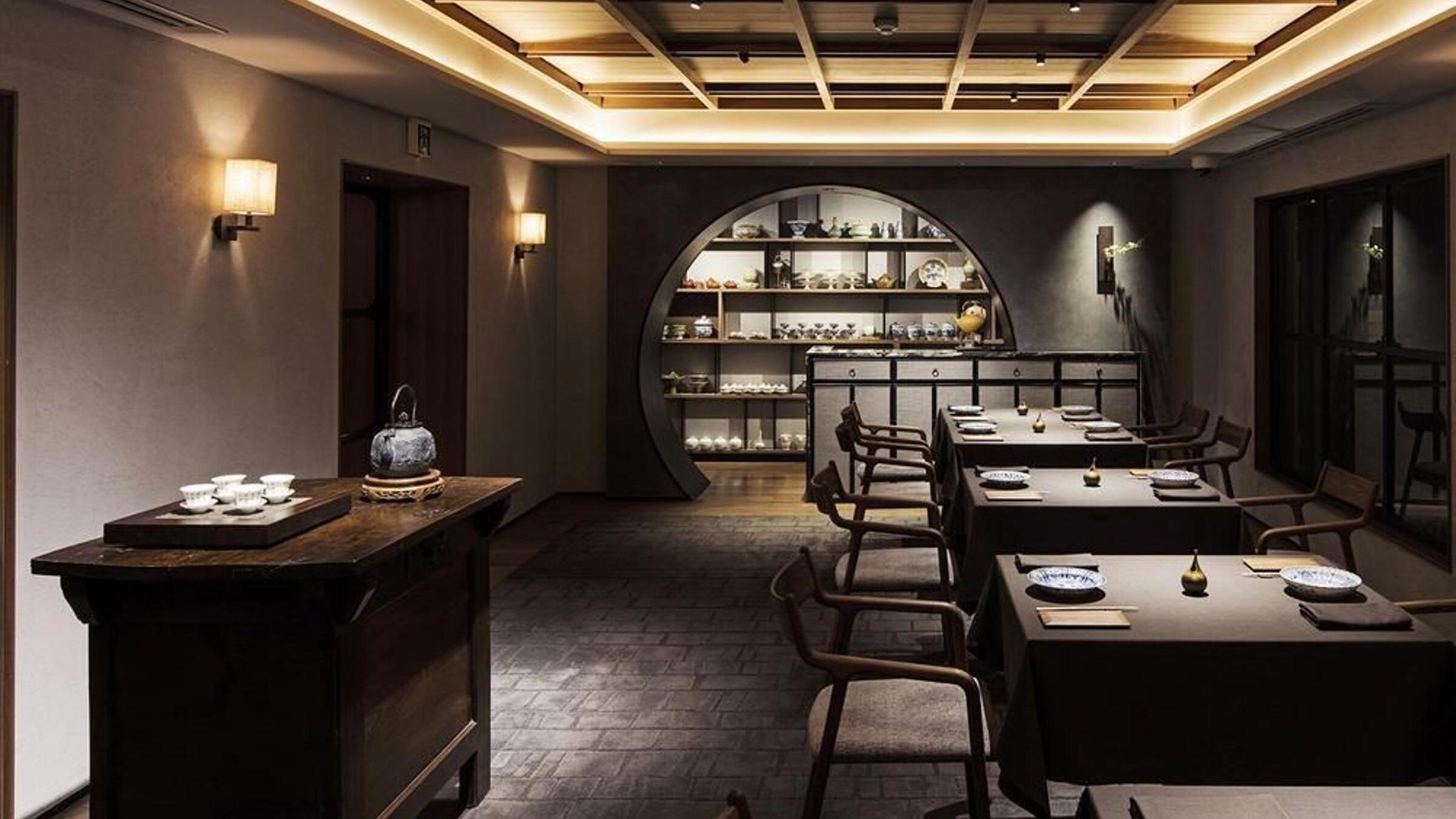
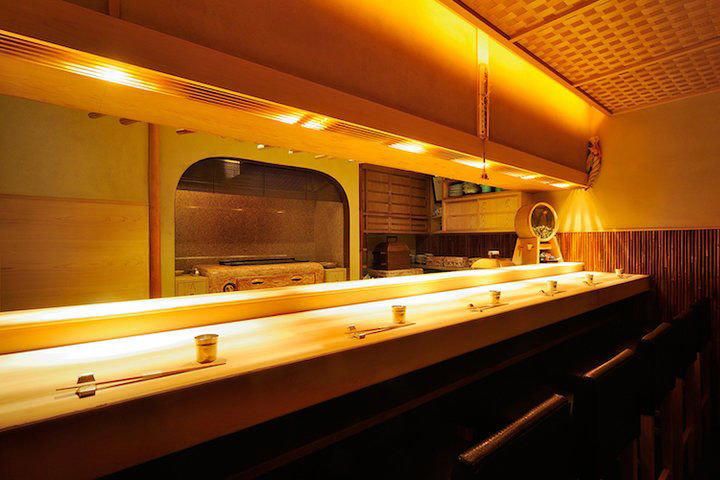
Tokyo’s premium yakitori scene has become a study in scale. The format rewards small rooms because the grill sets the rhythm: too many seats and the sequence loses control; too little structure and the meal becomes just another izakaya night. Here the room is listed at 11 seats, with counter seating central to the experience. That number matters. It places the restaurant closer to Tokyo’s focused omakase culture than to the open-ended drinking houses that tourists often associate with yakitori.
The menu format reinforces the point. The restaurant runs a stop-service omakase course, with the final spend varying according to how much the diner continues to eat. That structure suits anniversaries, birthdays and small celebrations because it gives the meal shape without forcing every table into a fixed procession. It also requires diners to be comfortable with chef-led pacing, a common expectation at serious yakitori counters in Tokyo.
In Nakameguro, that puts the restaurant in a different lane from casual nearby eating. Criollo Nakameguro ten operates in a patisserie-friendly price band, Oniyanma Nakameguro ten sits at the quick udon end of the area, and JOHANN Honten belongs to the neighbourhood’s dessert-and-takeaway rhythm. Na Camo guro is a closer comparison in the sense that it treats bird cookery with more intent, but torisawa’s smaller counter format and Tabelog Yakitori 100 selection place it in the more reservation-conscious bracket.
This is the kind of Tokyo dinner where the occasion should match the format. A group looking for a loud night out may find the counter discipline too narrow. A pair marking a date, a visiting diner trying to understand why yakitori commands serious attention in Japan, or a small party that values pace and craft over sprawl will understand the appeal quickly.
The grill as Tokyo's quieter luxury language
Yakitori’s higher tier is built on repetition rather than spectacle. The luxury is not in rare ingredients paraded across the counter; it is in heat control, portioning, sequencing and the confidence to serve chicken as a complete cuisine. That is why awards in this category carry different weight from general restaurant rankings. Tabelog’s Yakitori EAST 100 selection signals recognition inside a specialist field, not just popularity across Tokyo dining at large.
The drinks program also points to how modern yakitori has broadened. Sake and shochu remain natural partners, but wine now appears regularly at counters that want to court special-occasion diners. torisawa lists sake, shochu and wine, including a stated focus on each, which places the restaurant in the contemporary camp: traditional grill language, broader pairing expectations.
For international diners, the category can be easy to underrate because the English shorthand, “grilled chicken skewers,” sounds modest. In Tokyo, serious yakitori is closer to a controlled tasting format: a sequence of small portions, each dependent on exact timing and temperature. The izakaya classification is useful, but incomplete. At this level, the grill is the central instrument and the counter is the stage.
The restaurant opened in 2020, a difficult year for new dining rooms in Tokyo, and its subsequent Tabelog Yakitori 100 recognition in 2022, 2023, 2024 and 2025 gives the address a clear trajectory. That does not make it a museum piece. It makes it a relatively young room with repeated category recognition, a combination that matters in a city where diners have little patience for reputation without delivery.
Know Before You Go
- Format: Stop-service omakase course; the final price varies with how much is consumed.
- Recognition: Selected for Tabelog Yakitori EAST 100 in 2025, with earlier Yakitori 100 selections listed for 2022, 2023 and 2024.
- Scale: 11 seats, counter seating, private rooms unavailable.
- Timing: Two evening seating windows are listed, with service beginning around 17:30 and 20:30.
- Planning note: Parties of seven or more are handled by phone, and late arrivals may be treated as cancellations after 15 minutes if contact is not made.
- Payment: Credit cards, transport IC cards and PayPay are listed.
- Nearby context: Naka-meguro Station is the relevant rail anchor, with the restaurant listed a short walk from the station.
For wider Tokyo planning, use Our full Tokyo restaurants guide alongside category-specific detours such as Our full Tokyo hotels guide, Our full Tokyo bars guide, Our full Tokyo wineries guide and Our full Tokyo experiences guide. Other Tokyo restaurant references include. 鮪と炭火焼き うお炭 秋葉原店, 12/10 Shinjuku ten, 124. KAGURAZAKA (Yakitori), 2D Cafe and 3 Chome no Curry Ya San. For broader Japan and overseas comparison, see -Grilled beef Sukiyaki- KAMAKURA TANUKIAN 鎌倉 たぬき庵 in Kamakura.cafe in Osaka.know in Kumamoto, (Shoku) Vietnam in Kawasaki, [Curry Senmon Ten] Maruyama Kyoju. in Sapporo, [ki:] in Kyoto, Jōdo Saké Bar in Los Angeles and Onigiri Time in Pasadena.
Snapshot
Comparable options at the same price tier.
| Venue | Cuisine | Price | Notes |
|---|---|---|---|
| torisawaThis venue — the venue you are viewing | Yakitori Omakase | $$$ | Not listed |
| Iruka Tokyo Roppongi | Modern Ramen | $$$ | Roppongi |
| 麺尊RAGE | Modern Shamo Shoyu Ramen | $$$ | Suginami |
| sumiyaki kadota or yourisu zuki | Charcoal-grilled Japanese diner & motsunabe | $$$ | Shibuya |
| Tsukada shabu shabu | Premium Shabu-Shabu & Sukiyaki | $$$ | Shibuya |
| MO-MO-PARADISE Shibuya Koendori | Shabu-Shabu & Sukiyaki All-You-Can-Eat | $$$ | Shibuya |
Recognition history
Dated appearances from independent guides and award organizations, with the underlying list record or original source where available.
Tabelog 100 #37
Tabelog












At a Glance
- Intimate
- Cozy
- Trendy
- Date Night
- After Work
- Group Dining
- Casual Hangout
- Late Night
- Chefs Counter
- Standalone
- Sake Program
- Beer Program
- Local Sourcing
An intimate counter-centric yakitori setting with the glow of binchotan charcoal, creating a warm, slightly smoky atmosphere that feels cozy yet lively as skewers are grilled to order.