
Tabelog 100 #61
Our verdict
Teppan Dining Hoki belongs to Kobe’s compact counter tradition: teppanyaki, steak, and seafood handled in close quarters rather than a showpiece dining room. Its nine-seat format and Tabelog 100 Steak / Teppanyaki WEST 2025 selection place it in the city’s serious small-room category, where the grill is both kitchen and stage.

Pearl is the En Primeur Club membership app — saves, bookings, and concierge access live there. Same editors, same standards.
The menu
What to order
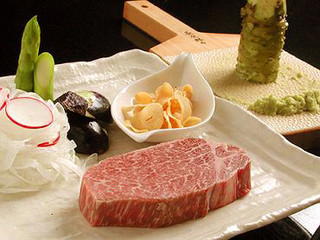
- Kobe beef teppanyaki
- Premium Kobe beef lunch
- Seafood teppanyaki
Teppanyaki in Kobe has its own grammar: a focused arrival, an iron-plate format, and a meal where the sequence of cooking matters as much as the ingredients themselves. Teppan Dining Hoki sits inside that tradition. The restaurant is listed in the teppanyaki, steak and seafood categories, which frames it as a Kobe address built around the grill rather than a single, narrow reading of steak dining.
That category mix is central to the appeal. Kobe’s beef culture often gets flattened into brand-name tourism, but more serious teppanyaki planning is about control: heat, timing, portion rhythm, and the transition between steak, seafood, and other items on the plate. In that context, a restaurant recognised in a competitive listings environment has editorial weight. The point is not only what is cooked, but how the format makes the meal unfold.
A focused Kobe name in the teppanyaki lane
Kobe has several registers of beef dining. Some restaurants trade on heritage and volume; others lean toward polish, ceremony, or a more intimate sense of pacing. Teppan Dining Hoki belongs in the city’s teppanyaki conversation, where steak and seafood sit alongside the iron-plate format. Its 2025 Tabelog Hyakumeiten recognition gives the restaurant a useful external marker, especially in a city where steak and teppanyaki listings are crowded with tourist-facing options.
The category mix matters. Teppanyaki here is listed alongside steak and seafood, which places it away from a steak-only reading of Kobe dining. That is a meaningful distinction in Hyogo, where the prestige of beef can dominate the conversation. A restaurant that also signals seafood is operating in a broader Kansai pattern: expensive protein treated with restraint, and the grill used as a sequencing tool rather than a single-subject performance.
For travellers comparing Kobe restaurants, the decision is partly about format and emphasis. That does not make it interchangeable with a general steak-house plan. It makes the listed format the organising principle.
The format turns teppanyaki into a close-read meal
Design and pacing are often treated as secondary in teppanyaki, yet the format depends on both. The iron plate is not just equipment; it determines how a meal is ordered, watched and understood. At Teppan Dining Hoki, the available profile points to teppanyaki, steak and seafood rather than a broad, all-purpose restaurant identity. That changes the planning lens. The diner reads the meal through the grill format and the sequence of ingredients, not through decoration alone.
The Tabelog score of 3.62 is useful less as a universal verdict than as a local signal. In Japan’s review culture, numbers need context, and category recognition often says more than a decimal alone. The 2025 Tabelog Hyakumeiten recognition places the restaurant among noted names in its field. For Kobe, a city already saturated with beef credentials, that recognition matters because it helps separate a focused teppanyaki listing from the general churn of branded steak options.
There is also a practical aesthetic to a Kobe address. The city is dense with dining decisions, from planned restaurant bookings to lighter daytime stops and late-evening options. A teppanyaki, steak and seafood meal can therefore fit naturally into a broader food itinerary without needing to carry the whole trip. The point is not only convenience; Kobe’s dining geography suits formats that reward precision and planning over a loose checklist approach.
Where it fits in a Kobe dining day
A Kobe food day can easily become beef-heavy, and that is the trap. Teppanyaki has greater range when it is read as a technique rather than a checklist item. The stronger itinerary pairs a planned grill-focused meal with lighter daytime stops and a sharper sense of city movement. Other Kobe dining rooms can give the day a different rhythm, while casual and everyday options point to the city’s broader table culture rather than its export image.
For readers looking beyond a single booking, the useful comparisons are not random prestige names but format contrasts. Kobe Beef Steak Restaurant Royal Mouriya and Kobe Steak Restaurant Mouriya Lin frame a more name-recognisable steak-house lineage, while Tanryu, European Ryori Mon and Tsuki Usagi help show how varied Kobe dining can be even before leaving the city. Teppan Dining Hoki remains the teppanyaki-focused reference point here, with steak and seafood listed alongside the iron-plate format.
The planning lens should stay disciplined. This is a Kobe restaurant with recognition in a competitive teppanyaki, steak and seafood category, not a flexible all-purpose dining room. Its listed budget places dinner at JPY 10,000 - JPY 14,999 and lunch at JPY 4,000 - JPY 4,999, so it sits in a deliberate rather than casual planning bracket. For a broader Kobe trip, round out the city beyond dinner with unnamed bars, hotels, experiences and other dining stops rather than treating one beef meal as the whole story.
Frequently asked questions
What's the address for Teppan Dining Hoki?
Kobe.
Is Teppan Dining Hoki more mid-range or high-end?
Pricing at Teppan Dining Hoki is listed as Dinner: JPY 10,000 - JPY 14,999; Lunch: JPY 4,000 - JPY 4,999.
Do they take walk-ins at Teppan Dining Hoki?
Walk-in availability is not specified in the provided information. Given its 2025 Tabelog Hyakumeiten recognition, planning ahead is the safer approach for a Kobe visit.
What has Teppan Dining Hoki built its reputation on?
Its profile rests on teppanyaki, steak and seafood, plus 2025 Tabelog Hyakumeiten recognition and a listed Tabelog score of 3.62.
Is Teppan Dining Hoki good for vegetarians?
The listed categories are teppanyaki, steak and seafood. Vegetarian suitability is not specified in the provided information, so anyone avoiding meat or seafood should check the lunch or dinner format before visiting in Kobe.
Is Teppan Dining Hoki a family-friendly restaurant?
Family policies are not specified in the provided information. The venue is best understood from its listed profile: a Kobe teppanyaki, steak and seafood restaurant with 2025 Tabelog Hyakumeiten recognition.
Peers in This Market
Comparable venues at a glance for context.
| Venue | Cuisine | Price | Awards | Notes |
|---|---|---|---|---|
| Teppan Dining HokiThis venue (the venue you are viewing) | Teppanyaki Steakhouse | $100–150 | Tabelog 100 #61 | Not listed |
| Kobe Steak Restaurant Mouriya Lin | Teppanyaki Kobe Beef Steakhouse | $150–200 | Not listed | Not listed |
| Kobe Beef Steak Restaurant Royal Mouriya | Teppanyaki Kobe Beef | $150–200 | Not listed | Not listed |
| European Ryori Mon | Classic Yoshoku (Japanese Western-style) | $30–50 | Tabelog 100 #4 | JPY 2,000 - JPY 2,999 JPY 2,000 - JPY 2,999 View spending breakdown |
| Tsuki Usagi | Halal Kobe Beef Japanese | $200–300 | Not listed | Not listed |
Recognition history
Dated appearances from independent guides and award organizations, with the underlying list record or original source where available.
Tabelog 100 #61 · No. 61
Tabelog · Tabelog 100 - Steak / Teppanyaki - WEST - 2025
Continue exploring
More in Kobe
Restaurants in Kobe
All restaurants in Kobe →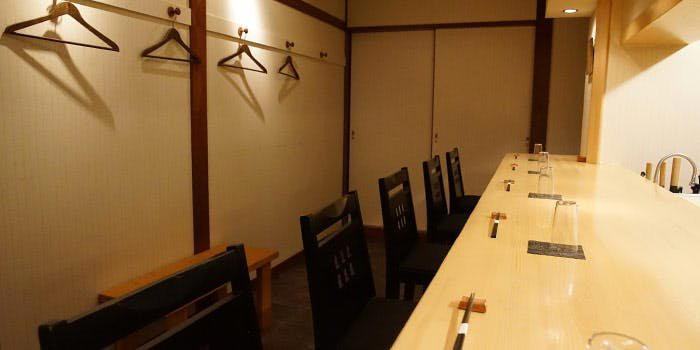

Bars in Kobe
Browse all →

Details
- Intimate
- Elegant
- Sophisticated
- Cozy
- Date Night
- Business Dinner
- Celebration
- Special Occasion
- Private Event
- Group Dining
- Chefs Counter
- Open Kitchen
- Private Dining
- Standalone
- Sake Program
- Local Sourcing
- Sustainable Seafood
- Set Menu
- Counter Dining
- Wine
- Shochu
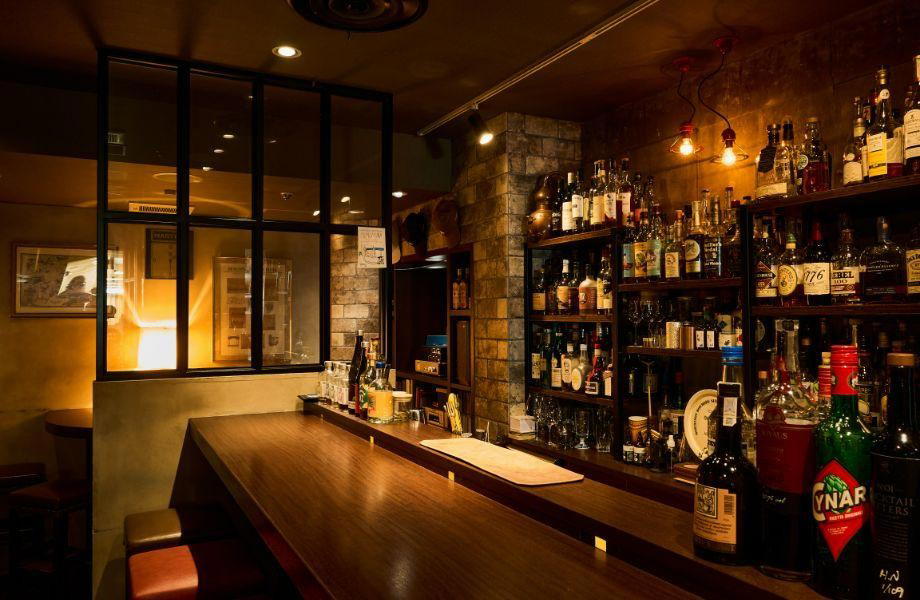
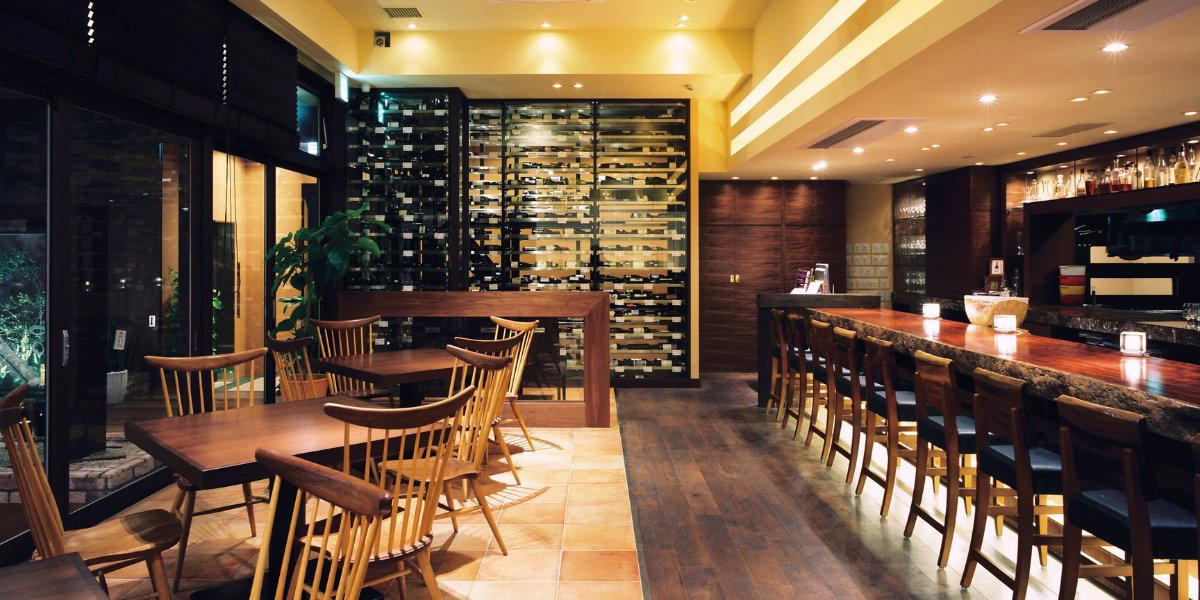
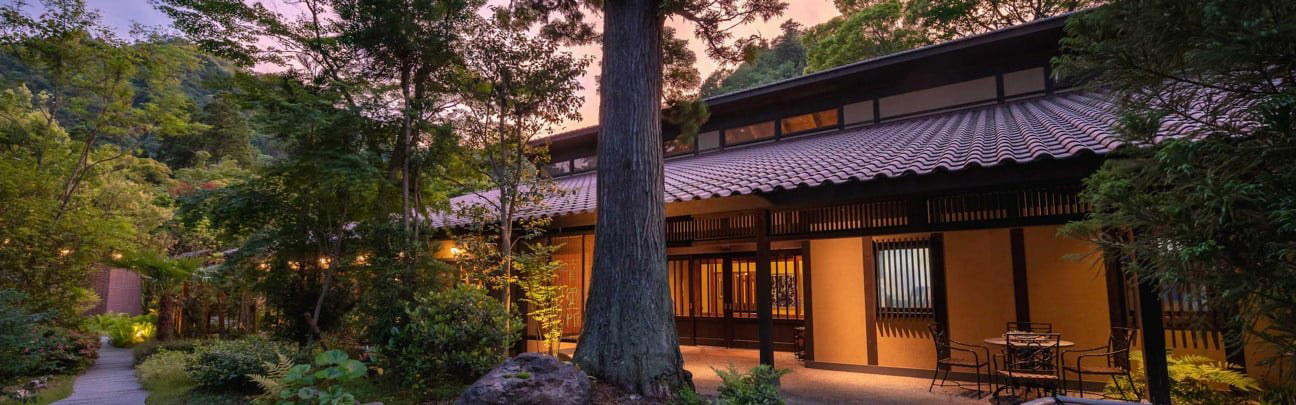
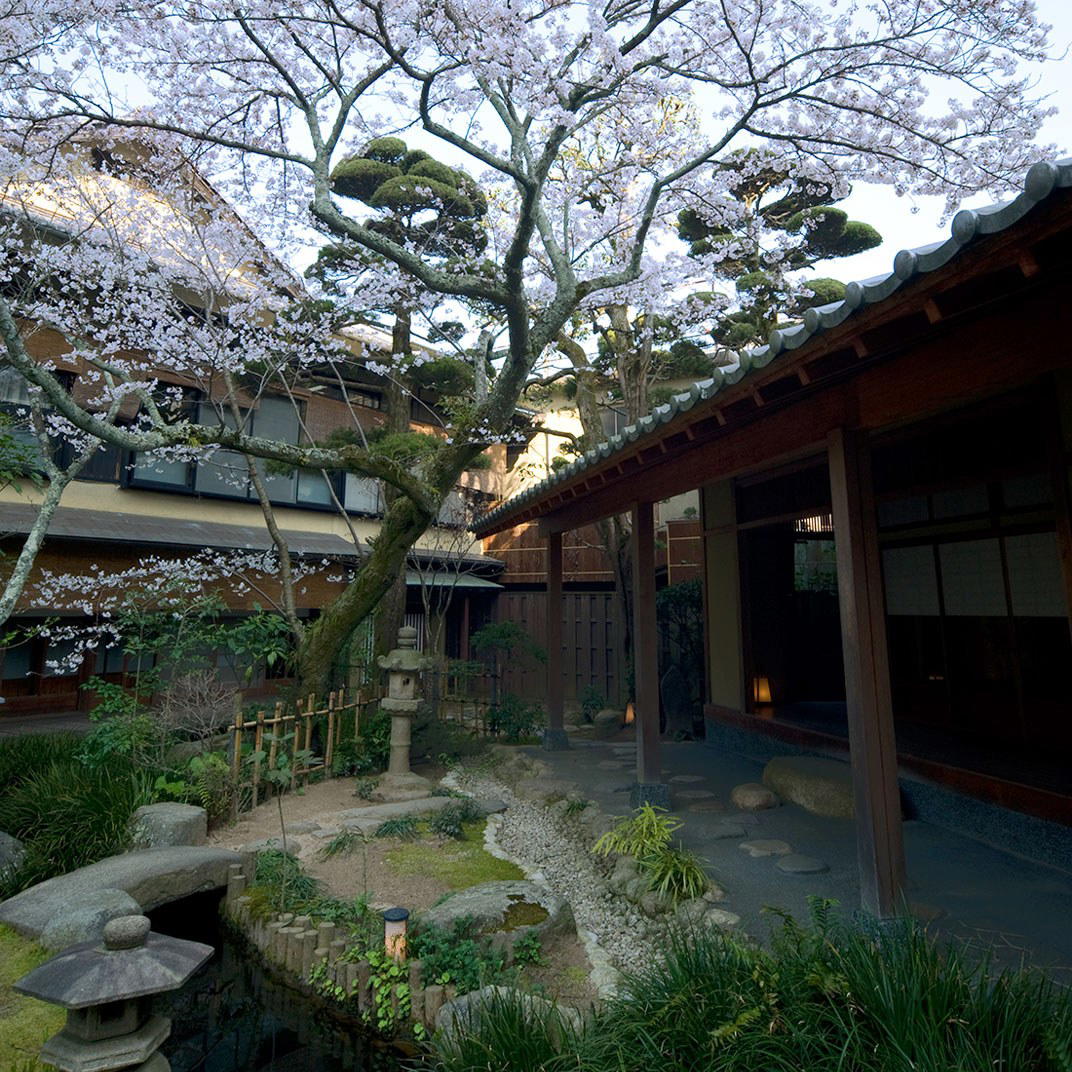
A small, stylish, relaxing counter-dining room that feels private and attentive, with an intimate chef’s-table atmosphere.