
A house-restaurant setting, 32 seats and a Tabelog Yoshoku WEST 100 selection in 2025 place Grill Sen in Fukuoka’s everyday Western-style dining tradition rather than the city’s luxury circuit. The appeal is practical and local: yoshoku, steak and hamburger steak in a price tier that sits closer to neighborhood lunch culture than destination tasting-menu dining.
Pearl is the En Primeur Club membership app — saves, bookings, and concierge access live there. Same editors, same standards.
- Address
- 1 Chome-35-10 Sasaoka, Chuo Ward, Fukuoka, 810-0034, Japan
- Phone
- +81 92-741-5396
- Website
- tabelog.com
 Saves & bookings on Pearl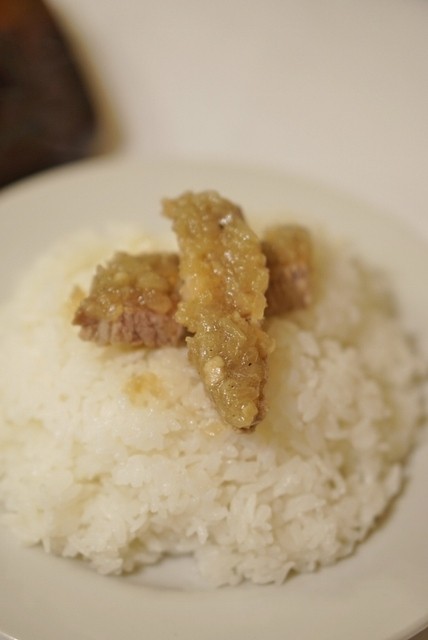
Sasaoka feels residential before restaurant-like; it is not the Fukuoka of hotel lobbies, cocktail glare or chef-counter theatre. That matters because yoshoku works well when built into ordinary routines: Western-influenced cooking Japan absorbed and made its own through grills, demi-glace sauces, cutlets, steaks and hamburger steak. In a city where visitors chase ramen, seafood and yatai, this quieter category reveals another appetite: regulars returning for familiar plates, predictable value and a room that needs no ceremony.
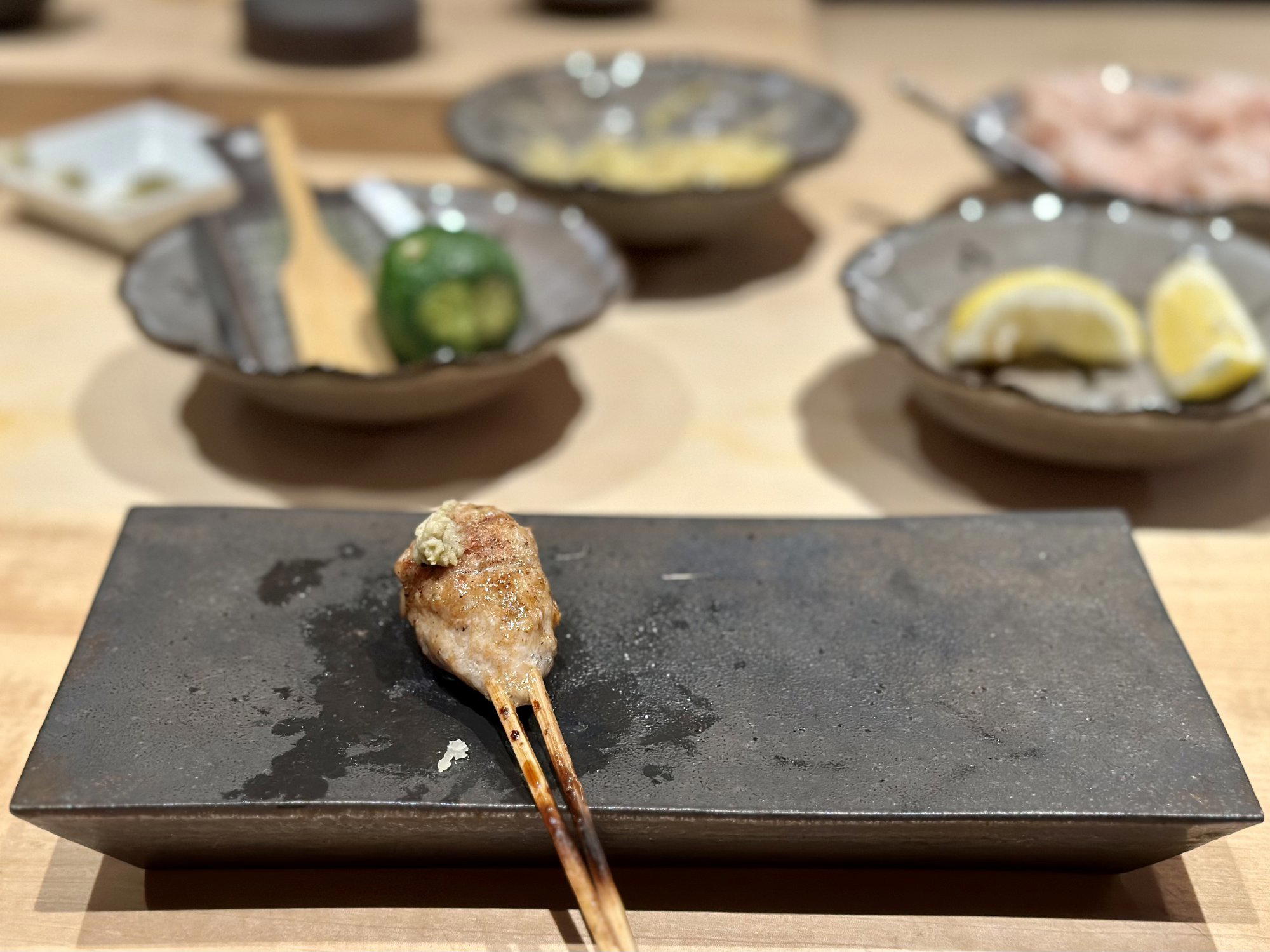
Grill Sen belongs to that register. Its 2025 Tabelog Yoshoku WEST 100 recognition gives it a credential beyond neighborhood affection, but the format stays grounded: yoshoku, steak and hamburger steak, with 32 seats across tables and a small tatami section. This is not white-tablecloth Western dining with imported luxury codes; it is the Japanese grill as local habit, familiar enough for solo diners and friends, serious enough to stand out in western Japan’s yoshoku field.
Yoshoku in Fukuoka is regulars' food, not a tasting-menu category
Fukuoka’s reputation abroad narrows quickly to Hakata ramen, market seafood and late-night stalls, leaving yoshoku in a less photographed lane. That helps travelers interested in how residents eat. Western-style Japanese cooking is not Western food reproduced in Japan; it is a century-plus adaptation that made beef, frying pans, sauces and rice feel native. Hamburger steak is no children’s concession, but a serious comfort form judged by texture, sauce, heat retention and its fit with rice.
The regulars’ lens is right. A place like this rarely trades in novelty; it survives on repeatable satisfaction: lunch without complication, dinner folded into the week, and a menu grammar that needs little explanation. Grill Sen’s Tabelog score of 3.66 and 2025 WEST 100 selection put it above a purely local standby, yet the category keeps it from feeling designed for performance. It corrects Fukuoka itineraries built only around queues and nightlife.
Within the city, it sits closer to focused everyday specialists than expensive occasion rooms. Aji Furai Shokudo Kaba works in a similarly accessible price tier, while Gyoza Osomatsu Ropponmatsu and HAMBURGER SHOP Tomiyoshi sit higher for many meals. Soba Kiri Kanbee and Syn occupy cost structures that change the decision. Grill Sen does not compete with those formats; it clarifies how much Fukuoka dining pleasure sits below the occasion-dining threshold.
The room signals a neighborhood grill with award-list discipline
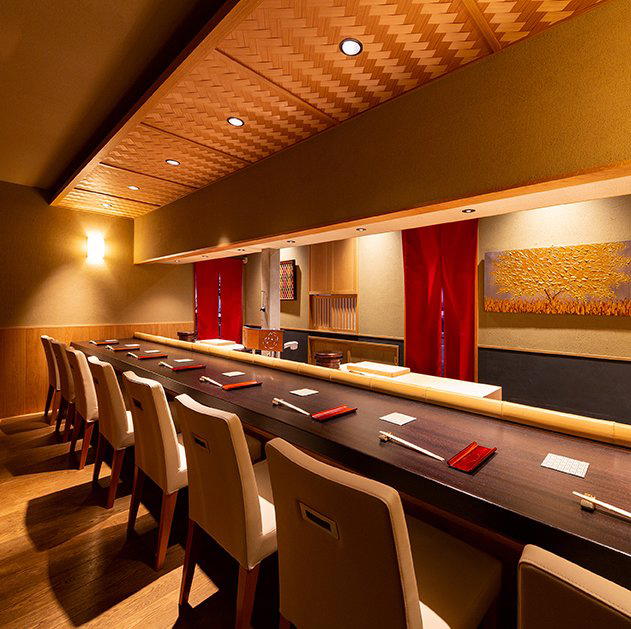
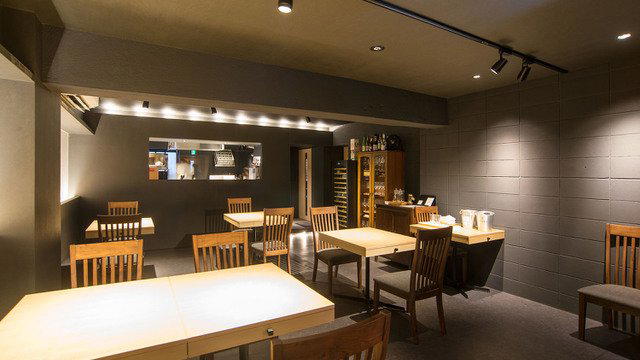
The physical format explains the loyalty. A 32-seat house restaurant is large enough to avoid tiny-counter preciousness, small enough for routine to matter. Table seating does the practical work; tatami keeps the room in a Japanese domestic register; counter seating suits diners who want a meal without making it an event. No-smoking status, takeout and drinks including sake and wine point to a flexible local grill, not a fixed-course temple.
The award signal still matters. Tabelog’s Hyakumeiten lists are useful for categories that do not map neatly onto Michelin-style luxury. Yoshoku is one: technical consistency, value and local devotion matter as much as polish. The restaurant’s 2025 WEST 100 selection places it in a western Japan conversation, not just a Fukuoka one. For travelers, that is the reason to pay attention. The room reads casual; the recognition suggests the kitchen is judged against a wider field of yoshoku specialists.
Payment and service style add context. Cash-only restaurants in Japan often sit closer to older neighborhood rhythms than international tourist systems, and the restaurant fits. No private rooms or private-use format reinforces the point: shared-room dining, not a controlled luxury appointment. Travelers who understand that will get more than those expecting destination-restaurant choreography.
For a broader Fukuoka map, pair this yoshoku meal with focused specialists rather than another broad-menu stop. Aji no Katsueda and Aji Dokoro Taro Gen Sougyou ten show how local restaurants become known for narrow strengths, while Afterglow and 106 South Indian Fukuoka tenjin ten pull the city toward different spice and regional references. The value of our full Fukuoka restaurants guide is seeing those categories side by side, not treating the city as a single-dish destination.
How to read the menu without over-ordering
Order by category, not by hunting a named signature. Yoshoku grills are best read through staples: hamburger steak, steak and the sauce-and-rice logic binding the meal. The restaurant’s listed categories make that clear. Regulars likely return for dependable execution, not seasonal theatrics. Choose the plate for the occasion: solo lunch, casual dinner with friends, or takeout that avoids liquid-heavy dishes.
Location shapes the meal. Sasaoka and the Befu area do not function like Tenjin or Hakata Station, where dining stacks between shopping, hotels and trains. This is a deliberate city detour, suited to travelers who have covered the obvious Fukuoka circuits and want something local without obscurity for its own sake. It also suits repeat visitors mapping Chuo Ward beyond central nightlife lanes.
EP Club readers should treat the restaurant as one piece of a city itinerary, alongside hotel base selection, bar timing and cultural pacing; our full Fukuoka hotels guide, full Fukuoka bars guide, full Fukuoka wineries guide and full Fukuoka experiences guide frame that wider decision. The question is not whether yoshoku outranks ramen or sushi, but whether one meal should show how Fukuoka residents fold Western-style Japanese cooking into normal life.
For readers tracing Japanese casual dining beyond Fukuoka, the lesson travels. The value spectrum runs from beef-led specialists such as -Grilled beef Sukiyaki- KAMAKURA TANUKIAN 鎌倉 たぬき庵 in Kamakura to urban grill formats like. 鮪と炭火焼き うお炭 秋葉原店 in Tokyo, café dining at.cafe in Osaka, regional modern rooms such as.know in Kumamoto, and tightly defined casual formats including (Shoku) Vietnam in Kawasaki, [Curry Senmon Ten] Maruyama Kyoju. in Sapporo, Jōdo Saké Bar in Los Angeles and Onigiri Time in Pasadena. The restaurant’s appeal is more modest and instructive: a recognized yoshoku address showing how Fukuoka eats when the meal is habit, not spectacle.
Recognition Snapshot
Comparable venues at a glance for context.
| Venue | Cuisine | Price | Notes |
|---|---|---|---|
| Grill SenThis venue — the venue you are viewing | Japanese Yoshoku Grill & Steakhouse | $$ | Not listed |
| Akasaka Komikan | Traditional Japanese Izakaya | $$ | Chūō |
| Toritori Kenkyu Dan | Yakitori & Chicken Ramen | $$ | Hakata |
| Onokoro Hanjou | Seafood-focused Japanese izakaya | $$ | Chūō |
| 鮨 行天 | Traditional Washoku | Not listed | Chūō |
| Kawa Ya Shirogane ten | Hakata yakitori & izakaya | $$ | Chūō |
Recognition history
Dated appearances from independent guides and award organizations, with the underlying list record or original source where available.
Tabelog 100 #32 · No. 32
Tabelog · Tabelog 100 - Yoshoku - WEST - 2025
At a Glance
- Classic
- Cozy
- Solo
- Casual Hangout
- Group Dining
- Standalone
- Sake Program
Current opening hours
- Monday
- 11 AM–2 PM, 5:30–8 PM
- Tuesday
- Closed
- Wednesday
- 11 AM–2 PM, 5:30–8 PM
- Thursday
- 11 AM–2 PM, 5:30–8 PM
- Friday
- 11 AM–2 PM, 5:30–8 PM
- Saturday
- 11 AM–2 PM, 5:30–8 PM
- Sunday
- 11 AM–2 PM, 5:30–8 PM
Hours can change for holidays and private events. Last verified .