
A Hakata Station-area yakiniku room built around the ritual of grilling at the table, Kyushu beef, shochu, and a democratic dinner budget. Its Tabelog 100 Yakiniku WEST selections in 2021 and 2025 place it in a serious regional conversation, while the no-reservations format keeps the experience closer to Fukuoka’s everyday eating culture than to ceremony-heavy beef dining.
Pearl is the En Primeur Club membership app — saves, bookings, and concierge access live there. Same editors, same standards.
- Address
- 福岡県福岡市博多区博多駅南1-5-3 西園ビル 1F・2F
- Phone
- +81924830329
- Website
- tabelog.com
 Saves & bookings on Pearl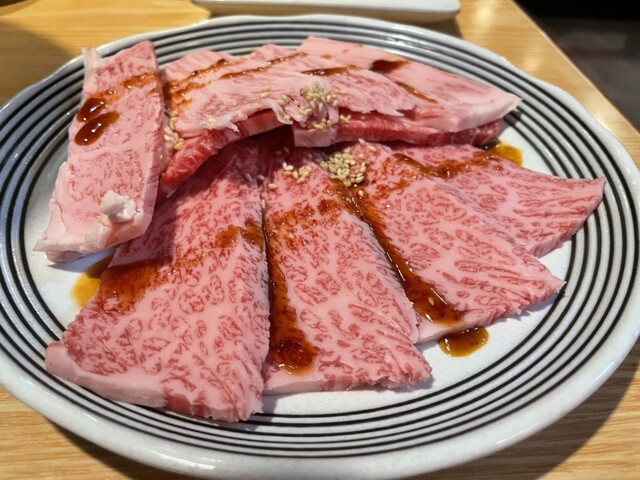
Approaching a Hakata yakiniku room means entering a different tempo from Fukuoka’s ramen counters and seafood izakaya. The meal is assembled at the grill, piece by piece, with smoke, timing, and table judgment doing much of the work. Yakiniku Tagyu Ekiminami ten belongs to that tradition: a house-style restaurant south of Hakata Station where the table is the kitchen and the ritual rewards attention.
Fukuoka’s dining identity is often reduced to tonkotsu ramen and yatai, but the city is also a strong beef town because Kyushu’s cattle culture sits close by. Yakiniku here is usually less theatrical than Tokyo’s luxury beef rooms and less formal than steakhouse dining. The pleasure is social, practical, and rhythmic: order, grill, share, drink, repeat. That format explains why a restaurant with 12 tables, private rooms, tatami seating, shochu, and a dinner spend around JPY 5,000 to JPY 5,999 can carry serious credibility without feeling like a special-occasion machine.
Table-grill dining with Kyushu beef at the centre
Read this restaurant not as a chef-led tasting menu, but as a yakiniku ritual sharpened by value and regional sourcing. The category spans Japanese BBQ, sukiyaki, and shabu shabu, but the main cultural signal is the grill: diners manage heat, pacing, and cut sequence themselves. The table is more active than in most formats. The reward is control, but it asks for restraint; crowding the grill or over-ordering early breaks the rhythm.
The Tabelog 100 Yakiniku WEST selections in 2021 and 2025 matter because they place the restaurant inside a competitive western Japan beef category, not just a local Hakata orbit. In Fukuoka terms, that is a strong trust signal. It also explains the appeal: this is not positioned like a polished teppanyaki counter such as Teppanyaki Rikaen, where price and performance sit in another lane. Both speak to beef culture, but serve different moods: controlled counter cooking versus hands-on table grilling.
Yakiniku etiquette is simple but not careless. Use tongs for raw meat, do not turn the grill into a heap, and let fatty cuts arrive in a sequence that does not overwhelm the table too early. Shochu fits because it sits beside smoke, sauce, and grilled fat without becoming the focus. The non-smoking policy also changes the room dynamic, letting the grill define the air rather than cigarette smoke.
Why Hakata's station-side dining works for this format
Hakata Station is one of Fukuoka’s most useful dining districts because it mixes commuters, office workers, domestic travellers, and locals heading home across Kyushu. That suits restaurants that are direct, moderately priced, and social. The area does not need every meal to be a destination performance; it needs reliable formats for after-work groups, friends, and visitors who want Fukuoka’s food culture without crossing town.
That station-side practicality puts this yakiniku room in conversation with the wider Fukuoka table. The city can move from South Indian cooking at 106 South Indian Fukuoka tenjin ten to spice-led curry at Afterglow, from old-school local cooking at Aji Dokoro Taro Gen Sougyou ten to fried fish at Aji Furai Shokudo Kaba and tonkatsu at Aji no Katsueda. Yakiniku’s role is particular: communal, meat-driven, and built for longer table conversation than a quick noodle counter or set-meal lunch.
For travellers building a Fukuoka food map, treat this as part of a sequence rather than a standalone trophy. Use Our full Fukuoka restaurants guide to balance grill-heavy dinners with lighter meals, and pair the city’s dining plan with Our full Fukuoka hotels guide, Our full Fukuoka bars guide, Our full Fukuoka wineries guide, and Our full Fukuoka experiences guide if the trip extends beyond dinner.
The planning calculus: line, cash, smoke, and table manners
The no-reservations format changes the decision. This is a queue-and-commit meal, not a calendar-secured booking. Dinner service runs in the evening, Monday is the listed closing day, and the location is about five minutes on foot from Hakata Station, making it practical for a first or final night in the city. Payment is cash-led: credit cards, electronic money, and QR payments are not accepted. Parking is not provided, though coin parking is available nearby.
Particularly useful practical advice is cultural: dress for a grill. Table-grill yakiniku leaves traces, and the restaurant explicitly advises clothes that can handle the smoke and splatter of charcoal cooking. Private rooms are available, and sukiyaki and shabu shabu reservations can be made for the second-floor restaurant, but the yakiniku draw remains the walk-in table ritual. For families or groups, the 12-table setup and private-room option matter; for solo diners or tightly scheduled travellers, the queue risk is the trade-off.
Across Japan, beef dining stretches from quick casual bowls to high-spend wagyu counters. This address sits in a Fukuoka middle lane: serious enough to earn regional recognition, priced low enough to keep the room democratic, and informal enough that friends and office workers shape the atmosphere. Travellers comparing Japanese beef formats can look beyond Fukuoka, from sukiyaki-focused dining at -Grilled beef Sukiyaki- KAMAKURA TANUKIAN 鎌倉 たぬき庵 in Kamakura to charcoal cooking at. 鮪と炭火焼き うお炭 秋葉原店 in Tokyo. Japanese grill culture is not one format; it ranges from seafood fire to beef sukiyaki to table-managed yakiniku.
Fukuoka’s appeal is that this kind of meal does not require ceremony to feel specific to the city. The same trip can include.cafe in Osaka.know in Kumamoto, (Shoku) Vietnam in Kawasaki, [Curry Senmon Ten] Maruyama Kyoju. in Sapporo, Jōdo Saké Bar in Los Angeles, or Onigiri Time in Pasadena, but Hakata’s grill rooms teach a particular discipline: dinner is not only what arrives at the table, but how the table handles it.
Cuisine and Recognition
Comparable options at the same price tier.
| Venue | Cuisine | Price | Notes |
|---|---|---|---|
| Yakiniku Tagyu Ekiminami tenThis venue — the venue you are viewing | Yakiniku & Sukiyaki near Hakata Station | $$ | Not listed |
| Yakiniku Horumon Jinsei Daichan | Yakiniku & Horumon Izakaya | $$ | Higashi |
| Soba Ozaki | Traditional Soba Noodle Shop | $$ | Chūō |
| Sabatarou | Traditional Japanese clay-pot rice breakfast & lunch | $$ | Chūō |
| pain stock | Japanese Bakery Cafe | $$ | Higashi |
| Suzaki Yatai Kajishika | Hakata Yatai Izakaya | $$ | Hakata |
Recognition history
Dated appearances from independent guides and award organizations, with the underlying list record or original source where available.
Tabelog 100 #84 · No. 84
Tabelog · Tabelog 100 - Yakiniku - WEST - 2025
At a Glance
- Lively
- Energetic
- Cozy
- Rustic
- Casual Hangout
- After Work
- Group Dining
- Family
- Solo
- Standalone
- Private Dining
- Beer Program
- Local Sourcing
- Street Scene
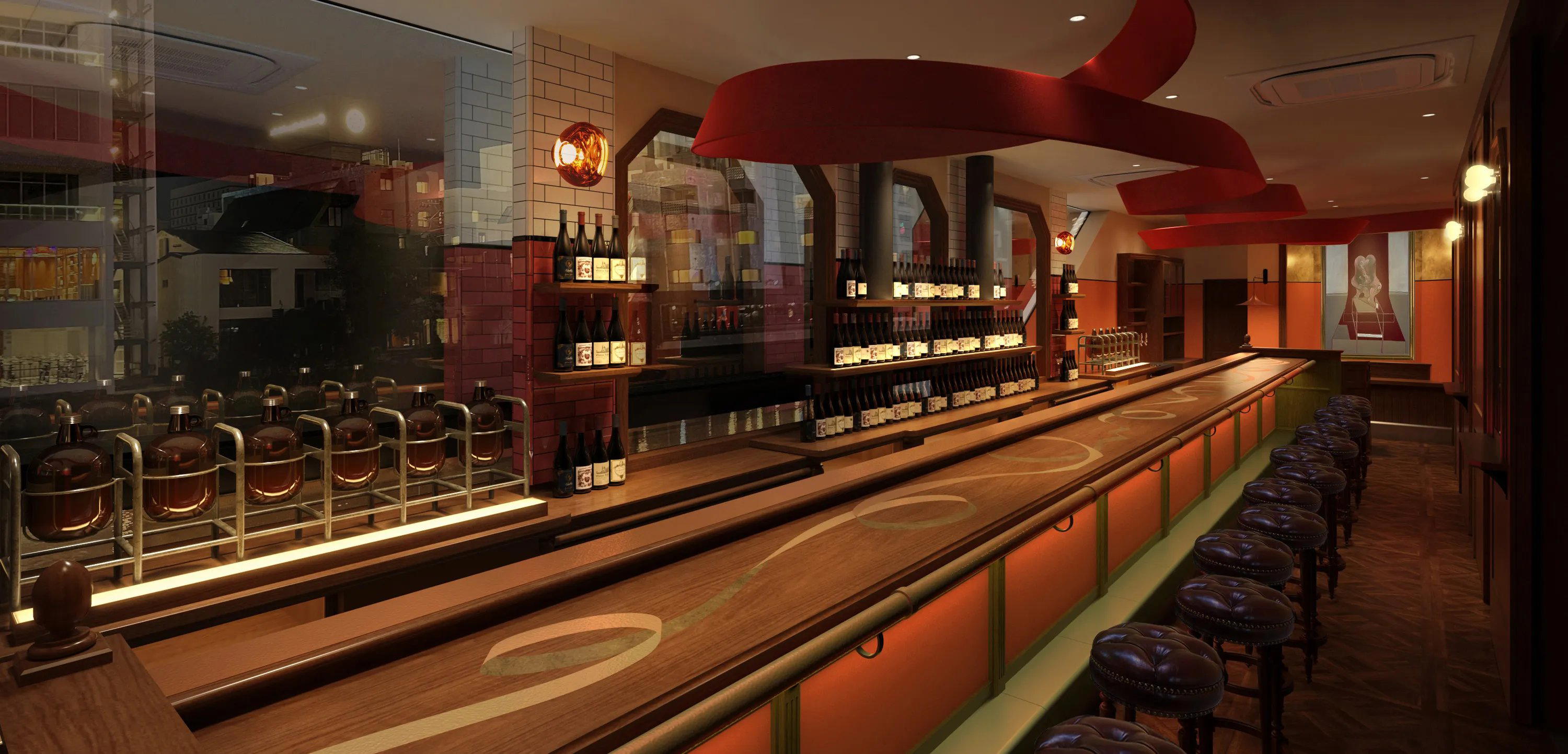
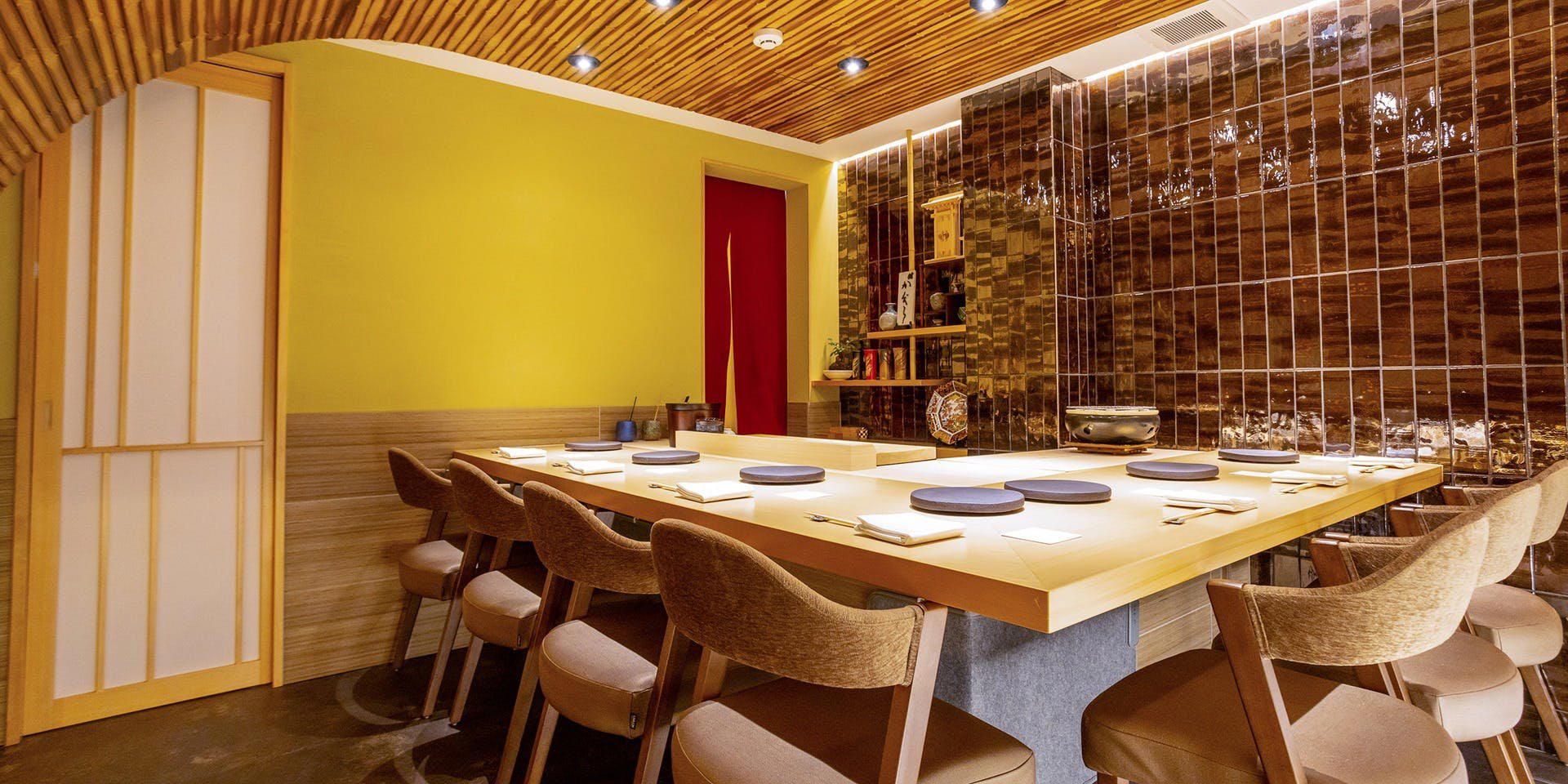
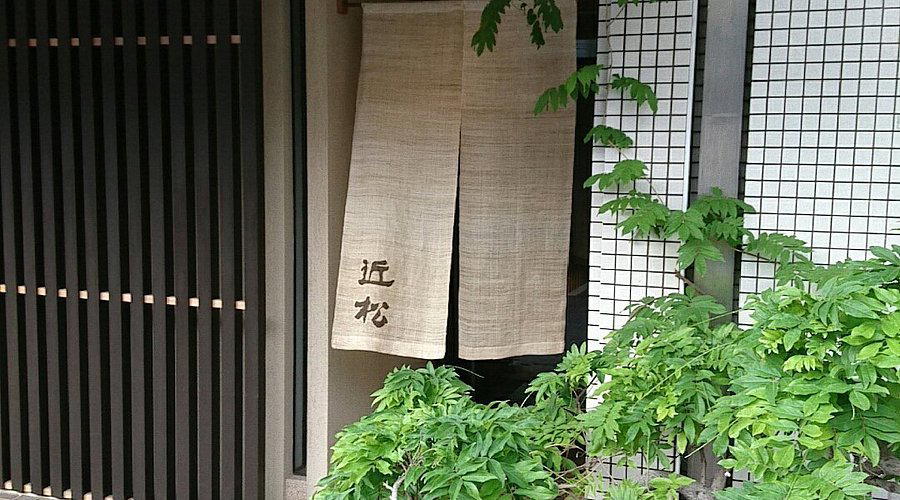
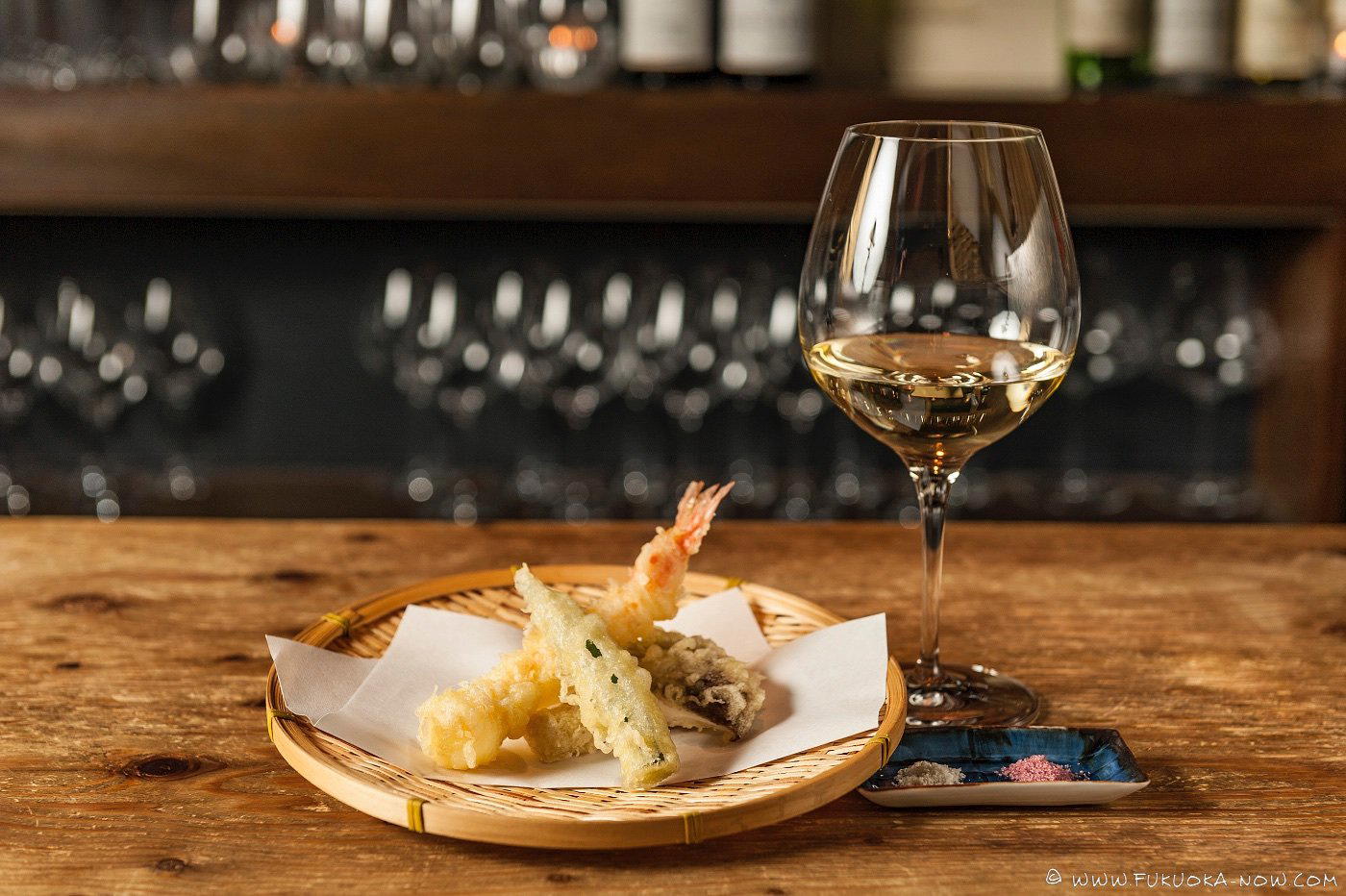
Bustling, smoky house-style yakiniku with charcoal grills, simple table seating on two floors and a casual back-alley feel where the aroma of grilled beef and chatter from families and office workers fill the compact space.