
Torakichi Ya Hikaru puts Yokohama ramen into the compact, counter-led register: low price, fast turnover, and a room built for solo bowls rather than ceremony. Its selection for Tabelog Ramen KANAGAWA “Tabelog 100” 2025 gives it a clear quality signal in a city where ramen competes with curry shops, bakeries, Chinese kitchens, and everyday shokudo culture.
Pearl is the En Primeur Club membership app — saves, bookings, and concierge access live there. Same editors, same standards.
- Address
- 神奈川県横浜市神奈川区西神奈川3-1-1
- Website
- tabelog.com
 Saves & bookings on Pearl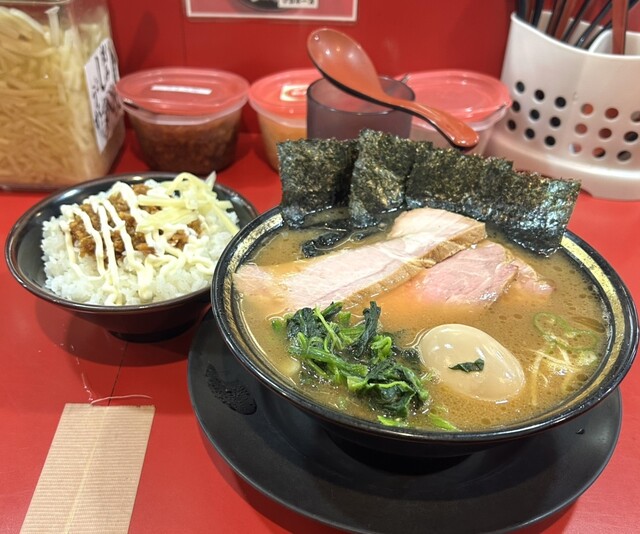
Approaching a serious ramen counter in Yokohama rarely feels theatrical. The grammar is practical: a narrow frontage, a short wait, the sound of bowls moving across a counter, and a room arranged for eating with focus rather than lingering. Torakichi Ya Hikaru belongs to that compact Japanese format, where the experience is measured in broth, noodles, tare, oil, and timing, not in table linens or a long printed menu.
Yokohama’s ramen culture sits in a different register from Tokyo’s collector counters. The city has its own gravity: port-city appetite, commuter neighbourhoods, Chinatown’s influence nearby, and a strong tradition of everyday restaurants that win loyalty through repetition. In that setting, a 15-seat counter is not a limitation; it is the operating logic. Ramen rewards small rooms because heat, pace, and consistency matter. A bowl loses authority when service stretches too far from the stove.
A counter format built around broth discipline
The restaurant’s recognition, selection for Tabelog Ramen KANAGAWA “Tabelog 100” 2025, places it inside Kanagawa’s serious ramen conversation rather than the broader casual-noodle field. That matters because ramen lists in Japan are often less about luxury and more about precision: whether a shop can make a narrow format compelling enough to draw repeat scrutiny. A Tabelog score of 3.71, in this category, signals meaningful local attention without turning the meal into a formal dining event.
The ingredient story in ramen is rarely visible in the way it is at sushi counters or kappo restaurants. It is embedded instead: bones or seafood handled over time, soy or salt tare doing quiet structural work, fat carrying aroma, noodles calibrated to the broth’s weight. The better Yokohama bowls tend to make sourcing felt through balance rather than display. Diners are not being asked to admire an ingredient list; they are asked to understand how a bowl holds together from first sip to final strands.
That is why counter-only ramen remains one of Japan’s clearest price-to-craft formats. At JPY 1,000 to JPY 1,999, the meal sits in the same affordable band as several strong Yokohama casual addresses, including Sari Sari Curry and Shinachiku Tei, while operating with a tighter production window than many sit-down restaurants. Compared with sub-JPY 999 neighbourhood stops such as Hakuraku Bagel, Kuri Yama, and Pain de U, the premium is not about comfort or duration. It is about the kitchen putting more technique into a single hot bowl.
Where Yokohama's everyday dining gets serious
Yokohama is often read too quickly by visitors: waterfront hotels, Chinatown, Minato Mirai, then back to Tokyo. The more useful dining map is broader. Small-format specialists sit beside curry houses, bakeries, yakitori counters, Chinese rooms, and old-school Western-Japanese kitchens. That spread explains why ramen here has to be direct. It competes not only with other noodle shops but with the city’s full habit of casual eating.
For travellers building a Yokohama food day, the point is not to turn ramen into a tasting-menu substitute. It works better as the anchor for a neighbourhood-led route: one serious bowl, then a contrasting stop elsewhere in the city. EP Club’s Yokohama restaurant coverage includes the yakitori address 1000 (Yakitori (Grilled chicken skewers)), Chinese and regional cooking references such as Aichun, curry and spice-led options including Ajowan and Alpenjiro Honten, plus everyday comfort cooking at Anzen Shokudo. Read together, they show a city where quality is dispersed across small, specific formats rather than concentrated in a single dining district.
That context also explains the appeal of Torakichi Ya Hikaru for solo diners. Counter seating removes the social negotiation of a table meal. The rhythm is closer to sushi in its focus but not in its price or ceremony. The better comparison is with Japan’s broader specialist-counter tradition: yakitori, tempura, ramen, and curry shops where the kitchen’s decisions are compressed into a short service and the guest’s role is to arrive ready to eat.
How to place it in a Yokohama itinerary
The practical decision is simple: treat this as a focused ramen stop, not an all-evening plan. The Higashi Hakuraku area puts the meal outside the city’s most obvious visitor circuit, which is part of the appeal for diners who want Yokohama beyond harbour views. Reservations are unavailable, so timing matters more than planning weeks ahead. The counter format suits one or two people better than a group, and payment is cash-led, with credit cards, electronic money, and QR code payments not accepted.
For a fuller city plan, use Our full Yokohama restaurants guide alongside Our full Yokohama hotels guide, Our full Yokohama bars guide, Our full Yokohama wineries guide, and Our full Yokohama experiences guide. Nearby-city comparisons help calibrate the meal against Japan’s wider casual dining range: -Grilled beef Sukiyaki- KAMAKURA TANUKIAN 鎌倉 たぬき庵 in Kamakura. 鮪と炭火焼き うお炭 秋葉原店 in Tokyo.cafe in Osaka.know in Kumamoto, (Shoku) Vietnam in Kawasaki, [Curry Senmon Ten] Maruyama Kyoju. in Sapporo, Jōdo Saké Bar in Los Angeles, and Onigiri Time in Pasadena. The through-line is specialization: places that make a narrow promise, then rely on repetition to prove it.
The editorial case is not that this is luxury ramen. It is that Yokohama’s serious casual dining can make a modest ticket feel analytically interesting. A 2024 opening with a 2025 Tabelog 100 selection, a counter-only room, and a sub-JPY 2,000 spend puts Torakichi Ya Hikaru in the category of places where the city’s dining intelligence shows up without performance.
At-a-Glance Comparison
Comparable venues by category and price.
| Venue | Cuisine | Price | Notes |
|---|---|---|---|
| Torakichi Ya HikaruThis venue — the venue you are viewing | Yokohama-style ramen shop | $ | Not listed |
| Yokohama Iekei Ramen Kogane Ya | Yokohama iekei ramen | $ | Naka |
| Yokohama Iekei Ramen Kachidoki Ya | Yokohama Iekei Ramen Shop | $ | Naka |
| Menya Numata | Specialty Shio Ramen Shop | $ | Tsurumi |
| Shinachiku Tei | Ramen | $ | Kanagawa |
| Chuka Soba Shigure Isezaki choujamachi honten | Ramen (Chuka soba) | $ | Naka |
Recognition history
Dated appearances from independent guides and award organizations, with the underlying list record or original source where available.
Tabelog 100 #95 · No. 95
Tabelog · Tabelog 100 - Ramen - KANAGAWA - 2025









At a Glance
- Cozy
- Lively
- Solo
- Casual Hangout
- After Work
- Late Night
- Standalone
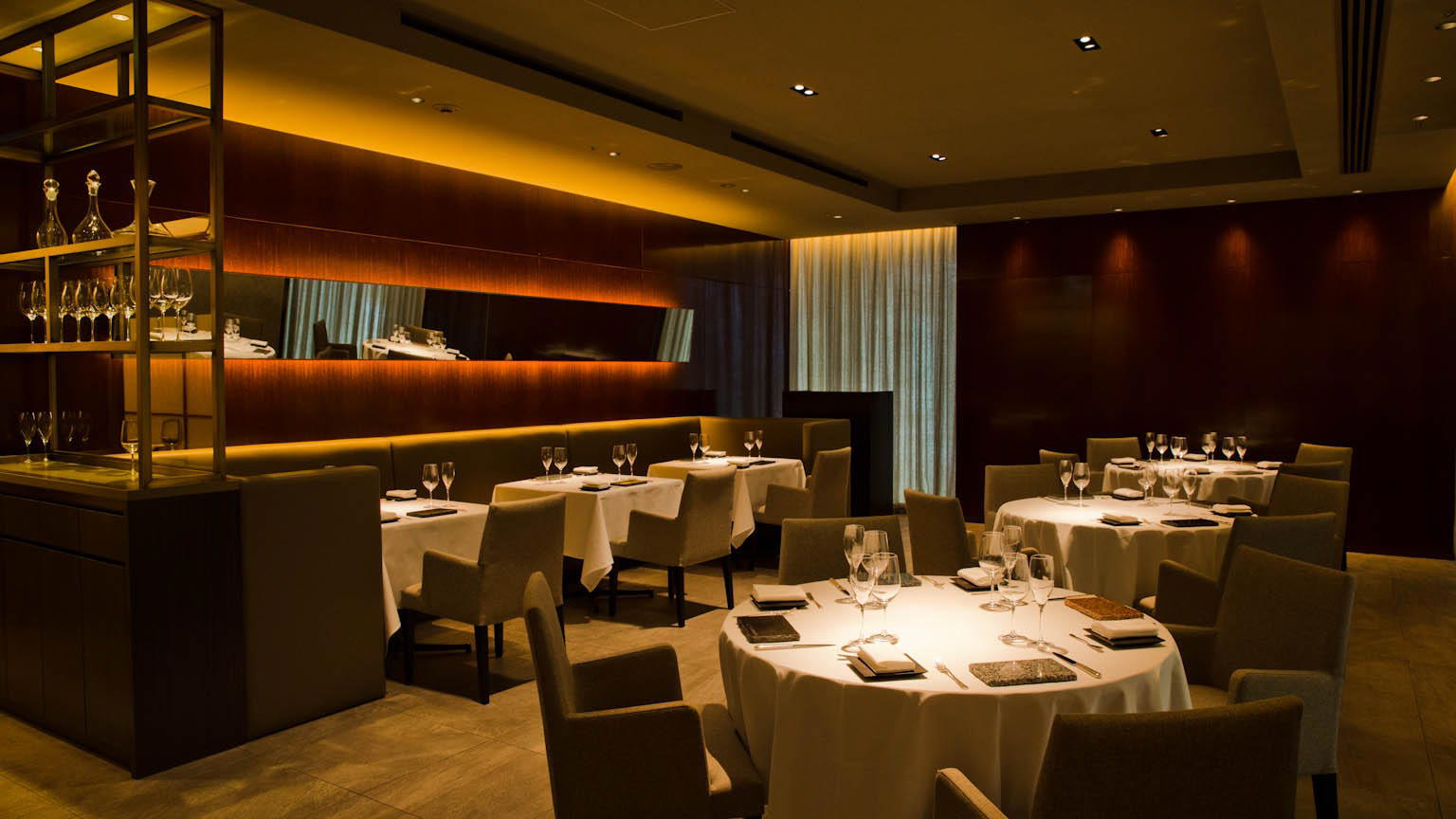
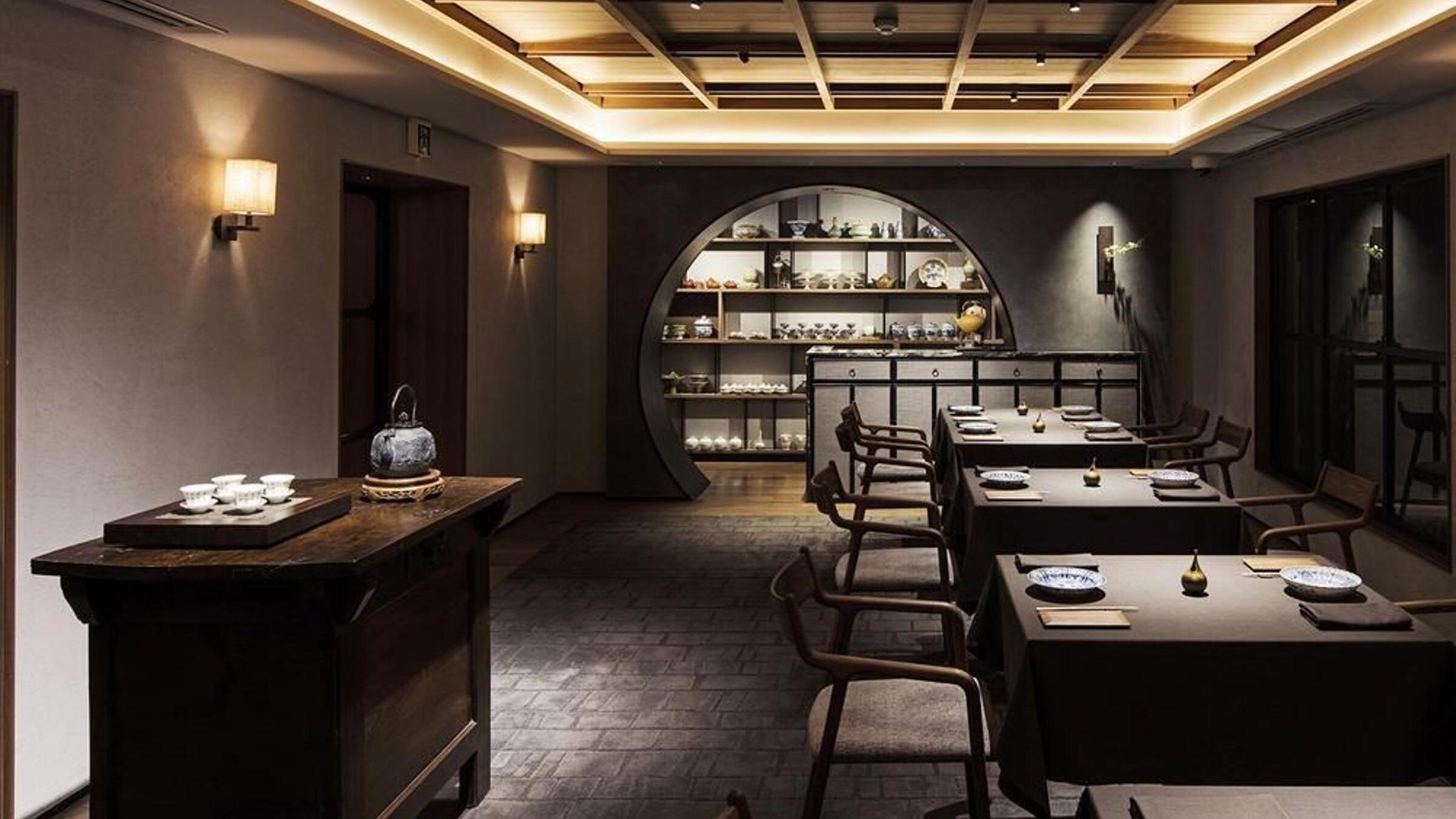
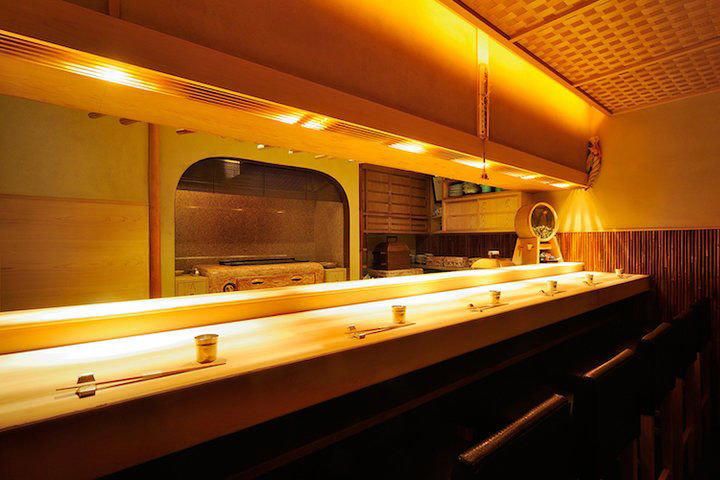
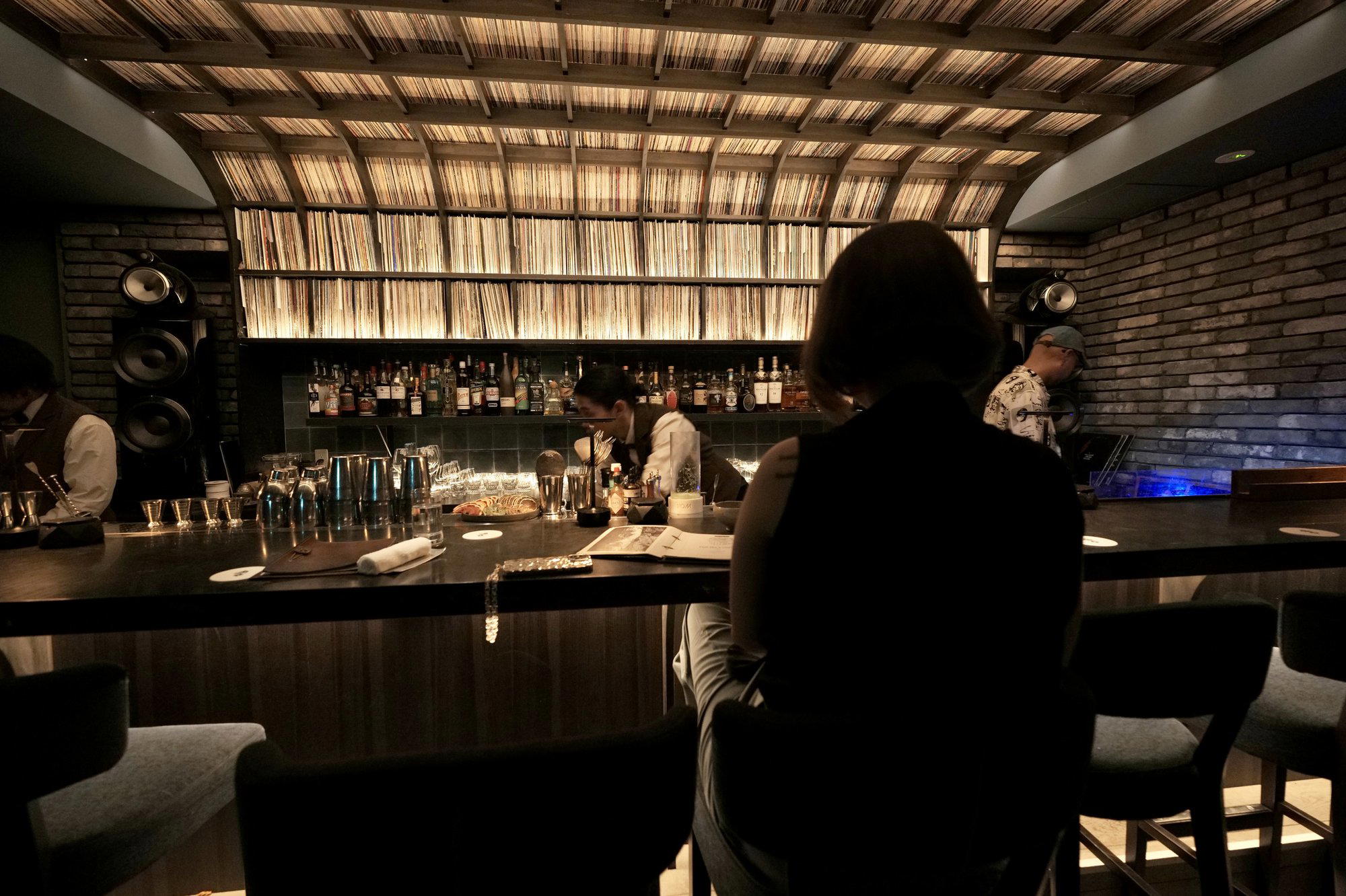
Compact, no-frills counter ramen shop with a casual, bustling feel, focused on quick solo meals rather than lingering, with simple interiors typical of neighborhood Yokohama ramen joints.