
Bashamichi gives Yokohama tonkatsu a sharper urban frame: business-lunch tempo, counter seating, and the port-city habit of treating specialist food seriously without ceremony. Tonkatsu Aoki Yokohama bashamichi ten sits in that lane with Tabelog Tonkatsu 100 selections in 2022, 2024, and 2026, placing a compact pork-cutlet counter among the city’s more credible casual dining stops.
Pearl is the En Primeur Club membership app — saves, bookings, and concierge access live there. Same editors, same standards.
- Address
- 神奈川県横浜市中区相生町5-80 1F
- Phone
- +81452288382
- Website
- tabelog.com
 Saves & bookings on Pearl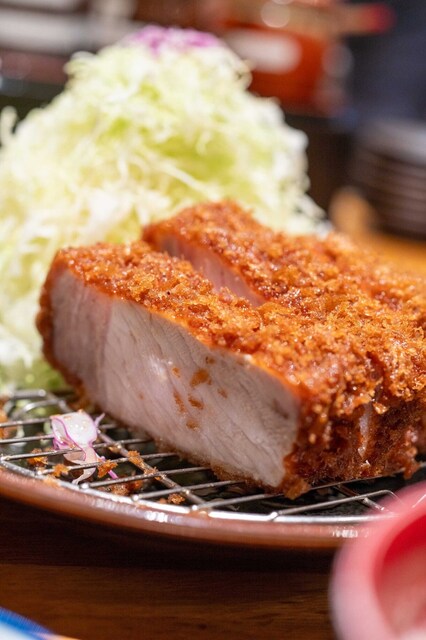
Bashamichi is not Yokohama’s soft-focus waterfront postcard. The neighbourhood carries a more practical rhythm: office workers moving between Kannai and the Minatomirai Line, small restaurants working hard at street level, and the old port-city confidence that good food does not need theatrical packaging. In that setting, tonkatsu reads less like a nostalgic comfort plate and more like a specialist craft, judged on frying discipline, pork quality, rice, cabbage, and the pace of a room built for turnover rather than lingering.
Tonkatsu Aoki Yokohama bashamichi ten belongs to the modern Japanese category of narrow-focus restaurants that do one thing with enough consistency to draw attention beyond the immediate neighbourhood. Its selection for Tabelog Tonkatsu 100 in 2022, 2024, and 2026 matters because tonkatsu is a crowded field in Japan, and recognition in that category rewards repeatable execution rather than luxury signalling. This is a casual counter format with a specialist brief, not a grand dining room trying to dress pork cutlet in fine-dining language.
Bashamichi gives tonkatsu a working-city edge
Yokohama’s dining identity often gets split between Chinatown, hotel dining around the bay, and polished rooms serving visitors who stay close to the waterfront. Bashamichi occupies a different position. It is central, connected, and less performative, which suits tonkatsu well. The dish depends on speed, heat management, and the confidence to let a simple set meal carry the room. A compact counter can be a virtue here: the meal is about fry timing and direct service, not atmosphere stretched into theatre.
That also explains why this address feels different from a longer evening itinerary in Yokohama. A bar such as The Bar CASABLANCA operates in another register, with a higher spend and a drinking-led rhythm. Sushi Tsugu and Bashamichi Okawa sit in more expensive dining brackets, where pacing, courses, and reservation planning shape the meal. LA FIGLIA DEL PRESIDENTE, by contrast, points toward the city’s casual international appetite. Tonkatsu Aoki Yokohama bashamichi ten is useful because it sits below those formal categories while keeping a specialist standard: a serious meal without the financial or temporal commitment of a full restaurant evening.
For travellers mapping a day around the area, the restaurant makes sense as a Yokohama lunch or early dinner anchor rather than a destination that needs a whole night built around it. That distinction matters. Tonkatsu is at its strongest when treated as a focused stop: arrive hungry, order decisively, and let the room’s pace do its work. Readers building a broader city plan can pair this kind of address with the wider context in Our full Yokohama restaurants guide, then separate dining from stay, drinking, wine, and cultural planning through Our full Yokohama hotels guide, Our full Yokohama bars guide, Our full Yokohama wineries guide, and Our full Yokohama experiences guide.
The value of a specialist counter in a city of bigger meals
Japan’s stronger casual restaurants often resist the international instinct to inflate a meal into an occasion. Tonkatsu is a useful test of that principle. The format gives the kitchen little room to hide: batter, oil, pork, rice, cabbage, and sauce sit in plain view of the diner’s judgement. Recognition from Tabelog’s tonkatsu category places this counter in a national conversation about a dish that is widely available but unevenly executed. The point is not rarity. The point is control.
The price tier reinforces the appeal. In Yokohama, where a sushi counter can move quickly into five-figure yen territory and formal Japanese dining asks for both time and planning, a recognized tonkatsu counter at this level occupies a useful middle ground. It is not cheap by convenience-food standards, but it is accessible by the standards of award-listed Japanese specialist dining. That makes the restaurant especially relevant for visitors who want one serious local meal without committing to a tasting-menu structure.
There is no need to manufacture a chef mythology around the place. The stronger story is category discipline. Tonkatsu has always rewarded restaurants that understand repetition: the same core process, refined service after service, with little visual drama beyond the cutlet itself. In a 15-seat counter setting, that repetition becomes part of the experience. The room is small enough that hesitation at the door, cash handling, and the tempo of ordering all matter. This is a practical dining culture, and the sharper pleasure comes from respecting that practicality.
How to place it in a Yokohama eating day
One sensible way to use Tonkatsu Aoki Yokohama bashamichi ten is as a specialist stop in a neighbourhood-led itinerary. Bashamichi and Kannai sit close to several versions of Yokohama: civic, commercial, waterfront, and old port. A pork-cutlet meal here has a different logic from a dinner built around drinks, sushi, or formal Japanese cooking. It gives the day a firm centre without exhausting the evening.
Travellers comparing casual Yokohama options should think in categories, not rankings. 1000 (Yakitori (Grilled chicken skewers)) points toward skewers and drinking food; Aichun, Ajowan, Alpenjiro Honten, and Anzen Shokudo each pull the city’s casual map in different directions. The value of a tonkatsu address in Bashamichi is its clarity: one dish category, a counter setting, and enough external recognition to justify choosing it over a random station-area meal.
The same category thinking helps beyond Yokohama. A diner looking at -Grilled beef Sukiyaki- KAMAKURA TANUKIAN 鎌倉 たぬき庵 in Kamakura. 鮪と炭火焼き うお炭 秋葉原店 in Tokyo.cafe in Osaka.know in Kumamoto, (Shoku) Vietnam in Kawasaki, [Curry Senmon Ten] Maruyama Kyoju. in Sapporo, Jōdo Saké Bar in Los Angeles, or Onigiri Time in Pasadena is not choosing between equivalent experiences. The better question is what role the meal plays in the day. Here, the answer is direct: a compact, award-listed tonkatsu counter that suits Bashamichi’s working-city grain.
Just the Basics
Comparable venues to calibrate price, style, and recognition.
| Venue | Cuisine | Price |
|---|---|---|
| Tonkatsu Aoki Yokohama bashamichi tenThis venue — the venue you are viewing | Naka, Japanese Tonkatsu | $ |
| G Men 7 | Kōnan, Classic Yokohama ramen shop | $ |
| Ramen & Curry Senmonten Taigen | Naka, Ramen & Curry | $ |
| Ramen Sugita Ya Honten | Isogo, Traditional Yokohama Iekei ramen | $ |
| Yokohama Iekei Ramen Kachidoki Ya | Naka, Yokohama Iekei Ramen Shop | $ |
| Ramen Matsushin | Tsurumi, Classic Japanese Ramen Shop | $ |
Recognition history
Dated appearances from independent guides and award organizations, with the underlying list record or original source where available.
Tabelog 100 #26 · No. 26
Tabelog · Tabelog 100 - Tonkatsu - 2026









At a Glance
- Classic
- Cozy
- Intimate
- Solo
- Casual Hangout
- Business Dinner
- Standalone
- Sake Program
- Street Scene
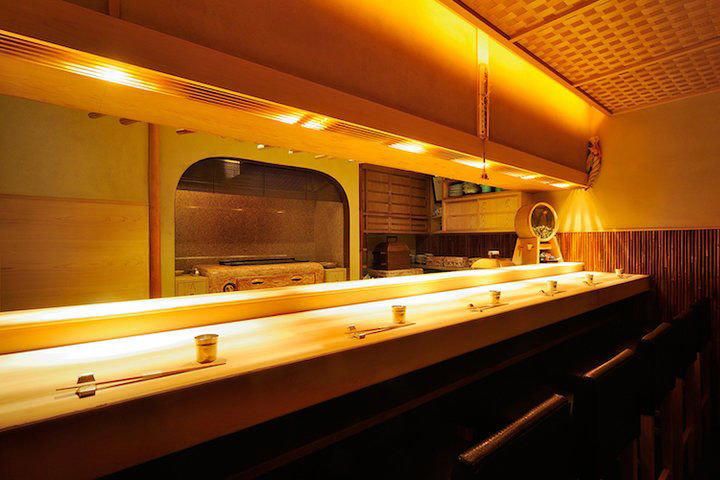
A small, non-smoking counter-service tonkatsu shop with a simple, focused atmosphere rather than a formal dining room.