Toni sits in Zambratija, a small fishing settlement just outside Umag on the Istrian coast, where the Adriatic dining tradition runs toward simplicity and proximity to the catch. The address alone signals the approach: a village-scale setting where the cuisine is shaped by what arrives from local waters and the surrounding Istrian interior rather than by menu ambition.
Pearl is the En Primeur Club membership app — saves, bookings, and concierge access live there. Same editors, same standards.
- Address
- Siparska ul. 8, 52475, Zambratija, Croatia
- Phone
- +38552759570
- Directions
- Get directions
 Saves & bookings on Pearl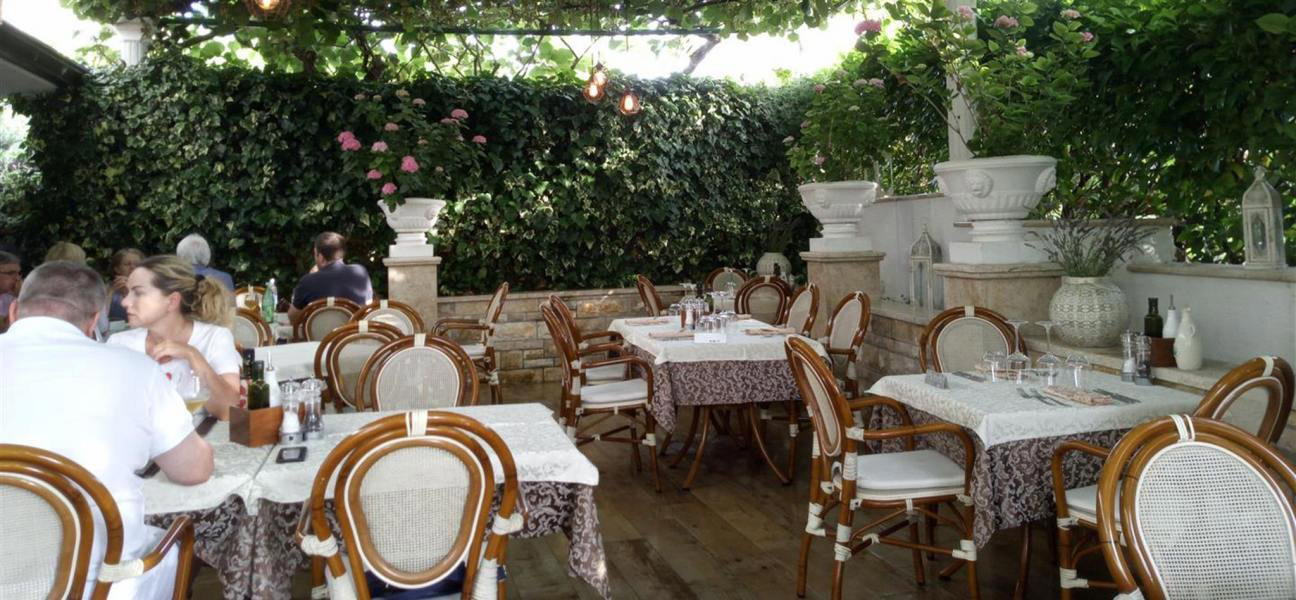
A Fishing Village Table on the Istrian Coast
The Istrian peninsula has two distinct dining registers. The first is the inland register: truffle country, hand-rolled pasta, wine estates producing Malvazija and Teran, and a culinary vocabulary that leans heavily on Central European technique filtered through decades of Italian influence. The second is the coastal register, and it is here that Zambratija sits. A small settlement a few kilometres from Umag, Zambratija is less a town than a concentration of stone houses around a shallow cove, the kind of place where the fishing boats and the kitchen are separated by about fifty metres of water. Toni, at Siparska ul. 8, occupies this second register entirely.
That geographic specificity matters for how to read the meal. Coastal Istrian cooking at this scale is not the modernist Mediterranean cuisine you find at places like Agli Amici Rovinj in Rovinj or the ambitious tasting formats at Pelegrini in Sibenik. It is something older and more vernacular: grilled fish priced by the kilogram, shellfish pulled from the bay, olive oil from the surrounding hillsides, and wine poured from local producers. The ambition is not innovation. It is fidelity to the immediate environment.
What the Istrian Coast Produces
To understand what a place like Toni is doing, it helps to understand what the northern Adriatic actually yields. The waters around Istria are shallower and cooler than the central Dalmatian coast, which produces a different catch profile: sea bass, sea bream, dentex, scorpionfish for brodetto, and a strong tradition of shellfish farming, particularly mussels and oysters in the protected coves along the western Istrian shore. Zambratija's cove has historically been one such site. The result, for a kitchen working this geography, is a menu shaped by the morning's availability rather than a static list designed months in advance.
This model of coastal dining has remained largely consistent across the Adriatic for generations, though it faces pressure from two sides: the tourism economy, which tends to push kitchens toward safe international legibility, and the rising profile of Croatian fine dining, exemplified by venues like Nebo by Deni Srdoč in Rijeka or LD Restaurant in Korčula, which operate in a different price tier and with a different philosophical frame. A village konoba or seafood house in Zambratija is not competing with those venues. It is competing with the memory of what Adriatic coastal eating used to feel like before the industry scaled up.
In that context, the small-settlement addresses matter as signals. Toni's location in Zambratija rather than central Umag puts it in a peer group with places like Konoba Buščina, which also works the traditional Istrian format, rather than with the more visible town-centre operations. For the reader planning around Umag, this distinction shapes the experience materially: quieter approach, water proximity, a pace calibrated to the cove rather than to tourist foot traffic.
The Umag Dining Context
Umag is the northernmost coastal town of significance in Croatian Istria, closer to Trieste than to Split, and its dining scene reflects that geography. The Italian influence here is not decorative; it is structural. The region was part of the Venetian Republic for centuries, then administered by Austria-Hungary, then contested between Italy and Yugoslavia after both World Wars before becoming part of Yugoslavia and eventually independent Croatia. That sequence left a food culture in which pasta, risotto, and the Italian approach to seafood preparation sit alongside Croatian konoba tradition without contradiction.
For a broader orientation to what Umag's restaurant scene offers across formats and price points, Toni sits comfortably within Umag's dining character. Within that guide, Toni and Nono represent the more casual, locally-anchored end of the Umag dining spectrum, distinct from the refined tasting-menu formats that have gained recognition elsewhere on the Croatian coast.
Istria as a whole has seen significant international attention over the past decade, driven partly by truffle exports and partly by wine recognition for Malvazija Istarska, the indigenous white grape that has become a reference point for the region's food-and-wine identity. That attention has filtered unevenly to the coast. The inland dining scene, represented nationally by venues like Korak in Jastrebarsko or Boskinac in Novalja, has attracted more structured critical recognition. Coastal village dining remains less documented, which is precisely why it retains a different character.
Croatian Coastal Dining in a National Frame
Croatia's restaurant scene has matured considerably, with Michelin operating in the country since 2020 and progressively recognising venues in Zagreb, Dalmatia, and Istria. The upper tier, including Restaurant 360 in Dubrovnik and Dubravkin Put in Zagreb, now operates with the full apparatus of fine dining: sommelier programmes, seasonal tasting menus, and a design sensibility oriented toward international guests with high price tolerance.
That recognition has created a two-speed dynamic. At one end, venues like Krug in Split or Alfred Keller in Mali Lošinj occupy a premium coastal tier where local ingredients are worked through technically sophisticated frameworks. At the other end, the village seafood house model continues largely outside the award infrastructure, evaluated instead by return visit rates, local word of mouth, and the kind of reputation that accumulates over decades rather than through press cycles. Toni belongs to this second category, and that positioning is not a criticism. It reflects a different set of values.
For reference, comparable coastal dining formats at a higher price point internationally, such as Le Bernardin in New York City, represent what happens when the seafood-first philosophy is taken into a fine dining frame. The distance between that model and Zambratija is informative: the reverence for the ingredient is shared; almost everything else differs. Similarly, the precision-driven approach of places like Atomix in New York City or BioMania Bistro Bol in Bol illustrates how ingredient-focused dining can move toward structured experimentation. The Istrian coastal format is a conscious counterpoint to that trajectory.
Planning Your Visit
Zambratija is accessible by car from Umag in under ten minutes, and the village's small scale means parking is direct outside peak summer weeks. The Istrian coast runs hottest and most crowded from late June through August, and the period from mid-September through October offers a measurably quieter experience with a catch that skews toward the autumn species mix. Reservations are recommended, and Toni is open Monday, Tuesday, Thursday through Sunday from 12 to 10 PM, with Wednesday closed. Summer weekends can fill early, so planning ahead helps. Bodulo in Pag and Burin in Crikvenica follow comparable planning logic for Adriatic coastal dining in similarly small-scale settings.
Price and Positioning
Comparable venues nearby, for context on price, style, and recognition.
| Venue | Cuisine | Price | Awards | Notes |
|---|---|---|---|---|
| ToniThis venue — the venue you are viewing | Zambratija, Fresh Seafood Mediterranean | $$ | Not listed | Not listed |
| Nono | Petrovija, Traditional Istrian | $$ | Not listed | Not listed |
| Konoba Buščina | Not listed | $$ | Michelin Plate | Buščina, Traditional Istrian Mediterranean |
| Segutra | Old Town, Mediterranean Seafood | $$ | Not listed | Not listed |
| Konoba Karoca | Crikvenica, Croatian Seafood Konoba | $$ | Not listed | Not listed |
| Mornar | Not listed | $$ | Not listed | Riva Boduli, Fresh Croatian Seafood Bistro |
Continue exploring
More in Umag
Restaurants in Umag
Browse all →
Bars in Umag
Browse all →
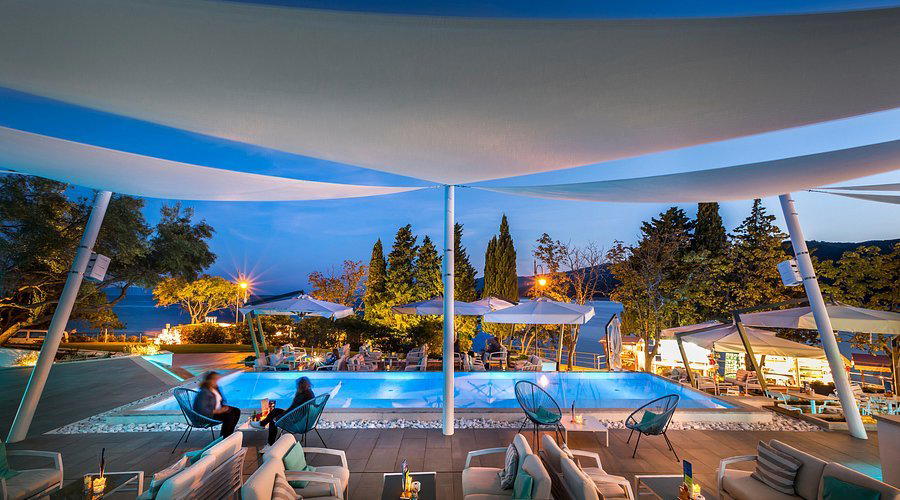
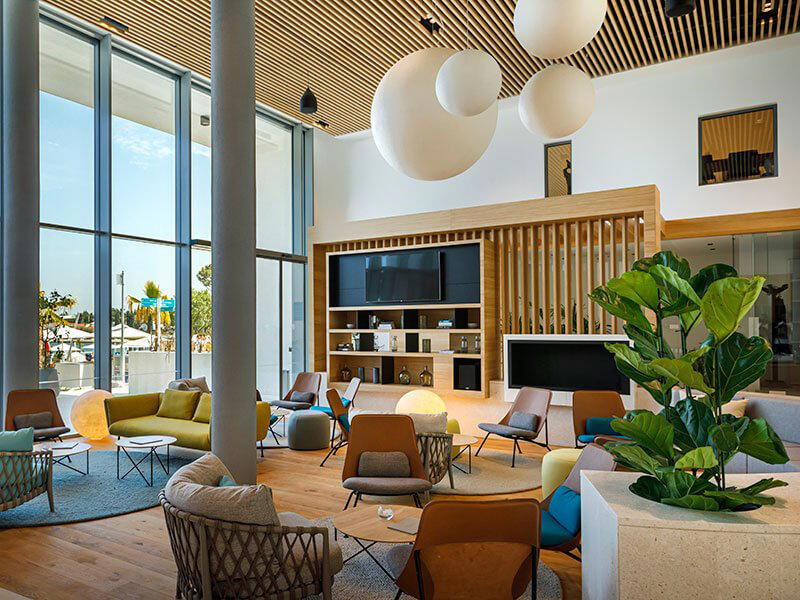
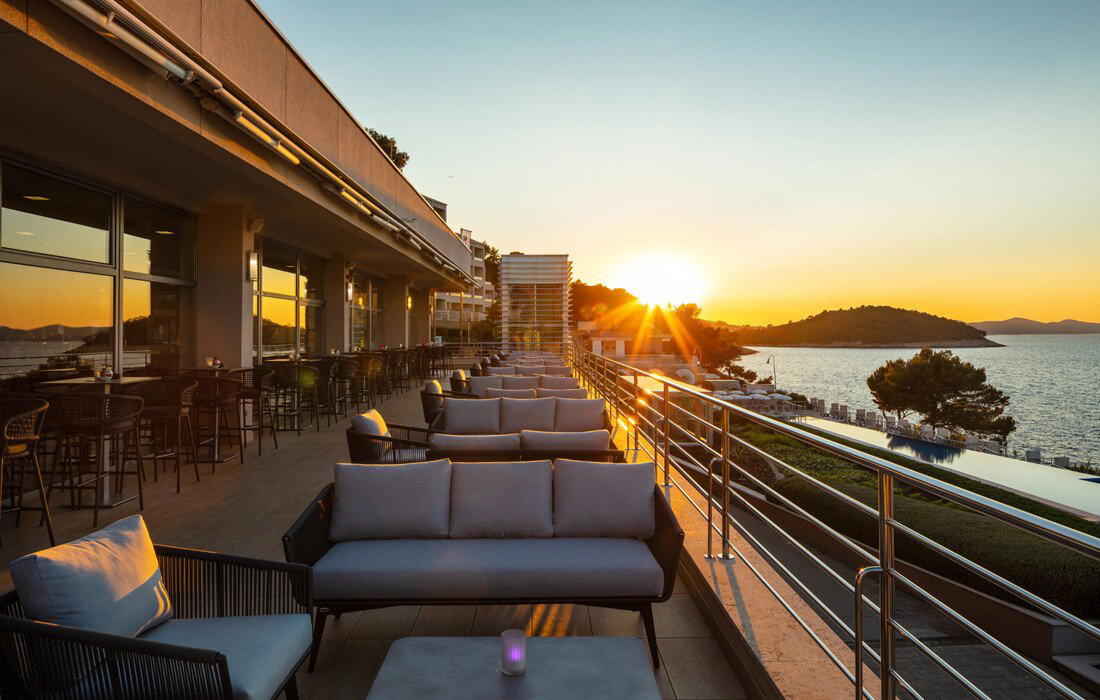
Hotels in Umag
Browse all →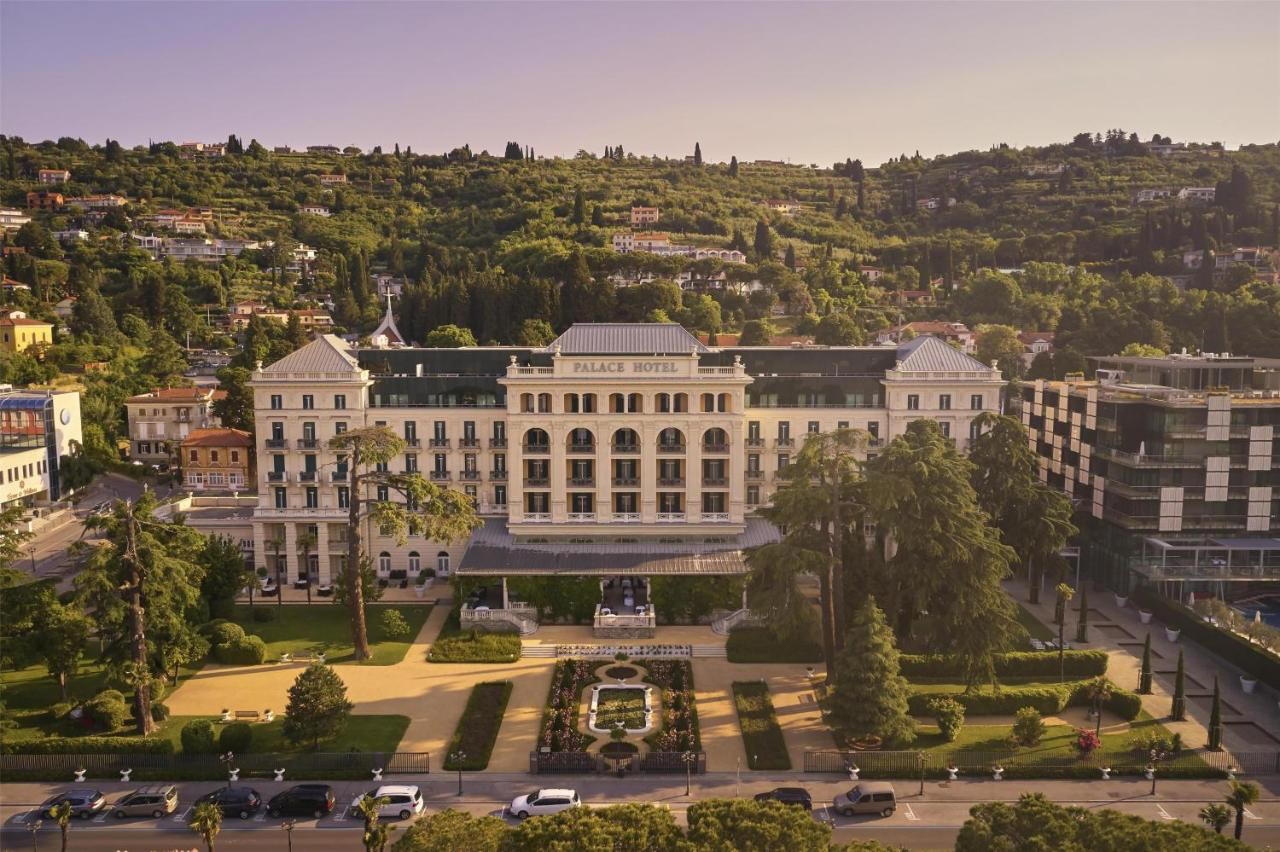
At a Glance
- Cozy
- Rustic
- Intimate
- Date Night
- Family
- Casual Hangout
- Waterfront
- Terrace
- Extensive Wine List
- Local Sourcing
- Waterfront
- Street Scene
Current opening hours
- Monday
- 12–10 PM
- Tuesday
- 12–10 PM
- Wednesday
- Closed
- Thursday
- 12–10 PM
- Friday
- 12–10 PM
- Saturday
- 12–10 PM
- Sunday
- 12–10 PM
Hours can change for holidays and private events. Last verified .
Pleasant family atmosphere with charming seaside setting and sea breeze on outdoor terrace.