Our verdict
On Rijeka's waterfront Riva, Mornar occupies a position that says as much about the city's maritime identity as it does about the kitchen. The address, Ul. Riva Boduli 5a, places it squarely on the Kvarner Gulf edge of a city that has always eaten close to the water. For visitors oriented around Croatian coastal dining traditions, it belongs in the same conversation as Rijeka's more discussed addresses.

Pearl is the En Primeur Club membership app, where members save venues, book tables and use the concierge.

The menu
What to order
- Grilled scampi
- Fried calamari
- Black risotto
Where the Kvarner Gulf Meets the Plate
Rijeka's Riva is not a promenade designed for tourists. It is a working waterfront where the Adriatic light comes in flat and direct off the Kvarner Gulf, where the smell of salt and diesel coexist, and where restaurants have always had to earn their clientele from a city that takes its seafood seriously rather than sentimentally. Mornar sits at Ul. Riva Boduli 5a, embedded in that context. The address is not incidental. On a waterfront where proximity to the source has historically shaped what ends up on the table, location carries editorial weight.
The Kvarner region sits at a point where Adriatic fishing traditions, Central European larder instincts, and Istrian agricultural influence converge. Rijeka itself, as Croatia's principal port city, has always had a more layered food culture than the tourist-facing towns further south. The city's dining scene is less curated for outside consumption than Dubrovnik or Split, which means the better addresses here are calibrated to a local standard rather than an international one. That distinction matters when thinking about ingredient sourcing: the supply chains are shorter, the producers less mediated by export ambition, and the seasonal rhythms more visible in what actually appears on menus.
The Sourcing Argument on the Kvarner Coast
Croatia's Adriatic coast has built a growing reputation around provenance-led cooking, and the Kvarner Gulf is one of its stronger claims. The gulf's colder, cleaner waters produce fish and shellfish with a different density and salinity profile than what comes from the warmer southern Adriatic. Scampi from Kvarner, in particular, carry a regional designation that serious Croatian kitchens treat as a quality marker. Restaurants working within this tradition typically source from local fishing cooperatives and adjust their menus around daily catch availability rather than fixed seasonal programming.
This model is the norm at the better waterfront tables in Rijeka, where a menu written on paper the previous evening is a practical signal of sourcing discipline rather than an affectation. At addresses along the Riva, the proximity to the landing points is a logistical advantage that shapes the offer. Mornar's position on that same waterfront places it within a tradition where the gap between sea and kitchen is measured in minutes rather than supply chain links.
For context on what that tradition looks like at its most developed expression elsewhere on Croatia's coast, Agli Amici Rovinj in Rovinj and Pelegrini in Sibenik represent the more formally decorated end of Adriatic sourcing. Both hold Michelin recognition and have built their identities around named regional producers and precise seasonal calendars. Rijeka's dining scene operates with less institutional fanfare but with the same geographic access to high-quality raw material.
Rijeka's Dining Scene: A Working City, Not a Resort
Understanding where Mornar sits requires understanding Rijeka's dining ecology. The city's restaurant culture is divided roughly between the waterfront tables oriented around seafood and the inland addresses that reflect the Central European and Austro-Hungarian culinary inheritance. Nebo by Deni Srdoč represents the modern fine-dining end of that spectrum, with a contemporary tasting menu format at the higher price tier. Bistro Grad and Cacao operate at the accessible mid-market level where daily specials and local ingredients define the offer. Capote y Olé and Conca d'oro add further range to a scene that, taken together, serves a resident population before it serves visitors.
Mornar belongs to the waterfront tier of that ecosystem. The Riva address situates it alongside a style of eating that is transactional in the leading sense: the focus is on what came in from the water, how it is prepared, and whether it is priced sensibly. The theatrical elements that characterise some coastal Croatian dining, the elaborate presentations, the wine lists structured around foreign imports, the international chef CVs, tend to recede in this part of the city in favour of a more direct relationship between catch and diner.
Across Croatia more broadly, the restaurants that have drawn the most sustained critical attention are those that have formalised this directness without losing it. Boskinac in Novalja on Pag Island combines island produce with its own winery in a model that is genuinely producer-led. LD Restaurant in Korčula works with island ingredients and has accumulated recognition over time. Dubravkin Put in Zagreb and Korak in Jastrebarsko anchor the inland end of Croatian serious dining. The Restaurant 360 in Dubrovnik and Krug in Split represent the Dalmatian coast's more visitor-oriented premium tier.
Rijeka's position, geographically and culinarily, sits apart from all of those. It is neither a resort city nor a capital. Its restaurants answer to a different constituency, and Mornar's Riva address is part of that answer.
Planning a Visit
Rijeka is accessible by road and rail from Zagreb, approximately two hours by car via the A6 motorway, and the city's compact centre makes the waterfront easily walkable from most accommodation. The Riva itself stretches along the gulf edge of the city centre, with Mornar at Ul. Riva Boduli 5a within that stretch. For a broader orientation to the city's dining options before or after a visit, the full Rijeka restaurants guide covers the range of the scene by format and price tier. Those extending their Croatia itinerary along the coast should note that Alfred Keller in Mali Lošinj and BioMania Bistro Bol in Bol represent points of comparison at opposite ends of the island dining spectrum. Contact and booking details for Mornar are best confirmed directly on arrival or through local listings, as centralised reservation data is not currently available through EP Club.
Frequently asked questions
Is Mornar child-friendly?
Mornar sits on Rijeka's Riva waterfront at Ul. Riva Boduli 5a, a working harbour setting rather than a purpose-built family dining room. The open waterfront location gives younger visitors space and context, though families should expect a grown-up dining atmosphere oriented around the Kvarner Gulf's seafood traditions rather than adapted menus.
How would you describe the vibe at Mornar?
The address on Riva Boduli puts Mornar squarely on Rijeka's working waterfront, not the tourist-facing fringes of the Croatian coast. The atmosphere is shaped by the city itself: a port town with a direct, unsentimental relationship with the Adriatic rather than the resort polish found further south along the Dalmatian coast.
Is Mornar a good choice for dinner on Rijeka's Riva waterfront if I'm staying in the city centre?
Mornar's address at Ul. Riva Boduli 5a places it directly on the Riva, Rijeka's main waterfront promenade, within easy reach of the city centre on foot. Unlike resort-town equivalents on the Dalmatian coast, Rijeka's Riva is a functioning urban seafront rather than a tourist corridor, which gives venues here a different character. For visitors staying centrally in Rijeka, Mornar represents a waterfront option grounded in the city's Kvarner Gulf sourcing traditions rather than styled for passing summer trade.
What's the must-try dish at Mornar?
The Kvarner Gulf has a documented reputation for scampi, sea bass, and bream drawn from relatively cold, clean waters that producers in the region treat as a point of distinction.
Where is Mornar located?
Mornar is located at Ul. Riva Boduli 5a, 51000, Rijeka, Croatia, Rijeka.
How far ahead should I plan for Mornar?
Rijeka operates on a different rhythm to Croatia's resort cities, it is a working port and European Capital of Culture 2020 host, which means dining demand is steadier year-round rather than peaking sharply in summer. Contacting the restaurant directly at its Riva Boduli 5a address before travelling is the practical approach.
What's the signature at Mornar?
No single dish is formally documented as the signature, but Mornar's positioning on the Kvarner waterfront in Rijeka aligns it with a regional identity built around gulf-sourced seafood. The Kvarner Gulf is one of Croatia's more credible provenance stories in coastal cooking, and restaurants on this stretch of the Riva tend to anchor their identity there.
Comparable Spots, Quickly
Comparable venues nearby, for context on price, style, and recognition.
| Venue | Cuisine | Price | Awards | Notes |
|---|---|---|---|---|
| MornarThis venue (the venue you are viewing) | Fresh Croatian Seafood Bistro | $20–30 | Not listed | Not listed |
| Na Kantunu Tavern | Croatian Seafood Tavern | $20–30 | Not listed | Not listed |
| Konoba Fiume | Traditional Croatian Seafood | $20–30 | Not listed | Rijeka market |
| Bistro Grad | Modern Italian-Croatian Bistro | $20–30 | Michelin Plate | port area |
| Capote y Olé | Authentic Spanish Tapas & Paella | $20–30 | Not listed | Luka |
| Cacao | Dessert Patisserie with Vegan Options | $10–20 | Not listed | City Center |
Continue exploring
More in Rijeka
Restaurants in Rijeka
All restaurants in Rijeka →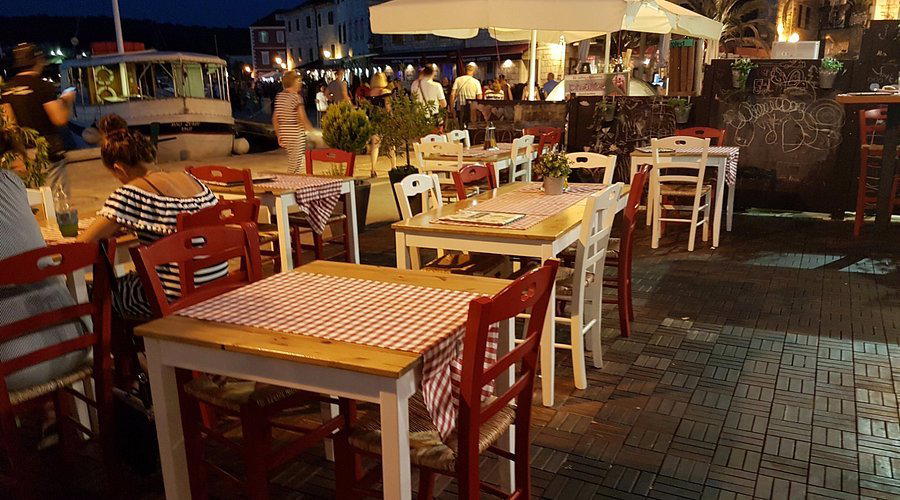
Hotels in Rijeka
Browse all →


Details
- Cozy
- Lively
- Casual Hangout
- Family
- Waterfront
- Open Kitchen
- Local Sourcing
- Waterfront
- Street Scene
- A La Carte
- Vegetarian Friendly
- Vegan Options
- Gluten Free Options
Current opening hours
- Monday
- 8 AM–11 PM
- Tuesday
- 8 AM–11 PM
- Wednesday
- 8 AM–11 PM
- Thursday
- 8 AM–11 PM
- Friday
- 8 AM–11 PM
- Saturday
- 8 AM–11 PM
- Sunday
- 8 AM–11 PM
Hours can change for holidays and private events. Hours as of .
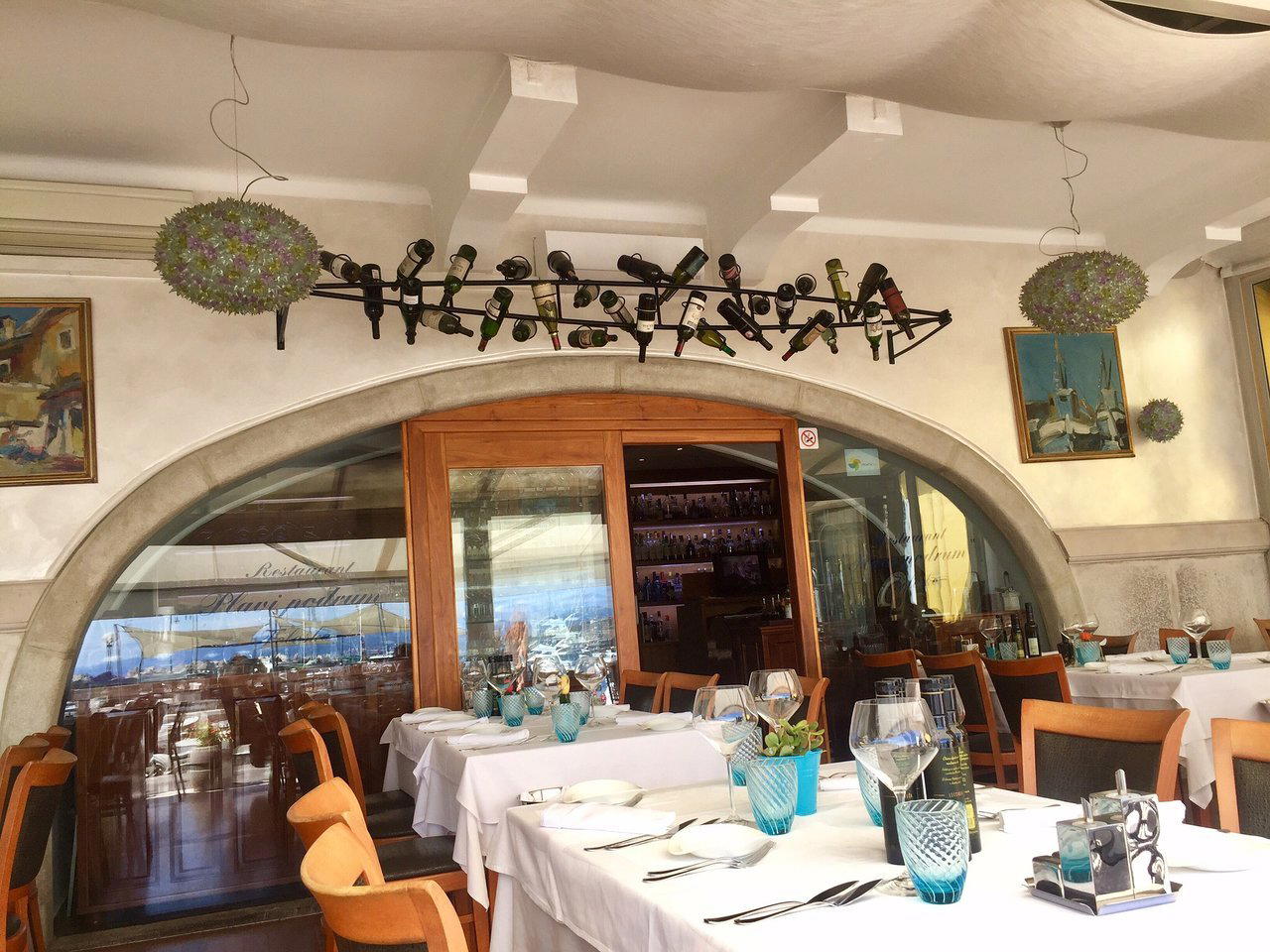
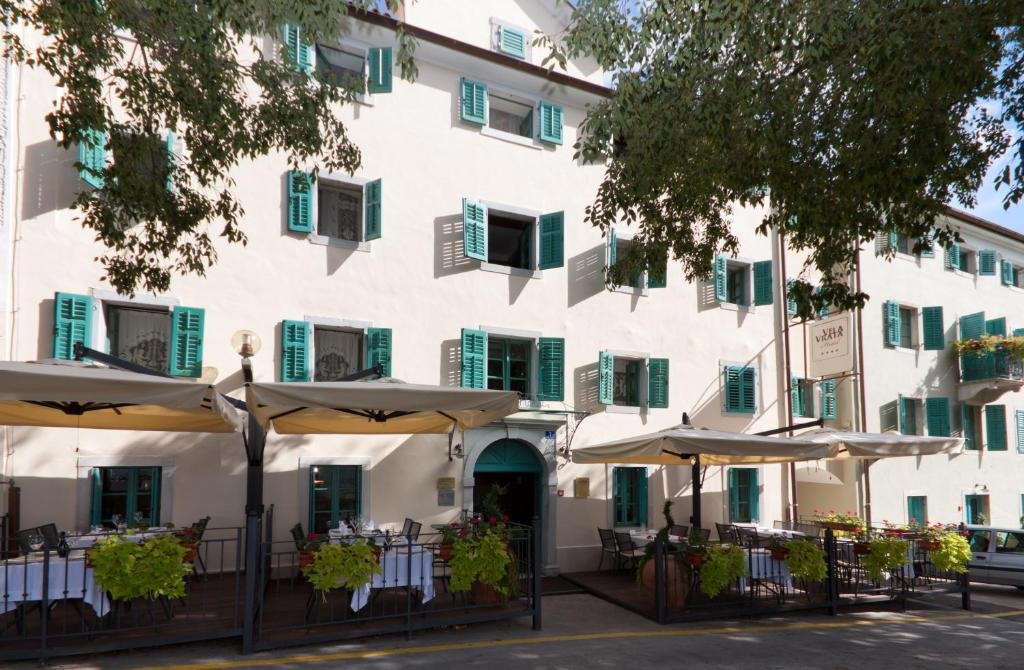
Cozy interior with maritime details and terrace overlooking the port, praised for pleasant welcoming atmosphere.