Konoba Karoca
A konoba in the traditional Kvarner sense, Konoba Karoca sits on Kotorska ulica in Crikvenica and operates within the coastal Dalmatian-meets-Kvarner cooking tradition where sourcing proximity is the defining logic. For travellers working through the Adriatic's mid-range dining tier, it represents the kind of address where the supply chain, local fishermen, seasonal garden produce, the Dalmatian larder, is more visible than the menu design.
Pearl is the En Primeur Club membership app — saves, bookings, and concierge access live there. Same editors, same standards.
- Address
- Kotorska ul. 40, 51260, Crikvenica, Croatia
- Phone
- +38551860107
- Directions
- Get directions
 Saves & bookings on Pearl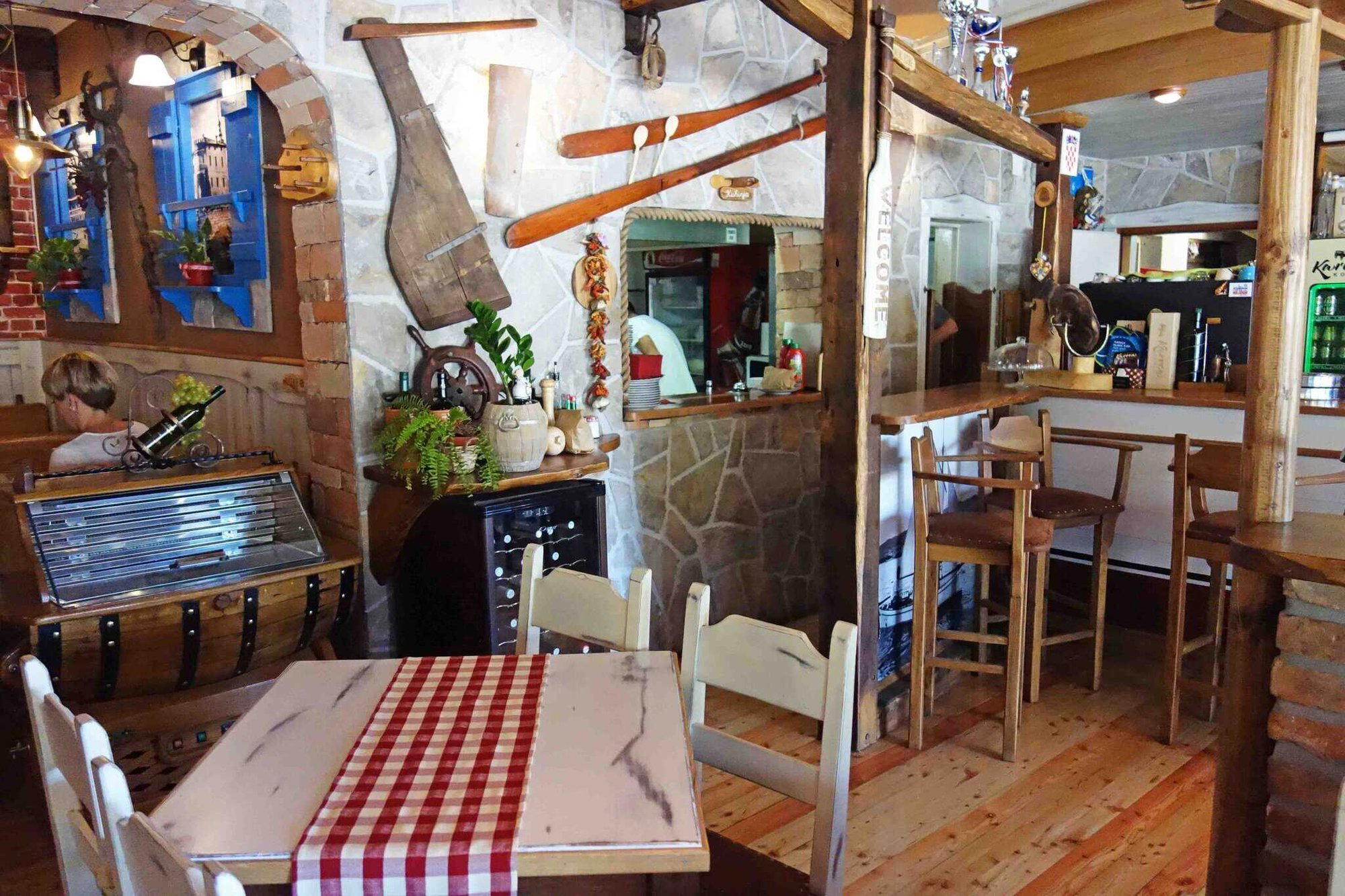
The Kvarner Konoba Tradition and Where Karoca Sits Within It
Croatia's coastal dining has split into two legible tiers over the past decade. At one end, destination restaurants such as Pelegrini in Sibenik or Restaurant 360 in Dubrovnik work at the intersection of modern technique and Adriatic ingredients, pricing against international fine-dining peers. At the other, the konoba format persists as the structural backbone of coastal eating: communal, ingredient-led, and anchored to a short supply chain. Konoba Karoca is a Croatian Seafood Konoba at Kotorska ul. 40 in Crikvenica, Croatia. It belongs to this second category, a format that predates the current wave of Croatian fine dining and remains, in many ways, a more direct expression of what the Kvarner coast actually produces.
The konoba tradition across this stretch of the Adriatic is not nostalgia for its own sake. It reflects geography: the Kvarner Gulf's fishing grounds, the Gorski Kotar hinterland a short drive inland, and the micro-climates that produce herbs, olive oil, and lamb with regional specificity. When that sourcing chain is short and honest, the konoba kitchen has little reason for elaborate intervention. The cooking is the ingredient.
Approaching the Address: What the Setting Communicates
Crikvenica is a resort town that has operated on a seasonal logic since the Habsburg-era health tourism that first put it on the map. The town sits along the Kvarner coast roughly equidistant between Rijeka to the north and the Kvarner island crossings to the south, which makes it a practical base for travellers exploring the wider region rather than a dedicated dining destination in its own right. Against that backdrop, Kotorska ulica is a residential street register rather than a tourist-facing promenade, and that distinction matters: restaurants that locate on these quieter inland streets in Croatian coastal towns tend to be oriented toward a repeat local clientele rather than high-turnover seasonal visitors. The physical approach signals something about the audience the kitchen is cooking for.
The konoba format itself communicates before the food arrives. Stone walls or timber cladding, tables set without ceremony, a wine list weighted toward regional producers and sold by the carafe: these are not aesthetic choices so much as operational habits inherited from a century of coastal hospitality. Visitors accustomed to the format at addresses like Agli Amici Rovinj in Rovinj or the more structured experience at Boskinac in Novalja will recognise the register immediately, even if the price tier and ambition level differ considerably.
Ingredient Sourcing as the Central Argument
The editorial case for any konoba rests almost entirely on how honestly the kitchen connects to its supply. The Kvarner is one of the more productive fishing zones on the eastern Adriatic, with bream, bass, and John Dory coming in from local boats, and the proximity of the Velebit channel creating water conditions that affect shellfish quality in ways perceptible on the plate. Inland, the Gorski Kotar supplies mushrooms, game, and the lamb that has been a Kvarner table staple for generations.
In that context, a konoba's credibility is less about culinary invention and more about what it refuses to substitute. Frozen fish, imported beef, or off-season produce are the shortcuts that erode the format's value proposition. The short sourcing chain is the product. Restaurants that maintain it are operating in a different competitive logic than, say, Nebo by Deni Srdoč in Rijeka, where the kitchen's argument is technique and creative framing rather than raw proximity to the source.
Across Croatia, this sourcing-first logic has produced some of the country's most coherent dining, from LD Restaurant in Korčula to Korak in Jastrebarsko, where regional produce defines both the menu structure and the price-to-value calculation. For travellers familiar with how sourcing works at benchmark addresses, the hyper-local procurement at Le Bernardin in New York City or the Korean-ingredient precision at Atomix, the konoba version is an exercise in minimalism: the chain is short because the kitchen wants the fish to taste like the sea it came from that morning.
Crikvenica's Dining comparable set
Within Crikvenica itself, Konoba Karoca sits alongside a small roster of addresses that define what the town offers at table. Burin and Galija represent the local comparable set most directly, and comparing them is a useful exercise for any visitor trying to calibrate expectations before arrival. Crikvenica does not operate at the same dining density as Dubrovnik or Split, where a concentration of serious kitchens creates a competitive pressure that raises the floor. It is a smaller market, which means the ceiling for any individual address is partly set by what the local clientele sustains across the year, not just in peak summer weeks.
That constraint is not a criticism. It is context. One coherent version of coastal Croatian eating at this tier is not the version trying to approximate fine dining on a konoba budget; it is the version that owns its register and executes within it with consistency. Comparable regional ambition can be tracked at Alfred Keller in Mali Lošinj, Dubravkin Put in Zagreb, Krug in Split, Bodulo in Pag, BioMania Bistro Bol in Bol, and Cantilly Garden Restaurant in Samobor.
Planning Your Visit
At that point, even smaller konoba addresses fill quickly, and arriving without a reservation at dinner is a risk worth avoiding. The shoulder months of May, early June, and September offer a more navigable experience: cooler evenings, fewer queues, and a kitchen that is not operating under the same throughput pressure.
Quick Comparison
Comparable venues nearby, for context on price, style, and recognition.
| Venue | Cuisine | Price | Notes |
|---|---|---|---|
| Konoba KarocaThis venue — the venue you are viewing | Croatian Seafood Konoba | $$ | Not listed |
| Burin | Fresh Seafood and Mediterranean | $$$ | Crikvenica |
| Galija | Mediterranean Seafood & Pizza | $$ | Crikvenica |
| Restoran Stanger | Croatian Seafood & Mediterranean | $$ | Lovran |
| Fish House Rovinj | Modern Mediterranean Fish Street Food | $$ | Old Town Rovinj |
| Orlandin | Seafood Grill | $$ | Montraker |
Continue exploring
More in Crikvenica
Restaurants in Crikvenica
Browse all →
Bars in Crikvenica
Browse all →
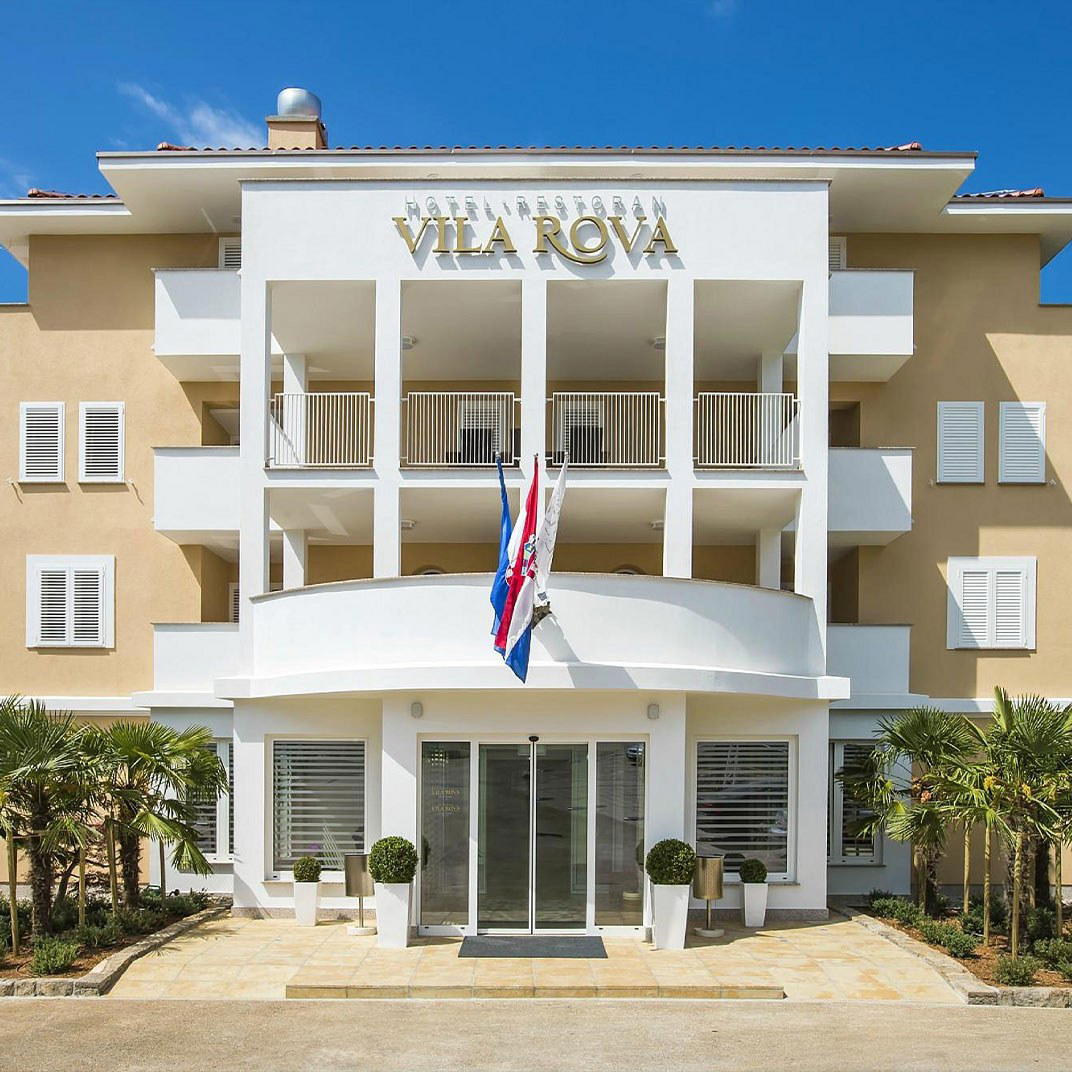
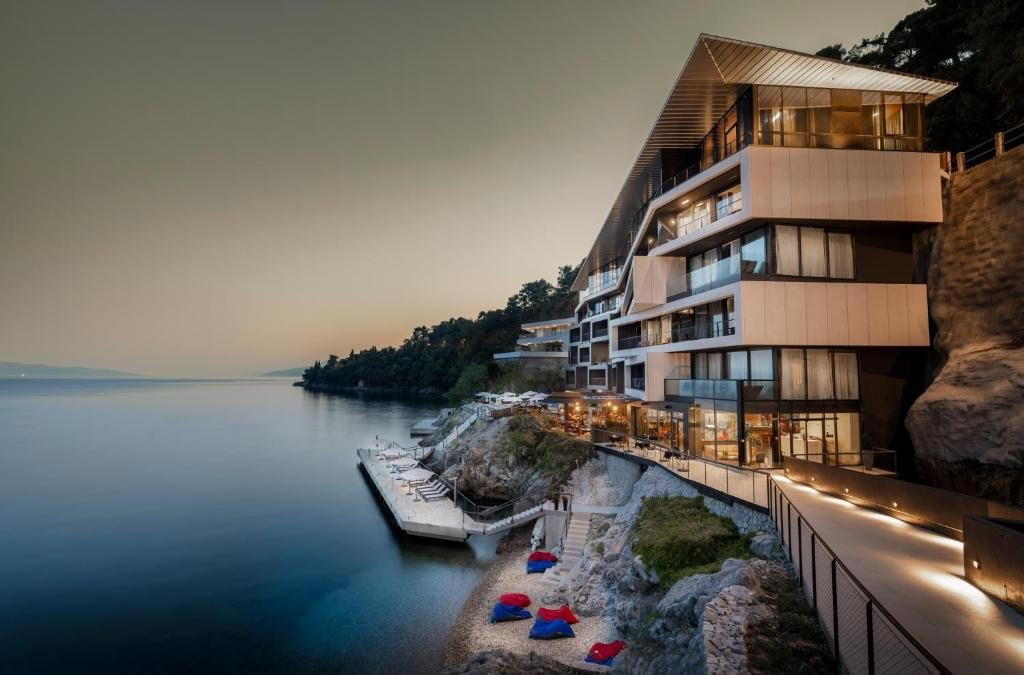
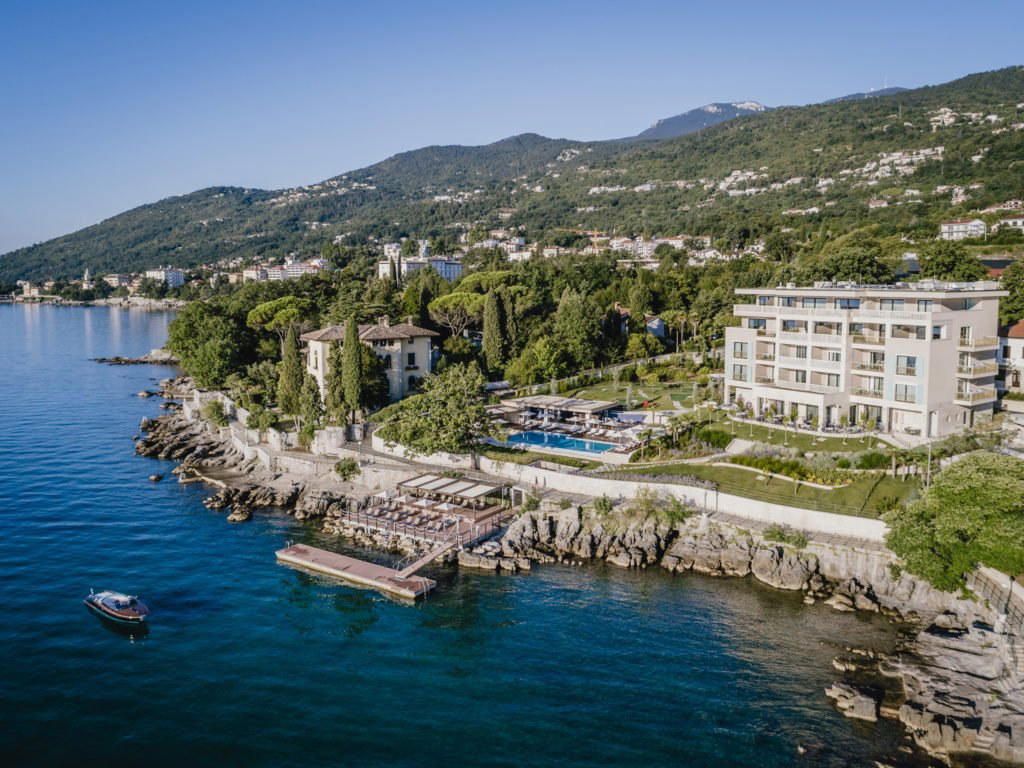
Hotels in Crikvenica
Browse all →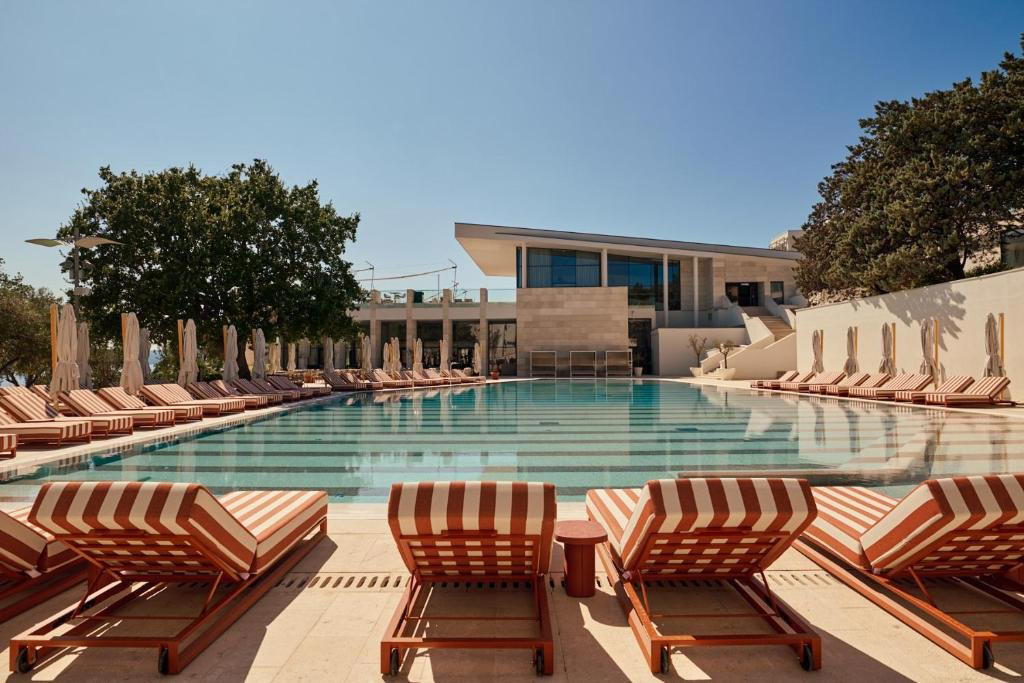
Wineries in Crikvenica
Browse all →At a Glance
- Cozy
- Rustic
- Family
- Casual Hangout
- Standalone
Current opening hours
- Monday
- 8 AM–11 PM
- Tuesday
- 8 AM–11 PM
- Wednesday
- 8 AM–11 PM
- Thursday
- 8 AM–11 PM
- Friday
- 8 AM–11 PM
- Saturday
- 1–11 PM
- Sunday
- 1–10 PM
Hours can change for holidays and private events. Last verified .
Cozy and authentic home atmosphere with rustic, tasteful decor and comfortable surroundings.