On a quiet residential street in the old town of Umag, Nono sits within the Istrian tradition of neighbourhood dining where the sourcing logic is older than any restaurant trend. The kitchen draws on the peninsula's market garden culture, local produce, Adriatic catch, and the kind of cooking that doesn't need to announce itself. A reliable address for direct Istrian flavour in a town that rewards the unhurried visitor.
Pearl is the En Primeur Club membership app — saves, bookings, and concierge access live there. Same editors, same standards.
- Address
- Umaška ul. 35, 52470, Umag, Croatia
- Phone
- +38552740160
- Website
- konoba-nono.com
- Directions
- Get directions
 Saves & bookings on Pearl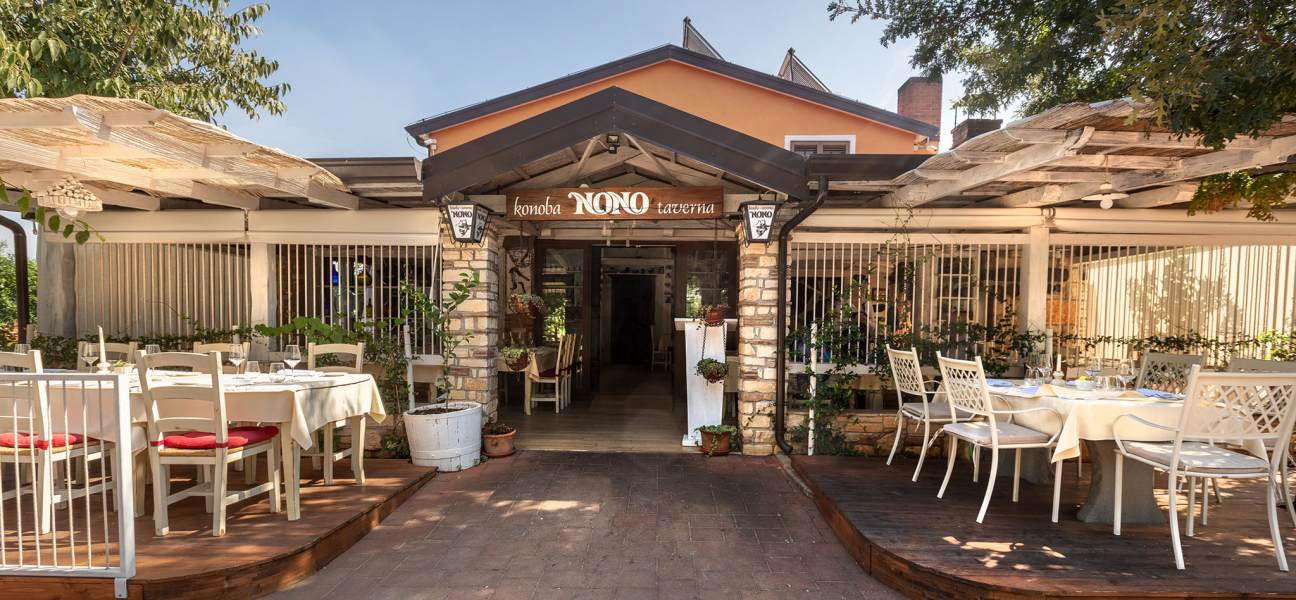
Where Istrian Sourcing Speaks Without Ceremony
The streets behind Umag's waterfront promenade thin out quickly. Tourist foot traffic clusters along the marina and the old town's outer edge; a few turns inland and the pace drops, the signage gets less insistent, and the buildings start to look like they belong to people who actually live here. Umaška ulica is that kind of street. Nono sits at number 35 in what is, by design or circumstance, a dining room that doesn't pitch itself at passing trade. That positioning, slightly removed, reliant on word of mouth and returning guests, is itself a signal about what kind of cooking is likely inside.
Istria has built a credible food identity over the past two decades, and it rests on a specific argument: that the peninsula's combination of inland agriculture and Adriatic coastline produces ingredients that need relatively little intervention. Truffles from the forests around Motovun, olive oils pressing from groves around Rovinj and Umag, wines from Malvazija and Teran vines, and fish pulled from the northern Adriatic have all found international audiences. The restaurants in Umag that earn repeat visits tend to be the ones that understand this sourcing logic rather than those chasing a broader Mediterranean eclecticism.
The Sourcing Argument Istrian Kitchens Are Built On
Ingredient provenance matters more in Istria than in most Croatian coastal regions because the supply chain is shorter and older. Inland konobas have maintained direct relationships with truffle hunters, farmers, and local producers for generations. The more considered coastal restaurants, including those in Umag, draw on the same network, adding the daily Adriatic catch to an already strong base of terrestrial ingredients. The result is a cuisine where seasonality isn't a marketing term but a structural reality: what's on the plate in April looks meaningfully different from what's available in September.
Umag's position at the far northwest tip of Istria, close to the Slovenian border, means it sits in the agricultural heartland rather than at the dramatic southern end of the peninsula. The olive groves here are old; the market garden tradition runs deep. Restaurants operating in this context have ready access to produce that, in other parts of Europe, would require elaborate supply chains. For the diner, that translates into dishes where the primary ingredient is doing most of the work, braised or grilled simply, plated without elaborate construction. That approach is well represented across Umag's neighbourhood dining scene. Konoba Buščina and Toni both operate within this same sourcing tradition, offering useful comparisons for anyone building a longer stay around the town's dining offer.
Where Nono Sits in the Umag Dining Tier
Croatian coastal dining has stratified significantly. At one end, you have the destination-format restaurants with international recognition and pricing to match: Pelegrini in Sibenik and Restaurant 360 in Dubrovnik represent that tier, where tasting menus and extensive wine programs reflect years of editorial and award recognition. Agli Amici Rovinj in Rovinj anchors the Istrian end of the premium spectrum. Below that, and constituting the majority of what locals actually eat, is a tier of neighbourhood-anchored restaurants where price points are more accessible and the cooking is straightforwardly regional. Nono operates in this second category: a local address in a town whose leading dining is characterised by proximity to source rather than technical ambition.
That middle tier is where most of Croatia's genuinely interesting eating happens, and it's where the sourcing argument is often clearest. The big-ticket restaurants can tell you exactly which truffle hunter supplied Tuesday's shavings; the neighbourhood trattoria-style spots often have the same supplier relationship, just without the editorial apparatus. Across Croatia, addresses like Alfred Keller in Mali Losinj, Boskinac in Novalja, and Nebo by Deni Srdoč in Rijeka show how a commitment to regional ingredients plays out at different price and format points. For inland comparisons, Dubravkin Put in Zagreb and Korak in Jastrebarsko are useful references. On the Dalmatian side, Krug in Split and LD Restaurant in Korčula operate in cognate territory. The regional sourcing tradition is consistent; the execution varies considerably.
For visitors arriving from markets where ingredient-forward simplicity requires a premium price, the Istrian neighbourhood tier offers a useful recalibration. The distance from field to plate is genuinely short here. That's an infrastructure advantage that shows up in the food rather than on a printed provenance card. Other Croatian coastal spots working similar ground include BioMania Bistro Bol in Bol, Bodulo in Pag, and Burin in Crikvenica, each anchoring the local-produce argument in their respective corners of the Adriatic. For global context on what rigorous sourcing looks like at the highest formal register, Le Bernardin in New York City and Atomix in New York City represent the opposite end of the spectrum: sourcing as precision discipline, with every element documented and presented as part of the dining proposition.
Planning a Visit
Nono is at Umaška ulica 35 in Umag. The address places it away from the waterfront concentration of tourist-facing restaurants, which generally means a quieter room and a more local clientele. Umag is a compact town, the walk from the marina to this street is short, but the few extra minutes off the main drag make a difference in terms of atmosphere. Croatia's northern Istrian coast runs warm from late May through September, and the shoulder months (May, early June, September, October) offer better availability and cooler temperatures for the heavier Istrian preparations. Confirm directly before visiting, particularly outside the main summer season when hours in smaller Istrian restaurants can be variable.
At-a-Glance Comparison
Comparable venues nearby, for context on price, style, and recognition.
| Venue | Cuisine | Price | Awards | Notes |
|---|---|---|---|---|
| NonoThis venue — the venue you are viewing | Traditional Istrian | $$ | Not listed | Not listed |
| Toni | Fresh Seafood Mediterranean | $$ | Not listed | Zambratija |
| Konoba Buščina | Traditional Istrian Mediterranean | $$ | Michelin Plate | Buščina |
| Rino | Traditional Istrian | $$ | Not listed | Momjan |
| Konoba Daniela | Croatian Coastal Grill | $$ | Not listed | Veleniki |
| Konoba Jure | Traditional Croatian Seafood | $$ | Not listed | Cademia |
Continue exploring
More in Umag
Restaurants in Umag
Browse all →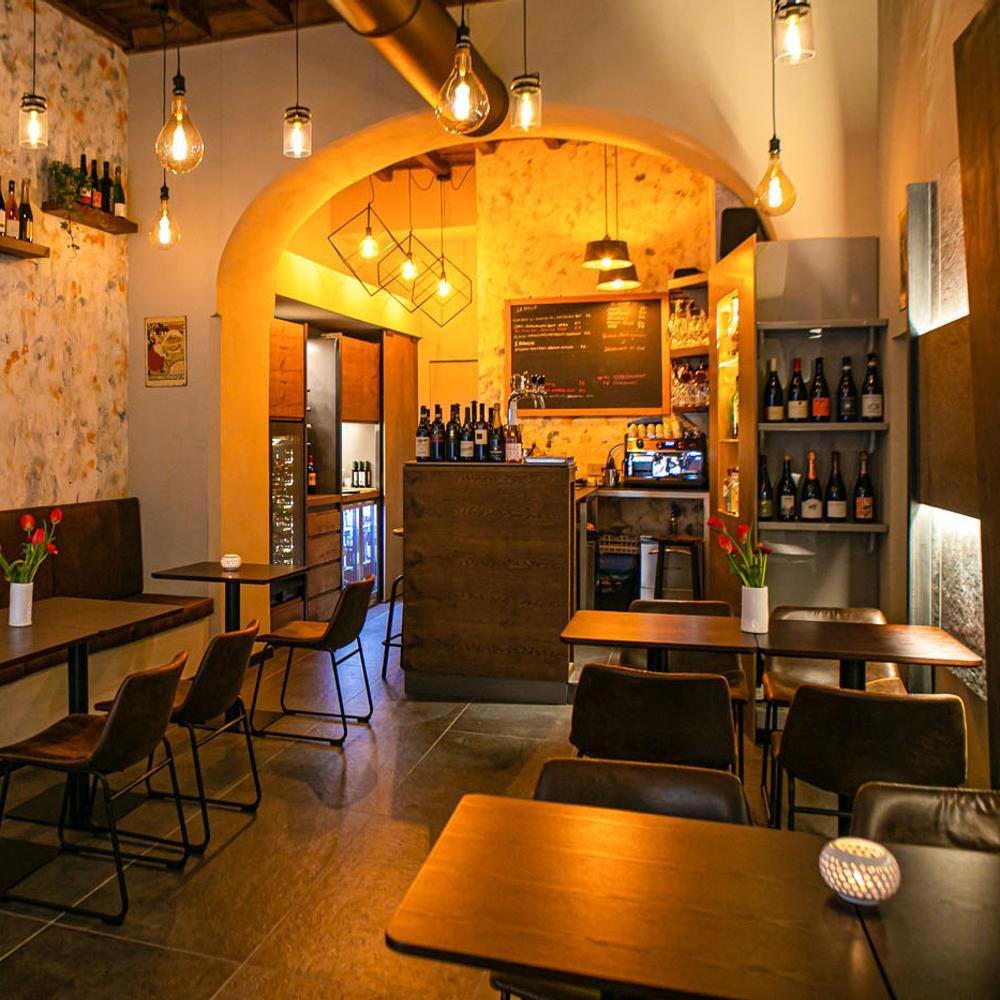
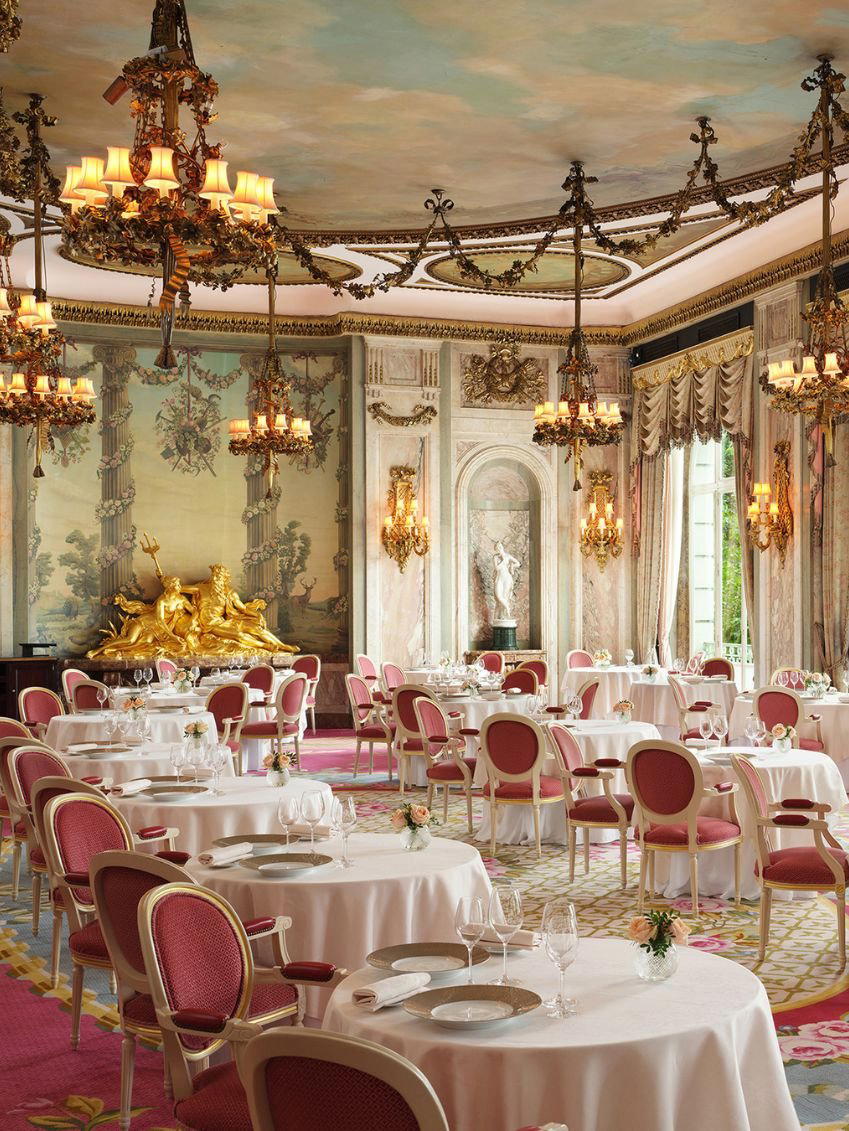
Bars in Umag
Browse all →
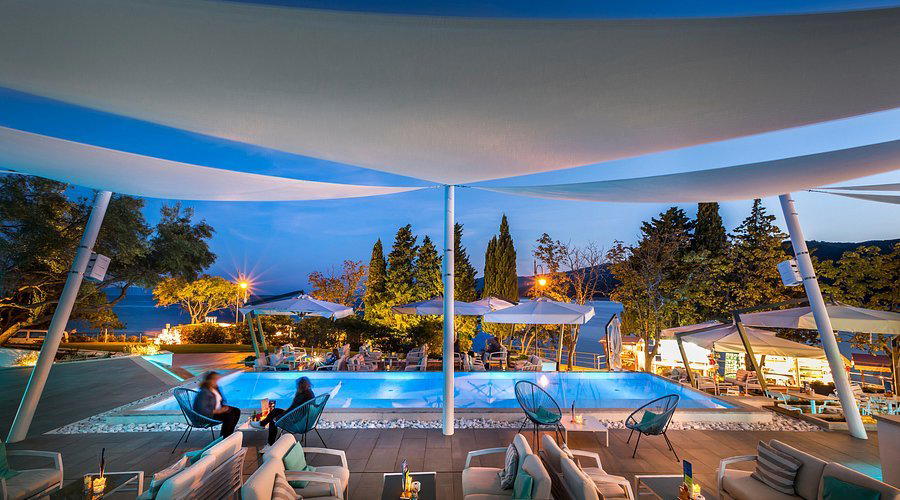
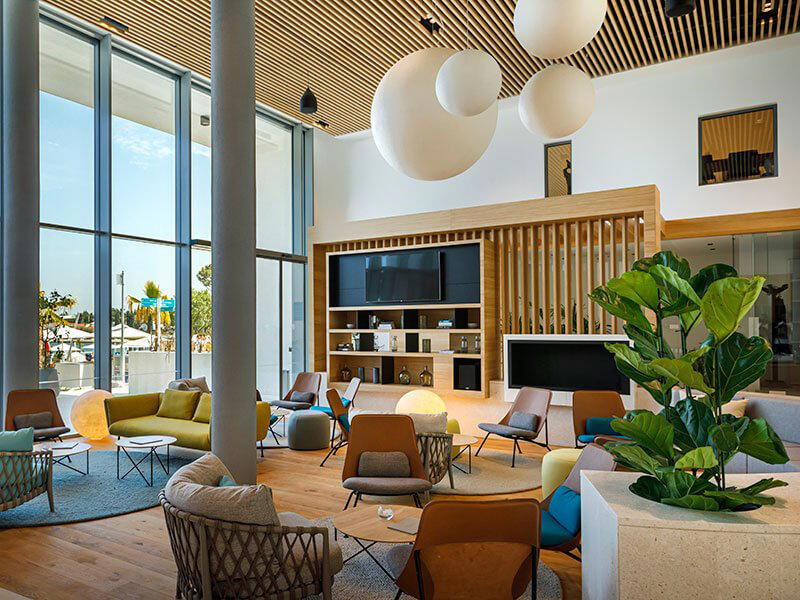
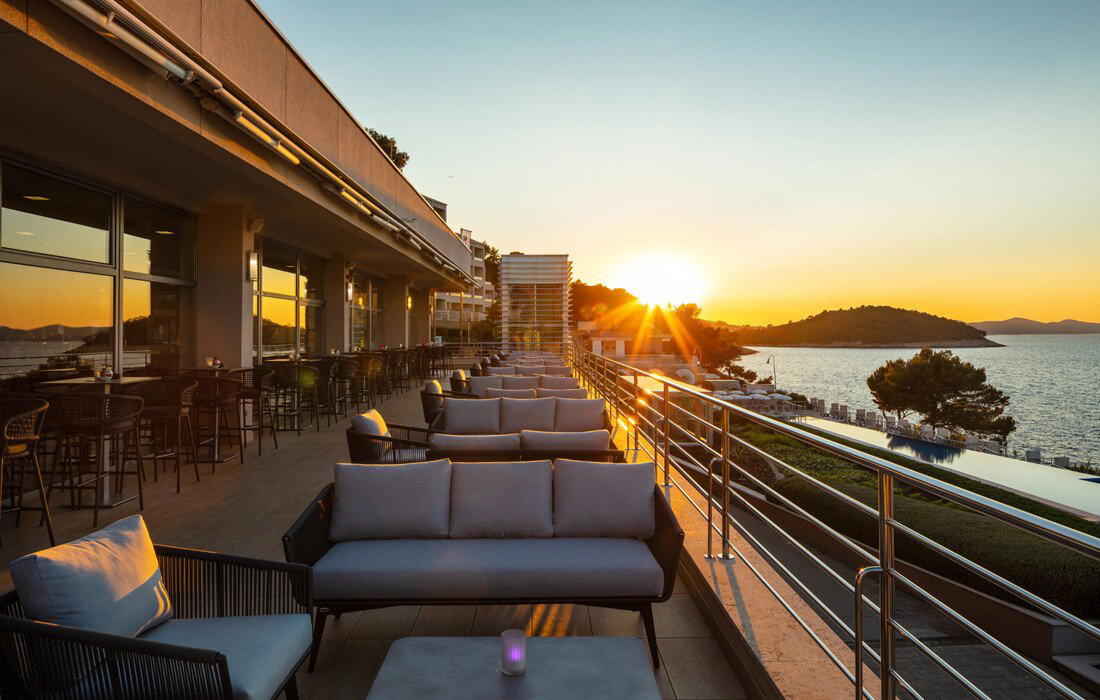
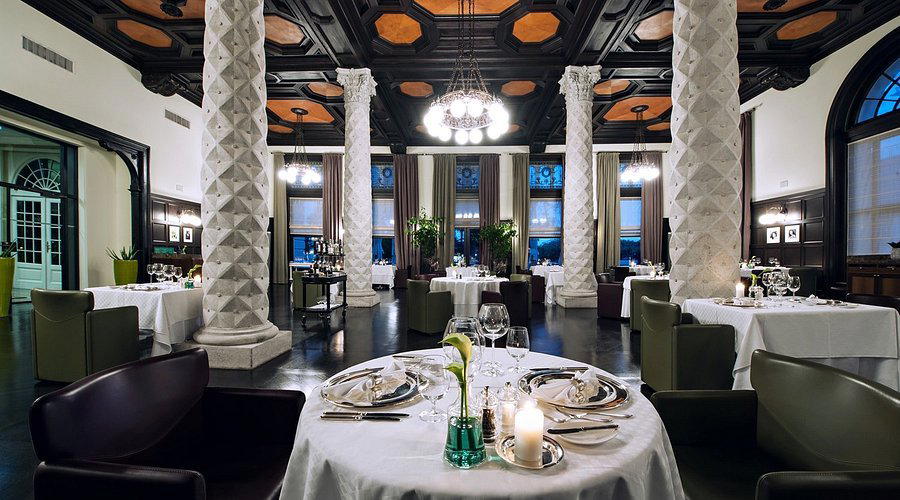
Hotels in Umag
Browse all →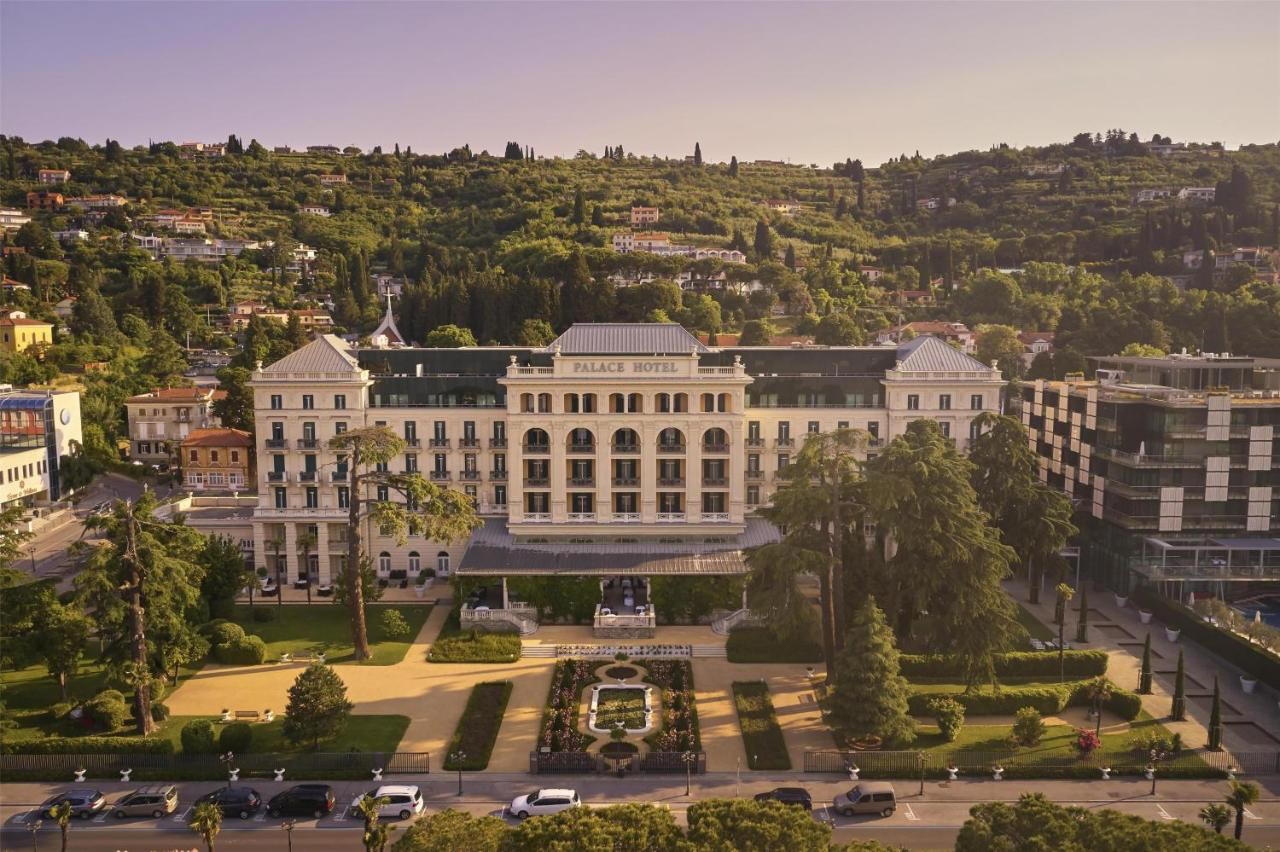

At a Glance
- Rustic
- Cozy
- Classic
- Family
- Casual Hangout
- Open Kitchen
- Extensive Wine List
- Local Sourcing
Current opening hours
- Monday
- Closed
- Tuesday
- 12–10 PM
- Wednesday
- 12–10 PM
- Thursday
- 12–10 PM
- Friday
- 12–10 PM
- Saturday
- 12–10 PM
- Sunday
- 12–10 PM
Hours can change for holidays and private events. Last verified .
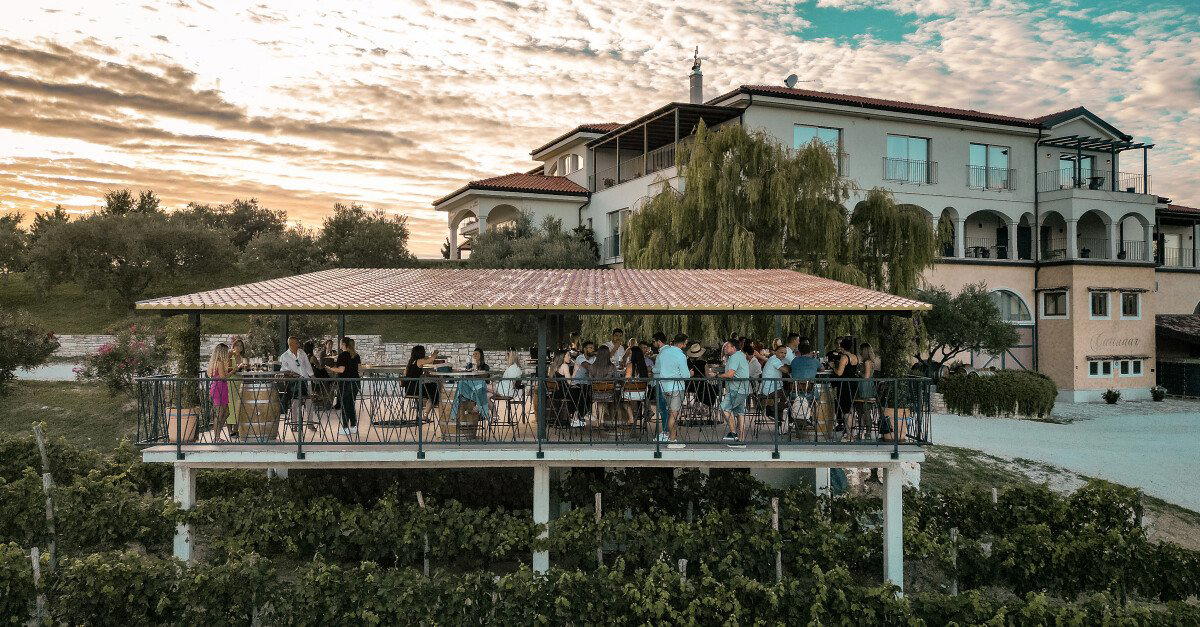
Rustic charm with modern dining rooms decorated with rustic implements and old musical instruments, terracotta tile floors, and outdoor tables in summer.