Our verdict
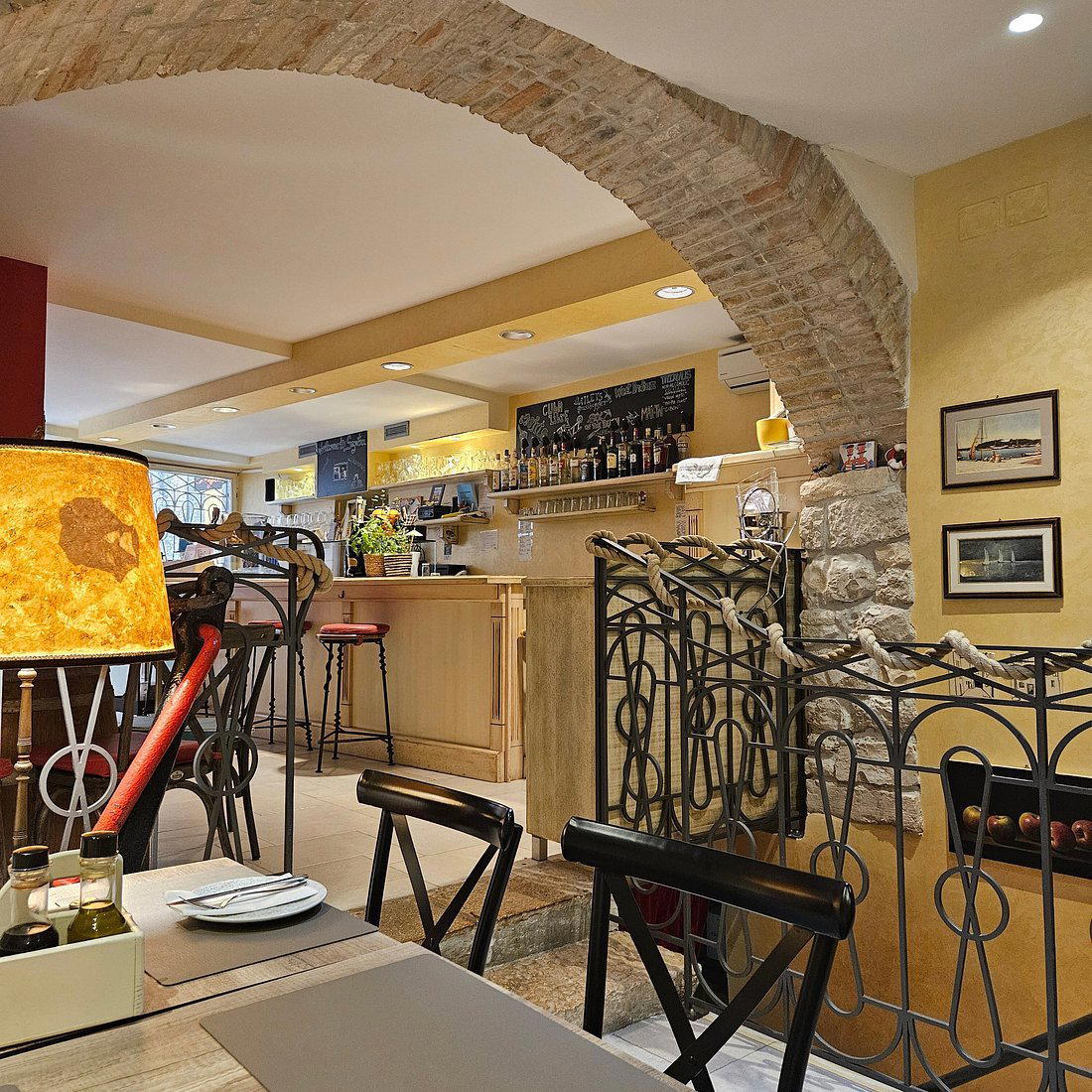
On a narrow lane inside Rovinj's old town walls, Segutra occupies the kind of address that rewards visitors who move slowly through the medieval grid. The kitchen draws on Istrian ingredients and Adriatic tradition, while the wine selection reflects the depth of Croatia's emerging regional producers. Reservations are advisable, particularly across the summer season.

Pearl is the En Primeur Club membership app, where members save venues, book tables and use the concierge.
The menu
What to order
- Shrimp risotto
- Stuffed squid
- Seafood platter
- Salmon burger
Stone Walls, Small Lanes, and the Logic of Istrian Dining
Rovinj's old town is built on a promontory of compressed medieval density, where streets narrow to the width of two people walking abreast and addresses like Vrata pod zidom, literally, the gate under the wall, exist less as coordinates than as orientation clues. Segutra sits at number 4 on that lane, inside the fortified perimeter that once defined the entire city. To arrive there is to move through a sequence of sensory compression: the ambient noise of the harbour recedes, the light changes as buildings close in overhead, and the temperature drops slightly in the shade of century-old stone. Dining rooms in this part of Rovinj tend to inherit their character from the architecture rather than impose one upon it.
That physical context shapes expectations for the meal before a single dish arrives. Istrian cooking at its most considered is not a cuisine that performs loudly. It works through quality of ingredient and restraint of treatment: truffles from the Motovun forest interior, olive oils from groves a short distance inland, seafood from the northern Adriatic. The peninsula's position at the intersection of Italian culinary influence and Croatian coastal tradition produces a register that is simultaneously familiar and particular.
How Rovinj's Dining Scene Has Stratified
Over the past decade, Rovinj has become one of Croatia's more consequential dining destinations, a shift driven partly by tourism volume and partly by a cohort of kitchens willing to take regional ingredients seriously. The upper tier now includes several addresses with international recognition. Monte holds Michelin recognition and operates one of the town's more ambitious tasting formats. Agli Amici Rovinj brings Italian contemporary technique to local produce. Cap Aureo and Cave Lab by Monte each occupy distinct positions within the creative bracket, while Dream represents a different register of the town's offer. Against this field, smaller addresses within the old town walls serve a different function: they are where locals and returning visitors eat when they want proximity to the city's texture rather than its showcase.
For a broader map of where Rovinj's restaurant scene sits and how to approach it by neighbourhood and price tier, the full Rovinj restaurants guide provides the necessary context.
The Wine Question in Istria
Any honest account of dining well in Istria has to spend time on wine, because the peninsula's vineyards have undergone a serious reappraisal over the past fifteen years. Malvazija Istarska, the dominant white variety, now appears in forms ranging from light and aromatic to extended skin-contact expressions aged in large oak or amphora. Teran, the indigenous red, has attracted attention from producers willing to work with its high acidity and mineral drive rather than soften it toward international palatability. The producers doing serious work, Kozlović, Clai, Benvenuti, Giorgio Clai among them, are not widely distributed outside Croatia, which makes a Istrian wine list one of the more useful things a restaurant in this region can offer.
A restaurant at an address like Segutra's, embedded in the old town's stone fabric, sits in exactly the context where that kind of list makes sense. The visitor who finds their way to Vrata pod zidom has usually already decided they want to be inside the city's character rather than on its periphery, and that same instinct translates to what to drink. Croatian wine, across the Adriatic coast and its hinterland, rewards the same deliberate attention that the country's culinary tradition does. Further along the coast and inland, kitchens like Pelegrini in Sibenik and Boskinac in Novalja have made regional wine central to their identity, while Alfred Keller in Mali Lošinj and Nebo by Deni Srdoč in Rijeka represent the northern Adriatic's growing ambition. The trajectory across the whole region points in the same direction: toward producers and kitchens treating Croatian terroir as a subject worth serious investigation.
Across Croatia more broadly, the conversation about native varieties and minimal-intervention production has reached a similar point of maturity to what was happening in Slovenia a decade ago. Restaurants at Dubravkin Put in Zagreb and Krug in Split have contributed to that conversation from their respective cities. LD Restaurant in Korčula and Restaurant 360 in Dubrovnik anchor the southern Dalmatian end of the same continuum. For comparison at the international level, the precision wine programming found at addresses like Le Bernardin in New York City and Atomix in New York City illustrates how seriously the wine-and-food pairing conversation operates at the top of the market globally, against which Croatia's regional proposition offers something structurally different: discovery over familiarity.
Positioning Within the Old Town
The competitive set for an address at Vrata pod zidom 4 is not primarily defined by price tier or tasting-menu ambition. It is defined by location logic. Old town Rovinj accommodates perhaps a dozen working restaurants within its walls, and the density of tourism from June through September means that any of them operating without advance bookings will fill from foot traffic alone. That seasonal dynamic creates a visitor pattern where the places that attract returns, the ones that become habitual stops for people who come back to Rovinj across multiple summers, tend to be smaller, less declarative about their concept, and more dependent on the accumulated confidence of word-of-mouth. Korak in Jastrebarsko and BioMania Bistro Bol in Bol represent related dynamics in their own contexts: places where the setting and the approach carry more weight than the marketing.
Planning a Visit
Rovinj's peak season runs from late June through August, when the old town's lanes are at their most compressed with visitors and early evening reservations at restaurants of any standing book out days in advance. The shoulder months, May, early June, and September, offer a materially different experience of the city: lower ambient noise, more available tables, and a local dining room composition that shifts noticeably toward residents rather than tourists. For an address inside the walls, that shift matters. Arriving in September also aligns with the tail end of the Istrian truffle season, which begins in earnest in autumn and concentrates the peninsula's most characterful ingredient into the period when the crowds have thinned.
Segutra's address at Vrata pod zidom 4 places it inside the navigable centre of the old town.
Frequently asked questions
Where is Segutra in Rovinj?
Segutra is located at Vrata pod zidom 4, 52210, Rovinj, Croatia, Rovinj.
Is Segutra in Rovinj suitable for a dinner focused on Istrian wine?
The address at Vrata pod zidom 4 places Segutra inside the old town quarter where Istrian producers, particularly those working with Malvazija Istarska and Teran, have become a serious part of the dining conversation over the past decade. Istria's wine reappraisal has been documented by multiple European wine publications, making the peninsula a credible pairing destination alongside its food.
What's the must-try dish at Segutra?
Segutra's specific menu has not been documented in current editorial sources, so naming a single dish would be speculation. What is documented is the broader Istrian context: kitchens at this address in Rovinj's old town typically work with local truffle, Adriatic shellfish, and Malvazija-driven sauces. Confirm the current menu directly when booking.
How far ahead should I plan for Segutra?
Rovinj's old town compresses sharply between late June and August, when even mid-tier tables in the medieval quarter fill days to weeks in advance. For shoulder months, May, early June, September, lead times are shorter but the address still draws visitors drawn to Rovinj's concentrated dining quarter.
Comparable Venues
Comparable venues nearby, for context on price, style, and recognition.
| Venue | Cuisine | Price | Awards | Notes |
|---|---|---|---|---|
| SegutraThis venue (the venue you are viewing) | Mediterranean Seafood | $20–30 | Not listed | Not listed |
| Fish House Rovinj | Modern Mediterranean Fish Street Food | $20–30 | Not listed | Old Town Rovinj |
| Giannino | Fresh Istrian Seafood with Italian Influences | $50–100 | Not listed | Old Town |
| Dream | Istrian Fusion Mediterranean | Not listed | Not listed | old town |
| Restaurant Mediterraneo | Mediterranean & Croatian Fine Dining | $50–100 | Falstaff Restaurant - 93 Falstaff Points | Rovinj Old Town |
| Konoba Jure | Traditional Croatian Seafood | $20–30 | Not listed | Cademia |
Continue exploring
More in Rovinj
Restaurants in Rovinj
All restaurants in Rovinj →
Bars in Rovinj
All bars in Rovinj →

Details
- Cozy
- Casual Hangout
- A La Carte
- Vegetarian Friendly
- Vegan Options
- Gluten Free Options
Current opening hours
- Monday
- 12 PM–12 AM
- Tuesday
- 12 PM–12 AM
- Wednesday
- 12 PM–12 AM
- Thursday
- 12 PM–12 AM
- Friday
- 12 PM–12 AM
- Saturday
- 12 PM–12 AM
- Sunday
- 12 PM–12 AM
Hours can change for holidays and private events. Hours as of .
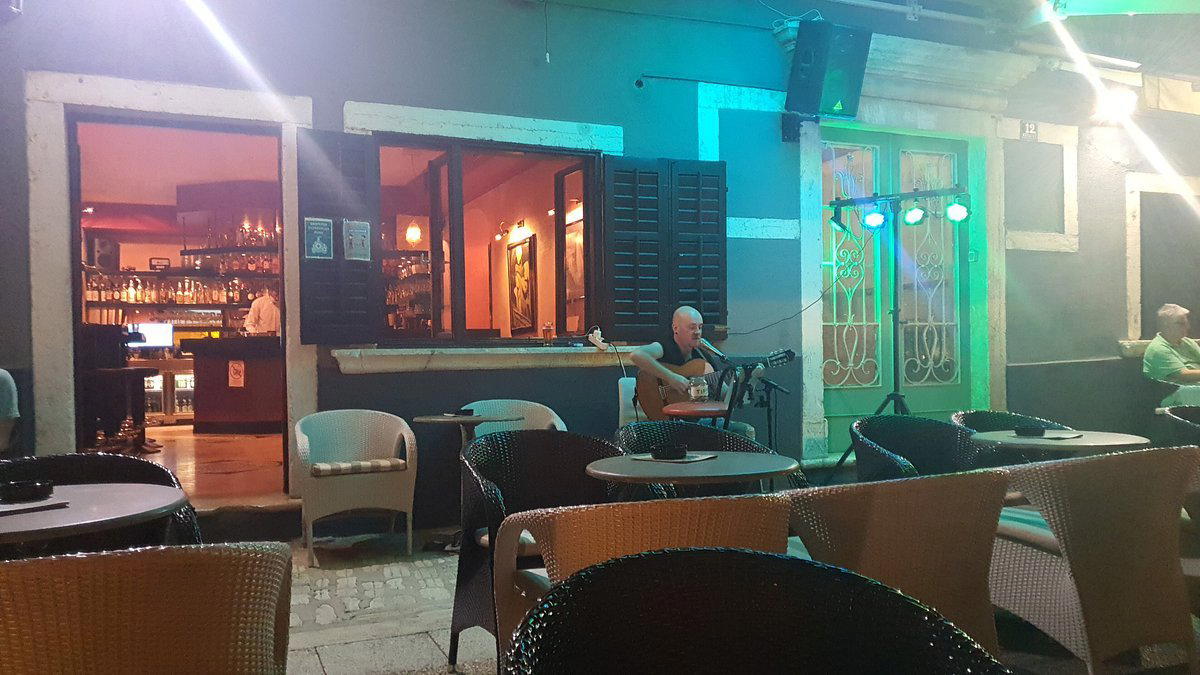
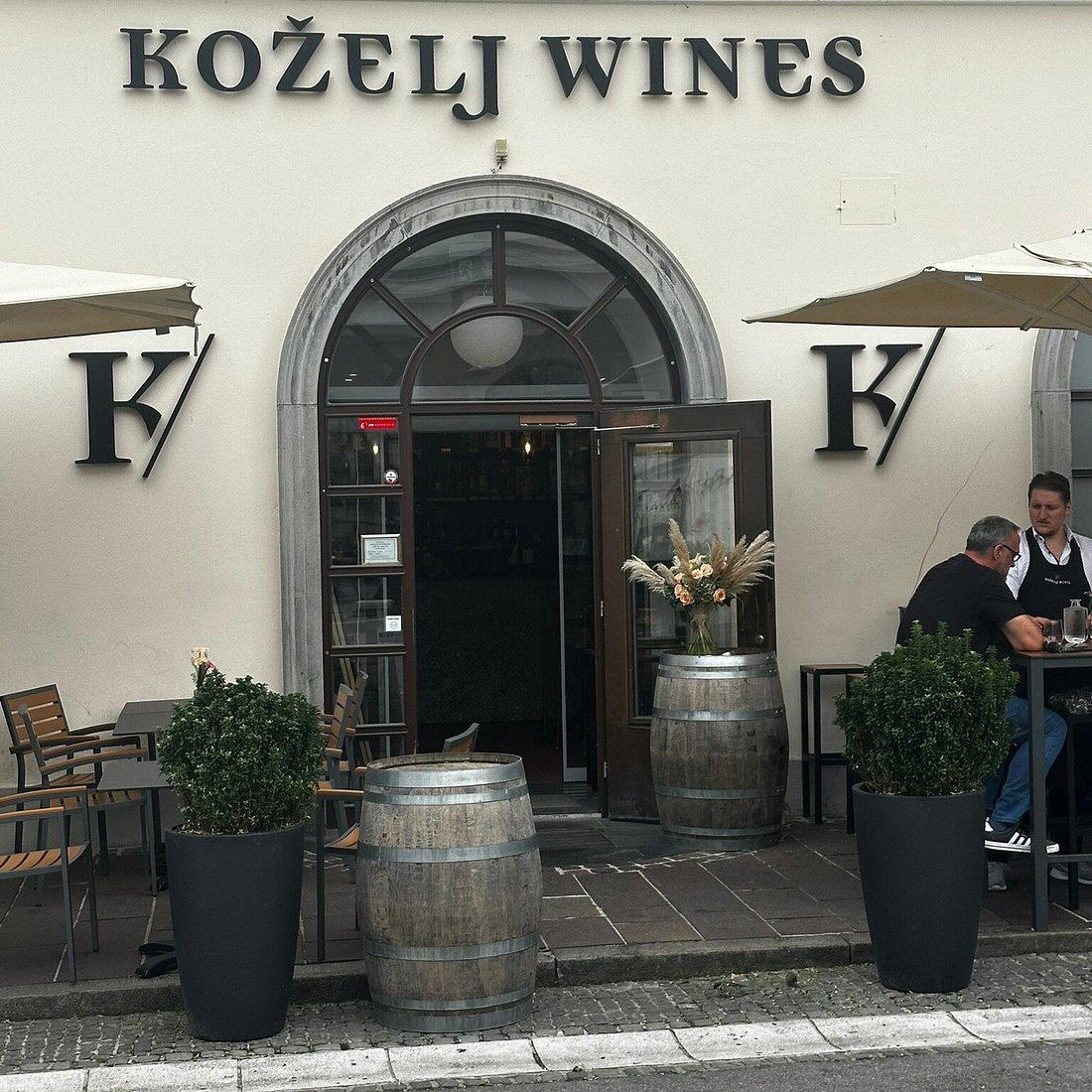
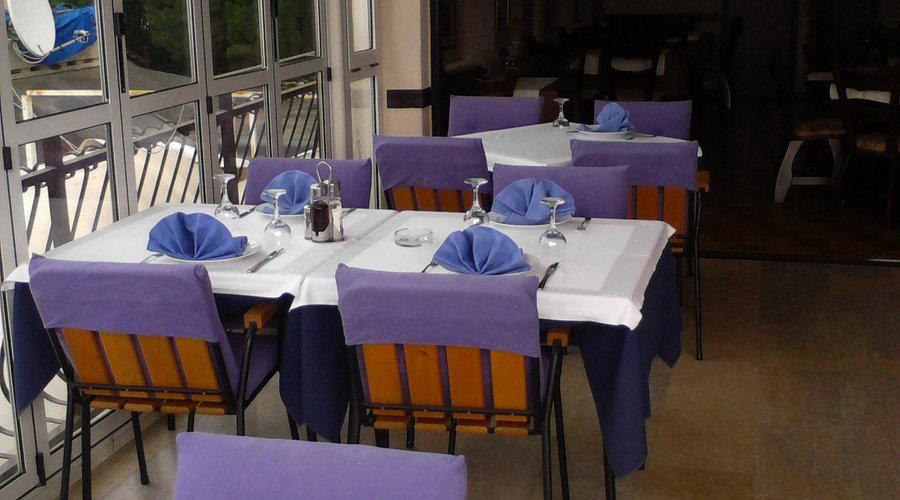
Informal atmosphere with polished service, modest small space, and scattering of outdoor tables.