Green Almond Pantry


James Beard Award Semi Finalist · Washingtonian 100 Very Best Restaurants #59
Our verdict
Green Almond Pantry belongs to Washington’s ingredient-led dining tier: small, seasonal, and more persuasive when read against the city’s growing appetite for personal restaurants rather than corporate polish. Its 2026 Washingtonian 100 Very Best Restaurants ranking at No. 59 and 2025 James Beard semifinalist recognition for Cagla Onal Urel give it credible weight without turning the experience into ceremony.

Pearl is the En Primeur Club membership app, where members save venues, book tables and use the concierge.
The menu
What to order
- 7 Minute Egg Sandwich
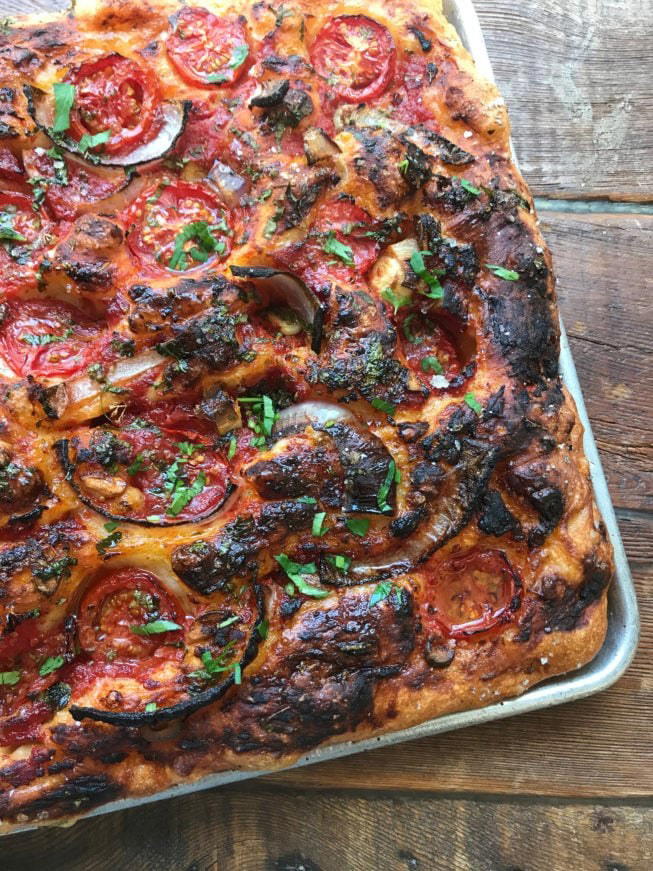
- Focaccia
- Salads and dips
- Braised lamb
- Roasted fish
Washington, D.C. gives independent restaurants room to make a quieter argument than the city’s grander dining rooms. Green Almond Pantry fits a Washington shift toward dining that does not need a tasting-menu frame to be taken seriously. The point is not spectacle, but a restaurant whose reputation now sits inside the city’s broader conversation about smaller, more focused places to eat.
That matters in Washington, D.C. where ambition has often been measured by formality, capital investment, and national attention. The more interesting movement can also work at a more modest scale: places where point of view and editing do the heavy lifting. Cagla Onal Urel’s 2025 James Beard Restaurant and Chef Awards semifinalist recognition for Green Almond Pantry puts it inside that conversation. That signal helps because this category can be hard to read from outside: a casual-feeling room can still carry serious national notice.
Seasonal cooking with a pantry mind-set
Green Almond Pantry is best understood through the restraint implied by its name. The language points toward staples, storage, and the practical intelligence of a larder rather than the performance language of luxury dining. Without needing to overstate the format, the restaurant’s place in the Washington conversation comes from that quieter register: a room whose identity reads as specific rather than inflated.
Washington, D.C. is useful for this kind of restaurant because the city supports many different ways of dining. Some rooms lean formal, others casual; some are built for occasion, others for a more focused meal. Green Almond Pantry belongs to the part of the map where seriousness does not have to announce itself through scale. The distinction shows when a restaurant’s reputation is carried by clarity rather than by excess.
Green Almond Pantry’s recognition sits within a local field ranging from neighborhood comfort to more polished contemporary dining. Reverie occupies a different bracket, while Ox and Olive shows the durable appeal of a more substantial night out. Filomena Ristorante, My Little Chamomile, and Brasero Atlántico show Washington’s breadth: established abundance, intimate neighborhood cooking, and other distinct ideas can coexist on the same city map. The useful comparison is not which restaurant is grander, but which matches the evening the diner wants.
Washington, D.C.'s quieter argument for serious dining
Washington restaurants carry baggage. The city can read as historic, student-heavy, tourist-facing, residential, or power-driven depending on block and hour. That mixed identity makes it hard for smaller food-led rooms to cut through busier corridors and established names. Green Almond Pantry changes the terms, moving the meal away from the obvious parade and toward a tighter urban scale, where a restaurant can feel integrated into the city rather than staged for it.
For travelers mapping a Washington dining itinerary, that distinction helps. The city’s restaurant geography is no longer a simple downtown-versus-neighborhood story. Different parts of Washington carry different assumptions about pace, mood, and audience. A night at Green Almond Pantry suits diners seeking a smaller, focused meal in Washington, D.C. especially when the alternative is a more formal room or louder group-dinner format. For broader planning, Our full Washington, D.C. restaurants guide is the better map, while adjacent city planning can run through Our full Washington, D.C. hotels guide, Our full Washington, D.C. bars guide, Our full Washington, D.C. wineries guide, and Our full Washington, D.C. experiences guide.
The restaurant also belongs to a broader national appetite for smaller, more specific food rooms. That appetite appears in different forms across other cities and other dining cultures, from tightly focused counters to compact neighborhood restaurants and casual rooms with a clear point of view. The through-line is not a single cuisine type, but a move away from generic premium dining toward restaurants with narrower purpose.
How to place it in a Washington itinerary
Green Almond Pantry is strongest for diners who care about focus and editorial restraint more than ceremony. The awards record gives external credibility, but the appeal is practical rather than trophy-driven: it suits a meal where room, city, and the restaurant’s point of view are one decision. It is not the obvious pick for steakhouse scale, high-gloss contemporary dining, or a long celebratory production. It is better read as a compact Washington, D.C. counterargument to those formats.
Planning matters, particularly after James Beard recognition can change demand for a restaurant faster than capacity can adjust. Diners comparing Washington options can also look to Brasero Atlántico, Filomena Ristorante, My Little Chamomile, Ox and Olive, and Reverie, or compare Green Almond Pantry with other unnamed dining rooms across the city. Outside Washington, the same place-and-purpose conversation takes different shapes in other cities, where smaller restaurants make similarly specific arguments through scale and point of view.
Frequently asked questions
Is Green Almond Pantry suitable for children?
Green Almond Pantry is a restaurant in Washington, D.C. Its 2025 James Beard Restaurant and Chef Awards semifinalist recognition for Cagla Onal Urel signals national attention, but families should check current service details directly before planning a visit.
What's the overall feel of Green Almond Pantry?
The feel is restrained and focused rather than built around grand ceremony. Its 2025 James Beard Restaurant and Chef Awards semifinalist recognition puts it in the nationally noticed end of D.C. dining.
Where is Green Almond Pantry located?
Washington, D.C.
How far ahead should I plan for Green Almond Pantry?
Plan ahead for Green Almond Pantry in Washington, D.C. The James Beard semifinalist recognition suggests interest can rise, so checking current availability directly is the safest approach.
Side-by-Side Snapshot
Comparable venues by cuisine and price in the same metro.
| Venue | Cuisine | Price | Awards | Notes |
|---|---|---|---|---|
| Green Almond PantryThis venue (the venue you are viewing) | Turkish-Mediterranean cafe counter & market | $20–30 | James Beard Award Semi Finalist · Washingtonian 100 Very Best Restaurants #59 | Not listed |
| My Little Chamomile | Turkish Mediterranean | $50–100 | James Beard Award Semi Finalist · Washingtonian 100 Very Best Restaurants #14 | Not listed |
| Ox and Olive | Modern American Steakhouse | Not listed | Not listed | American steakhouse |
| Reverie | New American, Contemporary | Not listed | 1 Michelin Star · The Best Chef One Knife | Not listed |
| Brasero Atlántico | Argentinian live-fire steakhouse | $100–150 | Washingtonian 100 Very Best Restaurants #75 | Not listed |
| Filomena Ristorante | Classic Italian-American | $50–100 | OpenTable Top 100 Restaurants | Not listed |
Recognition history
Dated appearances from independent guides and award organizations, with the underlying list record or original source where available.
James Beard Award Semi Finalist
James Beard Award
Washingtonian 100 Very Best Restaurants #59
Washingtonian
Continue exploring
More in Washington DC
Restaurants in Washington DC
All restaurants in Washington DC →
Bars in Washington DC
All bars in Washington DC →
Details
- Cozy
- Rustic
- Intimate
- Solo
- Casual Hangout
- After Work
- Standalone
- Design Destination
- Historic Building
- Local Sourcing
- Farm To Table
- Street Scene
- A La Carte
- Counter Dining
- Small Plates
- Coffee Tea
- Soft Drinks
- Vegetarian Friendly
- Pescatarian Friendly
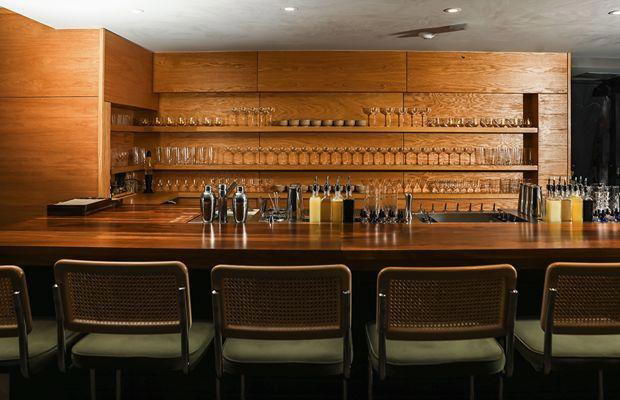
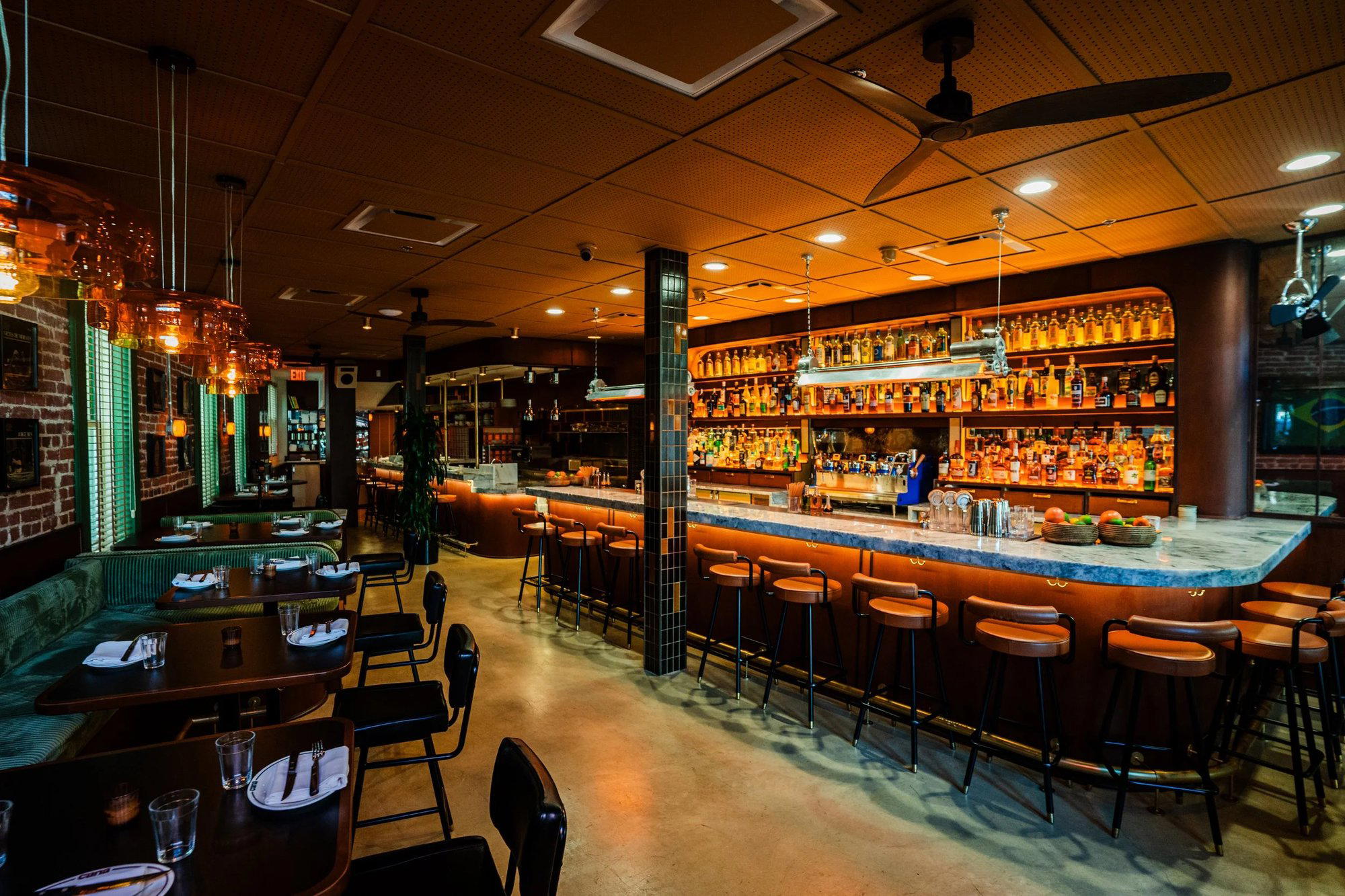
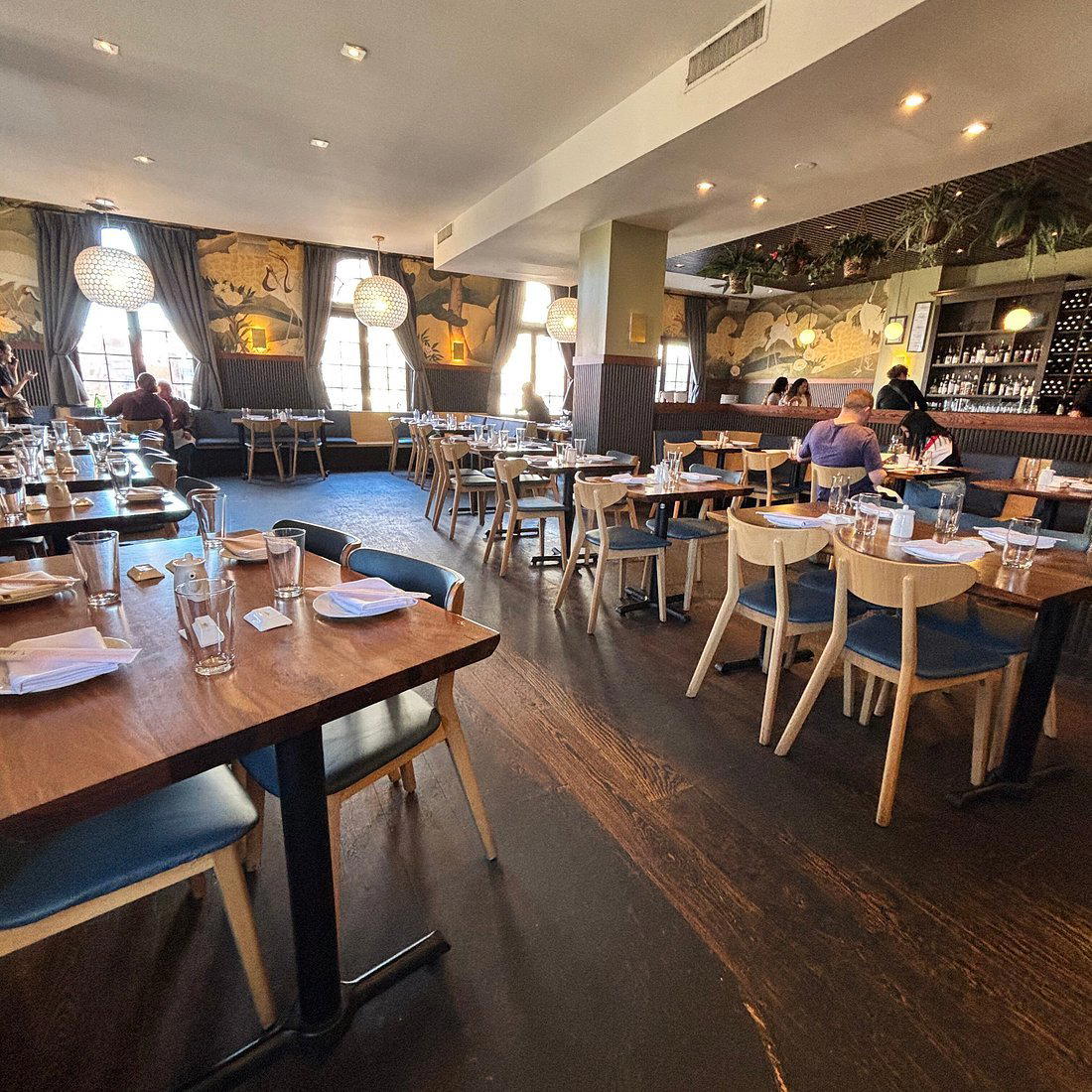
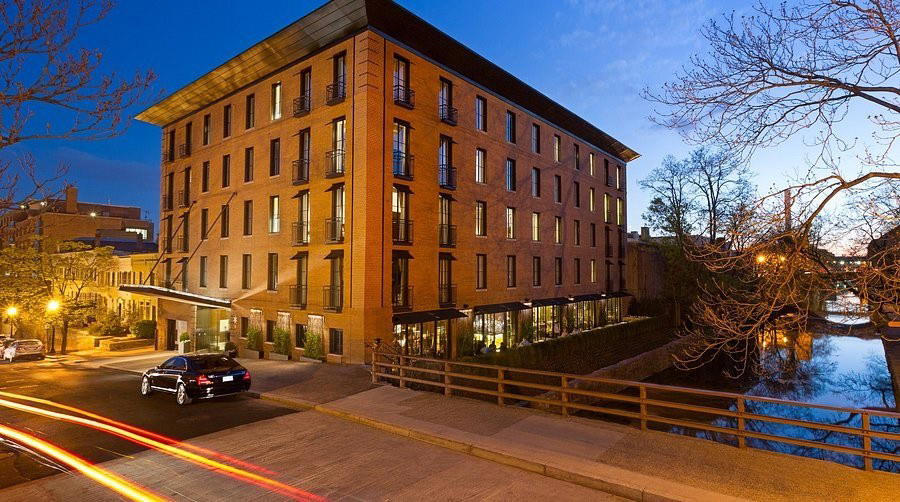
Casual and cozy lunch counter/carryout set in a small Georgetown alley space, with an open-kitchen feel, simple decor, and a relaxed, neighborhood atmosphere that suits daytime meals more than formal dinners.