

Piao-Xiang holds a Michelin star (2024) for its scholarly approach to Sichuan cuisine, guided by the 'Old Sichuan' principle and served from a Roppongi Hills address. Dishes draw on Tang-era history and Chengdu symbolism, with two-kanji names that encode flavour rather than describe it. Among Tokyo's Michelin-recognised Chinese restaurants, it occupies a distinctive historical and conceptual register.
Pearl is the En Primeur Club membership app — saves, bookings, and concierge access live there. Same editors, same standards.
- Address
- Japan, 〒106-6105 Tokyo, Minato City, Roppongi, 6 Chome−10−1 ヒルズ ウェストウォーク 5F
- Phone
- +81 3-6804-2848
- Website
- piao-xiang.com
- Directions
- Get directions
 Saves & bookings on Pearl
The Long Arc of Sichuan in Japan
Tokyo's Chinese dining scene has been shaped, more than any other force, by the elevation of regional specificity. Cantonese restaurants anchored the early luxury tier; Shanghainese followed. Sichuan arrived later in serious form, carrying the freight of má là heat and a culinary lineage stretching back centuries before the chilli pepper even reached Chengdu. Piao-Xiang is a Michelin-starred restaurant in Tokyo's Minato City, serving refined Old Sichuan cuisine on the fifth floor of Roppongi Hills West Walk. Amongst a competitive set that includes the long-established Chugoku Hanten Fureika and Chugoku Hanten Kohakukyu (Amber Palace), the distinguishing factor at Piao-Xiang is the depth of its temporal reach: the menu is framed not by modern Sichuan but by what the kitchen calls 'Old Sichuan,' a deliberate orientation toward pre-modern flavour profiles.
What 'Old Sichuan' Actually Means
The phrase invites misreading. It does not mean rustic or unsophisticated. In Sichuan culinary history, the period before the Qing-dynasty introduction of the chilli pepper produced a distinct flavour grammar: Sichuan peppercorn, ginger, doubanjiang ancestors, fermented pastes, and aromatics that the modern, fire-forward version of the cuisine tends to subordinate. The kitchen at Piao-Xiang works from that older grammar, reinterpreting and refining rather than reconstructing. The result belongs to the same intellectual tradition as historical cuisine projects in kaiseki, where seasonal and archival research inform what reaches the table, but applied to a Sichuan source. In Tokyo's Chinese restaurant category, that is a relatively unusual axis of distinction. Most premium Chinese restaurants here, including Ippei Hanten and Koshikiryori Koki, build distinction through technique refinement or sourcing depth. Piao-Xiang adds historiography.
Noodle Traditions and the Pre-Modern Sichuan Table
Within any serious examination of Sichuan cuisine, noodles occupy a specific and layered place. Hand-pulled and knife-cut traditions run through Sichuan street culture from the Dan Dan noodle, an Old Sichuan invention carried by pole-bearing street vendors, through to more delicate preparations that require the dough to be worked thin enough to carry sauce rather than compete with it. The pre-modern Sichuan table that informs the restaurant's approach predates the standardisation of these forms, which means the kitchen draws on a period when noodle preparation was more variable, more closely tied to local ingredient availability, and less codified by the restaurant industry. What this means practically is that dishes in this historical register tend to foreground texture contrast and aromatic layering rather than the searing heat that defines later Sichuan noodle exports. The ma (numbing) sensation from Sichuan peppercorn was always more central to the old tradition than the la (spicy) heat of chilli, which arrived later. Any noodle preparation at the restaurant that respects this framework will sit in a different register than the versions familiar from contemporary Chengdu or the simplified exports found in Tokyo's casual Sichuan segment.
Dishes Written in Kanji: Reading the Menu
One of the more deliberate structural choices at the restaurant is how it names its dishes. Each course is identified by two kanji characters, a format that encodes allusion rather than ingredient description. It is closer in logic to a classical Chinese poem title than a restaurant menu entry, the name points toward an image or historical reference, and the diner's engagement with the dish begins before it arrives. 'Furong,' for example, takes its character from the hibiscus, the official flower of Chengdu. 'Guifei' references Yang Guifei, the celebrated Tang-era consort whose name is attached to lychee lore and who, according to historical record, had wine brought to her by fast relay. The dish that carries her name incorporates the wine associated with her court. These are not decorative touches. They shift the frame of how a course is received, inviting the diner to hold a historical image alongside what is on the plate. In Tokyo's Chinese fine dining context, where most tasting menus narrate themselves through provenance and technique notes, this approach is structurally different. It asks for a different kind of attention.
Roppongi Hills and the Venue's Competitive Position
The Roppongi Hills address places the restaurant in a high-traffic, high-spend dining corridor where competition runs across all cuisine categories. The building hosts multiple restaurant floors, and the surrounding streets include some of Tokyo's most-recognised fine dining. In this setting, a Michelin-starred Chinese restaurant with a ¥¥¥ price positioning sits between the casual Chinese segment and the ¥¥¥¥ tier occupied by Tokyo's most expensive Chinese rooms. Premium Chinese restaurants in Tokyo that operate on scholarly or archival premises tend to require some calibration on first visit. The 2024 Michelin star provides the clearest independent benchmark: peer evaluation within a credentialed system confirms the kitchen's technical level, even where Google's broad user base produces a different signal.
Tokyo's Chinese Dining in a Wider Frame
The elevation of Chinese cuisine to Michelin-recognised status in Japan follows a pattern visible in other markets. At Restaurant Tim Raue in Berlin and Mister Jiu's in San Francisco, the approach involves applying Western fine dining structural conventions to Chinese flavour systems, producing hybrids that are legible to Michelin evaluators trained in French-derived frameworks. The restaurant's route is different: the vehicle is the historical depth of the Chinese culinary tradition itself, presented within a Japanese fine dining context that already has fluency with seasonal and archival research methods through kaiseki. The result is less hybrid and more translation, Sichuan history rendered through a framework that Tokyo's fine dining audience already knows how to read. For readers building a wider map of Japan's serious dining, comparisons across the country's starred rooms are instructive: HAJIME in Osaka, Gion Sasaki in Kyoto, akordu in Nara, Goh in Fukuoka, 1000 in Yokohama, and 6 in Okinawa each represent distinct regional and conceptual registers, and understanding where the restaurant sits requires knowing what it is not doing as much as what it is.
Planning Your Visit
The restaurant is located on the fifth floor of Roppongi Hills West Walk, accessible from Roppongi Station on the Hibiya and Oedo lines. Advance reservation is recommended. The ¥¥¥ price tier positions this below the highest-spend Chinese rooms in the city while remaining firmly in the fine dining bracket. The manager's table explanations are noted as integral to the experience, particularly given the allusive naming convention, so solo diners and those without background in Tang-era Chinese history should expect the service format to carry interpretive weight.
| Venue | Cuisine | Price Tier | Recognition | Format |
|---|---|---|---|---|
| The restaurant | Sichuan Chinese | ¥¥¥ | Michelin 1 Star (2024) | Historical tasting menu |
| Chugoku Hanten Fureika | Chinese | ¥¥¥ | Michelin recognised | Cantonese-led fine dining |
| Ippei Hanten | Chinese | ¥¥¥ | Michelin recognised | Classic Chinese fine dining |
| Harutaka | Sushi | ¥¥¥¥ | Michelin starred | Omakase counter |
| RyuGin | Kaiseki | ¥¥¥¥ | Michelin starred | Seasonal kaiseki |
What Do People Recommend at Piao-Xiang?
The dishes most discussed in relation to the restaurant are those that carry explicit historical references: 'Guifei,' with its connection to Tang-era wine culture and Yang Guifei, and 'Furong,' drawing on the hibiscus symbolism of Chengdu. These are the courses that anchor the menu's conceptual framework. The two-kanji naming convention means that without context, the historical and botanical references embedded in each dish remain opaque. Arriving informed about the 'Old Sichuan' premise, and willing to engage with the explanations as part of the meal rather than supplementary narration, is the clearest practical advice from those who have engaged with the format. The 2024 Michelin star across the awards record confirms the kitchen's technical consistency. For a Chinese restaurant in Tokyo working at this historical depth, the star represents one useful independent signal available.
The Essentials
Comparable venues nearby, for context on price, style, and recognition.
| Venue | Cuisine | Price | Notes |
|---|---|---|---|
| Piao-XiangThis venue — the venue you are viewing | Minato, Refined Old Sichuan Cuisine | $$$ | Not listed |
| Higashiyama Muku | Meguro, Michelin-Starred Kaiseki | $$$ | Not listed |
| Hiroo Ishizaka | Shibuya, Edomae Omakase Sushi | $$$$ | Not listed |
| apothéose | Not listed | $$$$ | Minato, Modern French with Japanese Terroir |
| Sushidokoro Kiraku | Setagaya, Traditional Edomae Omakase | $$$ | Not listed |
| Torishige | Minato, Traditional Japanese Robatayaki | $$$ | Not listed |
Recognition history
Dated appearances from independent guides and award organizations, with the underlying list record or original source where available.
Michelin 1 Star
Michelin
Opinionated About Dining Top Restaurants in Japan Recommended
Opinionated About Dining
Michelin 1 Star
Michelin












At a Glance
- Elegant
- Sophisticated
- Intimate
- Date Night
- Business Dinner
- Special Occasion
- Open Kitchen
- Sake Program
- Local Sourcing
- Street Scene
Current opening hours
- Monday
- 11 AM–3 PM, 5–10 PM
- Tuesday
- 11 AM–3 PM, 5–10 PM
- Wednesday
- 11 AM–3 PM, 5–10 PM
- Thursday
- 11 AM–3 PM, 5–10 PM
- Friday
- 11 AM–3 PM, 5–10 PM
- Saturday
- 11 AM–3 PM, 5–10 PM
- Sunday
- 11 AM–3 PM, 5–10 PM
Hours can change for holidays and private events. Last verified .
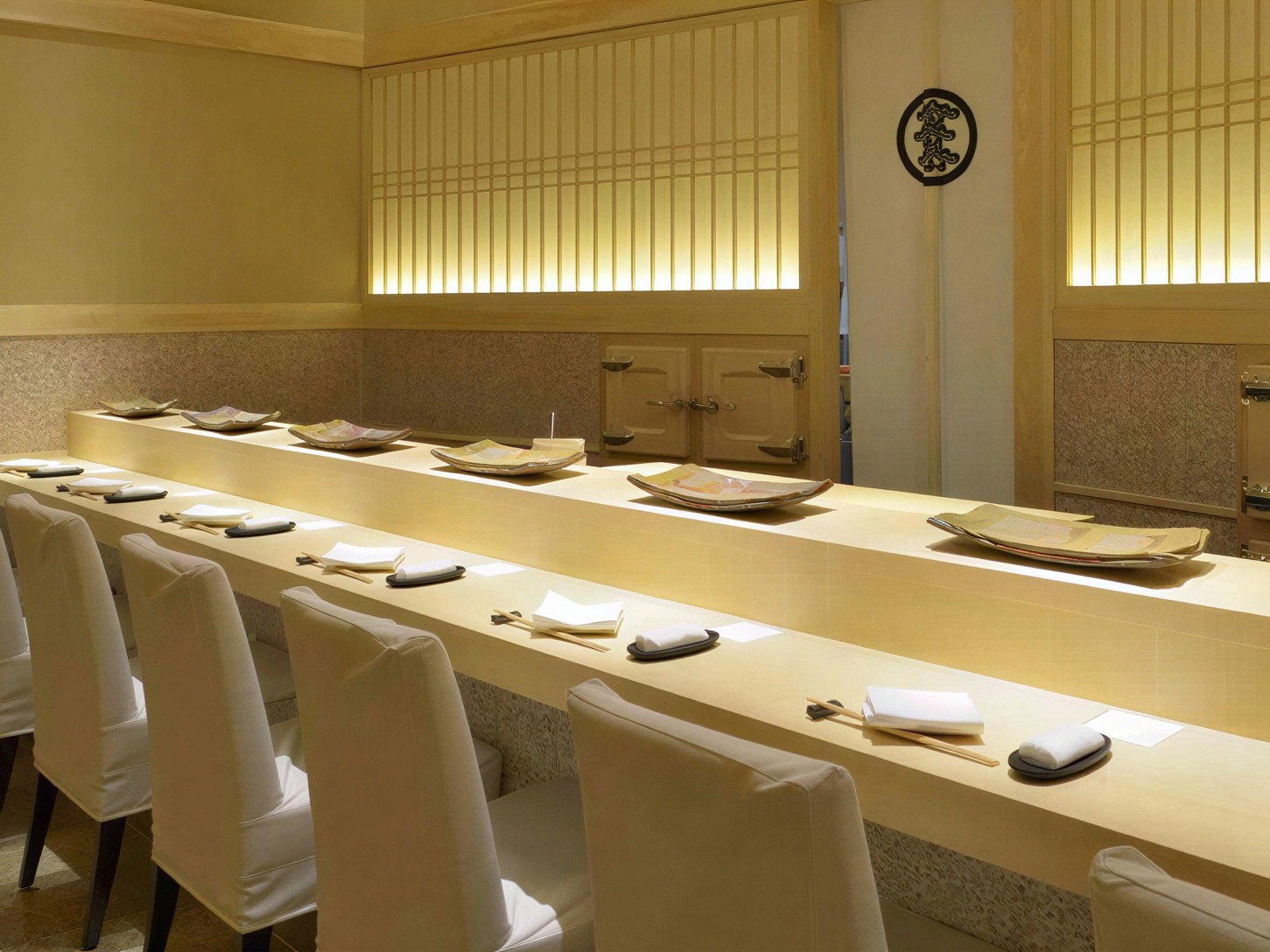
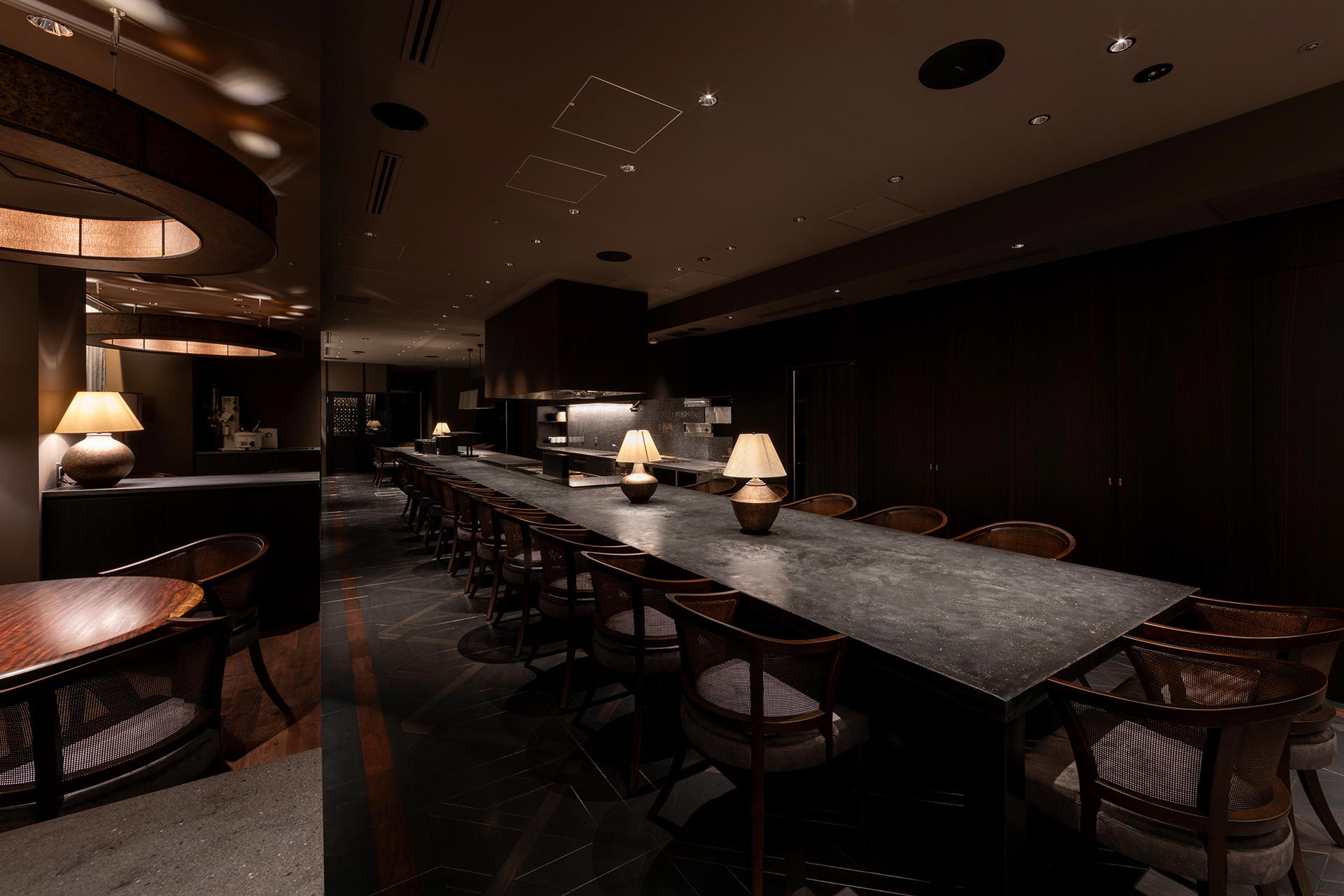
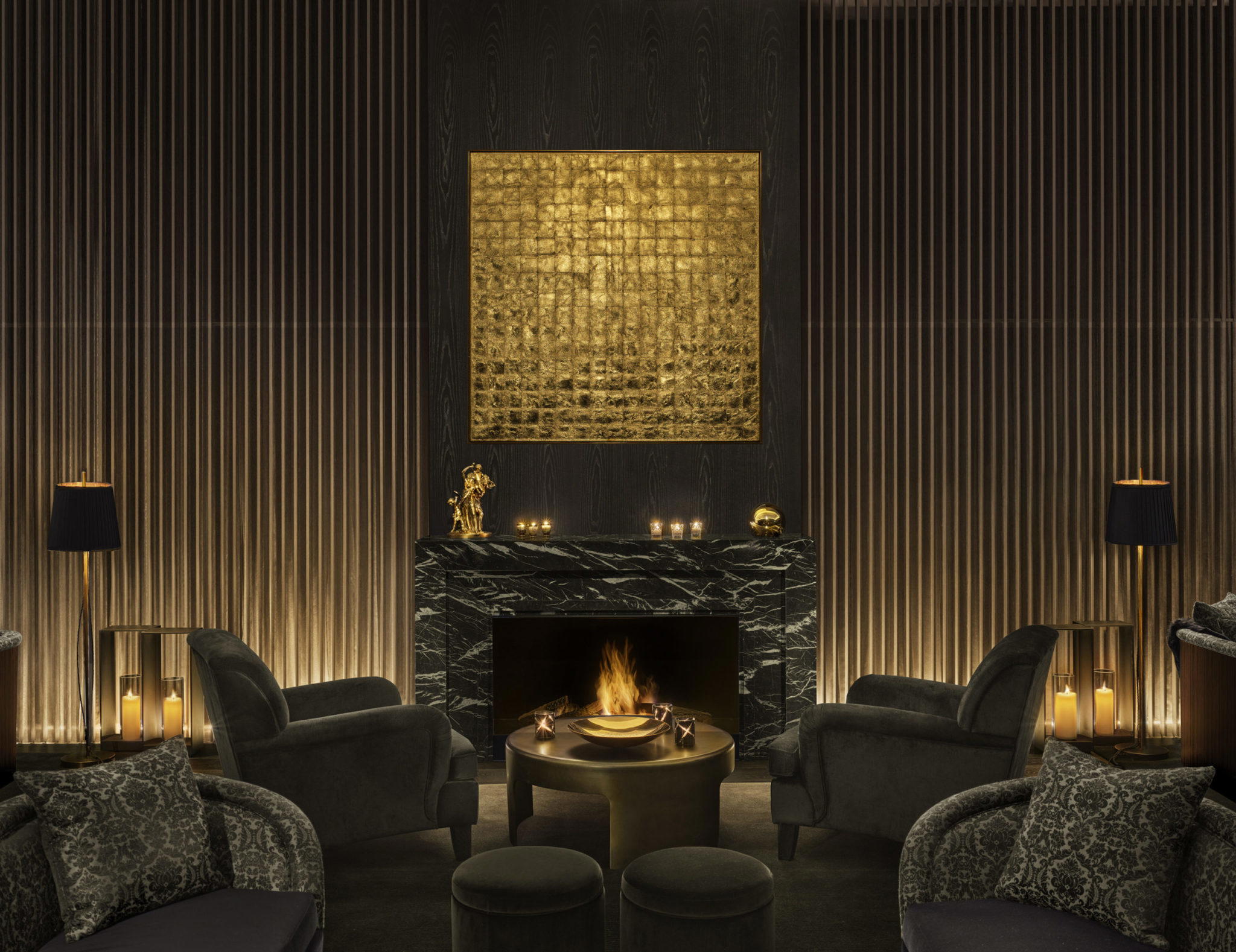
Elegant and refined with open kitchen views, polished Tokyo ambiance, and sophisticated lighting fostering an intimate dining experience.