
Banraien belongs to Tokyo’s compact, reservation-led Chinese dining tier: a 10-counter-seat room in Oimachi with Tabelog Chinese TOKYO 100 selection in 2026 and prior selections in 2024, 2023, and 2021. The draw is not luxury theatre but concentration: a small counter format, serious local recognition, and a price band that separates dinner from casual neighbourhood Chinese cooking.
Pearl is the En Primeur Club membership app — saves, bookings, and concierge access live there. Same editors, same standards.
- Address
- 5 Chome-6-8 Higashioi, Shinagawa City, Tokyo 140-0011, Japan
- Phone
- +81 3-3450-5667
- Website
- tabelog.com
 Saves & bookings on Pearl
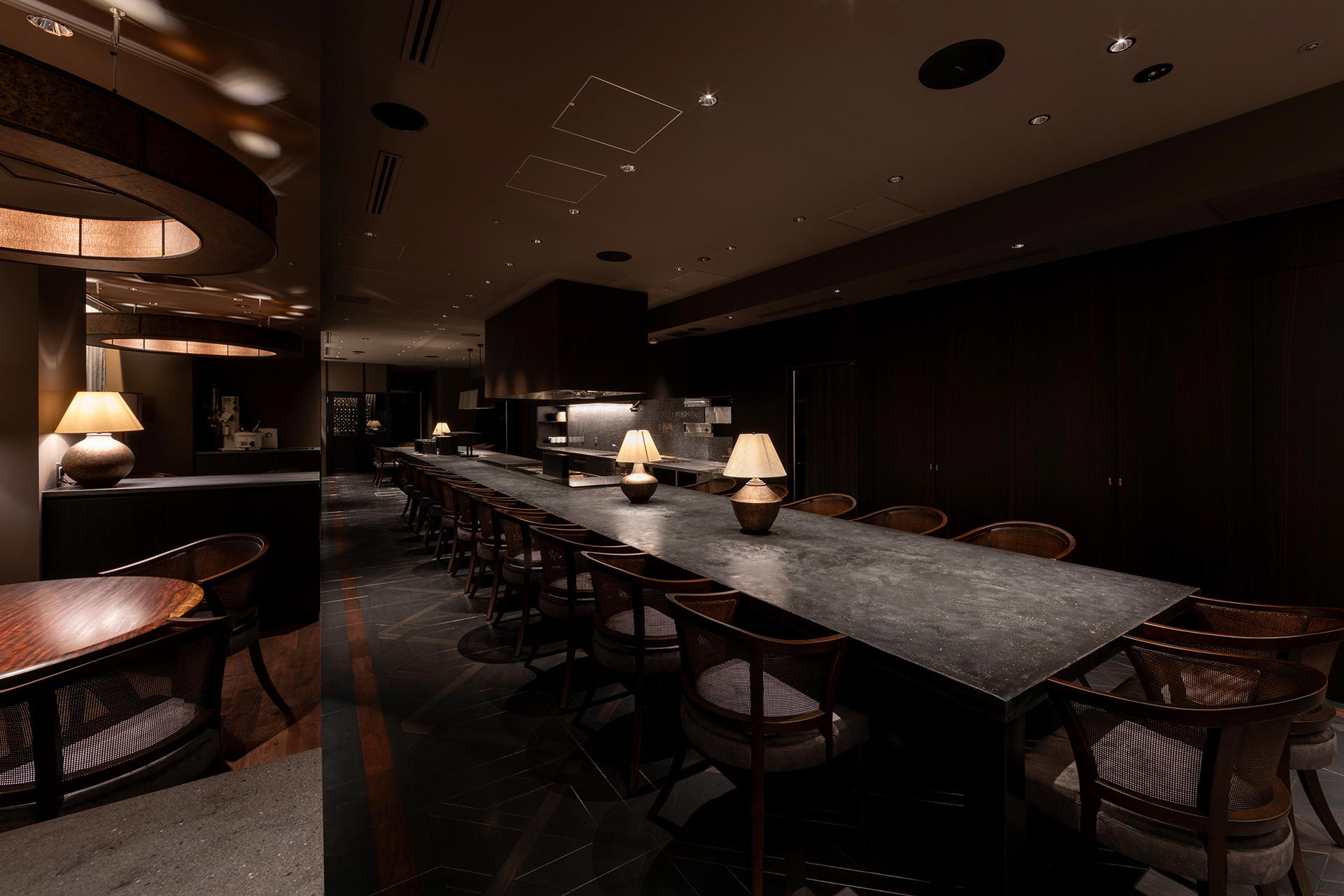
Oimachi is not the Tokyo neighbourhood that first sells itself to international diners. That is partly the point. Around the station, the city feels practical rather than staged: rail lines, local drinking streets, compact restaurants with regulars who know exactly where they are going. Banraien fits that grammar. The room is built around counter seating, and the scale matters: 10 seats changes the rhythm of Chinese dining from banquet-table abundance to close-range concentration.
Tokyo Chinese cuisine has long split into several registers. There is the grand hotel lineage, the student-town gyoza-and-beer circuit, the Sichuan specialist wave, and the small urban counter where technique is compressed into a tighter format. Banraien sits in that last category. Its inclusion in Tabelog Chinese TOKYO 100 for 2026, with earlier selections in 2024, 2023, and 2021, puts it among a group of restaurants that local diners treat as category references rather than convenient neighbourhood fallbacks.
Counter-seat Chinese cooking in a city built for micro-formats
Tokyo is unusually good at shrinking ambitious dining into small rooms. Sushi and tempura made the counter format globally legible, but Chinese restaurants in the city have also adapted to that scale. The result is not simply smaller portions or a quieter room; it changes what the diner notices. With 10 counter seats, service becomes more sequential, timing becomes more visible, and the meal reads less like a banquet and more like a chef-led progression.
That format also affects the price signal. Dinner at Banraien sits in the JPY 30,000 to JPY 39,999 bracket, while lunch is listed at JPY 1,000 to JPY 1,999. The gap is instructive. In Tokyo, some serious kitchens operate with a radically different daytime proposition, but the evening price places this room well above casual Chinese dining and closer to the city’s specialist counters. Compared with Hinadori Sonoda and Wakadori Yaki Mobara, both listed in lower evening bands, Banraien belongs to a narrower, higher-commitment tier. BRASSERIE POISSON ROUGE and Pizzeria Bakka M'unica point to how mixed Oimachi-adjacent dining can be; this address is playing a different game.
The cultural context matters because Chinese food in Japan is not a single imported category. It includes adapted chuka cooking, regional Chinese specialisation, and high-end interpretations shaped by Japanese ingredient discipline and counter-service precision. Banraien’s recognition within the Chinese TOKYO 100 list signals relevance inside that local conversation. The award does not tell diners what will be served on a given night, but it does identify the restaurant as part of Tokyo’s serious Chinese circuit, where repeat local attention carries more weight than visual spectacle.
Why Oimachi changes the dining equation
Oimachi has an advantage that more polished dining districts often lose: it is central enough to reach, but not so over-scripted that every meal feels packaged for visitors. The station connects JR, Tokyo Waterfront Area Rapid Transit, and Tokyu lines, and the restaurant is listed as a short walk from Oimachi Station. For diners moving between Shinagawa, central Tokyo, and the bay side of the city, that makes the neighbourhood more useful than its low international profile suggests.
The practical character of the area also sharpens expectations. This is not Ginza formality or Roppongi gloss. The appeal lies in precision without ceremony, a local room with enough recognition to require planning and enough restraint to avoid turning dinner into theatre. Reservations are available, and night reservations are required. Payment is also part of the planning calculus: credit cards, electronic money, and QR payments are not accepted. In a city where cashless systems have expanded quickly, a cash-only policy is not a charming footnote; it is operational intelligence.
For a broader read on how Tokyo’s dining scene splits by format and neighbourhood, start with Our full Tokyo restaurants guide. Nearby and category-adjacent browsing can include . 鮪と炭火焼き うお炭 秋葉原店, 12/10 Shinjuku ten, 124. KAGURAZAKA (Yakitori), 2D Cafe, and 3 Chome no Curry Ya San. For the wider trip architecture, see Our full Tokyo hotels guide, Our full Tokyo bars guide, Our full Tokyo wineries guide, and Our full Tokyo experiences guide.
Where it fits in a Japan-wide dining itinerary
Banraien is a useful reminder that Japan’s serious eating is not confined to the categories visitors already understand. Sushi counters, kaiseki rooms, ramen queues, and yakitori counters dominate foreign planning, but Chinese cooking has its own hierarchy in Tokyo, with recognition systems and local followings that reward consistency over spectacle. A 10-seat Chinese counter with repeated Tabelog 100 selection asks for the same kind of respect as a small sushi counter: book with intent, arrive on time, and treat the format as the experience.
Travellers building a wider Japan route can compare how regional dining identities shift outside Tokyo through -Grilled beef Sukiyaki- KAMAKURA TANUKIAN 鎌倉 たぬき庵 in Kamakura,.cafe in Osaka,.know in Kumamoto, (Shoku) Vietnam in Kawasaki, [Curry Senmon Ten] Maruyama Kyoju. in Sapporo, and [ki:] in Kyoto. For a trans-Pacific contrast in Japanese drinking and casual food culture, Jōdo Saké Bar in Los Angeles and Onigiri Time in Pasadena show how Japanese formats are translated abroad.
The editorial case for Banraien is clear: it is for diners who already understand Tokyo as a city of small rooms and high specialisation. The address rewards those willing to leave the obvious dining districts for Oimachi, accept the discipline of a counter-scale room, and read Chinese cooking through a Tokyo lens rather than through banquet-house expectations.
Fast Comparison
Side-by-side context: comparable cuisine and price.
| Venue | Cuisine | Price | Awards | Notes |
|---|---|---|---|---|
| BanraienThis venue — the venue you are viewing | Traditional Chinese counter dining | $$$$ | , | |
| 4000 Chinese Restauranat | Reservation-only Sichuan tasting menu | $$$$ | , | Minami-Aoyama |
| 茶禅華 | Modern Japanese-influenced Chinese fine dining | $$$$ | , | Minami-Azabu |
| M Mugen | Fine Chinese counter omakase in Ginza | $$$$ | , | Chūō |
| 虎峰 | Modern Cantonese chef’s counter | $$$$ | , | Roppongi |
| Kakyubou | Modern Shanghai Chinese | $$$$ | , | Minato |










At a Glance
- Hidden Gem
- Intimate
- Classic
- Family
- Group Dining
- Casual Hangout
- After Work
- Chefs Counter
- Standalone
- Sake Program
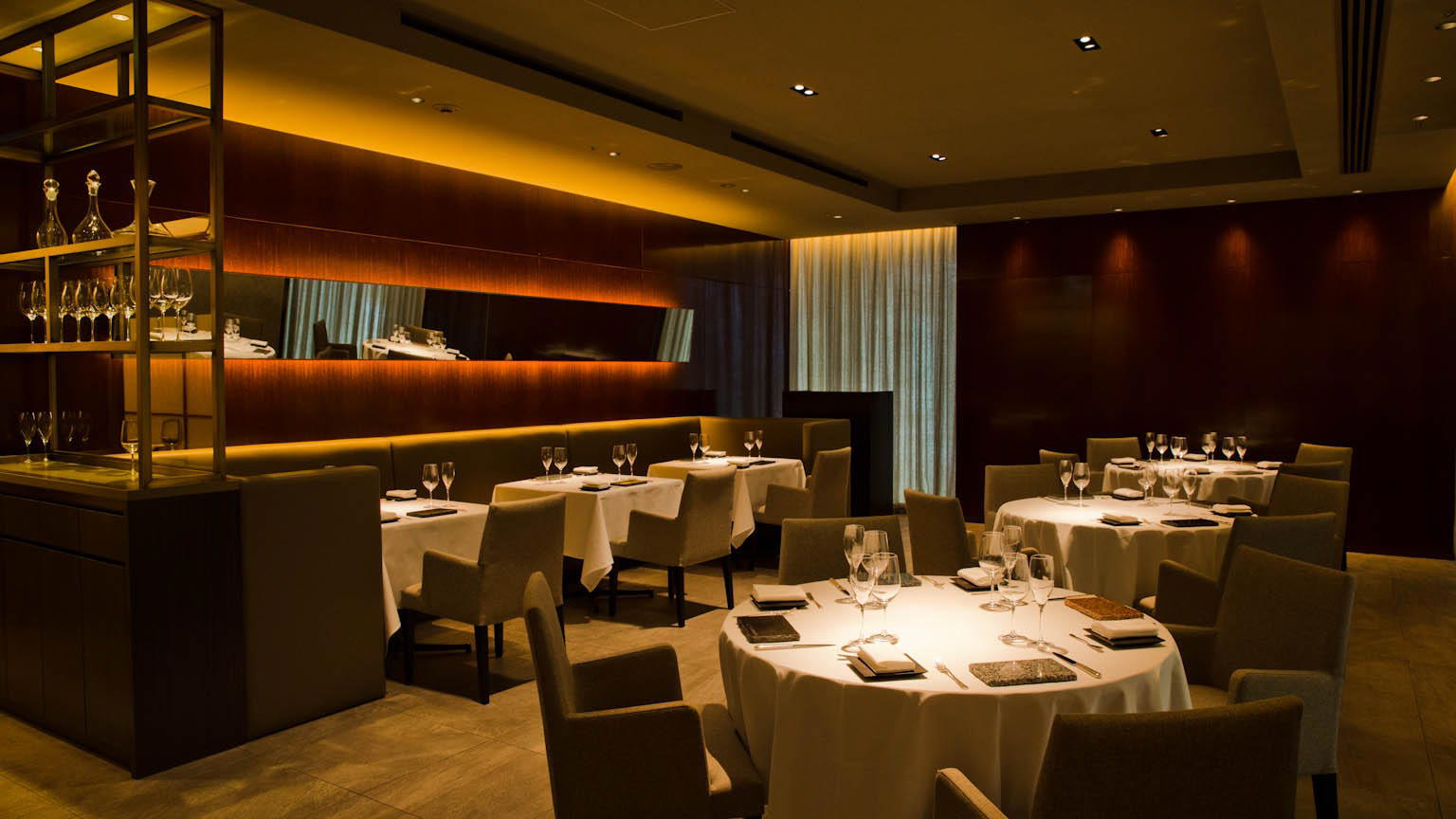
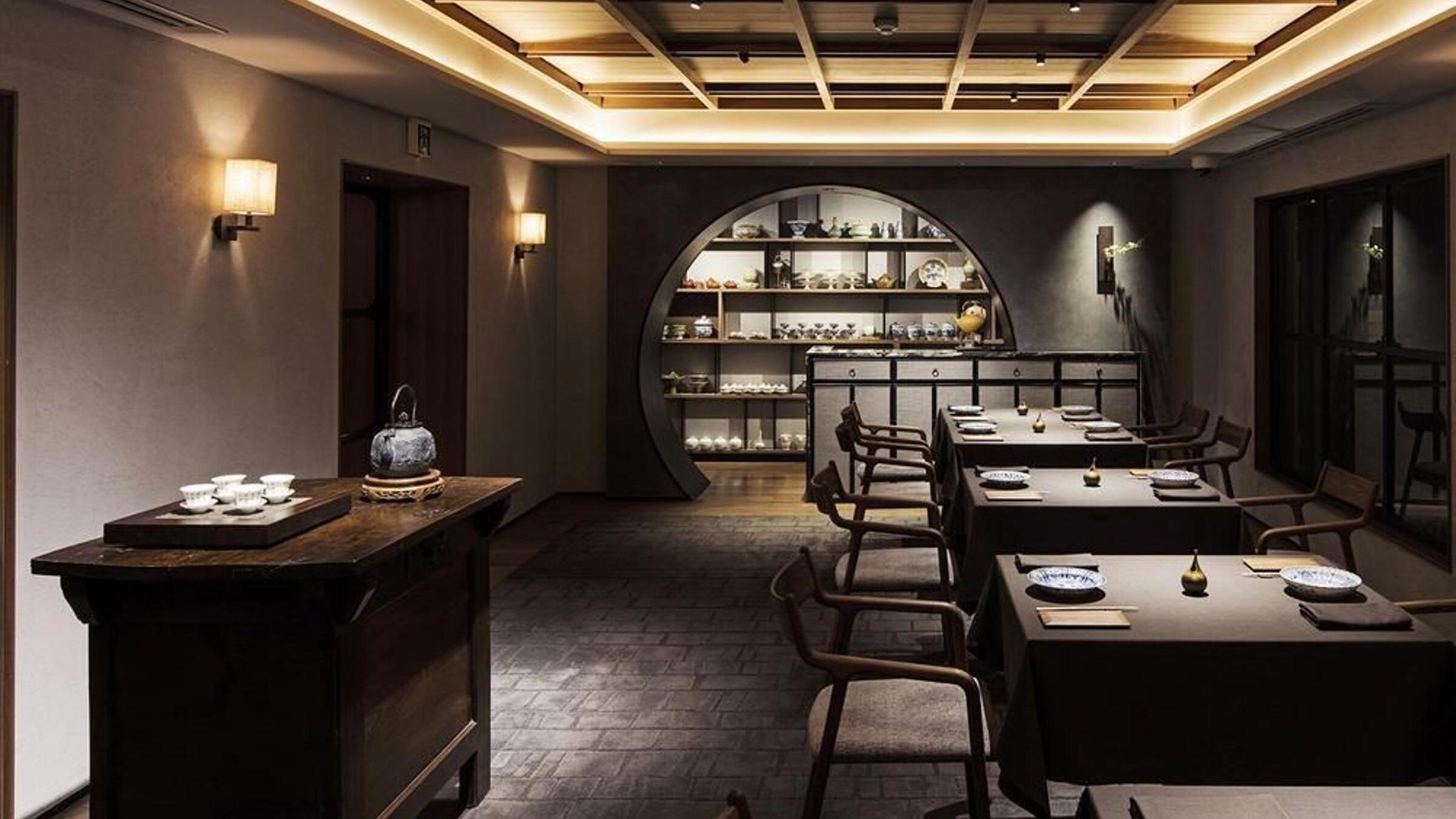
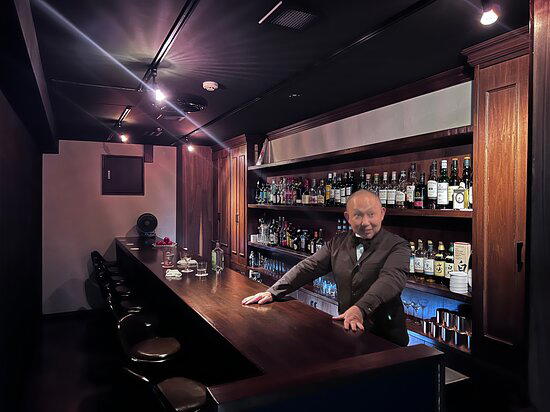
A very small, non-smoking counter-only Chinese restaurant with a classic neighborhood feel; the focus is on the chef’s cooking rather than design, with a simple interior, close interaction across the counter, and a calm but often bustling atmosphere due to its popularity and queues.