
Chinese Sai Chirin places Kagurazaka’s Chinese dining ritual in a polished, table-led setting rather than a counter format. Recognition in Tabelog’s Chinese TOKYO 100 for 2023, 2024, and 2026 gives it a clear quality signal, while the room’s sommelier service, fish focus, and wine emphasis point to a meal paced for conversation rather than speed.
Pearl is the En Primeur Club membership app — saves, bookings, and concierge access live there. Same editors, same standards.
- Address
- 東京都新宿区白銀町12-5 白銀ビル 1F
- Phone
- +81332683377
- Website
- tabelog.com
 Saves & bookings on Pearl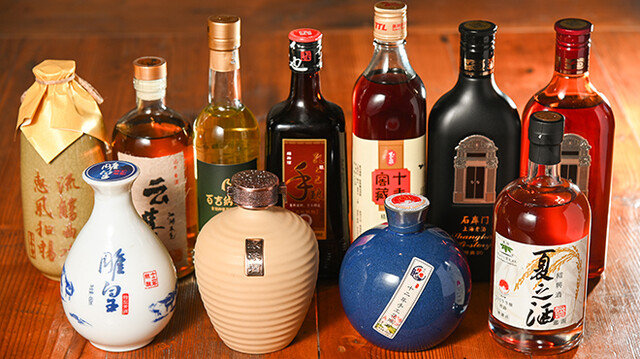
Shiroganecho is a quieter Kagurazaka pocket, close to the district’s serious restaurant gravity yet removed from the main lane’s theatre. Here, Chinese dining reads less as a category than ritual: shared plates, measured pacing, careful drinking, and a room that lets tables settle. Chinese Sai Chirin fits that register, with table seating, a non-smoking room, and a format suited to groups, dates, and family meals without banquet anonymity.
The signal is repeat selection, not hype. Tabelog named it to its Chinese cuisine TOKYO 100 list in 2023, 2024, and 2026, placing it in a competitive Tokyo category where recognition rewards consistency across food, service, and reliability. Its 3.66 score suggests steady approval in a city where Chinese restaurants range from neighborhood gyoza rooms to luxury dégustation counters.
Kagurazaka's Chinese ritual, built around the table
Tokyo’s high-end Chinese scene spans formal hotel rooms, small modern kitchens with tasting-menu discipline, and wine-aware neighborhood restaurants where ceremony comes from pacing rather than spectacle. Kagurazaka suits the third mode. Its French, kappo, sushi, and yakitori traditions have trained diners to accept longer meals, quiet service, and restrained design. That context matters more here than any single dish.
Chinese Sai Chirin’s emphasis on fish, wine, and Shaoxing wine puts it in a narrower lane than generic Chinese dining. Fish-led Chinese cooking in Tokyo often calls for lighter sauces, sharper heat control, and a different drinking strategy than meat-heavy banquets. A sommelier shifts expectations: wine is part of the meal’s structure, not an accessory. For diners used to pairing Chinese food only with beer or tea, this is the more interesting cue.
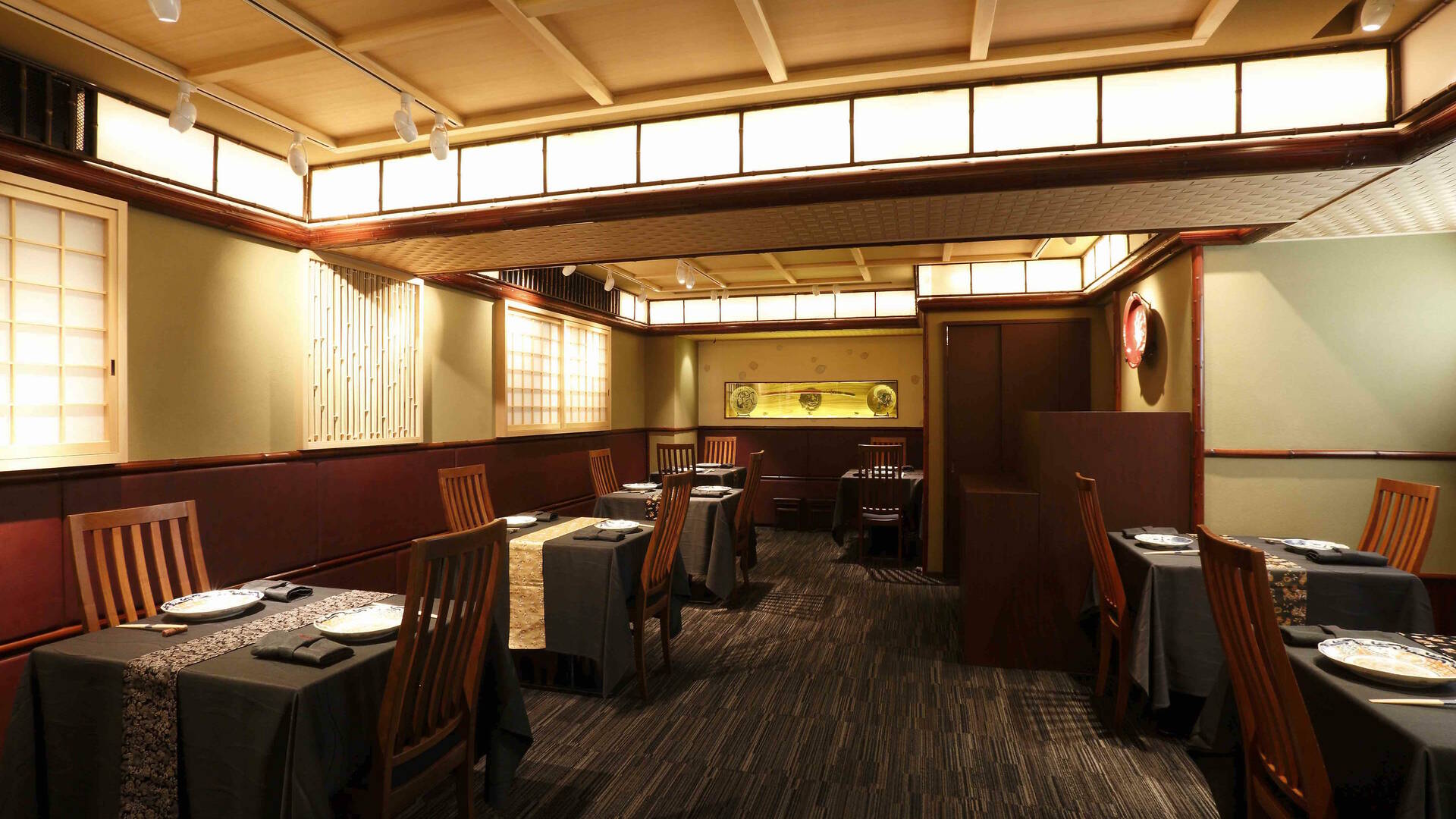
The 32 table seats define the rhythm. A table-only layout lets dishes be shared, portions paced, and textures and sauces compared. It suits conversation and progression more than eight-seat counter intimacy. In Kagurazaka terms, it is a composed neighborhood dinner, not a trophy booking.
That distinction helps in the wider area. 124. KAGURAZAKA (Yakitori) revolves around smoke, skewers, and counter timing; 12/10 Shinjuku ten pulls the decision toward Shinjuku’s denser circuit. Chinese Sai Chirin asks for an evening where the table is the unit of pleasure and the cuisine can move between fish, vegetables, fermented bean pastes, and wine.
Recognition without the grandstanding
Its sister relationship with Chinese cuisine Zenrakubou gives it a traceable place in Tokyo’s Chinese dining network, but stronger evidence is structural. Opened in 2019, it has earned repeat Tabelog 100 recognition across multiple selection years, a useful pattern in a category where novelty rarely carries a restaurant long. Tokyo diners are unforgiving about inconsistency; repeat inclusion suggests a kitchen and service model that have held shape.
The format avoids luxury signals that flatten Chinese cooking into ceremony for its own sake. There are no private rooms, keeping the room socially open, yet private use is possible, so larger gatherings can work without the restaurant feeling designed only for them. Children are welcome, another cue that formality is controlled rather than rigid.
For travelers, the appeal is comparative. Ginza and Akasaka often dominate polished Chinese dining, while Kagurazaka offers residential seriousness: narrower streets, mixed dining genres, and meals less tied to corporate entertaining. Nearby high-recognition Japanese restaurants such as 神楽坂 石かわ shape district expectations even when the cuisine differs. Diners arrive ready for precision and quiet pacing; Chinese Sai Chirin benefits from that local grammar.
For a broader Tokyo itinerary, treat this as one part of a citywide plan, not a standalone trophy. For category breadth, see Our full Tokyo restaurants guide, then contrast it with more casual or specialized entries such as . 鮪と炭火焼き うお炭 秋葉原店, 2D Cafe, and 3 Chome no Curry Ya San. The comparison clarifies what it is not: a quick novelty stop, a counter-led performance, or an all-purpose tourist default.
How to read the meal before committing
The strongest case is the intersection of recognition, room size, and drinking program. A 32-seat dining room with sommelier service and a wine-forward profile suggests a meal that rewards planning and group composition. It suits a two- to four-person dinner where the table can order across categories and let pacing work. Larger parties can make sense, but the cuisine reads better when the table pays attention.
Listed highlights include vegetables from contracted farmers, house-aged doubanjiang for mapo tofu, a course involving a Yunnan-style Qiguo pot, more than 20 Shaoxing wine options, and wines selected with sommelier oversight. These details show interest in Chinese technique beyond generic luxury cues and help explain the Tabelog recognition: the offer is specific enough for identity, broad enough for a serious neighborhood dinner.
Planning should stay disciplined. The restaurant is close to Kagurazaka, Iidabashi, and Ushigome-Kagurazaka stations, so it fits a central Tokyo evening without a cross-city detour. Monday closure and irregular additional closures make date checks important. Cancellation terms are stricter around the final day before dining, common for restaurants managing courses and group counts.
For the wider trip, pair this dinner with neighborhood-specific choices rather than stacking only award-listed meals. Tokyo rewards alternation: polished Chinese one night, yakitori or sushi the next, then a bar-led evening. The city pages help calibrate: Our full Tokyo hotels guide, Our full Tokyo bars guide, Our full Tokyo wineries guide, and Our full Tokyo experiences guide. For contrast outside Tokyo, the Japanese dining map stretches from -Grilled beef Sukiyaki- KAMAKURA TANUKIAN 鎌倉 たぬき庵 in Kamakura and.cafe in Osaka to.know in Kumamoto, (Shoku) Vietnam in Kawasaki, [Curry Senmon Ten] Maruyama Kyoju. in Sapporo, and [ki:] in Kyoto. Travelers extending the same drinking-and-food logic across the Pacific can compare sake-bar and rice-focused formats at Jōdo Saké Bar in Los Angeles and Onigiri Time in Pasadena.
The verdict is pragmatic: choose Chinese Sai Chirin for Chinese cooking with wine intelligence, a shared-table rhythm, and Kagurazaka’s quieter confidence. It is less compelling for counter theatre or a chef-personality narrative. Its value lies in the table ritual: ordering, sharing, drinking carefully, and letting the room slow the meal down.
Category Peers
Comparable venues at a glance for context.
| Venue | Cuisine | Price | Awards | Notes |
|---|---|---|---|---|
| Chinese Sai ChirinThis venue — the venue you are viewing | Modern Chinese with Shaoxing wine and Yunnan qiguo specialties | $$$ | , | |
| Sichuan Ryori Kae | Sichuan Hot Pot and Chinese Cuisine | $$$ | , | Toshima |
| Kanda Yunrin | Seasonal Chinese (Shanghai/Sichuan influence) Fine Dining | $$$ | , | Chiyoda |
| Rouhoutoi | Intimate Modern Chinese Small-Plate Restaurant | $$$ | , | Minato |
| 桃仙閣 東京 | Traditional Japanese-Style Chinese | $$$ | , | Roppongi |
| Hoei | Shanghai-Sichuan Chinese | $$$ | , | Bunkyō |






At a Glance
- Cozy
- Elegant
- Hidden Gem
- Modern
- Sophisticated
- Date Night
- Business Dinner
- Group Dining
- Family
- Special Occasion
- After Work
- Private Event
- Standalone
- Design Destination
- Extensive Wine List
- Sommelier Led
- Farm To Table
- Local Sourcing
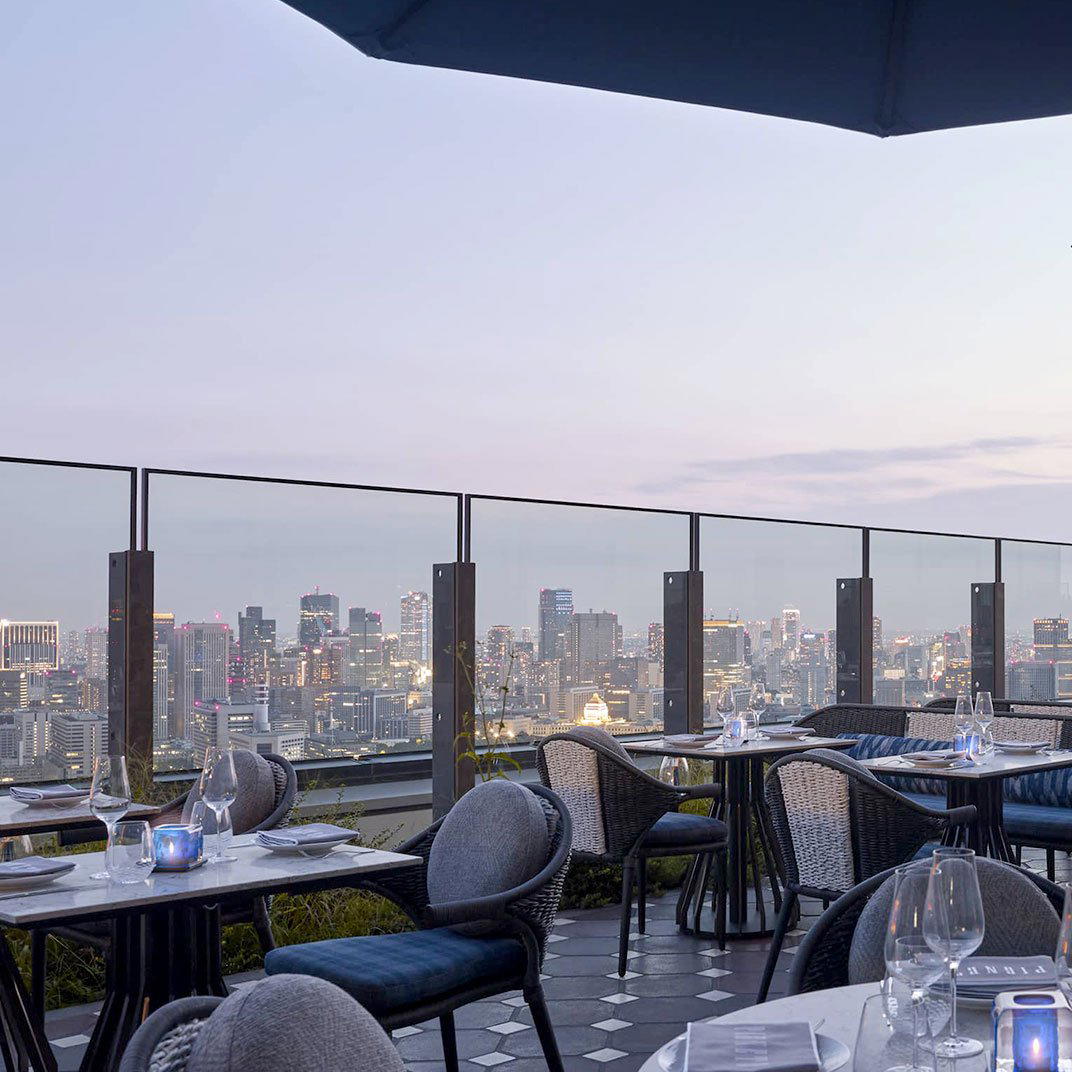
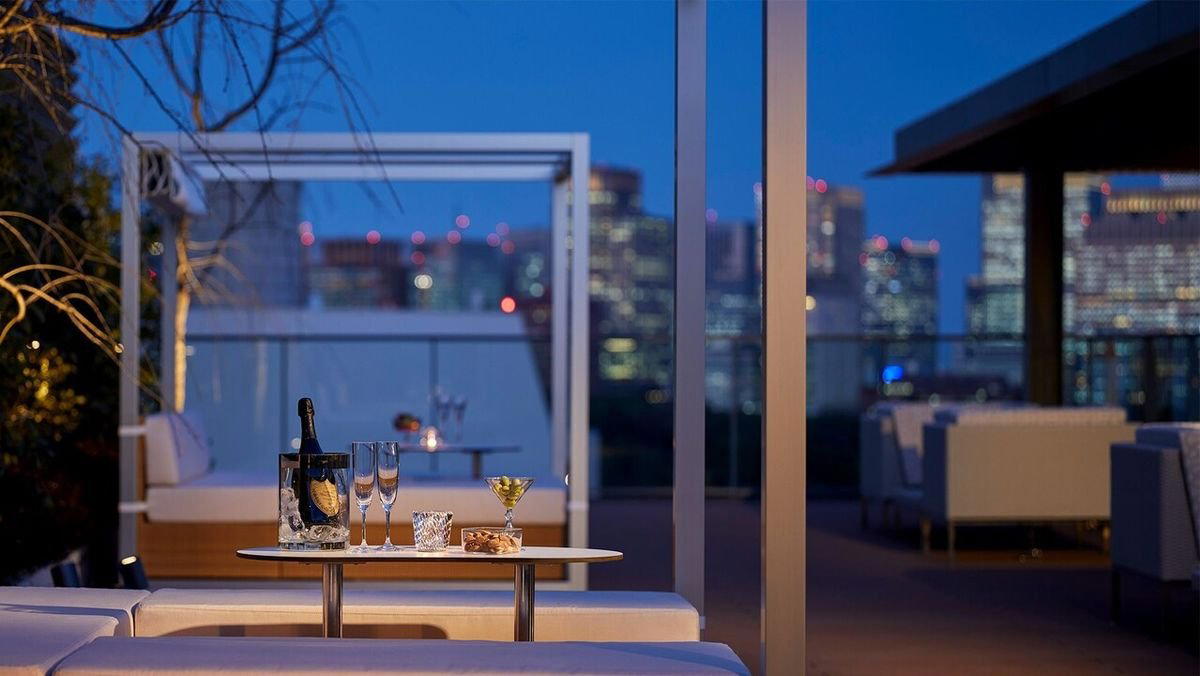
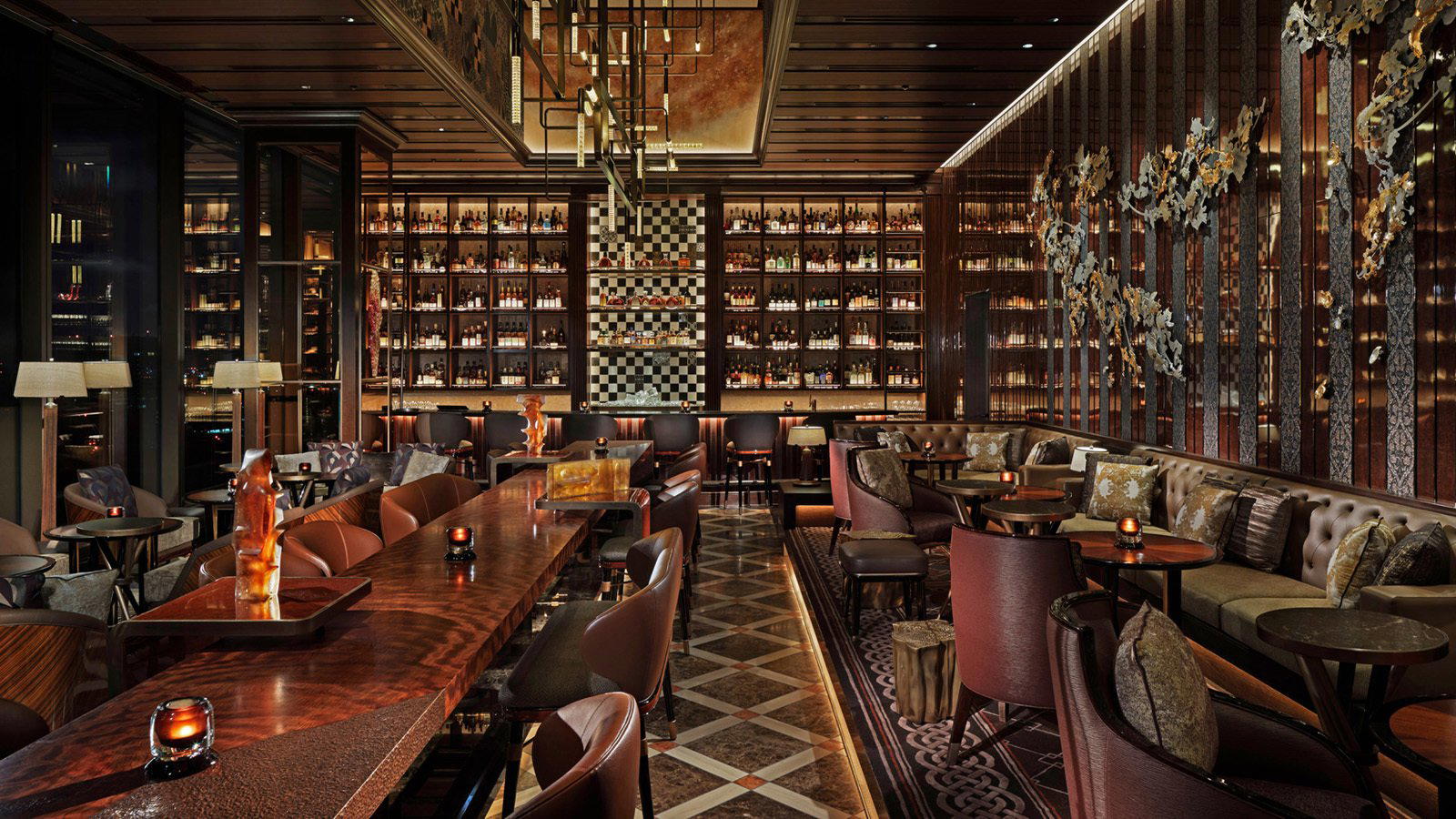
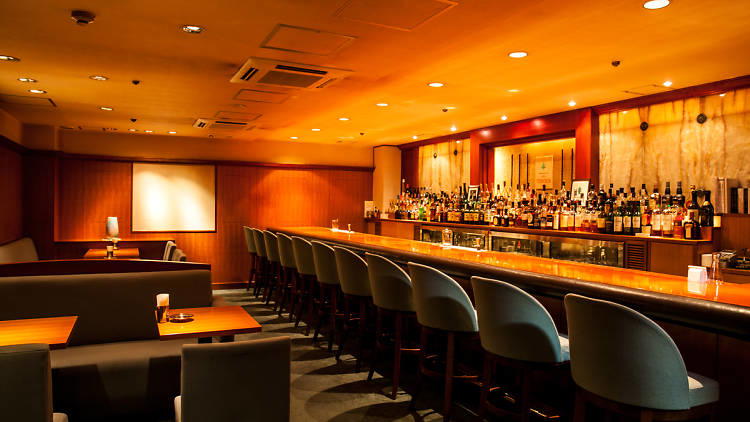
Calm, stylish, and spacious Chinese restaurant with relaxed seating and a slightly hidden‑away feel, suited to lingering meals, dates, and small gatherings rather than a loud, high‑turnover environment.