
Akasaka Rikyu Ginza ten places Cantonese and dim sum cooking inside Ginza’s polished dining grammar: private rooms, formal pacing, and enough scale for family occasions as well as business meals. Its selection for Tabelog Chinese TOKYO “Tabelog 100” 2026 gives it a clear quality signal in a city where Chinese dining ranges from hotel dining rooms to compact counter formats.
Pearl is the En Primeur Club membership app — saves, bookings, and concierge access live there. Same editors, same standards.
- Address
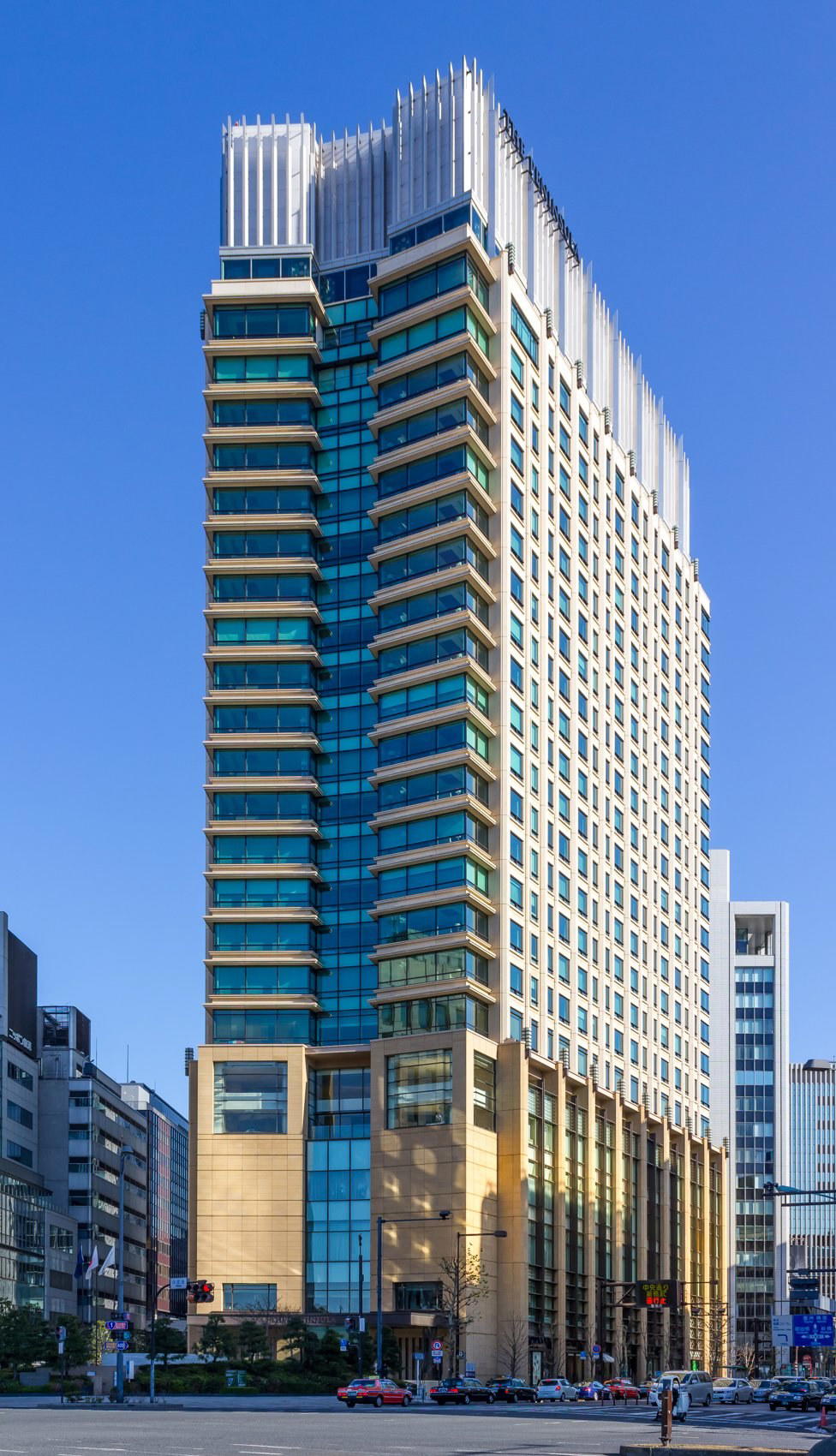
- Japan, 〒104-0061 Tokyo, Chuo City, Ginza, 6 Chome−8−7 交詢ビル 5F
- Phone
- +81 3-3569-2882
- Website
- rikyu.jp
 Saves & bookings on Pearl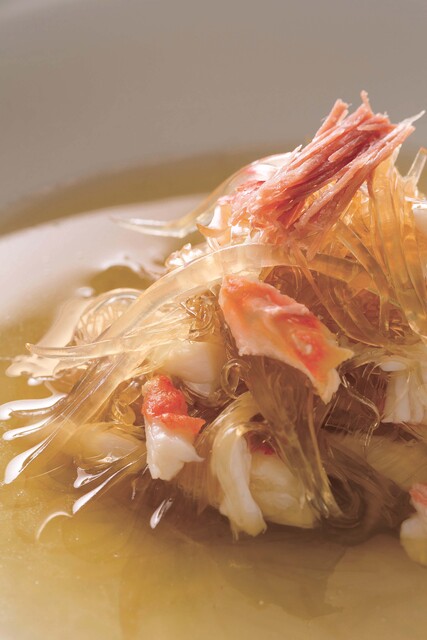
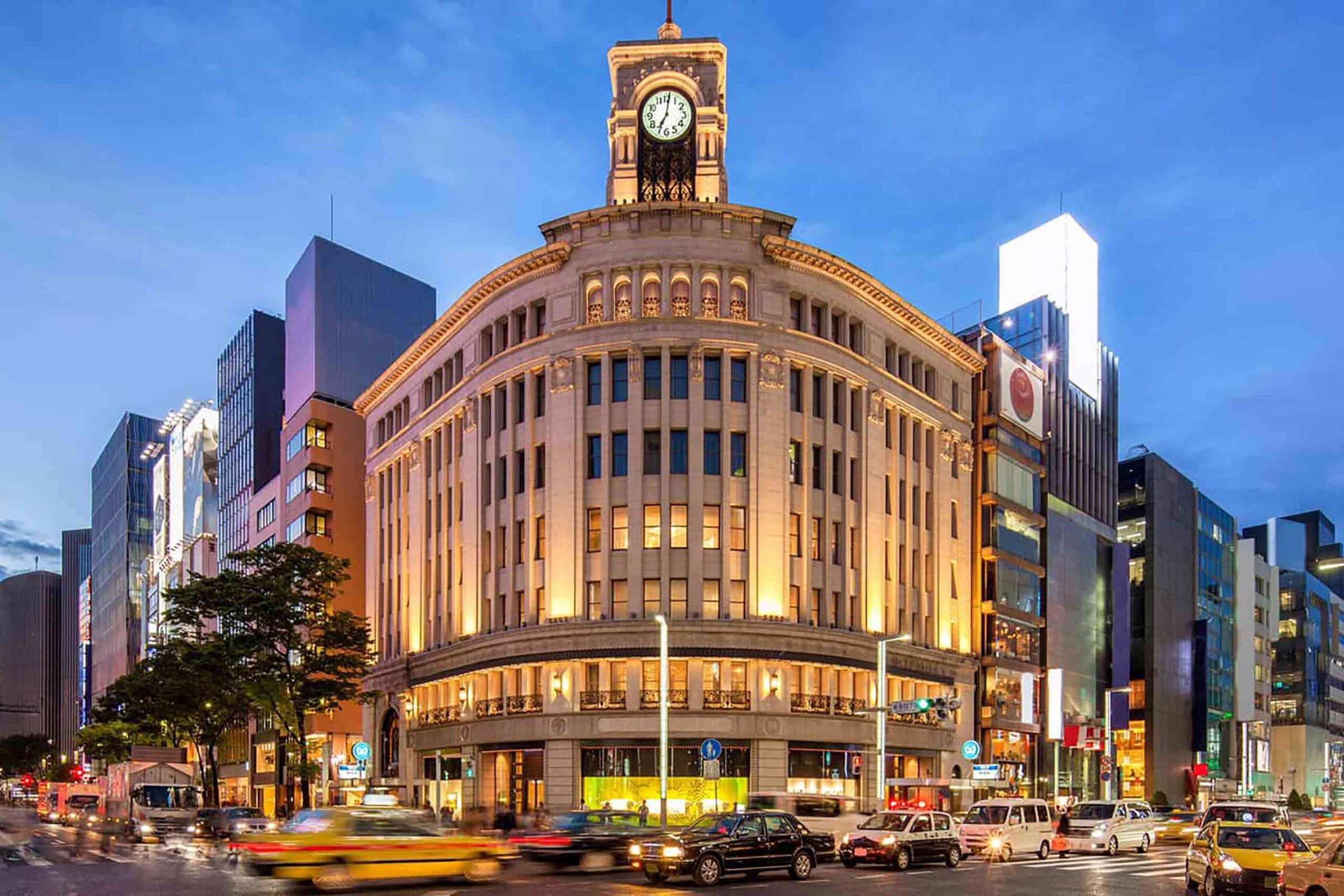
Ginza’s version of Chinese dining is rarely casual in the Tokyo sense: it happens above street level, behind lift doors, in rooms built for conversation more than theatre. Akasaka Rikyu Ginza ten fits that pattern, a Cantonese and dim sum address where the container matters as much as the cuisine. Its room count, private-room structure, and 90-seat scale put it apart from Tokyo’s small counter restaurants and closer to the city’s formal Chinese tradition: polished, multi-generational, suited to business lunches, family meals, and celebrations needing space without hotel-restaurant anonymity.
That matters in Ginza, where luxury compresses into a few blocks: sushi counters with severe reservation pressure, yakitori rooms built around smoke and rhythm, sukiyaki houses with inherited ceremony, and Chinese restaurants using scale as part of the appeal. Akasaka Rikyu Ginza ten is not mimicking the intimacy of Sushi Aoki: Ginza or the grill cadence of Ginza Torishige. It belongs to the Cantonese dining-room category, where seafood handling, banquet logic, dim sum, wine service, and private-room flexibility form one proposition.
Ginza Cantonese dining built around rooms, not counter drama
Tokyo’s premium Chinese restaurants often serve a different social function from sushi and kaiseki rooms. They absorb groups, accommodate children more readily, and cover a wider emotional register: weekday lunch, birthday plate, business dinner, extended party. Private rooms for pairs through large groups give this restaurant a practical Ginza advantage, where many acclaimed tables are built for small parties and strict pacing. Private-room fees, waived at lunch, also separate daytime utility from evening formality.
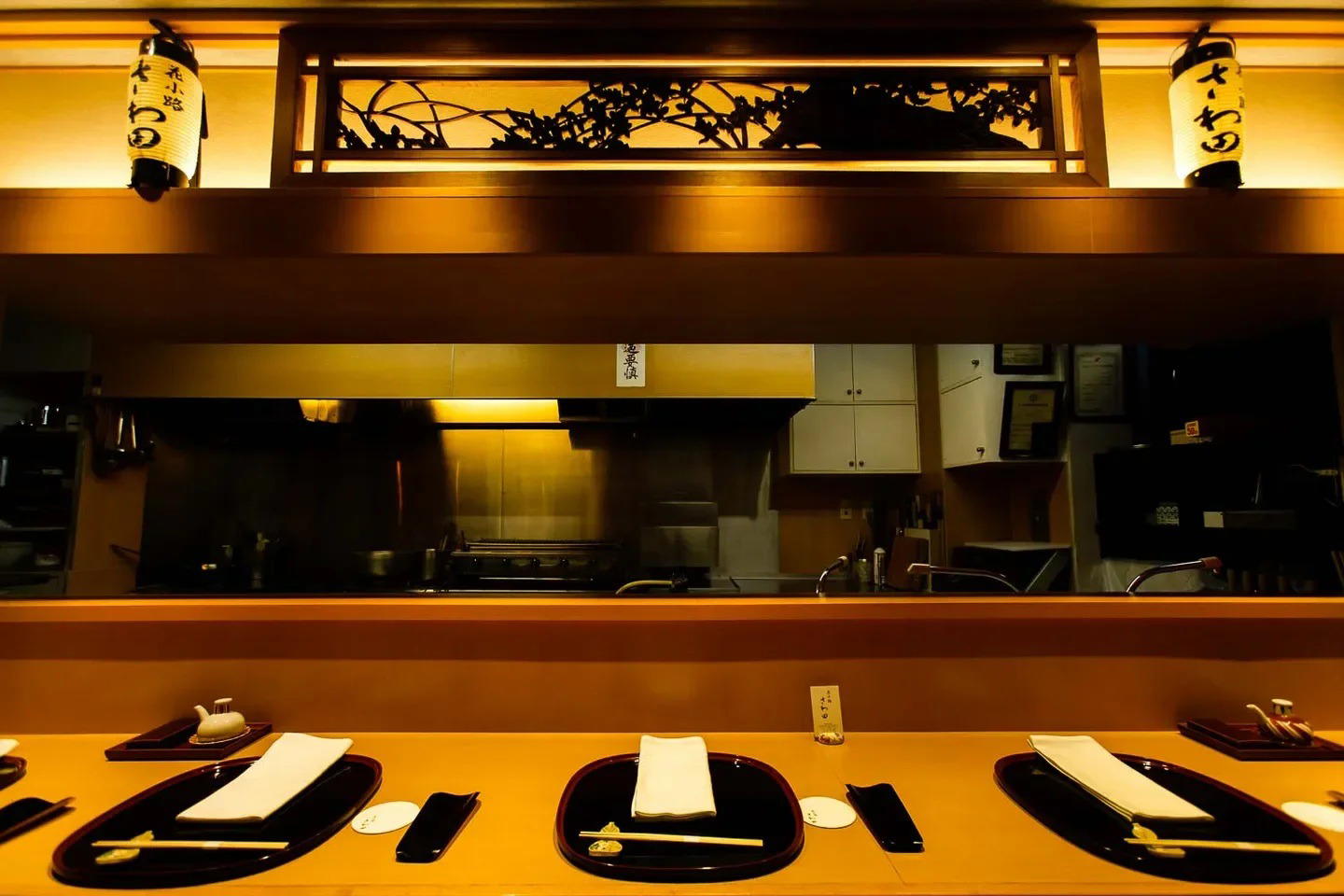
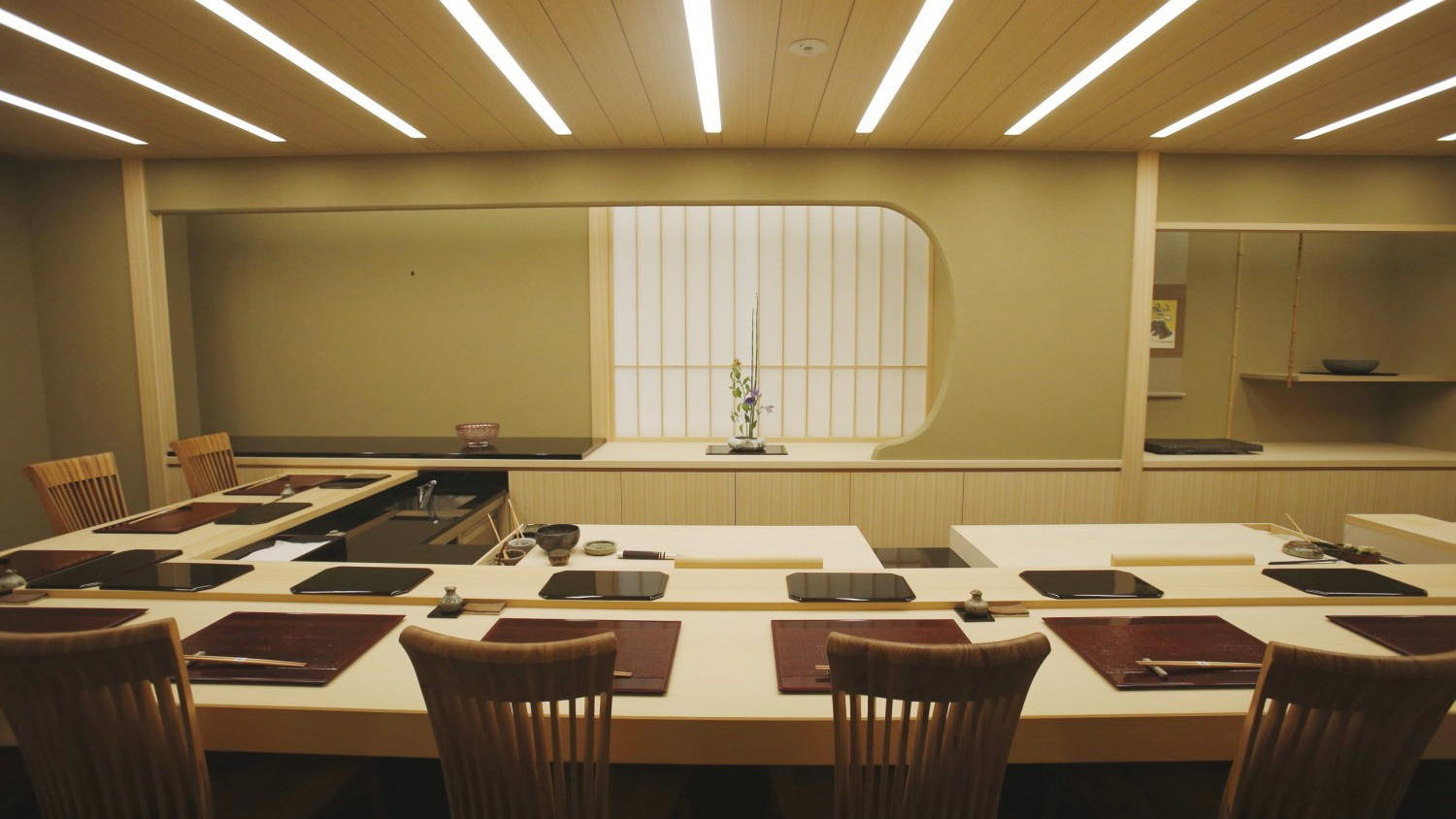
The design is about control, not spectacle. A 90-seat Ginza restaurant needs zoning: open dining, family rooms, larger gathering spaces, and circulation that lets service move without turning the meal into an event hall. Akasaka Rikyu Ginza ten reads as a room-first restaurant, with Cantonese cooking and dim sum supported by seating architecture that suits occasions many smaller Tokyo restaurants cannot handle.
The Tabelog Chinese TOKYO “Tabelog 100” 2026 selection gives a measurable trust signal, and the 3.74 score places it in a serious category bracket. Recognition in 2021, 2023, 2024, and 2026 matters more than a single-year spike. In Tokyo Chinese dining, consistency counts: the category rewards repeatability, breadth, and service infrastructure, not just one tasting-menu idea.
Cantonese breadth in a city obsessed with specialization
Tokyo often rewards narrowness: a restaurant can build its identity around yakitori, curry, sushi, tempura, or one cut of beef. Cantonese dining resists that neatness. It is broad by design, moving through seafood, dim sum, banquet dishes, soups, roast meats, vegetables, and celebratory formats. Akasaka Rikyu Ginza ten’s listing as Chinese, Dim sum & Yum cha, with stated emphasis on fish, places it inside that wider Cantonese logic rather than the chef-counter minimalism common on international Tokyo itineraries.
That makes it a useful counterweight in a Ginza schedule. Comparing it with Ningyocho Imahan Ginza ten is not choosing between two versions of one meal; one points to sukiyaki ceremony, the other to Chinese dining-room versatility. ZURRIOLA sits on another axis, a Spanish fine-dining frame in the same city. Kiyoda Annex and Sushi Aoki: Ginza pull the decision back to sushi. The point is fit, not hierarchy: Ginza’s strength is its density of formats, and the Cantonese room offers a broader table than counter formats can.
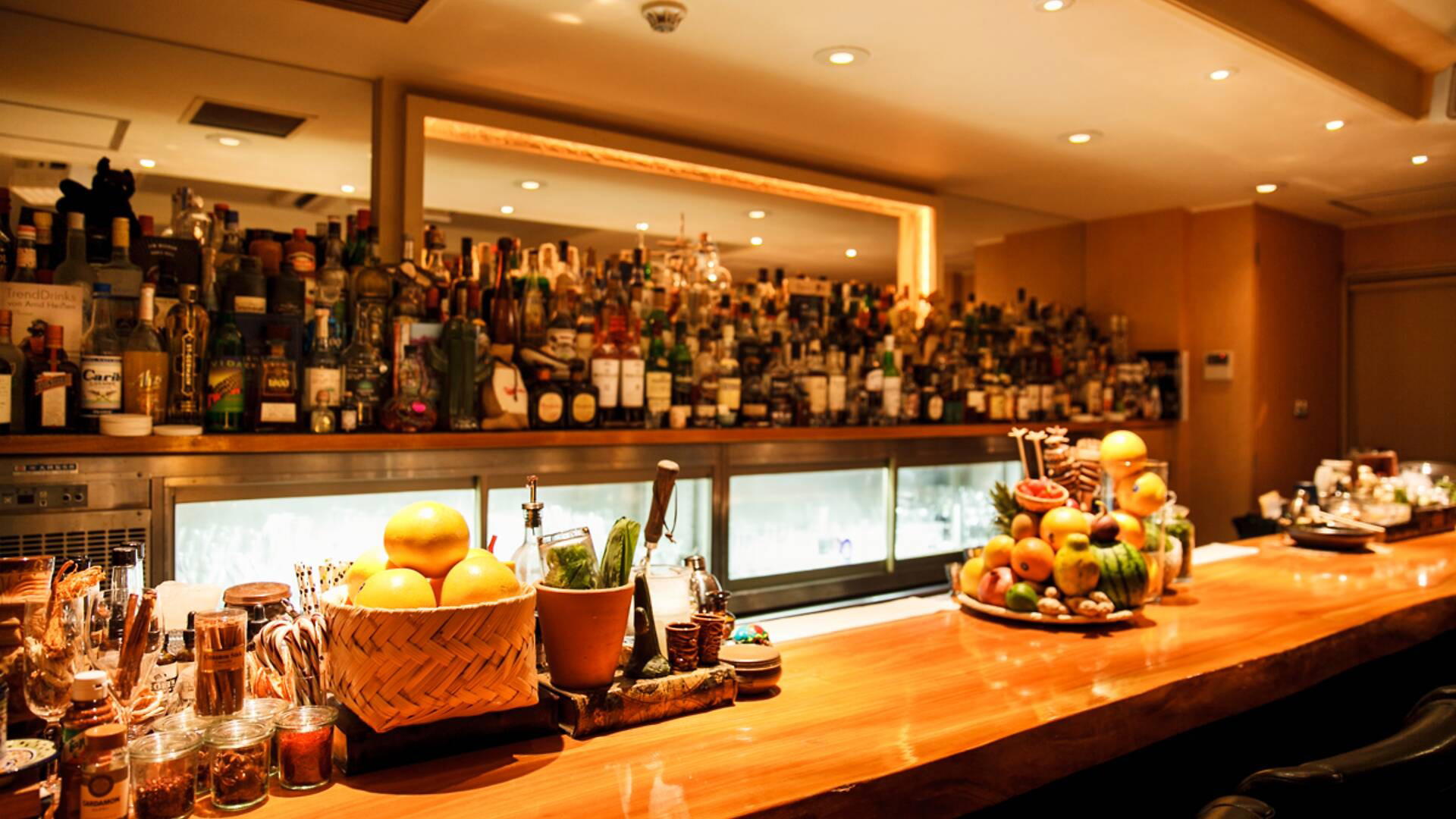
Drinks reinforce that middle ground. Sake, shochu, and wine sit alongside Cantonese cooking, a Tokyo-specific signal rather than a purely Hong Kong-style one. A sommelier and BYO service suggest comfort with both local drinking habits and formal bottle service. For a broader Tokyo plan, this is the kind of restaurant that pairs well with smaller, more specialized meals elsewhere; Our full Tokyo restaurants guide is the wider sequencing map.
When the room is the reason to choose it
The case for Akasaka Rikyu Ginza ten is strongest when party size or occasion matters. Tokyo has many restaurants with sharper theatre, narrower craft, or stronger scarcity signals. Fewer combine a recognized Chinese category award, Ginza polish, private rooms, children-welcome policy, wheelchair access, non-smoking dining, and payment flexibility in one formal restaurant. It is less trophy reservation than dependable Ginza dining room for groups needing comfort, range, and a cuisine broad enough for different appetites.
Caveats are practical. Severe allergies cannot be accommodated, important for a cuisine built on shared sauces, stocks, seafood, and banquet-style preparation. Room requests are not guaranteed, so the private-room advantage is a planning priority, not an assumption. A 10 percent service charge also belongs in the calculation. These details define the right diner: someone who values Cantonese breadth and spatial ease over counter intimacy.
For a Tokyo itinerary, nearby and citywide alternatives frame the choice: casual visual culture at 2D Cafe, curry specialization at 3 Chome no Curry Ya San, yakitori at 124. KAGURAZAKA (Yakitori), izakaya-adjacent grilling at . 鮪と炭火焼き うお炭 秋葉原店, and the Shinjuku format at 12/10 Shinjuku ten. For broader trip architecture, see Our full Tokyo hotels guide, Our full Tokyo bars guide, Our full Tokyo wineries guide, and Our full Tokyo experiences guide.
The national context helps too. Japan’s restaurant culture is full of compact specialists, from -Grilled beef Sukiyaki- KAMAKURA TANUKIAN 鎌倉 たぬき庵 in Kamakura to.cafe in Osaka,.know in Kumamoto, (Shoku) Vietnam in Kawasaki, [Curry Senmon Ten] Maruyama Kyoju. in Sapporo, and [ki:] in Kyoto. Across the Pacific, Japanese drinking and comfort formats shift again at Jōdo Saké Bar in Los Angeles and Onigiri Time in Pasadena. Against that spread, Akasaka Rikyu Ginza ten’s role is clear: a Ginza Cantonese dining room where space, service infrastructure, and category recognition carry the argument.
Snapshot
Comparable venues at a similar level for quick context.
| Venue | Cuisine | Price | Awards | Notes |
|---|---|---|---|---|
| Akasaka Rikyu Ginza tenThis venue — the venue you are viewing | Traditional Cantonese fine dining in Ginza | $$$$ | , | |
| Szechwan Restaurant Chen Shibuya | Authentic Sichuan Cuisine | $$$$ | , | Shibuya |
| Ryutenmon | Cantonese Fine Dining & Dim Sum | $$$$ | , | Meguro |
| 中華寝台 | Modern Creative Chinese | $$$$ | , | Shibuya |
| Chinese Hanten Mita ten | Classic Chinese restaurant known for Peking duck | $$$ | , | Minato |
| Banraien | Traditional Chinese counter dining | $$$$ | , | Shinagawa |





At a Glance
- Elegant
- Sophisticated
- Classic
- Business Dinner
- Group Dining
- Celebration
- Special Occasion
- After Work
- Private Event
- Private Dining
- Standalone
- Wine Cellar
- Extensive Wine List
- Local Sourcing
- Street Scene
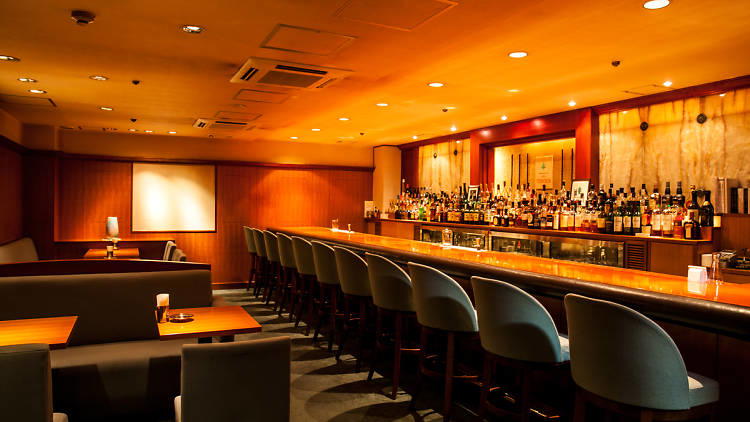
Upscale and polished Chinese restaurant with classic decor, white tablecloths, and softly lit, calm dining rooms designed for comfortable conversation rather than bustle, fitting Ginza’s high-end atmosphere.