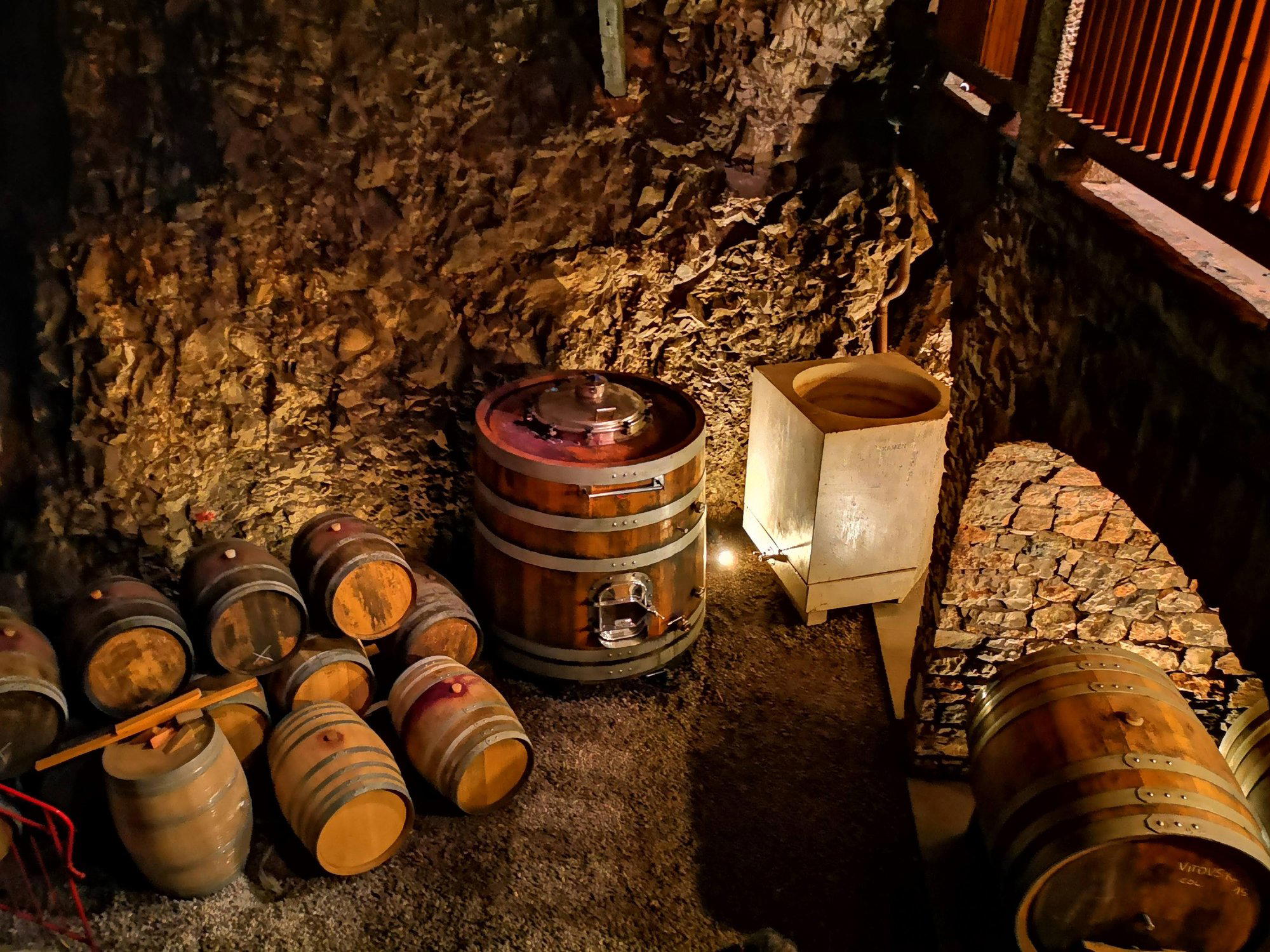
Toklarija occupies a stone-walled space in the village of Sovinjak, just outside Buzet in Istria's truffle country. The kitchen works within the Istrian farmhouse tradition, where slow-cooked local produce and seasonal forage define the rhythm of the meal. For travellers following Croatia's interior dining circuit, it represents the quieter, land-facing side of a country more often seen through a coastal lens.
Pearl is the En Primeur Club membership app — saves, bookings, and concierge access live there. Same editors, same standards.
- Address
- 52420, Sovinjak, Croatia
- Phone
- +385919266769
- Directions
- Get directions
 Saves & bookings on Pearl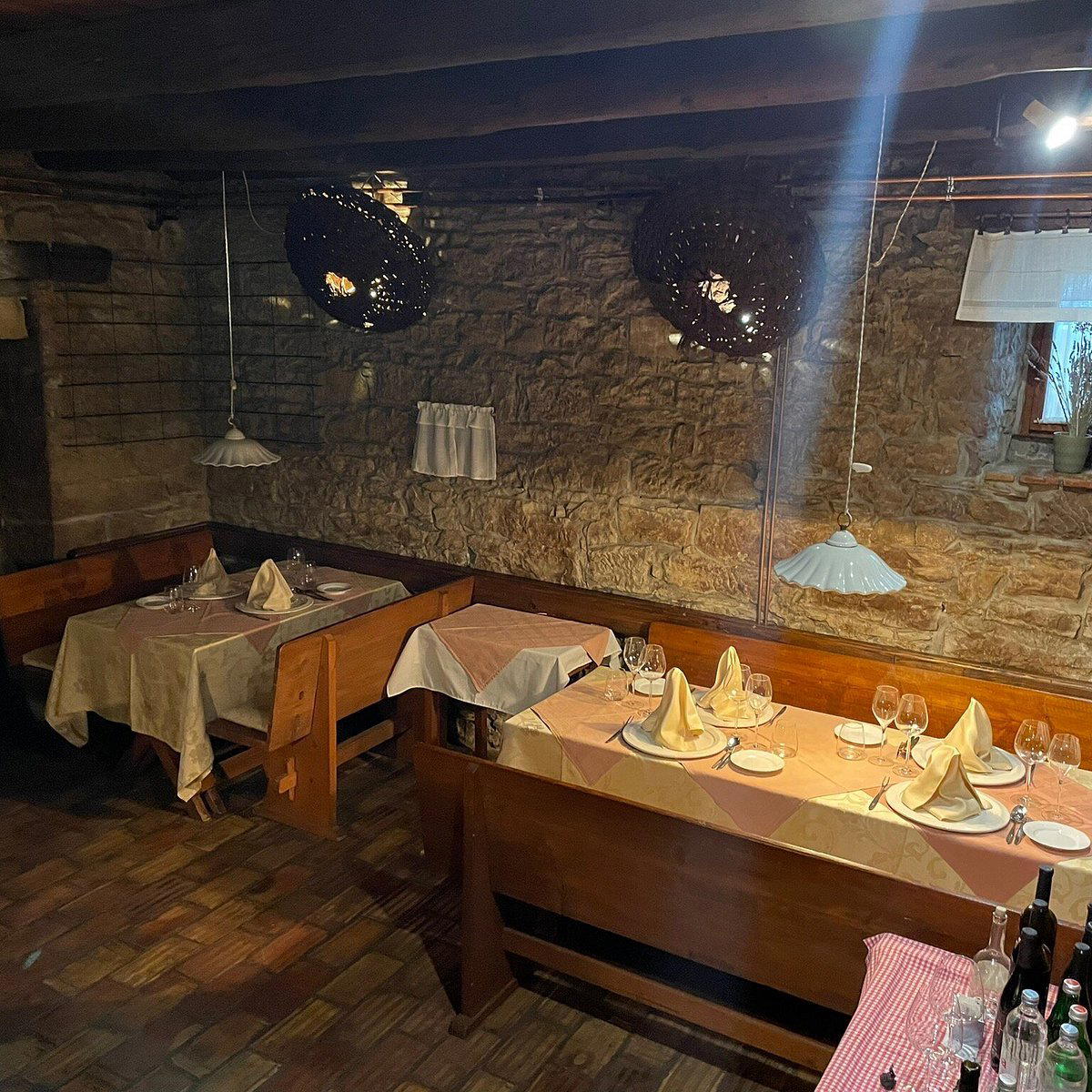
Arriving in Sovinjak: The Setting Before the Meal
Toklarija is a restaurant in Sovinjak, Croatia, serving Traditional Istrian Slow Food, with dinner at about $110 per person. The approach to Toklarija is, in many ways, part of the experience. Sovinjak sits a short drive from Buzet in the Mirna River valley, a stretch of Istrian hill country where oak and hornbeam forests give way to terraced stone villages that look largely unchanged from the outside. The restaurant occupies a traditional Istrian stone building, the kind of structure that reads as agricultural before it reads as anything else. There are no marquee signs, no valet stands. The architecture does what Istrian vernacular architecture has always done: it absorbs its surroundings rather than announcing itself against them.
This matters because it frames how the meal unfolds. In a coastal Croatian city like Dubrovnik or Split, the premium dining room signals itself through panoramic views, polished interiors, and the social theatre of being seen. Venues like Restaurant 360 in Dubrovnik or Krug in Split operate within that coastal register. Toklarija works in the opposite direction, toward enclosure and quietness, toward a meal that happens away from the spectacle of the Adriatic.
The Istrian Farmhouse Tradition at the Table
Istria's interior has developed a distinct culinary character that differs significantly from the grilled fish and salt-cod traditions of the Croatian coast. The inland kitchen is built on truffles, cured meats, wild mushrooms, hand-rolled pasta, and slow-braised meats, a larder shaped by forest and field rather than sea. Buzet, sometimes called the truffle capital of Istria, sits at the centre of this tradition: the Mirna valley produces both black and white truffles, and the autumn white truffle season draws serious foragers and chefs from across Europe.
At Toklarija, the dining ritual follows the pacing of that tradition rather than the compressed tasting-menu format that now dominates premium Croatian dining at places like Pelegrini in Sibenik or Agli Amici Rovinj in Rovinj. Here, the meal tends to expand rather than sequence. Dishes arrive with the kind of unhurried spacing that reflects the farmhouse origin of the food itself: things that were slow to make arrive slowly, and the expectation is that you have given over the evening to the table.
This pacing is not accidental. Across Istria's better rural restaurants, the format is a deliberate counter-statement to the efficiency of urban dining. The table is the destination, not the prelude to something else. For travellers accustomed to the compressed tasting menus at Nebo by Deni Srdoč in Rijeka or the structured progression at Dubravkin Put in Zagreb, the shift in rhythm can take a course or two to settle into. By the middle of the meal, it tends to feel correct.
Where Toklarija Sits in the Buzet Dining Scene
Buzet is a small hill town with a concentrated but genuinely serious eating culture. The town and its surrounding villages have built a reputation around the truffle trade that extends well beyond regional tourism. Within that scene, Toklarija occupies the more formal, destination-oriented end of the spectrum, the kind of address you plan a visit around rather than stumble across. Stara Oštarija and Vela Vrata represent the more casual, drop-in register of Buzet dining; Toklarija asks for a reservation and a slower afternoon.
In the broader context of Croatian inland dining, the relevant comparisons reach toward similarly positioned rural addresses. Boskinac in Novalja occupies a comparable slot on Pag island: a destination restaurant attached to a specific regional produce story, operating at a level above everyday local eating. Korak in Jastrebarsko plays a similar role in the Zagreb hinterland. What links these places is the primacy of provenance: the region's identity and its larder are the starting point, and the kitchen works in service of that rather than against it.
For travellers building a wider Croatian itinerary, the full Buzet restaurants guide covers the town's broader dining circuit. Buzet also sits within a day's reach of the Istrian coast, meaning it pairs naturally with coastal stops that access a completely different culinary register, the kind of contrast that makes a single trip feel like a survey of two distinct food cultures within the same small region.
What to Understand About the Menu
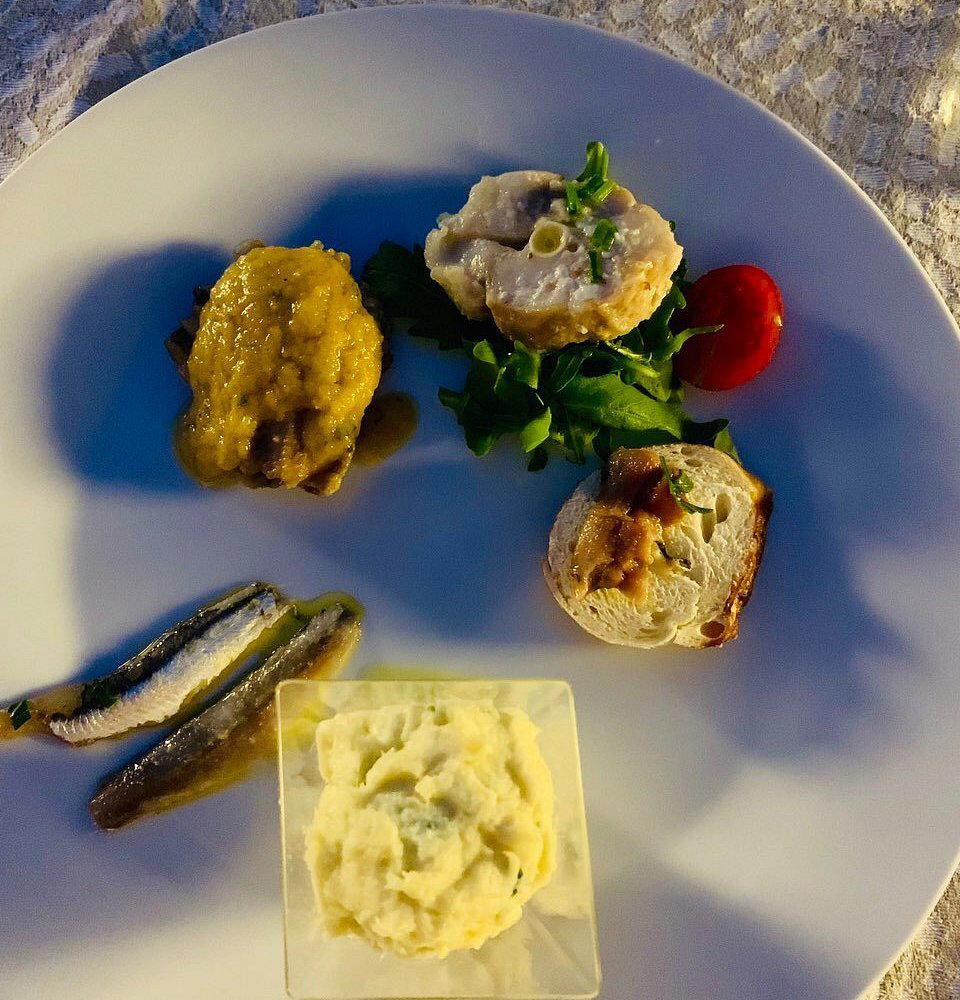
Istrian cuisine is not complicated food, but it is specific. The flavours tend toward earthiness and richness: truffle shaved over egg pasta, wild boar braised with local wine, dishes where the ingredient is the point rather than the technique. This is not the intervention-heavy modern cooking of Alfred Keller in Mali Lošinj or the internationally literate format of LD Restaurant in Korčula. The reference points are older and more local.
The truffle season, running from roughly September through January for white truffles and extending across more of the year for black, is the moment when Istrian inland restaurants perform at their most concentrated. Outside that window, the kitchen pivots to other seasonal forage and produce, but the structural logic of the menu remains the same: what is available, what is grown nearby, what the tradition of this specific valley produces.
Wine follows a similar logic. Istria's wine culture has matured significantly over the past two decades, and the local Malvazija Istarska and Teran varieties pair naturally with the earthy, truffle-forward cooking of the region's interior. A restaurant operating at this level in this specific geography would be expected to carry a serious local wine list.
Planning Your Visit
Sovinjak is accessible by car from Buzet, a drive of a few kilometres through the valley. Public transport to the village is not a practical option, so a hire car or private transfer is the realistic approach for anyone visiting from the coast. The Istrian interior is generally less crowded than coastal Croatia between May and August, but the autumn truffle season from October onward brings its own influx of visitors, and advance planning during that window is advisable. Given the restaurant's scale and rural setting, a reservation is the correct assumption before any visit.
For travellers comparing Toklarija against other benchmarks in the premium Croatian dining circuit, it operates in a register closer to BioMania Bistro Bol in Bol or Bodulo in Pag in terms of its commitment to a specific regional produce story, and further from the urban polish of something like Burin in Crikvenica. The gap between Istrian farmhouse dining and the international technical ambition of somewhere like Le Bernardin in New York City or Atomix in New York City is considerable, but the comparison is useful precisely because it clarifies what Toklarija is for: it is a restaurant for a specific place and its specific food, made slowly, across an evening in the Istrian hills.
What It’s Closest To
Comparable venues nearby, for context on price, style, and recognition.
| Venue | Cuisine | Price | Notes |
|---|---|---|---|
| ToklarijaThis venue — the venue you are viewing | Traditional Istrian Slow Food | $$$ | Not listed |
| Vela Vrata | Istrian Mediterranean Fine Dining | $$$ | Buzet |
| Stara Oštarija | Traditional Istrian Trattoria | $$ | Buzet |
| Plavi podrum | Modern Mediterranean Seafood | $$$ | Volosko |
| Farabuto | Istrian-Mediterranean Slow Food | $$$ | Outskirts of Pula city centre |
| Gatto Nero | Istrian Mediterranean Seafood & Truffles | $$$ | Novigrad |
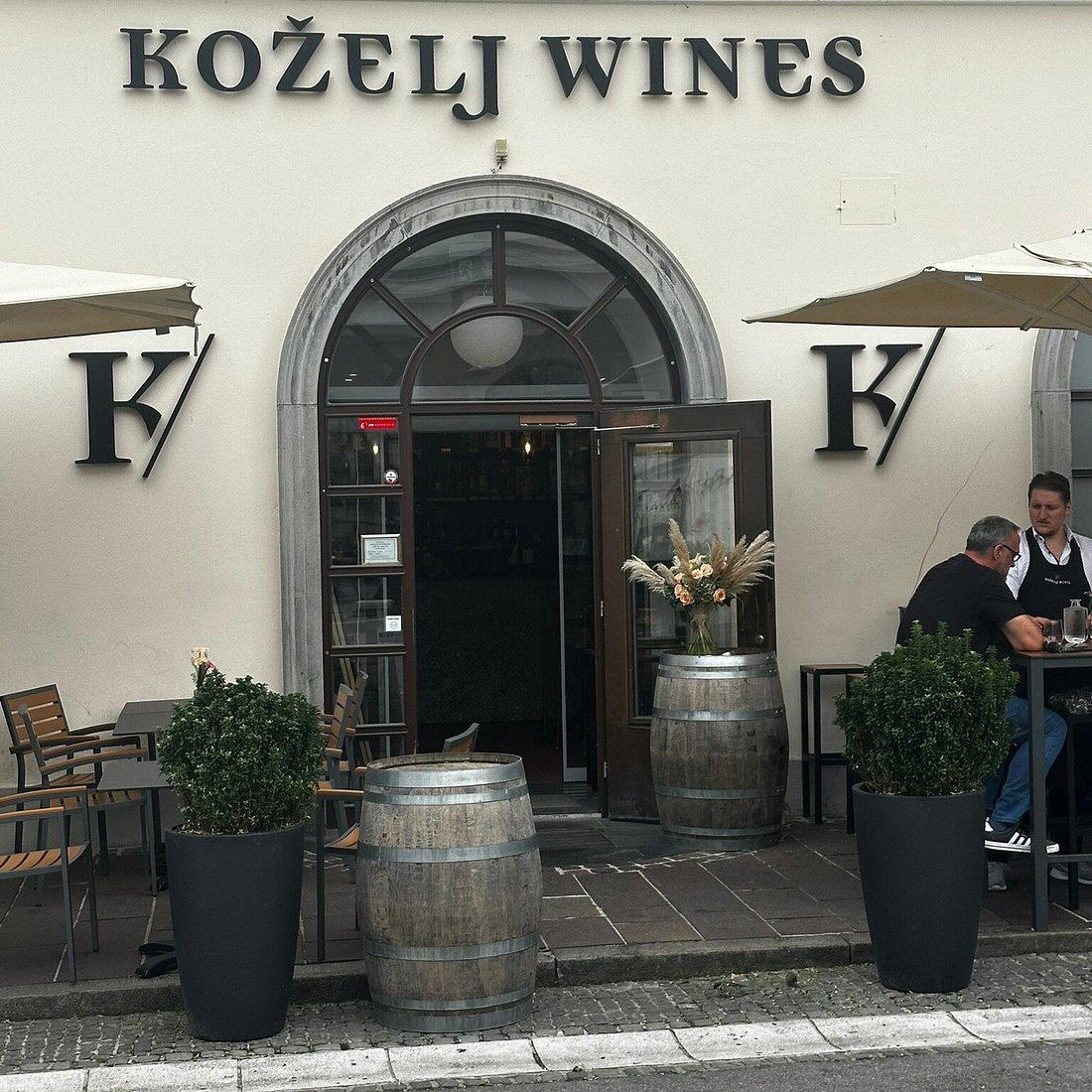
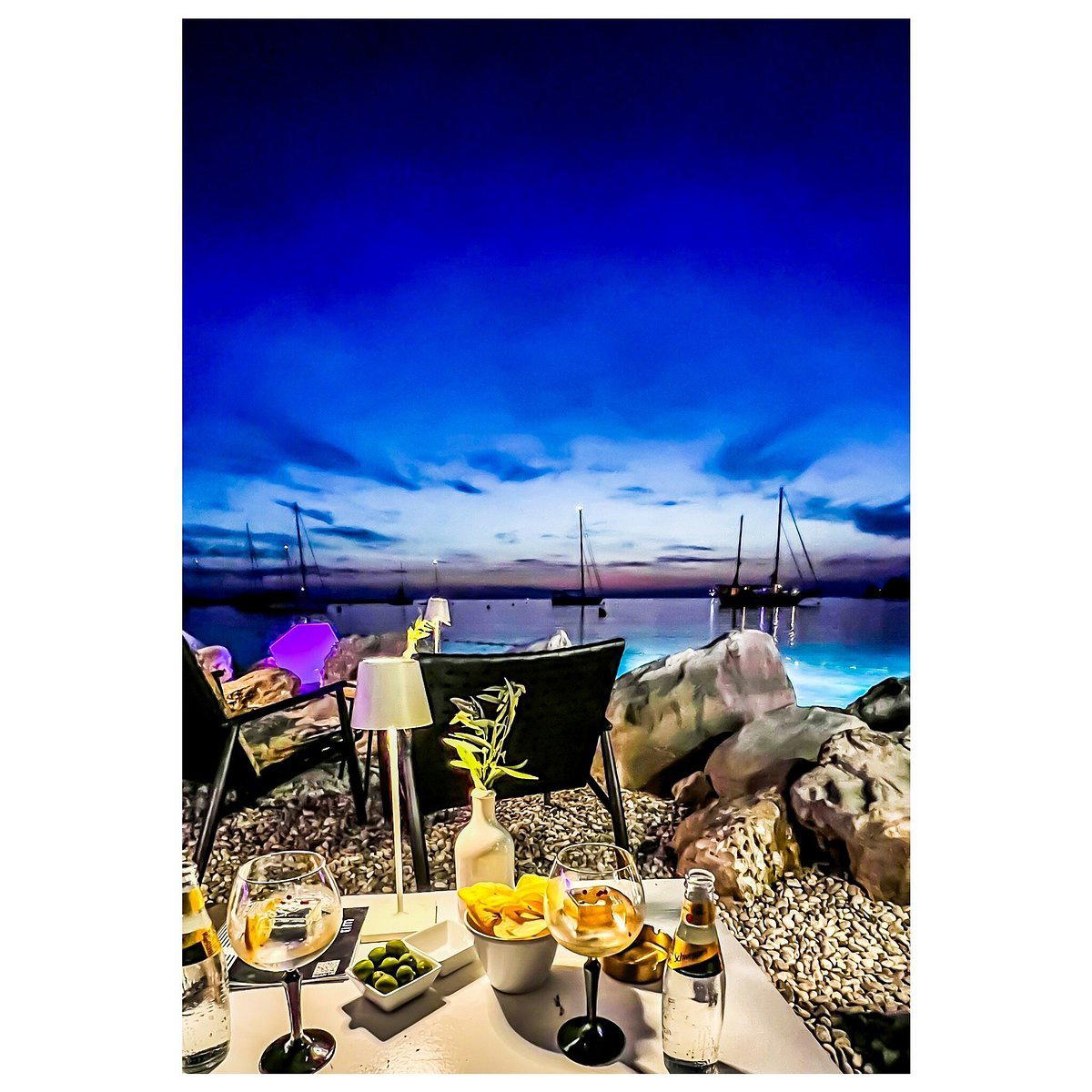
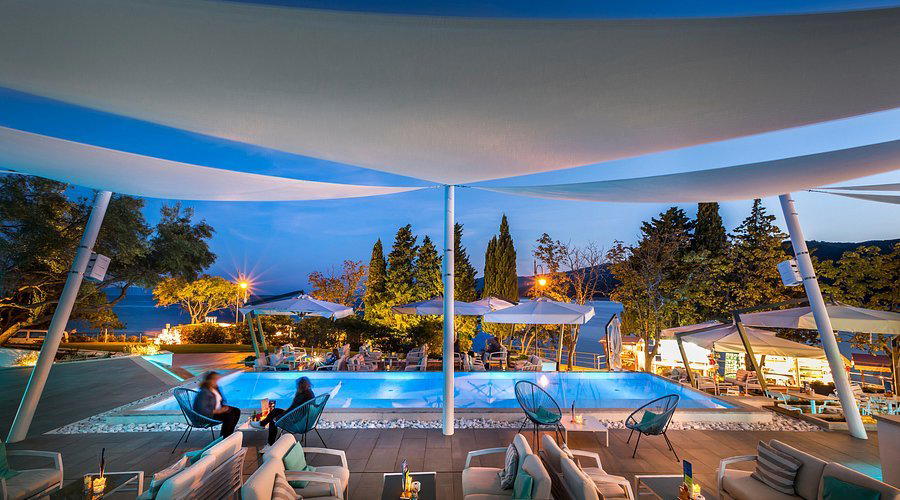
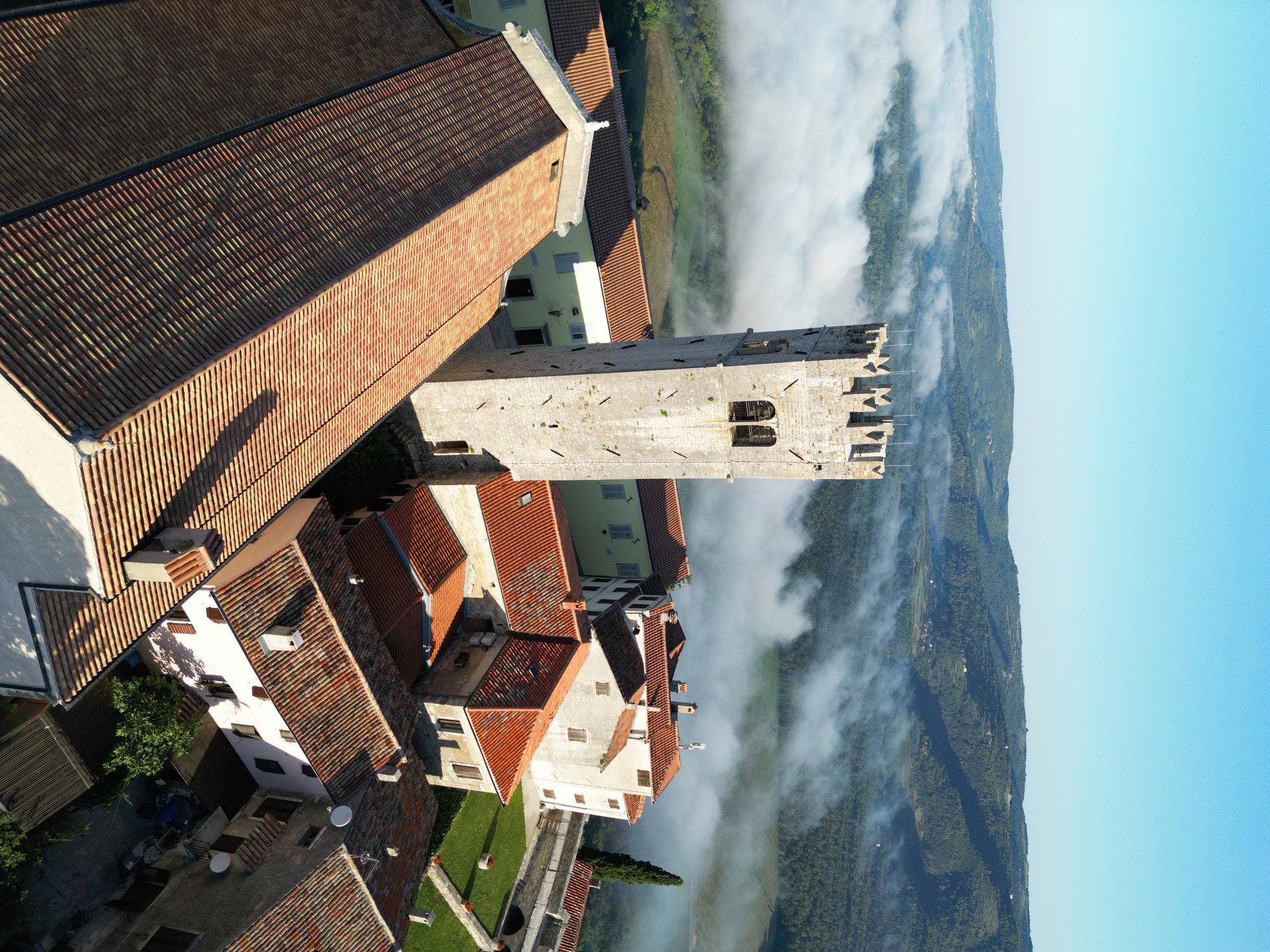

At a Glance
- Cozy
- Rustic
- Intimate
- Scenic
- Special Occasion
- Date Night
- Historic Building
- Local Sourcing
Current opening hours
- Monday
- 1–10 PM
- Tuesday
- Closed
- Wednesday
- 1–10 PM
- Thursday
- 1–10 PM
- Friday
- 1–10 PM
- Saturday
- 1–10 PM
- Sunday
- 1–10 PM
Hours can change for holidays and private events. Last verified .
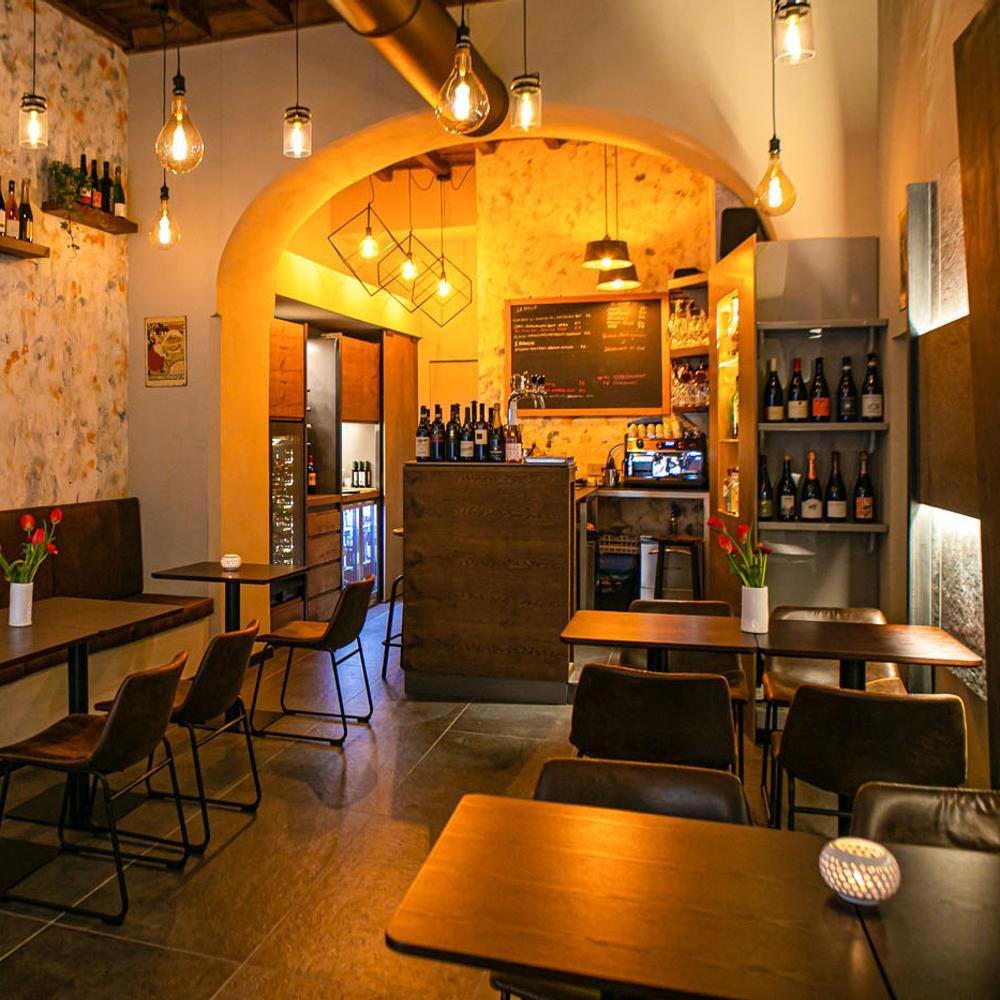
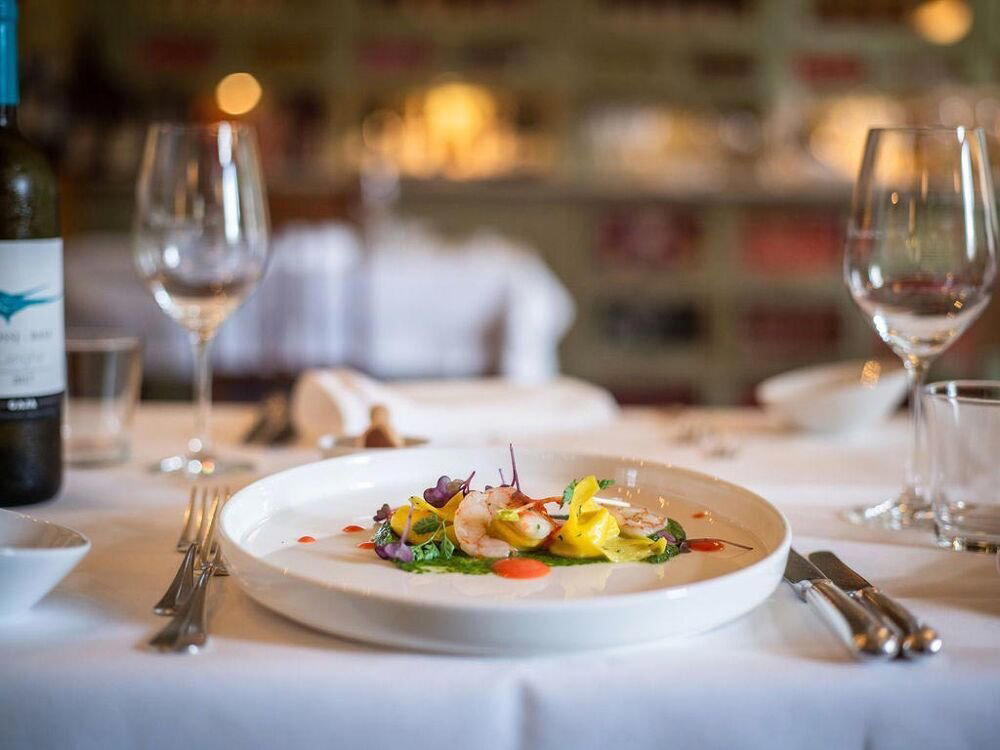
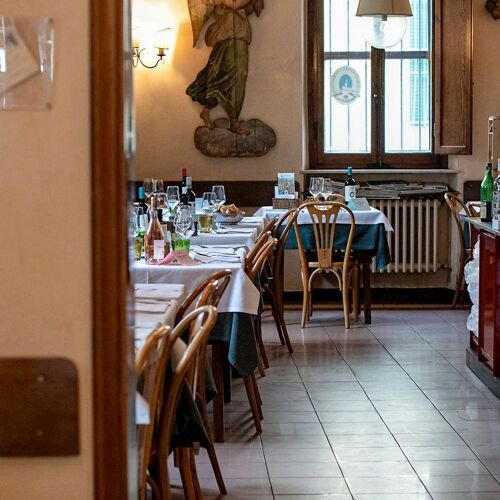
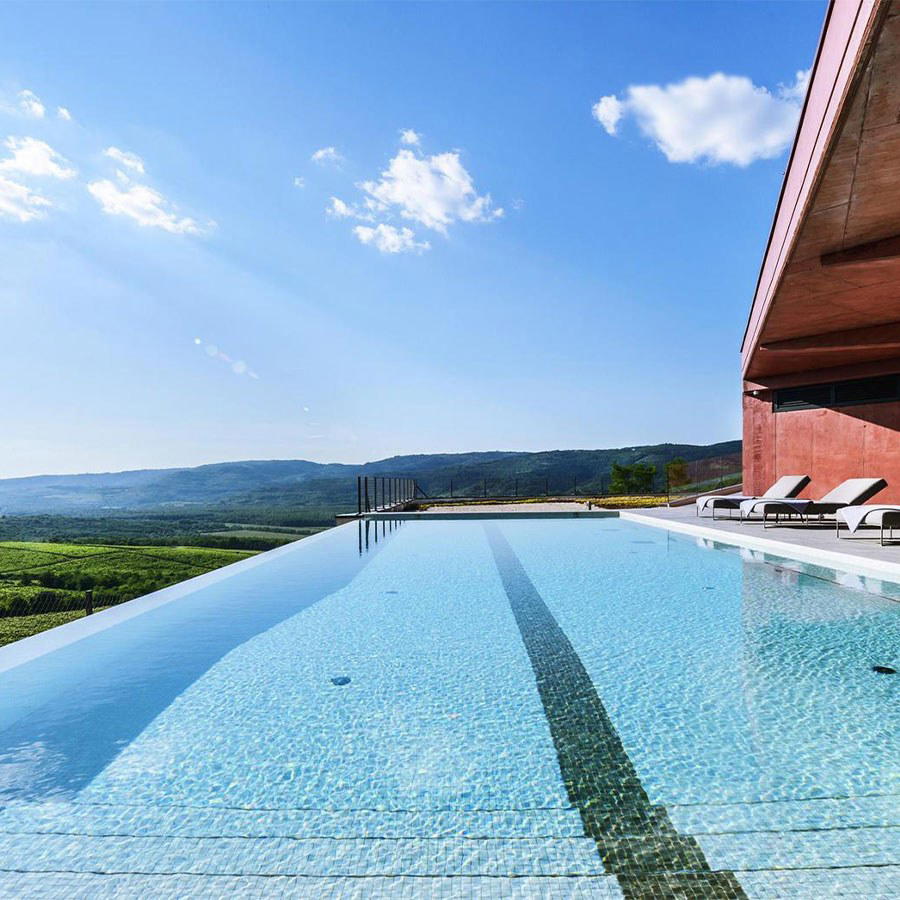
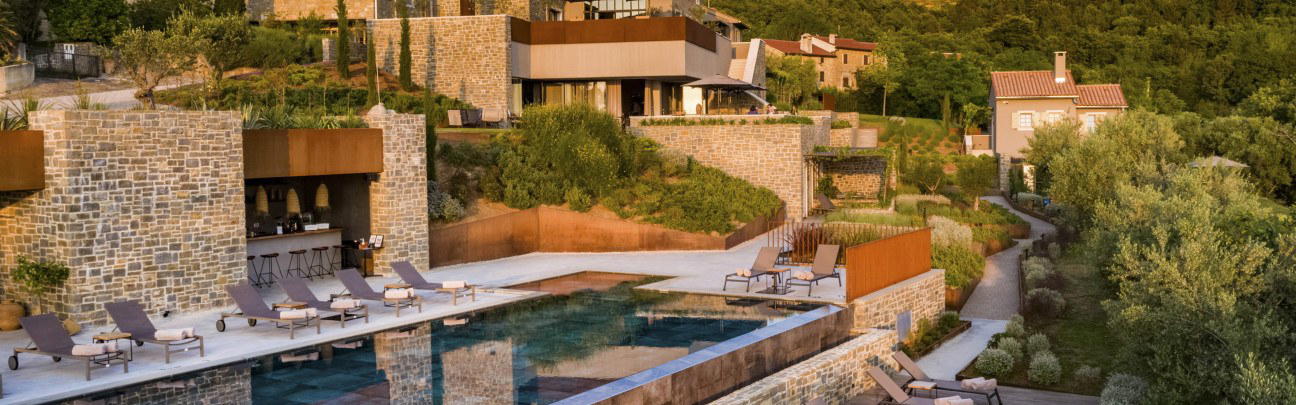
Cozy and charming stone-walled interior with a relaxed, nature-surrounded terrace, offering a quiet and intimate rustic atmosphere.