
Plavi podrum occupies a seafront address on Opatija's historic Lungomare promenade, where the Kvarner Gulf sets the frame for cooking that leans hard into the Adriatic larder. The restaurant has built a reputation among serious diners on Croatia's northern coast as a reference point for regional seafood cuisine, positioned alongside peers like Bevanda and Cubo in Opatija's upper dining tier.
Pearl is the En Primeur Club membership app — saves, bookings, and concierge access live there. Same editors, same standards.
- Address
- Obala Frana Supila 6, 51410, Opatija, Croatia
- Phone
- +38551701223
- Website
- plavipodrum.com
- Directions
- Get directions
 Saves & bookings on Pearl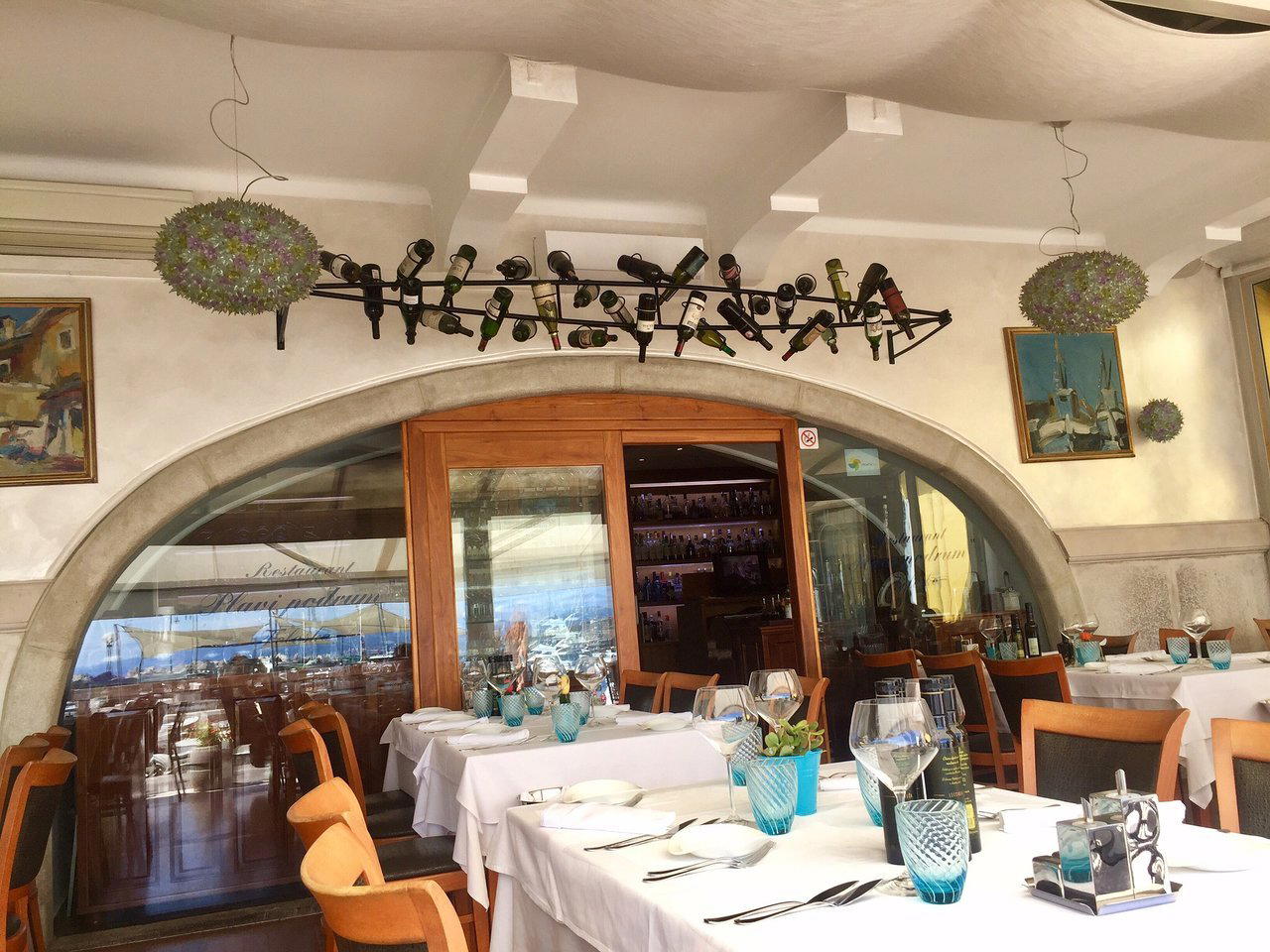
A Waterfront Table on the Kvarner Gulf
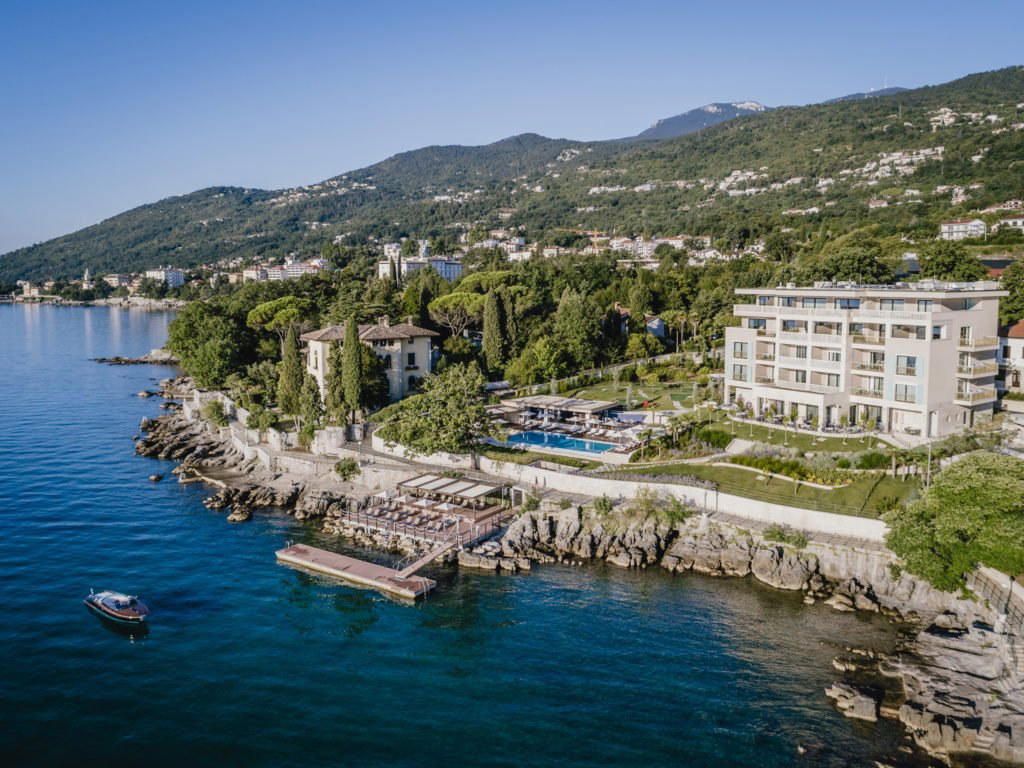
Approach Plavi podrum along the Lungomare, the Habsburg-era coastal walkway that threads past Opatija's grand villas and open water, and the setting arrives before the food does. The name translates literally as "Blue Cellar", and the address, Obala Frana Supila 6, places it directly against the Kvarner Gulf, where the Adriatic opens toward the islands of Cres and Lošinj on the horizon. In a town whose identity was built on aristocratic leisure and sea air, this kind of positioning is not incidental. The water is the argument, and the kitchen responds to it.
Opatija occupies an unusual position in Croatian fine dining. Unlike Dubrovnik, which draws its restaurant clientele overwhelmingly from international tourism, or Zagreb, which operates on a domestic urban register, Opatija functions as a resort town with a historically affluent, largely central European base. The Austro-Hungarian resort culture that shaped the town in the late nineteenth century left behind an appetite for formality and table service that persists in its better restaurants. Plavi podrum operates within that tradition, at the upper end of an Opatija dining tier that includes Bevanda and Cubo, restaurants where the setting and the regional ingredient sourcing carry as much weight as the cooking technique.
What the Menu Reveals About the Kitchen
The editorial angle that matters most at a restaurant like Plavi podrum is not the individual dish but the logic of menu architecture, specifically, what the structure of the menu reveals about the kitchen's priorities and its relationship to the surrounding region. On the northern Adriatic coast, that relationship is almost always a negotiation between local catch and continental technique, between the immediacy of the sea and the more deliberate influences from Italian and Central European cooking traditions that have shaped this coastline for centuries.
Kvarner cuisine has a distinct identity within Croatian cooking. The gulf produces scampi that have a different character from those caught further south, owing to the colder, deeper water and the specific benthic conditions of the northern Adriatic. Fish from these waters, dentex, John Dory, sea bass, bream, appear across the region's better kitchens, but the distinction between a menu that uses these ingredients as background and one that builds its architecture around them is immediately legible. A menu structured around the Kvarner larder will move through seasons, respond to availability, and treat the fish itself as the primary argument rather than as a vehicle for sauce or technical display.
Adriatic seafood restaurants operating at this level generally split between two structural approaches: the broad-church menu that accommodates meat, pasta, and international reference points alongside the fish programme, and the more focused offering that commits to the sea as its central logic. Both models exist across the northern Croatian coast, from Agli Amici Rovinj in Rovinj to Nebo by Deni Srdoč in Rijeka, and each reveals something different about how a kitchen reads its location. The restaurant's waterfront address makes a strong case for the latter emphasis, though the full shape of the current menu requires direct verification at the time of booking.
The Neighbourhood and the comparable set
Opatija's restaurant scene is more stratified than its modest size might suggest. At the entry level, konoba-style cooking, grilled fish, peka-roasted lamb, local wine by the carafe, dominates the side streets away from the water. Konoba Istranka represents this tradition well. At the opposite end of the spectrum, restaurants like Antiqua Osteria da Ugo occupy a more formal Italian-inflected register. Nami Sushi Restaurant demonstrates that Opatija's dining base is cosmopolitan enough to sustain non-regional formats.
The restaurant sits within the upper tier of this comparable set, where the combination of location, service expectation, and ingredient sourcing places it in conversation with restaurants along the broader northern Adriatic coast. For context, the Croatian fine dining reference points in this part of the country include Alfred Keller in Mali Lošinj and Boskinac in Novalja, both operating on islands accessible from the Kvarner region and both working with a similar northern Adriatic ingredient base. Further along the Croatian coast, Pelegrini in Šibenik, LD Restaurant in Korčula, and Restaurant 360 in Dubrovnik define the upper end of Croatian coastal fine dining, while Krug in Split and Dubravkin Put in Zagreb anchor the inland and urban end of the national scene. Korak in Jastrebarsko adds another dimension of Croatian regional cooking to this picture.
For international comparison, restaurants operating at the level of seafood-focused fine dining that restaurant targets tend to be benchmarked against European coastal references. In global terms, Le Bernardin in New York City represents the apotheosis of the fish-forward fine dining format, while Atomix in New York City illustrates how tasting menu architecture can build a global reputation from a regional cooking tradition. These are distant comparators, but they illustrate the structural possibilities that a kitchen committed to a specific ingredient logic can pursue.
Planning Your Visit
Opatija's dining season peaks between May and September, when the Lungomare fills with visitors and waterfront tables become genuinely competitive. The northern Adriatic climate is milder than the Dalmatian coast further south, and shoulder season dining in April or October can offer a quieter, often preferable experience, the light on the Kvarner Gulf in autumn has a particular quality, and the summer crowds are absent. For a restaurant at Plavi podrum's address and apparent positioning, advance reservation is advisable during peak months; walk-in availability on summer evenings at seafront tables in Opatija's upper tier is unreliable. Booking via the restaurant directly, either by phone or in person, is the standard approach for the town's better establishments, as online booking infrastructure varies across Opatija's dining scene.
Reputation Context
Comparable venues nearby, for context on price, style, and recognition.
| Venue | Cuisine | Price | Notes |
|---|---|---|---|
| Plavi podrumThis venue — the venue you are viewing | Modern Mediterranean Seafood | $$$ | Not listed |
| Ostaria Veranda | Mediterranean Seafood | $$$ | Volosko |
| Cubo | Contemporary Mediterranean Fine Dining | $$$ | Opatija |
| Trattoria Mandrać | Traditional Italian Trattoria with Seafood | $$ | Volosko |
| Navis | Modern Mediterranean Seafood | $$$ | Opatija |
| Roko | Traditional Croatian Mediterranean Seafood | $$ | Opatija Center |
Recognition history
Dated appearances from independent guides and award organizations, with the underlying list record or original source where available.
Michelin Plate
Michelin · 2026 Michelin Plate
Continue exploring
More in Opatija
Restaurants in Opatija
Browse all →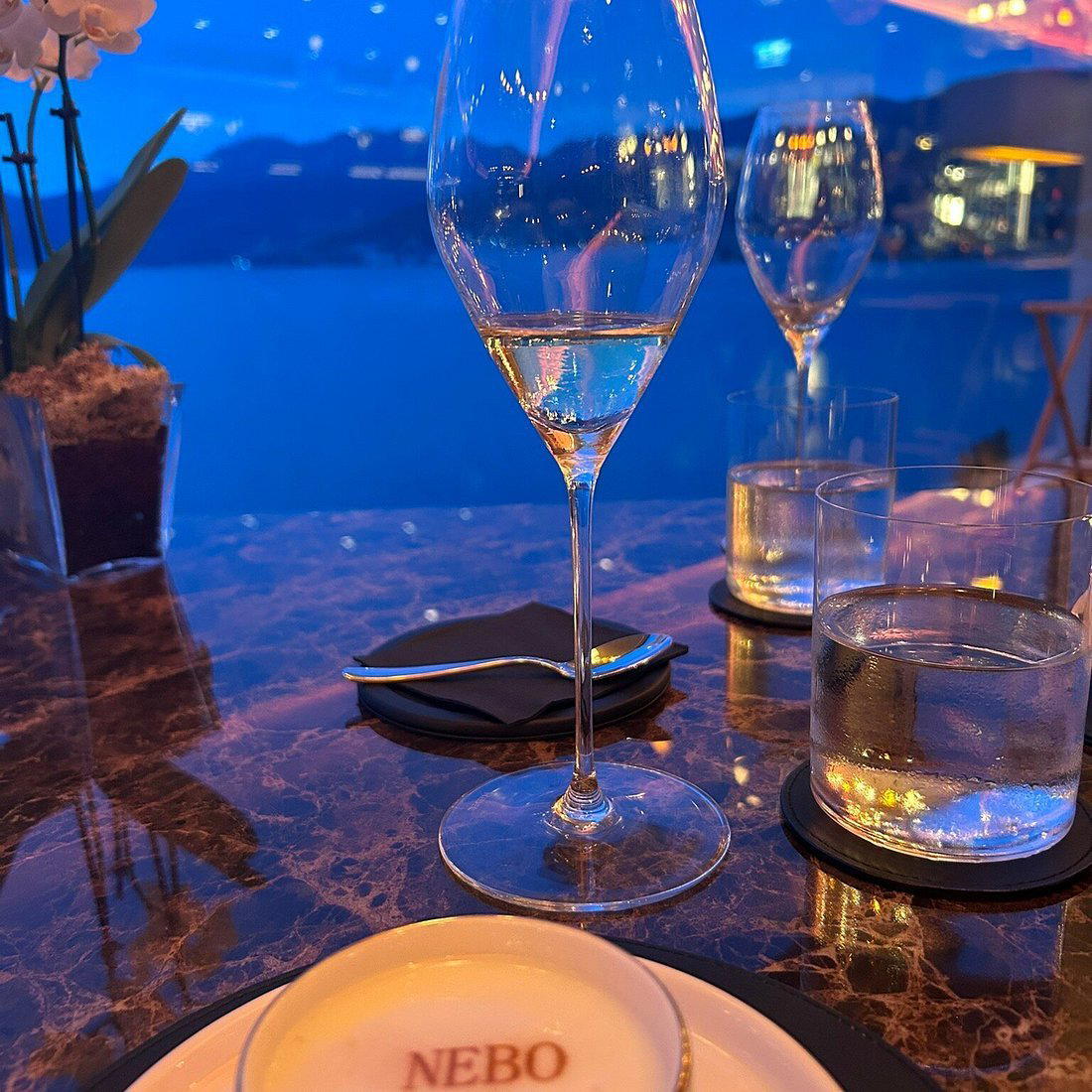
Bars in Opatija
Browse all →

Hotels in Opatija
Browse all →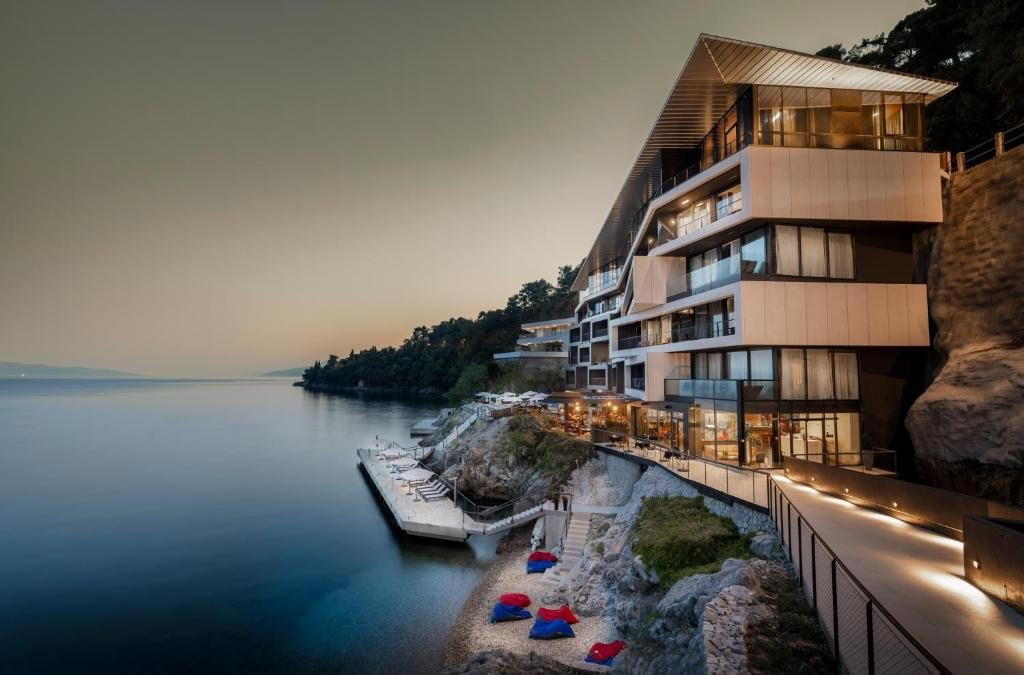
At a Glance
- Romantic
- Cozy
- Elegant
- Classic
- Scenic
- Date Night
- Special Occasion
- Waterfront
- Terrace
- Historic Building
- Extensive Wine List
- Sommelier Led
- Local Sourcing
- Waterfront
- Street Scene
Current opening hours
- Monday
- 12 PM–12 AM
- Tuesday
- Closed
- Wednesday
- 12 PM–12 AM
- Thursday
- 12 PM–12 AM
- Friday
- 12 PM–12 AM
- Saturday
- 12 PM–12 AM
- Sunday
- 12 PM–12 AM
Hours can change for holidays and private events. Last verified .
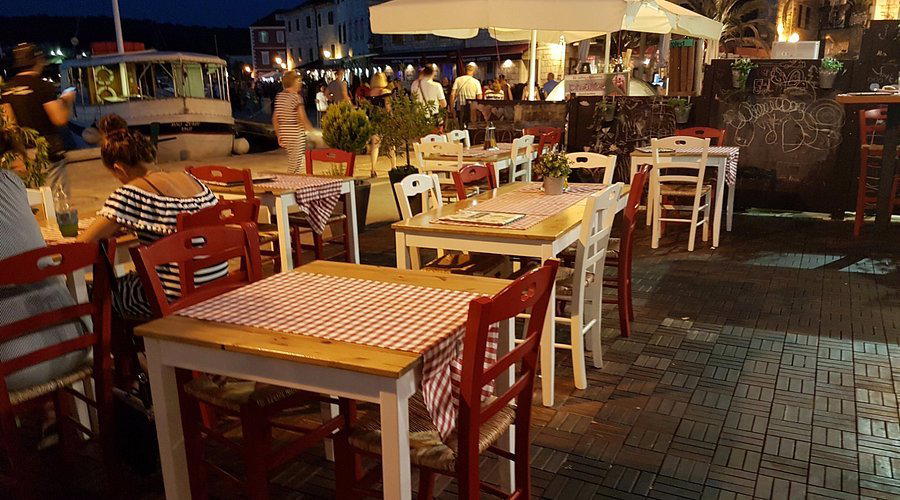
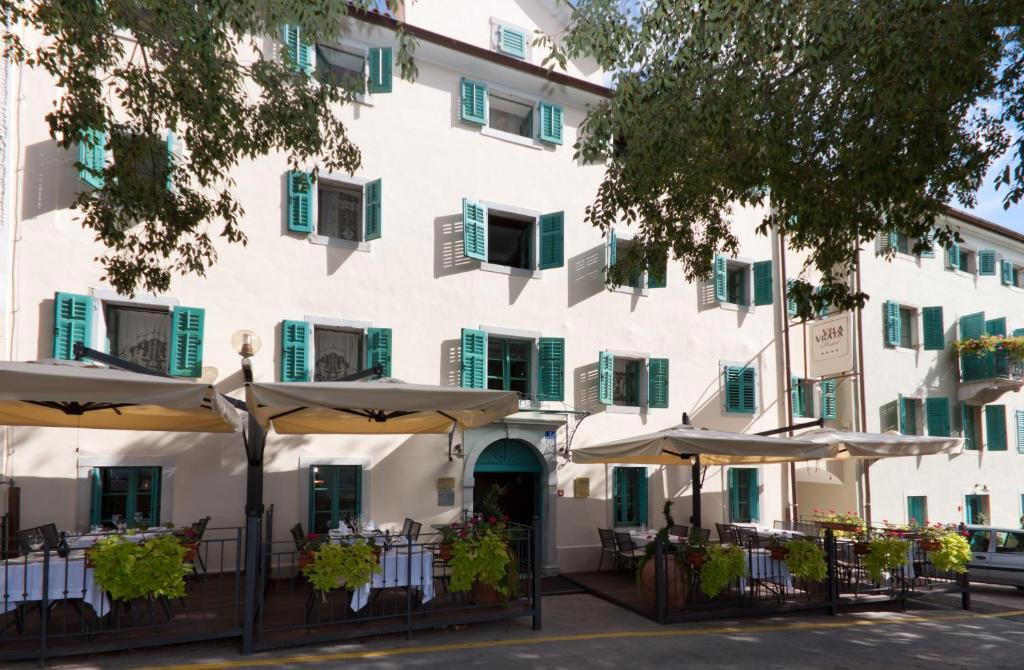
Romantic and cozy seaside atmosphere with shaded outdoor terrace overlooking the harbor, featuring beautifully presented modern Mediterranean dishes.