Stara Oštarija occupies the old town of Buzet, Croatia's hilltop truffle centre in the Istrian interior. The name references the traditional Venetian-Istrian tavern format, and the restaurant's position within that local identity places it in a different register from the coastal fine-dining circuit. It is an address for readers whose interest is in Istrian cooking as a regional tradition rather than as a modernised export.
Pearl is the En Primeur Club membership app — saves, bookings, and concierge access live there. Same editors, same standards.
- Address
- Ul. Petra Flega 5, 52420, Buzet, Croatia
- Phone
- +38552694003
- Website
- facebook.com
- Directions
- Get directions
 Saves & bookings on Pearl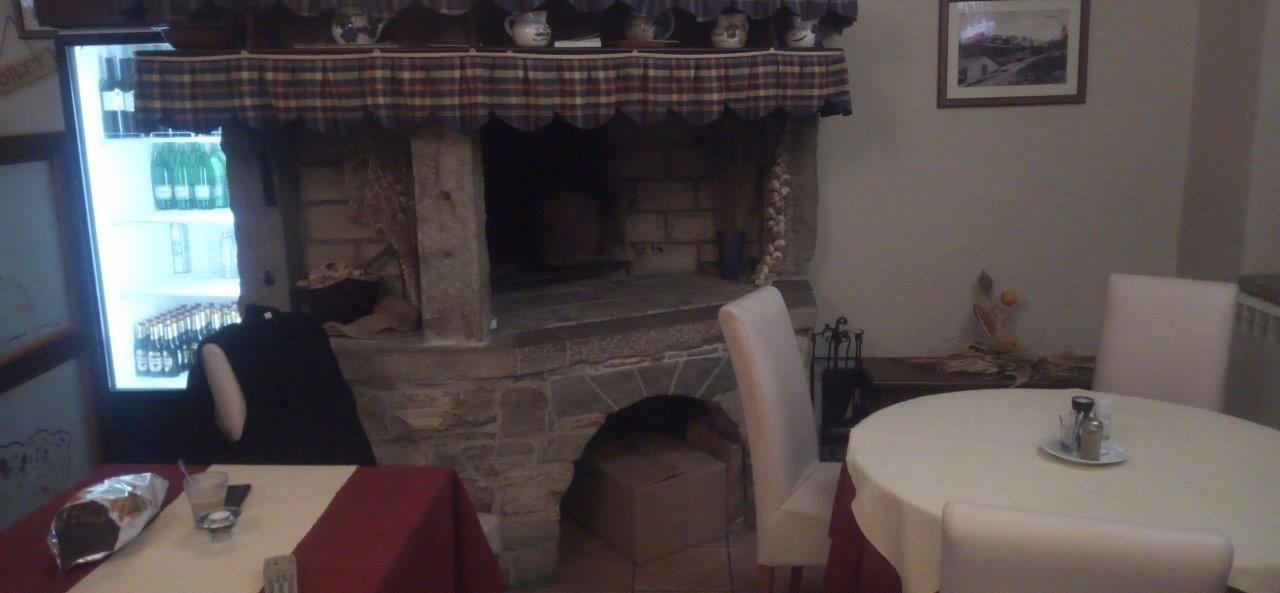
Stone Walls, Slow Tables: The Old Istrian Kitchen in Buzet
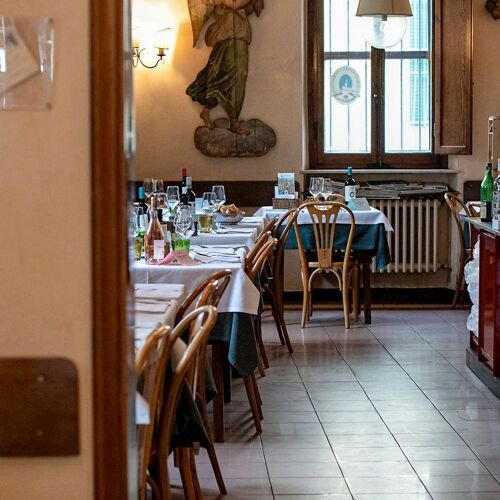
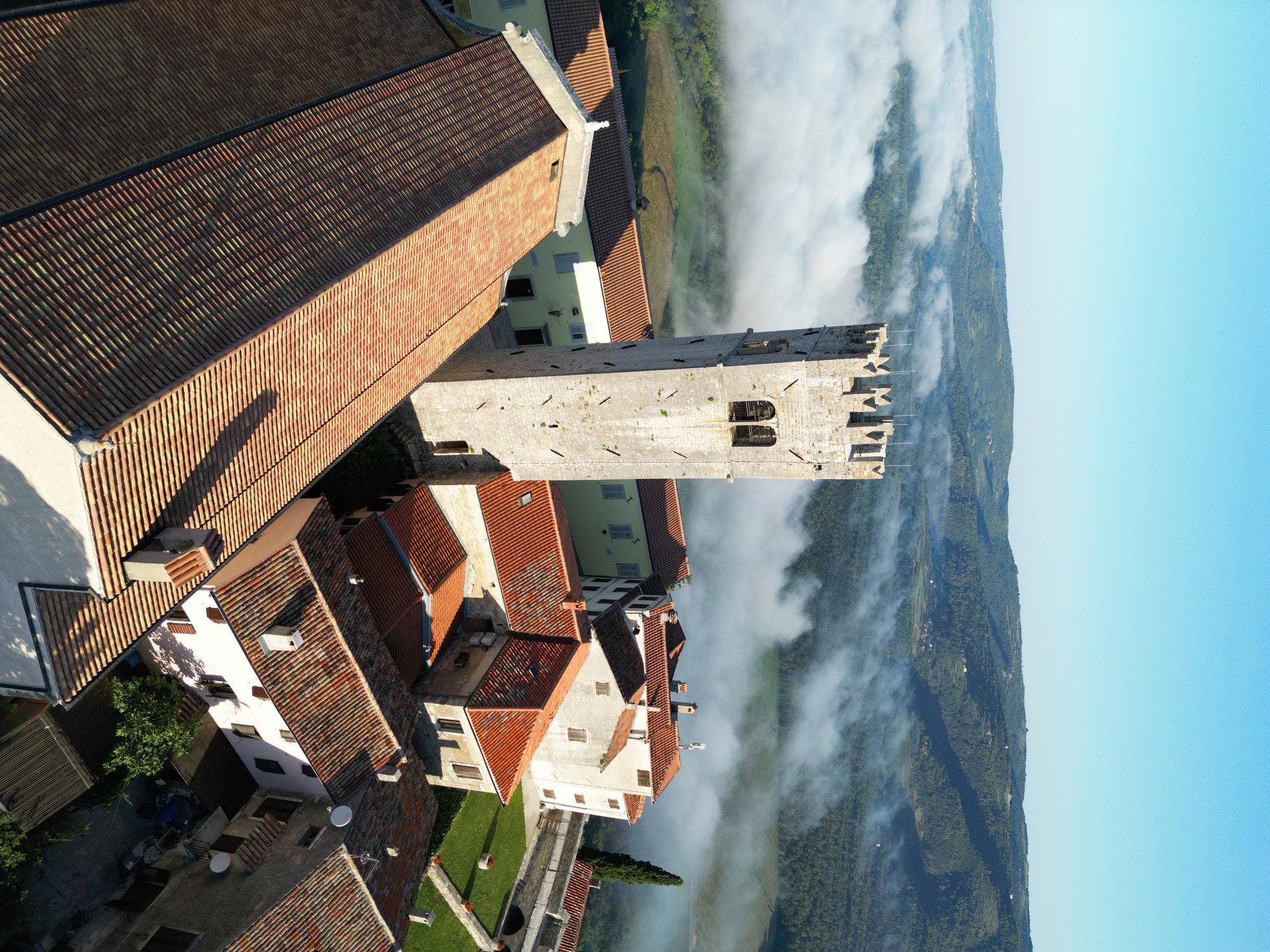
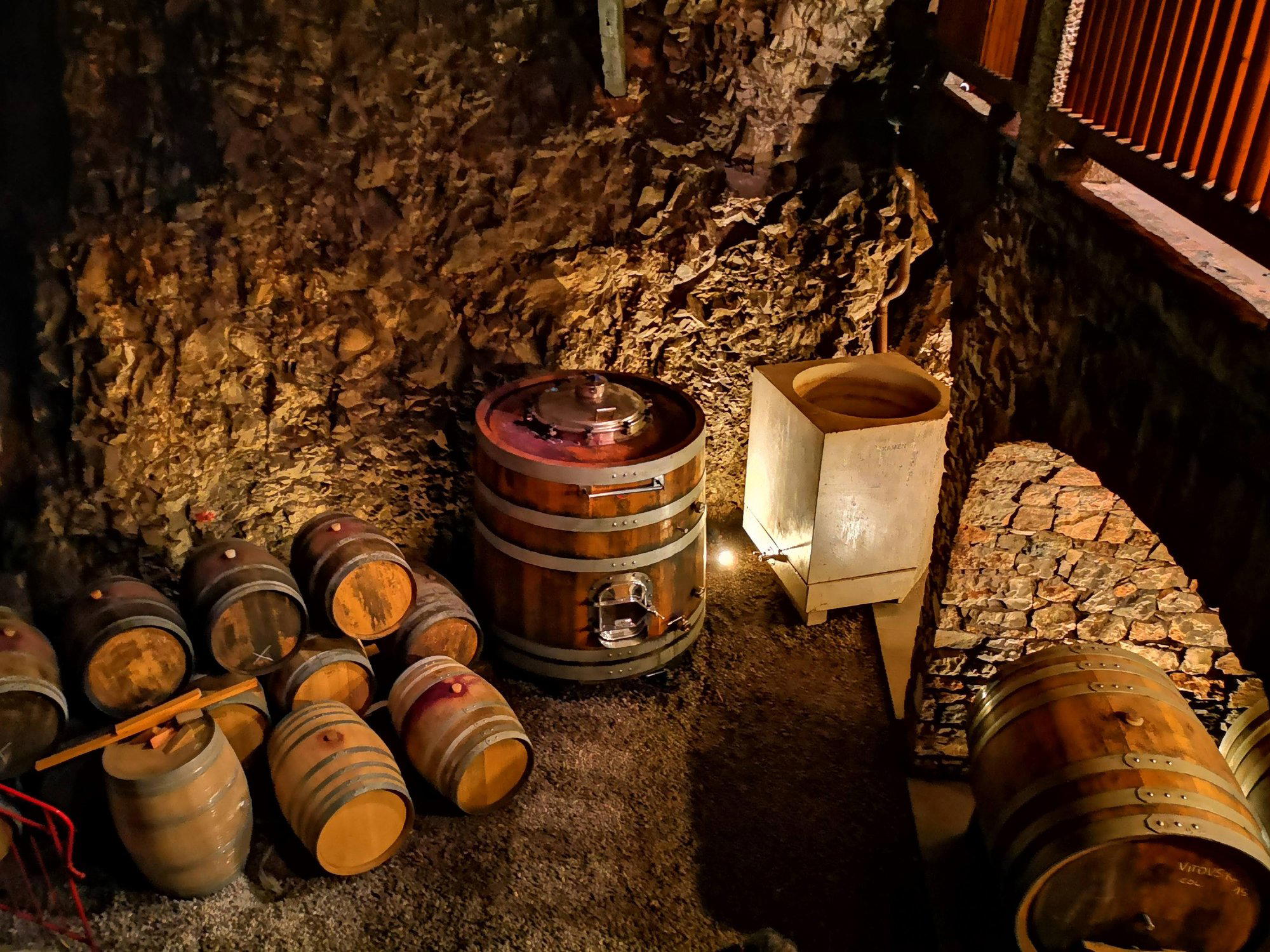
Stara Oštarija is a restaurant in Buzet, Croatia, serving traditional Istrian trattoria cooking at about $25 per person. The streets here are narrow and largely unchanged by the pressures that have altered coastal Istria, and the dining culture reflects that distance from the tourist circuit. At Stara Oštarija on Ul. Petra Flega, the physical context does much of the work before a plate arrives: stone interiors, a pace governed by the kitchen rather than the clock, and a room where the word oštarija (the old Istrian-Venetian term for a tavern or inn) carries genuine historical weight rather than serving as branding shorthand.
The Cultural Grammar of Istrian Cooking
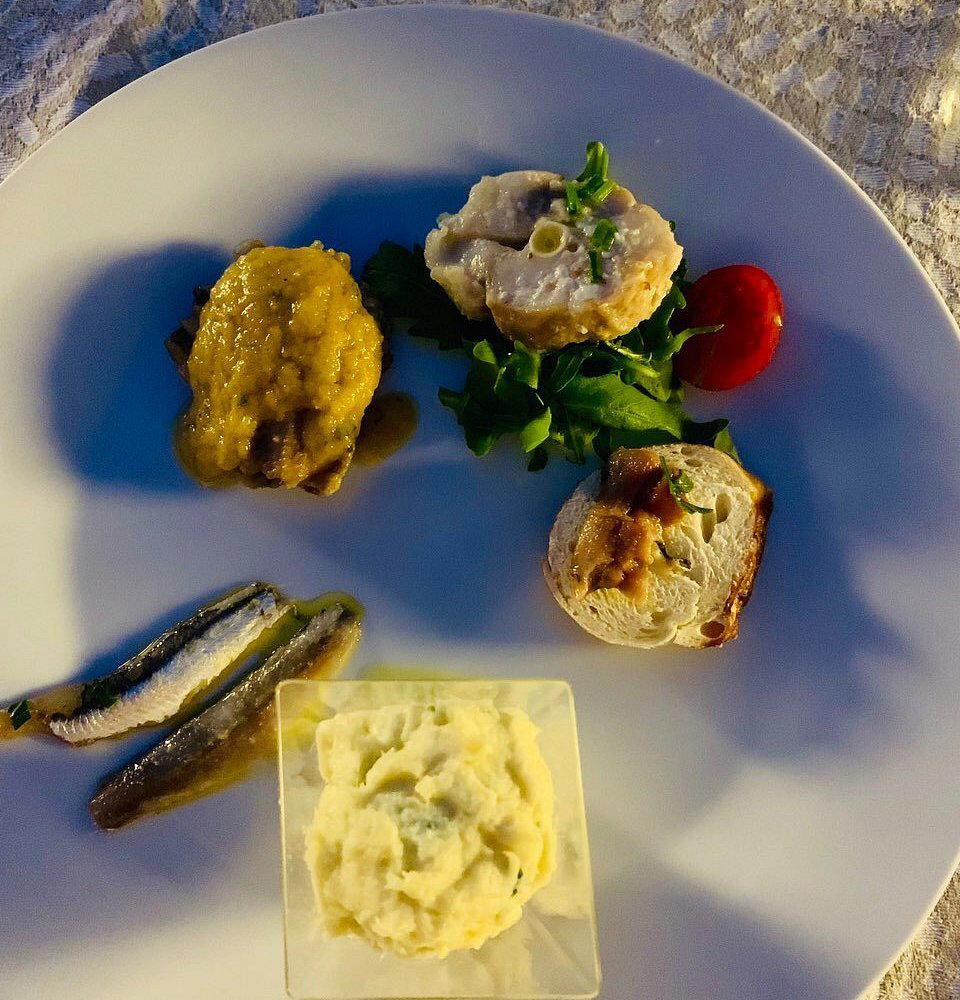
To understand what a place like Stara Oštarija represents, it helps to understand what the Istrian kitchen actually is. Istria occupies an unusual position in European food culture: it is simultaneously Croatian, Venetian, and Austro-Hungarian in its culinary inheritance, and that layering produced a cuisine that does not map neatly onto any single national tradition. The peninsula's interior, of which Buzet is the highest and most austere example, developed a kitchen shaped by altitude and forest rather than coast and catch. Truffles from the Motovun forest, wild game, hand-rolled pasta called fuži or pljukanci, and slow-braised meats are the grammar of this cuisine. Olive oil comes from lower elevations; the interior towns reached for lard and smoke. That distinction still matters at tables in Buzet today.
The Mirna valley is among the few European food regions where a single ingredient, the black and white truffle, has genuinely shaped the economic and culinary identity of its settlements. Buzet markets itself as the truffle capital of Croatia with reasonable justification: the surrounding forests produce both Tuber magnatum (white truffle, harvested autumn through December) and Tuber aestivum (summer truffle, June through November). Any serious dining room in the town will engage with this fact. The question at each address is not whether truffle appears, but how it is handled: as a seasoning that serves the dish's structure, or as a prestige signal applied after the fact.
Stara Oštarija Inside the Buzet Dining Field
Buzet is a small town and its restaurant field is correspondingly tight. The addresses that attract serious attention include Toklarija, which has established a longer track record for contemporary Istrian cooking, and Vela Vrata, which occupies a complementary position in the local dining circuit. The restaurant operates within this compact peer group, drawing on the same regional larder but doing so within an older, more traditional format. The name itself signals that positioning: this is a room that identifies with continuity over novelty. Within Istria more broadly, the high-end benchmark is set by addresses such as Agli Amici Rovinj in Rovinj, where Italian-contemporary technique meets Istrian ingredients at a price tier that places it in a national conversation. Buzet's interior tables operate differently: the format is more grounded, the ambition more local, and the price expectation calibrated accordingly.
Croatia's wider fine-dining conversation spans a range of formats and geographies. Pelegrini in Sibenik and Restaurant 360 in Dubrovnik represent the coastal, Michelin-adjacent tier operating at €€€€ price points. Nebo by Deni Srdoč in Rijeka and Dubravkin Put in Zagreb anchor the urban contemporary scene. The restaurant is positioned outside that tier by geography and format, serving a reader who wants to understand Istrian cooking from the inside rather than through a modernist lens. For broader regional context, Boskinac in Novalja, Alfred Keller in Mali Losinj, and Krug in Split each demonstrate how Croatia's island and coastal addresses approach local ingredients with varying degrees of technical ambition.
What the Istrian Interior Offers a Traveller
The case for visiting Buzet rather than the coastal towns rests on the difference between a cuisine shaped by tourism demand and one that developed largely in its absence. The truffle trade kept Buzet's food culture economically viable without requiring it to perform for outside audiences at scale. That has consequences for what a table in the town's older dining rooms actually delivers: portions sized for appetite rather than presentation, wine lists weighted toward Istrian Malvazija and Teran rather than international selections, and a rhythm to service that assumes the meal is the evening's plan rather than part of a broader itinerary.
Seasonal timing shapes the experience considerably. White truffle season, running from October through December, is when the Buzet tables are at their most distinctive and their busiest. Reservations at the town's known addresses during this window require planning, particularly on weekends when visitors from Pula, Rijeka, and further arrive with specific intent. The summer truffle season offers a quieter version of the same table, with the ingredient present but less commanding, and the room accordingly less pressured.
Planning a Visit
Buzet is reachable by car from Pula (approximately 60 kilometres) and from Rijeka in similar driving time, making it a viable day trip from either coastal base, though an overnight stay in the hilltop town gives access to the morning market and the kind of evening pace that the dining rooms here are designed for. The restaurant's address on Ul. Petra Flega places it within the old town's walkable core.
Elsewhere in Croatia, LD Restaurant in Korčula, Korak in Jastrebarsko, BioMania Bistro Bol in Bol, Bodulo in Pag, and Burin in Crikvenica each represent distinct regional approaches worth setting alongside the Istrian interior. For readers whose dining frame of reference extends beyond Croatia, Le Bernardin in New York City and Atomix in New York City anchor the global tier against which European regional cooking is increasingly assessed.
Booking and Cost Snapshot
Comparable venues nearby, for context on price, style, and recognition.
| Venue | Cuisine | Price |
|---|---|---|
| Stara OštarijaThis venue — the venue you are viewing | Buzet, Traditional Istrian Trattoria | $$ |
| Toklarija | Sovinjak, Traditional Istrian Slow Food | $$$ |
| Vela Vrata | Buzet, Istrian Mediterranean Fine Dining | $$$ |
| Humska Konoba | Hum, Traditional Istrian Croatian | $$ |
| Mondo | Motovun, Modern Istrian Truffle Cuisine | $$ |
| Puli Pineta | Zminj, Traditional Istrian | $$ |

At a Glance
- Rustic
- Cozy
- Classic
- Special Occasion
- Family
- Historic Building
- Local Sourcing
Current opening hours
- Monday
- 12–5 PM
- Tuesday
- Closed
- Wednesday
- 12–4 PM, 6:30–9:30 PM
- Thursday
- 12–4 PM, 6:30–9:30 PM
- Friday
- 12–4 PM, 6:30–9:30 PM
- Saturday
- 12–5 PM, 6:30–9:30 PM
- Sunday
- 12–5 PM, 6:30–9:30 PM
Hours can change for holidays and private events. Last verified .
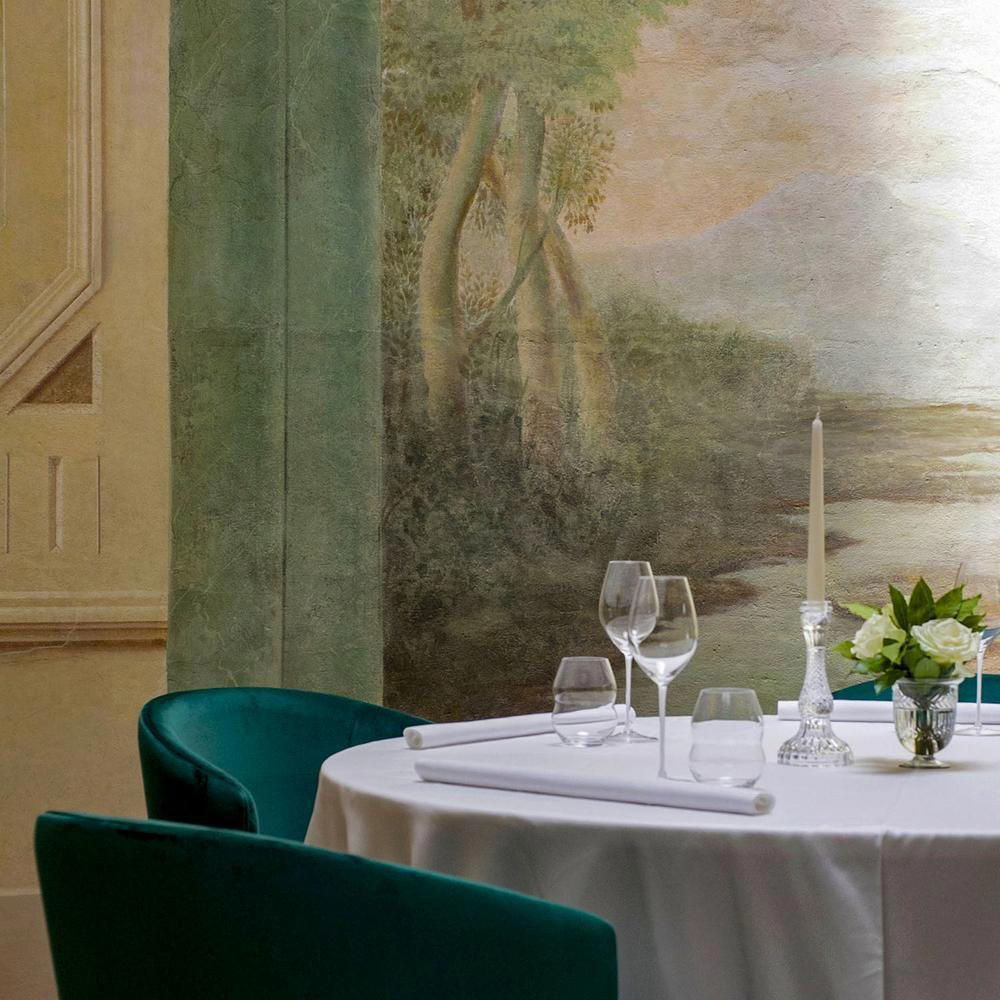
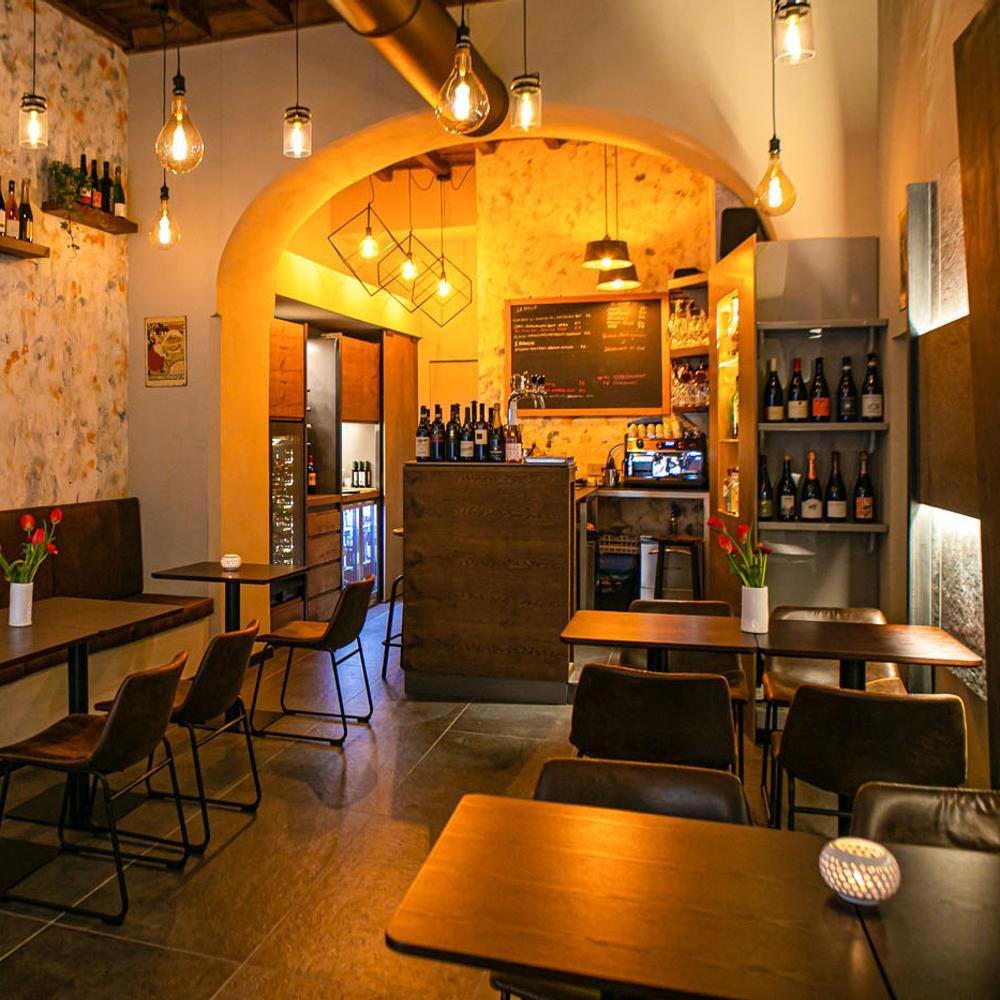
Charming rustic setting with a cozy, traditional atmosphere evoking Istrian heritage.