Tipsy Shanghai
Tipsy Shanghai sits on 3rd Avenue in Midtown East, occupying a corner of New York's sprawling Chinese dining spectrum that leans toward the convivial rather than the ceremonial. The address places it squarely in a neighbourhood where office crowds and local regulars set the pace, and the Shanghai reference signals a specific regional tradition within a city where regional Chinese distinctions increasingly matter to diners who know what to look for.
Pearl is the En Primeur Club membership app — saves, bookings, and concierge access live there. Same editors, same standards.
- Address
- 594 3rd Ave, New York, NY 10016
- Phone
- +12124666488
- Website
- tipsy-shanghai.com
- Directions
- Get directions
 Saves & bookings on Pearl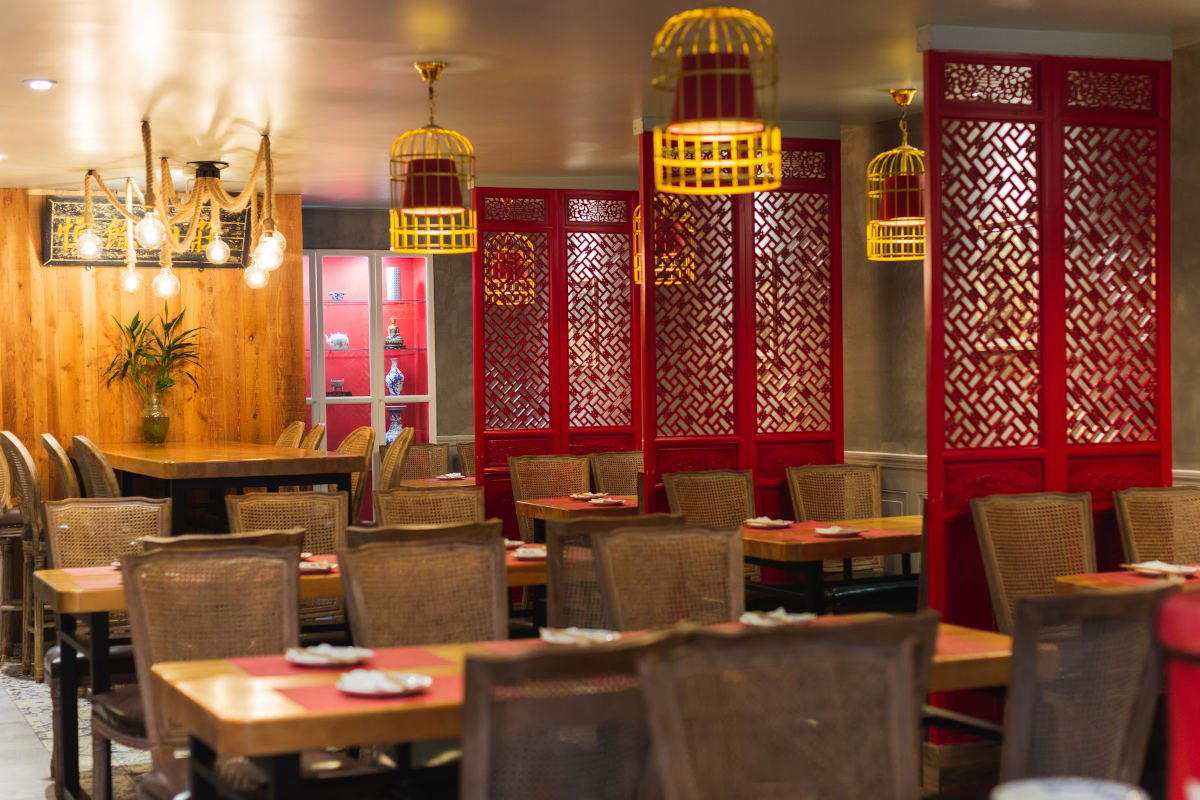
Shanghai in Midtown: Reading the Regional Signal
New York's Chinese restaurant sector has spent the last decade sorting itself into sharper regional categories. Where the default once flattened Cantonese, Shanghainese, Sichuan, and Hunan into a single catch-all identity, the current generation of diners and operators has pushed toward specificity. A Shanghai-flagged address in Midtown East is a deliberate marker, pointing toward a culinary tradition built on red-braised proteins, delicate soup dumplings, and the kind of sweetness in savoury dishes that distinguishes Jiangnan cooking from its spicier, oilier regional counterparts. Tipsy Shanghai is a restaurant in New York, NY, serving Shanghai Dumplings & Traditional Chinese at a price point of about $30 per person. It operates on a stretch of Midtown that has historically served lunch crowds from nearby offices and dinner traffic from Murray Hill residents rather than destination diners crossing boroughs.
The address itself is instructive. Third Avenue in the Kips Bay and Murray Hill corridor is a neighbourhood dining strip, not a fine-dining corridor in the way that the blocks around Le Bernardin or Per Se define their surroundings. That positioning matters: it tells you something about format, pace, and the expectations the kitchen is working against. Shanghai-style restaurants in this price band tend to run at volume, with a menu wide enough to absorb a table of four with different priorities, from the diner who wants xiao long bao to the one who wants wok-fried river shrimp.
The Jiangnan Tradition and What It Asks of a Kitchen Team
Shanghainese cooking is deceptively demanding on the floor and in the kitchen simultaneously, which makes the team dynamic at any credible Shanghai restaurant worth examining. The cuisine's signatures, soup dumplings, lion's head meatballs, braised pork belly in soy and Shaoxing wine, require precise timing between kitchen execution and tableside delivery. A soup dumpling that sits too long loses its structural integrity; a braised dish that arrives before the table is ready loses its heat and texture. The coordination between kitchen output and floor pacing is less forgiving than in cuisines where dishes hold.
This kind of pressure distinguishes well-run Shanghai operations from those that simply list the dishes. At higher-calibre Chinese restaurants in New York, the few that have attracted sustained critical attention, the front-of-house reads the table's pace and sequences accordingly, functioning less as order-takers and more as conductors. The same principle applies at more accessible price points: the restaurants that sustain neighbourhood loyalty over years are typically those where the floor team understands the menu well enough to guide unfamiliar diners toward the dishes the kitchen executes with the consistency, rather than defaulting to what prints most frequently on the bill.
For diners comparing options across the city's Chinese dining tiers, Tipsy Shanghai occupies a different register than the multi-course tasting formats or the prix-fixe Korean progressives like Atomix or Jungsik New York. It belongs instead to the category of regional specialists that serve a working neighbourhood with a specific culinary identity, the kind of place that anchors a block rather than attracts destination visits from across the five boroughs.
Midtown East's Dining Character and Where This Fits
Murray Hill and Kips Bay have historically been underserved by the kind of press attention that gravitates toward downtown neighbourhoods, yet the dining strip along 3rd Avenue between the 20s and 40s contains a genuine cross-section of New York's mid-market restaurant culture: Indian restaurants along Lexington, Korean barbecue concentrated further uptown, and pockets of pan-Asian options scattered throughout. A Shanghai-specific operator on this corridor is pointing at a particular slice of that audience: diners who want regional Chinese food with some specificity rather than a generalist pan-Asian menu, but who are not commuting to Flushing or the Lower East Side for it.
That audience tends to be consistent. Midtown East restaurant traffic is driven heavily by proximity, office lunch, post-work dinner, weekend neighbourhood eating, which rewards operators who build regulars rather than those who chase one-time visitors drawn by press coverage. For operators in this category, the dining room team's relationship with returning guests matters as much as any single dish. The restaurants that accumulate years on a block like this do so because the floor knows the regulars well enough to anticipate preferences, and the kitchen has refined its core dishes to a standard the neighbourhood trusts.
Readers interested in how other American cities handle regional specialists at varying price points can also look at Emeril's in New Orleans, Lazy Bear in San Francisco, Alinea in Chicago, Providence in Los Angeles, Blue Hill at Stone Barns in Tarrytown, Single Thread Farm in Healdsburg, The French Laundry in Napa, Addison in San Diego, The Inn at Little Washington, Bacchanalia in Atlanta, and for international reference points, 8 1/2 Otto e Mezzo Bombana in Hong Kong and Alain Ducasse at Louis XV in Monte Carlo. And at the summit of New York's own dining register, Masa remains the reference point for what Japanese counter dining charges when execution and provenance are treated as absolutes.
Planning Your Visit
Tipsy Shanghai is located at 594 3rd Avenue, New York, NY 10016, in the Murray Hill section of Midtown East, accessible by subway on the 6 line at 33rd Street. As with most neighbourhood Chinese restaurants in this format, the operation is better suited to groups of two to four than to solo dining at peak hours. Given the cuisine's emphasis on shared plates, arriving with a clear sense of which categories you want to cover, soup dumplings, cold appetisers, braised mains, is more useful than working through the menu sequentially. The restaurant is open daily from 11 AM to 9 PM, and reservations are recommended.
Quick reference: 594 3rd Ave, Murray Hill, New York, NY 10016. Accessible via the 6 train at 33rd St.
Comparable Spots
Comparable venues nearby, for context on price, style, and recognition.
| Venue | Cuisine | Price | Notes |
|---|---|---|---|
| Tipsy ShanghaiThis venue — the venue you are viewing | Shanghai Dumplings & Traditional Chinese | $$$ | Not listed |
| Peking Duck House | Traditional Peking Duck House | $$$ | Chinatown-Two Bridges |
| Pig Heaven | Taiwanese-Style Chinese with Pork Specialties | $$ | Upper East Side-Carnegie Hill |
| Grand Sichuan House | Authentic Sichuan Chinese | $$ | Bay Ridge |
| Royal Seafood | Cantonese Dim Sum | $$ | SoHo-Little Italy-Hudson Square |
| Szechuan Mountain House | Authentic Sichuan | $$ | East Village |
Continue exploring
More in New York City
Restaurants in New York City
Browse all →
Bars in New York City
Browse all →

Hotels in New York City
Browse all →





At a Glance
- Elegant
- Cozy
- Modern
- Casual Hangout
- Standalone
Current opening hours
- Monday
- 11 AM–9 PM
- Tuesday
- 11 AM–9 PM
- Wednesday
- 11 AM–9 PM
- Thursday
- 11 AM–9 PM
- Friday
- 11 AM–9 PM
- Saturday
- 11 AM–9 PM
- Sunday
- 11 AM–9 PM
Hours can change for holidays and private events. Last verified .
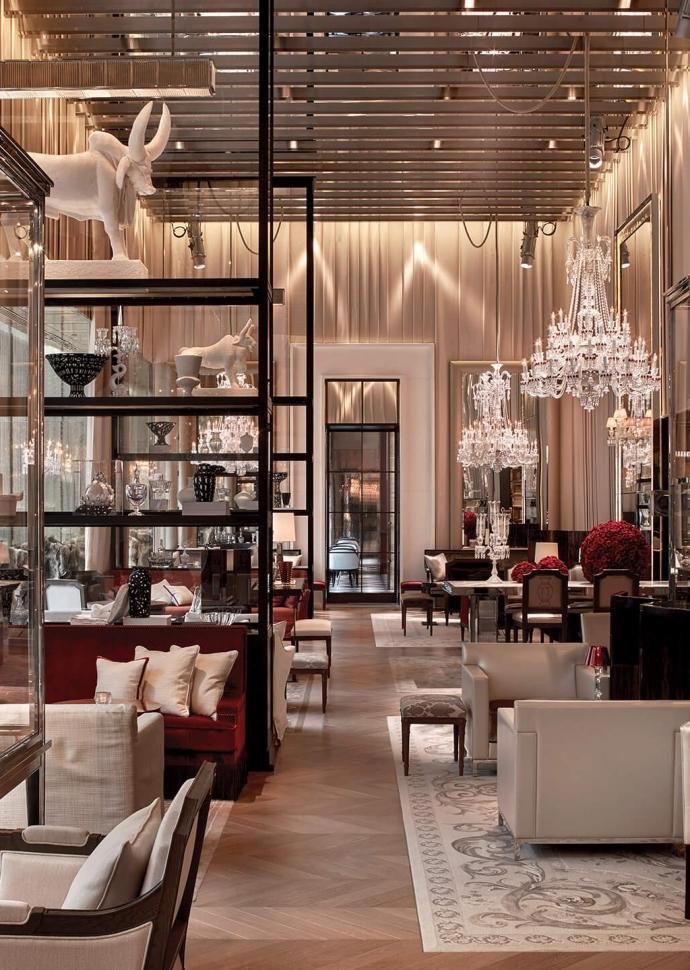
Pleasant atmosphere with beautiful decor featuring ornaments evoking traditional Chinese eateries.