Szechuan Mountain House

Our verdict
Szechuan Mountain House on St. Marks Place applies the full arithmetic of Sichuan peppercorn heat, from mapo tofu to fish in hot oil, with a nuance that separates it from the neighborhood's more superficial spice merchants. The kitchen treats mala not as a gimmick but as a structural element, earning. For East Village diners who want the real register of Chengdu cooking, this is a reliable address.

Pearl is the En Primeur Club membership app, where members save venues, book tables and use the concierge.
The menu
What to order
- House Chicken
- Ma-Po Tofu
- Swing Pork Belly
- Pickled Pepper Frog
The Sichuan Peppercorn Belt in New York: Where St. Marks Fits In
New York's Sichuan restaurant scene has, over the past two decades, split into at least three distinct tiers. At the leading sit white-tablecloth interpretations like Mister Jiu's in San Francisco, which treat regional Chinese cooking as fine-dining material. At the other end are the steam-table shortcuts that deploy chili oil as a cosmetic. In between, there is a mid-tier of neighborhood-anchored kitchens that take the cuisine seriously without the ceremony, and that tier is where Szechuan Mountain House on St. Marks Place has carved a consistent position.
The East Village has historically absorbed waves of immigrant food culture, from Ukrainian diners to Japanese izakayas, making it a neighborhood that tests whether a restaurant is feeding a community or performing for it.
Noodles, Heat, and the Grammar of Mala
The editorial angle here is the peppercorn itself. Sichuan cuisine is built on what the Chinese call mala, the compound sensation of numbing (ma) and heat (la), generated primarily by the dried huajiao peppercorn and the Facing Heaven chili. It is a seasoning architecture, not merely a spice level, and it demands technical control rather than volume. Dumping chili oil achieves heat; calibrating its ratio to peppercorn achieves mala. The distinction is audible to anyone who has eaten in Chengdu.
Within that framework, noodle dishes are one of the clearest diagnostic tools for a Sichuan kitchen. Dan dan mian, the sesame-and-chili noodle that originated as a street-vendor format in Sichuan province, is a measure of balance: too much tahini and the dish collapses into peanut sauce, too little and the raw chili dominates. Cold sesame noodles, a format also claimed by various regional traditions, require the peppercorn to function as a background hum rather than a foreground punch. These are not dishes where spice masks technique; they are dishes where spice reveals it. A kitchen that gets the noodle-to-sauce ratio and peppercorn timing right on dan dan mian is almost certainly getting the same calculus right elsewhere on the menu.
The same principle extends to the broader menu at Szechuan Mountain House. The mapo tofu format, silken bean curd in a fermented black bean and chili sauce, is one of Sichuan cooking's most scrutinized reference points, precisely because the sauce has to hold complexity at high heat without breaking into grease or losing its mala depth. Fish preparations in hot oil, another house-format signal, require the peppercorn to act on the protein without overcooking it. When the heat is described as relentless but the flavors as nuanced, that is the mala grammar functioning correctly.
The East Village as a Dining Neighborhood
St. Marks Place between Second and Third Avenues has cycled through identities since the 1960s, but its food block has settled into a middle register: affordable, ethnically specific, densely packed. The concentration of Asian restaurants on and around the street creates a comparison environment that works in favor of kitchens that can hold their own on repetition. Diners on this block are not making a once-a-year occasion out of dinner; they are comparing Tuesday to the Tuesday before. That pressure tends to wash out the posturing quickly.
For broader context on where Szechuan Mountain House sits within New York's Chinese dining map, the Chinatown corridor to the south offers reference points in different formats: Big Wong operates in the Cantonese roast-meat register, while Asian Jewel Seafood Restaurant covers the banquet-seafood format. Blue Willow and Alley 41 represent different points on the Chinese-American and regional-Chinese spectrum in Manhattan. For a direct Sichuan comparison, Chongqing Lao Zao works the Chongqing hot-pot format that is the closest regional cousin to the Chengdu cooking Szechuan Mountain House references.
Internationally, the question of how regional Chinese cooking translates outside China has produced interesting divergences. Restaurant Tim Raue in Berlin represents a European interpretation that uses Chinese flavors as fine-dining scaffolding; it operates in an entirely different register but illustrates how seriously the cuisine is taken when the kitchen commits. At the other end of the commitment spectrum, the difference between a Sichuan restaurant that stocks real Pixian doubanjiang and one that uses a generic chili paste is roughly the difference between a French kitchen using actual fond de veau and one using powdered stock. The sourcing is structural.
Who This Serves and When to Go
The 1,684-review base at a 4.5 average positions Szechuan Mountain House in a reliable tier for the neighborhood. It is not a destination address drawing visitors from across the city the way a tasting-menu room might; it is the kind of place that works well when you are already in the East Village and want cooking that does not apologize for its heat register. Dinner is the primary occasion, though the format suggests it handles the lunch-adjacent crowd that works or lives nearby.
For visitors building a broader New York eating itinerary, the full resources are available in our full New York City restaurants guide. For accommodation context, our full New York City hotels guide covers the range of options near the East Village. Our full New York City bars guide and our full New York City experiences guide extend the planning further, and our full New York City wineries guide is available for those extending beyond the city. Comparable ambition in other cities, for calibration purposes, runs from Emeril's in New Orleans and Lazy Bear in San Francisco to Alinea in Chicago, The French Laundry in Napa, Single Thread Farm in Healdsburg, and Providence in Los Angeles, all representing the fine-dining tier that occupies a different price and format bracket entirely.
Quick reference: Szechuan Mountain House, 23 St Marks Pl, East Village, Manhattan. No booking data confirmed; walk-in recommended for first visit.
Frequently asked questions
What's the must-try dish at Szechuan Mountain House?
The mapo tofu and the fish preparations served in hot oil are the two dishes that most clearly demonstrate the kitchen's command of mala seasoning. Both put Sichuan peppercorns at the center rather than the margin, delivering the compound numbing-heat effect the cuisine is built around. They are the reference point for anyone gauging the kitchen's range.
Where do I go for Szechuan Mountain House?
Szechuan Mountain House is located at 23 St Marks Pl, New York, NY 10003, New York City.
What's the best way to book Szechuan Mountain House?
No confirmed online booking platform is listed for Szechuan Mountain House at 23 St. Marks Pl. For a mid-tier East Village restaurant carrying over 1,600 reviews at a 4.5 average, walk-ins during off-peak hours, early evening on weekdays, are the most reliable approach. Calling ahead is worth attempting, though no phone number is currently confirmed in venue records.
Comparable Spots, Quickly
Comparable venues nearby, for context on price, style, and recognition.
| Venue | Cuisine | Price | Awards | Notes |
|---|---|---|---|---|
| Szechuan Mountain HouseThis venue (the venue you are viewing) | Authentic Sichuan | $30–50 | Not listed | Not listed |
| Lan Sheng | Authentic Szechuan | $20–30 | Not listed | Sunset Park (Central) |
| Chongqing Lao Zao | Authentic Chongqing Hot Pot | $30–50 | New York Times Best Restaurants in New York City | Flushing-Willets Point |
| Joe's Ginger | Shanghai Soup Dumplings | $10–20 | Not listed | Chinatown-Two Bridges |
| Kung Fu Xiao Long Bao | Shanghai-Style Xiao Long Bao | $20–30 | Not listed | Queensboro Hill |
| Tim Ho Wan East Village | Hong Kong Style Dim Sum | $20–30 | Not listed | East Village |
Recognition history
Dated appearances from independent guides and award organizations, with the underlying list record or original source where available.
New York Times Best Restaurants in New York City #45
New York Times
Full recognition history (2 entries)
New York Times Best Restaurants in New York City #9
New York Times
Continue exploring
More in New York City
Restaurants in New York City
All restaurants in New York City →
Bars in New York City
All bars in New York City →





Details
- Lively
- Trendy
- Energetic
- Group Dining
- Casual Hangout
- Special Occasion
- Open Kitchen
- Sake Program
- A La Carte
- Small Plates
- Vegetarian Friendly
Current opening hours
- Monday
- 11:30 AM–10 PM
- Tuesday
- 11:30 AM–10 PM
- Wednesday
- 11:30 AM–10 PM
- Thursday
- 11:30 AM–10 PM
- Friday
- 11:30 AM–11 PM
- Saturday
- 11:30 AM–11 PM
- Sunday
- 11:30 AM–10 PM
Hours can change for holidays and private events. Hours as of .
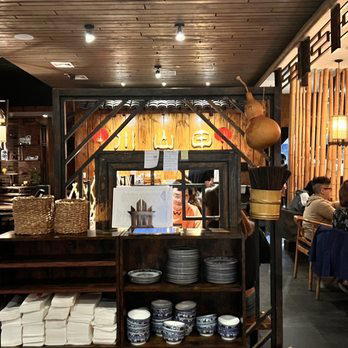
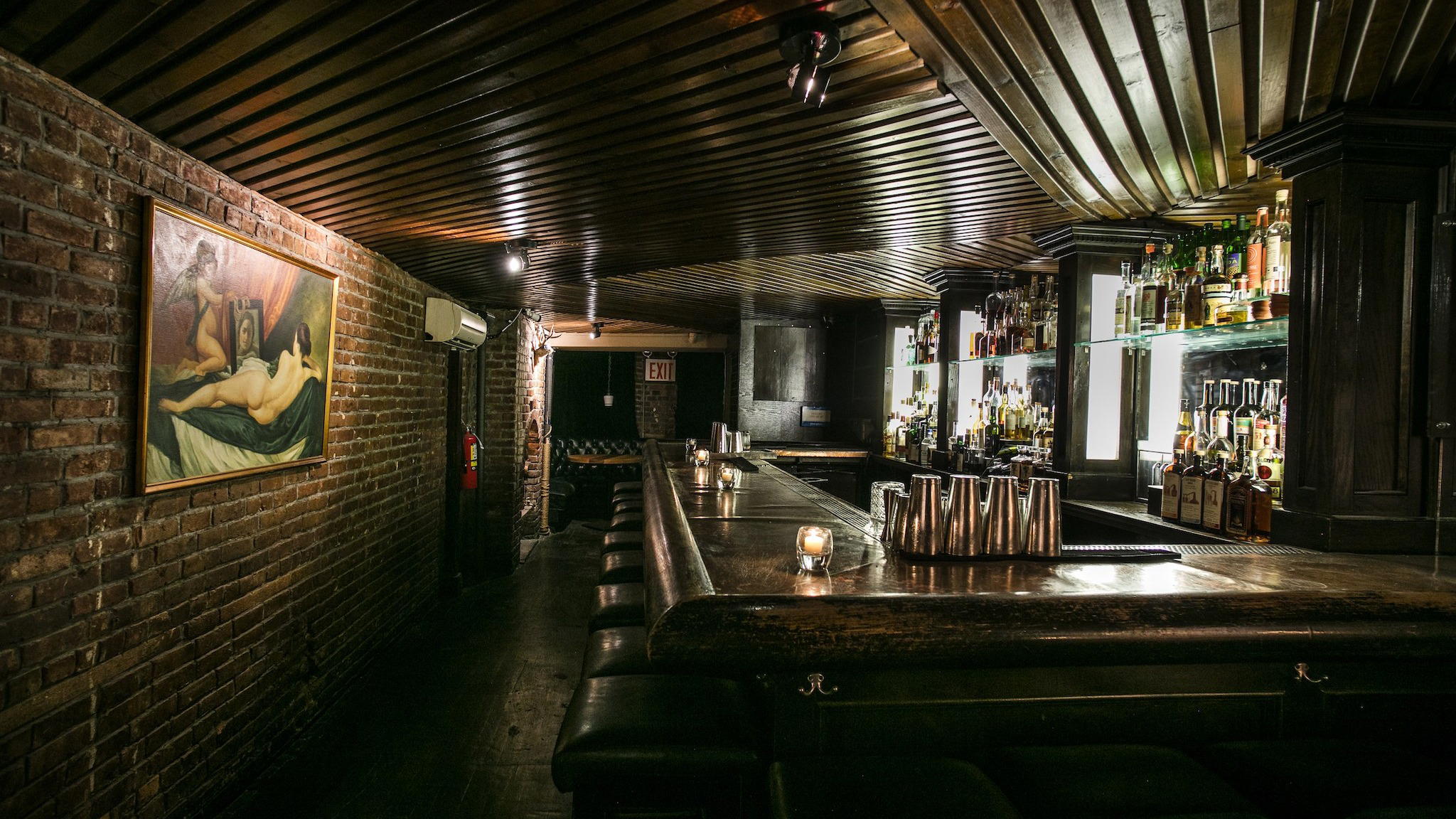
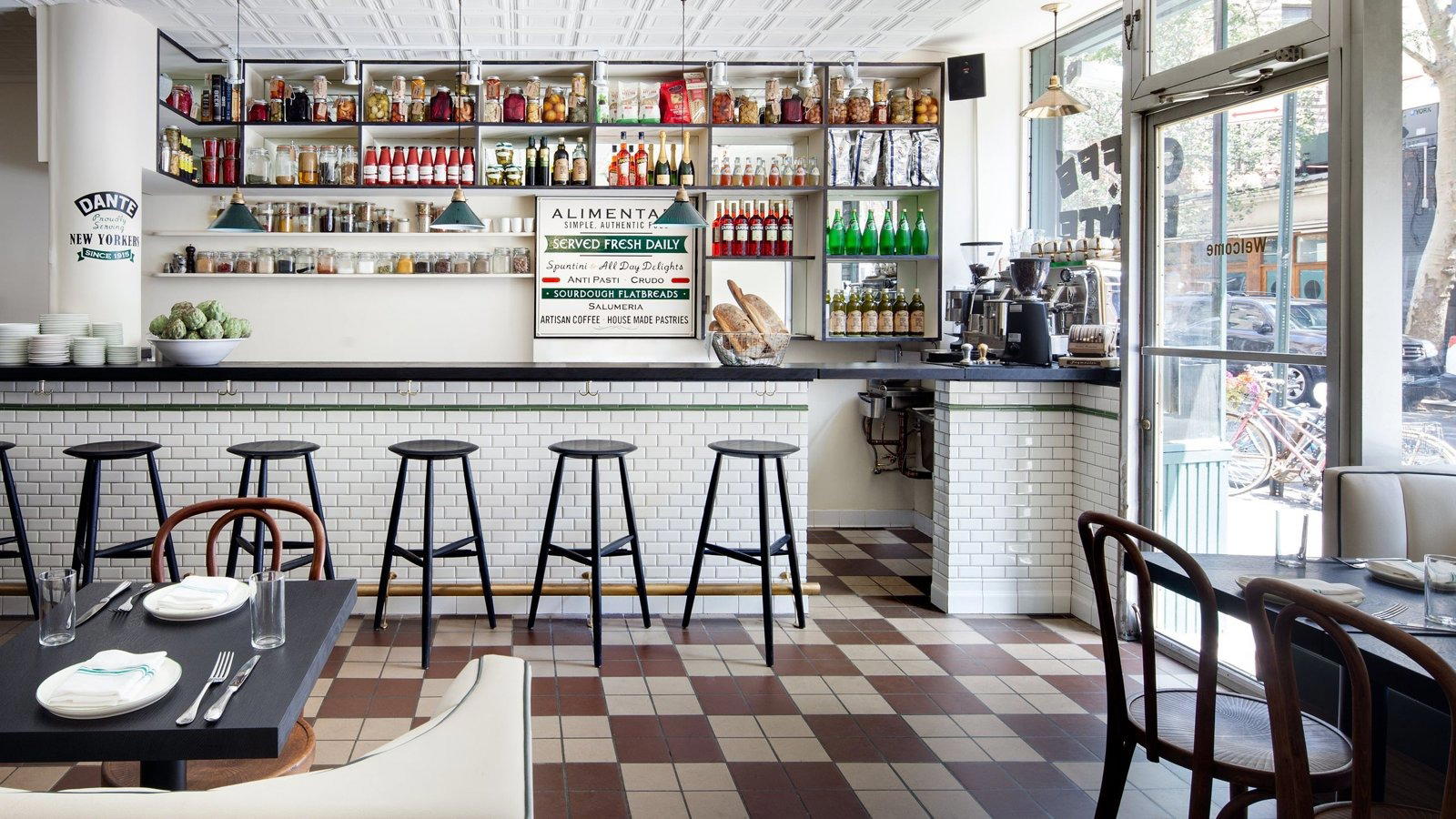
Bustling and energetic with elaborate Chinese decor including koi pond elements, bamboo booths, woodwork panels, and dim lighting creating an immersive, amusement-park-like atmosphere.