Grand Sichuan House
Our verdict
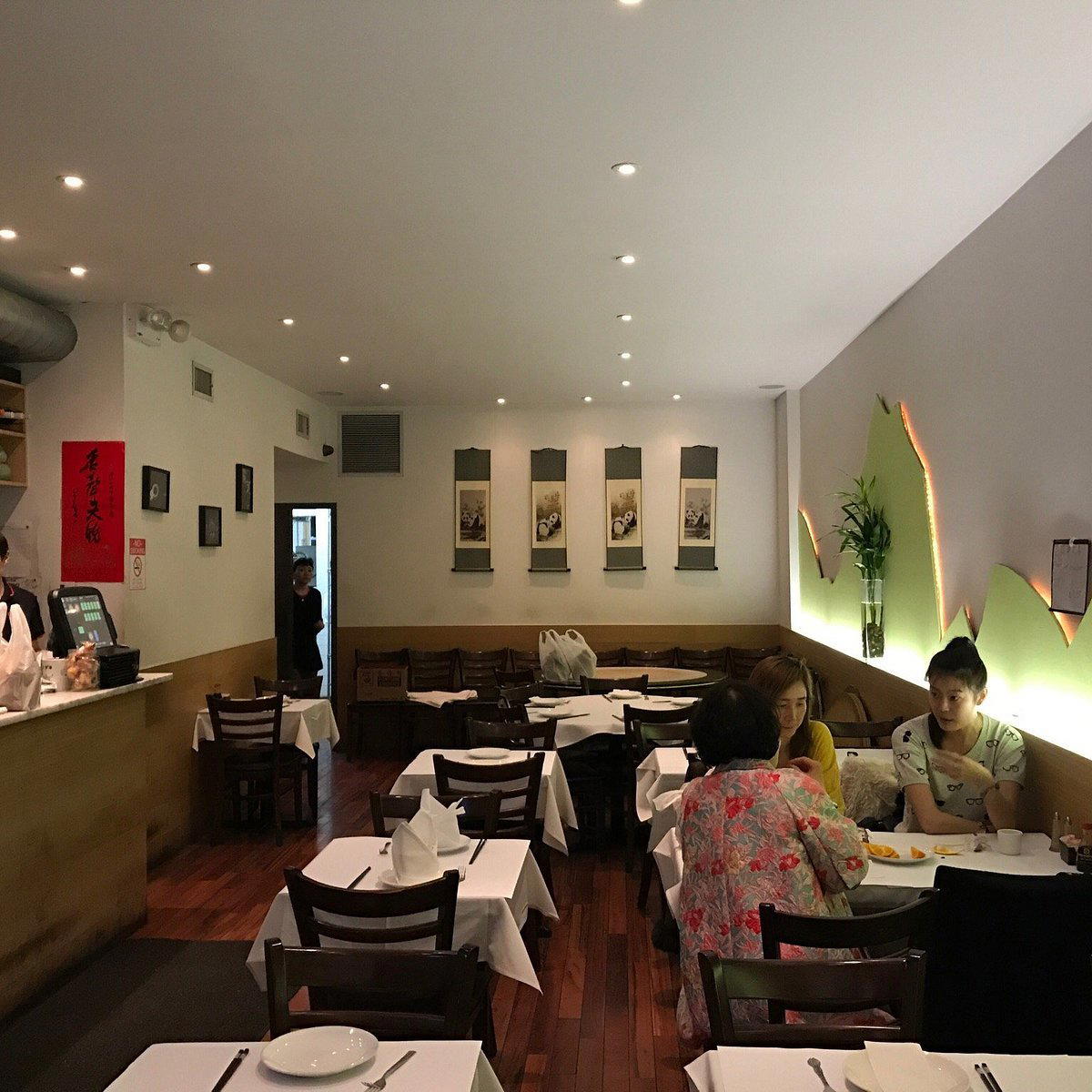
The room draws regulars who return for the heat-forward Sichuan repertoire rather than novelty, making it a reliable anchor in a neighborhood that rarely appears on Manhattan-centric dining itineraries.
The menu
What to order
- Beef with cumin flavor
- Sichuan spicy dan dan noodles
- Sichuan spicy dumplings
- Gui Zhou Spicy Chicken
Fifth Avenue, Bay Ridge, and the Arithmetic of Return Visits
Bay Ridge does not announce itself the way that Williamsburg or Carroll Gardens do. Fifth Avenue here is a working commercial strip where restaurants earn loyalty from the immediate community before they earn attention from anywhere else. That insularity is, paradoxically, the leading indicator of whether a Sichuan kitchen is cooking at a consistent level: regulars in a neighborhood like this will not keep returning for atmosphere or novelty. They return because the food is worth the specific trip from wherever they happen to live. Grand Sichuan House, at 8701 Fifth Avenue, occupies exactly that position in Bay Ridge's dining ecology.
What Sichuan Cooking Demands of Its Regulars
To understand what keeps a table of regulars at a regional Chinese restaurant, it helps to understand what Sichuan cuisine actually asks of a kitchen. The canon is not narrow. Mala seasoning, built from Sichuan peppercorns and dried chilies, requires calibration across a menu where one dish may demand numbing intensity and another a more restrained background heat. Cold preparations, braised proteins, dry-wok techniques, and the particular depth that comes from doubanjiang (fermented broad bean paste) aged over months or years all belong to the same tradition. A kitchen that handles all of these with consistency gives regulars something that rotating tasting menus cannot: the confidence of familiarity, the pleasure of knowing exactly what you are about to taste before it arrives.
In New York, this tier of regional Chinese cooking has grown more visible over the past decade. The arrival of Sichuan restaurants across Manhattan's Chinatown, Flushing's Main Street, and increasingly in the outer boroughs reflects a broader shift in how the city's Chinese dining scene has been received and documented. Grand Sichuan House operates within that broader shift but serves a neighborhood far from the Flushing clusters that typically receive the most critical attention.
Bay Ridge as a Dining Address
Bay Ridge's dining character has always been shaped by its distance from the Manhattan dining press and its close relationship with its own residents. The neighborhood built a reputation for Italian-American red-sauce institutions decades ago, and that tradition persists. But the Fifth Avenue corridor has diversified, and regional Chinese cooking now occupies a credible position alongside the older anchors.
For a visitor arriving from Manhattan, the address places Grand Sichuan House at a deliberate remove from the tasting-menu circuit. Le Bernardin, Per Se, and Masa anchor the upper end of a very different competitive set, as do newer fine-dining arrivals like Atomix and Jungsik New York. Grand Sichuan House is not in conversation with those rooms. It is in conversation with the regular at the next table who has been ordering the same three dishes every Thursday for years.
The Unwritten Menu and the Logic of Regulars
Restaurants in the Sichuan tradition often sustain two menus in parallel: the printed one, and the one that exists in the working knowledge of loyal customers. Regulars at regional Chinese kitchens learn early that the menu is rarely a complete picture. Preparations that require advance notice, off-menu items tied to specific sourcing, and dishes calibrated for customers who have already demonstrated they can handle the heat all exist in a layer beneath the formal list. This is not peculiar to Grand Sichuan House, it is a feature of how regional Chinese restaurants build and sustain their most committed customer relationships across New York.
The practical implication for first-time visitors is worth stating directly: arriving with questions rather than assumptions, and paying attention to what the tables around you have ordered, will generally produce a better meal than working through the menu from leading to bottom without context. This is the dynamic that separates a Sichuan dining room designed for its regulars from one designed for occasional visitors.
Placing Grand Sichuan House in New York's Broader Scene
New York's appetite for serious regional Chinese cooking has expanded well beyond the geography that once defined it. Flushing remains the primary reference point for depth and variety, but outer-borough kitchens serving their immediate communities have become increasingly recognized as holding their own. The same pattern of community-embedded, consistency-driven regional cooking plays out in different formats across the country, from the long-standing neighborhood institutions documented in cities like New Orleans (see Emeril's for the contrast a destination restaurant provides) to the farm-anchored formats of Blue Hill at Stone Barns in nearby Tarrytown. The point is not comparison but context: different formats produce different relationships between a restaurant and its community. Grand Sichuan House operates in the embedded, community-first mode.
For readers planning a broader American fine-dining itinerary that might include stops at Alinea in Chicago, The French Laundry in Napa, Single Thread Farm in Healdsburg, Providence in Los Angeles, Addison in San Diego, Lazy Bear in San Francisco, The Inn at Little Washington, or Bacchanalia in Atlanta, a meal at a serious outer-borough Sichuan room offers a counterpoint that those itineraries rarely include on their own. The same principle applies internationally: the community-anchored dining room is a different proposition from the formal addresses like 8 1/2 Otto e Mezzo Bombana in Hong Kong or Alain Ducasse at Louis XV in Monte Carlo, and both have legitimate claims on a serious traveler's attention. Our full New York City restaurants guide maps the full range of what the city offers across formats and price tiers. Getting there: The R train to Bay Ridge Avenue places the address within a short walk along Fifth Avenue. Reservations: Timing: Weekday evenings tend to reflect the regular customer base most accurately; weekend service often draws a different, less initiated crowd. Budget:
Frequently asked questions
at Grand Sichuan House?
At Sichuan restaurants of this type in New York, the dishes that regulars return for most reliably tend to cluster around mala-forward preparations, cold appetizers, and braised proteins rather than the more accessible items aimed at first-timers. Asking the kitchen what is cooking well that day, or observing what neighboring tables have ordered, will orient you more accurately than any static recommendation.
Should I book Grand Sichuan House in advance?
No verified reservation policy is available. For outer-borough neighborhood Sichuan restaurants in New York, walk-in service on weekday evenings is generally feasible, though weekend demand from beyond the immediate neighborhood can create waits. If the address is the centerpiece of a specific evening rather than a spontaneous stop, a call ahead is worth the effort regardless of whether formal reservations are taken.
What do critics highlight about Grand Sichuan House?
The restaurant's position in Bay Ridge, a neighborhood that receives less systematic critical coverage than Flushing or Manhattan's Chinatown, means that its reputation is built primarily through repeat visits from the local community rather than through formal recognition. That pattern is common among the most consistent outer-borough Chinese kitchens in New York.
How does Grand Sichuan House compare to better-known Sichuan spots in Flushing or Manhattan?
The competitive dynamic in Bay Ridge, where a restaurant must satisfy the same customers week after week rather than a rotating visitor audience, tends to reward consistency over showmanship, a different quality signal than the one produced by high-volume destination clusters.
The Quick Read
| Venue | Cuisine | Price | Awards | Notes |
|---|---|---|---|---|
| Grand Sichuan HouseThis venue (the venue you are viewing) | Authentic Sichuan Chinese | Not listed | Not listed | Not listed |
| Le Bernardin | French Seafood Fine Dining | $300–500 | 3 Michelin Stars · World's 50 Best #13 | French, Seafood |
| Atomix | Modern Korean Tasting Menu | $300–500 | 2 Michelin Stars · World's 50 Best #7 | Modern Korean, Korean |
| Masa | Traditional Japanese Omakase | $500+ | 2 Michelin Stars · World's 50 Best #27 | Sushi, Japanese |
| Per Se | French Fine Dining Tasting Menu | $300–500 | 3 Michelin Stars · World's 50 Best #40 | French, Contemporary |
| Jungsik New York | Modern Korean Fine Dining | $200–300 | 3 Michelin Stars · World's 50 Best #18 | Progressive Korean, Korean |
Continue exploring
More in New York City
Restaurants in New York City
All restaurants in New York City →
Bars in New York City
All bars in New York City →






Details
- Classic
- Group Dining
- Casual Hangout
- A La Carte
- Vegetarian Friendly
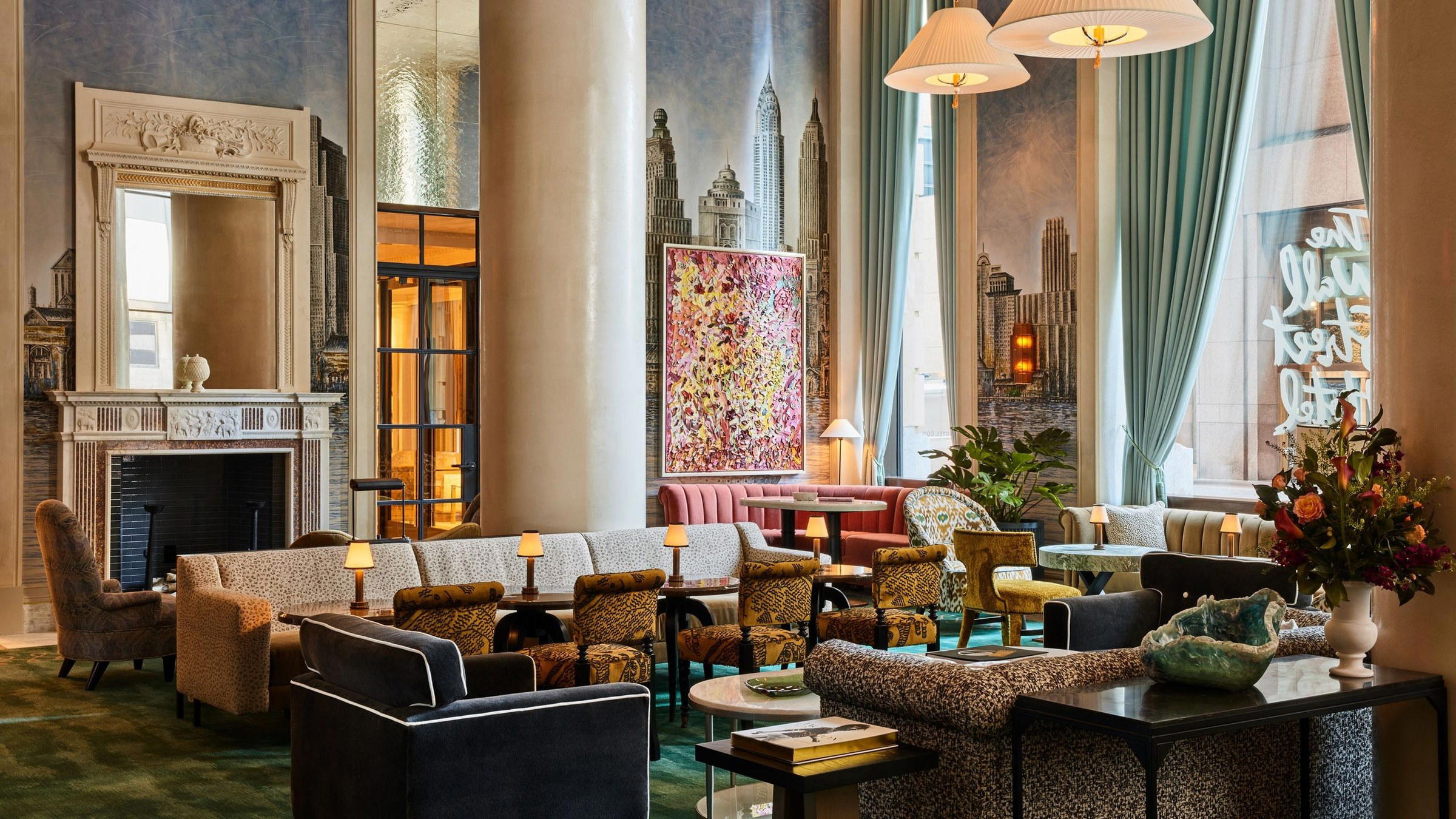
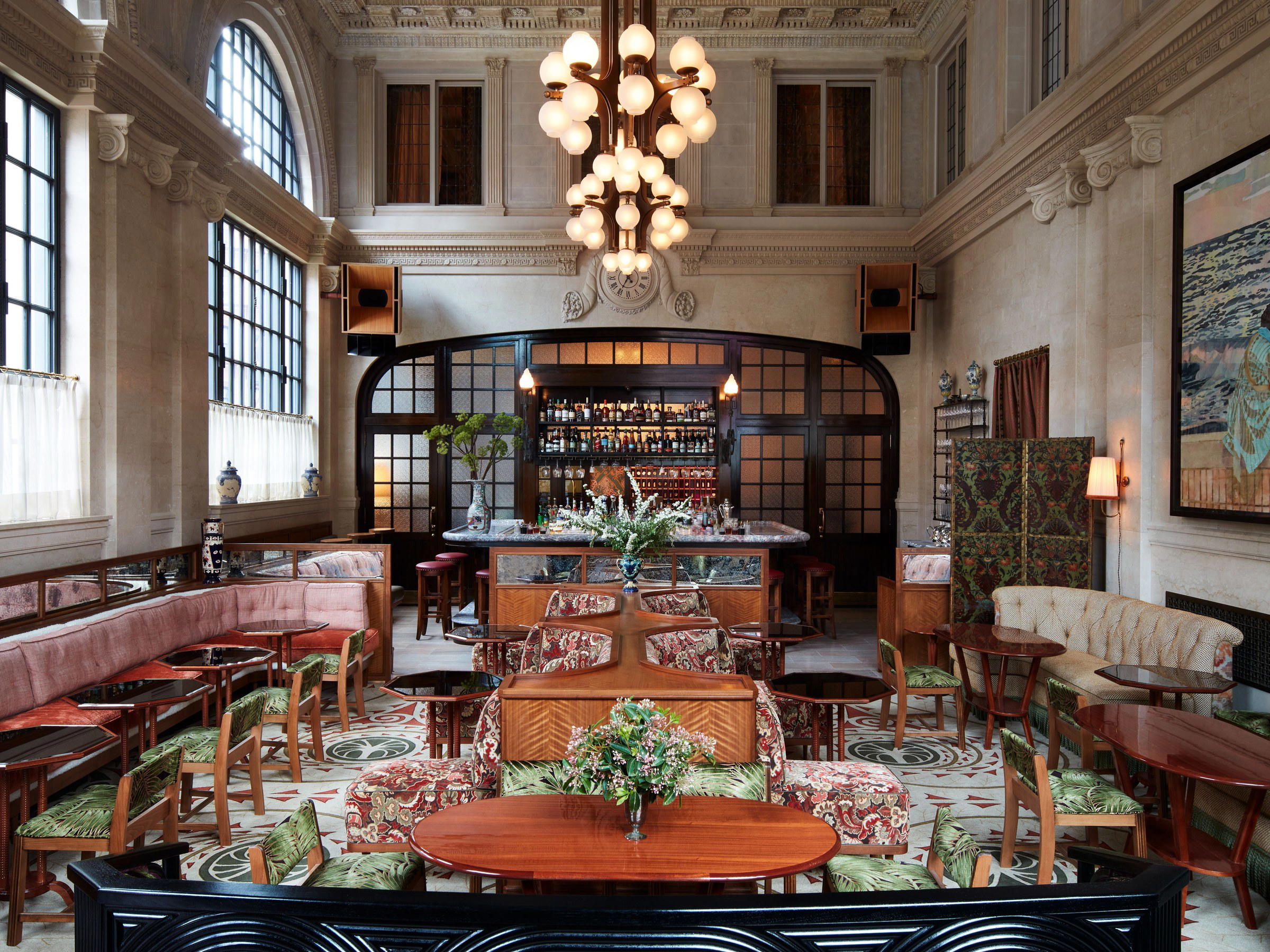
Casual with lagging decor compared to modern competitors, focusing on bold spicy flavors.