Time Out Market Chicago
Time Out Market Chicago brings the city's food hall format to the Fulton Market corridor, positioning itself closer to the curated-vendor model than the airport-concourse end of the spectrum. Where single-destination restaurants like Alinea or Oriole demand advance planning and full-evening commitment, the Market offers a lower-friction entry point to Chicago's broader dining conversation, useful for groups, out-of-towners, or anyone without a reservation.
- Address
- 916 W Fulton Market, Chicago, IL 60607
- Phone
- +13126373888
- Website
- timeout.com
- Directions
- Get directions
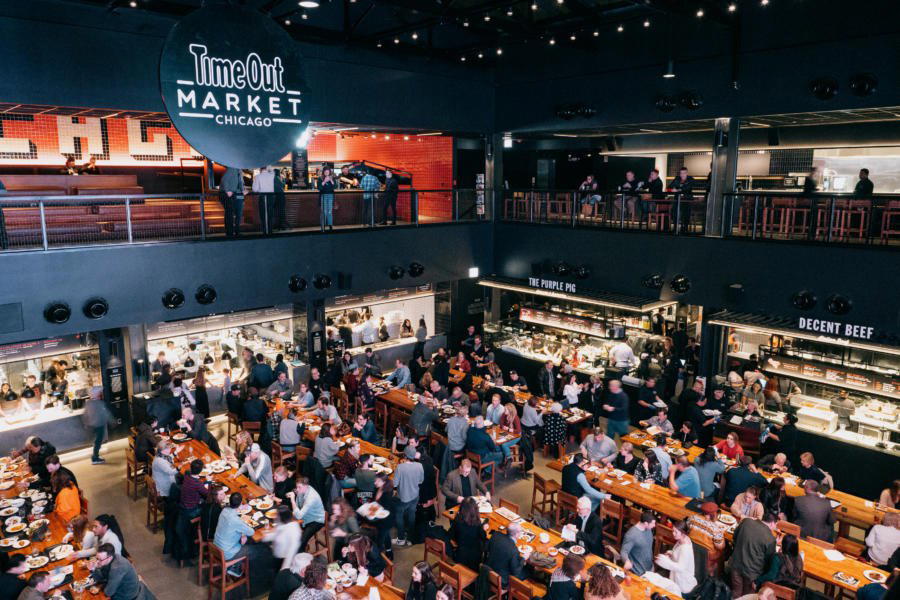
Fulton Market's Food Hall Tier: Where Time Out Market Chicago Fits
Time Out Market Chicago is a casual food hall at 916 W Fulton Market in Chicago, with a price tier around $25 per person and a walk-in-friendly format. The neighbourhood now holds a cross-section of the city's serious restaurant scene, from tasting-menu rooms with months-long waitlists, Alinea, Smyth, Oriole, to the food hall format that Time Out Market occupies at 916 W Fulton Market. Understanding where that format sits in the broader hierarchy matters before you decide how to plan your evening.
Food halls in major American cities have split into two distinct tiers over the last decade. One end is high-turnover, developer-driven, with vendor slots filled by whatever concept was available at signing. The other end operates closer to a curated editorial model, with the host organisation making deliberate choices about which kitchens represent the city's actual dining identity. Time Out Market operates under the latter premise: the brand's editorial team nominates vendors rather than simply leasing space to the market rate. That curatorial premise is the lens through which the location should be assessed.
The Booking Question, and Why It Barely Applies Here
Kasama's tasting-menu seats, Next Restaurant's ticketed format, and Alinea's reservation window all demand planning measured in weeks or months. The Time Out Market model inverts that entirely. No reservation infrastructure exists; arrival is the booking system. That frictionless entry point is the defining logistical characteristic of the format and, for a specific type of visit, its primary argument.
Groups assembling people with different dietary priorities, out-of-town visitors who landed without a reservation, or anyone who wants to eat well without committing to a single kitchen, these are the scenarios where a well-curated food hall functions as a genuine solution rather than a fallback. The trade-off is that peak hours on weekends bring the kind of crowd that makes seating competitive, and the ambient noise level rises accordingly. If the goal is a composed, quiet dinner, the format doesn't serve that. If the goal is a wide-ranging sample of what Chicago's mid-tier cooking looks like right now, it does.
Chicago Food Halls in a National Context
At the destination end of the American dining spectrum, venues like The French Laundry in Napa, Le Bernardin in New York City, or Blue Hill at Stone Barns in Tarrytown represent the full commitment end of the planning spectrum: multi-week booking windows, fixed-format menus, and price points that reflect all of that. At the other end, the food hall model trades depth for breadth, more kitchens, lower per-dish prices, and a format that accommodates spontaneity.
Time Out's Chicago market follows the same structural logic as its Lisbon original, which opened in 2014 and helped establish the vendor-nomination model as a workable alternative to pure commercial leasing. The same model has since appeared in San Francisco and other cities where dining culture is dense enough to support a curated multi-vendor room. In that framing, the Chicago location is less a standalone venue and more an expression of a format that has proven coherent in several markets.
Placing Time Out Market in Chicago's Dining Map
Fulton Market's restaurant density means that Time Out Market at 916 W Fulton Market sits within walking distance of some of the city's most reservation-intensive dining rooms. That proximity is both an asset and a calibration point. A visitor spending a week in Chicago who books Smyth on Tuesday and Oriole on Thursday might find the Market useful for an unplanned Sunday lunch rather than a centrepiece dinner. That's not a diminishment, it's an accurate description of where the format works hardest.
Chicago's broader dining geography, covered in our full Chicago restaurants guide, places Fulton Market alongside River North and the West Loop as the city's most active dining precincts. Each has a distinct character: River North skews toward hospitality-group scale and recognisable formats; the West Loop, where Fulton Market bleeds into, has attracted more independent chef-driven rooms. Time Out Market occupies a middle register, more structured than a street-food block, less committed than a tasting-menu room.
What to Know Before You Go
The practical logistics of visiting Time Out Market Chicago require less advance planning than almost any other dining destination in the neighbourhood, but a few calibration points help. Arrival timing matters more than reservation strategy: earlier in the evening on weekdays gives more seating flexibility than a Saturday at 7pm. The multi-vendor format means individual wait times per kitchen can vary considerably depending on which stalls are busiest on a given night.
For visitors who have already planned structured meals at Chicago destination rooms, Alinea, Kasama, or Next Restaurant, the Market fills a different slot on the itinerary: the night without a plan, the group lunch, or the post-arrival meal before the week's reservations begin. In cities with similarly dense dining cultures, Chicago alongside New York, Los Angeles, San Diego, and Atlanta, the curated food hall has found a consistent role as the connective tissue between high-commitment dinners.
The address at 916 W Fulton Market places it in Fulton Market, accessible from the Morgan CTA Green/Pink Line stop.
The Honest Assessment
The restaurant is not competing with The Inn at Little Washington or 8½ Otto e Mezzo Bombana in Hong Kong or Single Thread Farm in Healdsburg or Emeril's in New Orleans for the same dining occasion. It is competing with other food halls, with casual neighbourhood restaurants, and with the default hotel-restaurant option. In that comparison set, a market built on editorial curation and neighbourhood positioning holds a credible position. The question a visitor to Fulton Market should ask isn't whether the format competes with Chicago's tasting-menu tier, it doesn't, and it isn't trying to, but whether a no-reservation, multi-vendor room at one of the city's most active dining addresses serves the specific evening they're planning. For a significant portion of Chicago visits, the answer is yes.
Just the Basics
Comparable venues nearby, for context on price, style, and recognition.
| Venue | Cuisine | Price | Notes |
|---|---|---|---|
| Time Out Market ChicagoThis venue — the venue you are viewing | Not listed | $$ | Not listed |
| Little Wok - Lakeview | Not listed | $$ | Lake View East, Asian Fusion - Chinese & Japanese |
| Kin Sushi & Thai Cuisine | Noble Square, Sushi & Thai Fusion | $$ | Not listed |
| Fat Rice | Logan Square, Macanese Fusion | $$$ | Not listed |
| Indie Sushi Thai | Edgewater, Sushi Thai Fusion | $$ | Not listed |
| Sunda | Not listed | $$$ | River North, Modern Southeast Asian Fusion |

At a Glance
- Lively
- Modern
- Trendy
- Well Known
- Casual Hangout
- Group Dining
- Family
- After Work
- Rooftop
- Open Kitchen
- Design Destination
- Terrace
- Craft Cocktails
- Beer Program
- Local Sourcing
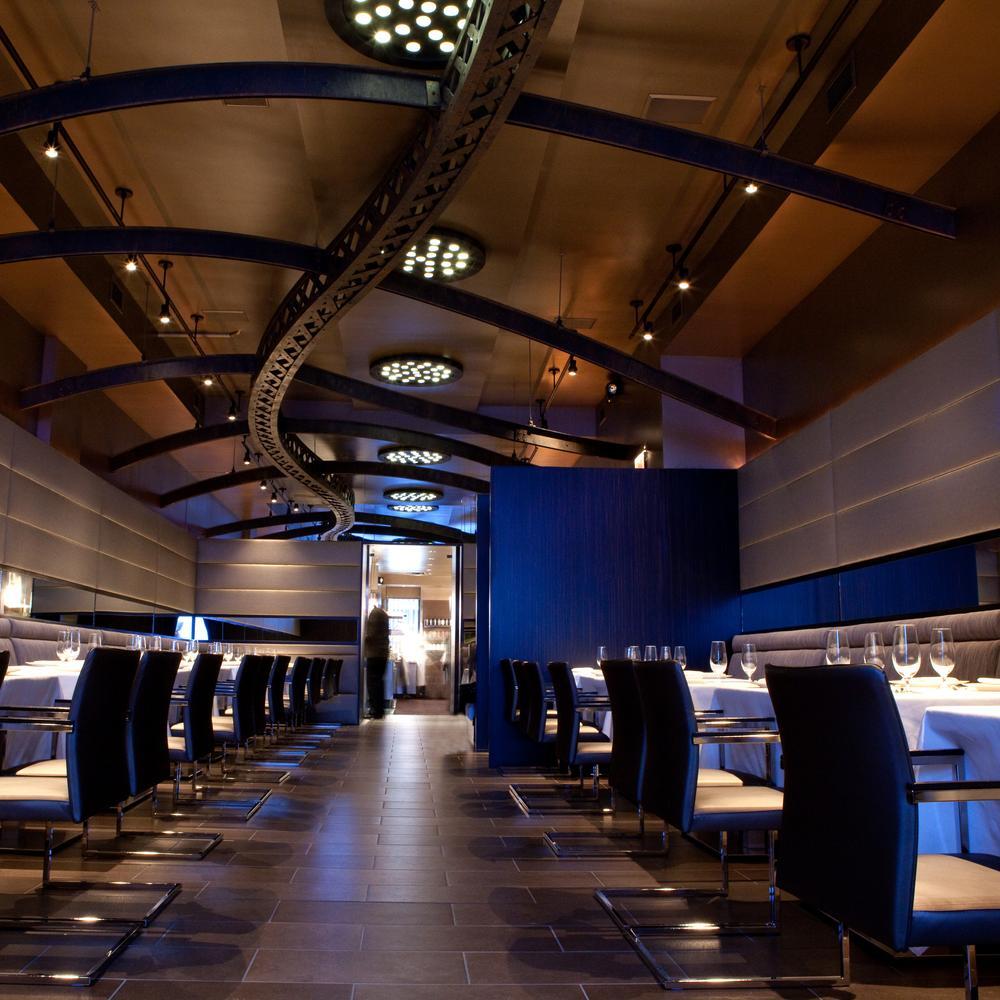
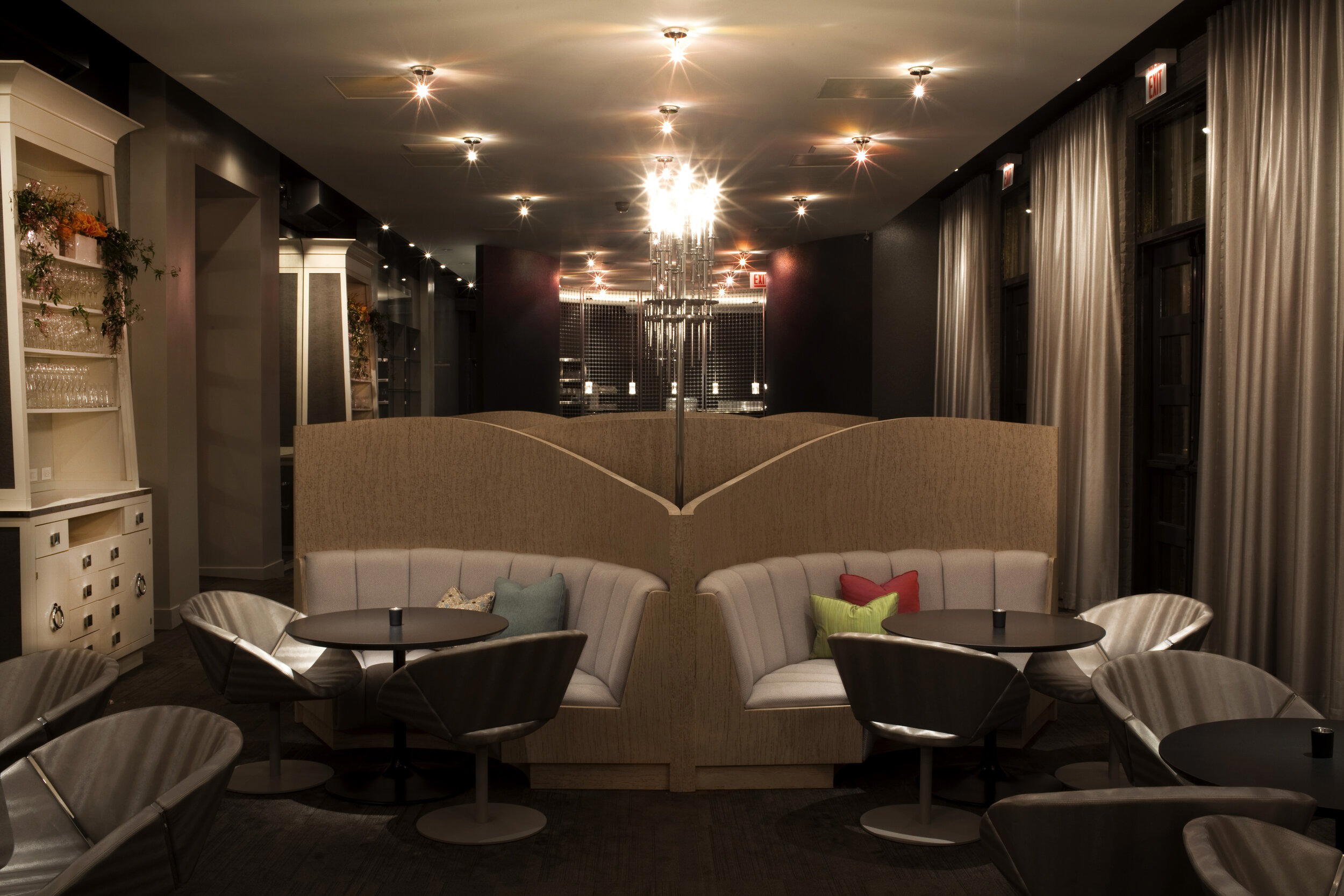
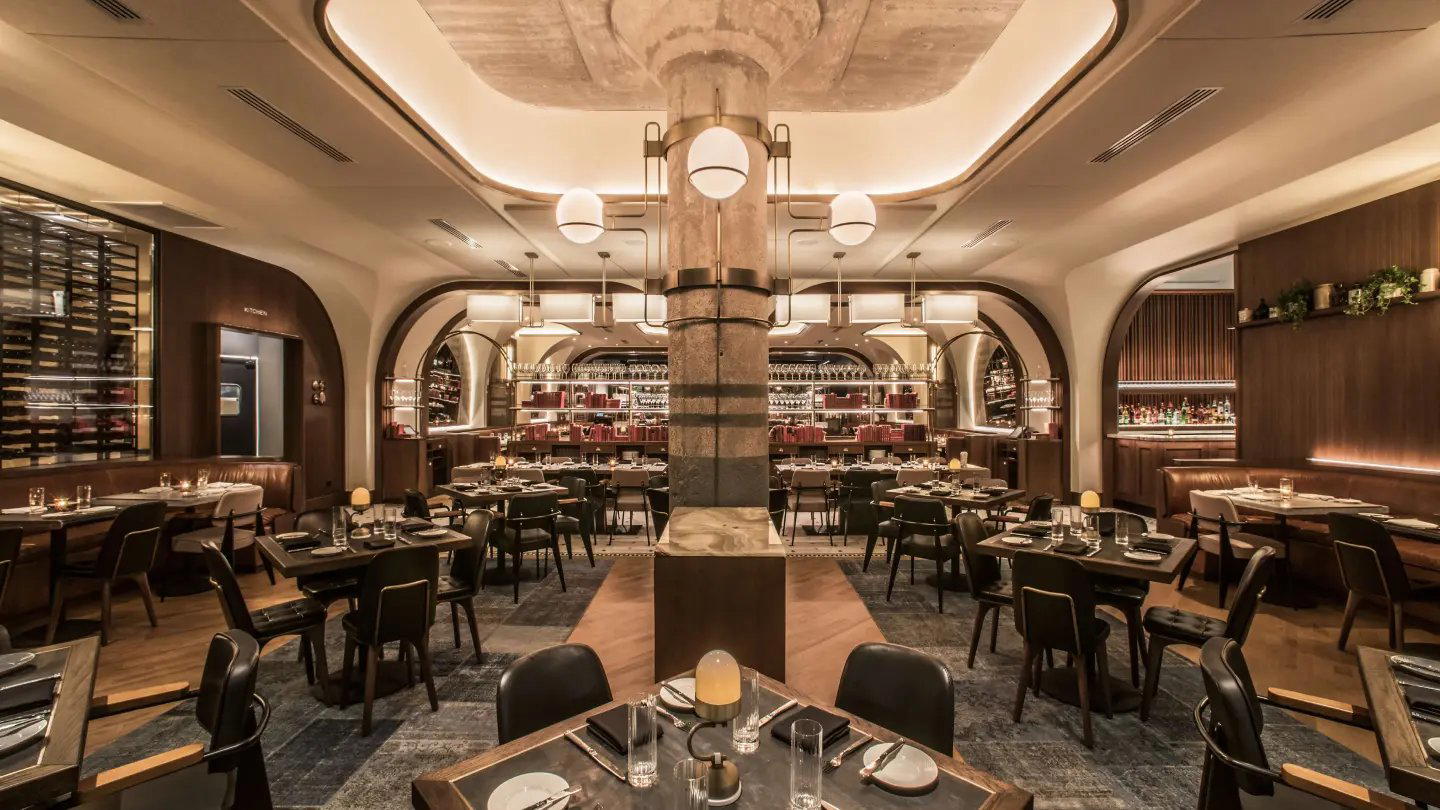
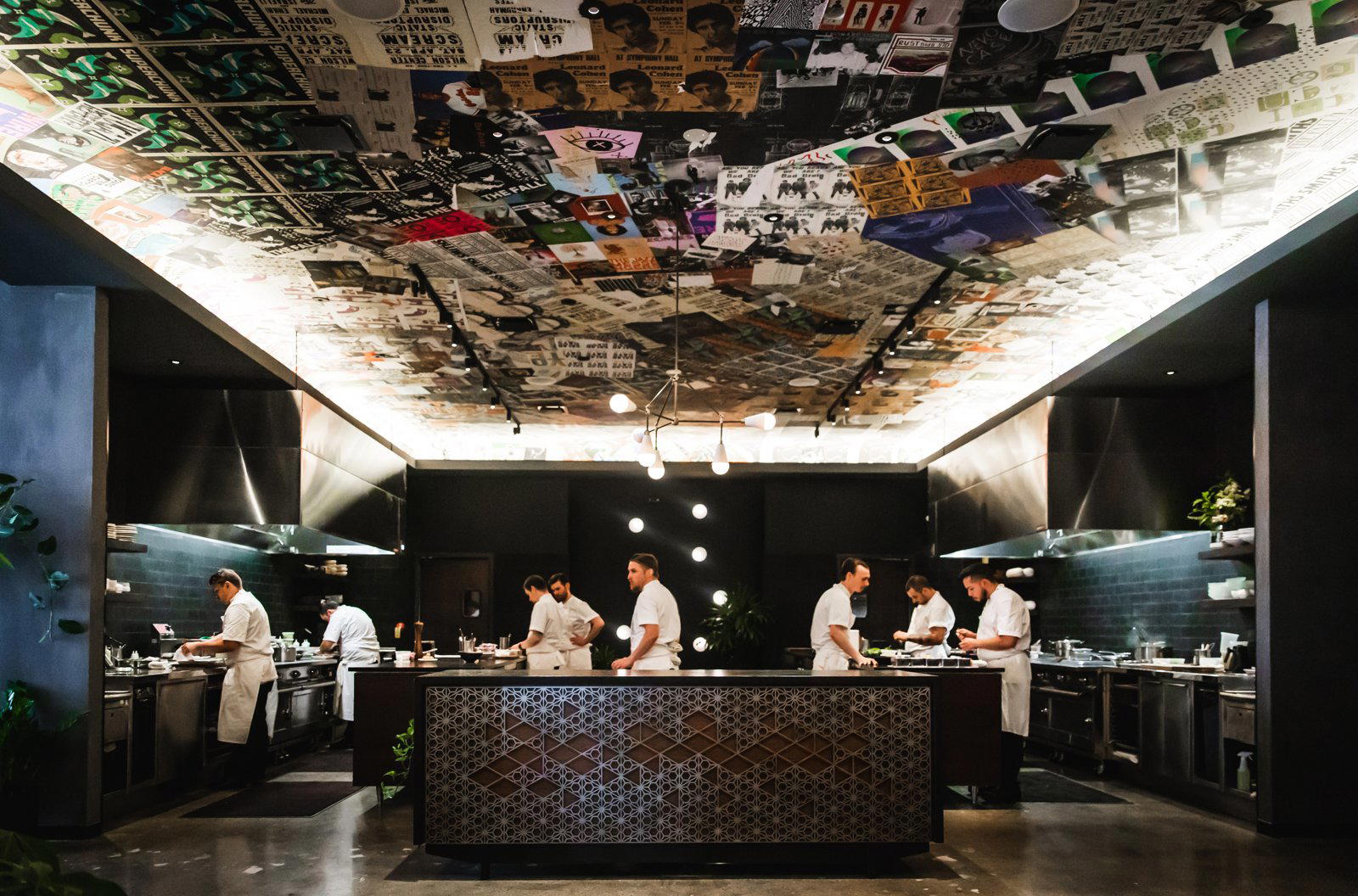
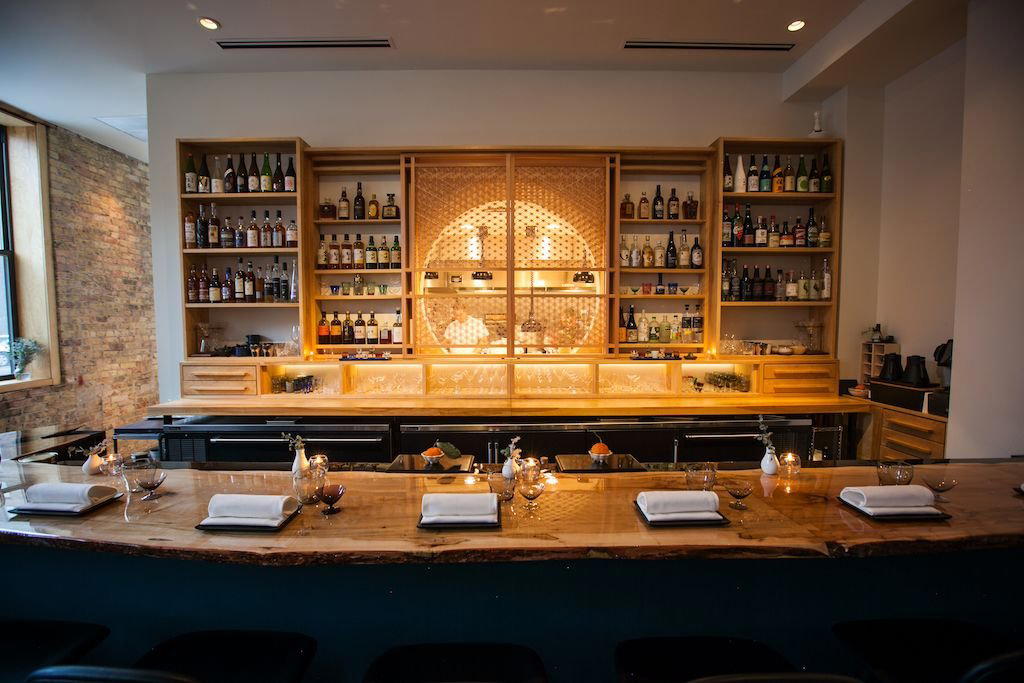
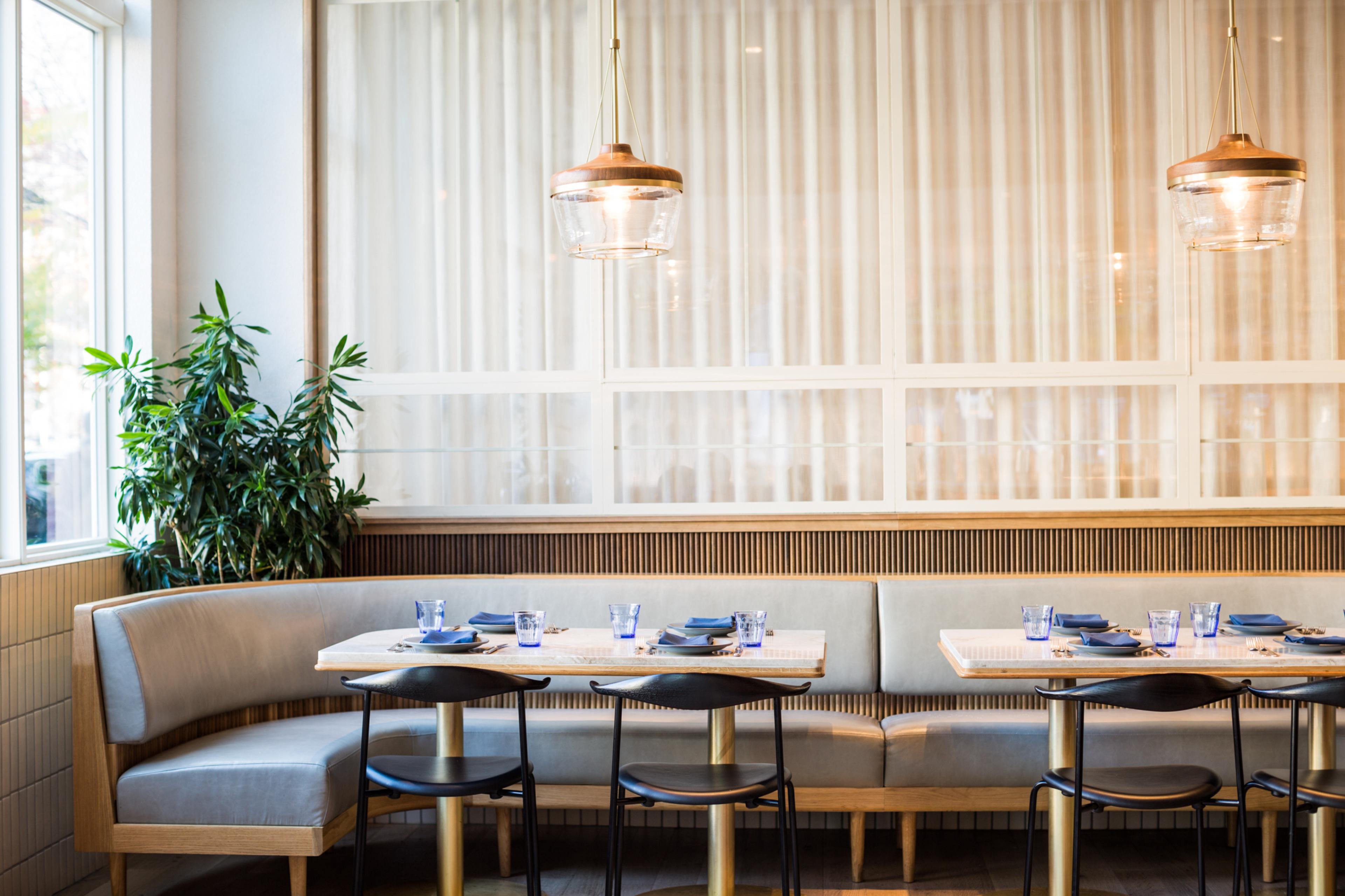
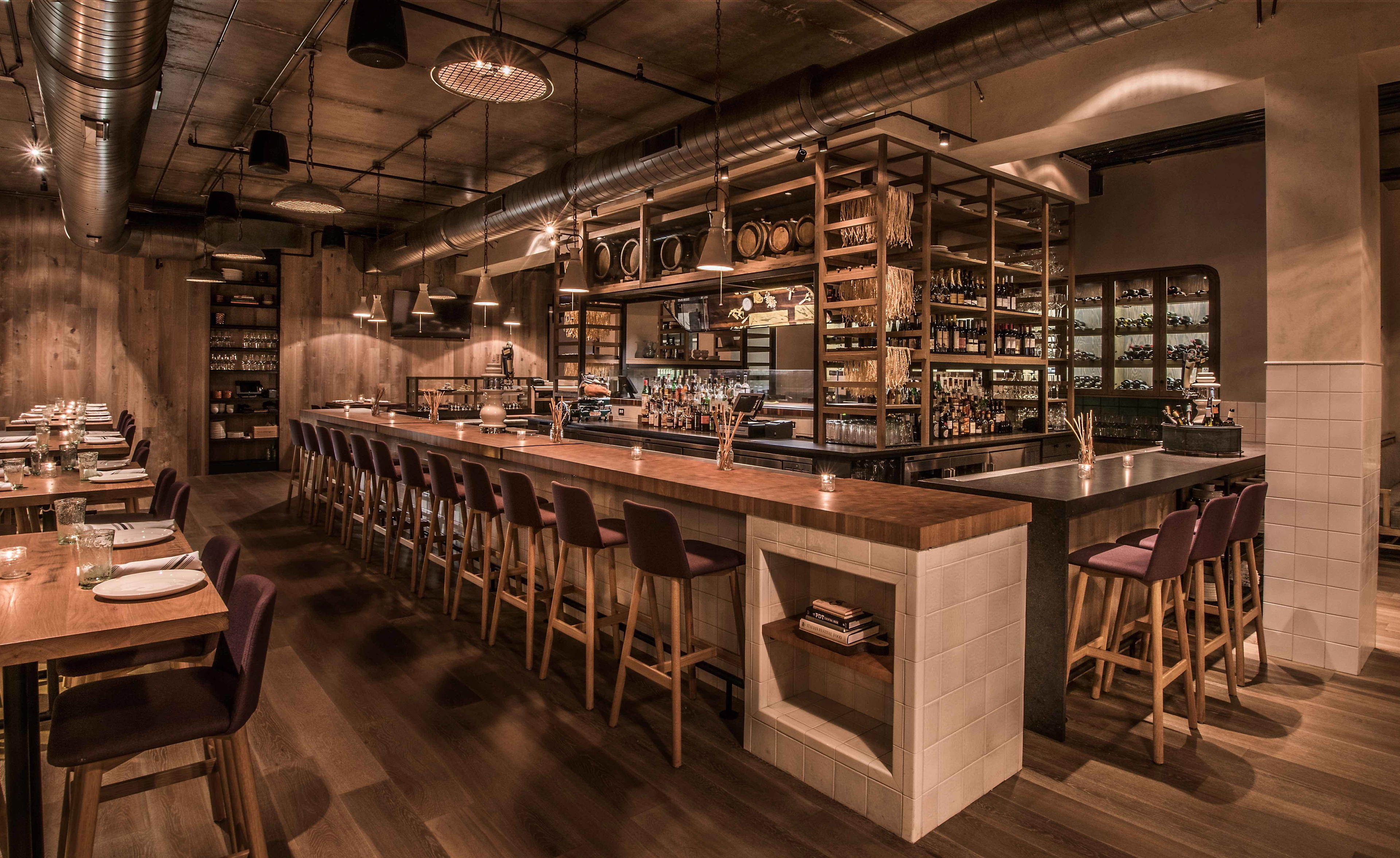
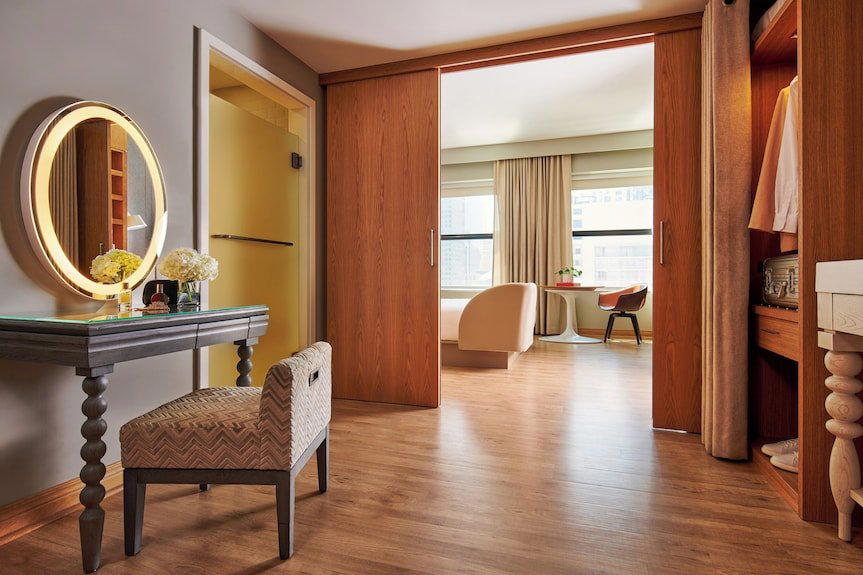
Lively and energetic food hall atmosphere with modern design, featuring communal dining spaces, a rooftop bar, and an art gallery creating a cultural entertainment experience.