Sunda
Sunda occupies a prominent position in Chicago's River North neighbourhood, where Southeast and East Asian cooking traditions meet a setting designed for both social energy and serious eating. Among Chicago's mid-to-high tier Asian dining options, it draws a repeat crowd with a broad menu that moves across Filipino, Japanese, and wider pan-Asian reference points. Address: 110 W Illinois St, Chicago, IL 60654.
Pearl is the En Primeur Club membership app — saves, bookings, and concierge access live there. Same editors, same standards.
- Address
- 110 W Illinois St, Chicago, IL 60654
- Phone
- +13126440500
- Website
- sundanewasian.com
- Directions
- Get directions
 Saves & bookings on Pearl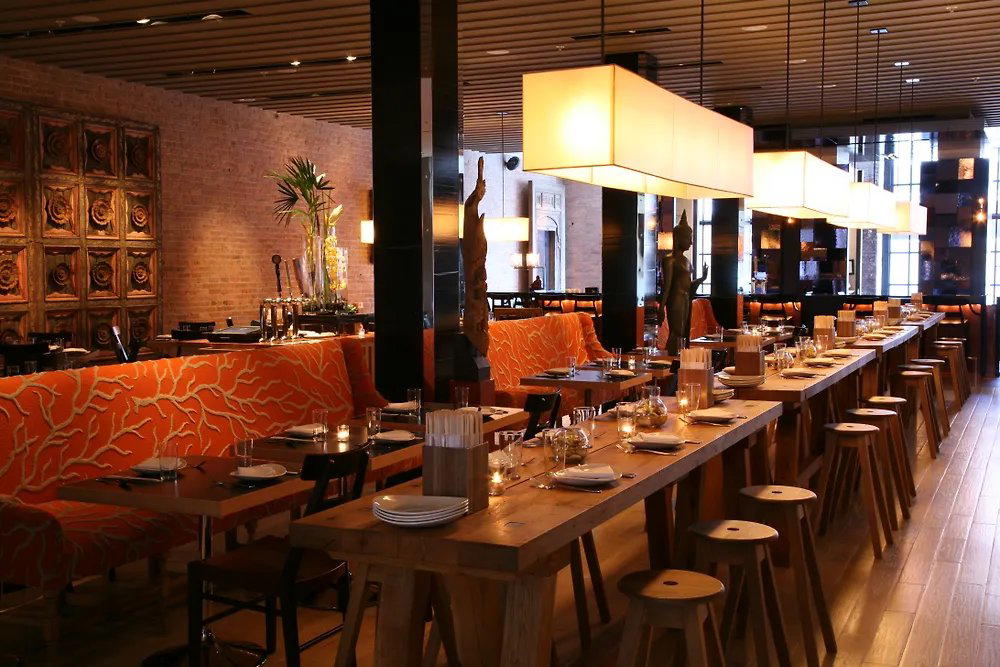
River North's Pan-Asian Anchor
River North has long been Chicago's most commercially active dining corridor, a neighbourhood where volume and visibility tend to reward restaurants that can satisfy a wide range of expectations in a single sitting. The Asian dining segment within that corridor has historically skewed toward accessible Japanese and Chinese formats, with newer entrants pushing into Filipino and pan-Southeast Asian territory. Sunda, at 110 W Illinois St, operates in that expanded register: a large-format space drawing from Japanese, Filipino, and broader East and Southeast Asian culinary traditions under one roof.
The Physical Container: Space as Statement
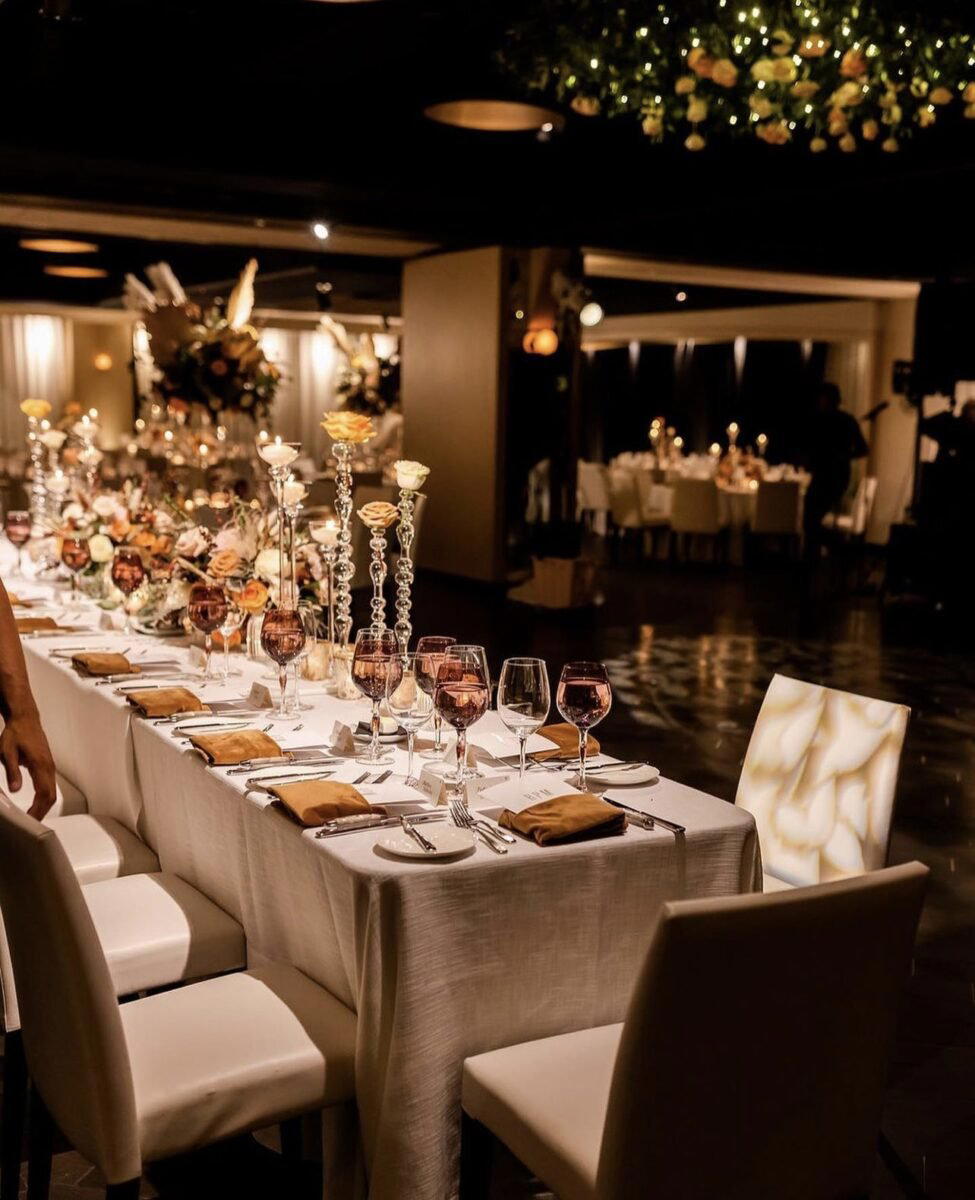
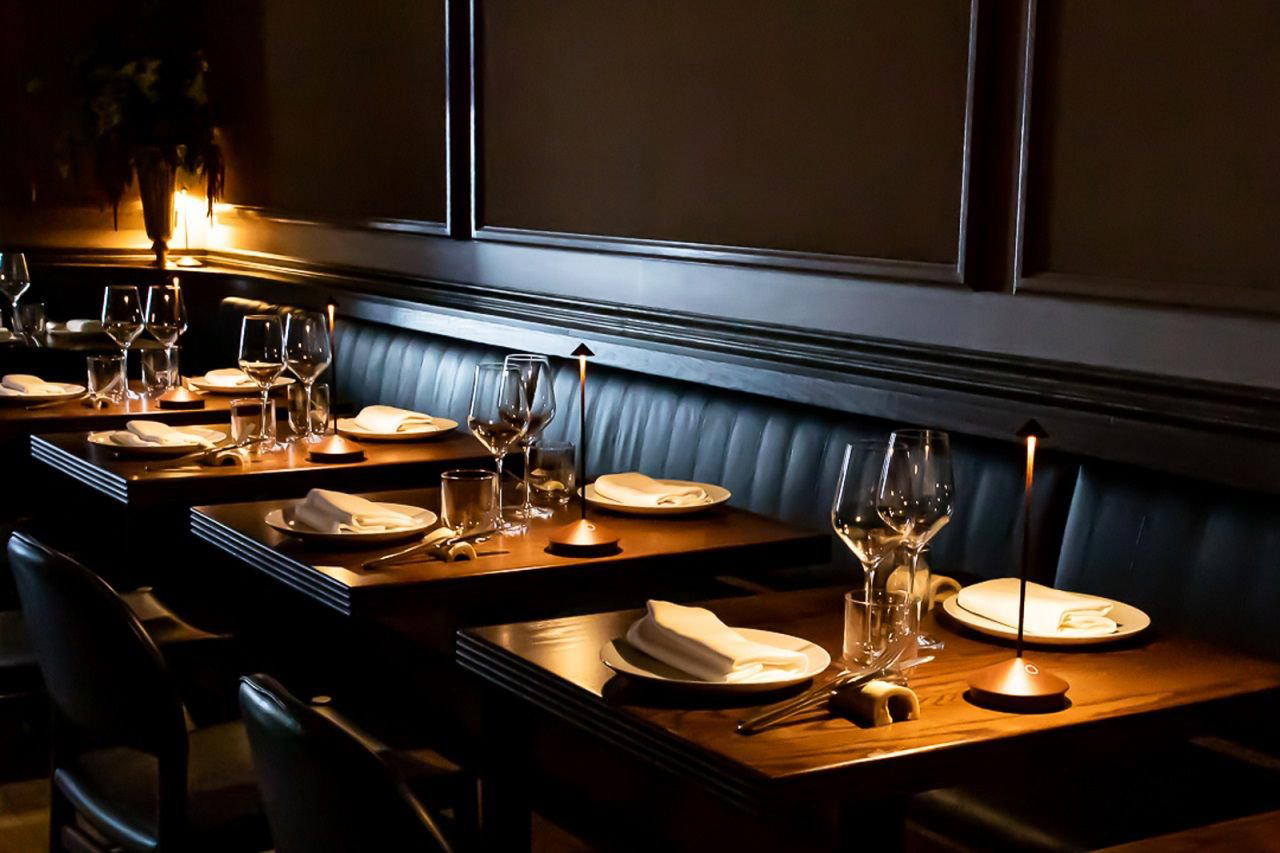
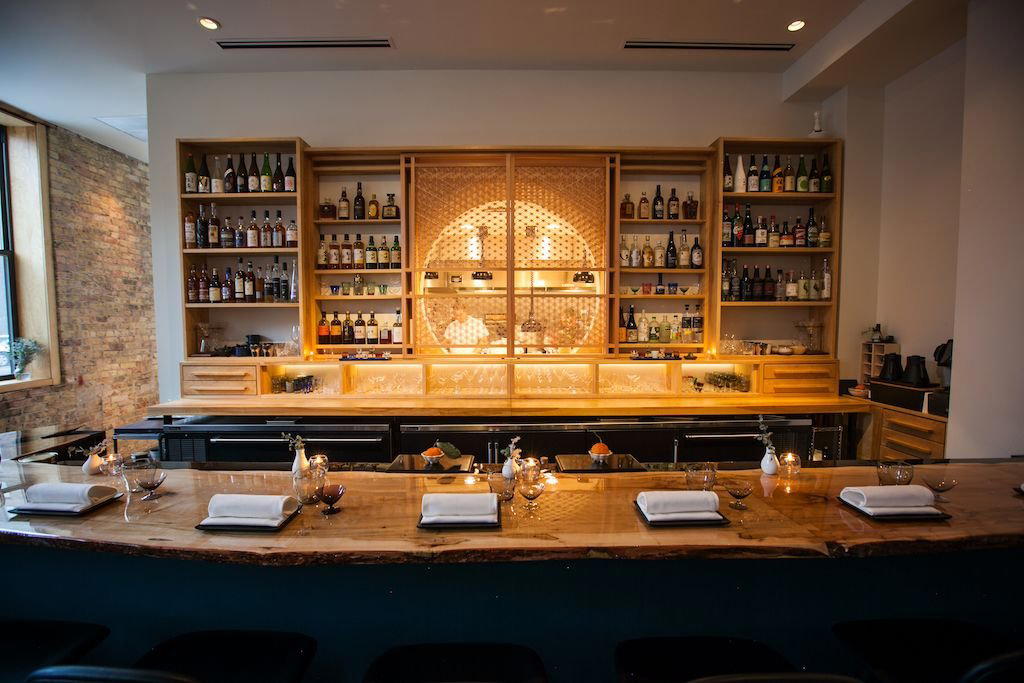
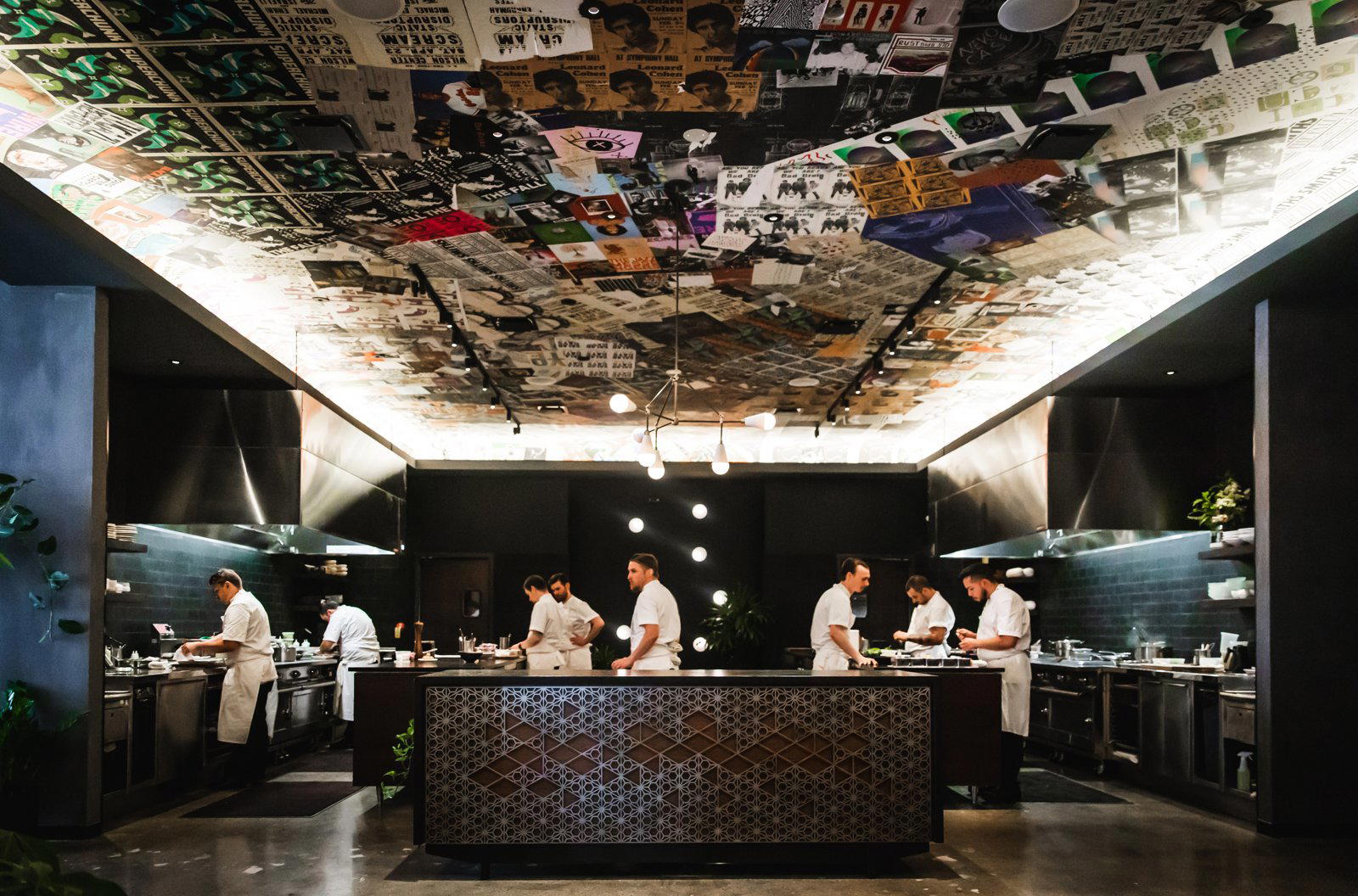
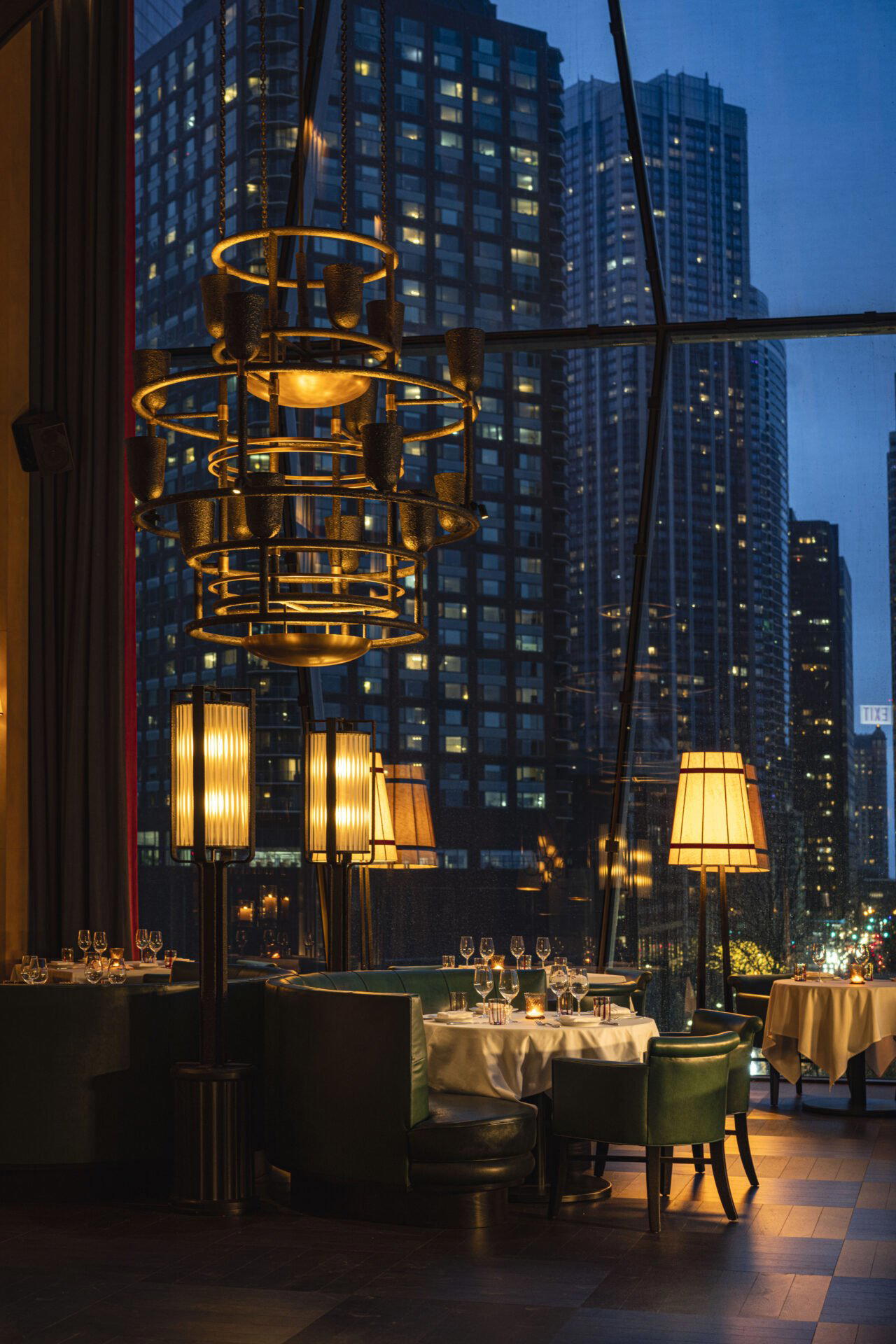
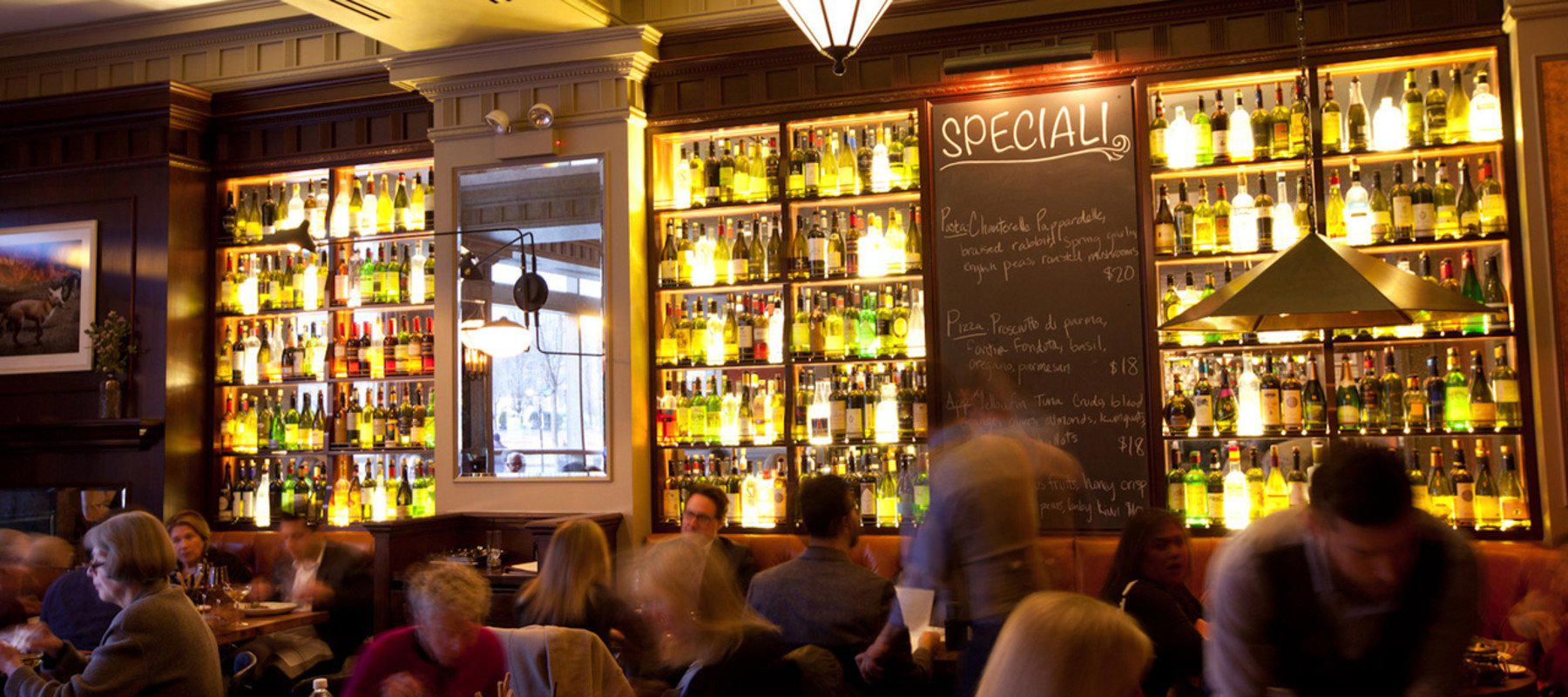
In a city where ambitious restaurants increasingly shrink their footprint to signal exclusivity, Sunda runs against the grain. The interior is designed for drama at scale: high ceilings, low ambient lighting, and a layout that separates the bar energy near the entrance from the dining room's deeper, more composed atmosphere without fully insulating one from the other. This is deliberate. The architecture reads as a single connected environment rather than a collection of rooms, which gives the space a social permeability that works in favour of groups but rarely feels chaotic at the individual table level.
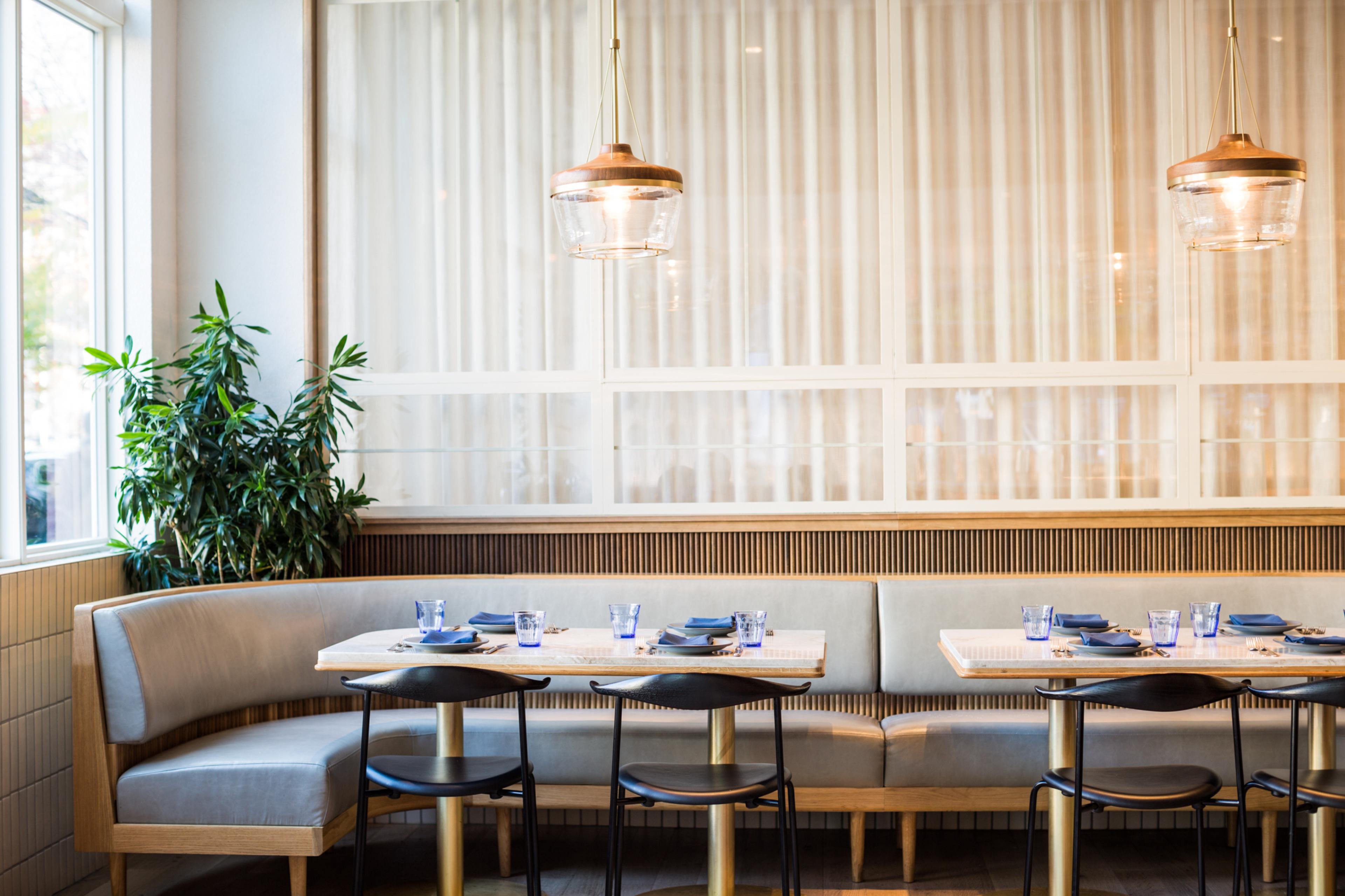
The material choices lean toward warm woods and textured surfaces, a design language common to the mid-2000s wave of pan-Asian restaurants that positioned themselves above the casual tier without committing to formal minimalism. What separates Sunda from that era's more dated interpretations is the proportionality of its scale: the room is large enough to absorb a full Saturday-night crowd without collapsing into a noise box, and the seating arrangements give most tables a reasonable sense of separation. The bar itself functions as a destination within the destination, a counter-format space that handles its own rhythm independently of the dining room's pacing.
Chicago compares well to New York and Los Angeles in this regard. The spatial approach at Sunda more closely echoes the hospitality-forward, design-conscious Asian dining rooms found in hotel-adjacent or theatre-district contexts, where the physical experience is expected to do as much work as the food itself. It reflects a specific market position: a room built to function as a complete evening rather than a vehicle for a single dish or tasting sequence.
What the Menu Is Actually Doing
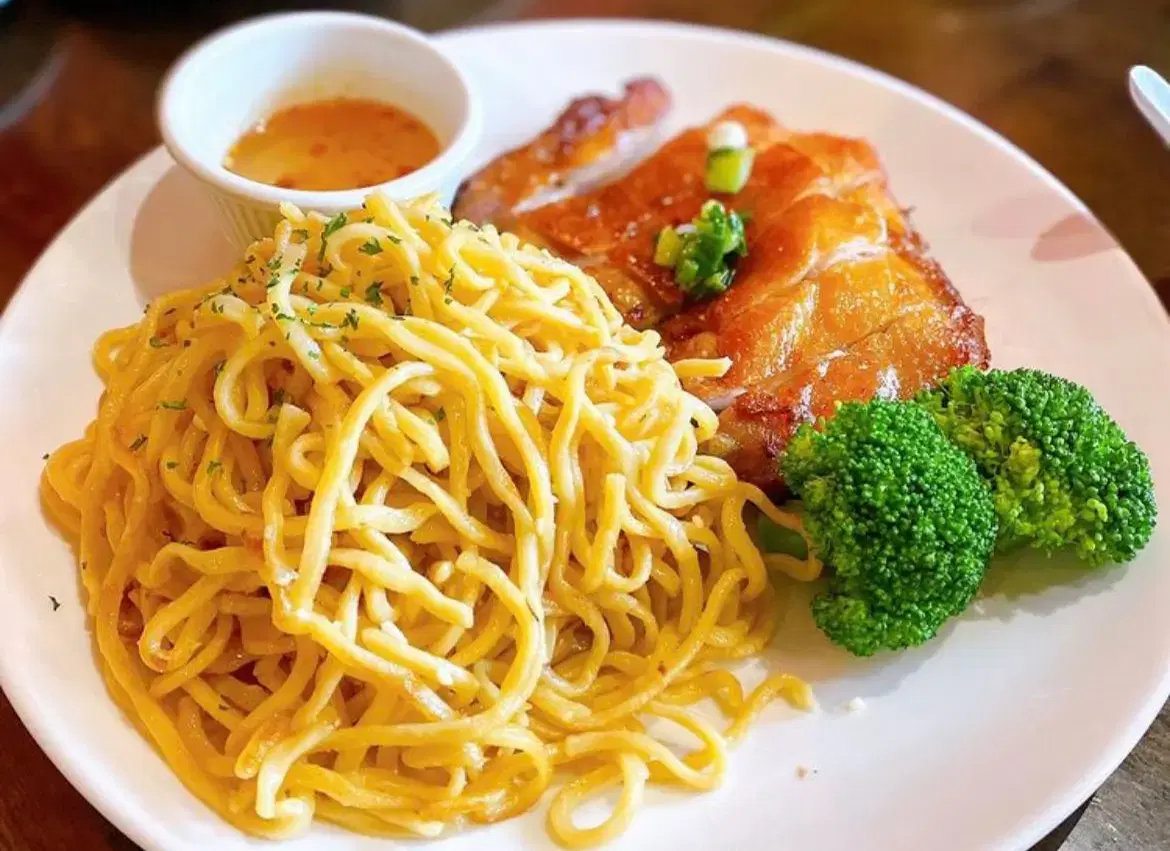
Pan-Asian menus carry an inherent editorial challenge. At their weakest, they read as a greatest-hits compilation with no throughline. At their strongest, they function as a coherent argument for why certain flavour traditions share enough structural common ground to coexist on a single menu without each undermining the other. Sunda's approach draws primarily from Japanese and Filipino reference points, with the breadth to include other Southeast Asian preparations. The organizing logic is less about strict regional authenticity than about identifying dishes that perform well in a social, sharing-format context.
This positions Sunda in a different competitive conversation from Chicago's most focused Asian dining. Kasama, for instance, operates in the Filipino space with a precision-focused tasting format that pursues a single culinary argument. Sunda's menu is built for a different occasion: a table of four splitting eight dishes, with the evening's success measured by the group's collective pleasure rather than any individual course's technical merit. That is not a lesser ambition. It is a different one, and the room's architecture supports it.
The format also places Sunda in useful national company. The large-format, pan-Asian sharing model has found serious expression in cities from New York to Los Angeles, where restaurants like Atomix in New York have pushed Korean fine dining into the top tier, while others have built durable neighbourhood institutions on broader menus and social formats. Sunda operates closer to the latter model, which explains both its longevity in River North and its consistent draw from a repeat-visit crowd.
Where Sunda Sits in Chicago's Dining Hierarchy
Chicago's leading tasting-menu tier, anchored by places like Next Restaurant and the broader progressive American tradition, operates on entirely different terms from Sunda's format. So do globally focused fine-dining rooms such as Le Bernardin in New York or Providence in Los Angeles, where a single culinary discipline is pursued to its outer limit. Sunda does not compete in that register, nor does it position itself there.
Its competitive set is better understood as the segment of Chicago dining that serves the River North entertainment and professional district: restaurants where the room matters as much as the food, where group bookings are the commercial engine, and where the menu breadth is a feature rather than a compromise. In that segment, Sunda has maintained a position for long enough to distinguish itself from venues that cycle quickly through the neighbourhood's high-rent, high-turnover pressure. That durability is itself a data point: River North does not reward restaurants that fail to deliver on multiple fronts simultaneously.
Sunda's version of that discipline is tied to its room and its menu range, which together create a specific kind of evening that River North's dining population returns to reliably.
Planning Your Visit
Sunda operates in River North, one of Chicago's most accessible dining neighbourhoods from both the Loop and the Near North Side. The venue handles large groups with the spatial ease that its floor plan was designed to accommodate, making it a practical choice for parties of six or more who want a shared-plates format in a room that does not require everyone to shout across the table. Reservations are recommended; weekend evenings fill quickly, and booking ahead is wise for prime Friday and Saturday slots.
The dress code skews smart casual, consistent with River North's broadly informal-but-polished evening standard. The bar area absorbs walk-ins more reliably than the dining room, making it a functional fallback for last-minute visits.
Quick reference: Sunda, 110 W Illinois St, Chicago, IL 60654. River North. Modern Southeast Asian Fusion. Reservations recommended.
Just the Basics
Comparable venues nearby, for context on price, style, and recognition.
| Venue | Cuisine | Price | Notes |
|---|---|---|---|
| SundaThis venue — the venue you are viewing | Not listed | $$$ | Not listed |
| Sunda New Asian | River North, Modern Southeast Asian | $$$ | Not listed |
| Nic + Junior's | River North, Italian-Brazilian Fusion | $$$ | Not listed |
| Beatnik On The River | Not listed | $$$ | Loop, Mediterranean-Moroccan-Italian Fusion |
| Kin Sushi & Thai Cuisine | Noble Square, Sushi & Thai Fusion | $$ | Not listed |
| Coco Pazzo | Not listed | $$$ | River North, Classic Tuscan Italian fine dining |
At a Glance
- Lively
- Trendy
- Modern
- Energetic
- Date Night
- Group Dining
- Celebration
- Late Night
- Open Kitchen
- Craft Cocktails
- Sake Program
Current opening hours
- Monday
- 4–10 PM
- Tuesday
- 4–10 PM
- Wednesday
- 4–10 PM
- Thursday
- 4–10 PM
- Friday
- 4–11 PM
- Saturday
- 11 AM–2 PM, 4–11 PM
- Sunday
- 11 AM–2 PM, 4–10 PM
Hours can change for holidays and private events. Last verified .
Lively and high-key atmosphere in a bustling River North setting with lively energy suitable for groups and celebrations.