Kin Sushi & Thai Cuisine
On Milwaukee Avenue in Wicker Park, Kin Sushi & Thai Cuisine occupies a stretch of Chicago's Northwest Side where dual-cuisine formats have quietly carved out a loyal neighborhood following. The combination of Japanese and Thai cooking under one roof reflects a broader pattern in mid-tier Chicago dining, where kitchen versatility and neighborhood accessibility matter as much as culinary specialization.
Pearl is the En Primeur Club membership app — saves, bookings, and concierge access live there. Same editors, same standards.
- Address
- 1132 N Milwaukee Ave, Chicago, IL 60642
- Phone
- +17737722722
- Website
- kinsushiandthai.com
- Directions
- Get directions
 Saves & bookings on Pearl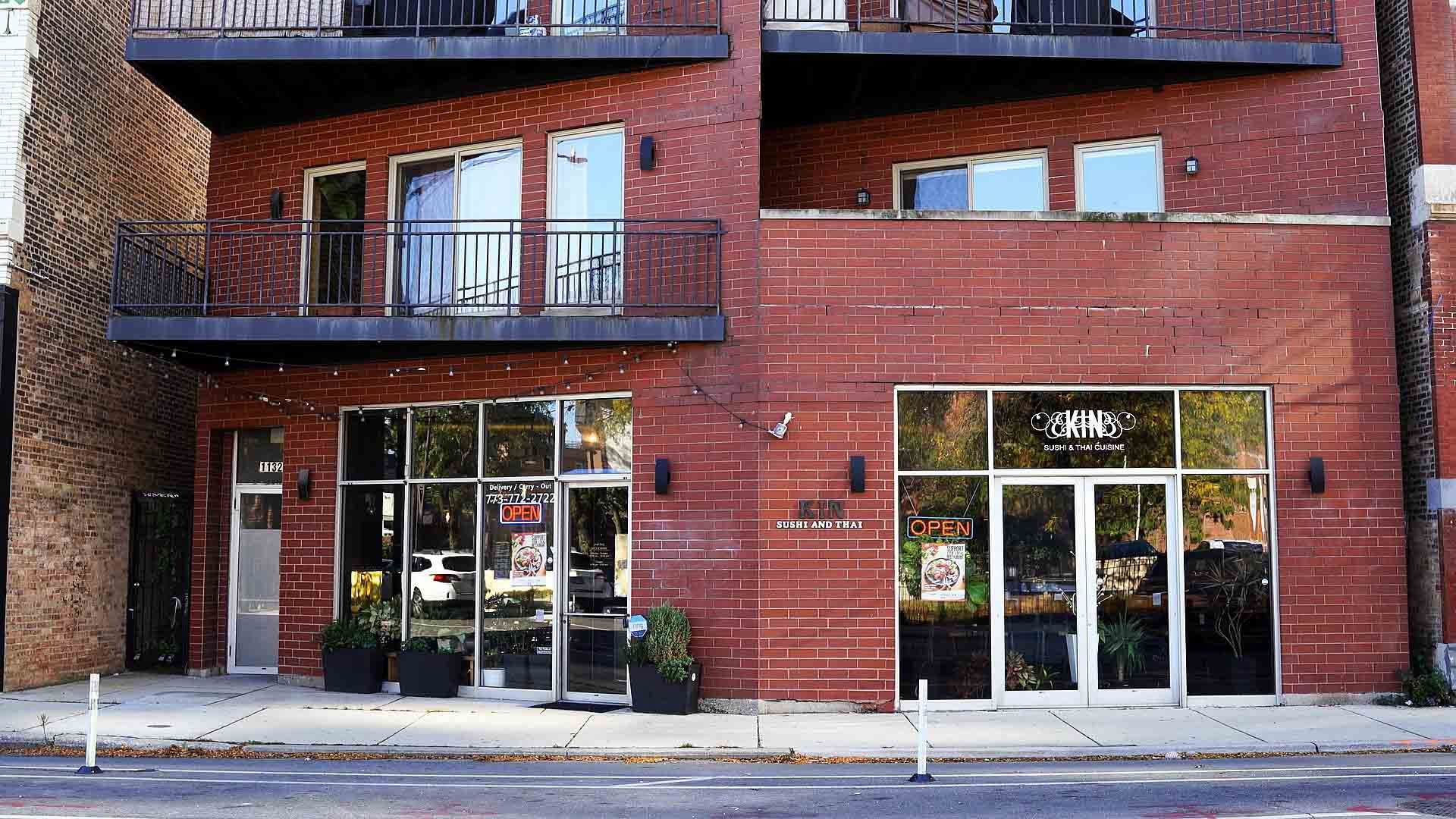
Where Milwaukee Avenue Meets Two Kitchens
Kin Sushi & Thai Cuisine is a restaurant in Chicago's Wicker Park neighborhood, serving Sushi & Thai Fusion at 1132 N Milwaukee Ave. Wicker Park's dining corridor along Milwaukee Avenue has long operated as a proving ground for formats that don't fit neatly into the city's fine-dining taxonomy. While Chicago's upper tier consolidates around tasting-menu destinations like Alinea, Smyth, and Oriole, the neighborhood tier below it has made room for something more pragmatic: the dual-cuisine restaurant, where a single kitchen spans two culinary traditions and the proposition is accessibility over authorship. Kin Sushi & Thai Cuisine at 1132 N Milwaukee Ave sits in that bracket, combining Japanese and Thai formats for a neighborhood that wants variety without the formality of the city's destination-dining scene.
The pairing of sushi and Thai cooking is less arbitrary than it might appear. Both traditions share a reliance on fresh seafood, high-acid condiments, and rice as a structural element. In Chicago's mid-tier, this kind of combination venue has become a reliable format precisely because the overlap in kitchen infrastructure reduces friction without flattening the menu. The city's more specialized peers, including the Filipino-forward Kasama or the ambitious programming of Next Restaurant, operate on entirely different premises: single-focus, awards-driven, and priced at the summit of the market. Kin operates closer to the ground, serving a neighborhood rather than a dining destination circuit.
The Dual-Cuisine Format and How It Functions
Running two distinct culinary programs from one address demands a particular kind of kitchen coordination. In markets like New York, Los Angeles, and Chicago, the dual-cuisine model tends to succeed when front-of-house teams can guide guests across both sides of the menu rather than treating them as separate offerings. The editorial angle matters here: in the restaurants that make this format work, it is the collaboration between those managing the floor and those running the kitchen that determines whether guests order narrowly or explore across both traditions.
At its leading, a sushi and Thai combination venue earns repeat business not because either side of the menu outcompetes its specialist counterparts, but because the combined offer creates a kind of flexibility that solo-cuisine restaurants cannot match. A table that includes someone who wants maki alongside someone who wants a Thai curry is served without compromise. That social utility is the actual product, and front-of-house staff who understand both menus deeply are the mechanism through which it gets delivered.
This model sits at a meaningful distance from the heavily credentialed tier of American dining. Venues like Le Bernardin in New York City, The French Laundry in Napa, or Providence in Los Angeles operate with single-cuisine focus, deep wine programs, and front-of-house teams built around a defined tasting progression. Blue Hill at Stone Barns in Tarrytown and Single Thread Farm in Healdsburg go further still, building hospitality around a farm-to-table philosophy with corresponding price points. The neighborhood dual-cuisine format is not competing in that arena. It is solving a different problem for a different diner.
Wicker Park as a Dining Context
Understanding Kin's position requires placing it against the character of Wicker Park itself. The neighborhood draws a resident base that is younger, price-conscious, and loyal to local businesses over destination venues. Milwaukee Avenue in particular hosts a mix of long-running neighborhood spots and newer openings cycling through at higher frequency. The dining culture here rewards consistency and value over theatrics. A restaurant on this strip that builds a regular clientele is doing something right in terms of reliability, even if it never appears in award conversations.
Chicago's more celebrated addresses tend to cluster in the West Loop, River North, and the Near North Side. The awards infrastructure, including Michelin coverage and the 50 Best orbit, gravitates toward those corridors. Wicker Park operates somewhat outside that recognition circuit, which means its restaurants are evaluated more directly by the neighborhood itself. That dynamic suits a format like Kin, where the measure of success is return visits and local word of mouth rather than critical placement.
Asian Cuisine in the American Mid-Tier
Across the United States, the mid-tier of Asian dining has become among the more competitive and diverse segments of the restaurant market. Cities from San Francisco, where venues like Lazy Bear represent the creative apex of a dense dining scene, to Atlanta, where Bacchanalia anchors a different kind of culinary identity, have watched Asian cuisine formats evolve from ethnic-market staples into a varied spectrum that includes fast-casual, neighborhood mid-tier, and high-end tasting counter. At the summit of that spectrum, venues like Atomix in New York City have demonstrated that Korean cuisine can operate at the same price and ambition level as any European fine-dining tradition.
The sushi counter, in its fine-dining form, has similarly separated into tiers. High-end omakase in Chicago now prices in a range that positions it against other destination experiences rather than casual sushi restaurants. A venue combining sushi with Thai cooking is making a different statement about its position in that hierarchy: it is serving the diner who wants quality without the commitment of a set menu or a dress code. Internationally, venues like 8 1/2 Otto e Mezzo Bombana in Hong Kong show how a single-cuisine fine-dining focus can translate across markets, but that model requires a level of investment and specialization that the neighborhood dual-cuisine format deliberately sidesteps.
New Orleans offers another useful comparison point. Emeril's in New Orleans built a durable mid-market brand through a combination of recognizable name, consistent execution, and accessible price positioning. The lesson is that longevity in the mid-tier depends on operational reliability at least as much as culinary ambition. Addison in San Diego and The Inn at Little Washington in Washington demonstrate the opposite end of the spectrum, where price, commitment, and prestige are the entire proposition. Kin occupies neither extreme.
Where the Accolades Land
Comparable venues nearby, for context on price, style, and recognition.
| Venue | Cuisine | Price | Notes |
|---|---|---|---|
| Kin Sushi & Thai CuisineThis venue — the venue you are viewing | Sushi & Thai Fusion | $$ | Not listed |
| Beatnik On The River | Mediterranean-Moroccan-Italian Fusion | $$$ | Loop |
| Serai | Malaysian with Chinese, Thai & Indonesian Influences | $$ | Logan Square |
| La Scarola | Classic Italian Trattoria | $$ | West Town |
| Sunda New Asian | Modern Southeast Asian | $$$ | River North |
| Bulerias Tapas | Authentic Spanish Tapas | $$ | Humboldt Park |
At a Glance
- Modern
- Minimalist
- Casual Hangout
- Date Night
- Open Kitchen
- Byob
Current opening hours
- Monday
- 12–10 PM
- Tuesday
- 12–10 PM
- Wednesday
- 12–10 PM
- Thursday
- 12–10 PM
- Friday
- 12–10 PM
- Saturday
- 12–10 PM
- Sunday
- 12–10 PM
Hours can change for holidays and private events. Last verified .
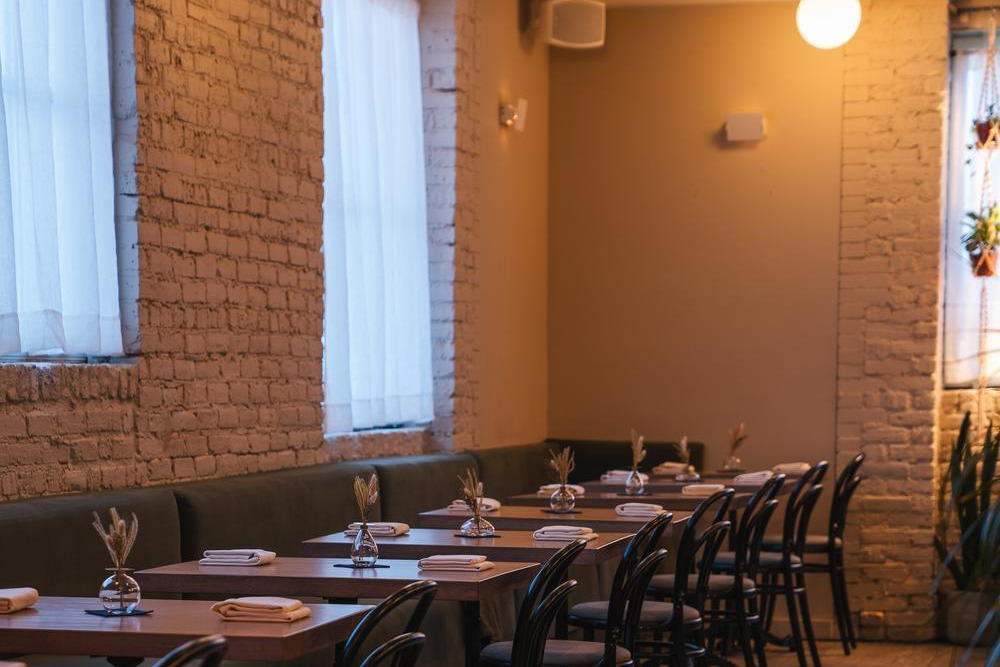
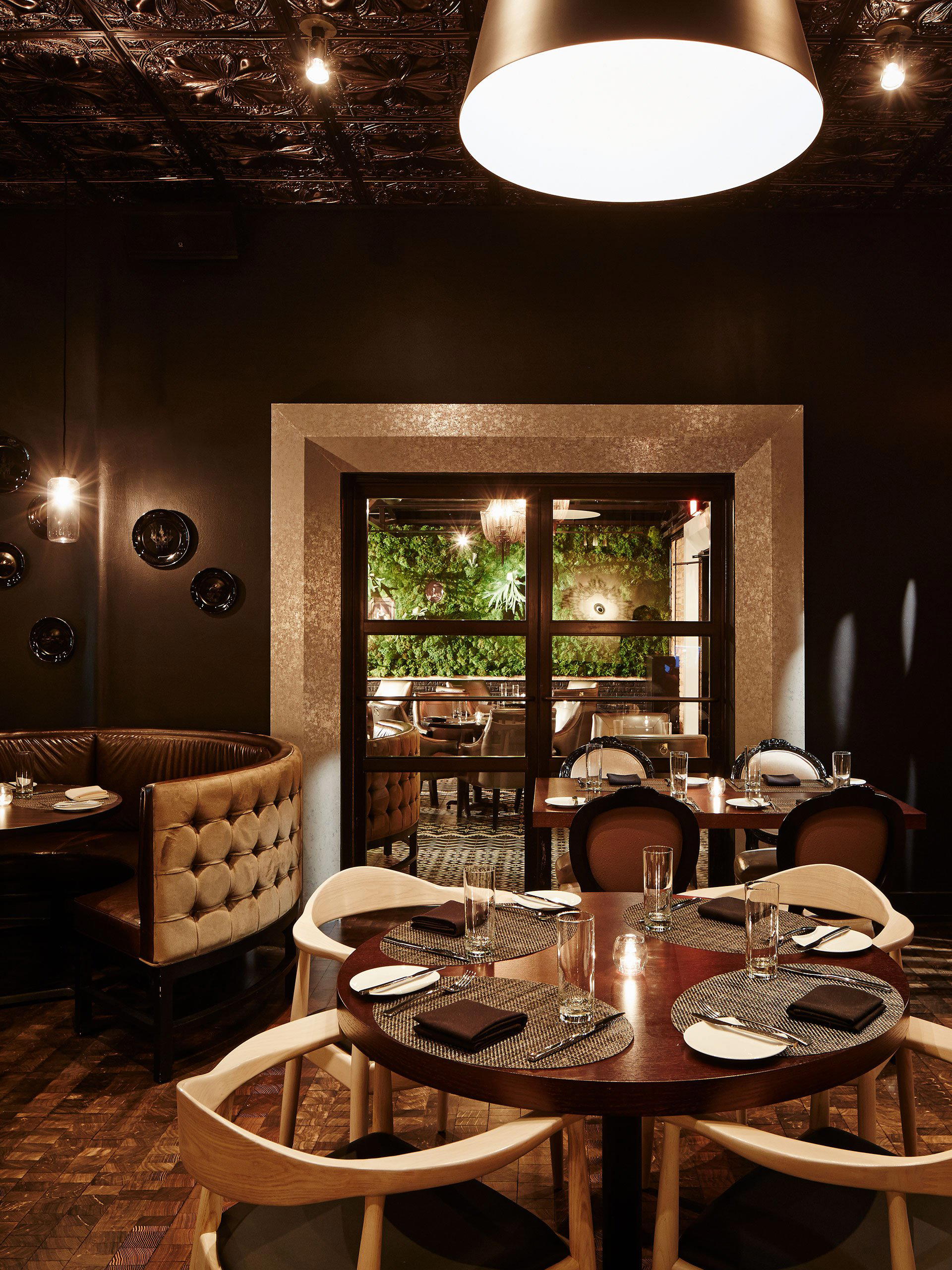
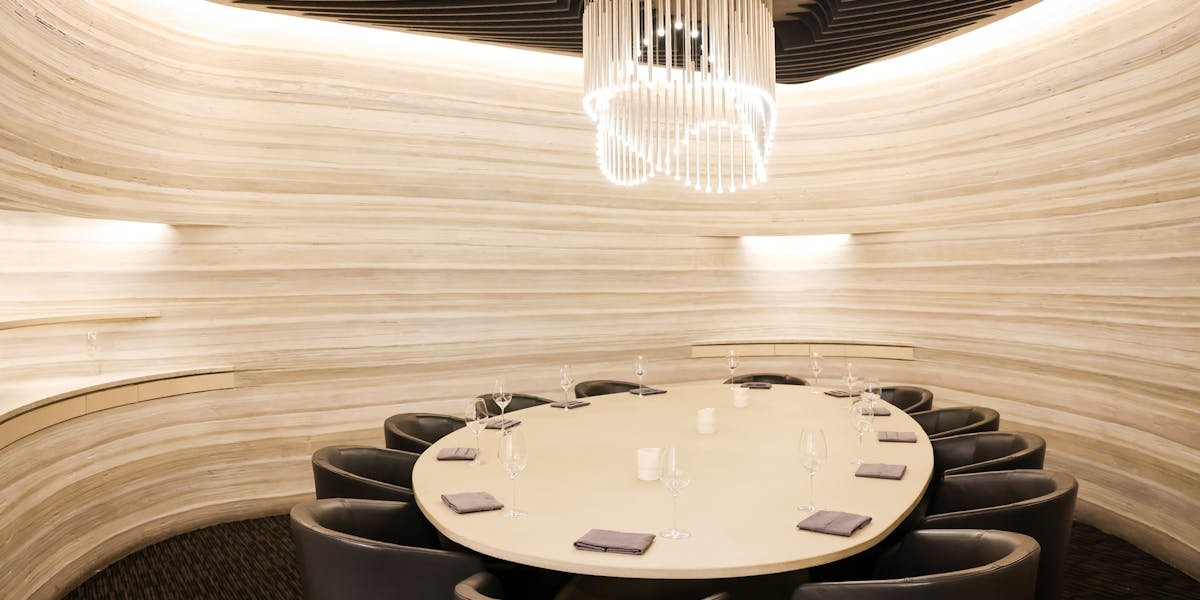
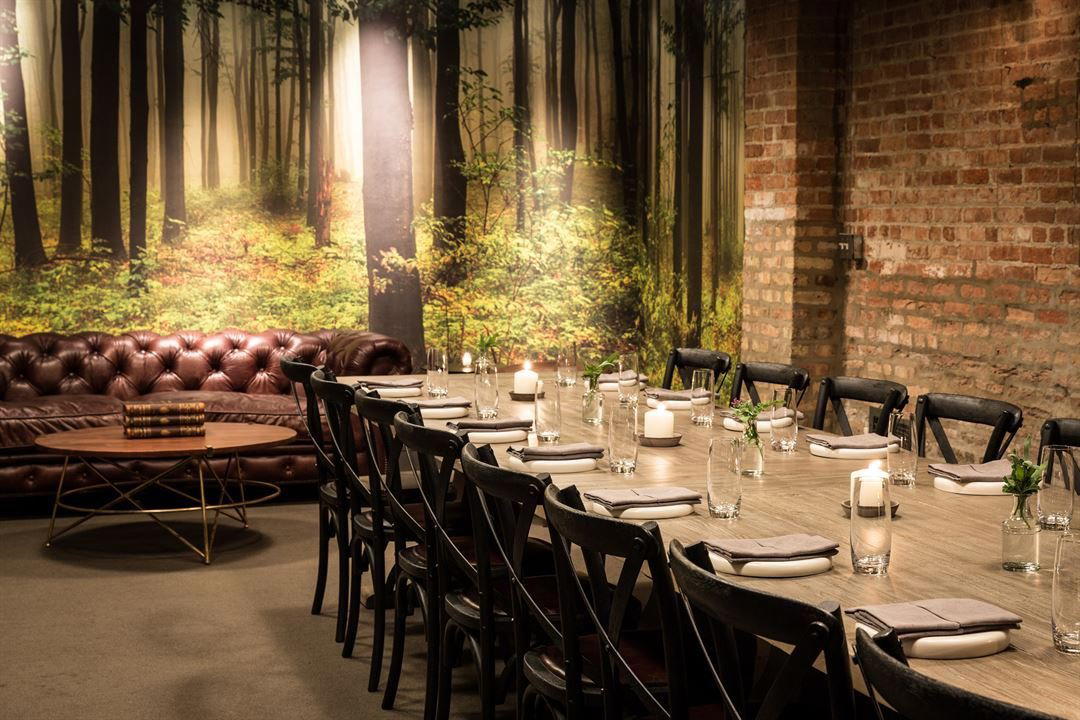
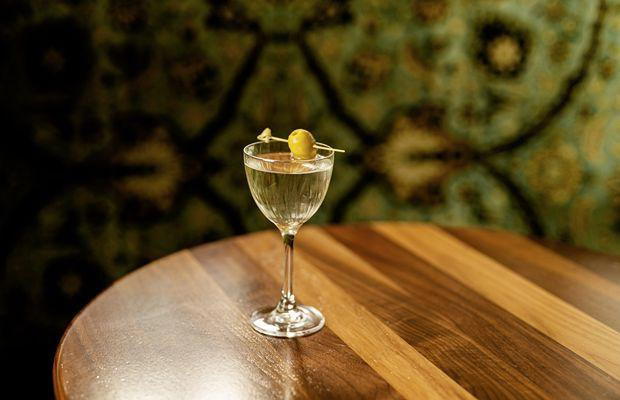
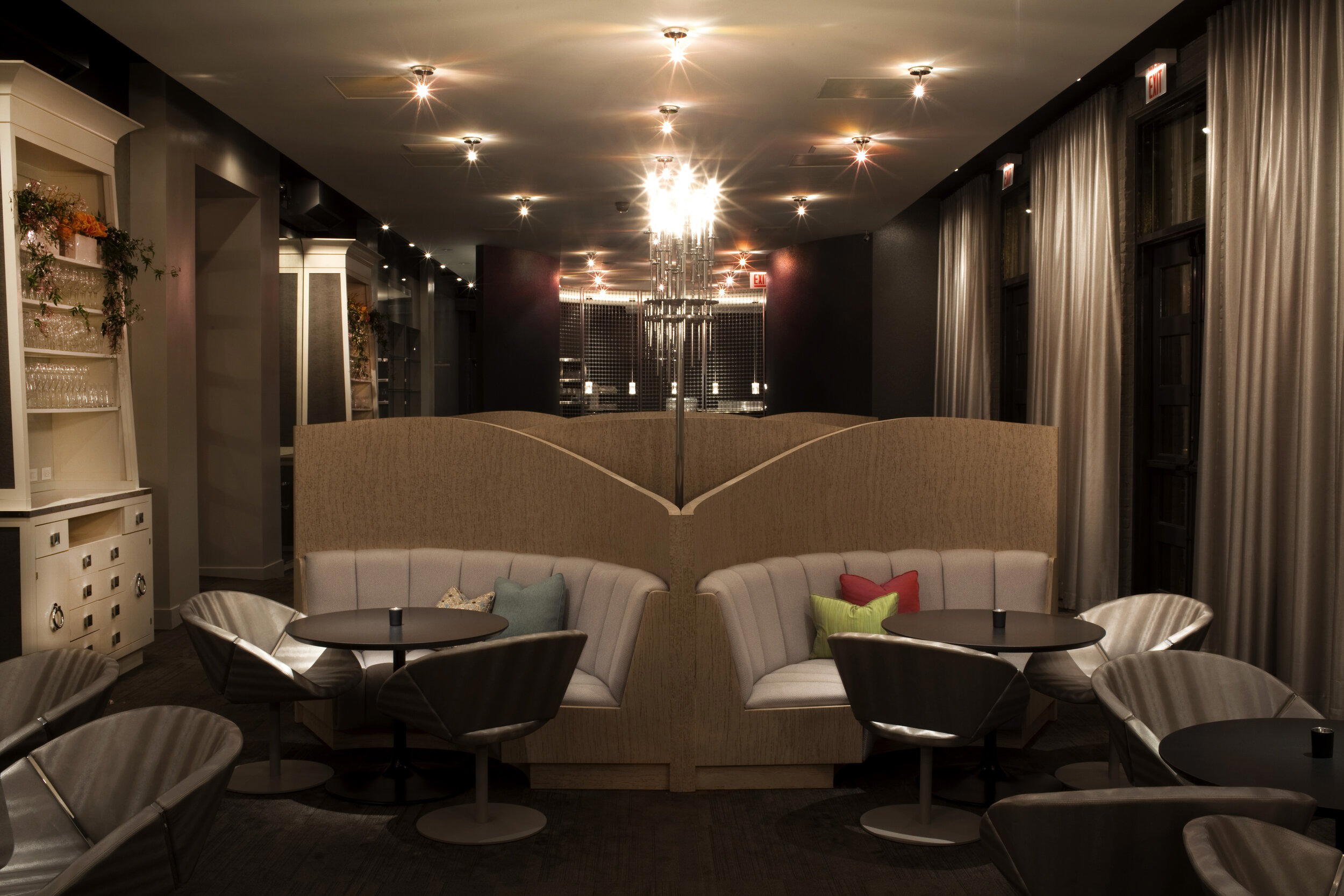
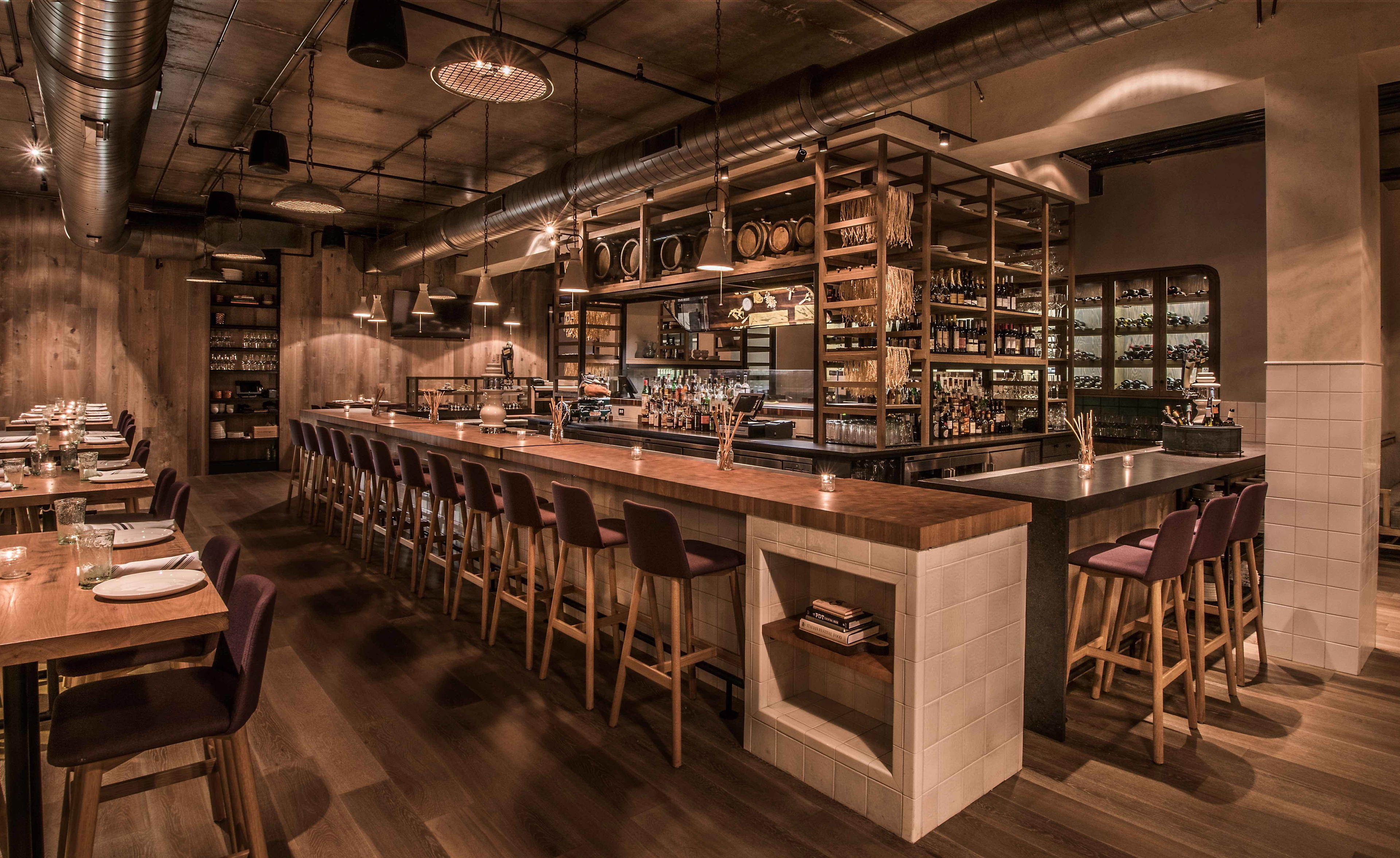
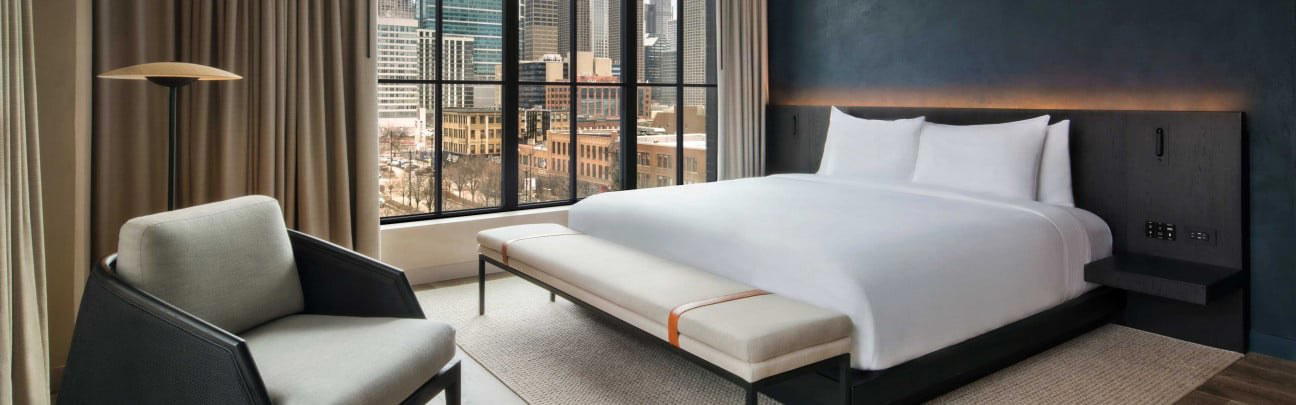
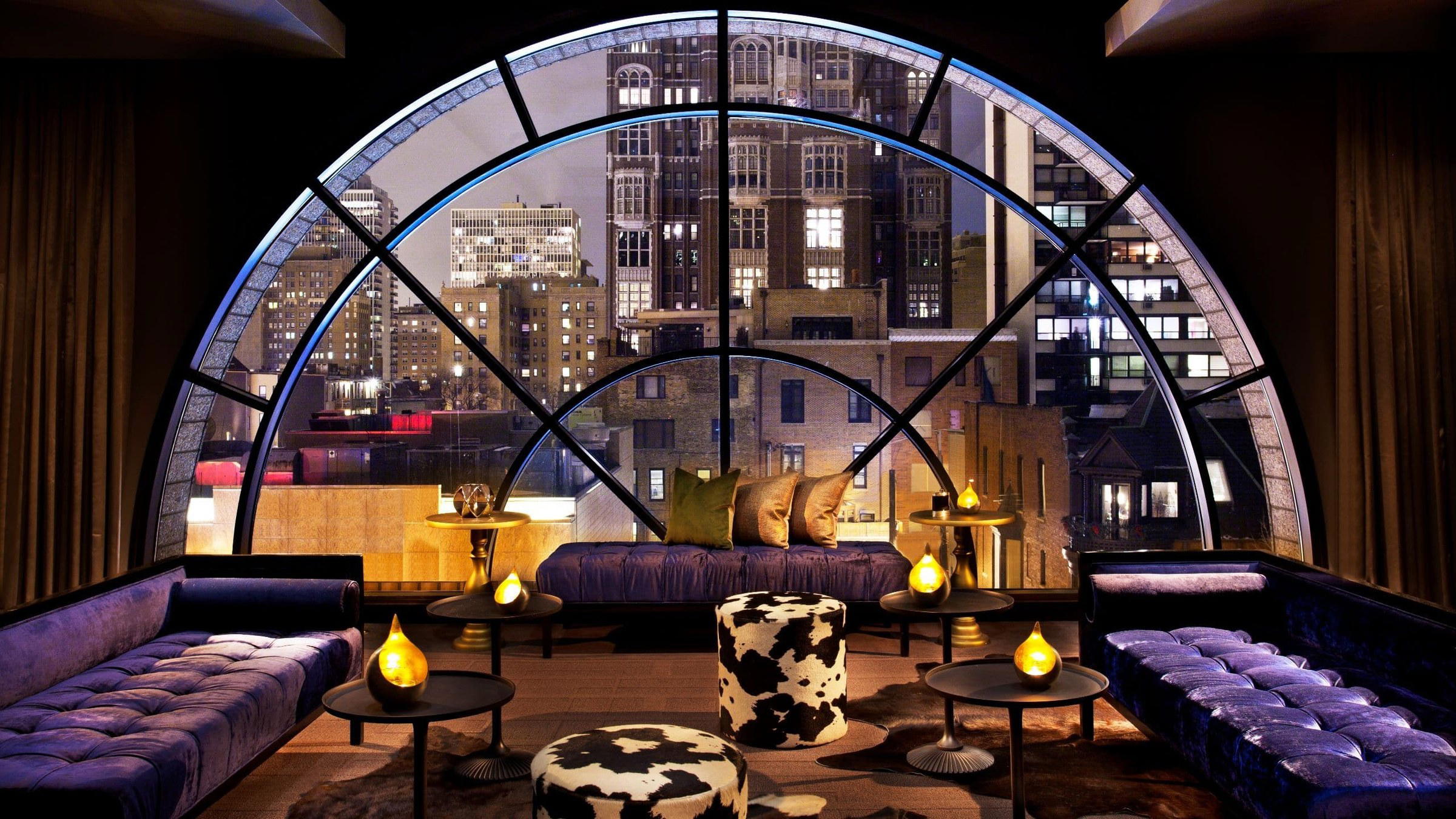
Clean modern lines with candlelit tables creating an inviting minimalist atmosphere.