Fat Rice

Fat Rice brings the culinary tradition of Macau, Portugal's former colony on the South China Sea, to Chicago's Logan Square neighborhood at 2957 West Diversey Avenue. The kitchen works through the layered canon of Macanese cooking, where Chinese, Portuguese, Indian, and Malay influences have been colliding and merging for centuries. Few American restaurants address this tradition with comparable seriousness.
- Address
- 2957 West Diversey Avenue, Chicago, 60647, United States
- Phone
- +1 773-661-9170
- Website
- eatfatrice.com
- Directions
- Get directions
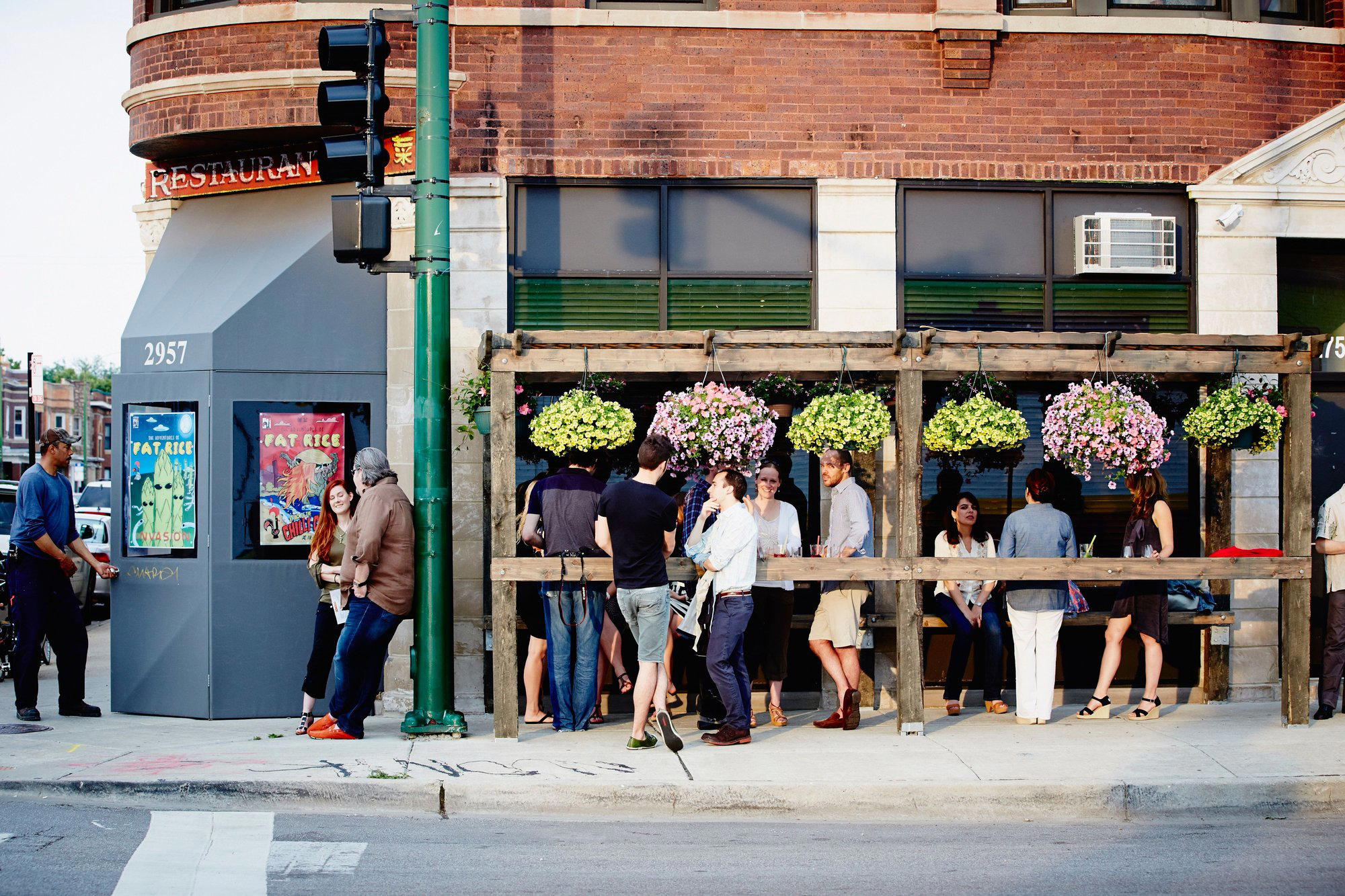
A Cuisine Shaped by Centuries of Trade Routes
Logan Square has spent the better part of two decades accumulating serious restaurant credentials, and the stretch of Diversey Avenue that Fat Rice occupies sits comfortably inside that trajectory. But the culinary tradition the kitchen addresses is not one most Chicago diners encounter elsewhere. Macanese cooking, the result of centuries of Portuguese colonial life on a peninsula bordered by the Pearl River Delta, is among the more genuinely hybridized cuisines in the world. African bird's eye chili, Indian spices, Cantonese technique, and Iberian pantry staples arrived in layers over four centuries of trade and migration, producing a canon that belongs to no single origin. Fat Rice is a Chicago restaurant serving Macanese Fusion at 2957 West Diversey Avenue in Logan Square, with a price tier around $30 per person.
Chicago's broader dining scene has developed a particular appetite for cuisines that resist easy categorization. The same city that sustains Kasama, a Filipino tasting-menu counter operating at the highest tier of American fine dining, has room for a kitchen committed to the granular detail of a cuisine most American diners could not locate on a map a decade ago. That specificity is part of what distinguishes the more serious end of Chicago restaurants from comparable cities. Where Alinea, Smyth, and Oriole operate inside progressive American and contemporary fine-dining frameworks, Fat Rice pursues a narrower, more anthropological project.
The Logic of the Table: How a Macanese Meal Unfolds
Macanese cooking does not sequence like a French or even a Japanese meal. The tradition is organized around abundance and simultaneity rather than progression. Dishes arrive in waves rather than strict courses, and the table is expected to manage its own choreography. Rice, arroz gordo in its most celebrated form, often functions as both a centerpiece and a vehicle for accumulation, absorbing stock, protein, and spice over a slow cook that produces something far more complex than the sum of its ingredients. This format resists the kind of tasting-menu architecture that dominates the Next Restaurant tier of Chicago dining, and that resistance is itself an editorial statement about how the cuisine is meant to be experienced.
The progression at a well-executed Macanese table tends to move from lighter, acid-forward preparations, pickled vegetables, salt cod applications, vinegared salads informed by the escabeche tradition, through richer, slower-cooked centerpieces that carry the full weight of the spice canon. Coconut milk, tamarind, and piri piri appear not as embellishments but as structural elements. The meal's arc is less about escalation than about accumulation, with each dish adding a different register to a table that grows increasingly complex as the evening proceeds.
For diners accustomed to the clean sequencing of tasting menus at venues like Lazy Bear in San Francisco or the formal progression at The French Laundry in Napa, the Macanese format requires a different posture at the table. The meal rewards patience and shared eating; ordering conservatively undermines the logic of the cuisine.
Where Fat Rice Sits in the Chicago Pecking Order
Chicago's restaurant tier structure runs from destination fine dining, the city's Michelin-starred flagships drawing international travelers, through serious neighborhood restaurants operating at price points that reward regulars. The restaurant belongs to the latter category, which in Chicago's case is not a diminishment. The city's neighborhood restaurant culture is what gives the dining scene its depth; the fine-dining tier at venues like Alinea or Smyth represents the apex, but the restaurants sustaining weekly traffic from residents rather than tourists often produce the more interesting cooking over time.
For comparison: American restaurants working in analogous territory, cuisines that are simultaneously specific and unfamiliar to mainstream diners, include Atomix in New York, which applies a fine-dining framework to Korean culinary history, and Providence in Los Angeles, which takes a similar approach to American seafood tradition. The ambition at the restaurant is comparable in kind if not in price register: to take a cuisine seriously on its own terms rather than adapting it to Western dining conventions.
Internationally, the closest reference points for the culinary tradition the restaurant draws from might be found in Macau itself, or in the handful of restaurants across Portugal and Southeast Asia keeping Macanese technique alive. 8 1/2 Otto e Mezzo Bombana in Hong Kong operates in the same regional geography, southern China and its colonial food history, though from an entirely different culinary direction. The point is that restaurant is addressing something with genuine historical and geographical specificity, not a loosely defined fusion category.
The Logan Square Context
2957 West Diversey sits in the western section of Logan Square, a neighborhood whose dining identity has been shaped by successive waves of immigration and a relatively high tolerance for culinary risk among its resident base. The area supports a range of restaurants that would struggle in more conservative dining markets. For visitors using the restaurant as part of a broader Chicago itinerary, the neighborhood offers supporting options for drinks before or after.
For those extending beyond Chicago, Emeril's in New Orleans and Single Thread Farm in Healdsburg represent comparable commitments to regional culinary specificity in other American markets.
Know Before You Go
- Address: 2957 West Diversey Avenue, Chicago, IL 60647
- Neighborhood: Logan Square
- Cuisine: Macanese (Portuguese-Chinese colonial tradition)
- Booking: Walk-in friendly
- Dining format: Shared table; order broadly to experience the cuisine's accumulative logic
Price and Recognition
Comparable venues nearby, for context on price, style, and recognition.
| Venue | Cuisine | Price | Notes |
|---|---|---|---|
| Fat RiceThis venue — the venue you are viewing | Logan Square, Macanese Fusion | $$$ | Not listed |
| Sunda New Asian | River North, Modern Southeast Asian | $$$ | Not listed |
| Nic + Junior's | River North, Italian-Brazilian Fusion | $$$ | Not listed |
| Sunda | Not listed | $$$ | River North, Modern Southeast Asian Fusion |
| Ila's Chicago | River North, Global Fusion Comfort Food | $$$ | Not listed |
| Carnivale | West Loop, Latin Fusion | $$$ | Not listed |
Recognition history
Dated appearances from independent guides and award organizations, with the underlying list record or original source where available.
James Beard Award Best Chefs
James Beard Award
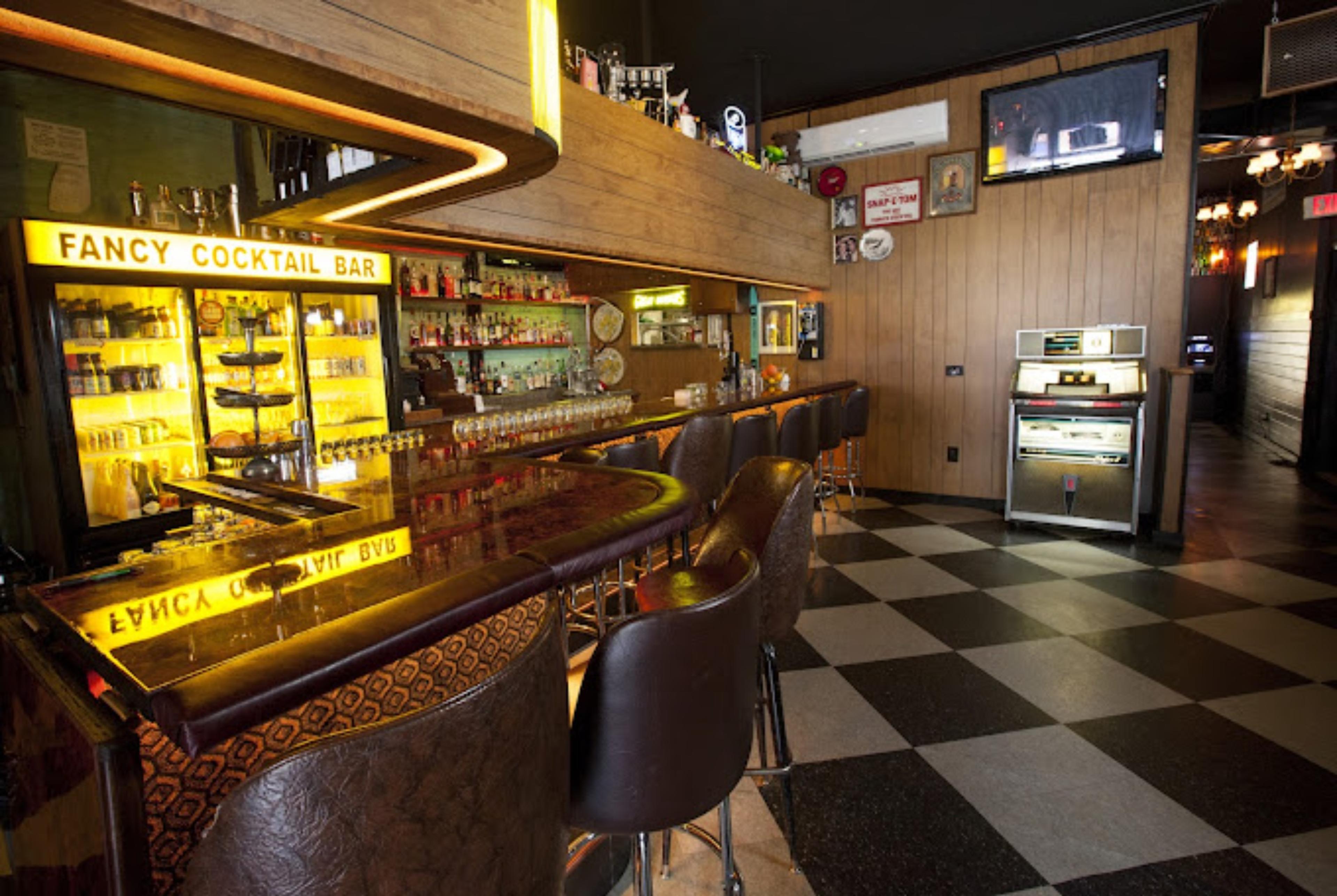

At a Glance
- Cozy
- Intimate
- Trendy
- Date Night
- Special Occasion
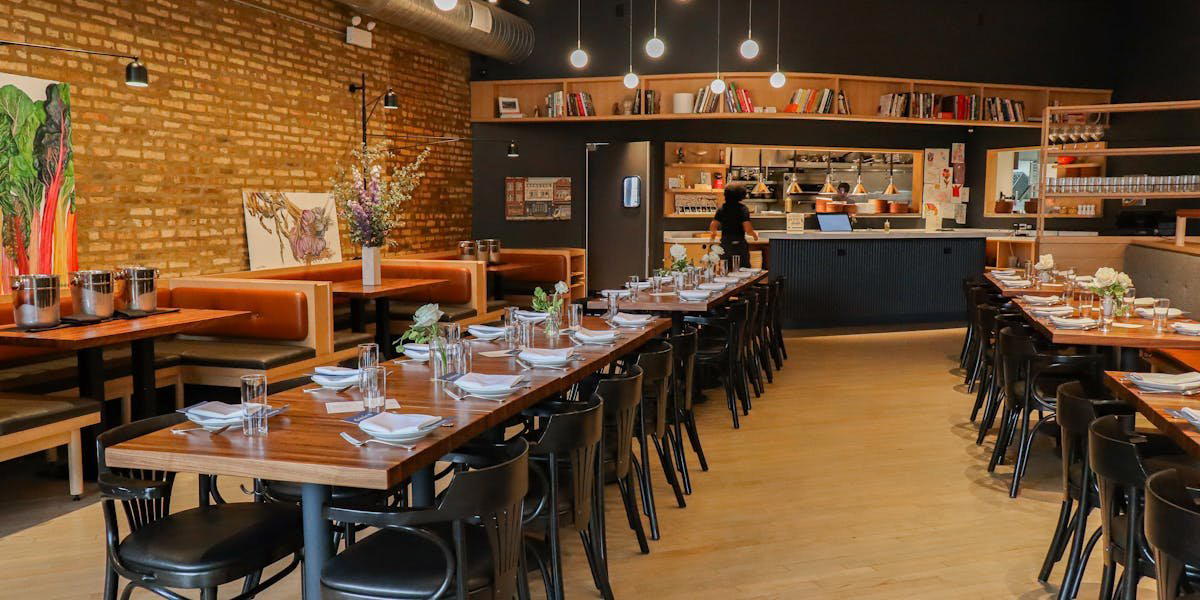
- Open Kitchen
- Craft Cocktails