
Tabelog 100
Our verdict
TIES belongs to Tokyo’s quieter kissaten culture: compact, low-priced, and built around coffee, cafe fare, and cake rather than spectacle. Its Tabelog 100 - Kissaten selections in 2021 and 2022 place it in a recognized tier of Japanese coffee shops, while the Yushima-Bunkyo setting keeps the experience closer to an everyday Tokyo ritual than a destination dining performance.

Pearl is the En Primeur Club membership app — saves, bookings, and concierge access live there. Same editors, same standards.
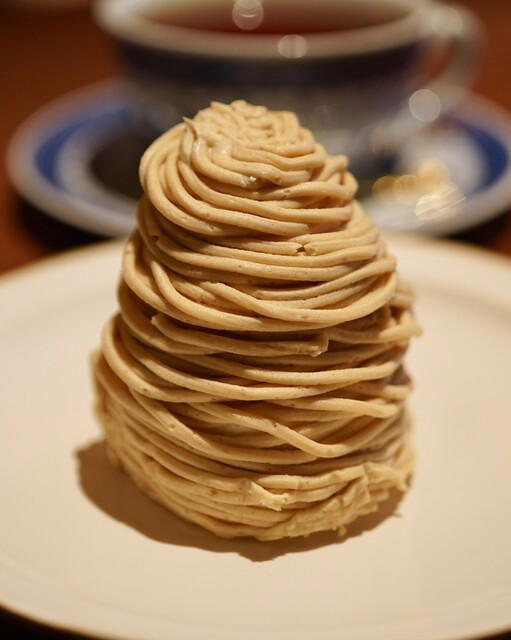
Tokyo does not always announce its quieter cafes with restaurant theater or late-night density. Some pockets of the city move at a gentler local pace: office workers, students, visitors, and residents using small cafes as pauses between errands. In that setting, the Japanese kissaten remains less a nostalgia act than a practical urban form, a room for coffee, cake, quiet talk, and solo time.
TIES fits that tradition through scale rather than spectacle. It is not the contemporary roastery model built around tasting flights or origin lectures. It belongs to the older cafe grammar of coffee, cake, and measured seating, with the menu architecture doing the editorial work. The appeal is compact, calm, and category-specific rather than theatrical.
A kissaten menu built around coffee, cake, and restraint
Tokyo’s kissaten category covers a wide range, from old-style coffee rooms and thick-toast counters to polished cake-and-coffee rooms with almost salon-like discipline. TIES is categorized as kissa, cafe, and cake, a combination that tells the reader more than a long menu description would. The point is not breadth. The point is a narrow afternoon proposition: coffee-led refreshment, something sweet, and enough structure for a solo guest or two-person stop.
That format has become more valuable as Tokyo’s dining scene has split into extremes. At one end, the city’s serious dining economy is shaped by reservation-led counters, set formats, and meals with higher planning friction. At the other, casual chains deliver speed and standardization. The kissaten occupies the middle ground: personal scale, low ceremony, and a menu short enough to make a visit feel intentional. Within a modest Tokyo spend, TIES shows how JPY 1,000 to JPY 1,999 can support a different kind of Tokyo meal: not a full-scale destination lunch, but a compact cafe interval.
The Tabelog 100 - Kissaten recognition in 2022 is the useful signal here. Tabelog’s Hyakumeiten lists tend to reward depth within a category rather than international polish, and kissaten selection says something specific: this is a cafe judged against Japanese coffee-shop peers, not against patisserie boutiques or third-wave coffee bars. The score attached to the listing, 3.75, reinforces that it sits in a serious domestic conversation even though the spend remains modest by Tokyo standards.
Why Tokyo changes the read
Location matters because Tokyo’s cafe culture includes many audiences beyond style-driven destination dining. Small restaurants and cafes often serve repeat local patterns rather than weekend queue tourism. That gives a kissaten like this a sharper editorial identity: the appeal is not novelty, but the survival of a slower format inside a city that constantly monetizes speed.
The practical shape supports that reading. The dining room should be approached with flexibility rather than itinerary pressure, and the smarter move is to treat it as part of a Tokyo afternoon rather than the sole anchor of a cross-city trip. A cafe like this can absorb a lull beautifully and become more difficult at peak cafe hours, so the best planning is loose rather than overbuilt.
Compared with more reservation-driven meals such as Yakiniku Jambo Hongo or Jumbo Hanare, the value proposition is not substitution. It is sequence. A major booking answers a different appetite; a kissaten stop answers time, texture, and pacing. Arrangiarsi, Chuka Soba Nishino, and Sake to Misonikomi Misonikomin can be useful comparison points for how different Tokyo formats serve different moments. TIES is useful precisely because it is modestly priced and category-specific.
How to place it in a Tokyo itinerary
For travelers building a Tokyo food plan, this is the kind of address that prevents the schedule from becoming a parade of reservations. The city rewards diners who leave room for formats that do not translate cleanly into global luxury language: kissaten, curry counters, soba shops, department-store basement snacks, and neighbourhood sweets. TIES belongs in that group, with recognition strong enough to justify a detour when already moving through Tokyo.
The editorial caution is simple: do not read the award as a promise of grandeur. Read it as category validation. A selected kissaten in this price range is about calibration, not excess. The relevant questions are whether the room suits the moment, whether the menu’s coffee-and-cake structure matches the hour, and whether the guest is willing to work with a small-format cafe rhythm. On those terms, it offers a precise Tokyo pleasure: modest spend, compact scale, and a cafe tradition that still has its own rules.
Adjacent dining research can also include other Tokyo dining rooms, casual cafes, curry counters, yakitori spots, and small neighbourhood restaurants.
For comparison beyond Tokyo, look generically to other Japanese coffee shops, compact cafes, curry specialists, sake bars, and casual dining rooms in Japan and abroad, while keeping TIES in view as a Tokyo kissaten rather than a luxury-dining analogue.
Frequently asked questions
What's TIES's location?
Tokyo.
What does dinner at TIES typically cost?
TIES has a listed price range of JPY 1,000 - JPY 1,999.
Do I need a reservation for TIES?
Plan with flexibility and check the venue's official channels for the latest details. TIES is a kissaten in Tokyo, and the listed price range is JPY 1,000–JPY 1,999.
What is TIES known for?
TIES is known as a Tokyo kissa, cafe, and cake venue with Tabelog Hyakumeiten recognition in 2022 and a listed score of 3.75.
Cuisine Lens
Comparable venues to anchor price and recognition.
| Venue | Cuisine | Price | Awards | Notes |
|---|---|---|---|---|
| TIESThis venue (the venue you are viewing) | Japanese Kissaten / Cafe | $1–10 | Tabelog 100 | Not listed |
| Toyama Shiroebitei (富山白えび亭) | Toyama White Shrimp Tempura Bowls | $20–30 | Not listed | Marunouchi |
| Gensen Yoshoku Sakurai | Japanese-Western Yoshoku | $20–30 | Tabelog 100 #7 | Bunkyō |
| Yakiniku Uguisudanien | Japanese Yakiniku (Grilled Wagyu) | $50–100 | Tabelog 100 #59 | Taitō |
| 川田 | Sushi Omakase | Not listed | Not listed | Chūō |
| 久丹 | Modern Classic Kappo-Kaiseki | $300–500 | 2 Michelin Stars · La Liste Top Restaurants | Chūō |
Recognition history
Dated appearances from independent guides and award organizations, with the underlying list record or original source where available.
Tabelog 100
Tabelog · Tabelog 100 - Kissaten - 2026
Full recognition history (2 entries)
Tabelog 100 #3 · No. 3
Tabelog · Tabelog 100 - Kissaten - 2022
TIES
Featured Guides
Continue exploring
More in Tokyo
Restaurants in Tokyo
All restaurants in Tokyo →







Details
- Classic
- Cozy
- Quiet
- Solo
- Casual Hangout
- Historic Building
- Standalone
- A La Carte
- Set Menu
- Counter Dining
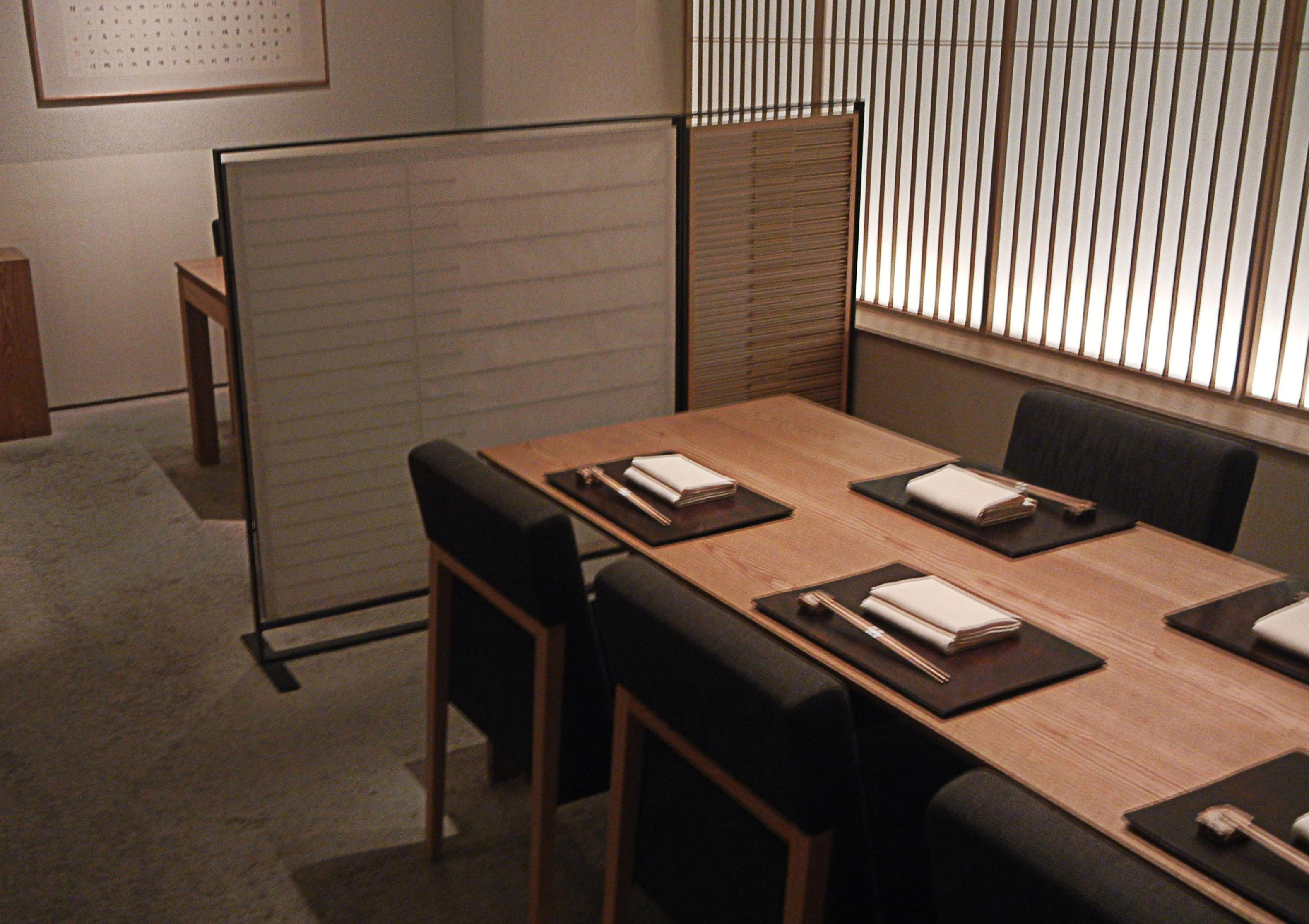
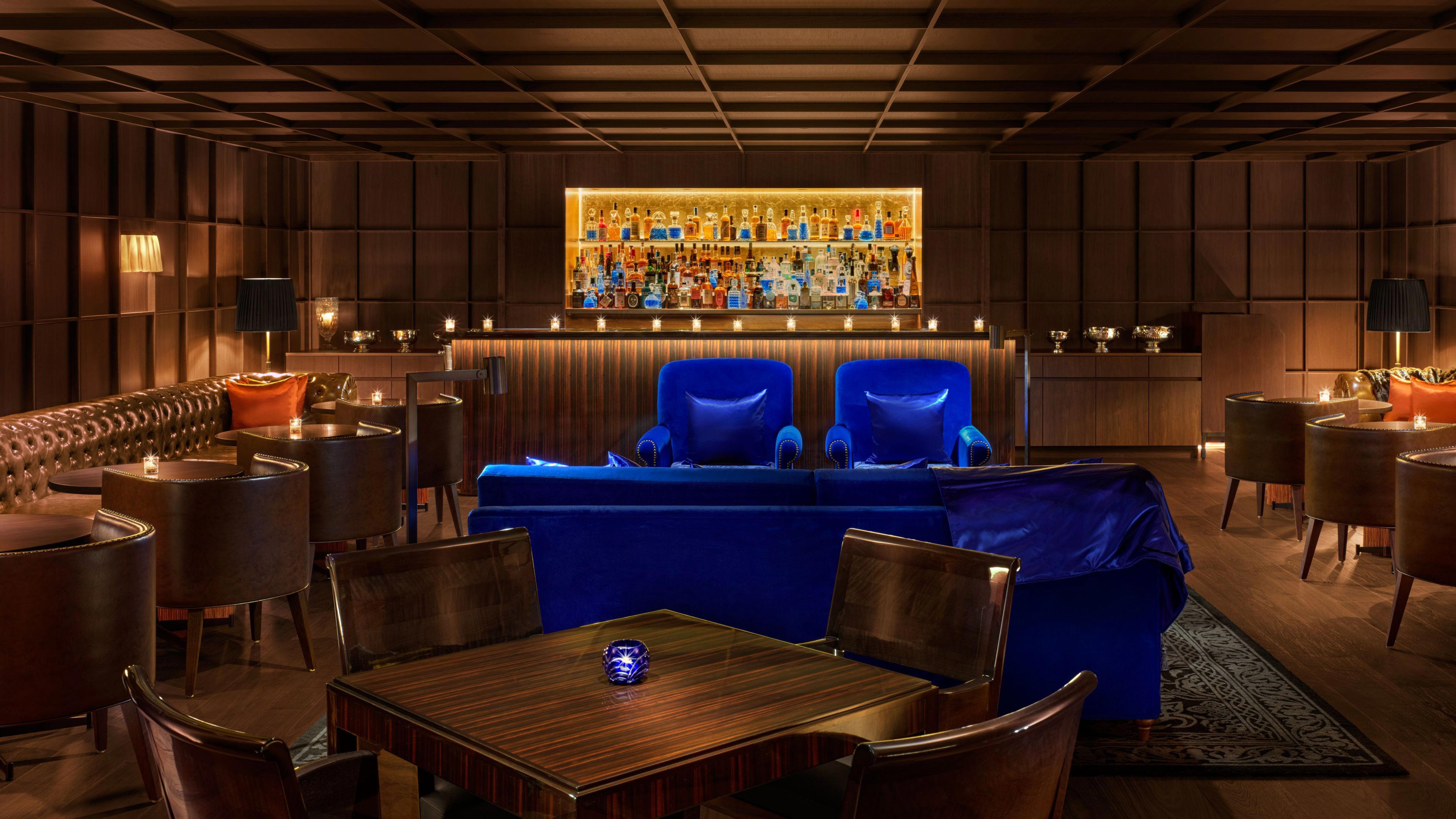
A stylish, relaxing, old coffee-shop atmosphere that feels quiet and tucked away, with a small intimate interior.