On a quiet Yorkville side street, The Tea Room occupies a category that Toronto's dining scene rarely sustains: the formal afternoon ritual, executed without irony. Positioned apart from the city's tasting-menu circuit, which runs through venues like Alo and Sushi Masaki Saito, it addresses a different kind of occasion, one governed by sequence, pour, and pace rather than by course count or chef pedigree.
Pearl is the En Primeur Club membership app — saves, bookings, and concierge access live there. Same editors, same standards.
- Address
- 18 St Thomas St, Toronto, ON M5S 3E7, Canada
- Phone
- +14169719666
- Website
- windsorarmshotel.com
- Directions
- Get directions
 Saves & bookings on Pearl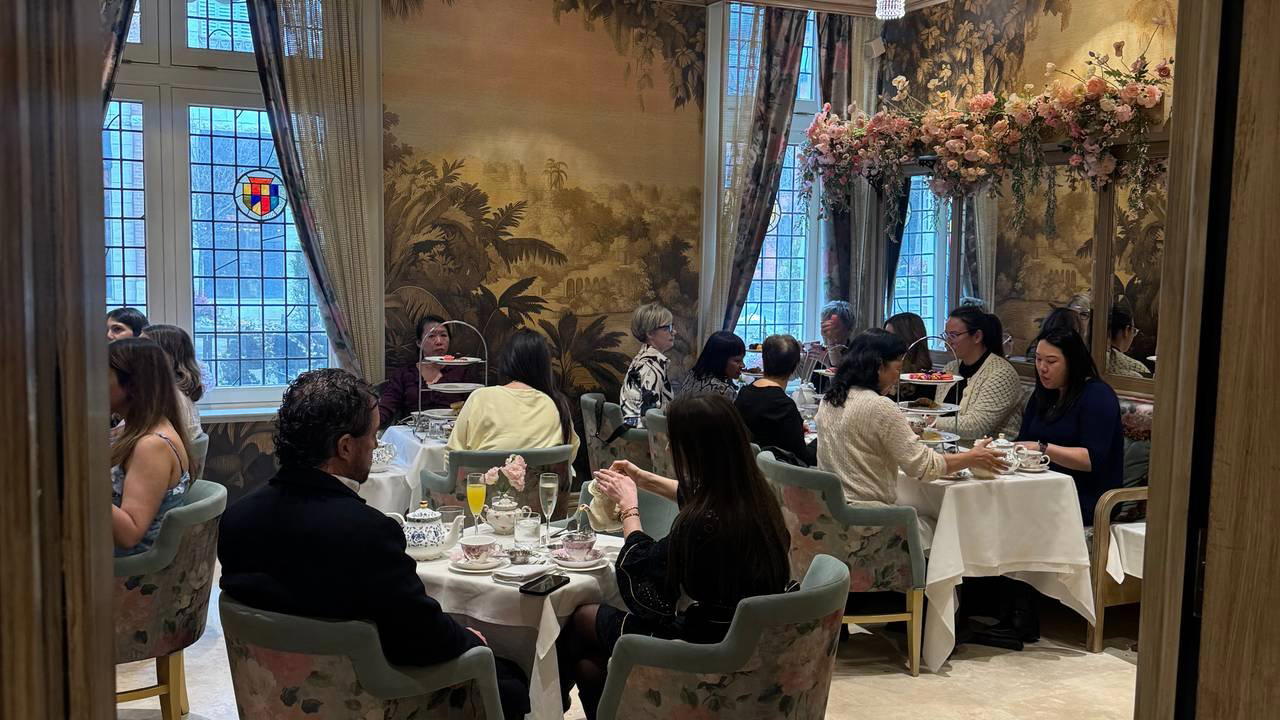
The Ritual Before the Food
18 St Thomas St, Toronto, is home to The Tea Room, a restaurant serving Traditional British Afternoon Tea at about USD 85 per person. The formal tea service, as a dining format, depends on a specific register of calm that busy commercial strips actively undermine. What you notice approaching a room like this is the absence of noise, and the way that absence becomes its own kind of signal.
Toronto's premium dining circuit has consolidated, over the past decade, around a recognizable set of formats: the chef-driven tasting menu at Alo, the precision omakase counter at Sushi Masaki Saito, the kaiseki-inflected progression at Aburi Hana. The Tea Room operates in a different lane. Its reference points are English and Eastern European tea traditions, the European salon, and a slower, more explicitly social mode of eating, one where the meal's architecture is horizontal rather than vertical, built from small courses arriving alongside a poured beverage rather than sequenced around a chef's narrative arc.
How the Format Works
The tea service as a dining ritual carries its own etiquette grammar, and rooms that take it seriously tend to be explicit about that grammar without making it feel instructional. The classic three-tier stand, finger sandwiches on the base, scones in the middle, pastries at the leading, is as much a pacing device as it is a presentation one. You are expected to work from savoury to sweet, bottom to leading, and the pour of tea at each stage is calibrated to what you're eating rather than functioning as a neutral background beverage. This is a different relationship to drink-and-food pairing than the wine list model, and it rewards a different kind of attention.
In the broader Canadian context, this kind of formal ritual format appears in relatively few rooms. Aux Anciens Canadiens in Quebec handles a different tradition, heritage Québécois cuisine in a period setting, but shares the same underlying logic: that the built environment and the sequencing of service together constitute the experience, not just the food itself. Tanière³ in Quebec City approaches ritual from a contemporary fine-dining direction. The Tea Room's version is more overtly ceremonial, closer to the English country house model than to anything in the current Canadian tasting-menu register.
Where It Sits in Toronto's Dining Map
Yorkville has historically housed Toronto's luxury retail and hotel corridor, with the dining scene around it tilting toward the expense-account register: Italian rooms like Don Alfonso 1890 and DaNico operate nearby in that bracket. The restaurant addresses a different occasion type within the same affluent catchment. It is not competing for dinner reservations against the tasting-menu circuit; it is addressing the daytime occasion, the birthday, the visiting relative, the pre-theatre afternoon, where the meal's social function is primary and the food's complexity is secondary to its elegance.
That positioning is less common than it sounds. The rooms that do it consistently tend to anchor themselves to hotel lobbies, where the captive audience offsets the format's operational demands, or to specific neighbourhood demographics. St Thomas Street's Yorkville adjacency serves both functions to a degree.
Eigensinn Farm in Singhampton represents the destination-dining end of the specialist spectrum, where format, location, and booking difficulty all amplify each other. Restaurant Pearl Morissette in Lincoln anchors a different kind of ritual to a wine estate setting. The restaurant's specialist appeal is urban and social rather than destination-driven, but the underlying logic, a format that demands a specific mode of participation from the diner, is comparable.
Pacing and Protocol
What distinguishes a serious tea service from a hotel lobby approximation is the handling of pace. The tendency in lower-commitment rooms is to deliver all tiers of the stand at once and leave the diner to manage the sequence independently, with top-ups arriving infrequently. A room that understands the ritual keeps the pour active, reads when the savoury tier is complete, and times the scone course accordingly. The difference is invisible if you don't know what to look for, but it determines whether the 90-minute format feels generous or merely slow.
The international comparison is worth making. In rooms like Le Bernardin in New York City, pacing is managed through a kitchen-side progression; the diner's role is largely receptive. In a tea service, pacing is a collaboration, the table's conversation rate, the speed at which the stand depletes, the number of cups requested all feed back into the service rhythm. It is one of the few remaining formats where the guest's behaviour materially shapes the meal's timing. Atomix in New York City handles a comparably interactive format through its card-based kaiseki structure, but with a different register of intensity.
Planning Your Visit
Rooms worth cross-referencing in the Canadian context include AnnaLena in Vancouver, Jérôme Ferrer - Europea in Montreal, and the Niagara-area producer table at Pearl Morissette for a sense of how premium dining ritual varies across the country. Ontario day-trip options with their own format logic include The Pine in Creemore and Barra Fion in Burlington. Further afield, Narval in Rimouski represents the Quebec end of the regional-produce ritual format. Bearspaw Golf Club in Calgary shows how the club-dining format operates in a western Canadian context.
Address: 18 St Thomas St, Toronto, ON M5S 3E7. Neighbourhood: Yorkville, a short walk from the Bloor-Yonge and Bay TTC stations. Reservations are recommended. Dress: The format and neighbourhood both suggest smart-casual at minimum; the occasion type skews toward occasion dressing. Budget: About USD 85 per person before gratuity. Timing: Mon to Thu, 12 to 4 PM; Fri to Sun, 12 to 6 PM.
A Lean Comparison
Comparable venues nearby, for context on price, style, and recognition.
| Venue | Cuisine | Price | Notes |
|---|---|---|---|
| The Tea RoomThis venue — the venue you are viewing | Not listed | $$$ | Not listed |
| Tulum Mexican Restaurant | Not listed | $$$ | Entertainment District, Authentic Mexican |
| Luma | Not listed | $$$ | Entertainment District, Contemporary Canadian with Global Seafood Influences |
| Ficoa | Not listed | $$$ | Palmerston-Little Italy, Neo-Latin Fine Dining |
| The Sultan's Tent | Not listed | $$$ | Church-Yonge Corridor, Moroccan & Middle Eastern Fusion |
| Queens Harbour | Harbourfront, MediterrAsian Fusion | $$$ | Not listed |
Continue exploring
More in Toronto
Restaurants in Toronto
Browse all →
Bars in Toronto
Browse all →
Hotels in Toronto
Browse all →

At a Glance
- Elegant
- Classic
- Intimate
- Sophisticated
- Special Occasion
- Celebration
- Date Night
- Historic Building
- Hotel Restaurant
Current opening hours
- Monday
- 12–4 PM
- Tuesday
- 12–4 PM
- Wednesday
- 12–4 PM
- Thursday
- 12–4 PM
- Friday
- 12–6 PM
- Saturday
- 12–6 PM
- Sunday
- 12–6 PM
Hours can change for holidays and private events. Last verified .
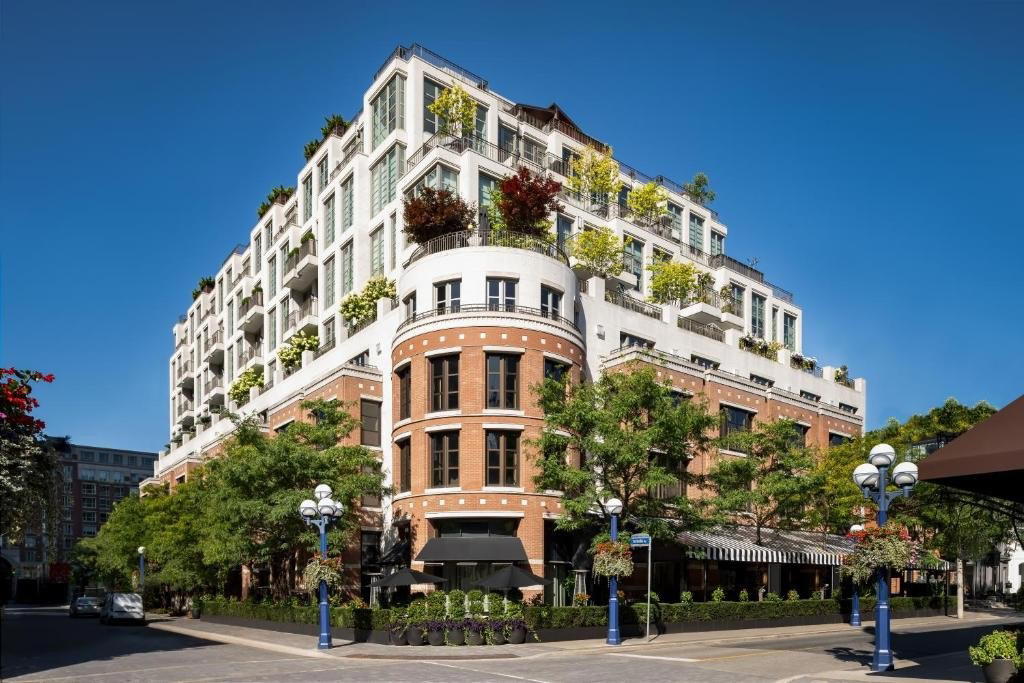
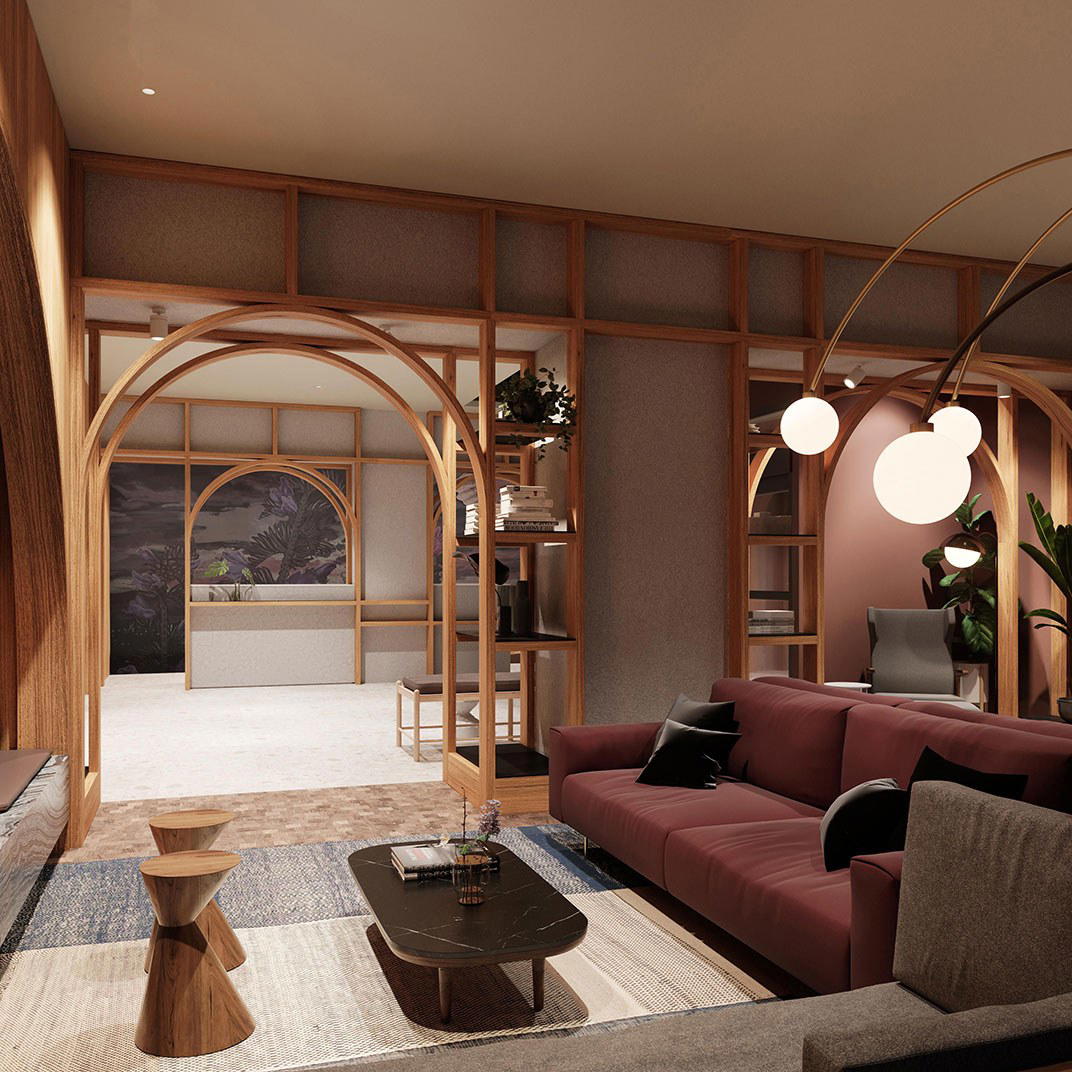
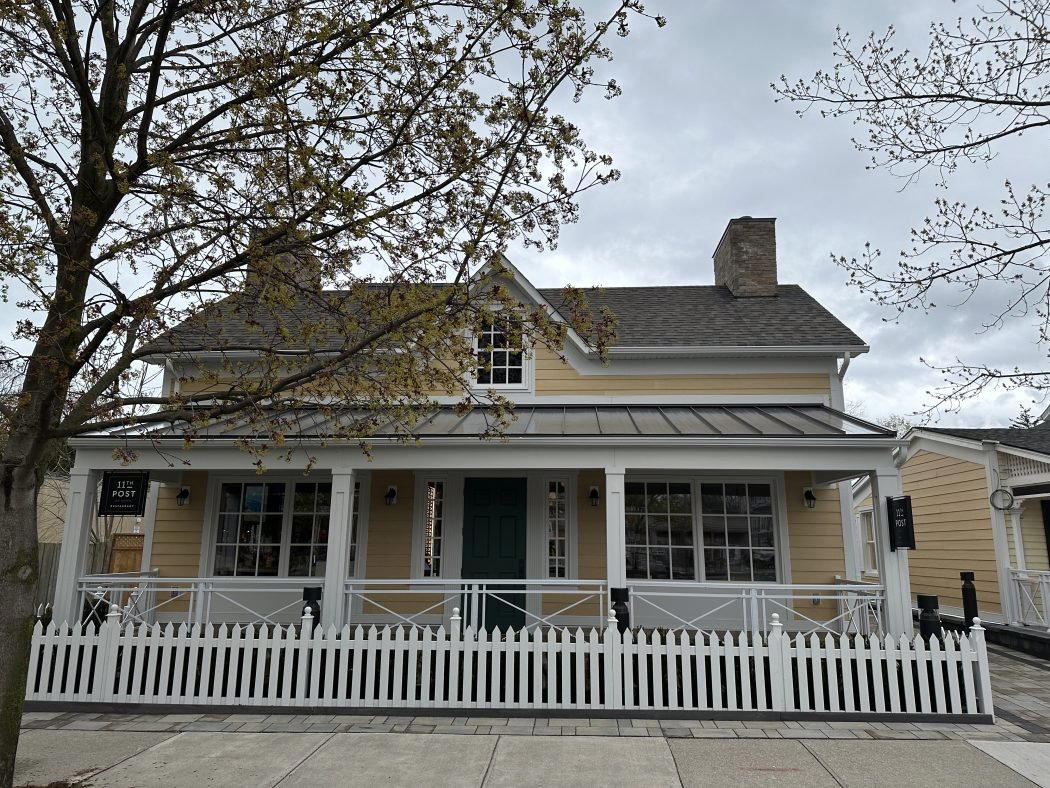
Elegant and historically enchanting atmosphere with refined tea room decor.