On the second floor of Reitman Square in King West, Luma occupies a position that mirrors Toronto's broader fine-dining shift: technically ambitious cooking that treats Canadian ingredients as primary material rather than backdrop. The room sits above one of the city's most active cultural corridors, drawing a crowd that skips the obvious marquee names in favour of something quieter and more considered.
Pearl is the En Primeur Club membership app — saves, bookings, and concierge access live there. Same editors, same standards.
- Address
- 350 King Street West 2nd Floor REITMAN SQUARE, Toronto, ON M5V 3X5, Canada
- Phone
- +1 647 288 4715
- Website
- lumarestaurant.com
- Directions
- Get directions
 Saves & bookings on Pearl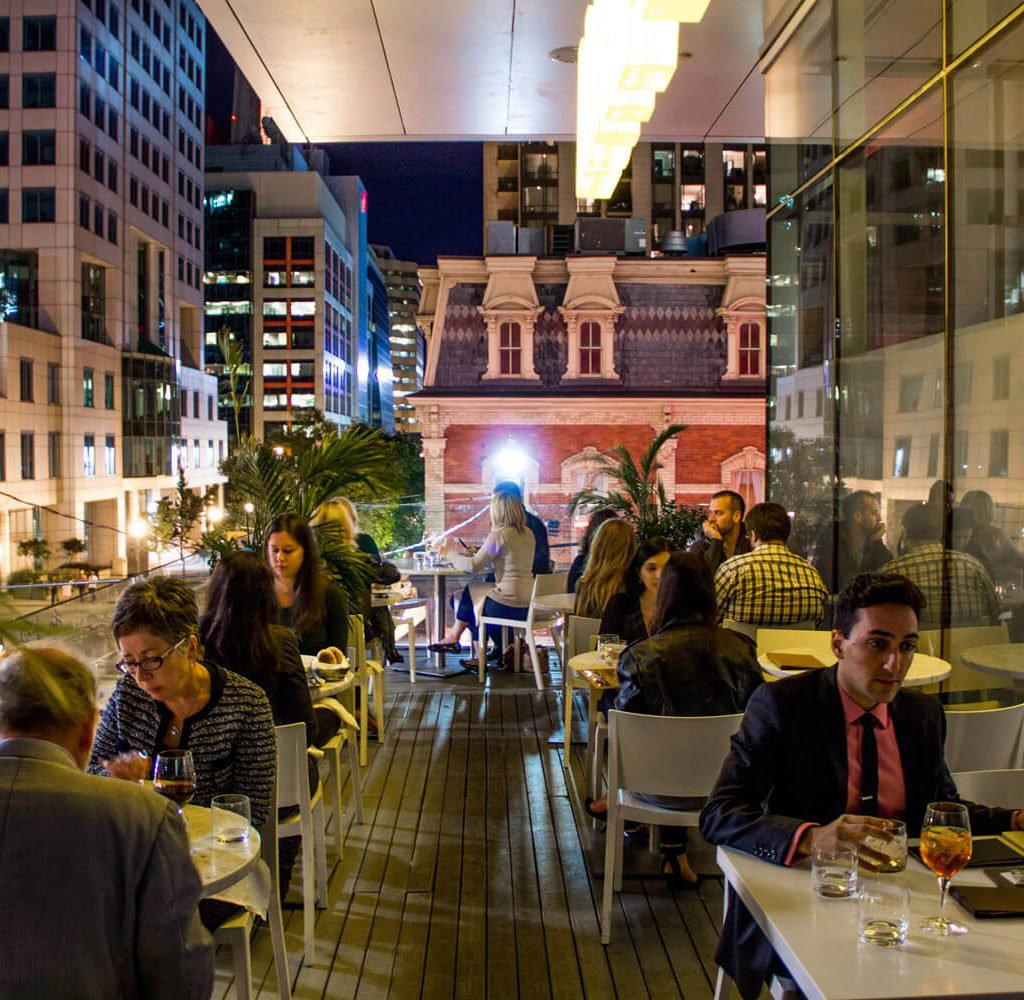
King West at Altitude: What Luma Says About Toronto's Fine-Dining Direction
Toronto's King Street West corridor has spent the better part of a decade resolving a tension familiar to any city that matures quickly: how to hold both spectacle and restraint in the same stretch of real estate. The block between Spadina and Bathurst now contains some of the country's most technically accomplished restaurants alongside the kind of volume-driven rooms that exist purely to move covers. Luma, on the second floor of Reitman Square at 350 King Street West, sits away from that noise, physically and conceptually. Arriving via the building's interior rather than a street-level entrance shifts the register immediately. The room is above the sightlines of the sidewalk, and that separation does quiet editorial work before a plate arrives.
Second-floor dining rooms carry a particular quality in dense urban neighbourhoods. They demand a deliberate visit. You do not stumble into Luma the way you stumble into a street-level bistro catching foot traffic from the entertainment district. That structural fact shapes the crowd: people who are there made a decision to be there, which changes the ambient energy in ways that are difficult to manufacture through interior design alone.
The Case for Local Ingredients Under International Technique
One interesting development in Canadian fine dining over the past decade is not the arrival of any single chef or format, but the shift in how kitchens at this level think about sourcing. A generation ago, the aspiration ran in one direction: apply European or Japanese technique to whatever was available locally. The logic now runs in both directions simultaneously. Canadian ingredients, Great Lakes fish, Ontario root vegetables, northern game, domestic charcuterie, are increasingly treated as the primary argument, with technique chosen to serve the ingredient rather than to demonstrate competence for its own sake. Luma operates within this shift.
This approach has precedent across the country. Tanière³ in Quebec City has built an internationally recognised program around boreal ingredients processed through French technique. Restaurant Pearl Morissette in Lincoln applies a similar discipline to Niagara produce with a natural wine program to match. The Pine in Creemore takes the logic further north. These are not outliers; they represent a defined strand of Canadian cooking that Toronto's leading rooms are increasingly in dialogue with. Luma's King West address places it inside that conversation at the urban end of the spectrum, where the sourcing ethos meets a city-centre audience with different expectations about format and pace.
Internationally, the reference points for this kind of cooking run through restaurants like Le Bernardin in New York City, where classical French discipline operates entirely in service of the primary ingredient, and Lazy Bear in San Francisco, where a tasting format built around American regional produce has attracted sustained critical attention. The through-line is the same: technique exists to clarify what the ingredient already is, not to transform it into something it is not.
How Luma Sits Within Toronto's Upper-Middle Fine-Dining Tier
Toronto's premium restaurant tier is currently anchored by a handful of rooms that operate at the $$$$ price point and attract national and international critical attention. Alo defines the contemporary tasting-menu ceiling on Price Street, with a consistently booked counter and sustained recognition from Canadian culinary media. Sushi Masaki Saito and Aburi Hana anchor the Japanese omakase segment. DaNico and Don Alfonso 1890 occupy the Italian end of the contemporary spectrum.
Luma occupies different ground. Its King West address connects it to a neighbourhood audience that skews younger and more industry-adjacent than the Bay Street or Yorkville fine-dining crowd. The room draws from the entertainment district without being absorbed by it, a positioning that requires a clear culinary identity to maintain, since the area also contains enough casual and mid-market competition to pull an undifferentiated kitchen toward volume. The fact that Luma holds a distinct register in that environment is itself a signal worth noting.
For comparison across Canadian cities, the model has parallels: AnnaLena in Vancouver occupies a similar neighbourhood-anchored fine-dining slot on the West Coast, and Jérôme Ferrer - Europea in Montréal has long demonstrated that technically sophisticated cooking can hold a culturally active urban neighbourhood without retreating into formality. Further afield, Eigensinn Farm in Singhampton and Fogo Island Inn Dining Room represent the more remote, immersive end of the Canadian local-ingredient argument, useful reference points for understanding how far the philosophy extends beyond city limits.
What the Room Communicates
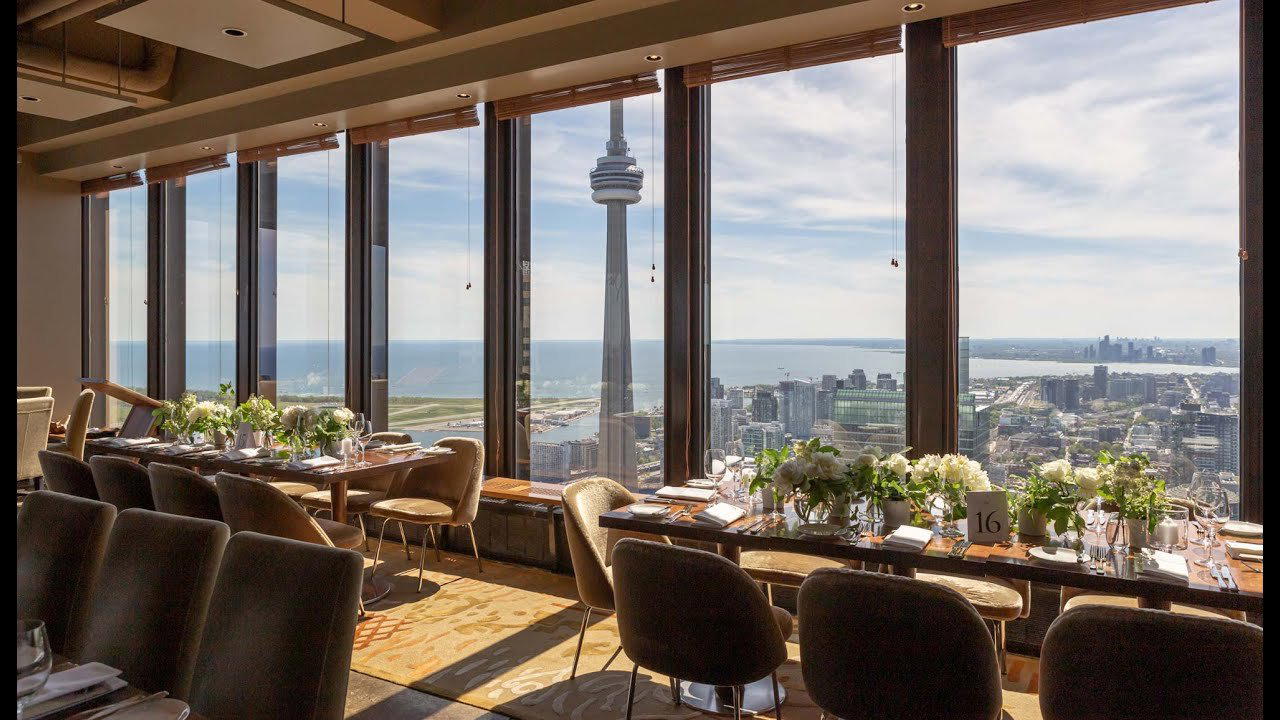
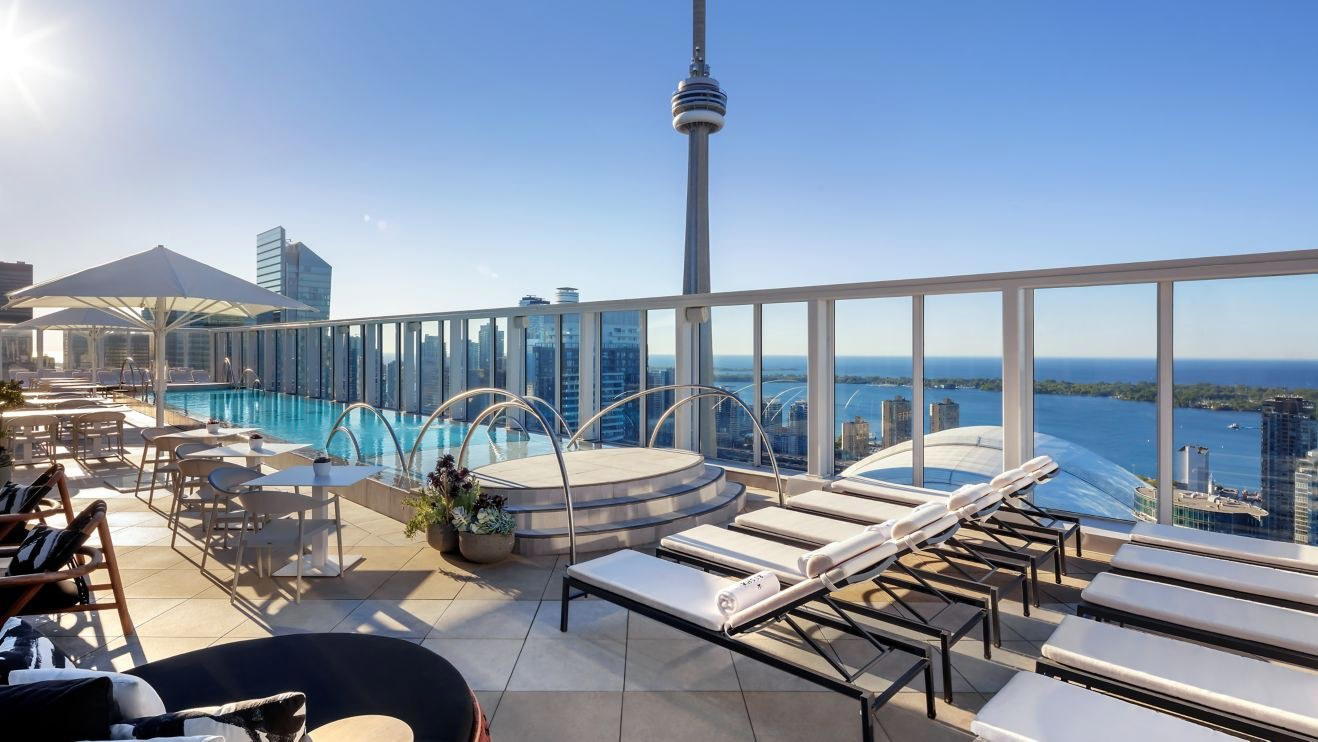
The second-floor position in Reitman Square gives Luma views across King West that street-level restaurants in the same block cannot access. In a neighbourhood defined by its activity at ground level, the TIFF Bell Lightbox is steps away, and the corridor fills on festival weekends, elevation becomes a genuine differentiator. Diners are present in the neighbourhood's energy without being consumed by it. That spatial dynamic suits a room oriented toward the kind of meal that asks for attention rather than competing with it.
Toronto has enough rooms that perform occasion dining through volume and spectacle. The city's more interesting fine-dining development is the category of restaurants that achieve the same occasion weight through restraint and culinary specificity. Luma reads as part of the latter group. For a broader map of where it sits among the city's recommended tables, the EP Club Toronto restaurants guide covers the full tier range with comparative context.
Know Before You Go
- Address: 350 King Street West, 2nd Floor, Reitman Square, Toronto, ON M5V 3X5
- Floor: Second floor, access via building interior
- Neighbourhood: King West / Entertainment District, adjacent to TIFF Bell Lightbox
- Booking: Reservations recommended
Cuisine and Credentials
Comparable venues nearby, for context on price, style, and recognition.
| Venue | Cuisine | Price | Notes |
|---|---|---|---|
| LumaThis venue — the venue you are viewing | Contemporary Canadian with Global Seafood Influences | $$$ | Not listed |
| The Bentwood Toronto | Canadian Comfort Food | $$$ | Waterfront Communities-The Island |
| Soho House Toronto | Canadian-Inspired House Kitchen | $$$$ | Entertainment District |
| The Chefs' House | Contemporary Canadian | $$ | Corktown |
| Signatures Restaurant | Contemporary Canadian | $$$ | Annex |
| Same Same Thai | Modern Thai | $$$ | Entertainment District |
Continue exploring
More in Toronto
Restaurants in Toronto
Browse all →
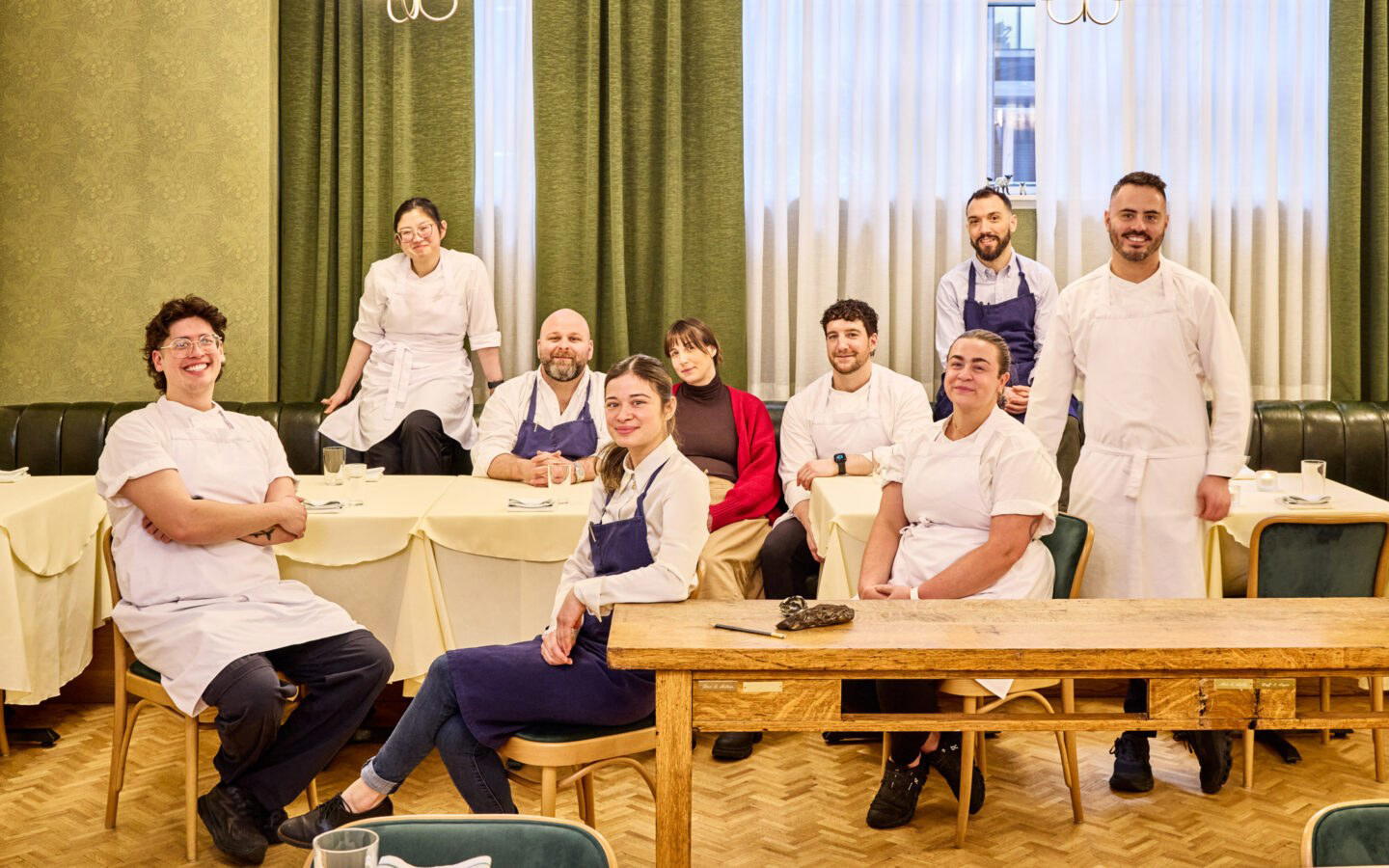
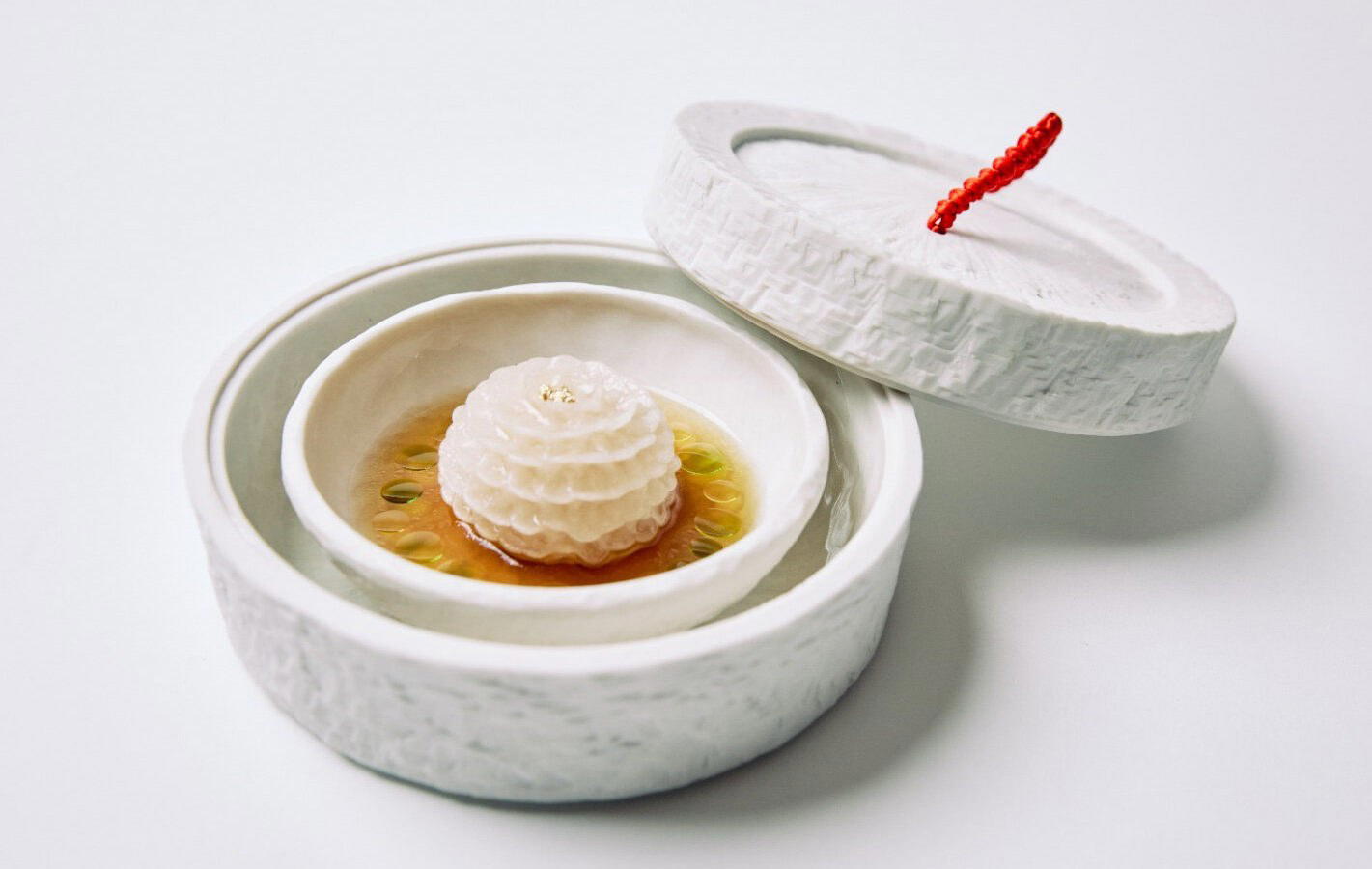
Bars in Toronto
Browse all →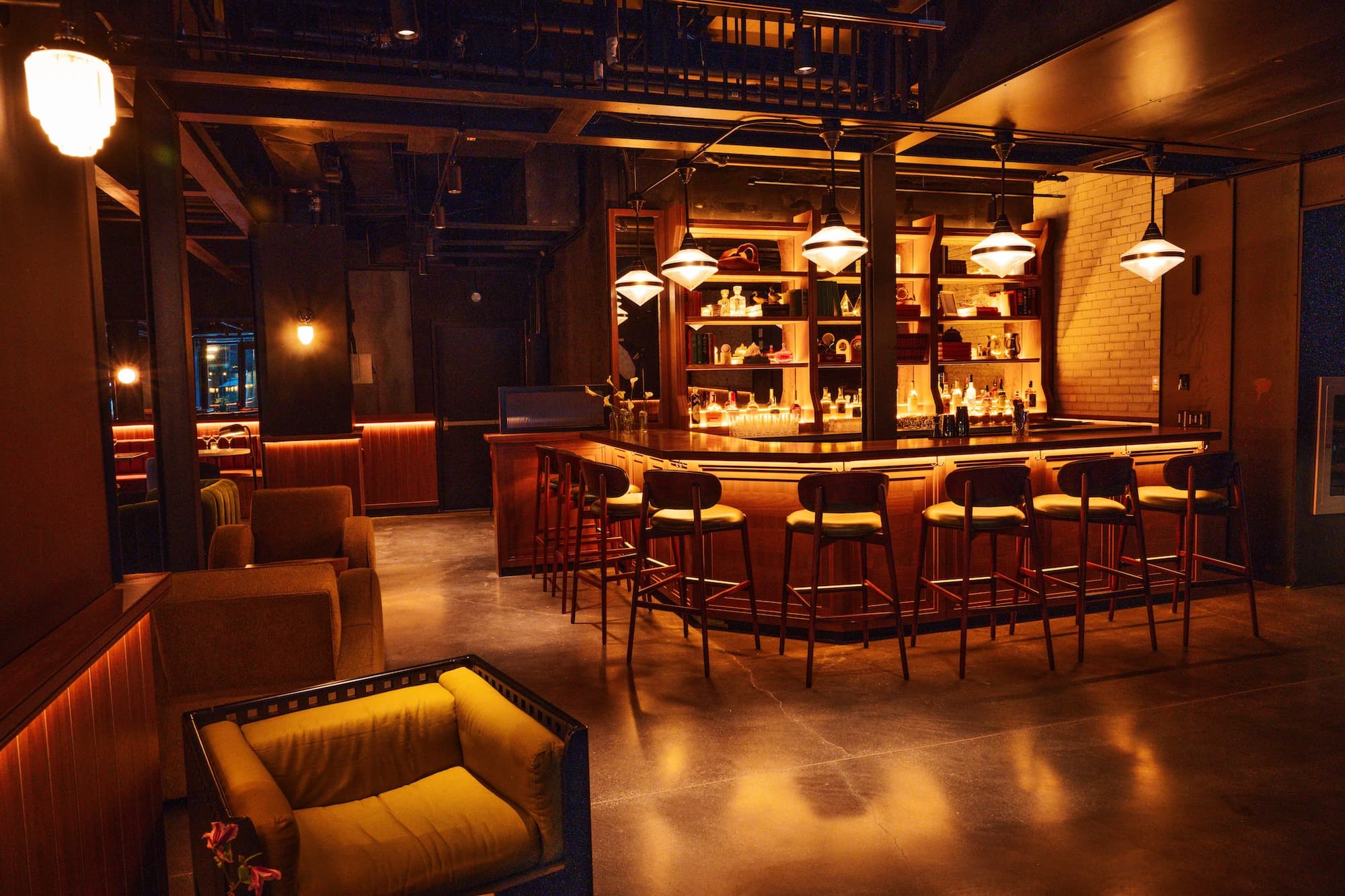
Hotels in Toronto
Browse all →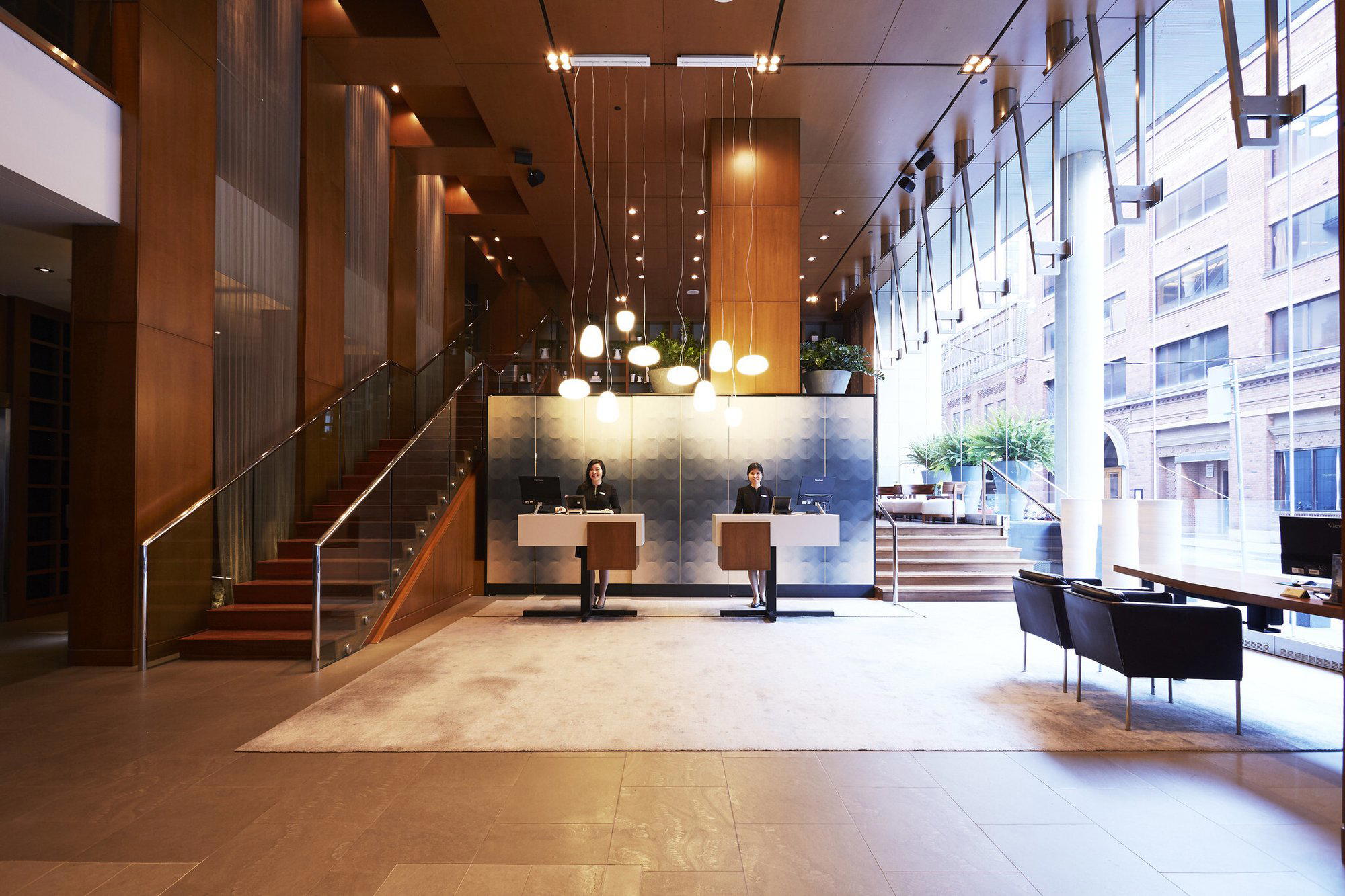
Wineries in Toronto
Browse all →
At a Glance
- Sophisticated
- Elegant
- Modern
- Cozy
- Date Night
- Business Dinner
- Special Occasion
- Private Dining
- Terrace
- Open Kitchen
- Craft Cocktails
- Extensive Wine List
- Local Sourcing
- Street Scene
- Skyline
Current opening hours
- Monday
- Closed
- Tuesday
- 4–9:30 PM
- Wednesday
- 4–9:30 PM
- Thursday
- 4–9:30 PM
- Friday
- 4–10:30 PM
- Saturday
- 4–10:30 PM
- Sunday
- Closed
Hours can change for holidays and private events. Last verified .
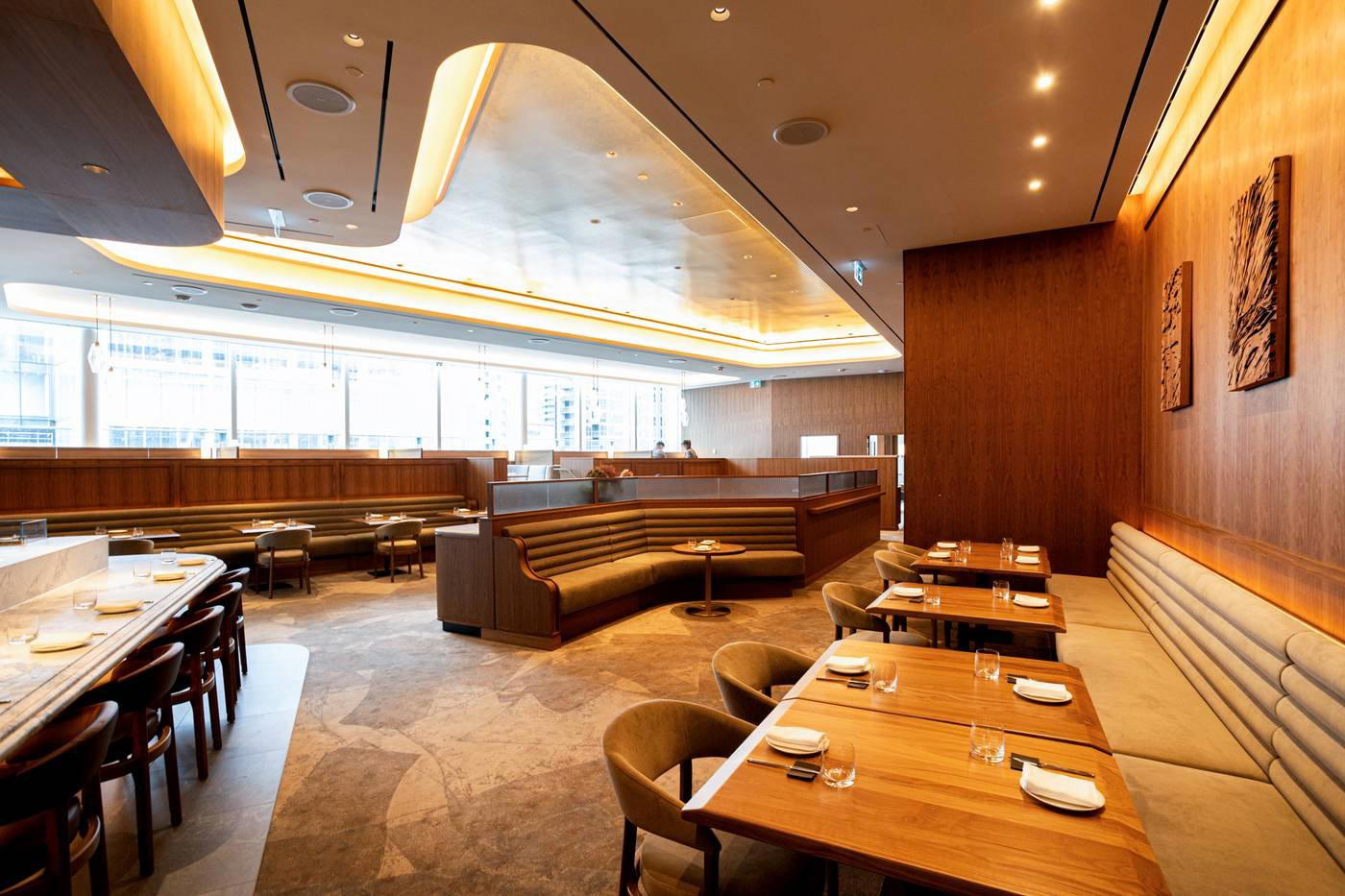
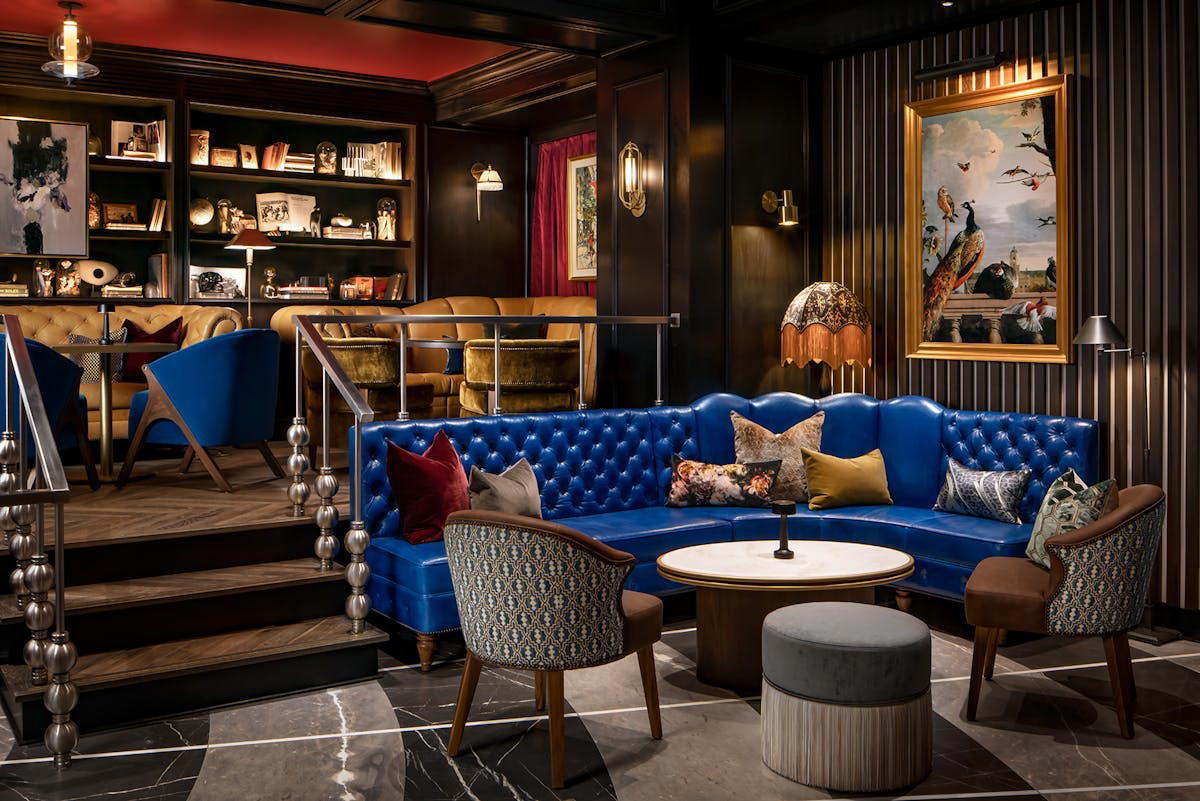
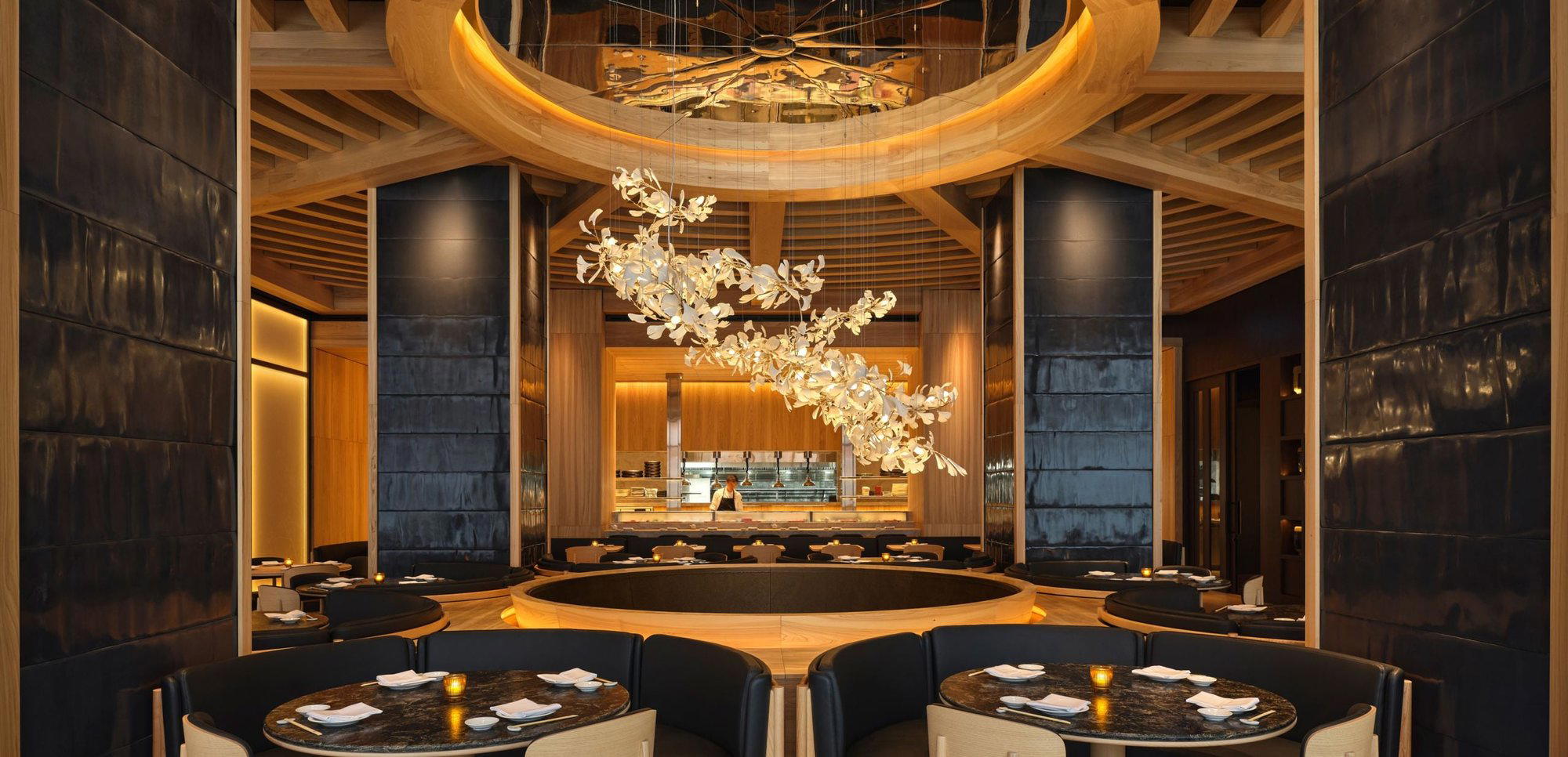
Warm and inviting dining room designed with rich woods, leather, stone, plush sofas, and eye-catching artwork, bathed in natural light.