Queens Harbour occupies a waterfront address at 245 Queens Quay West, placing it inside Toronto's Harbourfront dining corridor where lakeside settings shape the room as much as the kitchen does. For visitors orienting themselves within Toronto's broader dining scene, it sits in a neighbourhood defined by seasonal foot traffic, water views, and a distinct shift in pace from the city's downtown restaurant cluster.
Pearl is the En Primeur Club membership app — saves, bookings, and concierge access live there. Same editors, same standards.
- Address
- 245 Queens Quay W, Toronto, ON M5J 2K9, Canada
- Phone
- +14165724300
- Website
- queensharbour.ca
- Directions
- Get directions
 Saves & bookings on Pearl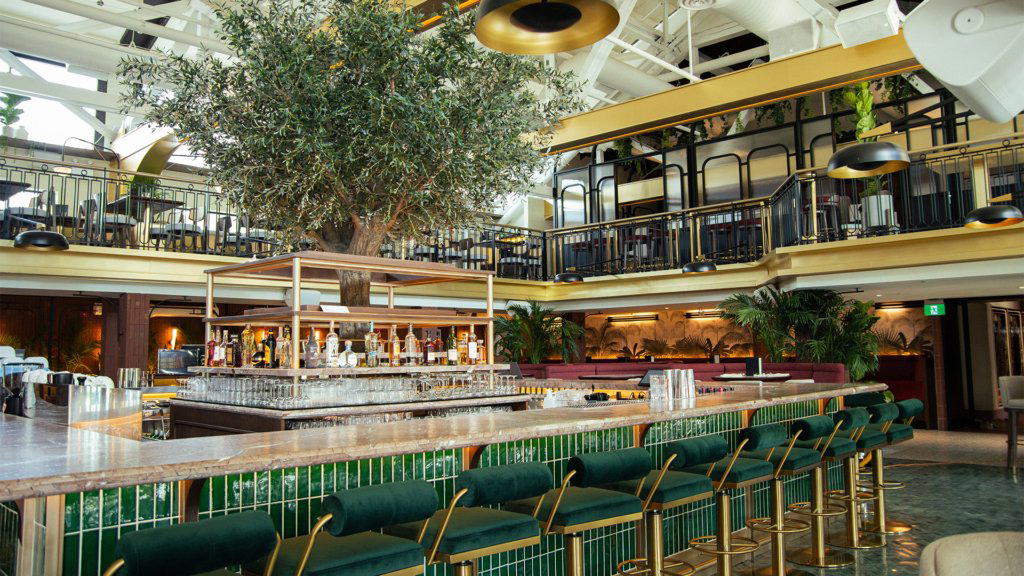
Where the Lake Sets the Tempo
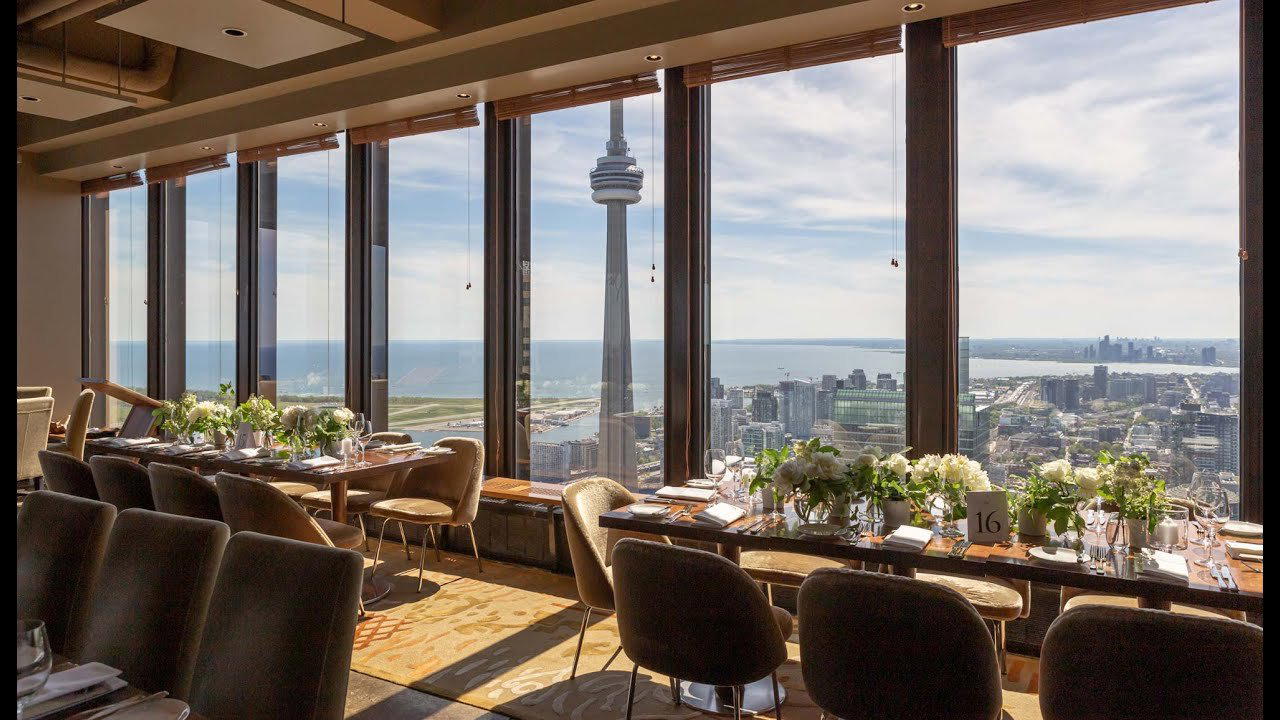
The approach to 245 Queens Quay West tells you something about how Toronto's Harbourfront functions as a dining district. The walk from the streetcar stop runs along a waterfront promenade where the scale of Lake Ontario asserts itself against the city skyline behind you. By the time you reach Queens Harbour, the physical environment has already done editorial work: this is not a neighbourhood where rooms compete with each other for intensity. The lake does that quietly, and kitchens here have historically played to that register.
Harbourfront's dining character has evolved significantly over the past decade. What was once a tourist-forward strip of casual waterfront spots has attracted more considered programming as the surrounding condo density increased and year-round residential traffic replaced the old seasonal-only model. The strip now sustains a range of formats, from weekend brunch volumes to longer, course-driven evening meals, and Queens Harbour occupies a position within that corridor worth understanding in context.
The Architecture of a Waterfront Meal
Dining along Queen's Quay follows a rhythm that differs from Toronto's interior neighbourhoods. The meal does not begin at the table. It begins the moment the water comes into view. That perceptual shift, from urban to lakeside, sets expectations around pace and sequence that waterfront venues either work with or fight against. The strongest rooms on this strip have always leaned into the slower cadence that proximity to open water naturally imposes on diners.
A tasting progression in this setting is less about technical escalation and more about register. Lighter, colder courses work earlier in the evening when the lake reflects the last of the sunlight. As the room darkens and the city lights begin to define the skyline in the opposite direction, richer, warmer dishes carry different weight. The interplay between what is on the plate and what is happening outside the window is a defining feature of waterfront dining done with intention, and it is why the sequencing decisions a kitchen makes here carry more consequence than in a basement room or a dense urban block.
Toronto's waterfront competes in that respect with formats found in other Canadian cities. Narval in Rimouski uses its St. Lawrence River position to anchor a similar relationship between environment and plate. In Vancouver, AnnaLena operates from a different spatial logic but shares the same understanding that geography is part of the dining proposition. Queens Harbour's Queens Quay address places it in that same conversation about how Canadian kitchens use physical context as a compositional tool.
Toronto's Waterfront Inside the City's Wider Dining Hierarchy
To place Queens Harbour accurately, it helps to sketch the broader structure of Toronto's premium dining tier. The city's highest-recognition restaurants, including Alo at the Contemporary end and Sushi Masaki Saito in the Japanese omakase category, operate from interior rooms where the designed environment carries all atmospheric weight. Kaiseki formats like Aburi Hana function similarly, with the room's curation serving as the spatial counterpart to course sequencing. The waterfront format operates by a different logic: the uncontrolled exterior view is the room's primary design element, and programming has to respond to that reality.
Italian-rooted formats like DaNico and Don Alfonso 1890 have built their reputations in neighbourhood settings where the interior room is the entire sensory proposition. The waterfront alternative asks a different question of the kitchen: how do you build a coherent meal narrative when the strongest visual element is outside and beyond your control? That question defines the creative challenge for any Harbourfront venue operating at a serious level.
For a wider view of how Toronto's dining scene is structured across neighbourhoods and formats, the full Toronto restaurants guide maps the city's competitive tiers in detail.
Comparing the Harbourfront Format to Peer Waterfront Contexts
Waterfront dining as a category spans a wide range in Canada and internationally. At one end sits formats like Tanière³ in Quebec City, where the surrounding historic environment provides gravitational authority. At the other end, destination restaurants like Eigensinn Farm in Singhampton draw from landscape in a fundamentally different way, using rural isolation rather than urban waterfront as the environmental frame. Ontario's wine country has produced its own version of environment-driven dining, most notably at Restaurant Pearl Morissette in Lincoln, where terroir functions simultaneously as a farming concept and a dining philosophy.
Urban waterfront formats, by contrast, operate with a different set of trade-offs. Accessibility is higher, foot traffic is more varied, and the seasonal swing between summer volumes and quieter winter service shapes how kitchens plan their programs. The comparison table below positions the restaurant within its immediate competitive context.
| Venue | Format | Price Tier | Setting Type | Booking Lead Time |
|---|---|---|---|---|
| The restaurant | Waterfront dining | Not confirmed | Urban lakefront | Not confirmed |
| Alo | Contemporary tasting | $$$$ | Interior room | Several weeks ahead |
| Sushi Masaki Saito | Omakase counter | $$$$ | Interior counter | Multiple months ahead |
| Don Alfonso 1890 | Contemporary Italian | $$$$ | Interior room | Days to weeks ahead |
The Broader Canadian Waterfront Dining Picture
Waterfront dining in Canada's major cities follows a pattern worth mapping. Montreal's Jérôme Ferrer - Europea and Quebec's Aux Anciens Canadiens both use their cities' historic environments as contextual backdrops, though neither operates from an open waterfront position in the way that Toronto's Queens Quay allows. Burlington's Barra Fion sits closer to the Lake Ontario waterfront model, at a smaller scale, in a city where the dining scene is still consolidating around a handful of destination addresses.
The pattern across these venues suggests that environment-led dining in Canada is increasingly confident about using geography as a primary creative argument rather than a secondary marketing one. The waterfront address at Queens Quay is not incidental to what the restaurant offers; it is structural. That is the frame within which any evaluation of the venue should begin.
For reference points outside Canada, the precision-driven seafood progressions at Le Bernardin in New York City and the course-by-course narrative architecture at Atomix in New York City represent the international tier against which Toronto's most ambitious multi-course formats are increasingly measured. Closer to home, The Pine in Creemore and Bearspaw Golf Club in Calgary represent the range of environment-dependent dining experiences operating at serious levels across the country.
Planning Your Visit
The restaurant is located at 245 Queens Quay West, Toronto, ON M5J 2K9. The Queens Quay corridor is accessible by TTC streetcar on the 509 and 510 lines, with stops running along the waterfront. The Harbourfront area sees its highest foot traffic from late spring through early autumn, when the lakefront promenade is in full use and evening light on the water is at its strongest. Winter visits offer a quieter, more interior experience of the waterfront, which some diners find preferable for longer, more focused meal formats.
Reputation First
Comparable venues nearby, for context on price, style, and recognition.
| Venue | Cuisine | Price | Notes |
|---|---|---|---|
| Queens HarbourThis venue — the venue you are viewing | MediterrAsian Fusion | $$$ | Not listed |
| Kōjin | Wood-Fired Colombian-Inspired Grill | $$$ | Entertainment District |
| Eloise | Modern Global Fusion | $$$ | Saint Lawrence |
| The Rooftop | Modern Fusion Bar Eats | $$$ | South Riverdale |
| Blue Bovine Steak + Sushi House | Steak & Sushi House | $$$$ | Financial District |
| Luma | Contemporary Canadian with Global Seafood Influences | $$$ | Entertainment District |
Continue exploring
More in Toronto
Restaurants in Toronto
Browse all →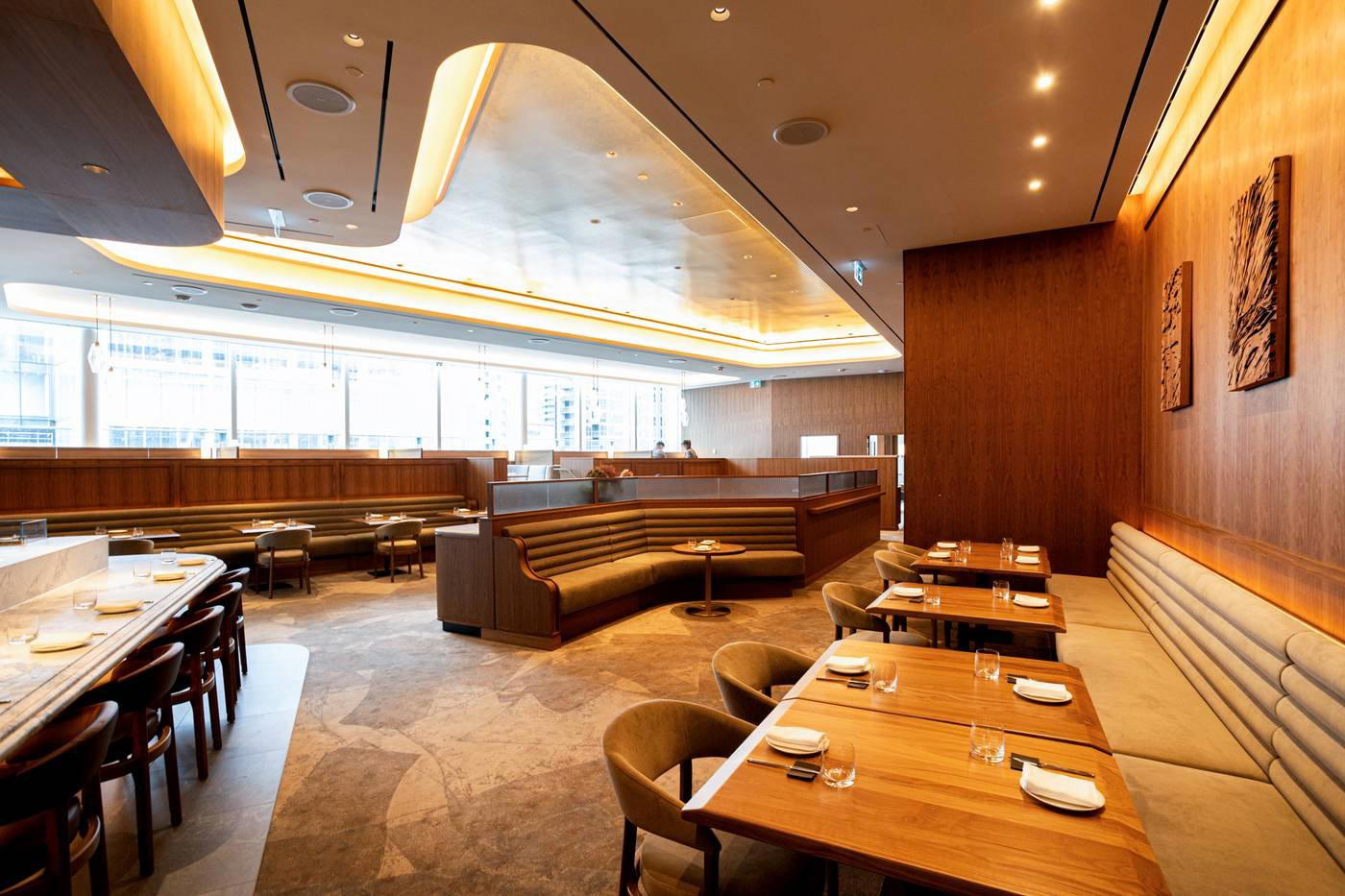

Bars in Toronto
Browse all →
Hotels in Toronto
Browse all →
Wineries in Toronto
Browse all →
At a Glance
- Modern
- Scenic
- Lively
- Elegant
- Trendy
- Date Night
- Business Dinner
- Group Dining
- Celebration
- Special Occasion
- Waterfront
- Open Kitchen
- Private Dining
- Panoramic View
- Design Destination
- Extensive Wine List
- Craft Cocktails
- Sake Program
- Local Sourcing
- Sustainable Seafood
- Waterfront
- Skyline
Current opening hours
- Monday
- 11 AM–2 AM
- Tuesday
- 11 AM–2 AM
- Wednesday
- 11 AM–2 AM
- Thursday
- 11 AM–2 AM
- Friday
- 11 AM–2 AM
- Saturday
- 11 AM–2 AM
- Sunday
- 11 AM–2 AM
Hours can change for holidays and private events. Last verified .
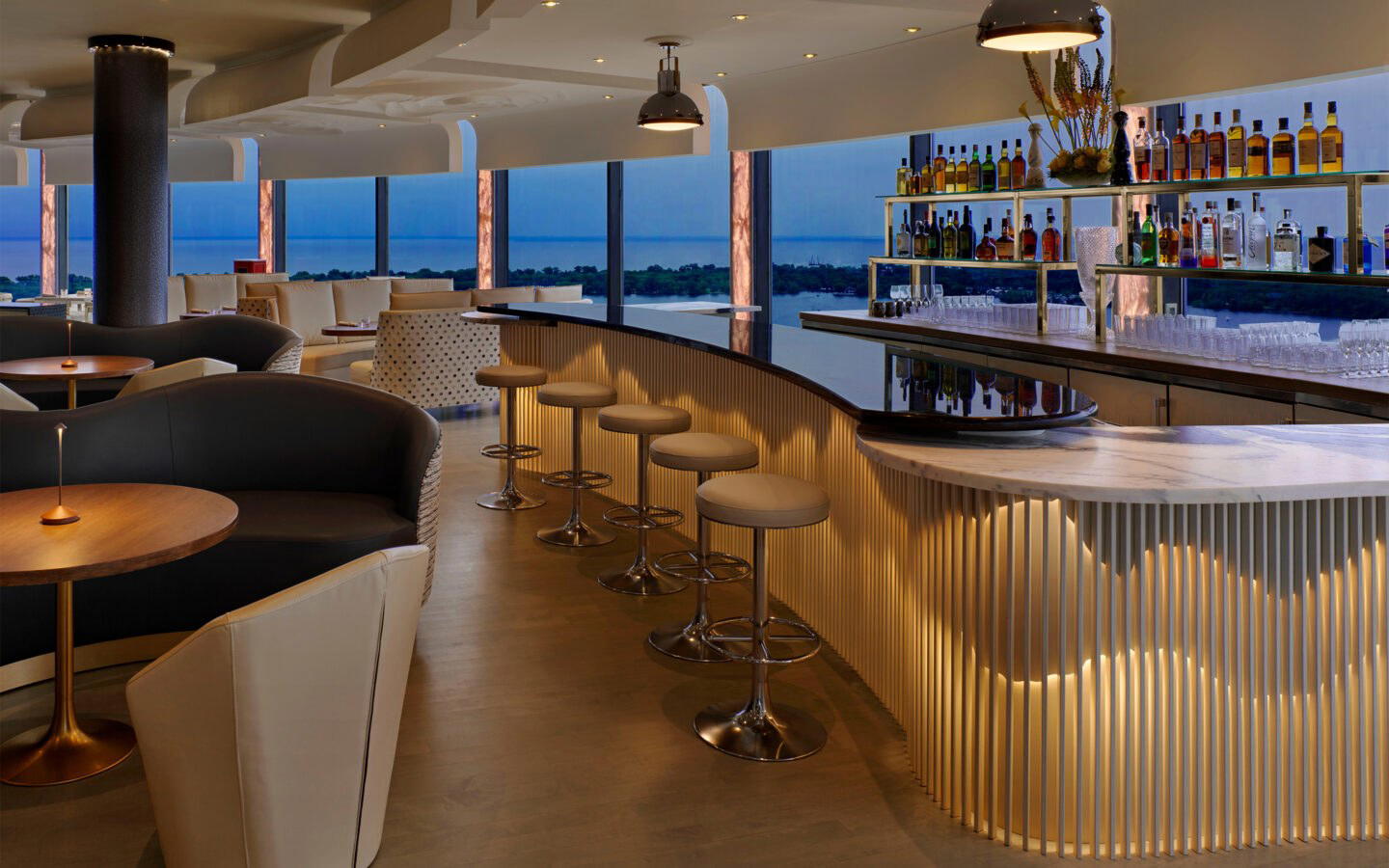
Modern and lively with contemporary design, featuring an open kitchen concept, multiple distinct dining spaces including a back garden with panoramic lake views, and a luxurious circular bar creating an energetic yet sophisticated atmosphere.