The Station Restaurant & Bar occupies a distinct space in Colombo's mid-to-upper dining tier, where the city's railway heritage and contemporary Sri Lankan hospitality intersect. The venue draws from both local culinary tradition and international formats, placing it in a comparable set that rewards advance planning. Visitors to Colombo's broader dining scene will find it a useful reference point alongside more established names.

Pearl is the En Primeur Club membership app — saves, bookings, and concierge access live there. Same editors, same standards.
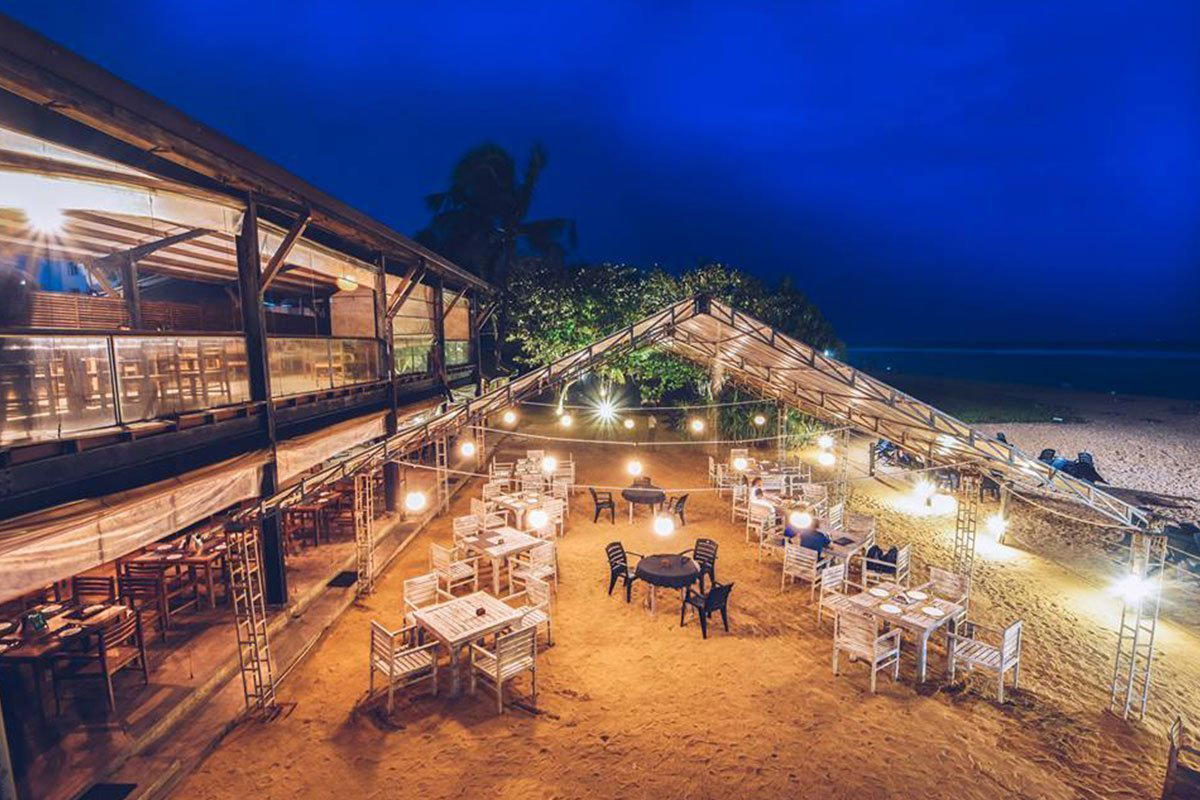
Where the Tracks Once Ran
Colombo's dining scene has, over the past decade, split noticeably between two registers: the high-volume, heritage-inflected Sri Lankan restaurants that trade on local memory, and the newer, more format-conscious venues that draw from international playbooks while remaining grounded in local produce. The Station Restaurant & Bar belongs to a moment in that evolution when the city's food culture began treating atmosphere as architecture rather than afterthought. The name is not incidental. In cities where colonial-era rail infrastructure has been absorbed into the urban fabric, repurposed railway spaces carry a particular acoustics: high ceilings that hold conversation without swallowing it, light that moves differently through industrial glass, and a material weight that newer builds rarely replicate. That sensory inheritance shapes how a room feels before a single dish arrives.
Colombo's Dining Register and Where This Fits
The broader Colombo restaurant scene includes identifiable clusters. At one end, Sri Lankan-forward venues like Ministry of Crab (Sri Lankan) have built international recognition on a single-ingredient premise, using the country's lagoon crab to position Sri Lankan produce on a global conversation. At the other end, neighbourhood restaurants such as Nana's operate at a more intimate scale, where the cooking is personal and the room is deliberately small. Between those poles sits a category of restaurant-bar hybrids that function as social anchors for a particular kind of urban professional evening: dinner that extends into drinks, and a room designed to hold both modes without strain.
The Station operates in that middle register. Venues in this tier compete less on single-dish memorability than on the total spend of an evening: the quality of the bar program relative to the food, the lighting transition from early dinner to late-night service, and whether the room generates enough ambient energy to sustain a table for three hours. These are the metrics that matter for this format.
Elsewhere in Sri Lanka, the coastal properties have taken a different approach. AQUA Forte in Galle and KAIYŌ in Weligama both orient themselves toward the ocean setting, where the exterior environment does much of the atmospheric work. In Colombo, without that coastal shortcut, a venue's interior has to carry more weight.
The Sensory Framework of the Room
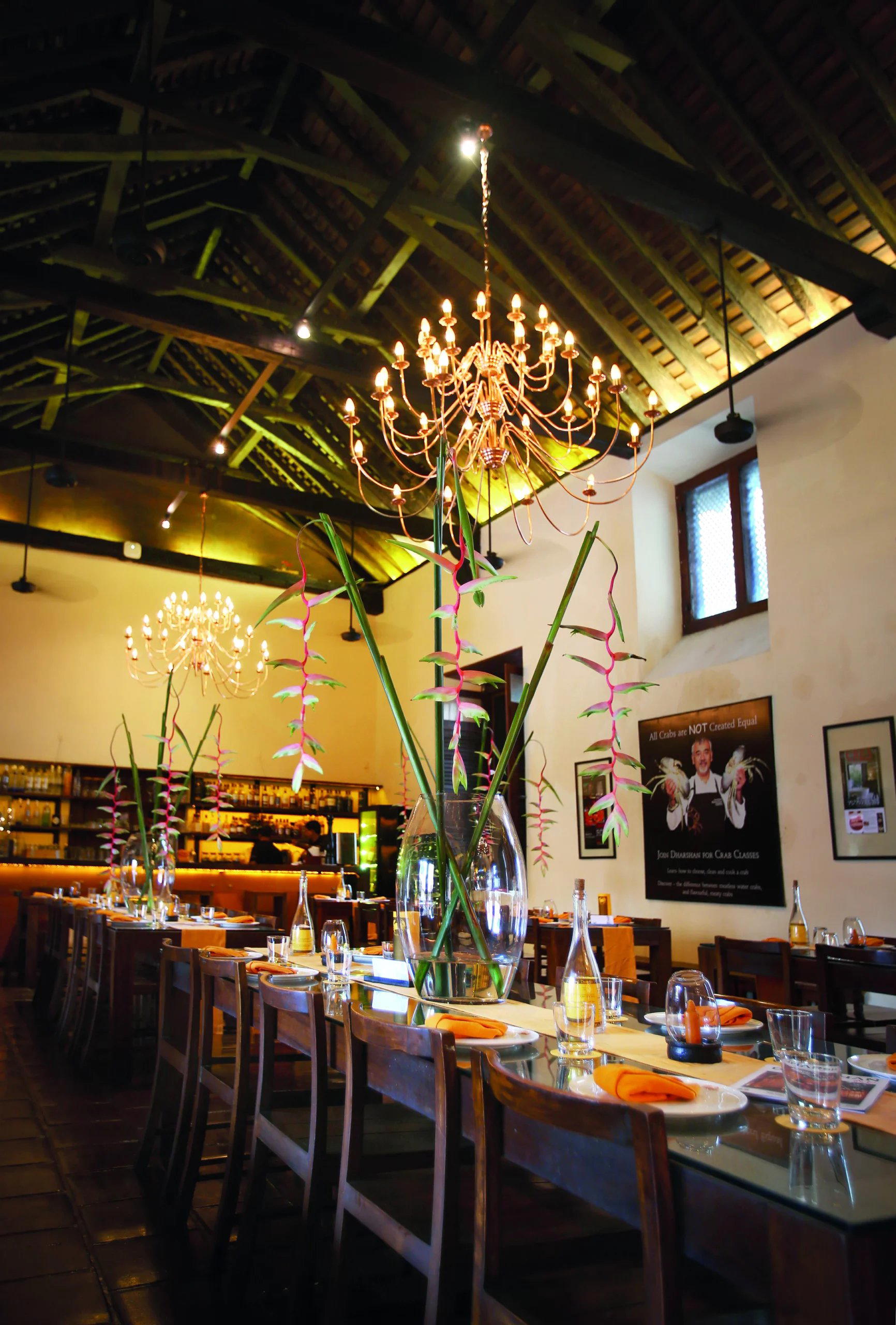
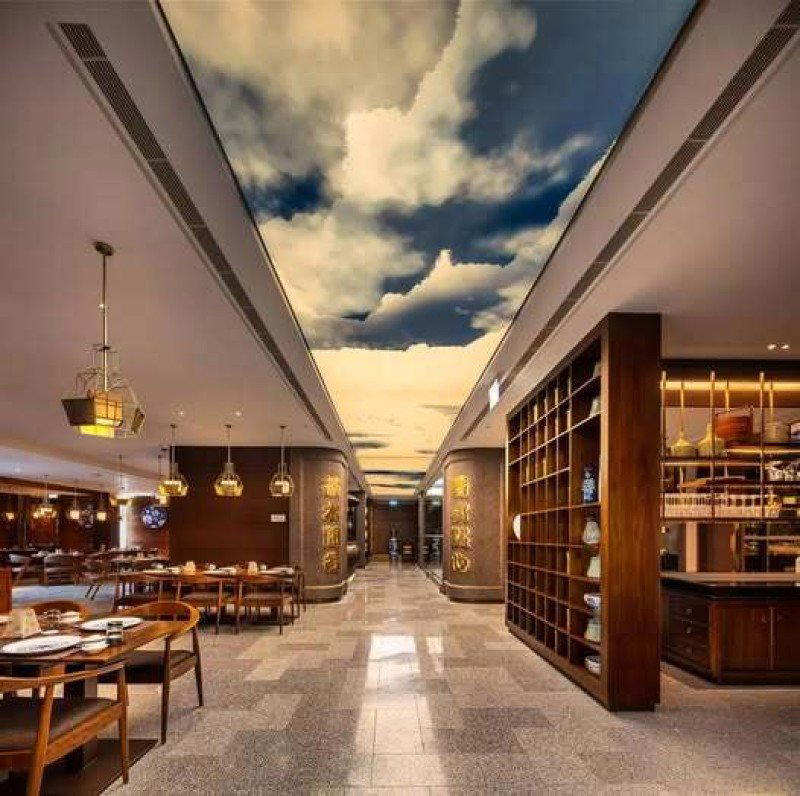
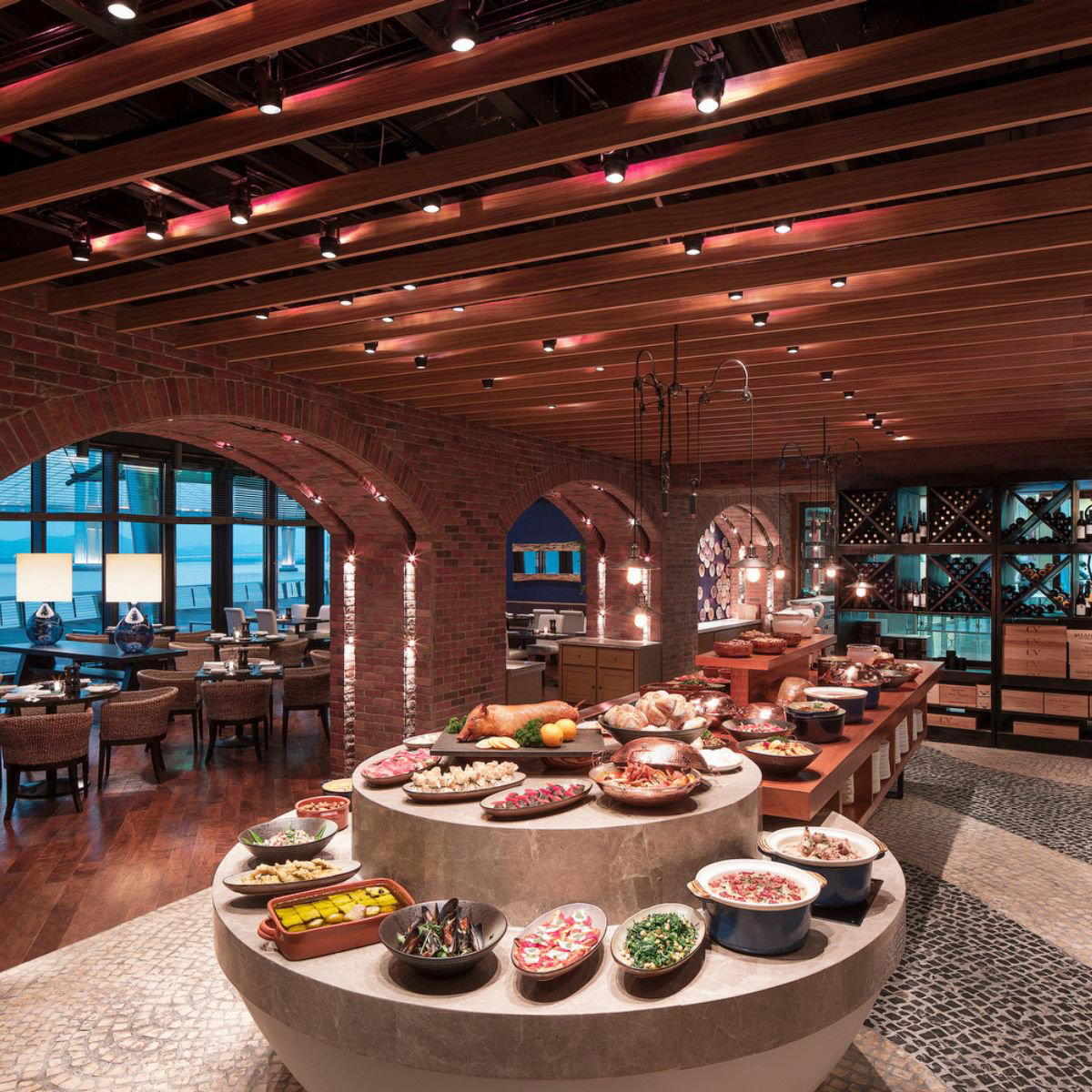
In restaurant-bar formats across South and Southeast Asia, the evening typically begins with the visual register: what the room signals before the menu arrives. Heritage spaces in this category tend to foreground their material past, whether through exposed brickwork, reclaimed timber, or the kind of patinated metalwork that reads as industrial rather than decorative. The Station's name positions it within that tradition, where the building's history is part of the evening's content.
Sound management in this format matters more than most operators acknowledge. A room that becomes too loud at capacity drives early departures; one that stays acoustically flat fails to generate the sense of occasion that justifies the price tier. The better restaurant-bar hybrids in Colombo and comparable South Asian cities have learned to calibrate this through a combination of material choices, ceiling height, and strategic soft furnishing. The evening's sonic texture changes across service, which is partly by design and partly by the physics of a filling room.
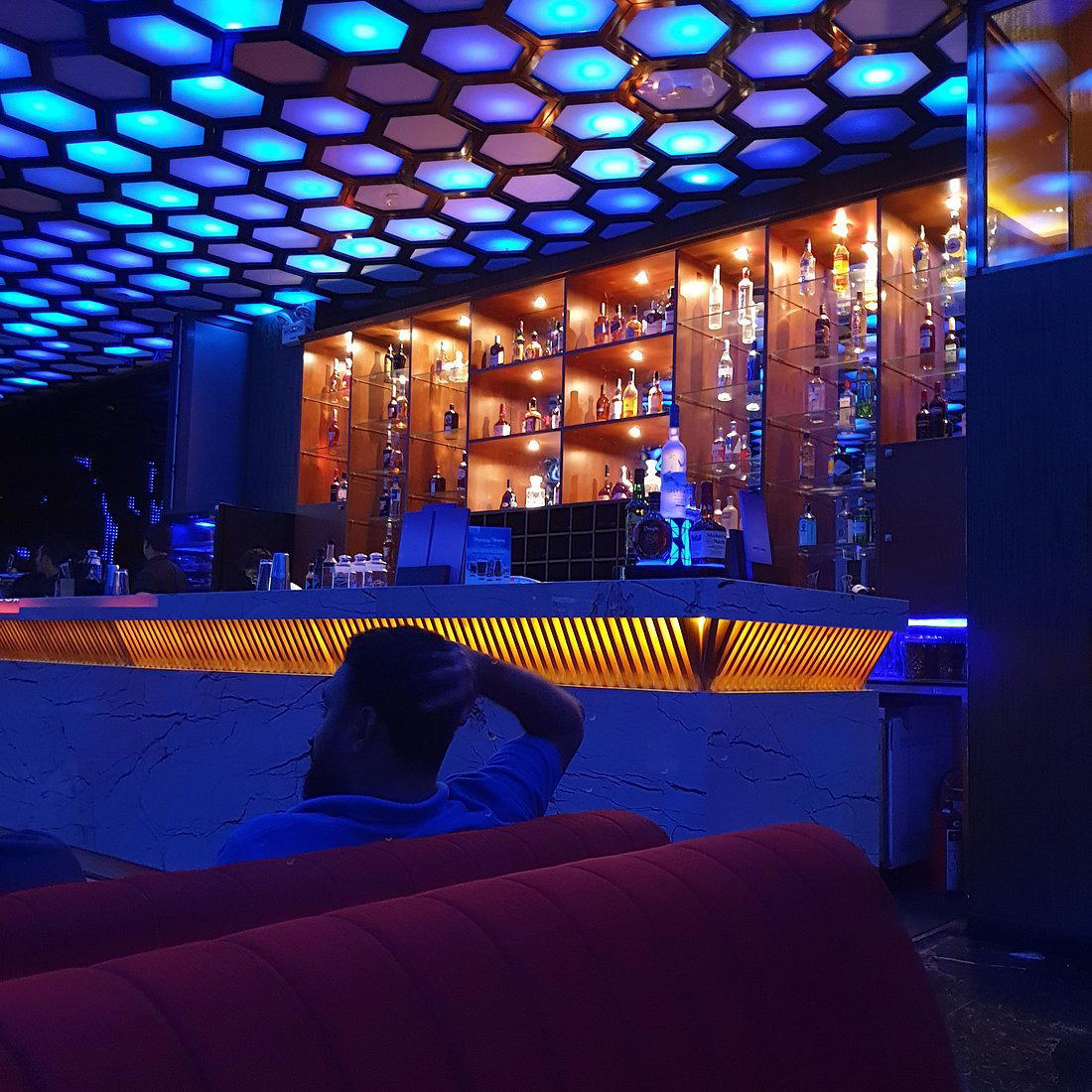
The bar program, in venues of this type, is increasingly the differentiating element. Sri Lanka's cocktail culture has matured considerably, with local spirits and tropical ingredients moving from novelty garnish to structural component. Ceylon arrack, the island's base spirit with centuries of production history, now appears in serious cocktail programs across Colombo at a frequency that would have been unusual a decade ago. A bar that treats arrack with the same seriousness that a Tokyo bar might apply to Japanese whisky is making a statement about local provenance that the food menu alone cannot always sustain.
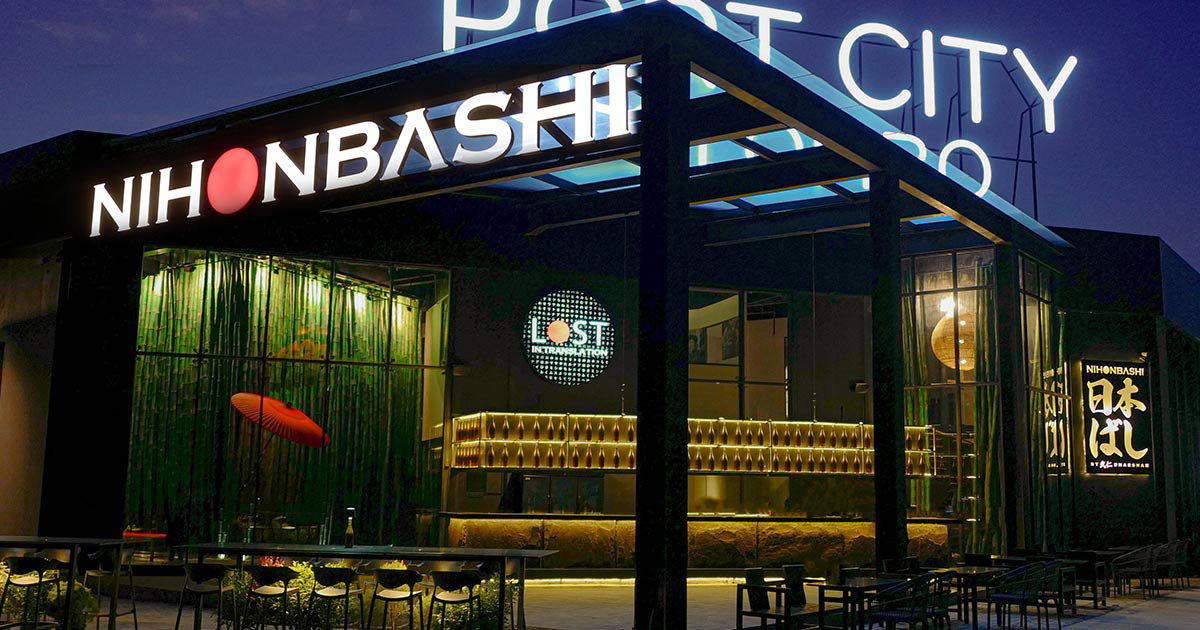
For reference points outside Sri Lanka, the trajectory from heritage-format bars toward technical drink programs mirrors shifts seen in other cities. Nihonbashi represents how Colombo's more formal dining tier handles the Japan-Sri Lanka culinary axis, while venues like The Bayleaf demonstrate how local ingredient sourcing can anchor a menu's identity. Internationally, the discipline applied to produce-driven programs at venues such as Le Bernardin in New York City or the fermentation-forward tasting format at Atomix in New York City illustrates how seriously the highest-tier operators treat sourcing as editorial voice.
Planning a Visit
In Colombo's restaurant-bar tier, walk-in availability varies considerably by day of week and time of year. The city's dining calendar intensifies from November through January, when higher-profile venues in this format fill quickly on weekend evenings, and a reservation made the same week is often too late for a preferred table. Outside that window, the rhythm relaxes, and the mid-week dinner slot is frequently the least pressured way to experience a room at something other than full noise.
Coconut Sambol in ගාල්ල and Mandiya in මහනුවර to more remote options like Laya Safari - Restaurant in Palatupana and Maara Cafe in Galewela. For a fuller picture of the island's regional dining spectrum, the EP Club also covers Grand Thai Restaurant in Nuwara Eliya, Priyamali Gedara in Kaduruwela, Petti Petti in Thalaramba, and Crystal Jade in කොළඹ, each representing a different facet of how Sri Lanka's eating culture varies by geography and community. The Not available listing rounds out the Colombo comparable set for cross-reference.
Comparable Options
Comparable venues nearby, for context on price, style, and recognition.
| Venue | Cuisine | Price | Notes |
|---|---|---|---|
| The Station Restaurant & BarThis venue — the venue you are viewing | Sri Lankan Seafood | $$$ | Not listed |
| The Lagoon | Sri Lankan Seafood | $$$ | Colombo 03 |
| Upali's by Nawaloka | Authentic Sri Lankan | $$ | Cinnamon Gardens |
| The Gallery Café | Sri Lankan Fusion | $$$ | Colombo 03 |
| Menya Hanabi | Original Nagoya Mazesoba | $$ | Colombo 02 |
| Nana's | Sri Lankan Street Food | $ | Galle Face Green |

At a Glance
- Lively
- Group Dining
- Casual Hangout
- Terrace
- Craft Cocktails
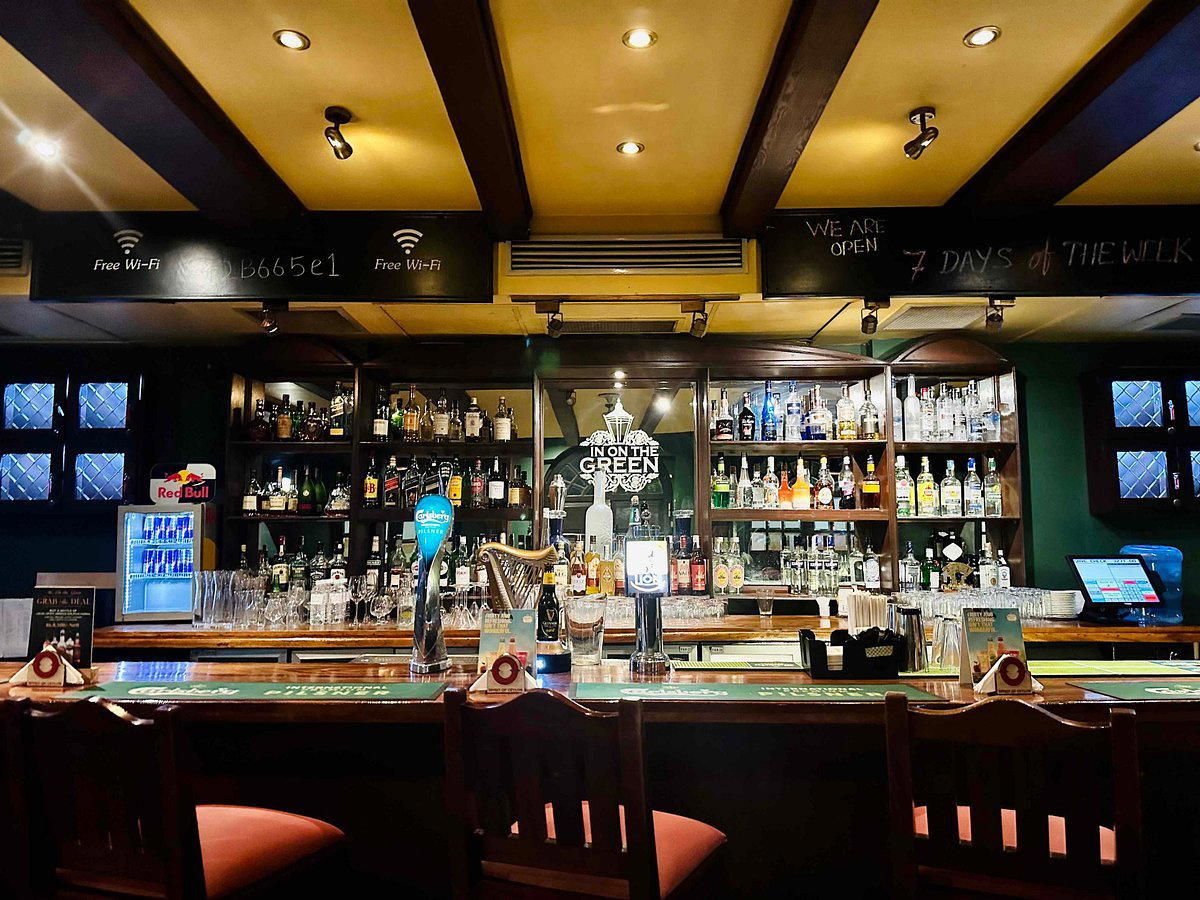
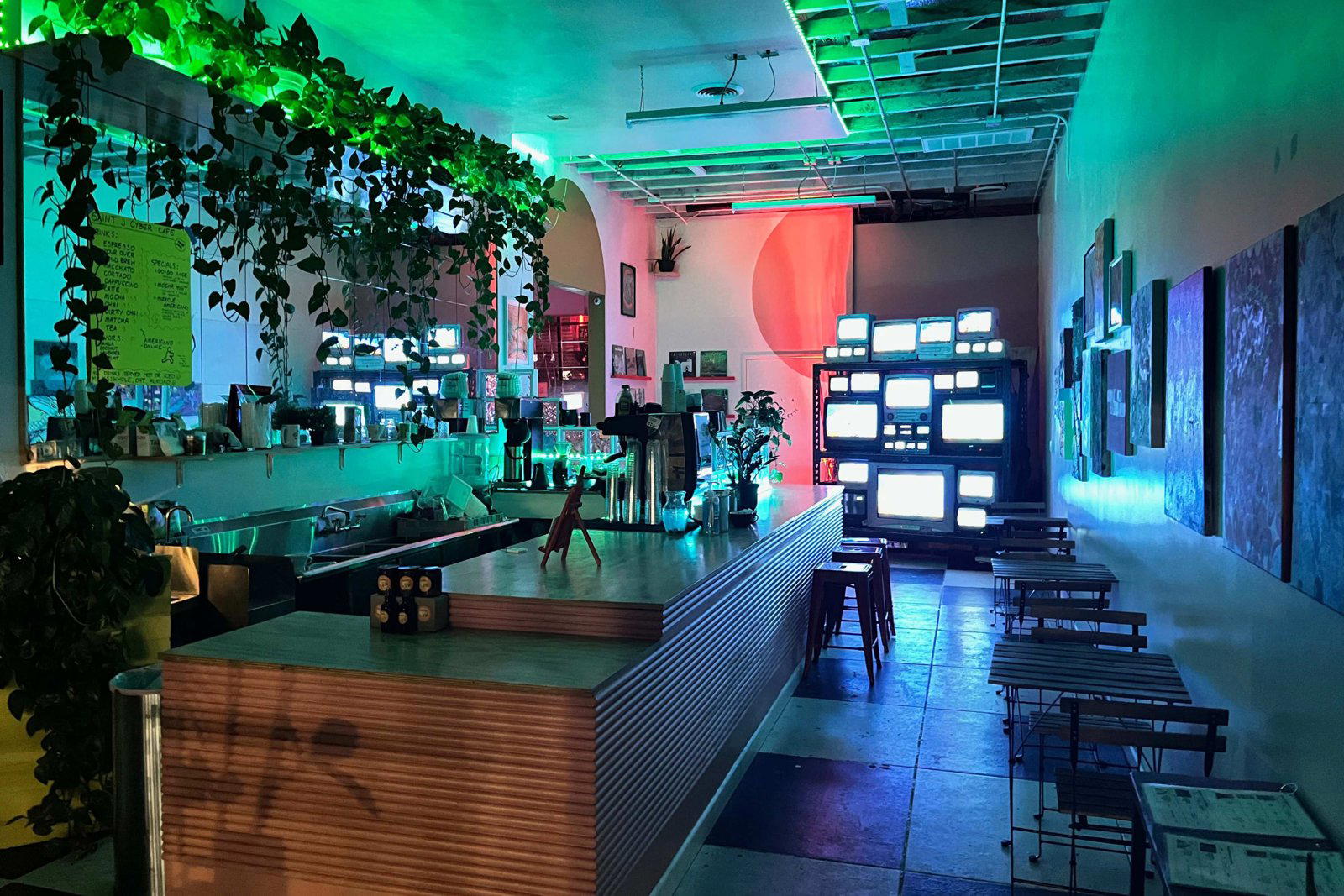
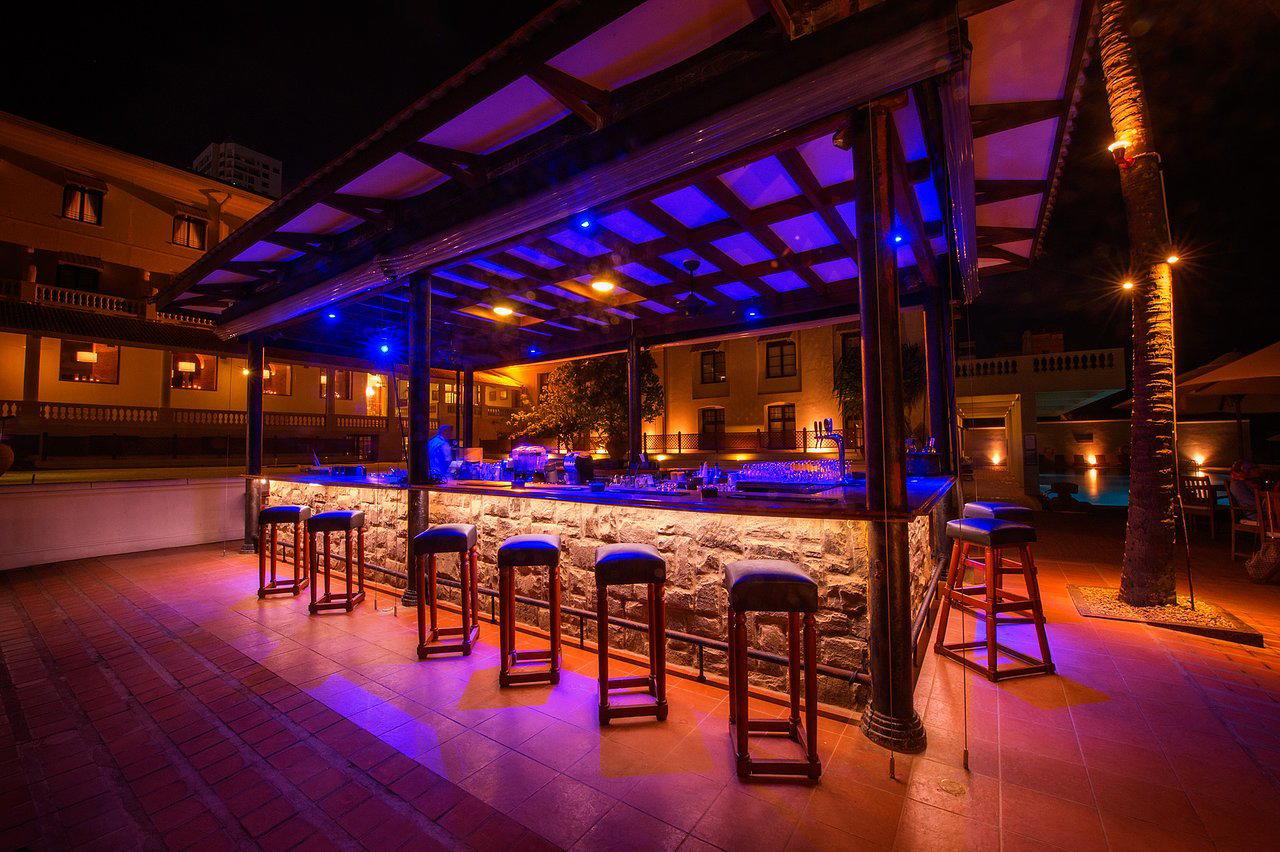
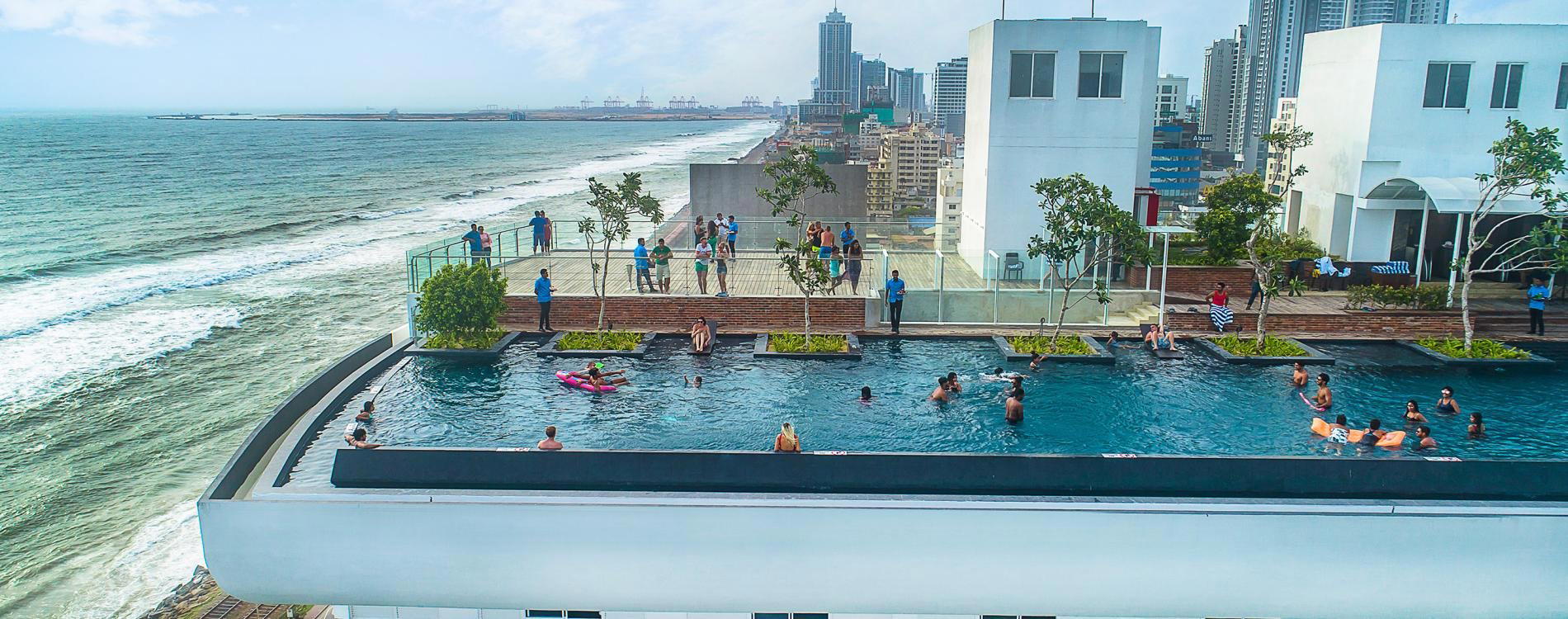
Lively beachside atmosphere with lively crowds and ocean views.