Our verdict
On Weligama's bypass road, KAIYŌ sits within a stretch of the Sri Lankan south coast where the Indian Ocean sets the terms for what ends up on the plate. The name signals an orientation toward the sea, and in a town defined by surf breaks and fishing boats, that framing carries weight. Consider this a reference point for coastal dining on the southern circuit.

Pearl is the En Primeur Club membership app, where members save venues, book tables and use the concierge.
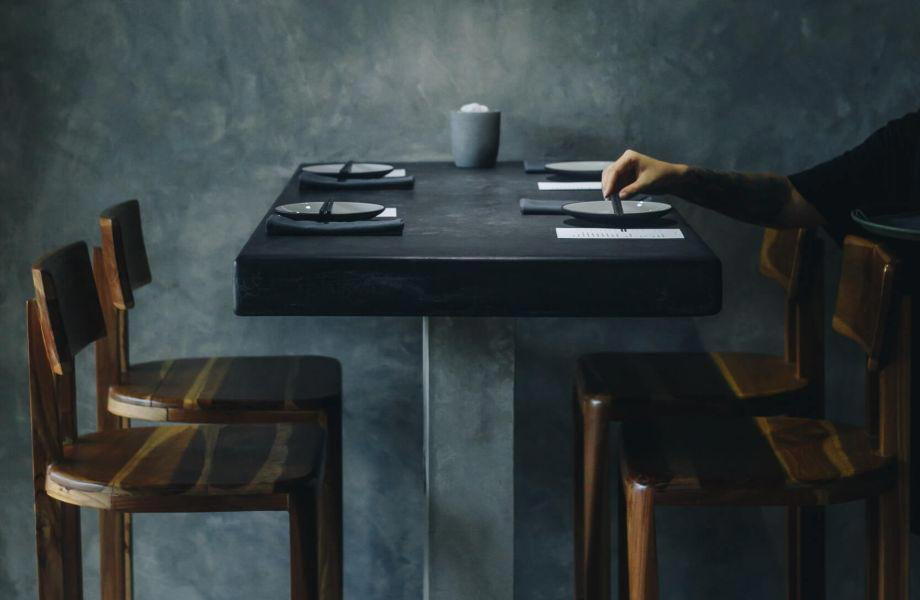
Where the Ocean Dictates the Menu
The southern Sri Lankan coast has developed a distinct dining character over the past decade, one shaped less by hotel F&B programs and more by the proximity of working fishing communities. Weligama, positioned between Mirissa and Unawatuna along the A2 coastal highway, sits in the middle of that stretch, and 311 Weligama Bypass Road places KAIYŌ squarely within the town's food corridor rather than tucked behind resort walls. Arriving from the bypass, you're already reading the scene: this is a coast-facing, sea-oriented address in a town where the catch lands early and moves fast through informal and formal kitchens alike. That context is not incidental to how KAIYŌ should be understood, it's foundational to it.
The name KAIYŌ is Japanese for 'ocean,' and that orientation anchors the venue's identity within a broader coastal dining category that has grown across Sri Lanka's south over recent years. Comparable addresses like Cape Weligama and The Atlas have staked similar territory in and around Weligama, each drawing on the Indian Ocean's supply lines. What separates them is emphasis: KAIYŌ's name alone suggests a more deliberate conceptual commitment to the sea as subject, not just setting.
Ingredient Geography: The Southern Sri Lankan Supply Chain
Argument for ingredient-led coastal cooking on Sri Lanka's south coast is not abstract. Weligama's fishing activity is genuine and daily. The boats that work the waters between here and the shelf edge bring in yellowfin tuna, reef fish, cuttlefish, and prawns with a regularity that makes seasonal sourcing a structural advantage rather than a marketing claim. The town's position means that a kitchen here can theoretically source what landed at dawn and serve it by nightfall, a supply logic that kitchens in Colombo, operating at remove from the coast, can't replicate with the same compression.
For context, Ministry of Crab in Colombo built its reputation specifically on the provenance argument, lagoon crabs, documented size grades, traceability as a value driver. The south coast version of that logic is less codified but no less real. Where Colombo kitchens depend on supply chains, south coast kitchens like those in Weligama and further east toward Yala (see COAST in Yala) can close the gap between harvest and plate in ways that shift what's possible on the menu. KAIYŌ operates within that geography, on a bypass road that runs parallel to both the surf and the fishing grounds.
The broader Sri Lankan culinary shift toward ingredient transparency has been well-documented in Colombo but is less formally tracked on the south coast. The precedent set by venues like AQUA Forte in Galle, where European technique meets locally sourced fish, shows the direction of travel. The south coast is increasingly a zone where cooking ambition and raw-material quality converge, which is why Weligama in particular has become a reference point on Sri Lanka's restaurant map rather than simply a surf destination.
Situating KAIYŌ in the Weligama Scene
Weligama's dining scene has bifurcated between surf-town casual and something more considered. The casual tier is well-served, with beachside rice-and-curry spots and guesthouses running short-menu kitchens for transient visitors. The second tier, where KAIYŌ operates, requires more from both kitchen and guest: more sourcing intention, more format thought, more reason to choose one address over another on a given evening. In that tier, Weligama has developed a small cluster of venues serious enough to draw visitors who treat the meal as a destination in its own right rather than a refuelling stop.
For visitors working through the southern circuit, Galle, Weligama, Mirissa, toward Laya Safari in Palatupana and the Yala edge, KAIYŌ on the bypass road is a natural routing point. The bypass itself runs slightly inland from the beach, which makes it a more practical address than strictly waterfront positions, and gives the kitchen a degree of operational depth that tighter beachside sites don't always allow. For a fuller read of what's available in the town, the full Weligama restaurants guide maps the field across price points and formats.
The Coastal Dining Reference Set
Understanding KAIYŌ means placing it against a broader reference set. Sri Lanka's coastal restaurant scene has matured considerably since the post-war tourism expansion of the 2010s. The island now has venues that can be discussed in the same register as serious coastal addresses elsewhere in Asia, not in terms of scale or Michelin recognition, but in terms of the quality of sourcing possible and the sophistication of the audience that has developed. Venues like Le Bernardin in New York City define one end of the spectrum for what ocean-first cooking can mean at the highest formal level; the south Sri Lanka version is structurally different, less institutionalised, more dependent on the informal fishing economy, but the underlying logic of letting the sea set the agenda is the same.
Elsewhere on the island, the diversity of approaches is considerable: Maara Cafe in Galewela, Priyamali Gedara in Kaduruwela, and Petti Petti in Thalaramba each represent the island's inland culinary logic, rooted in rice, coconut, and spice. The south coast, by contrast, pivots toward the ocean, and KAIYŌ's name declares exactly where its sourcing and conceptual loyalties lie.
Planning a Visit
KAIYŌ's address at 311 Weligama Bypass Road is accessible from the main A2 coastal highway, making it direct to reach whether you're based in Weligama town, at a property in Mirissa, or passing through on the southern circuit. Booking details and current hours are best confirmed directly, as south coast restaurant operations frequently adjust around surf season peaks and quieter shoulder periods, the bypass corridor sees different traffic patterns between November and April (high season, when the southern coast is dry and calm) versus May to October (when the swell runs larger and visitor numbers thin). Arriving during the high season window gives the leading chance of a full kitchen in form; the shoulder months offer a quieter room and often more direct kitchen attention per table.
Frequently asked questions
Does KAIYŌ work for a family meal?
KAIYŌ's position on Weligama Bypass Road makes it accessible by car from most of the surrounding area, which helps for groups travelling with children. The coastal ingredient focus, built around Weligama's daily fishing activity, means the menu is produce-driven rather than formally structured, which tends to suit mixed-age tables better than a strict tasting format.
Is KAIYŌ better for a quiet night or a lively one?
KAIYŌ sits within Weligama's more considered dining tier, a segment that has emerged alongside, but is distinct from, the town's surf-casual beach scene. That positioning suggests a setting oriented toward conversation rather than crowd energy. Expect a measured pace calibrated to the southern Sri Lankan coastal rhythm rather than a high-turnover floor.
How does KAIYŌ's location on Weligama Bypass Road affect the dining experience compared to Weligama's beachfront options?
The Bypass Road address, directly off the A2 coastal highway, positions KAIYŌ away from the beachside foot-traffic of Weligama's surf-town strip, which tends to mean a quieter arrival and easier access by car or tuk-tuk from Mirissa, Galle, or Matara. That separation from the beachfront casual tier is part of what allows KAIYŌ to occupy a distinct register in the local dining scene, one defined more by the southern Sri Lankan fishing supply chain than by tourist footfall.
What should I eat at KAIYŌ?
The kitchen's orientation toward the southern Sri Lankan coast points firmly toward seafood sourced from Weligama's active local fishing fleet. Beyond that general direction, specific dish recommendations require confirmation from the venue, as menu composition shifts with daily catch availability. Arriving without a fixed order of preference is a reasonable approach given that ingredient-led format.
What's the address for KAIYŌ?
KAIYŌ is located at 311 Weligama By Pass Rd, Weligama 81700, Sri Lanka, Weligama.
Should I book KAIYŌ in advance?
Weligama's considered dining tier is compact, and venues in this category tend to fill during peak surf season and Sri Lankan holiday periods.
What's the standout thing about KAIYŌ?
The clearest differentiator is the supply chain: Weligama's fishing activity is daily and genuine, which gives a kitchen committed to coastal ingredients a sourcing advantage that inland or hotel-based restaurants on the island cannot replicate. In a south coast dining scene that has matured considerably over the past decade, KAIYŌ represents the more ingredient-honest end of the spectrum.
How It Stacks Up
Comparable venues nearby, for context on price, style, and recognition.
| Venue | Cuisine | Price | Awards | Notes |
|---|---|---|---|---|
| KAIYŌThis venue (the venue you are viewing) | Modern Japanese Sushi | $30–50 | Not listed | Not listed |
| Cape Weligama | Modern Sri Lankan Fine Dining with Seafood Focus | $100–150 | Relais Chateaux Award | Weligama |
| The Society | International and European bar bites & lounge fare | $30–50 | Relais Chateaux Award | Weligama |
| The Atlas | Modern Sri Lankan Seafood | $50–100 | Relais Chateaux Award | Weligama |
| Nihonbashi | Authentic Japanese Fine Dining | $30–50 | Not listed | Galle Face |
| Crystal Jade | Authentic Cantonese & Hong Kong Chinese | Not listed | Not listed | Colombo 03 |
Continue exploring
More in Weligama
Restaurants in Weligama
All restaurants in Weligama →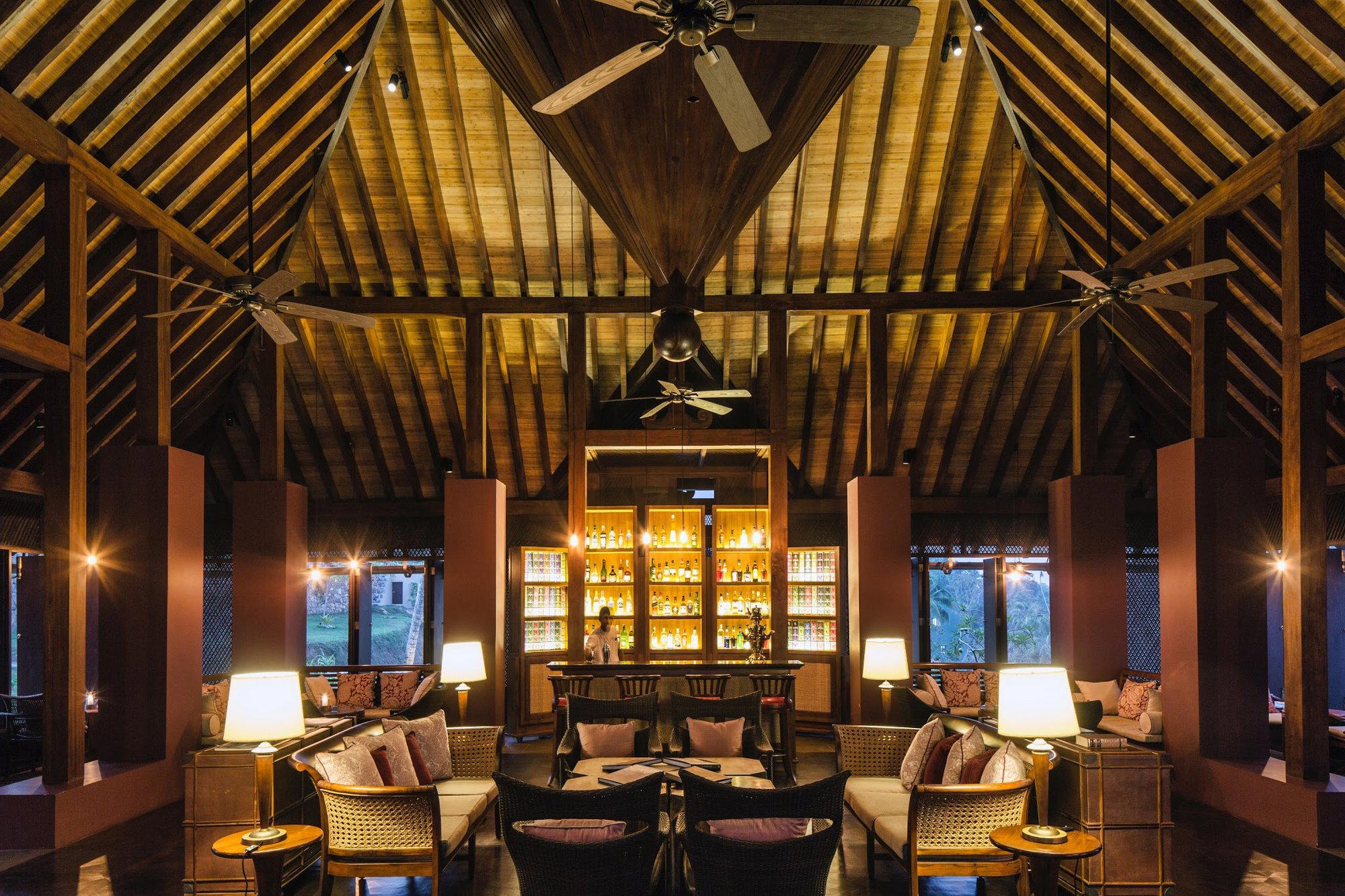
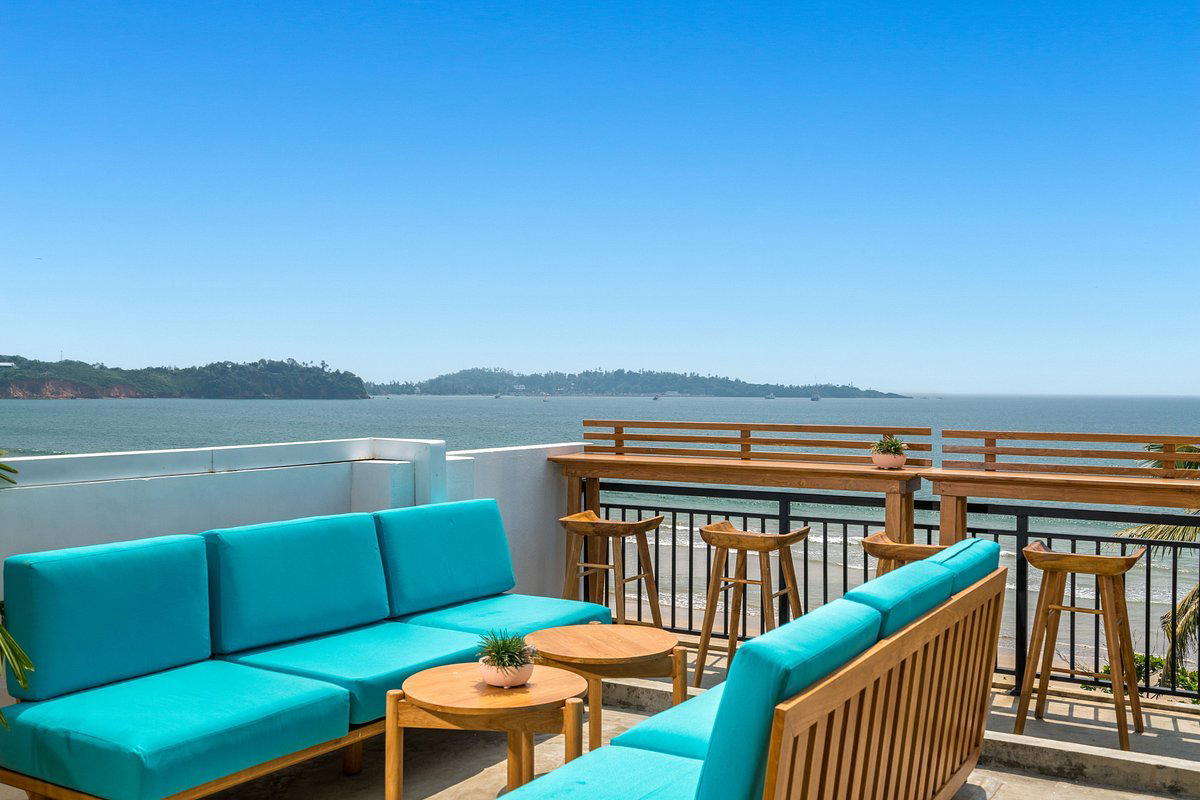
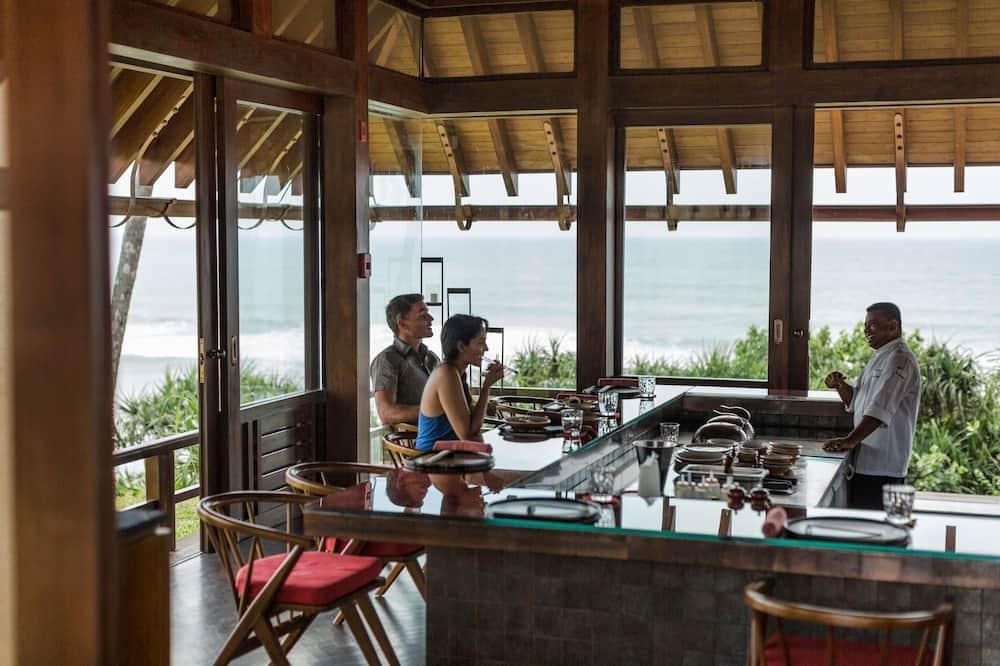
Bars in Weligama
All bars in Weligama →
Details
- Modern
- Elegant
- Trendy
- Minimalist
- Date Night
- Special Occasion
- Design Destination
- Craft Cocktails
- Local Sourcing
- A La Carte
- Small Plates
- Cocktails
- Vegetarian Friendly
Current opening hours
- Monday
- 5–11 PM
- Tuesday
- 5–11 PM
- Wednesday
- 5–11 PM
- Thursday
- 5–11 PM
- Friday
- 5–11 PM
- Saturday
- 5–11 PM
- Sunday
- 5–11 PM
Hours can change for holidays and private events. Last verified .
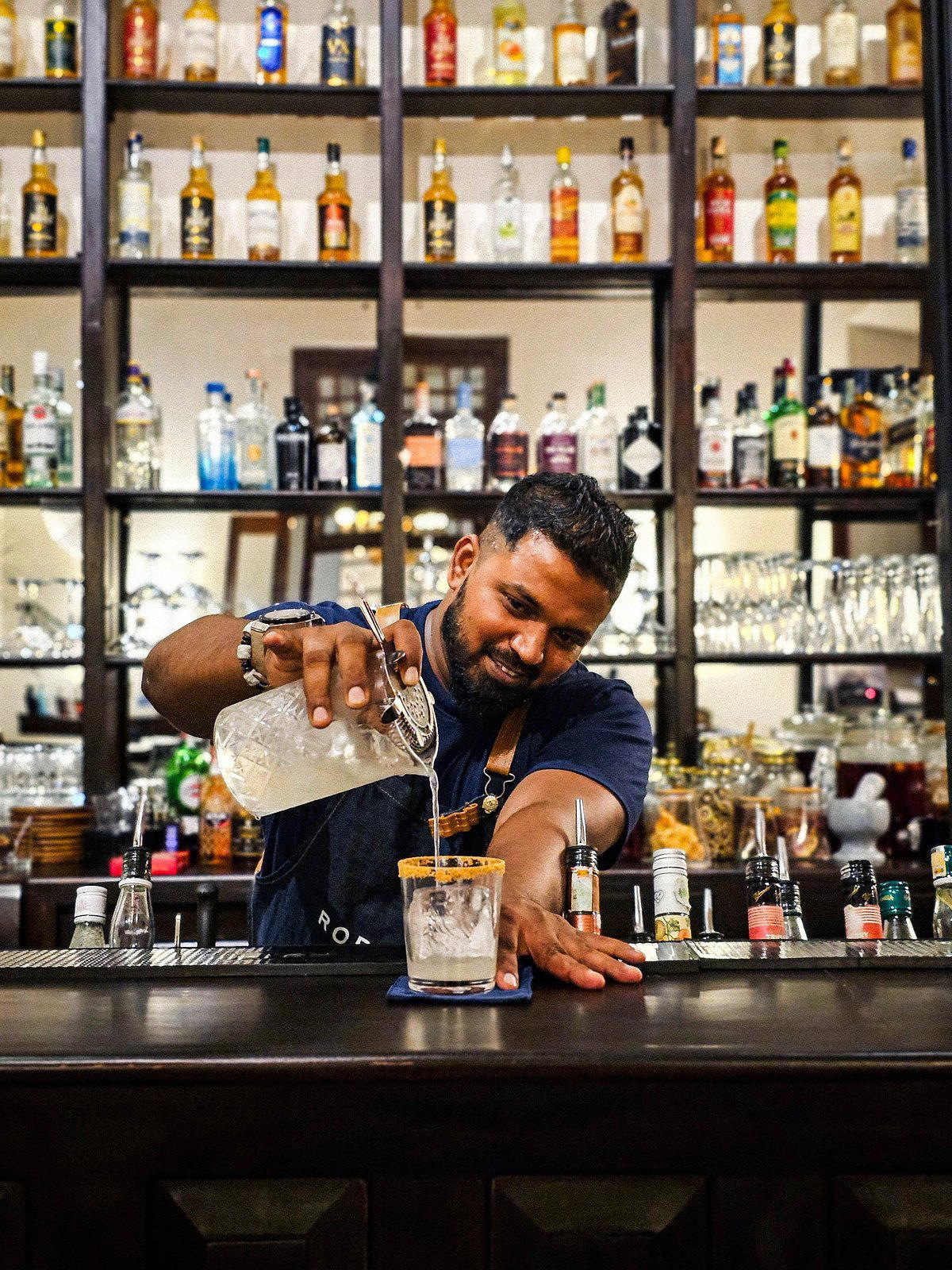
Minimalistic and chic Japanese contemporary style with dramatic downlighting, good invested atmosphere, and stylish interior.