
The Galle Face Hotel is one of South Asia's oldest operating grand hotels, occupying a colonial-era seafront position on Colombo's Galle Road since 1864. Its colonnaded verandas, ocean-facing lawns, and layered architectural history place it in a category apart from Colombo's contemporary hotel stock, a property where the building itself is the primary argument for staying.
Pearl is the En Primeur Club membership app — saves, bookings, and concierge access live there. Same editors, same standards.
- Address
- 2 Galle Rd, Colombo 00300, Sri Lanka
- Phone
- +94 117 541 010
- Website
- gallefacehotel.com
- Directions
- Get directions
 Saves & bookings on Pearl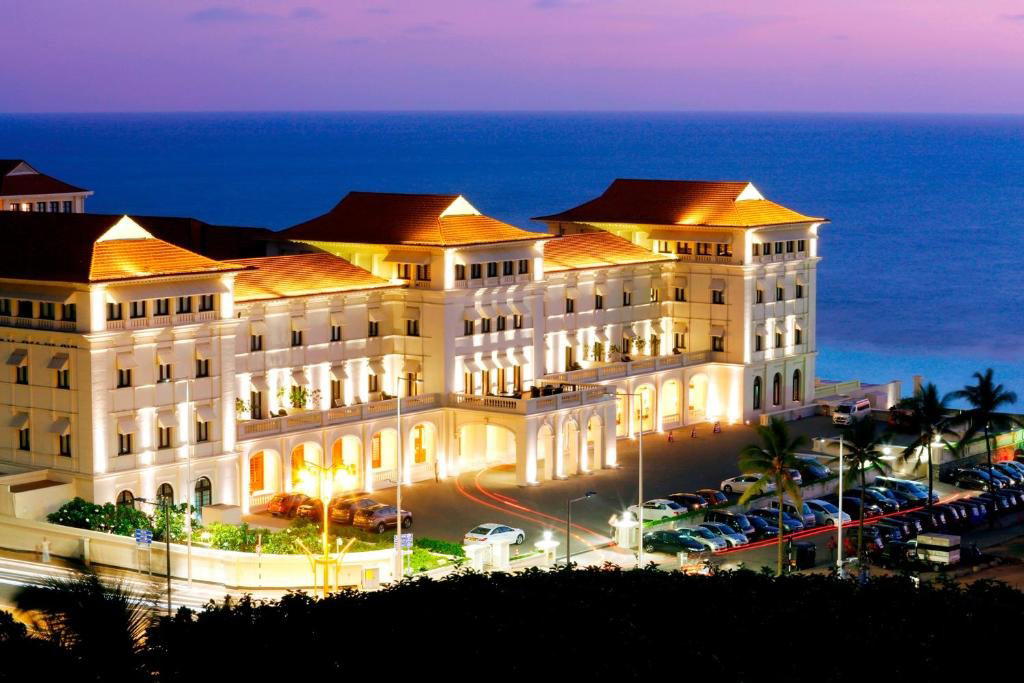
A Colonial Seafront in Contemporary Colombo
Colombo's hotel scene divides cleanly between two eras: the international-brand towers that arrived in the post-war development wave, and the older colonial fabric that predates them by more than a century. The Galle Face Hotel sits firmly in the second category. It occupies a stretch of Galle Road facing the Indian Ocean, making it one of the oldest continuously operating hotels in Asia. That longevity is not simply a heritage credential, it shapes everything about the physical experience of arriving here, from the shaded carriage-entrance portico to the wide, salt-aired corridors that run the length of the original wing.
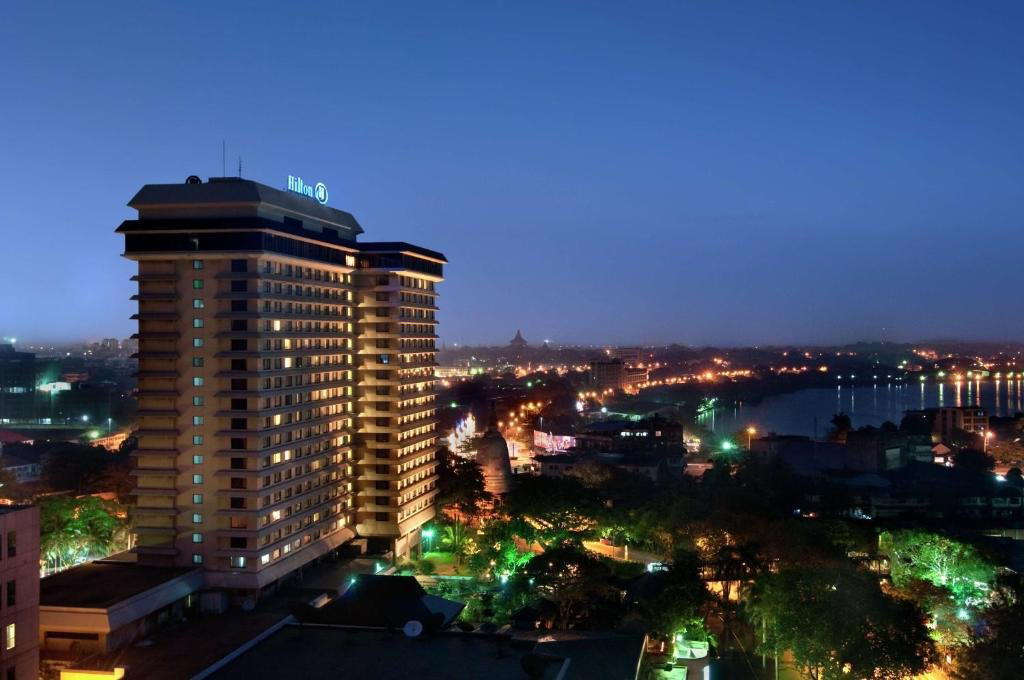
In a city where newer properties like the Hilton Colombo, Marino Beach Colombo, and SOFIA Colombo City Hotel compete on contemporary amenities and modular design, the Galle Face occupies a different competitive position. Its comparable set is not the branded tower hotel; it is closer to the grand colonial properties of the wider region, places where architecture functions as the primary form of hospitality, and where the building carries the weight of the guest experience before a single room service order is placed.
The Architecture of Continuity
The hotel's design logic is that of the British colonial tropics: deep verandas to catch the sea breeze, high ceilings to allow air circulation, and a bilateral symmetry that organises the guest experience around a central spine. These were not aesthetic choices in the modern sense, they were functional responses to climate, and they have aged better than most design movements that followed them. The result, seen from the ocean-facing lawn, is a building that reads as a statement about place and period rather than a renovation project.
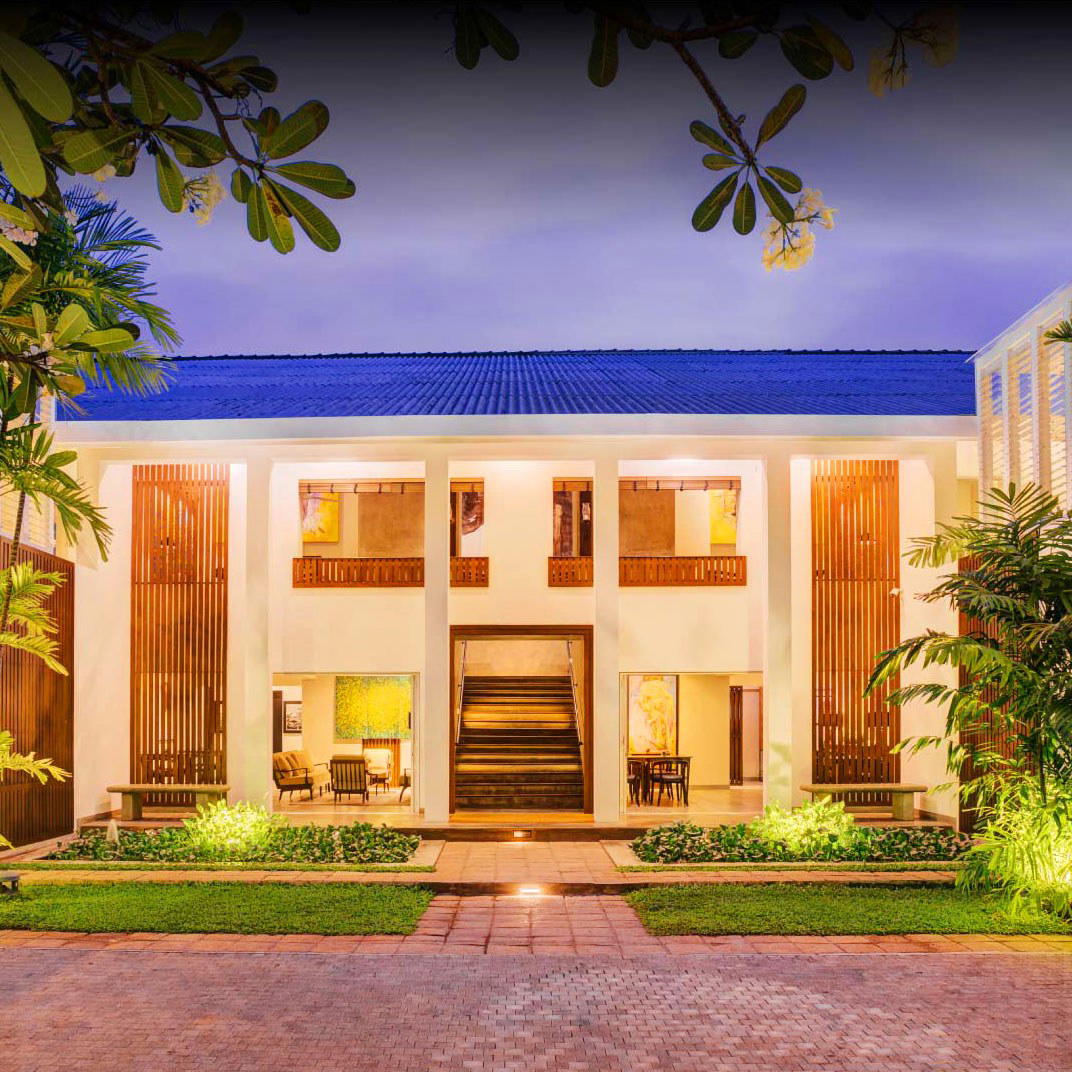
The property has been extended and updated across multiple eras, and the tension between original fabric and successive additions is visible throughout. The older Regency Wing preserves one direct connection to the nineteenth-century original, with proportions and detailing that the newer sections do not replicate.
This split between heritage fabric and contemporary function is a recurring challenge across South Asia's grand old hotels. Properties like Amangalla in Galle, another Sri Lankan colonial-era conversion, resolve it by committing fully to restoration and limiting guest capacity accordingly. The Galle Face takes a different approach, maintaining its scale and operational breadth while managing the heritage sections as a distinct product tier within the same building. Neither approach is wrong; they serve different traveller preferences.
The Galle Face Green and the Seafront Position
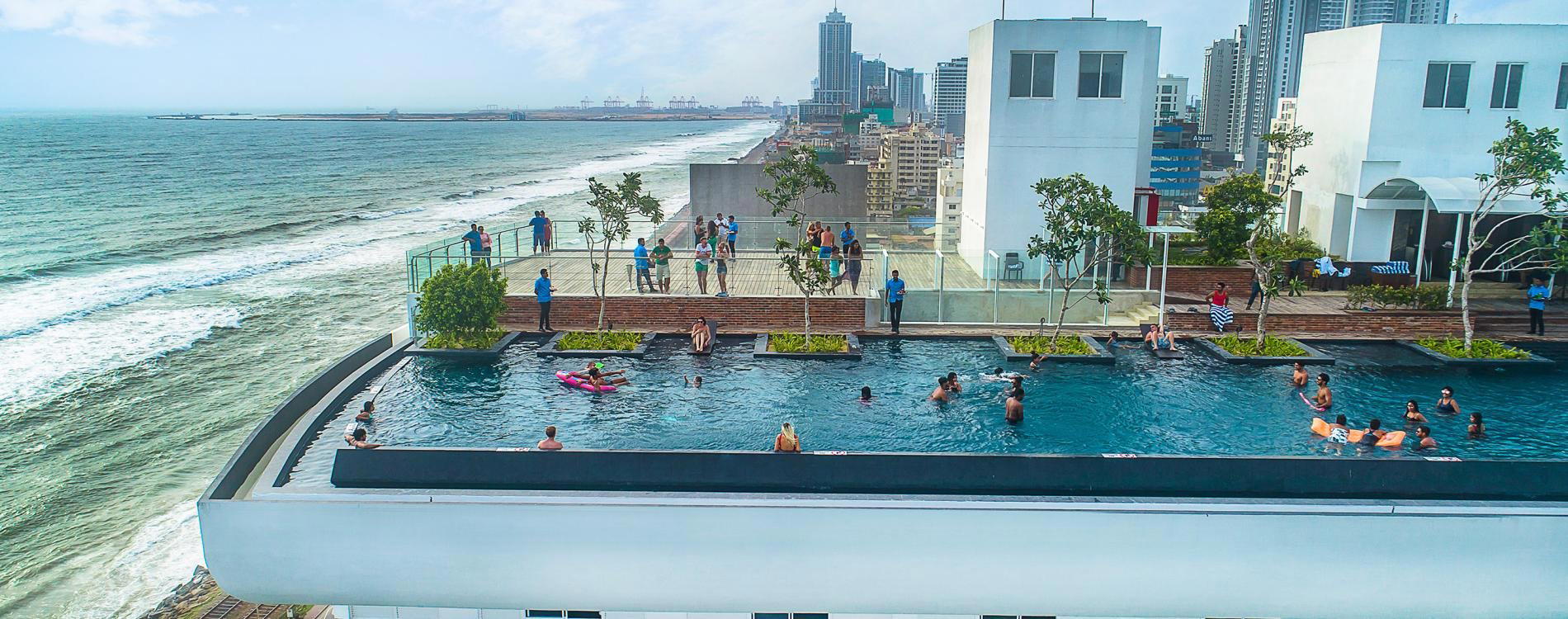
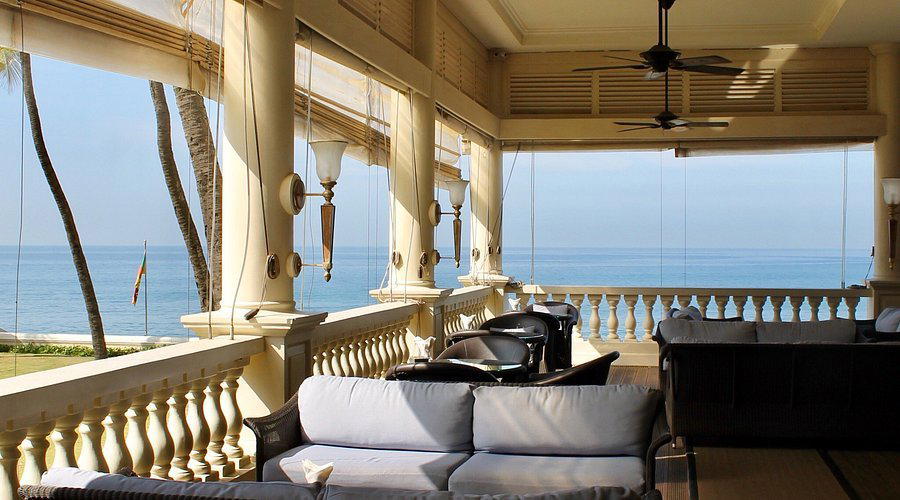
The hotel's site is as significant as its building. The Galle Face Green, the long public esplanade that runs along the ocean directly opposite the hotel, is one of Colombo's most consistent social gathering points, used at dusk by families, street food vendors, and kite flyers in a pattern that has repeated for generations. From the hotel's ocean-facing terrace, this daily ritual plays out at close range, providing a form of urban immersion that no amount of lobby design can manufacture. The seafront position also means consistent ocean breezes and natural light that shift the interior atmosphere across the day in ways that interior city hotels cannot replicate.
For context on how Sri Lanka's hotel stock spans geography and setting, compare this urban seafront position against the plantation bungalow format of Ceylon Tea Trails in the hill country interior, or the south coast positioning of Amanwella in Tangalle and Cape Weligama in Weligama. Each represents a distinct Sri Lankan lodging typology. The Galle Face is the only one rooted in the capital's urban centre, which makes it the logical base for travellers whose itinerary is weighted toward Colombo rather than the coast or the highlands.
Placing It in Colombo's Current Hotel Conversation
Colombo's hotel market has grown considerably since the end of the civil conflict in 2009, with international brands establishing full-service towers in the Fort and Beira Lake precincts. The Hilton Colombo Residences and Paradise Road Tintagel Colombo represent different poles of this newer stock: the former built around extended-stay functionality, the latter around boutique design sensibility. The Galle Face Hotel sits outside both categories. Its scale, running to several hundred rooms across wings, is not boutique, and its heritage positioning means it does not compete on the same amenity checklist as a branded international tower.
What it offers instead is a form of place-specific authority that newer properties cannot acquire through renovation budgets. Staying here in 2024 means occupying a building that hosted Churchill, Nehru, and a succession of colonial-era governors; where the bar lists have tracked Sri Lanka's political and social history from British Ceylon through independence to the present. That layer of documented use is a form of value that does not appear in star-rating comparisons but that a specific traveller profile weighs heavily. The same logic applies to grand old hotels in other cities, compare the institutional authority of properties like The Fifth Avenue Hotel in New York or Aman Venice, where the building's history is inseparable from the proposition.
Planning Your Stay
The Galle Face Hotel sits at 2 Galle Road, Colombo 00300, Sri Lanka, directly on the seafront. Colombo's Bandaranaike International Airport is approximately 30 kilometres north of the city centre, making the hotel a roughly 45-minute transfer in standard traffic, longer during peak hours. Colombo's traffic is notably dense in the morning and evening, so flight timing is worth factoring into arrival plans. The hotel is within walking distance of the Fort commercial district and a short ride from the Pettah market area, giving it a functional central position for both business and leisure itineraries.
For travellers building a broader Sri Lanka circuit, the Galle Face works well as a Colombo anchor before or after time in the hill country at properties like Heritance Tea Factory in Kandapola or Nine Skies in Demodara, or wildlife-focused stays like Gal Oya Lodge or Hilton Yala Resort in Tissamaharama.
In Context: Similar Options
Comparable venues nearby, for context on price, style, and recognition.
| Venue | Cuisine | Price | Awards | Notes |
|---|---|---|---|---|
| Galle Face HotelThis venue — the venue you are viewing | Historic colonial grande dame with modern refurbishments | $$$$ | 5-Star | Not listed |
| Hilton Colombo | Modern business luxury hotel with ocean views | $$$$ | 5-Star | business district |
| Hilton Colombo Residences | Urban luxury serviced residences | $$$$ | 5-Star | Ibbanwala |
| SOFIA COLOMBO CITY HOTEL | Contemporary urban hotel blending business and leisure with sustainable LEED Silver certification. | $$$ | 4-Star | Bambalapitiya |
| Marino Beach Colombo | Urban luxury beachfront hotel blending modernity and elegance | $$$$ | 5-Star | Bambalapitiya |
| Paradise Road Tintagel Colombo | Colonial heritage boutique hotel with residential neighborhood positioning, emphasizing historical significance and intimate luxury. | $$$$ | 4-Star | Cinnamon Gardens |
Recognition history
Dated appearances from independent guides and award organizations, with the underlying list record or original source where available.
Michelin Selected
Michelin
At a Glance
- Classic
- Elegant
- Well Known
- Sophisticated
- Romantic Getaway
- Honeymoon
- Anniversary
- Waterfront
- Historic Building
- Panoramic View
- Pool
- Spa
- Room Service
- Concierge
- Waterfront
- Pool
- Spa
- Room Service
- Concierge
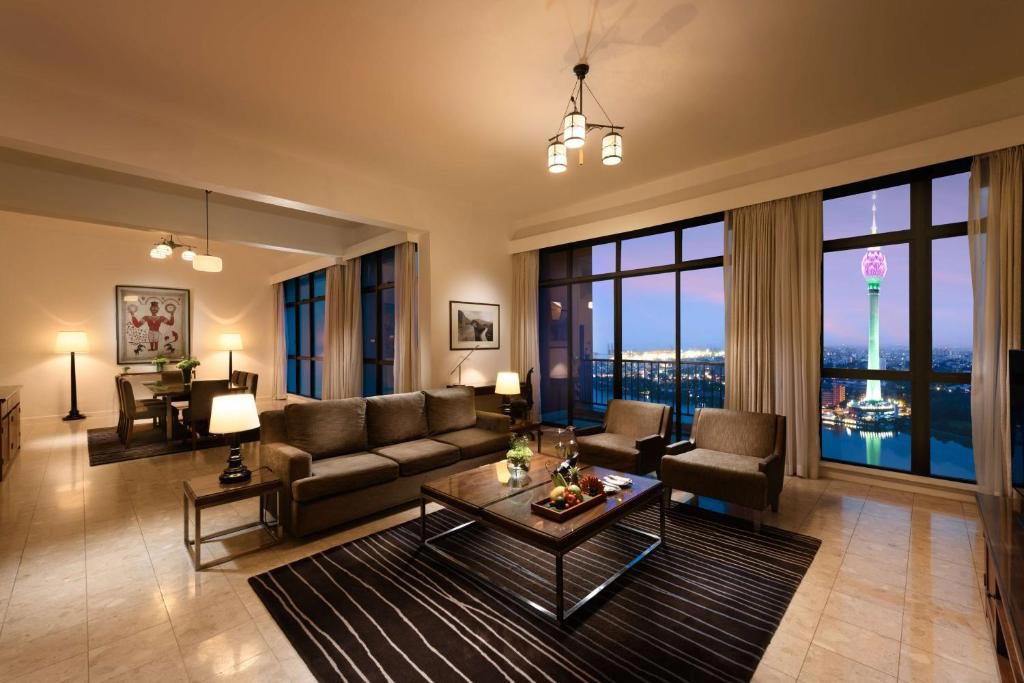
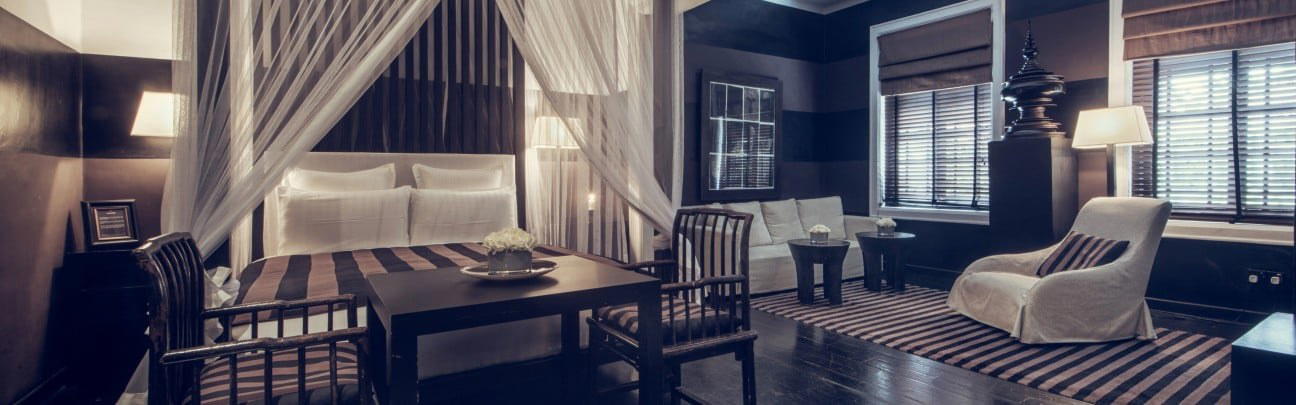
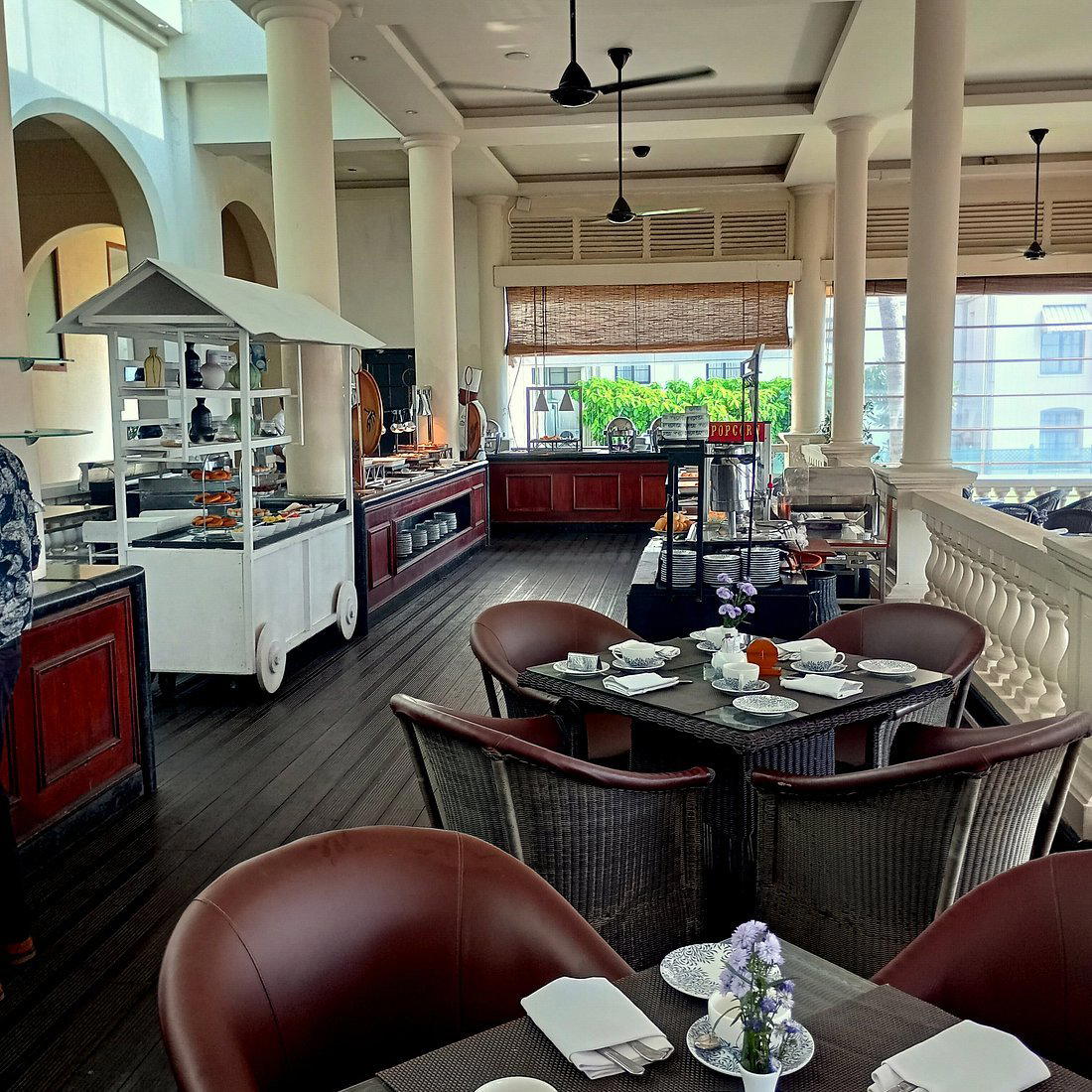
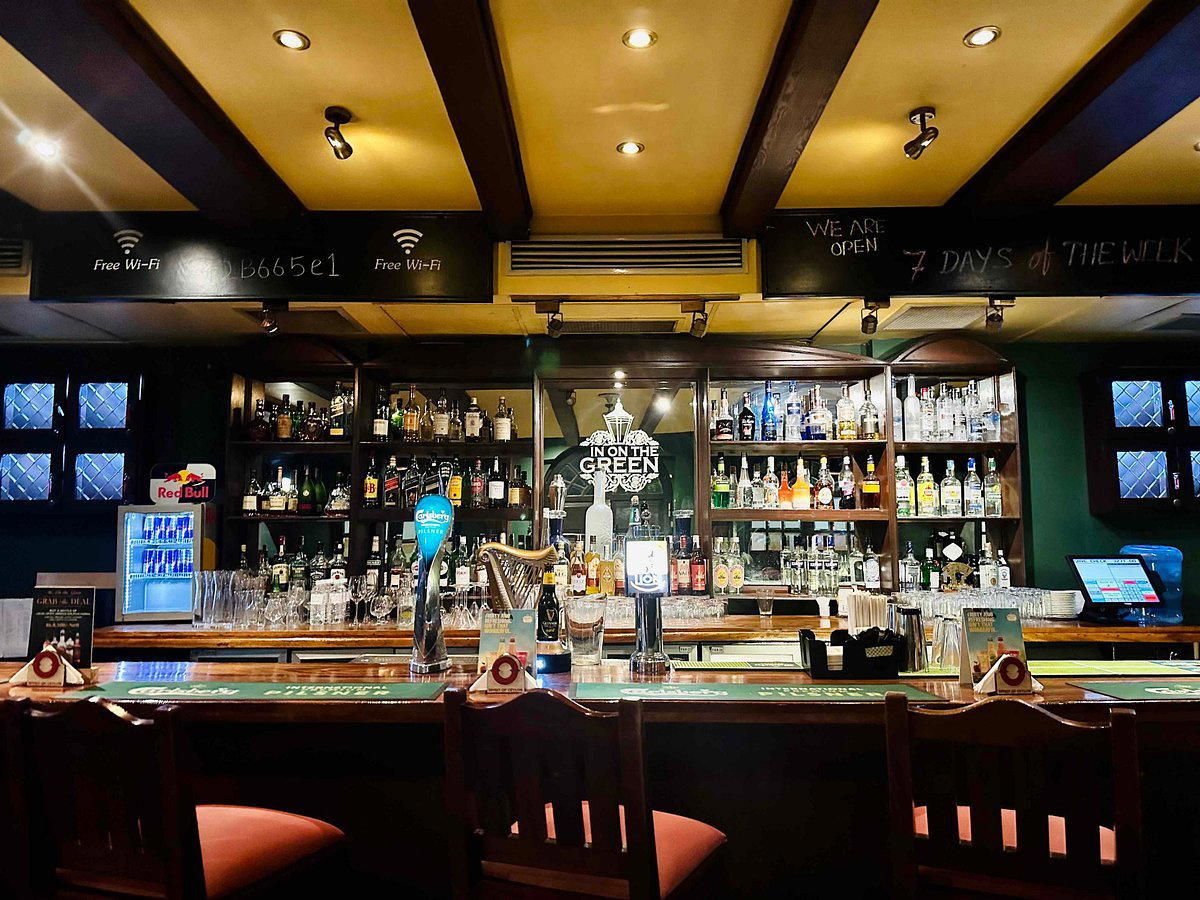
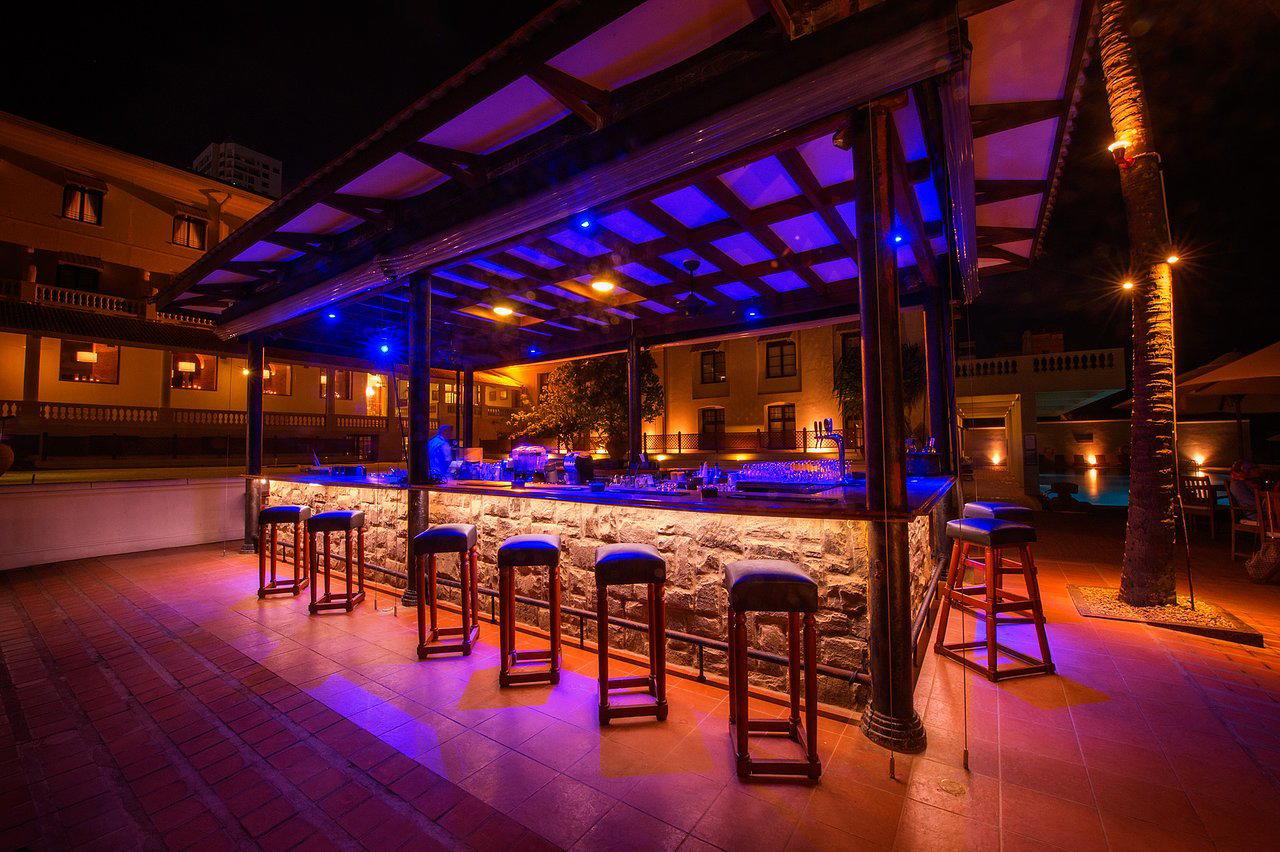
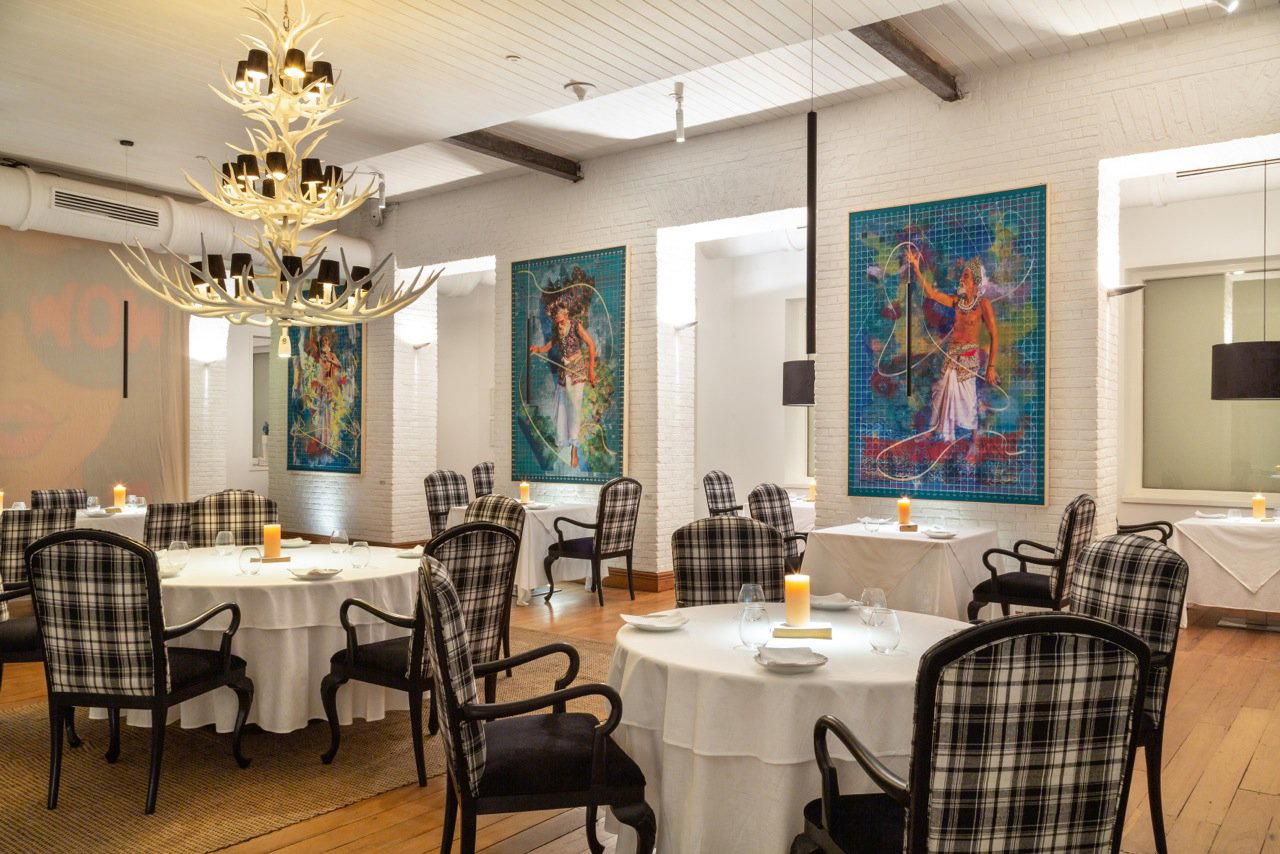
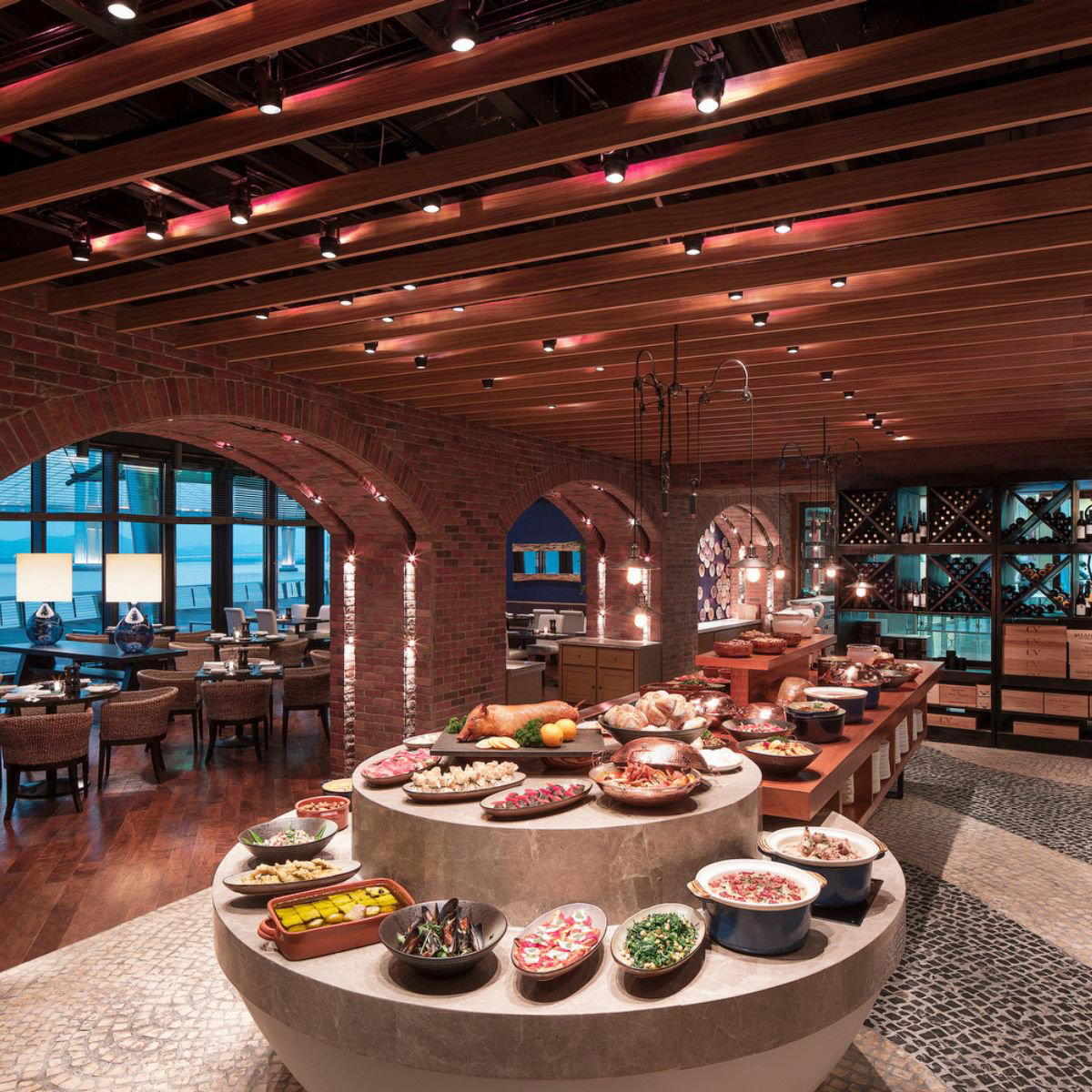
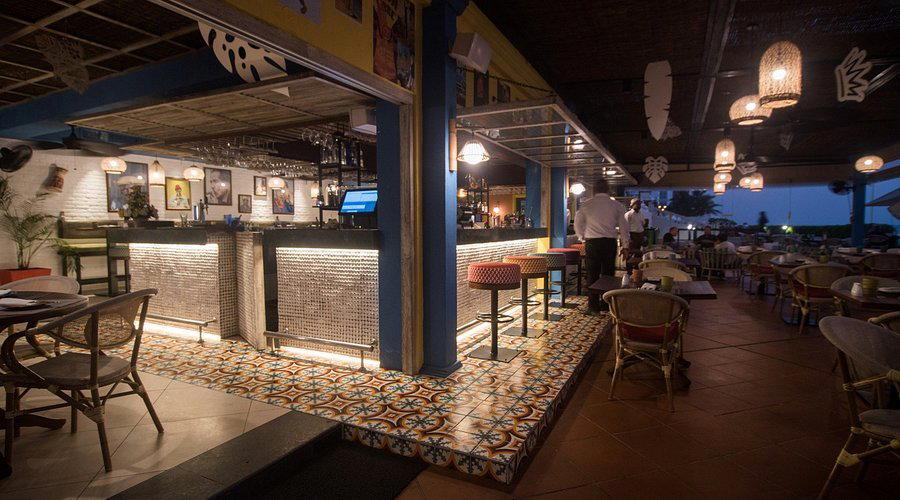
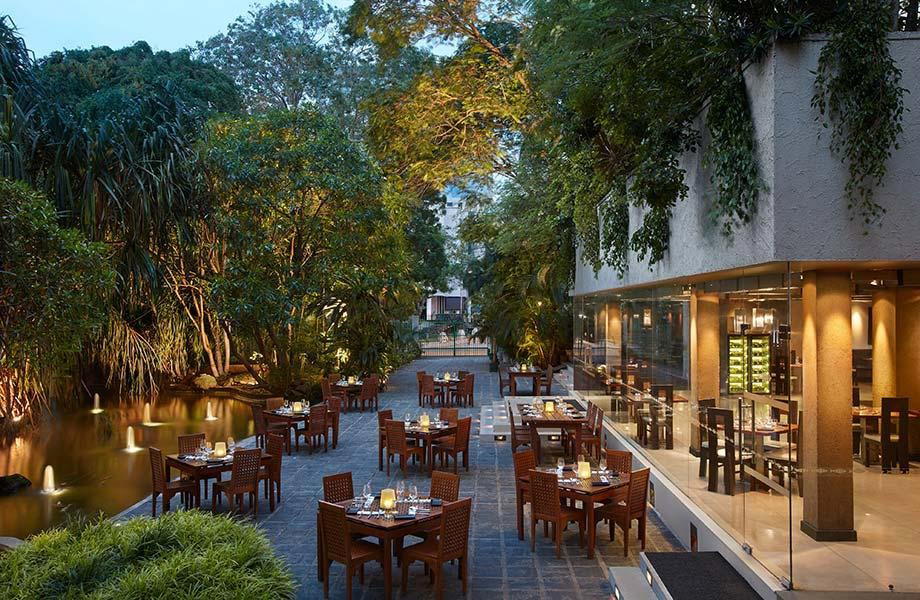
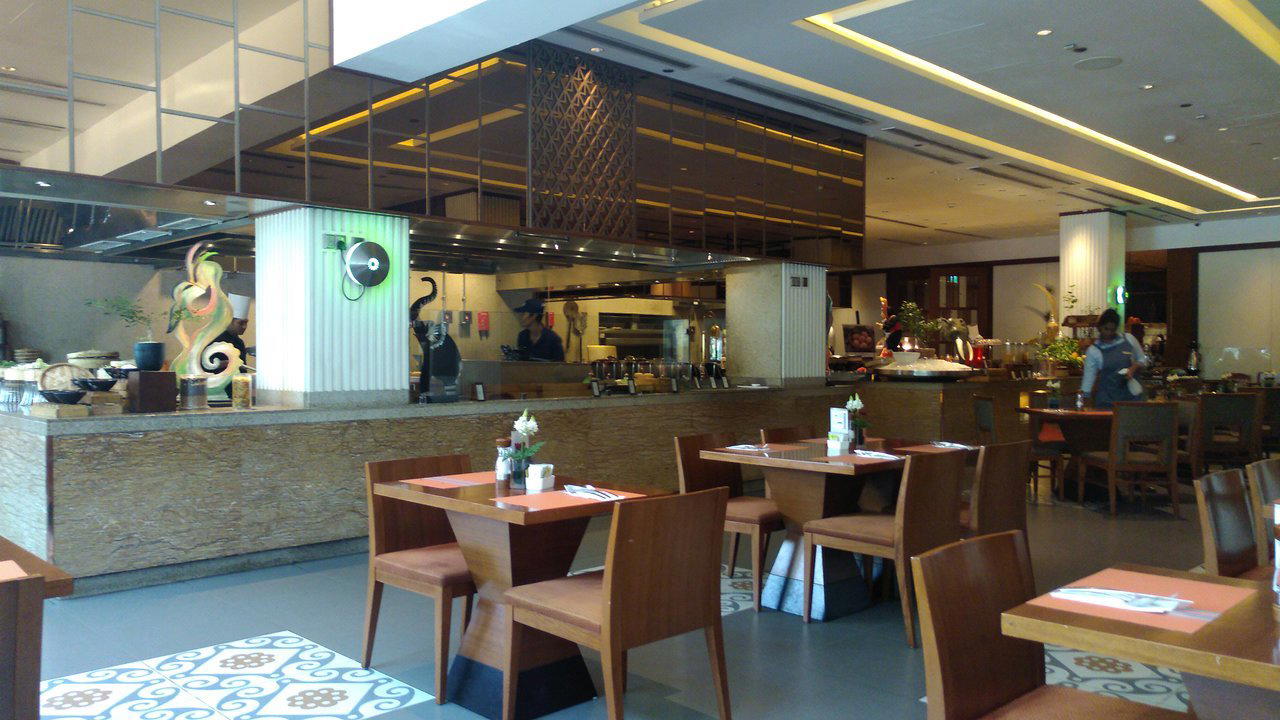
Colonial elegance with high ceilings, polished wood floors, whirring ceiling fans, and ocean views creating a nostalgic yet sophisticated atmosphere.