
World Luxury Hotel Awards WLHA Regional Winner
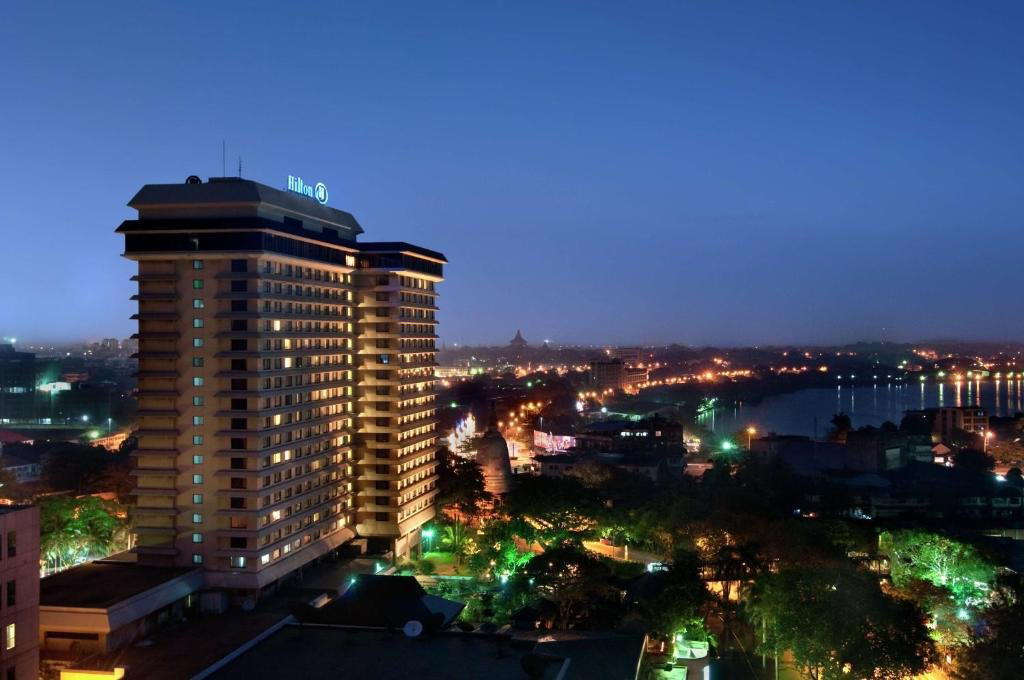
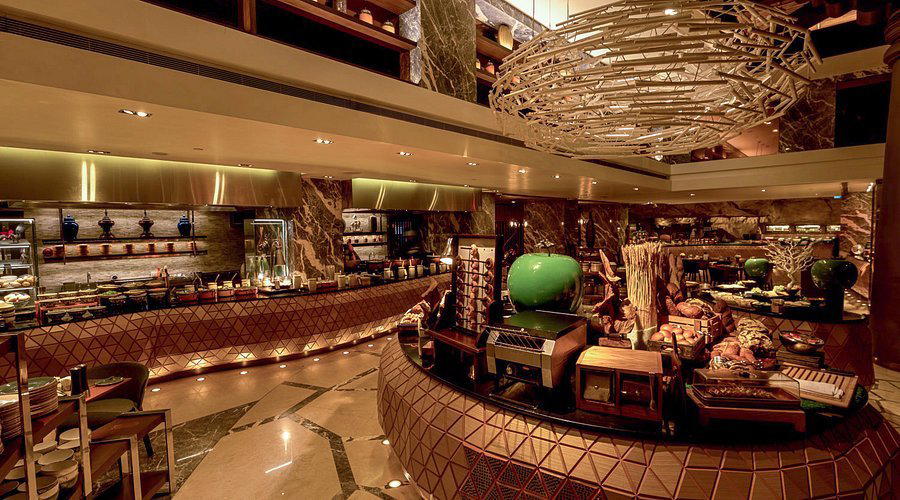
Hilton Colombo sits on Sir Chittampalam A Gardiner Mawatha, Colombo's waterfront business corridor, and holds awards for both Luxury Business Hotel and Best Architectural Design at the regional and country level. Its dining programme spans multiple restaurants and bars, making it one of the more substantial food-and-beverage operations in the city's upper-tier hotel bracket.

Pearl is the En Primeur Club membership app — saves, bookings, and concierge access live there. Same editors, same standards.
- Address
- 2 Sir Chittampalam A Gardiner Mawatha, Colombo 00200, Sri Lanka
- Phone
- +94 112 492 492
- Website
- hilton.com
- Directions
- Get directions
Colombo's Business Hotel Tier and Where Hilton Sits Within It
Colombo's upper-tier hotel market divides, broadly, into two cohorts: grand colonial properties that trade on heritage and sea-facing position, and purpose-built business towers that compete on meeting infrastructure, F&B; scale, and international brand consistency. Hilton Colombo, at 2 Sir Chittampalam A Gardiner Mawatha, sits squarely in the second category, but its architectural design recognition signals something beyond the generic business-hotel formula. At the country level, it holds the award for Leading Architectural Design, a credential that places its physical envelope in a different conversation from the average regional Hilton.
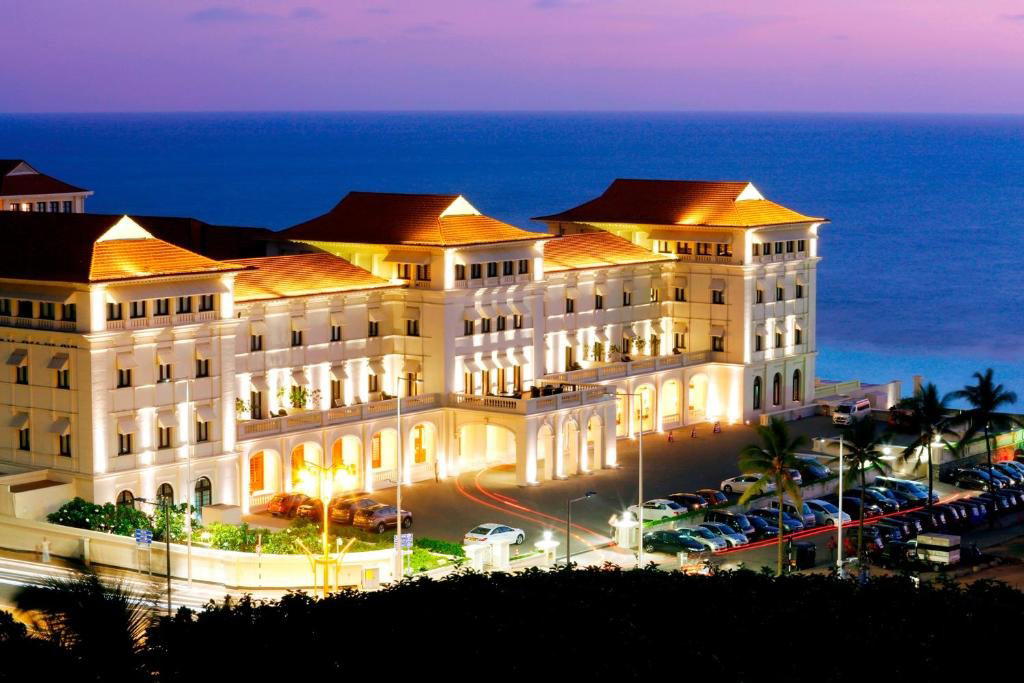
For context, the competitive set in Colombo's premium tier includes properties with very different identities. Galle Face Hotel draws on colonial-era provenance and seafront frontage. Paradise Road Tintagel Colombo operates as a boutique design property. Marino Beach Colombo and SOFIA COLOMBO CITY HOTEL occupy different price registers. Hilton Colombo's dual-award profile, combining design merit with business-hotel recognition, means it appeals to a traveller who wants architectural quality without trading away the infrastructure of a full-service international property. The Hilton Colombo Residences nearby extends the brand's footprint into long-stay territory, but the main hotel remains the flagship for short-stay and corporate visitors.
The Dining Programme as the Property's Clearest Signal
In South Asian business hotels of this scale, the food-and-beverage operation is often the most reliable indicator of overall ambition. Properties that treat dining as a secondary function tend to rely on buffet formats, generic pan-Asian menus, and imported beverage lists with little local reference. The more serious properties in this tier invest in multiple distinct restaurant and bar concepts, each with a defined culinary identity, and manage them as revenue-generating destinations in their own right rather than amenities for captive hotel guests.
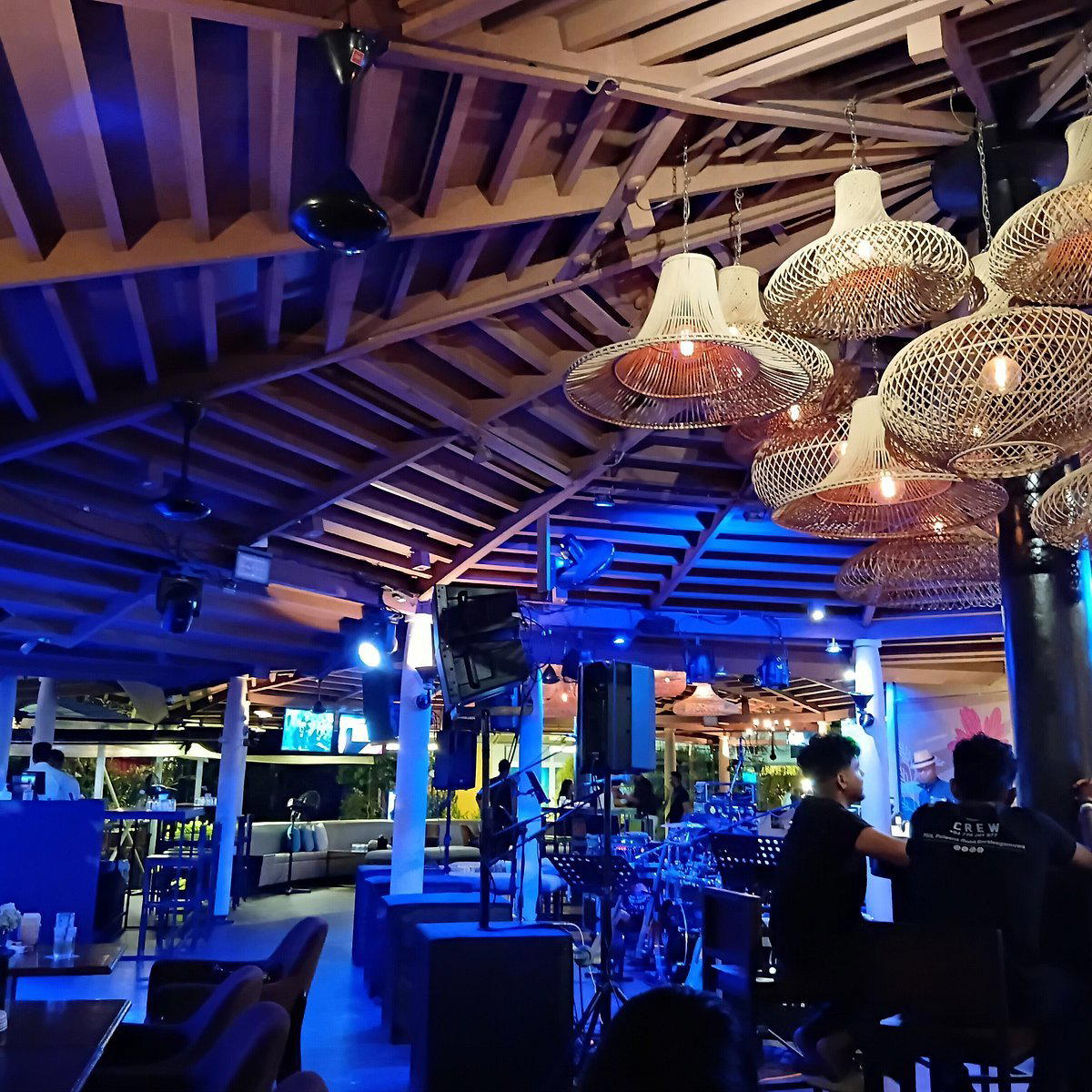
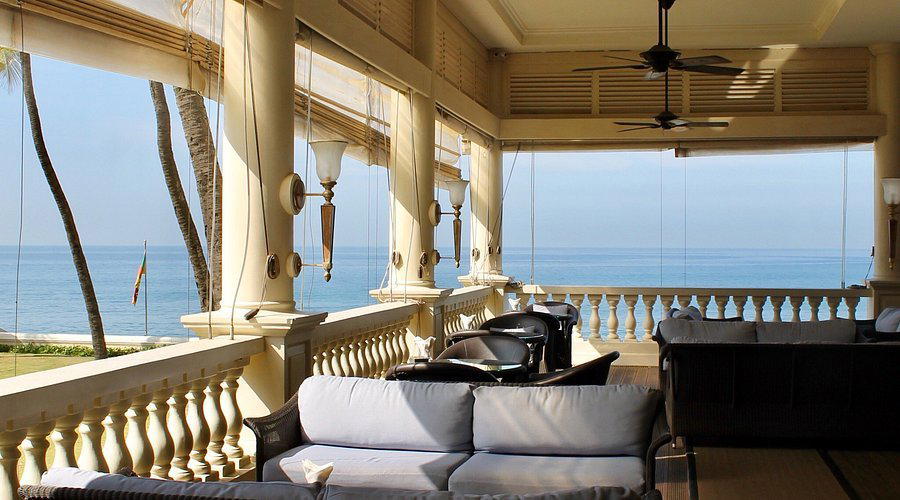
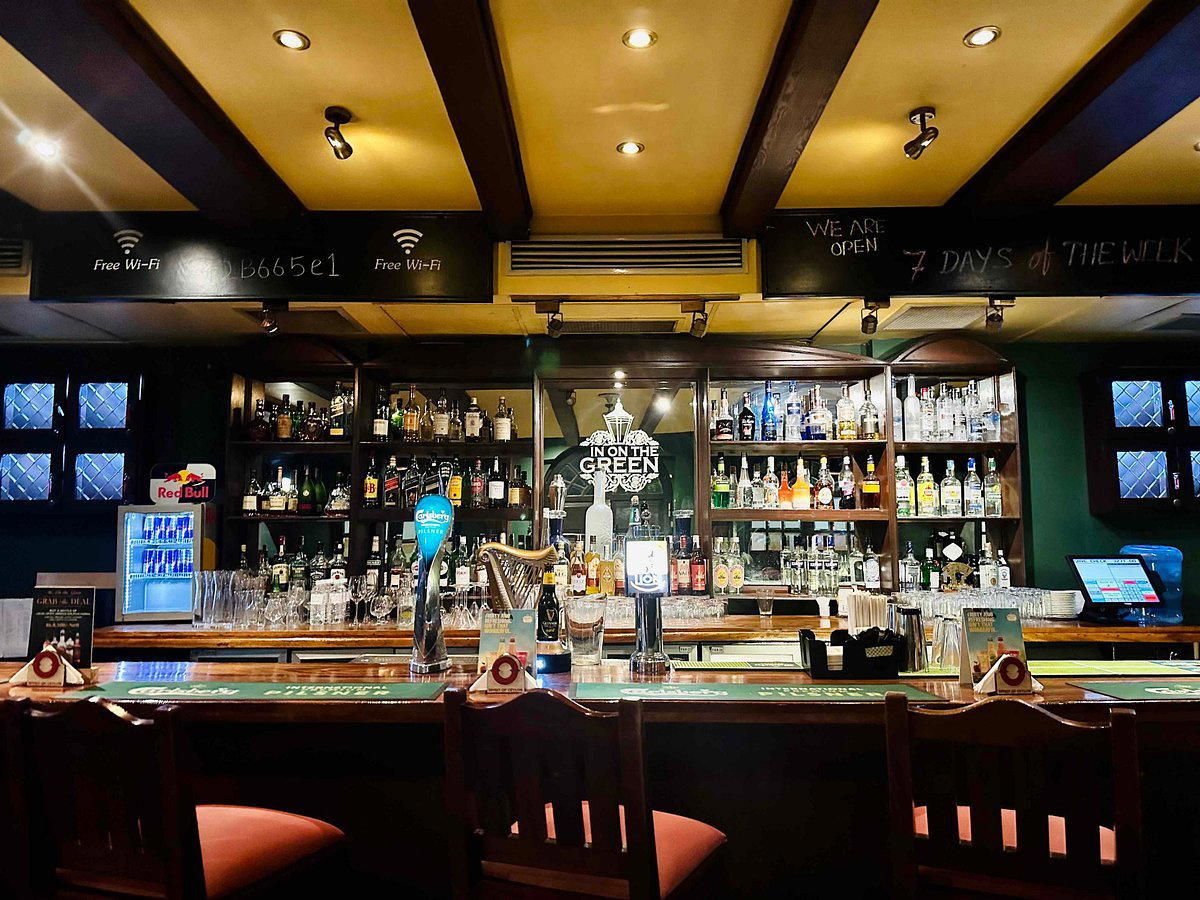
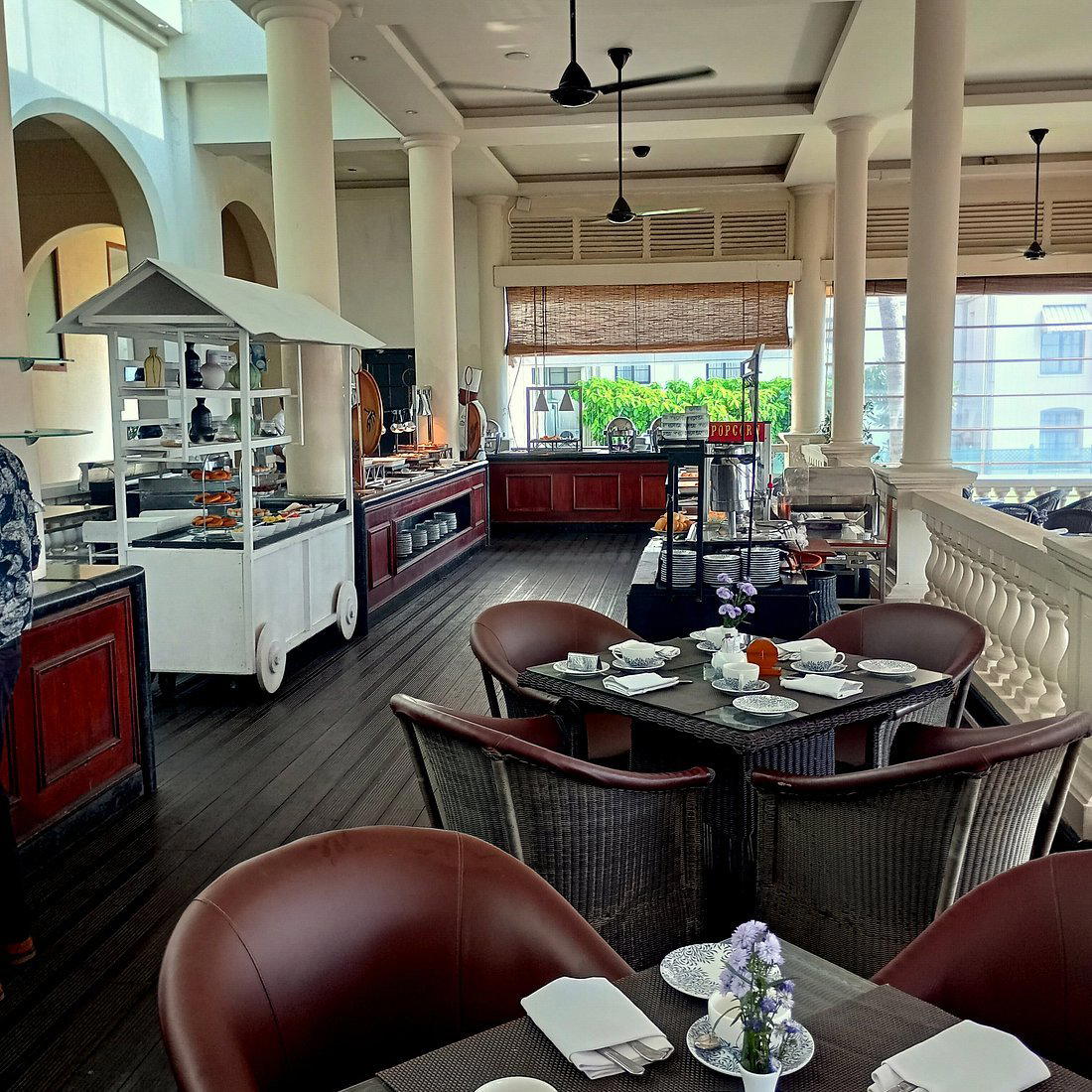
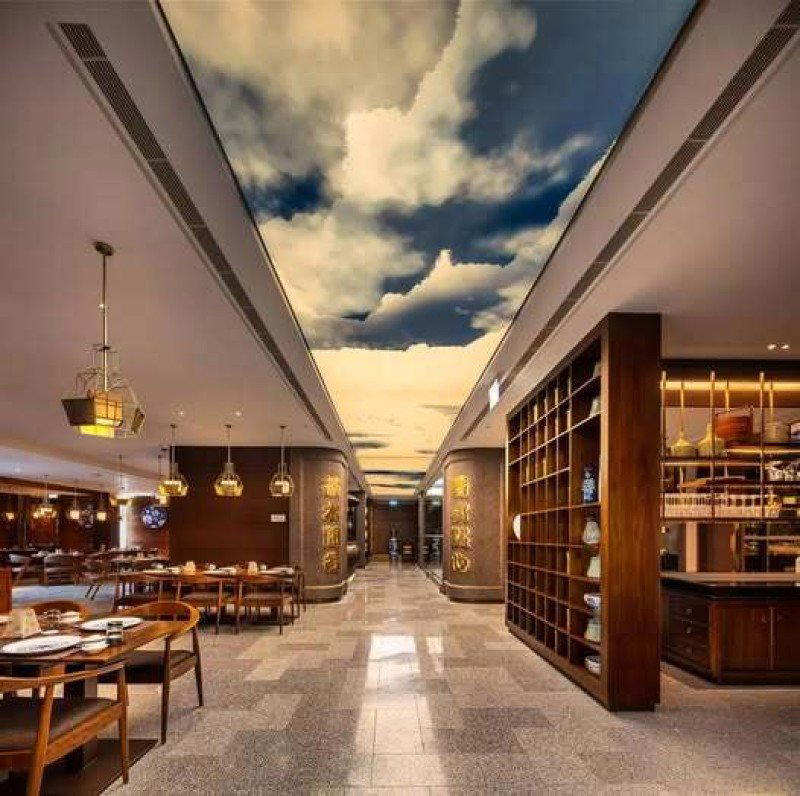
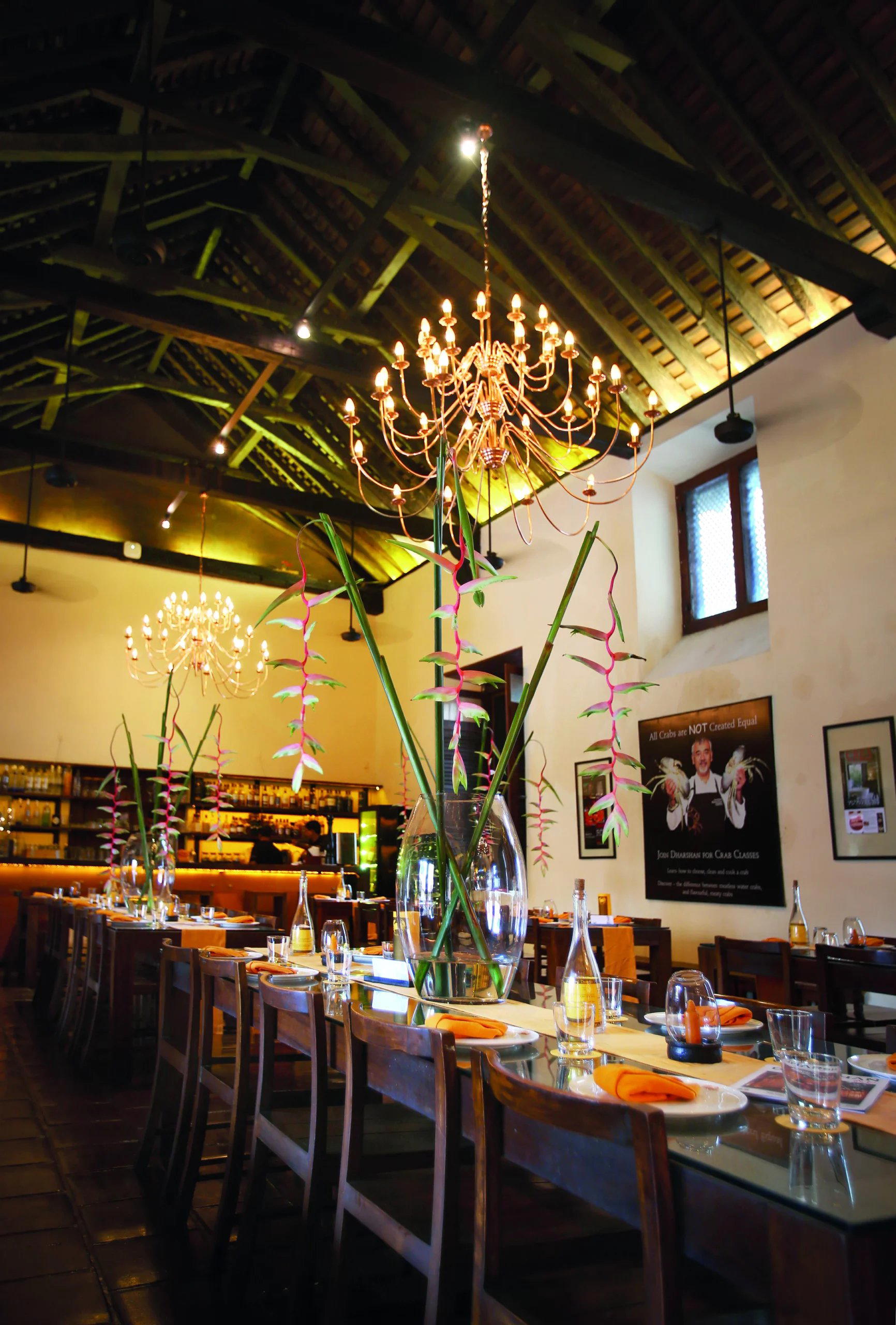
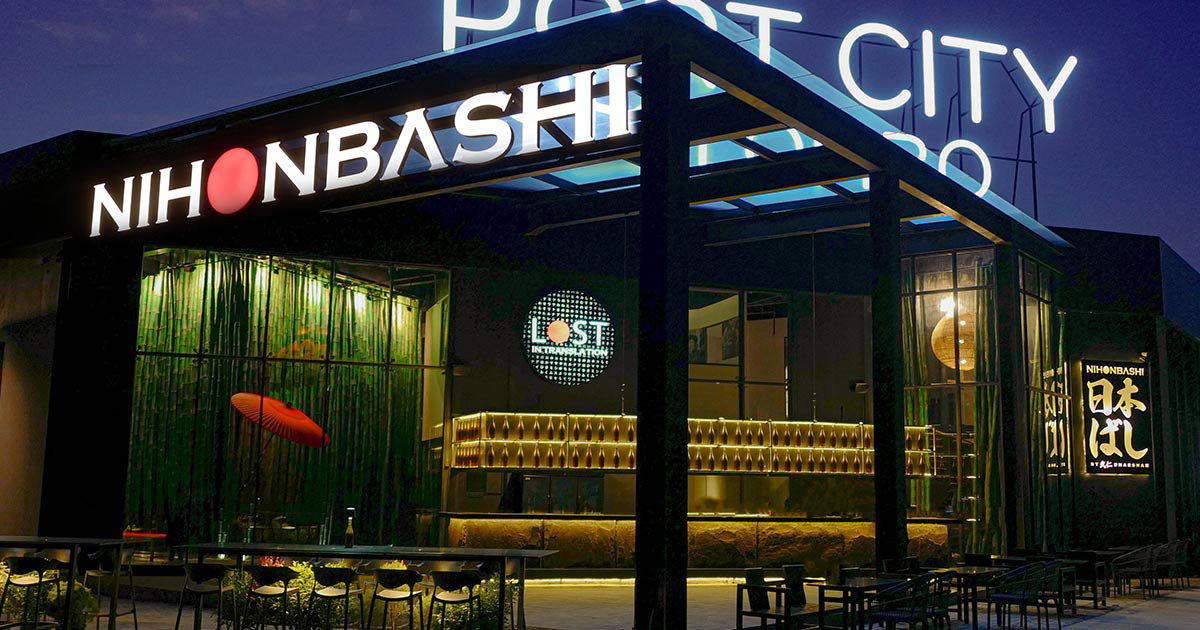
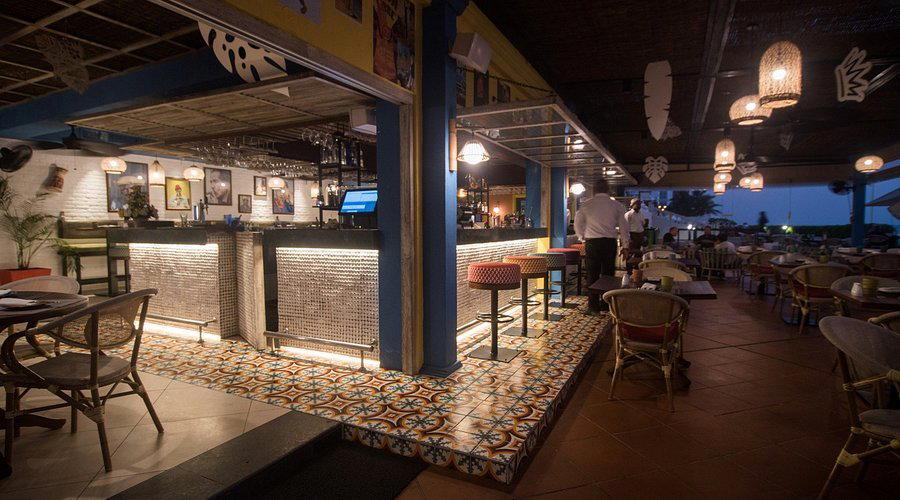
Hilton Colombo's dining programme spans several outlets across the property, consistent with the scale expected of a regional-award-winning luxury business hotel. This multi-outlet model is what separates the upper tier from mid-market hotel dining in Colombo, where single all-day dining rooms remain the norm.
Sri Lankan hotel dining at this level increasingly engages with the island's own larder: the spice-forward curries of the south, the coconut-milk preparations that distinguish Sinhalese home cooking from the drier Tamil traditions of the north, the seafood that arrives fresh to Colombo from both Indian Ocean coasts. How seriously a hotel's kitchen engages with these ingredients, versus defaulting to safe international formats, is the question worth asking of any property in this category. For Sri Lanka itinerary planning beyond Colombo, properties like Ceylon Tea Trails in the interior and Cape Weligama in Weligama offer useful reference points for how the island's top-end properties calibrate their food programmes to place and produce.
Architecture as Hospitality Argument
The Leading Architectural Design award at country level is not a minor credential. In a city that has seen substantial hotel construction over the past two decades, design quality varies considerably, and formal recognition at the national level implies peer review against a competitive field. For a hotel in the business-travel segment, architectural merit matters in ways that go beyond aesthetics: it affects the quality of natural light in meeting rooms, the legibility of the lobby as a social space, and the livability of guest rooms during multi-night stays.
Colombo's built environment tells a layered story. Dutch fort walls, British-era administrative buildings, post-independence modernism, and recent tower development occupy the same relatively compact urban grid. A hotel design that responds to this context rather than ignoring it occupies a different position in the guest's experience of the city. The Gardiner Mawatha address places the property within reach of the Fort district and the seafront Galle Face Green, two of Colombo's most historically textured public spaces, which reinforces the case for treating the architectural shell as part of the overall product rather than a neutral container for beds and meeting rooms.
Planning a Stay: Colombo and Beyond
Colombo functions primarily as a gateway city for Sri Lanka rather than a destination in its own right, which shapes how most guests at a property like Hilton Colombo use their time. The typical pattern involves one or two nights at arrival and departure, with the main Sri Lankan itinerary spread across the island's south coast, hill country, and cultural triangle. This makes the hotel's location and operational efficiency as important as its dining or design credentials: access to Bandaranaike International Airport, proximity to the main business districts, and the ability to handle early check-ins and late check-outs for guests arriving on overnight flights all matter considerably to the corporate and premium leisure traveller.
For those building a longer Sri Lanka programme, the island's accommodation spectrum runs from urban business hotels like this one through to beach properties such as Amanwella in Tangalle and Kumu Beach in Balapitiya, wildlife lodges including Gal Oya Lodge and Hilton Yala Resort, and hill-country retreats such as Heritance Tea Factory in Kandapola and Nine Skies in Demodara. The east coast offers quieter options including Karpaha Sands on Kalkudah Beach. In Galle, both Amangalla and properties in the Weligama area such as Malabar Hill and Kurulu Bay in Ahangama represent the south coast's premium tier. For deeper tea-country coverage, Ceylon Tea Trails Norwood Bungalow in Hatton and Heritance Ahungalla on the southwest coast add further range.
Booking Hilton Colombo should be approached through the standard Hilton Honors channel or directly with the property. The hotel's position in the business-travel segment means that weekday rates during peak corporate-travel periods often run higher than weekend equivalents, which is worth factoring into itinerary timing. See our full Colombo restaurants and hotels guide for broader context on where this property sits within the city's current hospitality offer.
Budget Reality Check
Comparable venues nearby, for context on price, style, and recognition.
| Venue | Price | Awards | Notes |
|---|---|---|---|
| Hilton ColomboThis venue — the venue you are viewing | Not listed | World Luxury Hotel Awards WLHA Regional Winner | Not listed |
| Hilton Colombo Residences | $1–100 | World Luxury Hotel Awards WLHA Regional Winner | Ibbanwala, Urban luxury serviced residences |
| Marino Beach Colombo | Not listed | Preferred Hotels Member | Bambalapitiya, Urban luxury beachfront hotel blending modernity and elegance |
| Galle Face Hotel | Not listed | Michelin Selected | Colombo 3, Historic colonial grande dame with modern refurbishments |
| SOFIA COLOMBO CITY HOTEL | Not listed | Not listed | Bambalapitiya, Contemporary urban hotel blending business and leisure with sustainable LEED Silver certification. |
| Paradise Road Tintagel Colombo | $300–500 | Michelin Selected · La Liste Top Hotels | Cinnamon Gardens, Colonial heritage boutique hotel with residential neighborhood positioning, emphasizing historical significance and intimate luxury. |
Recognition history
Dated appearances from independent guides and award organizations, with the underlying list record or original source where available.
World Luxury Hotel Awards WLHA Regional Winner
World Luxury Hotel Awards
Full recognition history (2 entries)
World Luxury Hotel Awards WLHA Country Winner
World Luxury Hotel Awards
Details
- Elegant
- Modern
- Sophisticated
- Business Trip
- Family Vacation
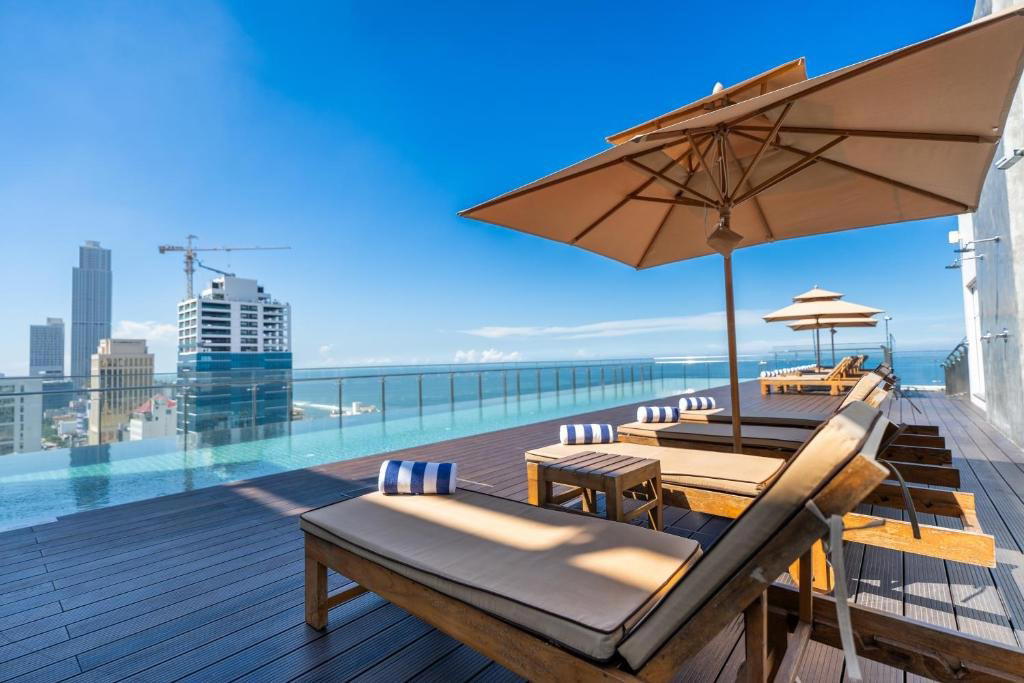
- Rooftop Pool
- Panoramic View
- Pool
- Spa
- Fitness Center
- Room Service
- Concierge
- Business Center
- Valet Parking
- Waterfront
- Wheelchair Accessible
- Elevator
- Accessible Parking
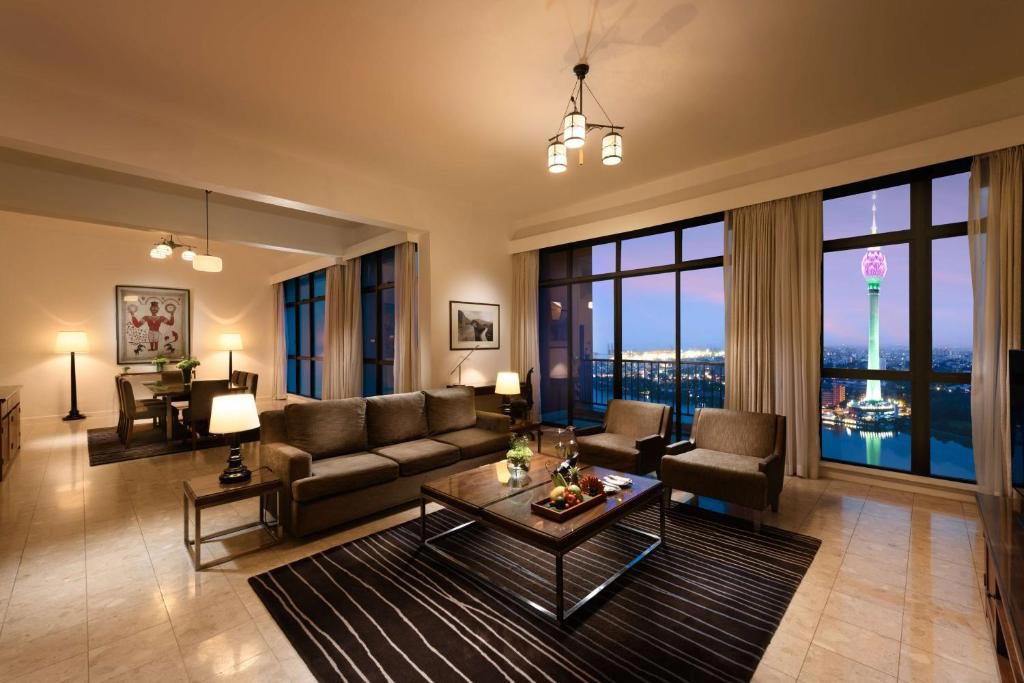
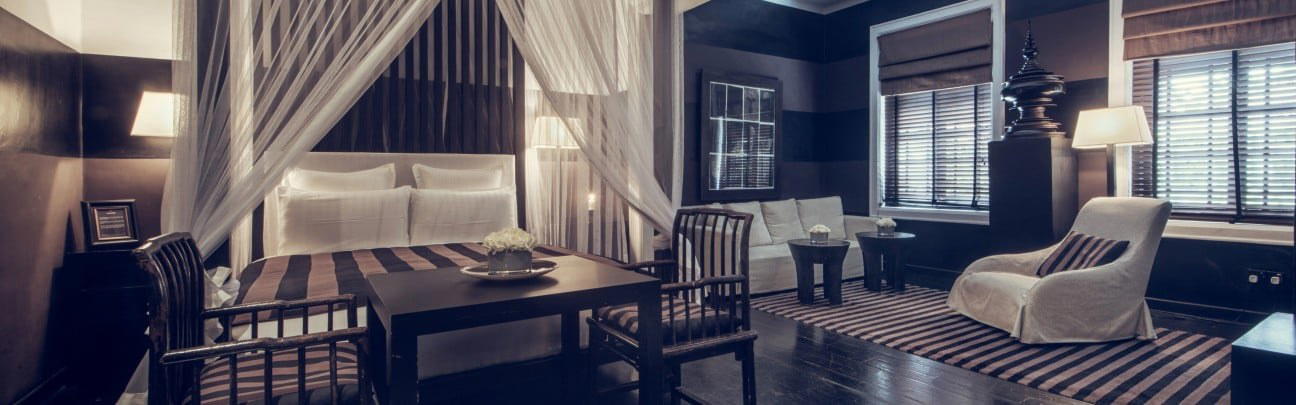
Lively and welcoming atmosphere with timeless elegance enhanced by recent modern updates and stylish rooms.