Our verdict
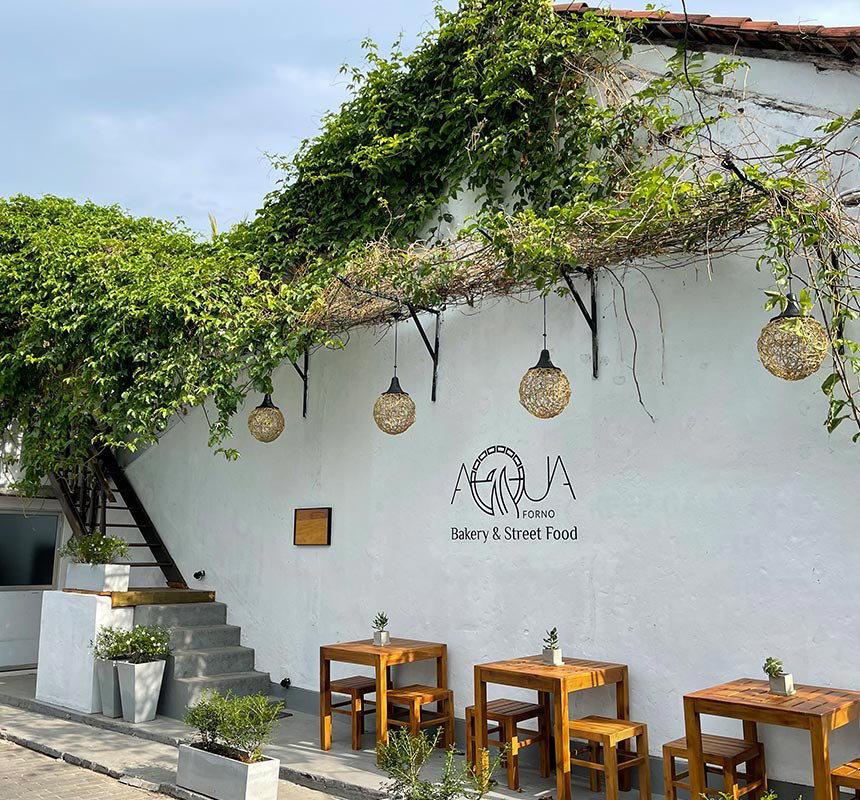
AQUA Forte serves authentic Italian fine dining at 62 Leyn Baan St, with a sommelier-led wine list, leisurely pacing, and signatures including Polpo alla piastra.

Pearl is the En Primeur Club membership app, where members save venues, book tables and use the concierge.
The menu
What to order
- Polpo alla piastra
- Ravioli alla norma
- Carbonara
- Porchetta
- Carpaccio di tonno
- Tiramisu
Leyn Baan Street and the Logic of Galle Fort Dining
Galle Fort operates on a different register from Sri Lanka's resort coast. Inside the Dutch-colonial walls, where the streets are narrow enough that a tuk-tuk has to negotiate with pedestrians, restaurants occupy former merchant houses, old warehouses, and street-level shopfronts that have traded in one form or another for centuries. Leyn Baan Street sits in the quieter interior of the Fort, away from the lighthouse-and-rampart tourist circuit, and it is the kind of address where a dining room can develop a following on the strength of the food alone rather than the view. AQUA Forte at 62 Leyn Baan is positioned precisely in that category. The street's scale keeps it from feeling performative; what you encounter here is a room with a purpose.
Sri Lanka's Ingredient Story, and Why Galle Is a Logical Place to Tell It
The southern coast of Sri Lanka has long been the country's most direct point of contact between the sea and the table. Fishing boats work the waters between Galle and Matara, bringing in yellowfin tuna, cuttlefish, and reef varieties that reach Fort restaurants within hours of landing. Inland from the coast, the markets at Galle supply produce that reflects the island's agricultural diversity: green jackfruit, drumstick pods, bitter gourd, and the coconut milk that underpins the southern Sri Lankan canon of curries. For a restaurant on Leyn Baan Street, the sourcing geography is almost automatic. The Fort's position means that both the sea catch and the market basket are within a short radius, and the cuisine that results from this access tends to be ingredient-driven in a way that larger, hotel-anchored kitchens further up the coast often cannot match.
This sourcing logic connects Galle Fort restaurants to a broader shift visible across Sri Lanka's premium dining tier. At Ministry of Crab in Colombo, the central argument is the quality and traceability of the primary ingredient. At COAST in Yala, the setting determines what can be put on the plate each day. In Galle, the Fort's insularity from the resort strip means that ingredient relationships with local producers and fishermen tend to be more direct, less mediated by hotel procurement systems. That directness shows in what arrives at the table.
The Fort's Competitive Tier
Galle Fort's restaurant scene has stratified over the past decade into broadly three tiers: hotel dining rooms with fixed menus and captive guests; mid-range street-level cafes serving Western-leaning comfort food and Sri Lankan staples; and a smaller bracket of independent restaurants that price and programme for an audience that has often eaten at comparable rooms in Colombo, Bangkok, or further afield. AQUA Forte operates in that third tier, where the audience is more informed and the competition is not the cafe next door but the cumulative dining experience a visitor has assembled across the trip.
For context on how that tier compares across the island, Cape Weligama in Weligama represents the resort-integrated version of premium coastal Sri Lankan cooking, while The Theva Cuisine in Kandy shows how the hill-country interior handles the same premium-local positioning. Galle Fort's version is more compact and often more personal, because the Fort's geography limits the scale any single restaurant can reach.
Across our full Galle restaurants guide, the pattern that emerges is consistent: the restaurants with the most durable reputations inside the Fort walls are those that treat the local supply chain as the editorial core of their menus rather than as a cost variable.
What the Ingredient-First Approach Means in Practice
Southern Sri Lankan cooking at its finest is not about layering imported technique onto local produce. The tradition is already precise: coconut milk tempered with pandan and curry leaves, black pepper used as a primary spice rather than a seasoning afterthought, tamarind deployed with restraint to cut through the richness of a fish curry. When a kitchen on Leyn Baan Street works with this tradition honestly, the results tend to arrive at the table with a clarity that more fusion-oriented approaches rarely match. The fish is the fish; the spice is the spice. The discipline is in the sourcing and the timing, not in the invention.
This is partly why Galle Fort sits at a different remove from the large-scale resort kitchens at properties further up the southern coast. In those environments, procurement timelines and menu standardisation often work against the kind of day-by-day responsiveness to the catch or the market that a street-level room in the Fort can maintain. The smaller scale, which in other contexts might read as a limitation, functions here as an operational advantage.
Placing AQUA Forte in the Broader Sri Lanka Picture
Sri Lanka's restaurant scene beyond the obvious capitals is increasingly worth tracking on its own terms. Nelum Kole Restaurant in Thimbirigasyaya, U.S. Restaurant in Jaffna, and operations as different in format as Laya Safari Restaurant in Palatupana all point to a country where serious eating is distributed far more widely than the Colombo hotel circuit would suggest. Within that distribution, Galle Fort occupies a particular position: it has the historic density and the tourist attention to sustain premium pricing, but its insularity from the resort economy means that independent operators can still build audiences based on quality rather than captive hotel guests.
For travellers constructing a Sri Lanka itinerary around food, the Fort deserves a dedicated meal rather than a casual stop. The gap between the Fort's leading independent rooms and the average hotel buffet on the coast is significant enough to make the choice worth planning. Other reference points for understanding the Sri Lankan dining range include Coconut Sambol, Maara Cafe in Galewela, and the coastal-resort format represented by Main Restaurant at Aavya Cove Villas in Balapitiya.
Planning a Visit
AQUA Forte sits at 62 Leyn Baan Street inside Galle Fort, reachable on foot from any point within the walls. Leyn Baan is a pedestrian-friendly street, and the address is in the Fort's interior grid rather than on the rampart perimeter, which means the approach is quieter than the main tourist routes. For further planning context across the region, Petti Petti in Thalaramba and Priyamali Gedara in Kaduruwela offer additional reference points for the southern Sri Lanka eating circuit.
Frequently asked questions
Does AQUA Forte work for a family meal?
AQUA Forte's street-level address on Leyn Baan Street inside Galle Fort places it in the independent dining category that tends to suit couples and small groups most naturally. The narrow colonial-era rooms characteristic of the Fort's older buildings are not designed around large party configurations. Families with younger children may find the format and pace better suited to two or four adults than to a group of six or more.
What kind of setting is AQUA Forte?
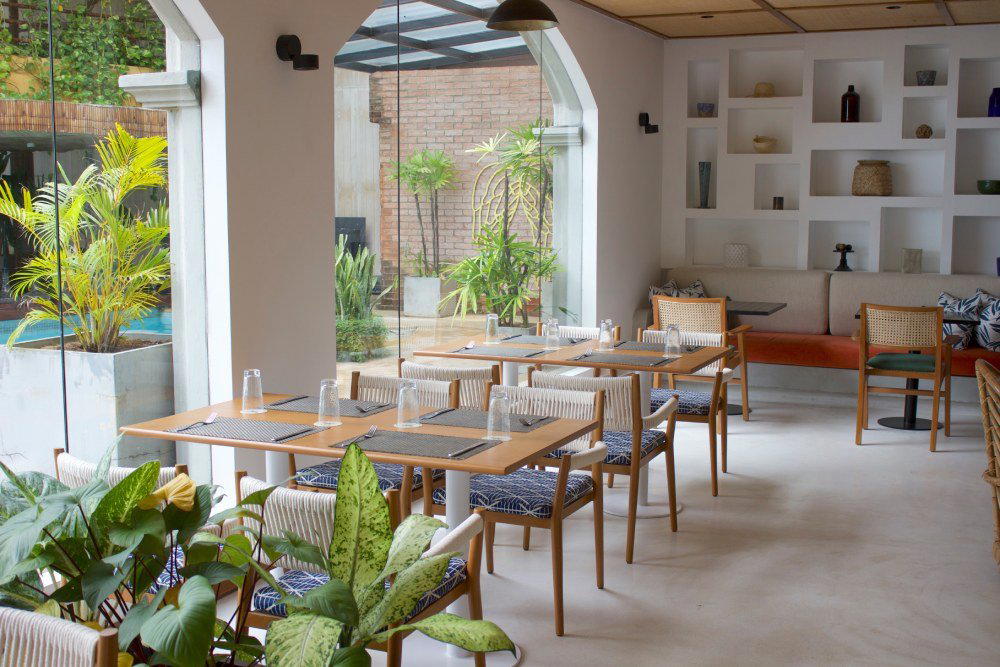
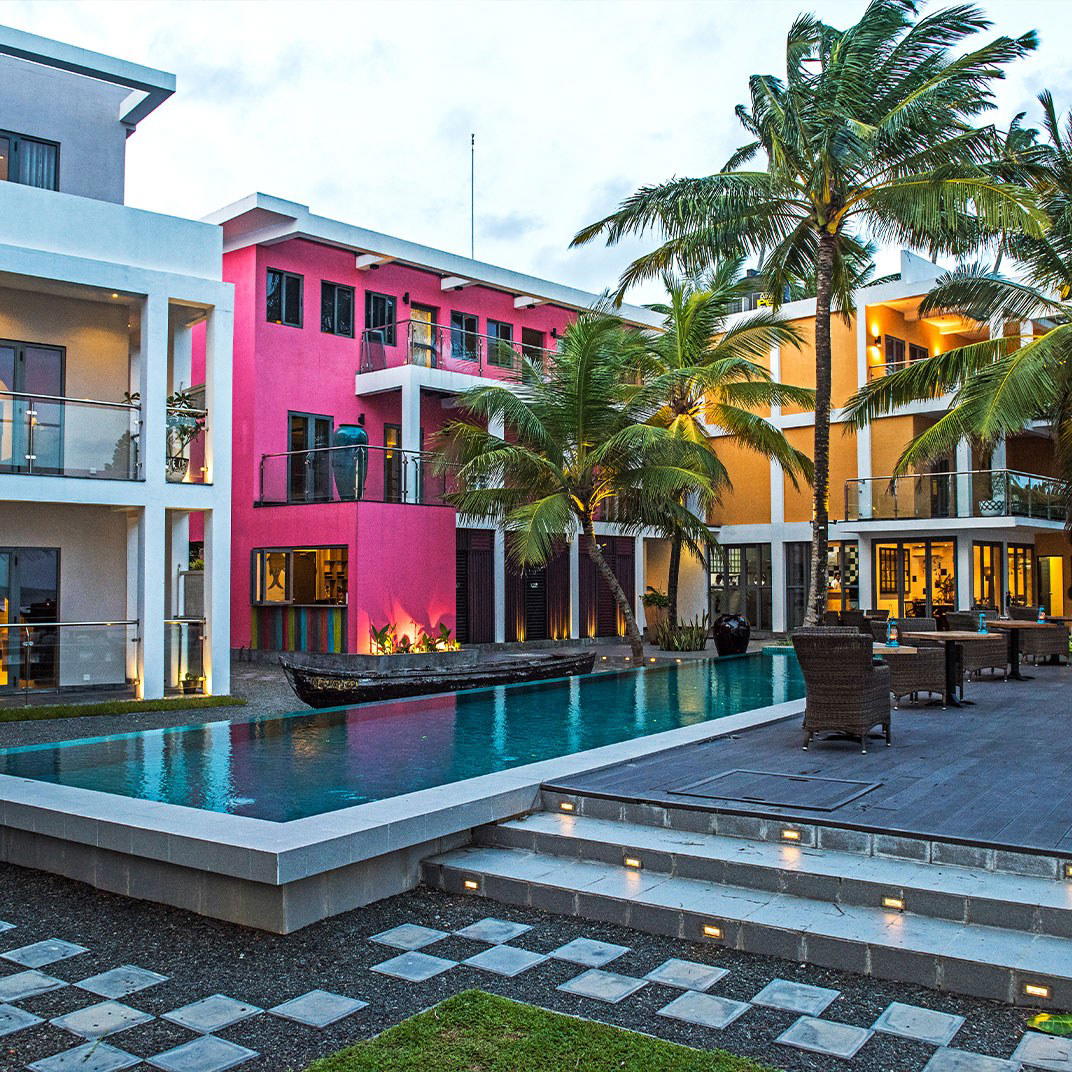
AQUA Forte occupies a street-level address at 62 Leyn Baan Street inside Galle Fort, a UNESCO-listed Dutch colonial precinct on Sri Lanka's southern coast. Leyn Baan is one of the Fort's pedestrian-friendly lanes, walkable from any point within the walls. The setting follows the architectural logic of the Fort: tight street frontages, colonial-era proportions, and a distinctly local atmosphere that separates it from the resort dining rooms along the coast road.
How does AQUA Forte compare to other independent restaurants inside Galle Fort?
Galle Fort's dining scene has separated over the past decade into hotel dining rooms, mid-tier tourist-facing operations, and a smaller tier of address-specific independents working with local produce. AQUA Forte at 62 Leyn Baan Street sits within that third group, which is the one most worth tracking for travellers already familiar with Sri Lanka's reference-point seafood rooms in Colombo. The Fort's independents are distinguished less by price signalling and more by proximity to southern coast supply lines.
What do people recommend at AQUA Forte?
What the geography of Galle reliably suggests is that kitchens at this address have direct access to southern coast seafood and the coconut-based pantry that defines the region's cooking tradition. Visitors consistently cite the coastal sourcing context as the primary draw at Galle Fort's independent restaurants.
What's AQUA Forte's location?
AQUA Forte is located at 62 Leyn Baan St, Galle 80000, Sri Lanka, Galle.
A Quick Peer Check
Comparable venues nearby, for context on price, style, and recognition.
| Venue | Cuisine | Price | Awards | Notes |
|---|---|---|---|---|
| AQUA ForteThis venue (the venue you are viewing) | Authentic Italian Fine Dining | $20–30 | Not listed | Not listed |
| Coconut Sambol | Authentic Sri Lankan Curry | $1–10 | Not listed | Galle Fort |
| Bastille | Seafood and Sri Lankan Fusion | $10–20 | Not listed | Galle Fort |
| double happy chinese restaurant | Authentic Chinese Noodles | $10–20 | Not listed | Galle Fort |
| Nihonbashi | Authentic Japanese Fine Dining | $30–50 | Not listed | Galle Face |
| Ten Tuskers Bar | Bar | Not listed | Relais Chateaux Award | Yala National Park |
Continue exploring
More in Galle
Restaurants in Galle
All restaurants in Galle →
Bars in Galle
All bars in Galle →
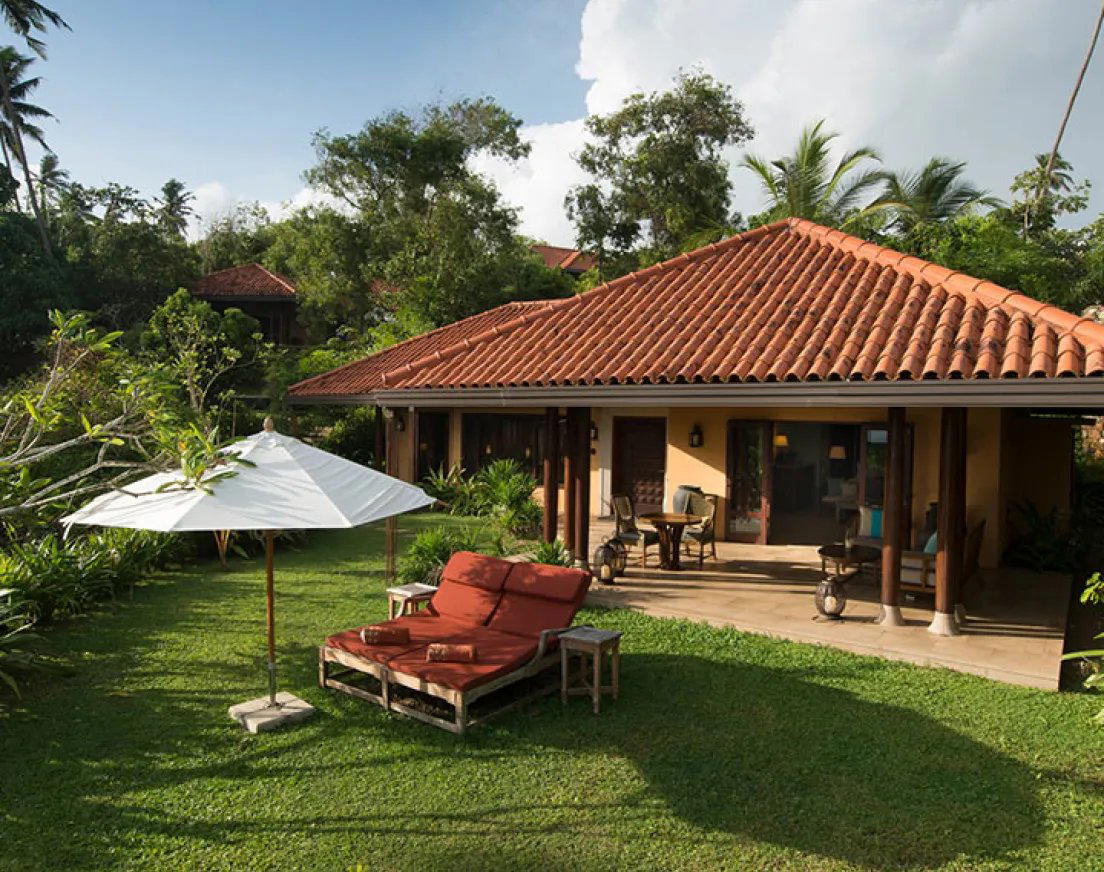
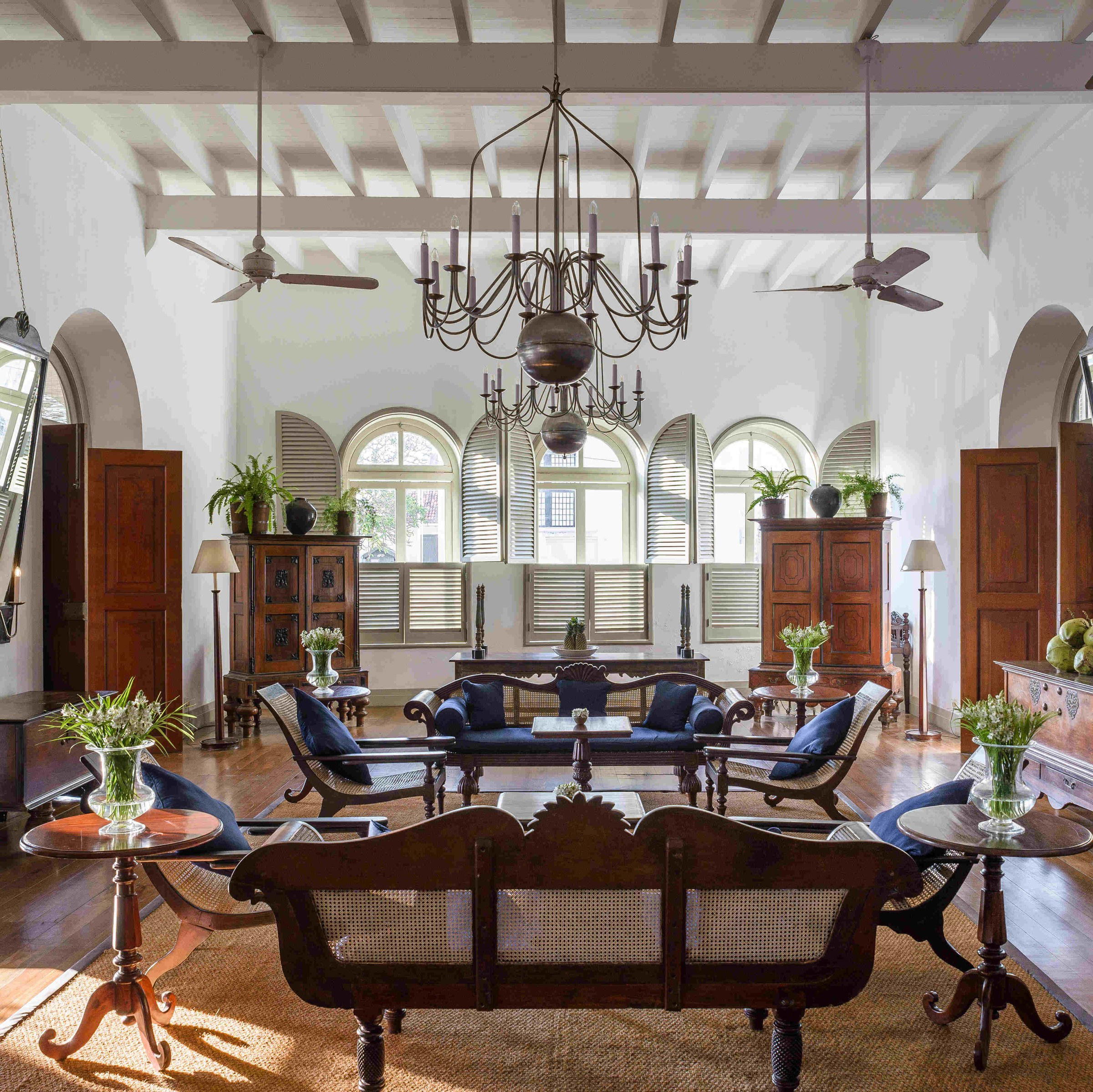
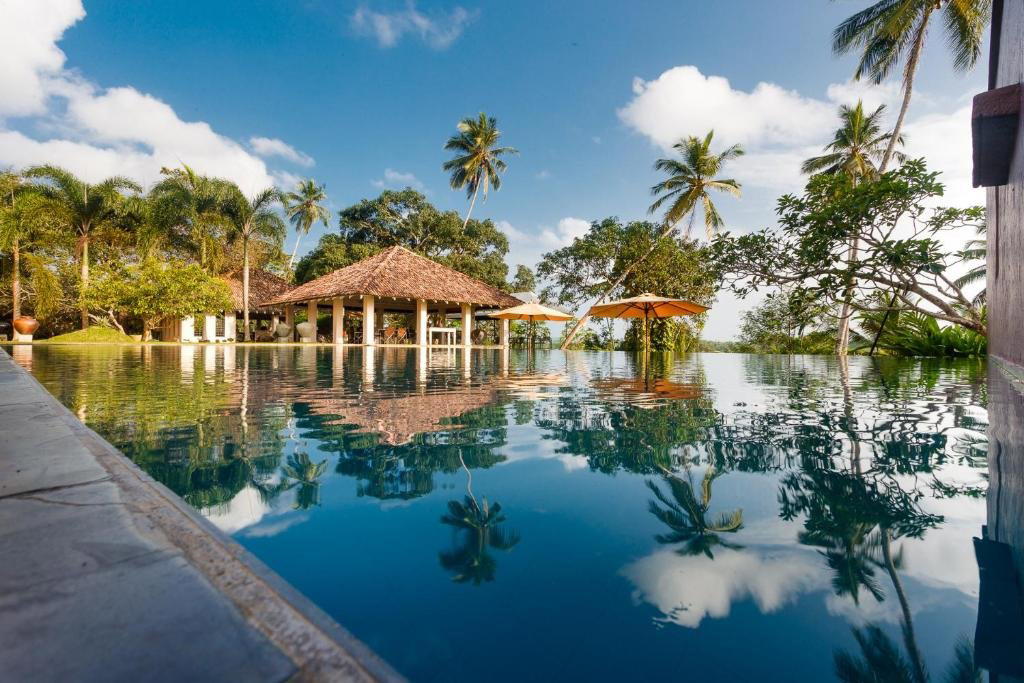
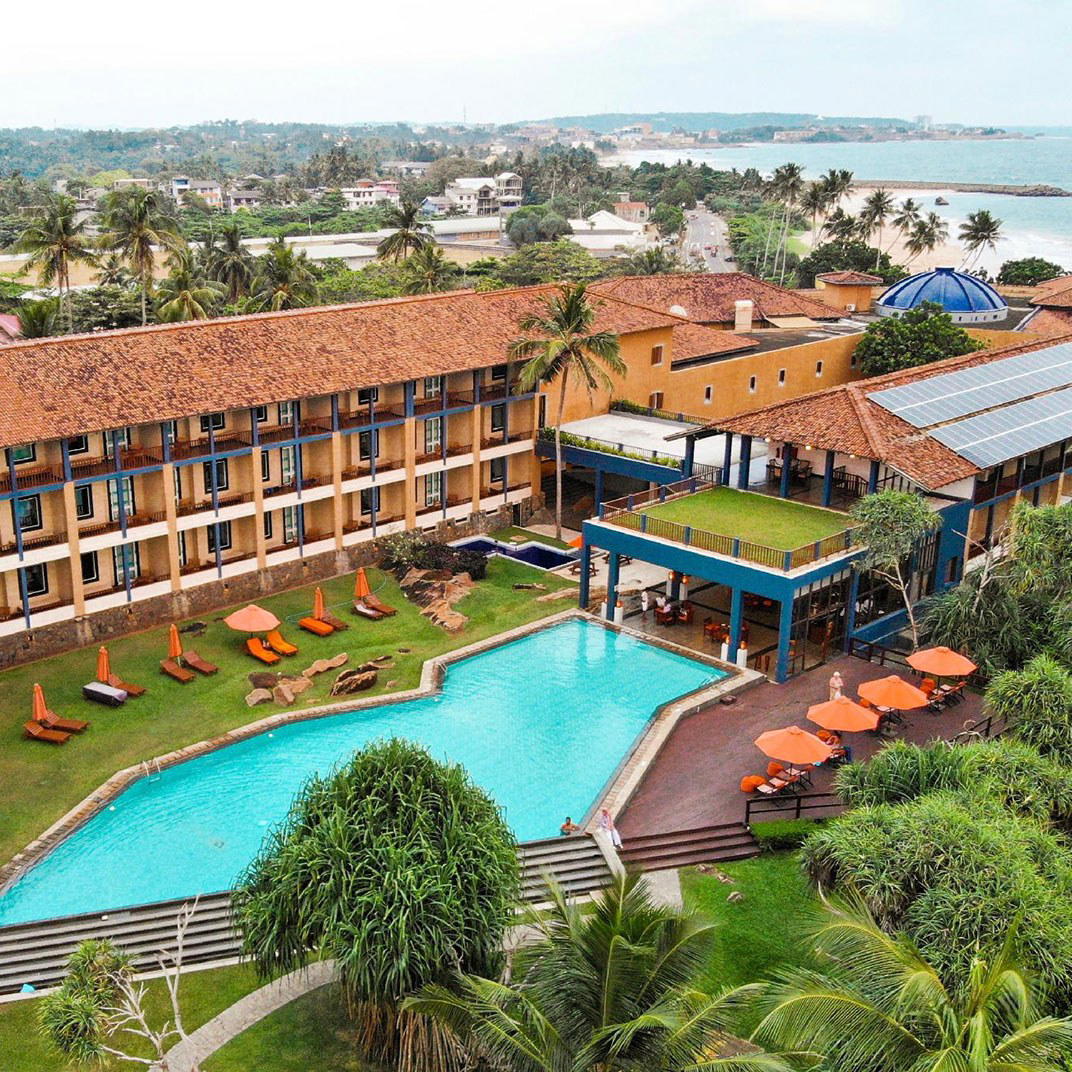
AQUA Forte
The wine
- Wine program
- Deep wine list
- Extensive wine list
- Sommelier-led
Details
- Elegant
- Romantic
- Sophisticated
- Intimate
- Date Night
- Special Occasion
- Celebration
- Historic Building
- Private Dining
- Standalone
- Extensive Wine List
- Sommelier Led
- Local Sourcing
- A La Carte
- Tasting Menu
- Italian Wine
- Vintage Champagne
- Vegetarian Friendly
Current opening hours
- Monday
- 12–10 PM
- Tuesday
- 12–10 PM
- Wednesday
- 12–10 PM
- Thursday
- 12–10 PM
- Friday
- 12–10 PM
- Saturday
- 12–10 PM
- Sunday
- 12–10 PM
Hours can change for holidays and private events. Last verified .
Elegant and refined with white tablecloths, artistic etchings in gold frames, soft lighting, and soothing tunes creating a romantic European atmosphere within a historic UNESCO World Heritage setting.