Priyamali Gedara
Our verdict
Priyamali Gedara sits in Kaduruwela, a town in Sri Lanka's North Central Province where home-style cooking and local ingredient traditions carry more weight than formal dining credentials. The name itself signals a domestic register, 'gedara' meaning home in Sinhala, placing this spot within a broader Sri Lankan tradition of family-run kitchens that anchor their menus in whatever the surrounding region produces. For context on the wider dining scene, see our full Kaduruwela restaurants guide.

Pearl is the En Primeur Club membership app, where members save venues, book tables and use the concierge.
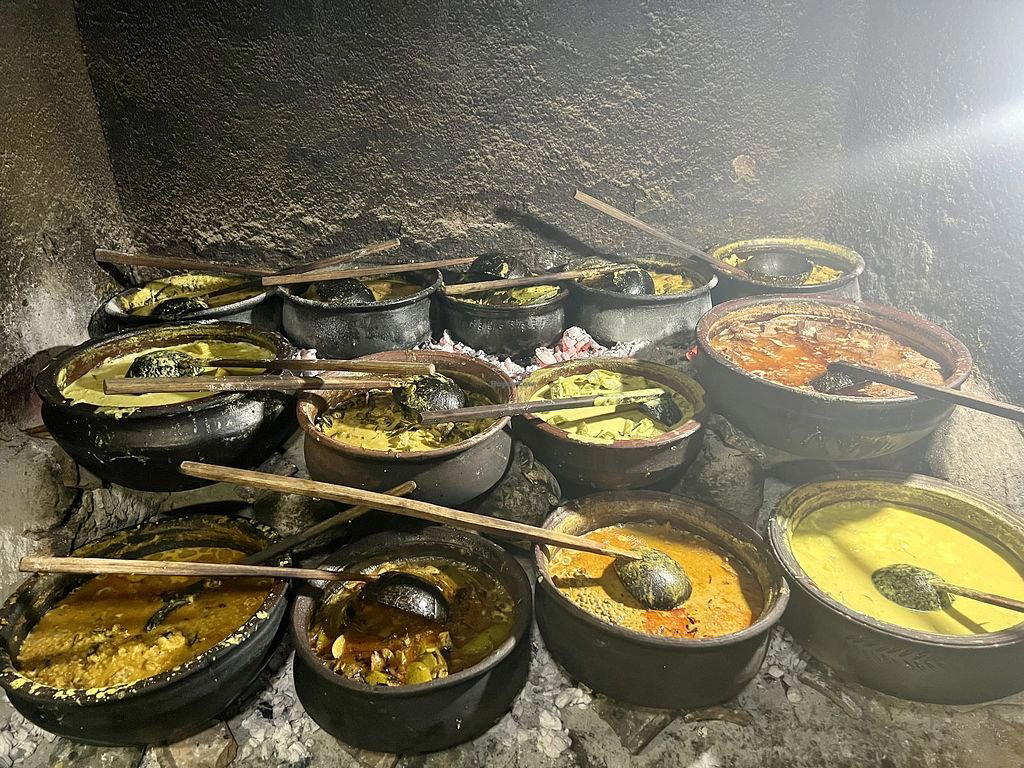
Kaduruwela and the Logic of the Home Kitchen
Sri Lanka's North Central Province operates on a different culinary register from Colombo or the southern coast. Towns like Kaduruwela, positioned near the ancient city of Polonnaruwa, draw their food traditions from the agricultural interior rather than from the coastal trade routes that shaped Sri Lankan cuisine in the west and south. Rice cultivation, freshwater fish from the Parakrama Samudra reservoir, and dry-zone produce define what goes onto the plate here. Restaurants operating within this geography tend to reflect those constraints honestly, or they don't last.
Priyamali Gedara sits inside this tradition. The name itself carries meaning: 'gedara' translates roughly as 'home' in Sinhala, signaling a domestic register that distances the place from formal restaurant conventions. Across Sri Lanka, gedara-style eating spaces occupy a specific cultural position, closer to the Tamil concept of a 'saapadu' house or the South Indian 'meals' format than to anything resembling a contemporary dining room. The food arrives because someone cooked it that day, not because it was engineered for a menu.
What the Region Puts on the Table
The ingredient logic of the dry zone shapes everything about what kitchens like this can and do produce. Unlike the wet-zone south, where coconut milk appears in nearly every preparation and fresh seafood arrives daily, the interior provinces work with a different pantry. Dried fish, particularly karawala, functions as a seasoning agent as much as a protein. Jak fruit, breadfruit, and varieties of gourds hold more prominence than they do on coastal menus. Red rice, grown in the surrounding flatlands, has a nuttier, denser character than the white rice served further west, and it matters to the texture of a rice-and-curry spread.
Home kitchens in this part of Sri Lanka also tend to use fewer imported spices in the elaborate layered fashion of Colombo restaurant cooking, relying instead on a shorter roster applied with more direct heat. The result is food with a flatter colour palette and a more abrupt spice profile, not subtle, but not compound either. For travelers accustomed to the refined Sri Lankan presentations at places like Ministry of Crab in Colombo or the coastal-focused menus at AQUA Forte in Galle, the interior style can feel stark by comparison. That starkness is the point.
Where Priyamali Gedara Sits in the Local Picture
Kaduruwela does not have a formalized restaurant scene in the way that Colombo or Galle do. Eating options tend to cluster around transit traffic, agricultural workers, and domestic tourism from Polonnaruwa's heritage sites. Within that context, a gedara-named establishment occupies a particular tier: it signals home cooking served to guests outside the household, with pricing and format calibrated to locals rather than international visitors.
This places Priyamali Gedara in a different competitive frame from the chef-driven Sri Lankan restaurants that have attracted international attention in recent years. The comparison set is other family-run interiors kitchens, not the kind of destination dining found at COAST in Yala or the Japanese-inflected coastal cooking at KAIYŌ in Weligama. The value of a place like this is precisely that it sits outside the circuit those restaurants operate on.
Across Sri Lanka, comparable gedara-format spots can be found serving a fixed daily spread with little advance notice required, you arrive, you eat what was cooked, you pay a modest fixed amount. The Maara Cafe in Galewela and spots like Petti Petti in Thalaramba operate in adjacent registers in their own towns, reflecting a wider pattern of community-anchored cooking across Sri Lanka's middle provinces. For northern Sri Lanka's equivalent home-style tradition, U.S. Restaurant in Jaffna represents the Tamil-inflected version of the same format logic.
The Sourcing Argument for Interior Cooking
There is a case, rarely made explicitly but worth stating, that the most direct farm-to-plate cooking in Sri Lanka happens not in the chef-curated restaurants of Colombo or Mirissa, but in the agricultural towns of the interior. When a kitchen in Kaduruwela buys produce, it buys from the market that serves the people who grew it. There is no distribution chain long enough to introduce substitutions or off-season imports. The dry-zone vegetables are dry-zone vegetables. The rice is what was harvested locally.
This isn't a romantic claim about simplicity. It's a supply-chain observation. The high-end Sri Lankan cooking visible internationally, including at globally recognized spots like Le Bernardin in New York and the Korean-influenced fine dining at Atomix, draws on a logic of curation and sourcing discipline that takes decades and resources to build. Interior Sri Lankan home kitchens arrive at a similar sourcing integrity through a different mechanism: geographic constraint. You cook with what is here because what is here is what exists.
Other Sri Lankan restaurants that have built reputations on local sourcing, including the estate-anchored menus at Laya Safari in Palatupana and the community-rooted cooking at Mandiya in Kandy, work explicitly with that narrative. The interior home kitchen doesn't frame it as a narrative. It is simply the condition of operation.
Planning a Visit
Kaduruwela functions as the commercial hub adjacent to Polonnaruwa, and most visitors to the area arrive as part of Sri Lanka's Cultural Triangle circuit, which also takes in Sigiriya and Dambulla. The town itself is accessible by rail from Colombo or by road from Kandy. Local inquiry on arrival is the practical approach. Sri Lanka's gedara-format kitchens rarely maintain websites or formal booking systems, which is consistent with their positioning as neighborhood resources rather than destination restaurants.
For travelers building a broader Sri Lankan itinerary, our full Kaduruwela restaurants guide covers the range of eating options in the area. Additional context on Sri Lanka's mid-range and neighborhood dining can be found through profiles of Nelum Kole Restaurant in Colombo, Coconut Sambol in Galle, Crystal Jade in Colombo, Kim's Family Korean in Colombo District, and the resort-anchored dining at Main Restaurant at Aavya Cove Villas in Balapitiya. For hill country comparisons, Grand Thai Restaurant in Nuwara Eliya shows how non-Sri Lankan formats operate in a similarly interior-focused tourist town.
Frequently asked questions
Is Priyamali Gedara a family-friendly restaurant?
Home kitchen establishments in Kaduruwela typically operate as family-run spaces, and Priyamali Gedara fits that pattern for the area. The setting in North Central Province's dry-zone interior is modest and communal rather than formal, which tends to suit family groups travelling the Cultural Triangle circuit through Polonnaruwa.
What's the overall feel of Priyamali Gedara?
This is a home kitchen operation in Kaduruwela, not a restaurant in the Colombo or Galle sense. Expect a relaxed, functional dining environment shaped by local transit and agricultural rhythms rather than any designed hospitality concept. The register is practical and domestic.
Is Priyamali Gedara a good dining option for travellers visiting the Polonnaruwa archaeological site?
Kaduruwela functions as the commercial hub directly adjacent to Polonnaruwa, making it a natural stop for visitors on the Cultural Triangle circuit. Priyamali Gedara represents the kind of local home kitchen that offers North Central Province cooking in a town where formal dining options are limited. For travellers spending time at the Polonnaruwa ruins, it sits closer to the daily reality of eating in this part of Sri Lanka than anything on the southern coast or in Colombo.
How far ahead should I plan for Priyamali Gedara?
Kaduruwela sits adjacent to Polonnaruwa and draws visitors moving through Sri Lanka's Cultural Triangle, so planning around that circuit is the practical approach.
What has Priyamali Gedara built its reputation on?
Priyamali Gedara's standing in Kaduruwela rests on the home kitchen tradition of North Central Province, where cooking is shaped by dry-zone sourcing rather than imported culinary concepts. In a town without a formalized restaurant scene, that direct relationship between local ingredients and the plate carries weight.
Side-by-Side Snapshot
Comparable venues nearby, for context on price, style, and recognition.
| Venue | Cuisine | Price | Awards | Notes |
|---|---|---|---|---|
| Priyamali GedaraThis venue (the venue you are viewing) | Traditional Sri Lankan | $1–10 | Not listed | Not listed |
| Upali's by Nawaloka | Authentic Sri Lankan | $10–20 | Not listed | Colombo 7 |
| The Theva Cuisine | Sri Lankan Fusion | $20–30 | We're Smart World 3 Radishes | Hantana |
| Petti Petti | Beachside Seafood and Eclectic Sri Lankan | Not listed | Not listed | Thalaramba |
| Maara Cafe | Restaurant | Traditional Sri Lankan | Not listed | Not listed | Galewela |
| The Society | International and European bar bites & lounge fare | $30–50 | Relais Chateaux Award | Weligama |
Continue exploring
More in Kaduruwela
Restaurants in Kaduruwela
All restaurants in Kaduruwela →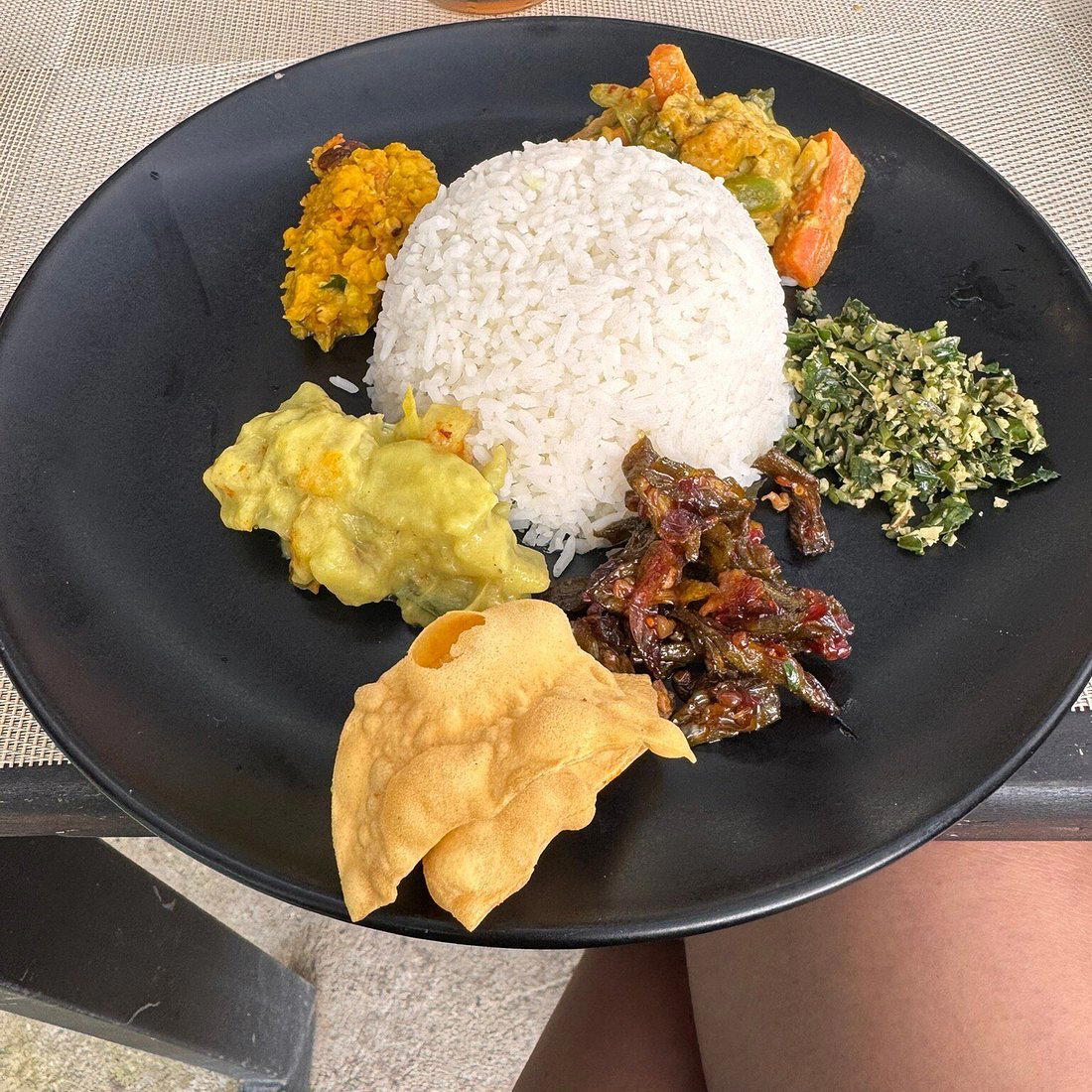
Details
- Rustic
- Cozy
- Scenic
- Family
- Casual Hangout
- Beer Program
- Local Sourcing
- Garden
- Buffet
- Family Style
- Vegetarian Friendly
- Vegan Options
- Gluten Free Options
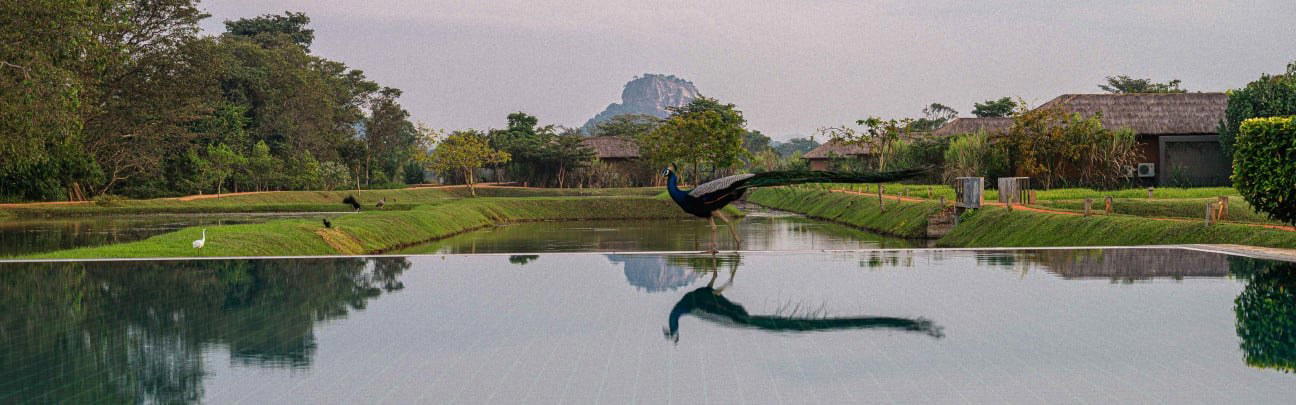
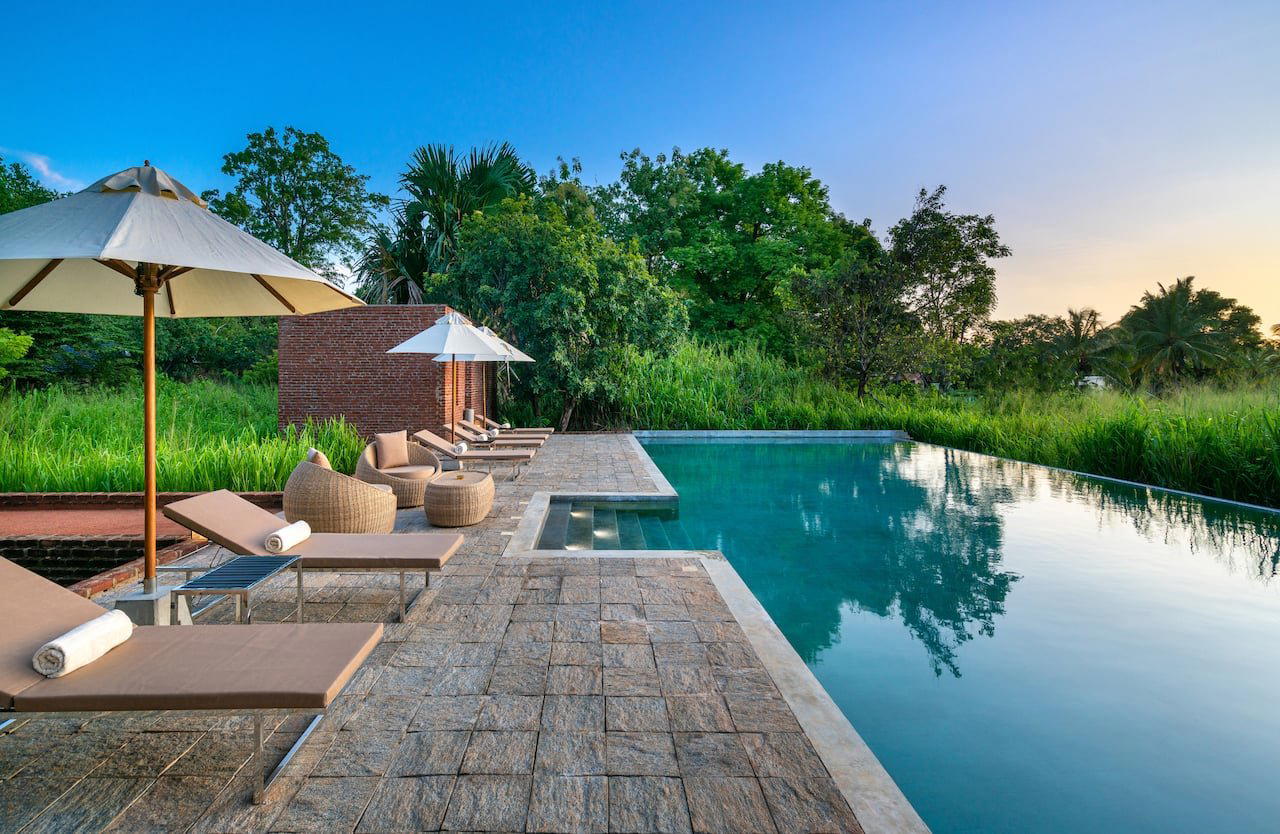
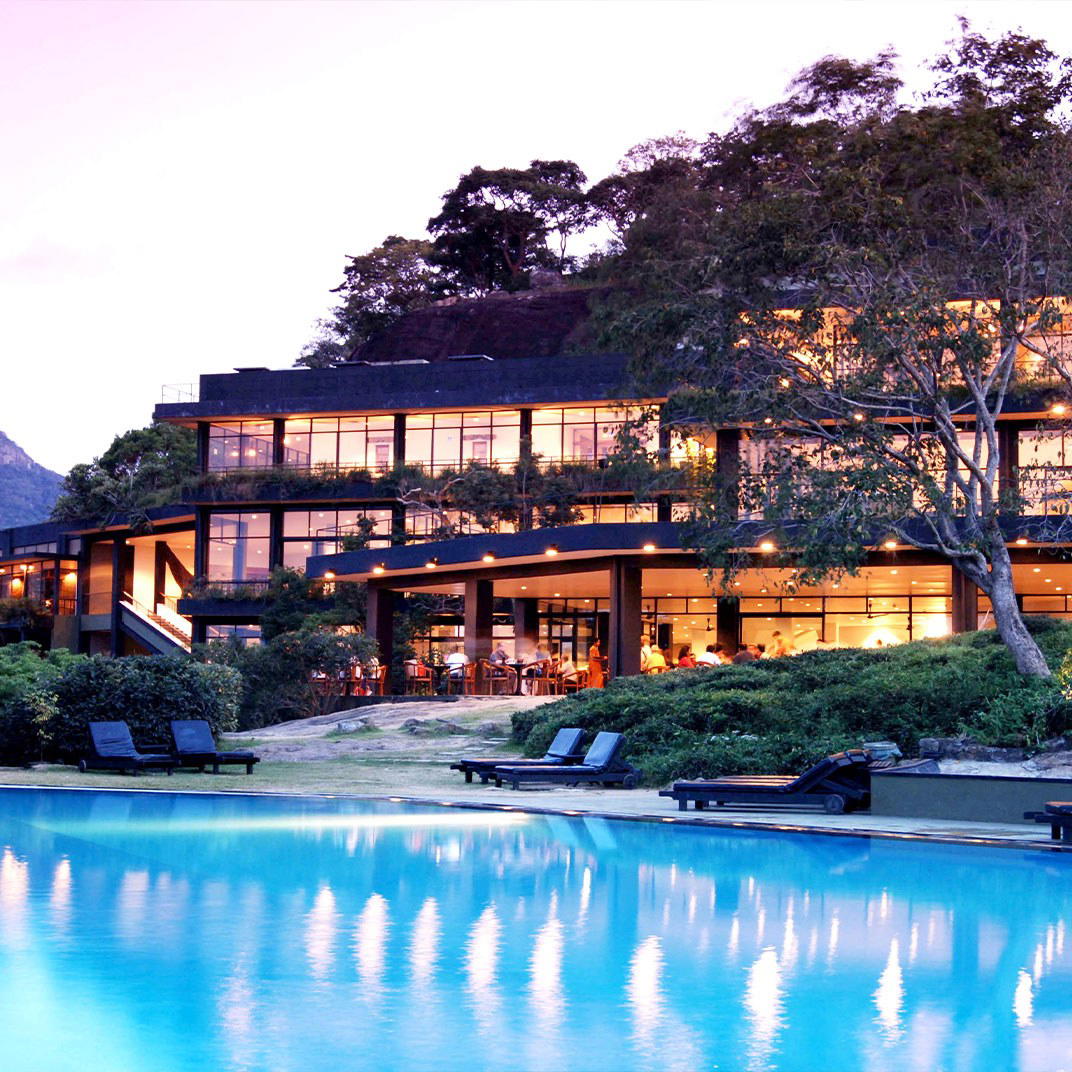
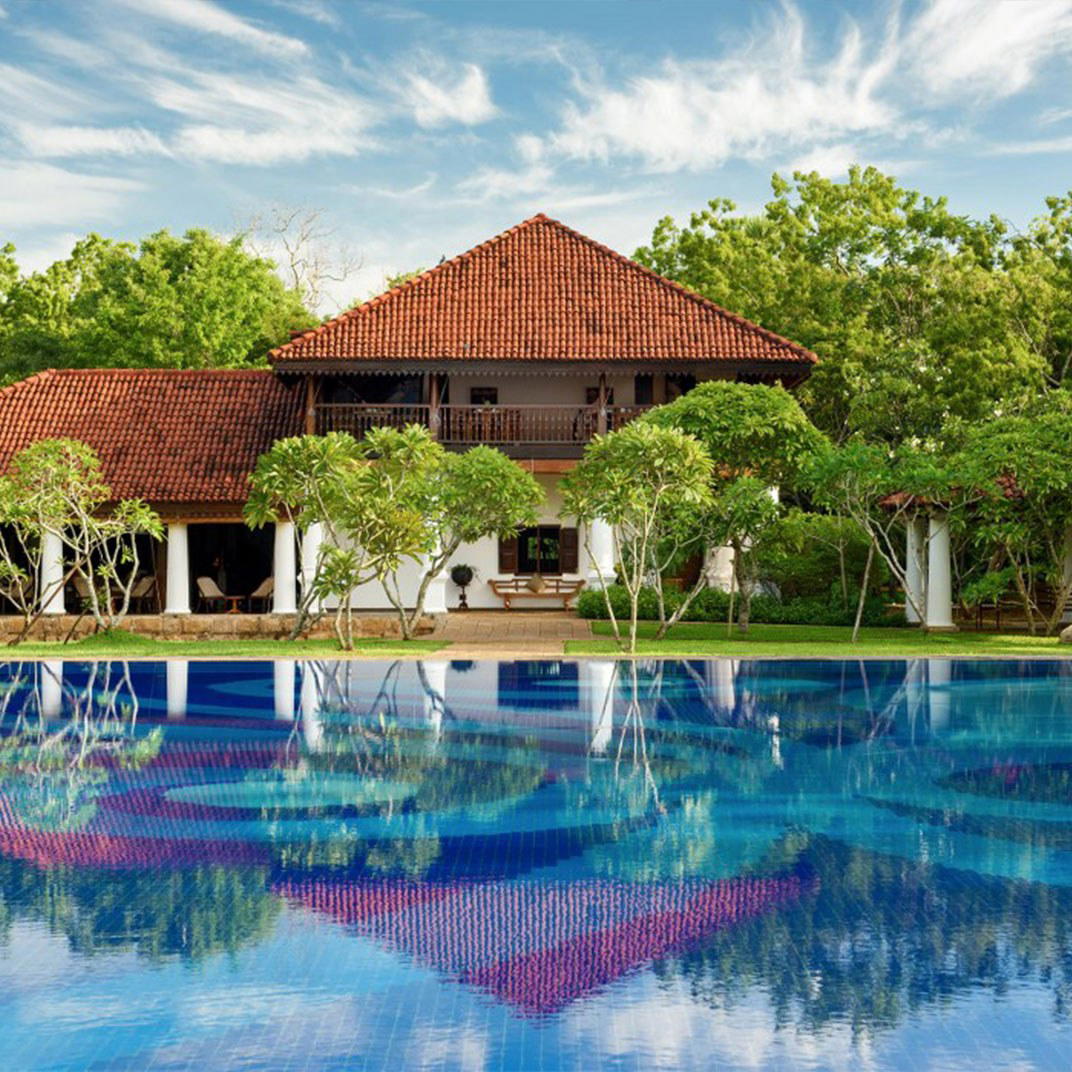
Homely rural atmosphere with serene paddy field views and warm family hospitality.