Our verdict
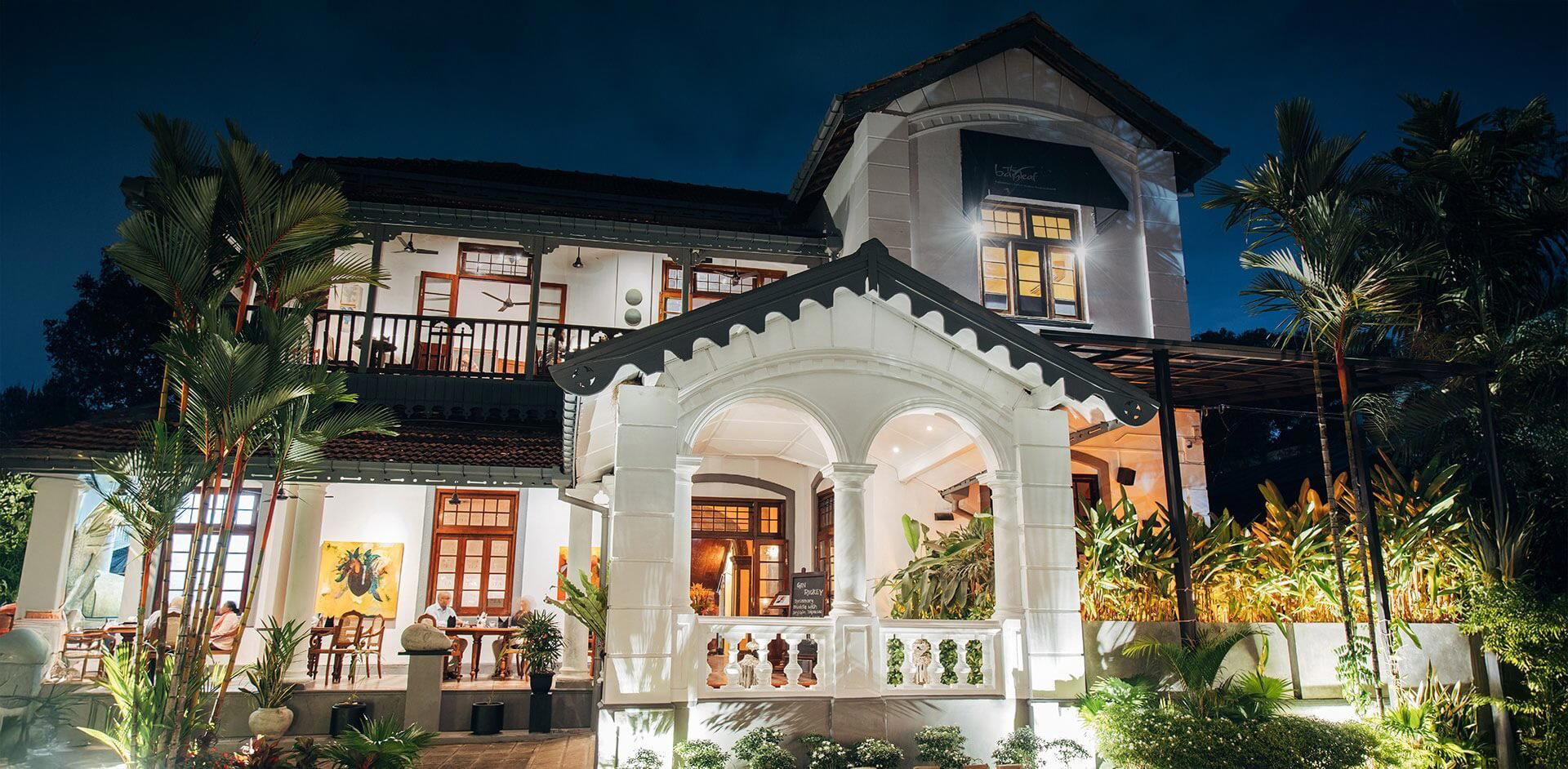
The Bayleaf occupies a quiet address on R.G. Senanayake Mawatha in Colombo 7, a neighbourhood where colonial-era architecture and the city's contemporary restaurant scene coexist without much ceremony. The kitchen draws on Sri Lanka's layered spice tradition, placing it in a category of dining rooms that take local ingredients seriously rather than dressing them for export. It sits in a competitive mid-tier that rewards those who plan ahead.

Pearl is the En Primeur Club membership app, where members save venues, book tables and use the concierge.
The menu
What to order
- Wood-fired pizzas
- Pasta della casa
- Seafood pasta
- Tiramisu
Where Colombo Slows Down
Colombo 7 has a particular quality of stillness that the city's busier quarters lack. R.G. Senanayake Mawatha runs through a part of town where embassies and residences have historically set the tone, keeping the street relatively unhurried even as the restaurant scene around it has thickened. The Bayleaf, at number 79, benefits from that ambient calm in the way that certain dining rooms do when the surrounding neighbourhood does half the work of atmosphere before you've crossed the threshold. Arriving by tuk-tuk in the early evening, when the light in Colombo flattens into something warm and directionless, the address reads less like a destination and more like a discovery that has simply been waiting.
This part of Colombo has become a loose cluster of dining rooms that take food seriously without performing it. The Gallery Café sits nearby, and the proximity is instructive: both addresses occupy a tier of Colombo dining where the room matters, the food is treated with care, and the experience is shaped more by the pacing of a meal than by spectacle. That category has expanded meaningfully in the city over the past decade, as Colombo's restaurant-going public has grown more comfortable demanding quality rather than just quantity.
The Sri Lankan Table and Its Rituals
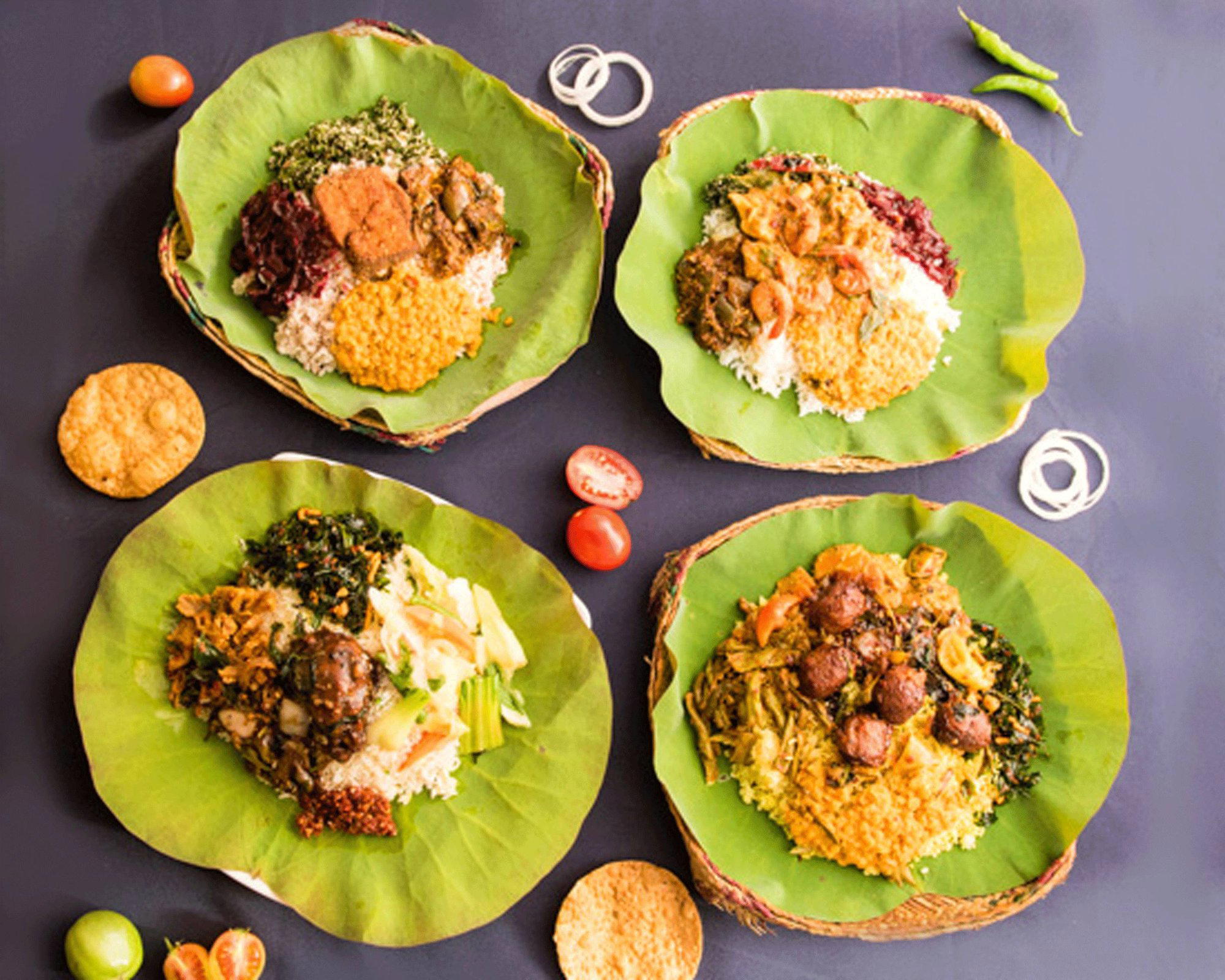
Sri Lankan food has a dining logic that differs from most of South Asia, and understanding it changes how a meal at any serious Colombo restaurant reads. A traditional spread is not a sequence of courses in the Western sense; it is a simultaneous arrangement of complementary textures, heats, and acidities, each element calibrated against the others. Pol sambol cuts against the fat of a curry. A thin rasam sits at the edge of the table as a digestive counterpoint. Rice is the anchor, and the dishes around it are meant to be combined, not eaten in isolation.
Restaurants that engage honestly with this tradition, rather than packaging it for easier consumption, tend to require a different kind of attention from diners. The meal has a rhythm that rewards patience: allowing a table of dishes to cool slightly before eating is not negligence but strategy, since spice compounds develop differently at different temperatures. The leading Sri Lankan dining rooms in Colombo understand this pacing and don't rush it.
Nihonbashi represents a different strand of Colombo's premium dining, one that has built its reputation around Japanese technique applied to Sri Lankan produce. Nana's occupies a more intimate register. Together, these addresses define a Colombo 7 dining corridor that is less about novelty and more about a sustained commitment to getting the food right.
Reading the Room
The dining ritual at a table-service restaurant in this part of Colombo has conventions worth knowing before you arrive. Reservations are the practical baseline for any sitting that extends past 7pm on a weekend; walk-in capacity tends to be limited at addresses in this category, and the neighbourhood's evening trade has grown dense enough to make improvisation unreliable. Earlier sittings, particularly on weekday evenings, carry a different atmosphere: quieter, with more room to hear the kitchen at work and fewer competing conversations.
Service in this tier of Colombo dining tends toward attentiveness without formality, which suits the food's own character. A Sri Lankan table is inherently sociable, built for sharing and adjustment, and the leading service in this tradition mirrors that flexibility rather than imposing a rigid sequence. Asking for an extra portion of something, or for a dish to be held until the rest have arrived, is expected rather than awkward.
Colombo Beyond the Centre
Colombo functions as a logical base for Sri Lanka's broader dining geography, and the island's restaurant scene has diversified considerably outside the capital. On the southern coast, AQUA Forte in Galle operates in the historic fort district, where Portuguese and Dutch colonial layers still shape the built environment. KAIYŌ in Weligama brings a different technical orientation to a stretch of coast better known for surf than fine dining. Inland, Maara Cafe in Galewela and Priyamali Gedara in Kaduruwela represent a quieter tradition of local cooking that rarely surfaces in destination guides. Further south, Coconut Sambol in Galle keeps the focus narrow and local. Laya Safari Restaurant in Palatupana occupies a different category entirely, anchored to landscape rather than city infrastructure.
For those moving between the coast and the hill country, Grand Thai Restaurant in Nuwara Eliya and Mandiya in Kandy offer reference points in towns that function more as stopovers than destinations in their own right. Petti Petti in Thalaramba sits further off the main routes. Crystal Jade rounds out a picture of Colombo's broader Chinese-influenced dining, a tradition that goes back to the city's mercantile history.
For a complete picture of the city's dining options across price points and cuisines, the EP Club Colombo restaurants guide maps the full range. Those curious how Sri Lanka's most decorated kitchens compare internationally might also look at what Le Bernardin in New York City or Atomix have built within their own category constraints; the gap in global visibility between those addresses and Colombo's serious dining rooms says more about geography and press infrastructure than it does about the food.
Planning a Visit
The Bayleaf is at 79 R.G. Senanayake Mawatha, Colombo 00700. The address is accessible by tuk-tuk from most of Colombo 3 and Colombo 7 in under fifteen minutes, depending on traffic. Colombo's evening congestion peaks between 5:30 and 7pm; arriving before or after that window makes the journey considerably smoother. Walk-ins carry the usual risk at any address in this part of the city on a weekend, particularly for groups larger than two.
The broader Colombo dining tier to which The Bayleaf belongs rewards planning over spontaneity. That applies not only to reservations but to the meal itself: the Sri Lankan table is at its finest when there's time to work through it properly, without the pressure of a following booking or a car waiting outside. Allow at least ninety minutes.
Frequently asked questions
Where exactly is The Bayleaf?
The Bayleaf is located at 79 R.G. Senanayake Mawatha, Colombo 00700, Sri Lanka, Colombo.
Is The Bayleaf suitable for a group dinner in Colombo?
The Bayleaf's table-service format at 79 R.G. Senanayake Mawatha in Colombo 7 positions it within the category of sit-down restaurants suited to shared-plate Sri Lankan dining, which by its nature accommodates groups reasonably well. Sri Lankan meals are structured around communal rice and curry spreads, making group orders a natural fit for the format. Confirming group capacity and any advance requirements directly with the venue is advisable before booking.
What's the signature dish at The Bayleaf?
No single dish is confirmed as a signature from the available record. Sri Lankan kitchens in Colombo's mid-to-upper dining tier typically anchor menus around rice and curry combinations, with distinct preparations of dhal, sambols, and protein curries varying by kitchen. Checking directly with The Bayleaf at 79 R.G. Senanayake Mawatha before visiting is the reliable way to understand what the kitchen leads with on any given day.
Do they take walk-ins at The Bayleaf?
Restaurants in Colombo 7's table-service tier tend to fill on weekend evenings, particularly at addresses drawing a mix of local and international diners from the surrounding embassy quarter. Contacting The Bayleaf directly or arriving earlier in the evening session reduces the risk of a wait.
What's the signature at The Bayleaf?
The Colombo 7 address on R.G. Senanayake Mawatha suggests a dining room oriented toward a quieter, mid-city clientele rather than the higher-traffic zones of Colombo 3.
Cuisine and Credentials
Comparable venues nearby, for context on price, style, and recognition.
| Venue | Cuisine | Price | Notes |
|---|---|---|---|
| The BayleafThis venue (the venue you are viewing) | Authentic Italian in Colonial Villa | $10–20 | Not listed |
| Not available | Dining | Not listed | Colombo |
| The Station Restaurant & Bar | Sri Lankan Seafood | $10–20 | Dehiwala |
| Menya Hanabi | Original Nagoya Mazesoba | $10–20 | Colombo 02 |
| Crystal Jade | Authentic Cantonese & Hong Kong Chinese | $20–30 | Colombo 03 |
| Upali's by Nawaloka | Authentic Sri Lankan | $10–20 | Colombo 7 |
Continue exploring
More in Colombo
Restaurants in Colombo
All restaurants in Colombo →
Bars in Colombo
All bars in Colombo →
Details
- Romantic
- Elegant
- Cozy
- Scenic
- Date Night
- Family
- Celebration
- Business Dinner
- Garden
- Terrace
- Private Dining
- Extensive Wine List
- Garden
- A La Carte
- Vegetarian Friendly
- Gluten Free Options
Current opening hours
- Monday
- 11 AM–11 PM
- Tuesday
- 11 AM–11 PM
- Wednesday
- 11 AM–11 PM
- Thursday
- 11 AM–11 PM
- Friday
- 11 AM–11 PM
- Saturday
- 11 AM–11 PM
- Sunday
- 11 AM–11 PM
Hours can change for holidays and private events. Last verified .
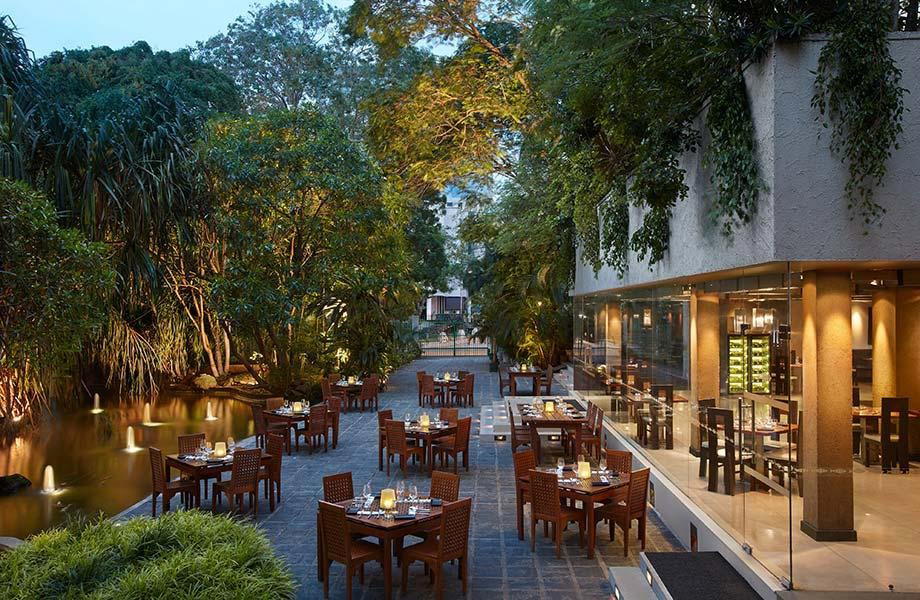
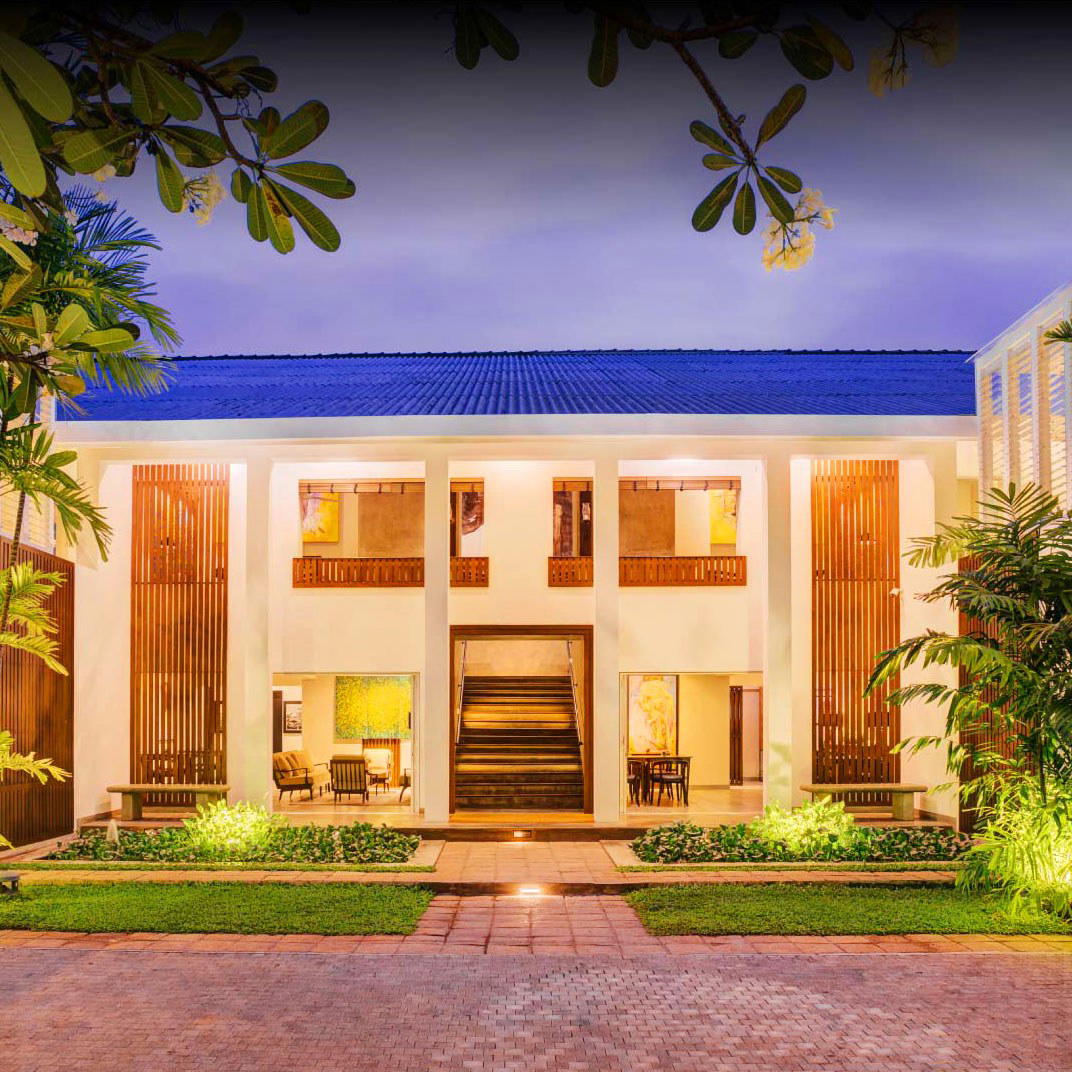
Rustic colonial interiors with tiled flooring, vintage decor, candlelit terrace, and serene garden seating.