Petti Petti
Our verdict
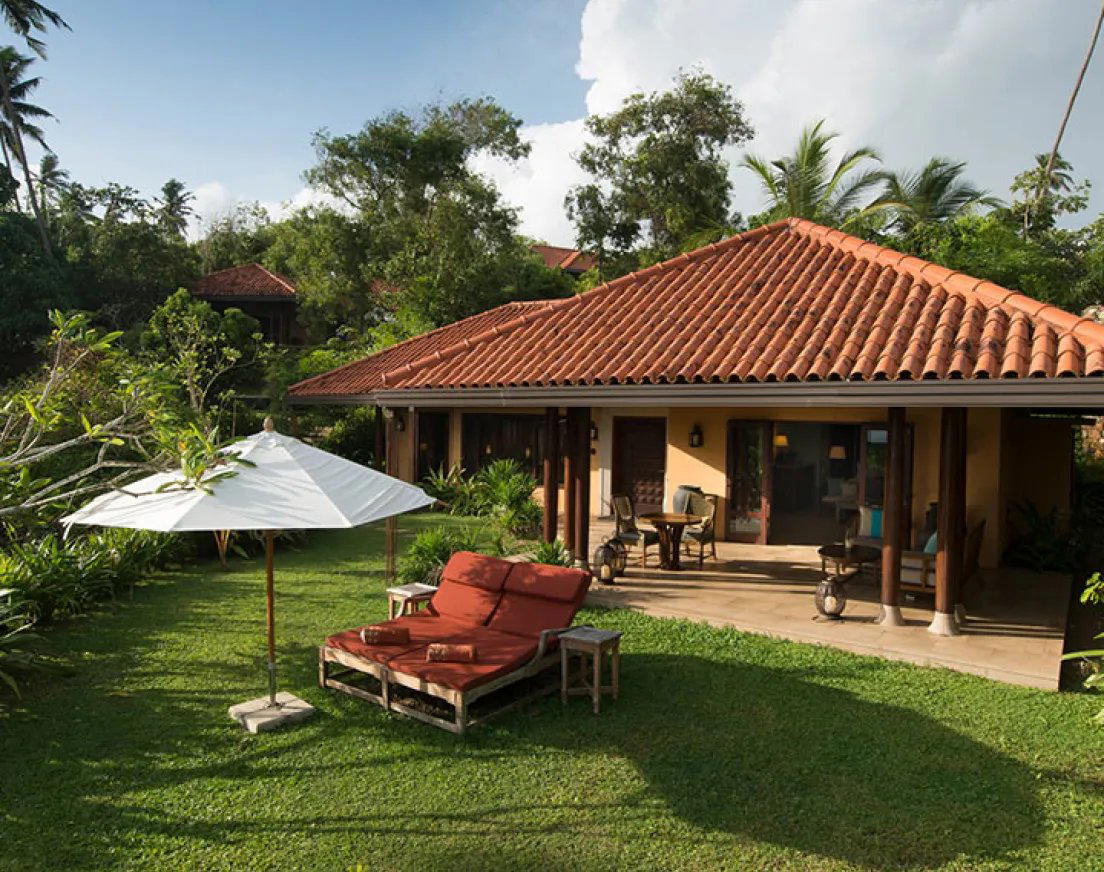
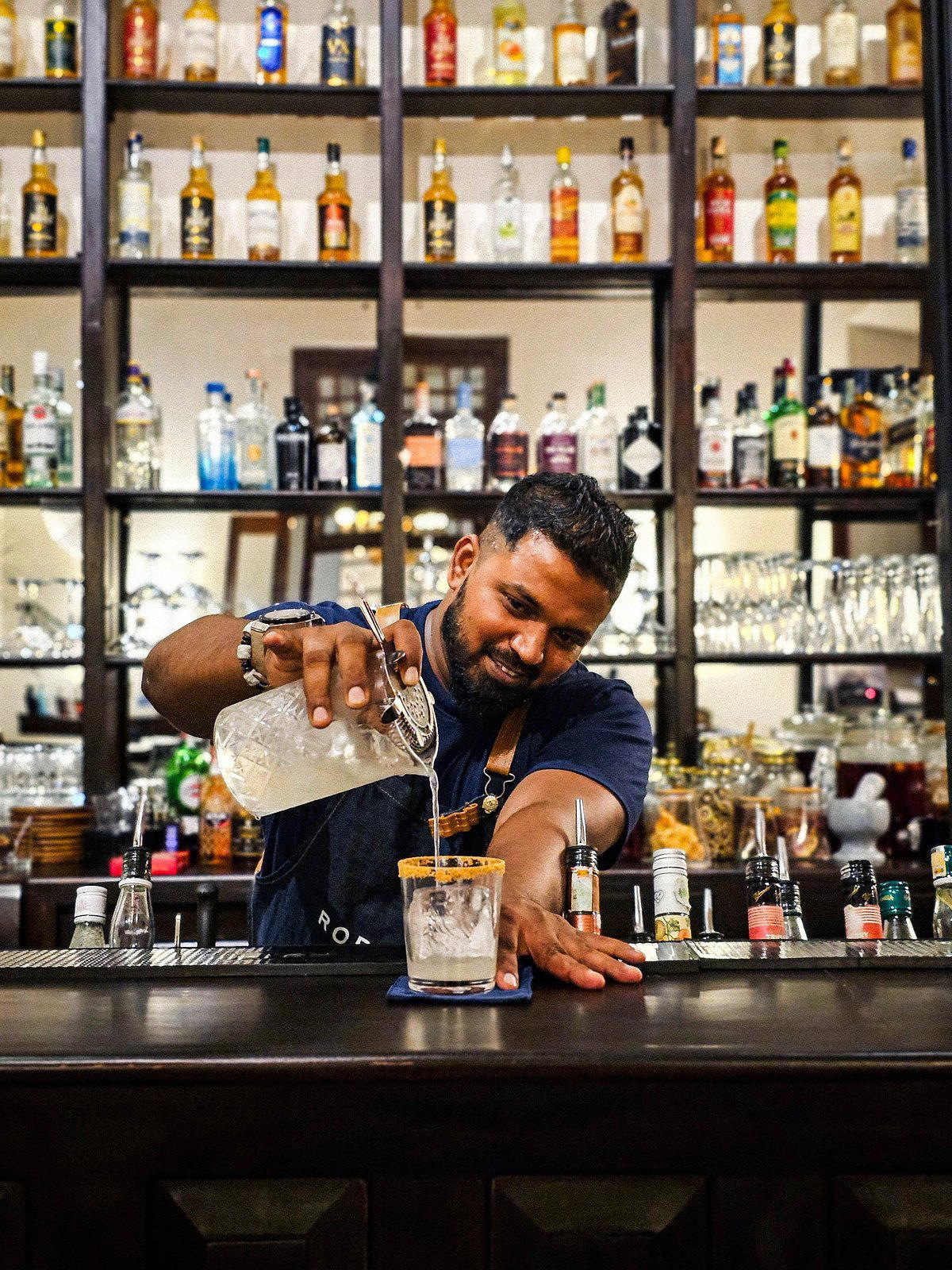
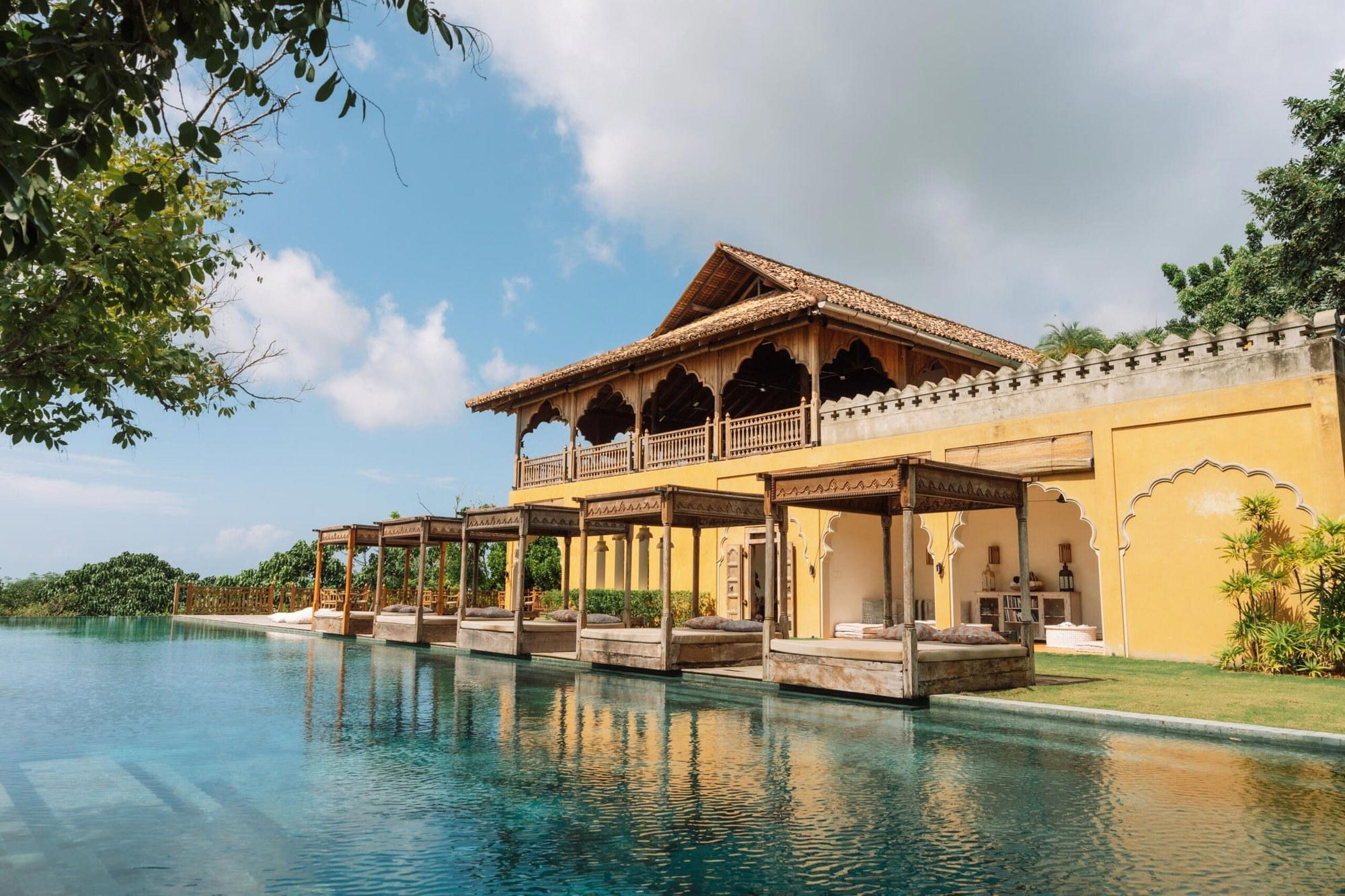
Petti Petti serves Beachside Seafood and Eclectic Sri Lankan on a waterfront terrace in Thalaramba, with craft cocktails and local sourcing.

Pearl is the En Primeur Club membership app, where members save venues, book tables and use the concierge.
Thalaramba and the Question of Where the Food Comes From
Thalaramba sits in Sri Lanka's Southern Province, far enough from Colombo's restaurant circuit and Galle's tourist corridor to operate on its own terms. Dining here is not organised around prestige or press coverage. It is organised around proximity: to the coast, to smallholder agriculture, and to the cooking traditions that predate any national restaurant scene. Petti Petti belongs to that local register, and understanding it means understanding what ingredient access looks like in this part of the island rather than what a tasting menu looks like in a capital city.
Southern Sri Lanka's food economy runs on short supply chains by necessity as much as by philosophy. The fish that reaches a kitchen in Thalaramba was landed the same morning a few kilometres away. The coconut milk is pressed from fruit grown within walking distance. The curry leaves, pandan, and rampe are not imported flavourings; they are grown in the yards of people who supply the kitchen. This is not a farm-to-table marketing position. It is simply the material reality of cooking in a town where cold chain logistics are not the foundation of the food supply. That reality produces food with a directness that is difficult to replicate in cities where sourcing has to be deliberate and expensive to achieve the same result.
How Southern Sri Lankan Cooking Is Shaped by Its Ingredients
The cuisine of Sri Lanka's south is built around a handful of ingredients that appear in almost every meal: coconut in multiple preparations, dried and fresh Maldive fish as the dominant umami anchor, green and black pepper from the hill country, and a rotating cast of vegetables tied to what is seasonal and local. The heat profile is different from Colombo's commercial Sri Lankan cooking, which often adjusts for tourist expectations. In towns like Thalaramba, the cooking is calibrated to the people who eat it every day, which means spice levels are genuine and the flavour balance is less likely to have been softened for outside palates.
Rice and curry here is not a menu category. It is a system: a mound of red or white rice accompanied by several preparations, each one hitting a different register of the palate. A dhal. A dry-fried vegetable. A coconut sambol. A fish or meat curry with a darker, more reduced gravy. The ratio of ingredients to preparation time is not what a professional kitchen in a larger city would consider efficient, but the cooking logic is cumulative rather than individual, and the result is a meal whose depth comes from layering rather than from any single component. For context on how this approach plays out across the island, see our coverage of Coconut Sambol in Galle and Mandiya in Kandy, two places where the same cooking logic appears in different regional idioms.
Placing Petti Petti in Its Local Context
Sri Lanka's dining spectrum runs from internationally recognised operations like Ministry of Crab in Colombo down through hotel restaurants, tourist-facing cafes, and the local eating houses that serve the communities they are physically embedded in. Petti Petti sits in that last category. Its competitive set is not the coastal resort dining of AQUA Forte in Galle or the beach-town fusion of KAIYŌ in Weligama. It is positioned, by geography and by the economics of Thalaramba, as a neighbourhood operation serving food that reflects what is available locally and what the local palate expects.
This is a meaningful distinction in Sri Lanka's current dining moment. As the country's food tourism has expanded around Galle, Colombo, and the south coast's resort strip, the towns that sit slightly off those routes have remained largely oriented toward their own communities. The ingredient sourcing advantage that Thalaramba's location provides is real: access to southern coast seafood, to village-grown produce, and to the cooking knowledge that has not been filtered through hospitality training schools or international hotel brand standards. For a broader view of how this plays out across the island's restaurant geography, our full Thalaramba restaurants guide maps several of these local operations and their relationships to the surrounding food economy.
Comparison to places like Laya Safari in Palatupana or COAST in Yala is instructive for what it reveals about format rather than quality. Resort-adjacent dining in southern Sri Lanka tends to be formatted around visitor timelines, with menus that explain themselves and pricing that reflects infrastructure costs. Local eating houses like those in Thalaramba skip the explanatory layer entirely. The food assumes familiarity and prices accordingly. See also Priyamali Gedara in Kaduruwela and Maara Cafe in Galewela for two more examples of this locally-embedded format operating in different parts of the island.
The Practical Arithmetic of Eating in Thalaramba
Thalaramba is not a destination that rewards drop-in dining without some prior orientation. The town is not set up for tourist search patterns, which means the usual discovery infrastructure, review aggregators, food guides, hotel concierge recommendations, is thin. The most reliable way to locate places worth eating is to arrive in the area, spend time in the town itself, and ask locally. This is not a romantic suggestion about authenticity; it is the practical reality of how these operations work. They do not maintain reservation systems or maintain websites in the way that a Colombo restaurant does. If you are travelling the Southern Province and making time for places off the main tourist routes, allow for the fact that information will be incomplete and timings will be approximate. For structural contrast with how Sri Lankan dining looks when it is formatted for an international audience, the work being done at Nelum Kole in Thimbirigasyaya and U.S. Restaurant in Jaffna provides useful reference points. For a sense of the global range that Sri Lanka's food-literate travellers are also tracking, Le Bernardin in New York and Atomix in New York represent the opposite end of the formality and documentation spectrum. So does Kim's Family Korean in the Colombo District and Grand Thai Restaurant in Nuwara Eliya, both of which show how diaspora and regional cuisines operate within Sri Lanka's wider food geography. The Main Restaurant at Aavya Cove Villas in Balapitiya sits somewhere between these poles, as a small property restaurant that serves local food in a context that does accommodate visitors.
Frequently asked questions
Does Petti Petti work for a family meal?
Thalaramba's dining culture is oriented around everyday local eating rather than destination restaurant formats, which tends to suit family groups comfortable with informal, communal settings. Petti Petti sits within that local framework in Sri Lanka's Southern Province, away from the structured tourist dining of Galle. Families who approach it as a genuine neighbourhood meal rather than a tourist stop will find it fits naturally. Children accustomed to Sri Lankan food or willing to try coconut-forward southern cooking will have no difficulty.
Is Petti Petti formal or casual?
Petti Petti operates in Thalaramba, a Southern Province town outside Sri Lanka's main tourist corridors, which sets the register firmly on the casual side. This is not a white-tablecloth operation in the Colombo or Galle hotel mould. Dress expectations reflect a working local dining room rather than any kind of dress code environment. Come as you would for any unpretentious neighbourhood meal.
Is Petti Petti worth the detour from Galle or the Southern Highway?
Thalaramba sits in Sri Lanka's Southern Province at enough distance from Galle's restaurant corridor to require a deliberate decision rather than a casual stop. Petti Petti represents the kind of genuinely local eating that the tourist circuit between Colombo and the southern coast rarely surfaces. For travellers already moving through the Southern Province interior, it functions as an honest local meal rather than a curated dining experience. The detour makes sense if you are already routing through that part of the province.
What should I eat at Petti Petti?
Southern Sri Lankan cooking is built around coconut in multiple preparations, dried and fresh seafood, and rice-based meals that shift by time of day. In Thalaramba, proximity to the Southern Province coast shapes what ingredients are available locally. Without a published menu on record, the practical approach is to eat what is prepared that day, which in this part of Sri Lanka typically means dishes tied to whatever is fresh and seasonal rather than a fixed written card.
Fast Comparison
Comparable venues nearby, for context on price, style, and recognition.
| Venue | Cuisine | Price | Notes |
|---|---|---|---|
| Petti PettiThis venue (the venue you are viewing) | Beachside Seafood and Eclectic Sri Lankan | Not listed | Not listed |
| Main Restaurant | Seafood Fusion | $30–50 | Balapitiya |
| Grand Thai Restaurant | Authentic Thai | $10–20 | Nuwara Eliya |
| The Gallery Café | Sri Lankan Fusion | $10–20 | Colombo 03 |
| Coconut Sambol | Authentic Sri Lankan Curry | Not listed | Galle Fort |
| Bastille | Seafood and Sri Lankan Fusion | Not listed | Galle Fort |
Continue exploring
More in Thalaramba
Restaurants in Thalaramba
All restaurants in Thalaramba →

Bars in Thalaramba
Browse all →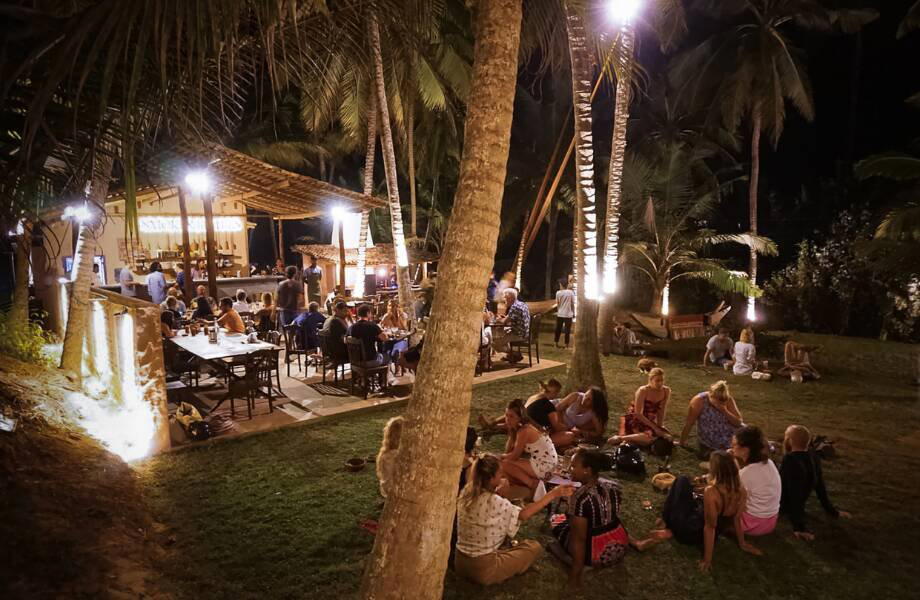

Details
- Cozy
- Romantic
- Lively
- Scenic
- Date Night
- Casual Hangout
- Waterfront
- Terrace
- Craft Cocktails
- Local Sourcing
- Waterfront
- A La Carte
- Vegetarian Friendly
- Vegan Options
- Gluten Free Options
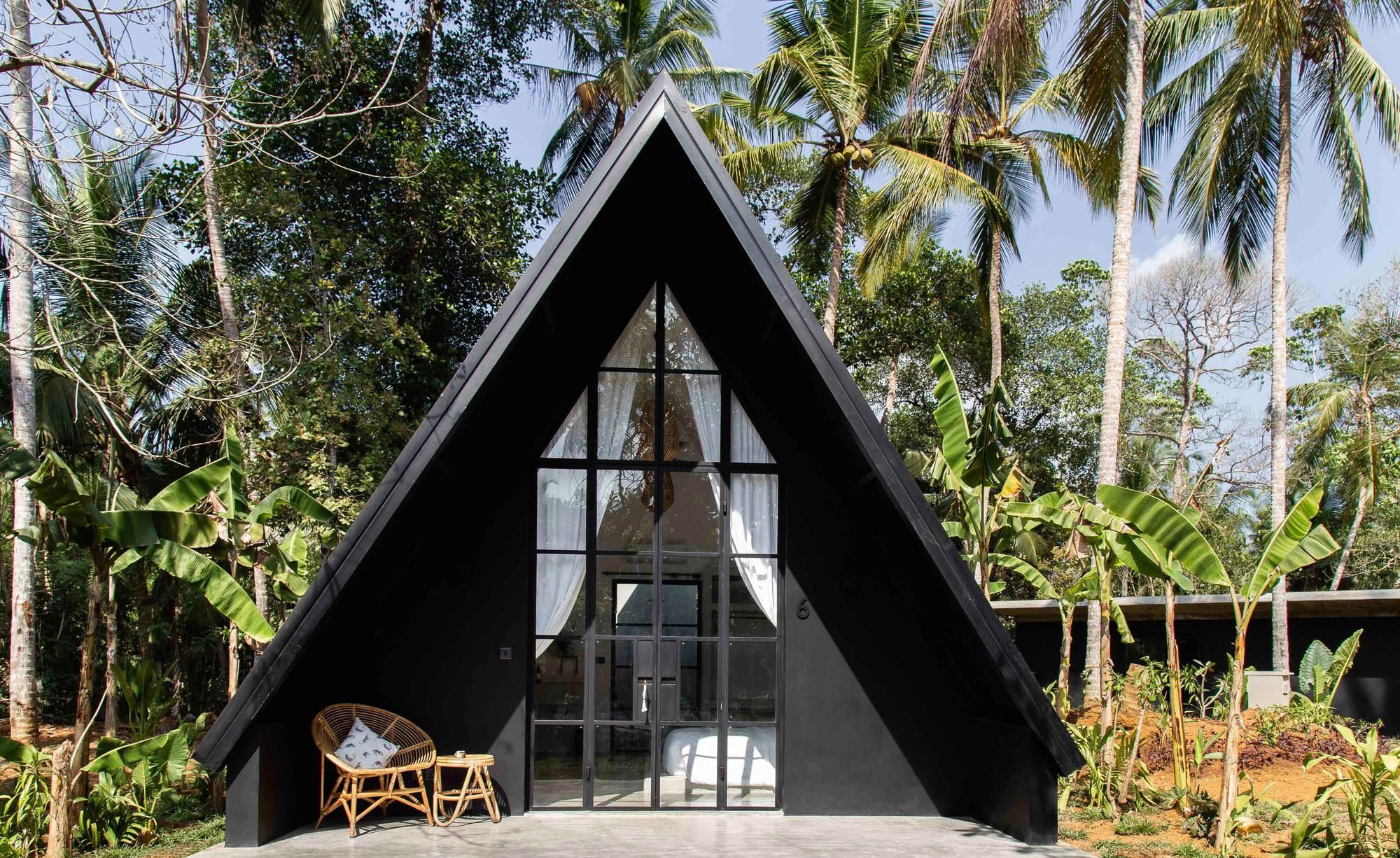
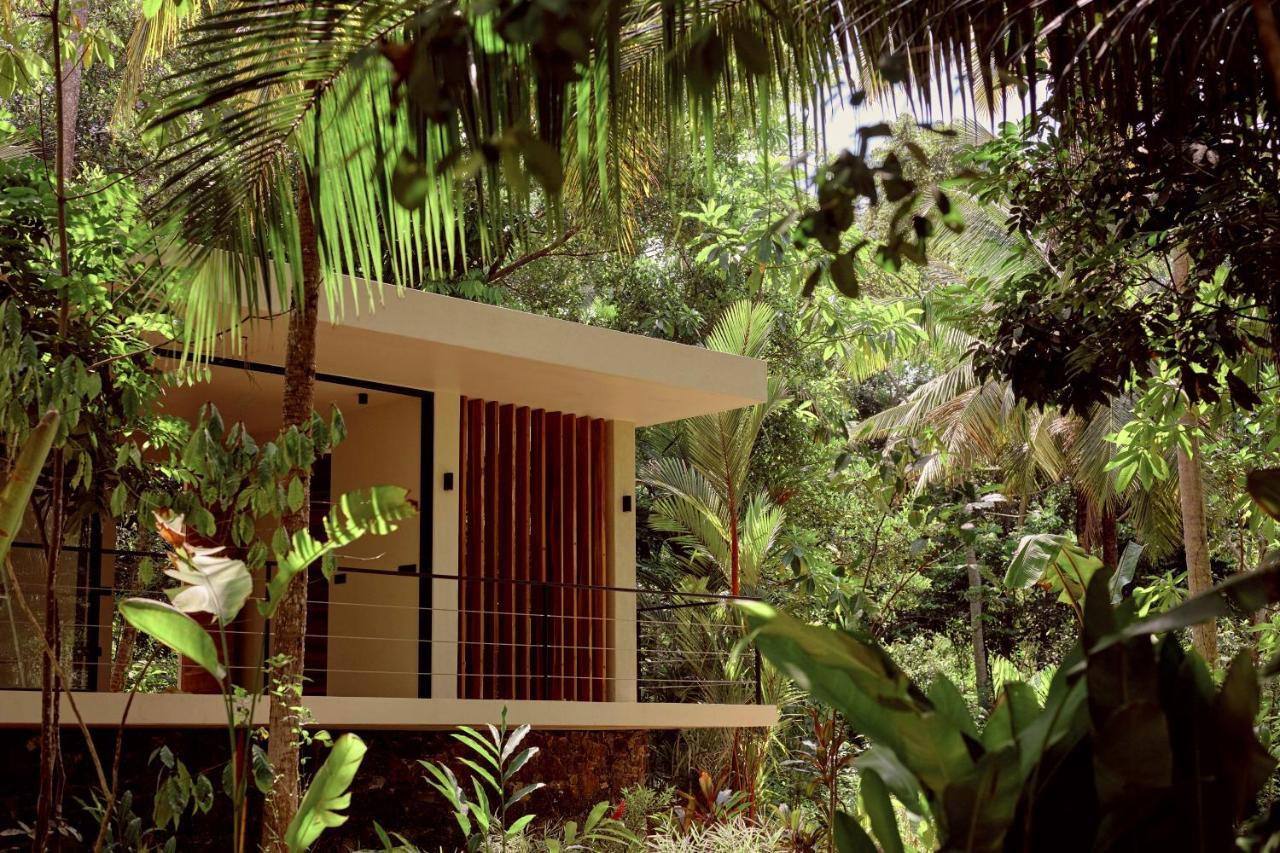
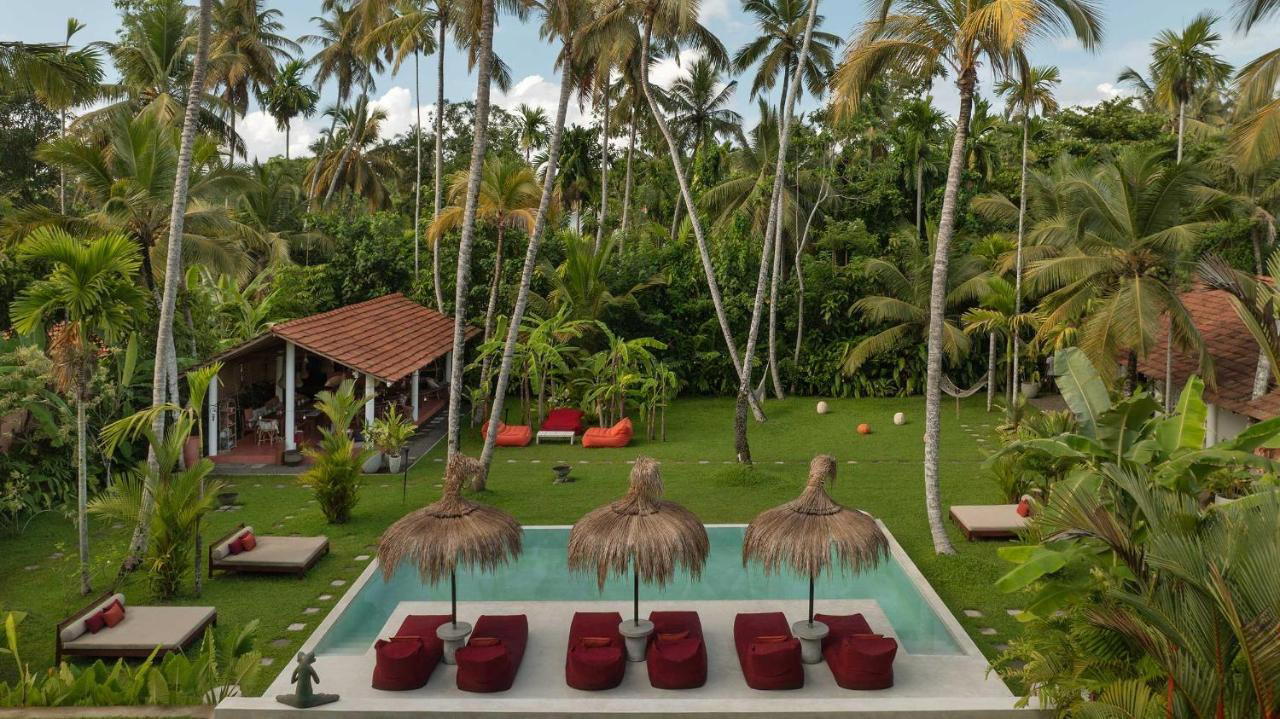
Cosy and eclectic vibrance by day transitioning to warmly lit romantic evenings with lively dinner parties and ocean vistas.