Nana's sits within Colombo's expanding home-style dining scene, where the city's most compelling meals often arrive without fanfare or formal trappings. The address places it in a residential register that signals intent: this is cooking rooted in domestic Sri Lankan tradition rather than hotel-polished presentation. For readers tracing the city's culinary character beyond the flagship names, it merits attention.
- Address
- WRHW+C2P, Colombo, Sri Lanka
- Website
- google.com
- Directions
- Get directions
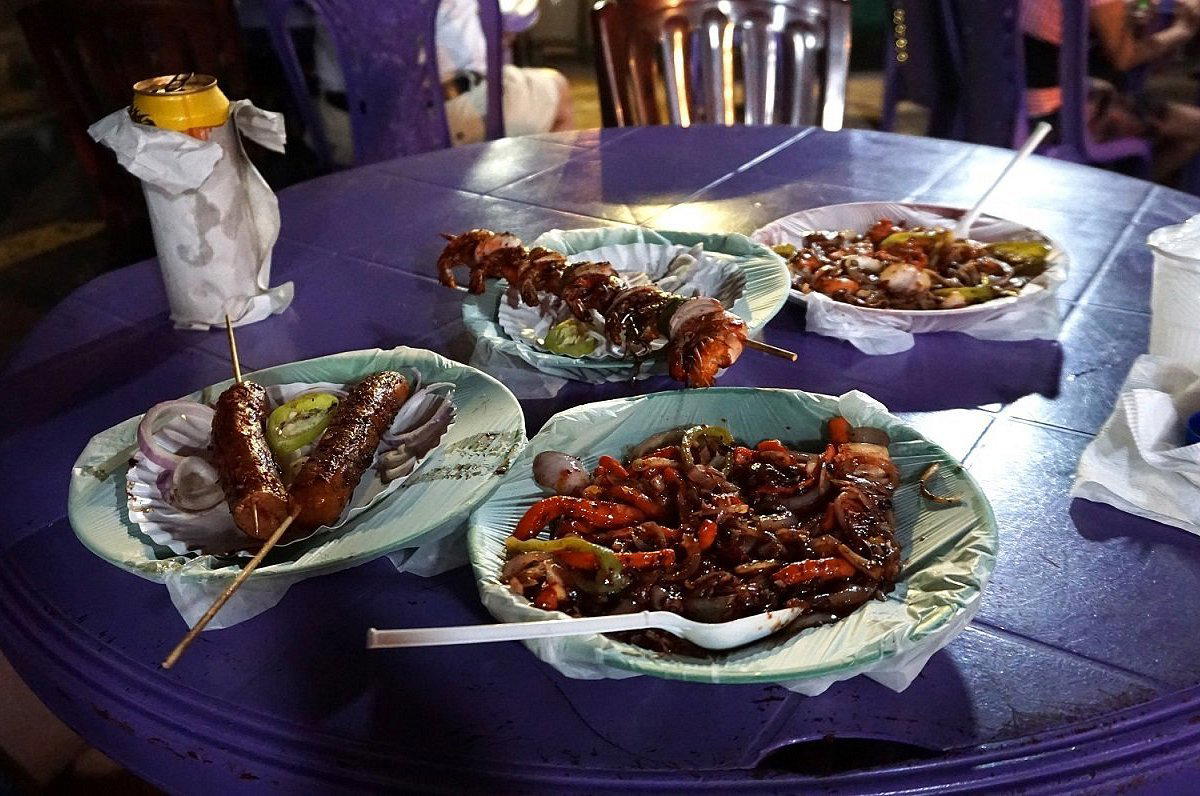
Sri Lanka on a Plate: What Home-Style Cooking Reveals About Colombo
Colombo's dining conversation tends to concentrate on a handful of celebrated addresses: the lagoon crab at Ministry of Crab (Sri Lankan), the Nihonbashi lineage of Japanese precision at Nihonbashi, the colonial-era courtyard atmosphere of The Gallery Café. But the city's more instructive dining experiences often sit outside that headline tier, in places where the food answers to a domestic rather than a restaurant logic. Nana's belongs to that register. It is a closed Sri Lankan street food restaurant in Colombo, priced at about US$5 per person.
Colombo's Home-Style Tier and Where Nana's Sits
Sri Lankan home cooking is structurally different from what most visitors encounter in hotel restaurants. The hotel version tends toward edited clarity: a sambol here, a curry there, coconut milk used as a grace note. Domestic Sri Lankan cooking is less hierarchical and more simultaneous. Rice arrives surrounded by five or six preparations at once, each with a different heat register, different fat base, different acidic counterpoint. The meal is experienced laterally, as a composition, not sequentially as a series of courses.
This distinction matters for understanding where Nana's positions itself against the broader Colombo field. Restaurants like The Bayleaf operate in a more formalised mid-market Sri Lankan space. Nana's, by contrast, reads as part of a smaller category: places that replicate the domestic meal structure rather than translating it for restaurant convention. That category has grown steadily in Colombo as the city's middle-class dining culture has matured and as younger Sri Lankans have developed appetite for eating out in ways that echo rather than escape home.
The address at WRHW+C2P places Nana's in a residential pocket of Colombo, which is itself a signal. The city's most formally ambitious restaurants cluster around Colombo 3 and Colombo 7, where hotel proximity and commercial density sustain a certain kind of operation. A residential address implies a different economics: lower overheads, narrower margins between kitchen and table, a guest list drawn from the immediate neighbourhood before it extends outward.
The Culinary Roots Behind the Format
Sri Lanka's food culture carries multiple inheritances simultaneously. The Sinhalese kitchen draws on centuries of Buddhist dietary practice, with a strong vegetable and pulse foundation and fish used as flavouring as much as protein. Tamil cooking from the north, well represented at addresses like U.S. Restaurant in Jaffna, runs hotter and drier, built around tamarind and dried chilli rather than coconut milk. Colombo absorbs both, alongside Malay, Dutch Burgher, and South Indian Muslim influences that arrived through centuries of trade and colonisation.
Home-style restaurants in Colombo are therefore never cooking from a single tradition. They are synthesising, often unconsciously, from whichever of those streams dominated in a particular household. A grandmother from Negombo cooks differently from one in Matara, differently again from one in Kandy. The cooking at a place like The Theva Cuisine in Kandy reflects its specific highland context. What Colombo home-style cooking represents is a further layer of synthesis: the city as a port of accumulated influence.
This is the tradition that places like Nana's draw from, and it is worth understanding before you arrive. You are not eating a cuisine so much as a genealogy.
Sri Lanka Beyond Colombo: The Wider Table
For readers building a longer itinerary, Colombo functions as orientation rather than destination. The island's coastal cooking reaches different registers at AQUA Forte in Galle and Cape Weligama in Weligama, where the Indian Ocean proximity shapes both ingredient sourcing and presentation register. Wildlife-adjacent dining operates under different constraints, as at COAST in Yala and Laya Safari in Palatupana. Each of those addresses speaks to a different facet of Sri Lankan hospitality; Nana's, if it delivers on its domestic register, speaks to the one that most visitors miss entirely.
Colombo also hosts a parallel track of international cooking that reflects its cosmopolitan history. Crystal Jade represents the Chinese dining tradition embedded across Southeast Asia, and Kim's Family Korean speaks to the smaller but growing Korean presence in the city. Against that field, the specifically Sri Lankan home-style proposition is not abundant, which gives places in that niche a disproportionate relevance for visitors trying to read the city accurately. For more on how Colombo's dining scene maps across those different registers, see our full Colombo restaurants guide.
Practical Notes for Planning a Visit
Those planning wider Sri Lankan itineraries might also consider the Nelum Kole Restaurant in Thimbirigasyaya as a comparable residential-register reference point within the city.
Price and Recognition
Comparable venues nearby, for context on price, style, and recognition.
| Venue | Cuisine | Price | Notes |
|---|---|---|---|
| Nana'sThis venue — the venue you are viewing | Galle Face Green, Sri Lankan Street Food | $ | Not listed |
| Upali's by Nawaloka | Cinnamon Gardens, Authentic Sri Lankan | $$ | Not listed |
| The Bayleaf | Not listed | $$ | Colombo 7, Authentic Italian in Colonial Villa |
| The Lagoon | Not listed | $$$ | Colombo 03, Sri Lankan Seafood |
| The Gallery Café | Not listed | $$$ | Colombo 03, Sri Lankan Fusion |
| Upali's by Nawaloka | Not listed | $$ | Colombo 7, Authentic Sri Lankan |
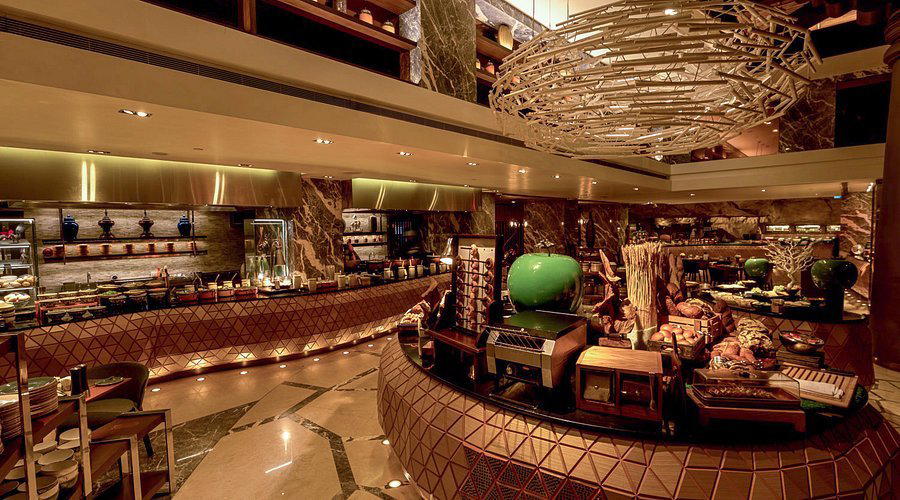
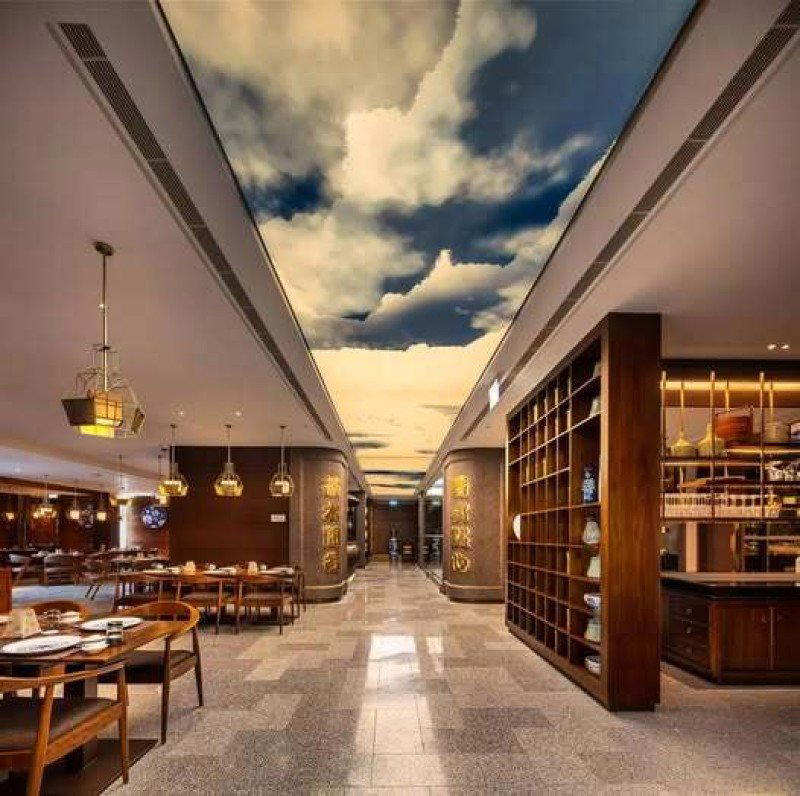
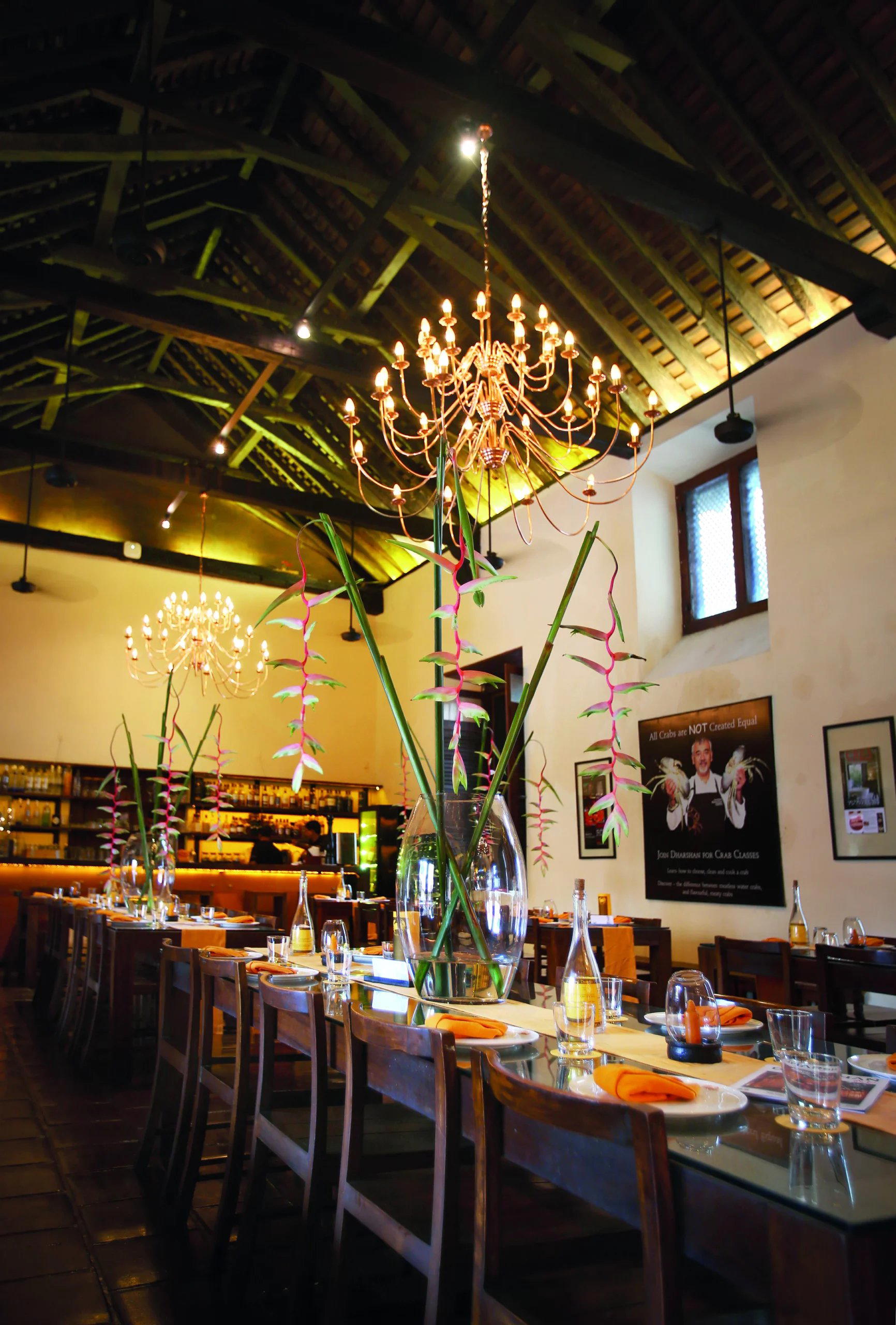
At a Glance
- Lively
- Energetic
- Casual Hangout
- Late Night
- Waterfront
- Waterfront
- Street Scene
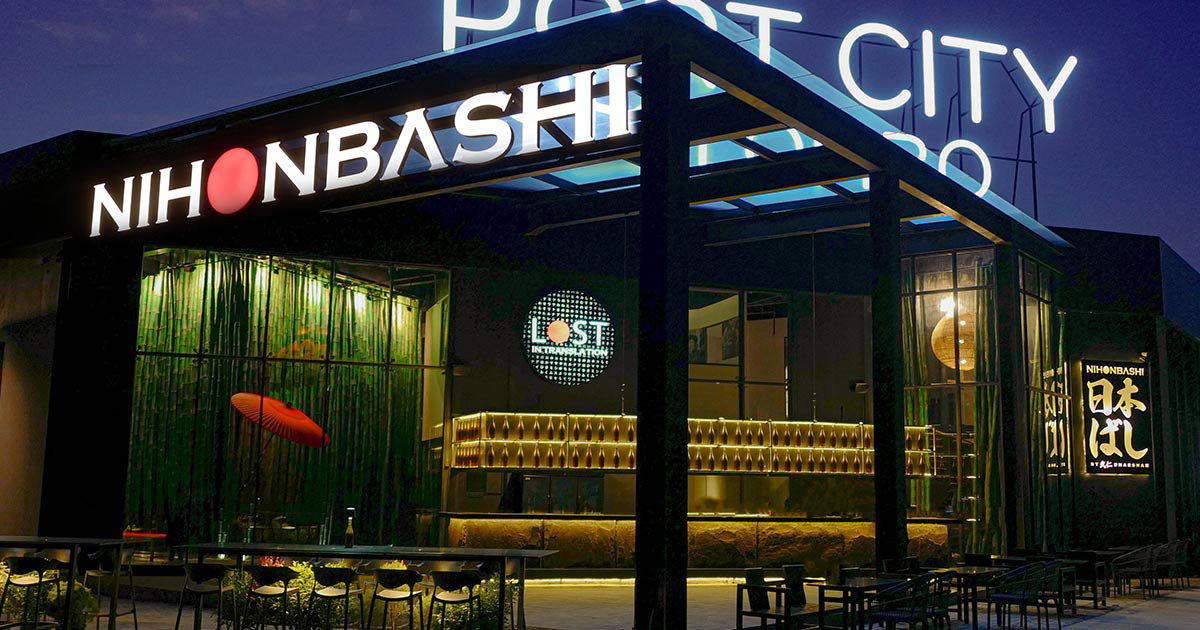
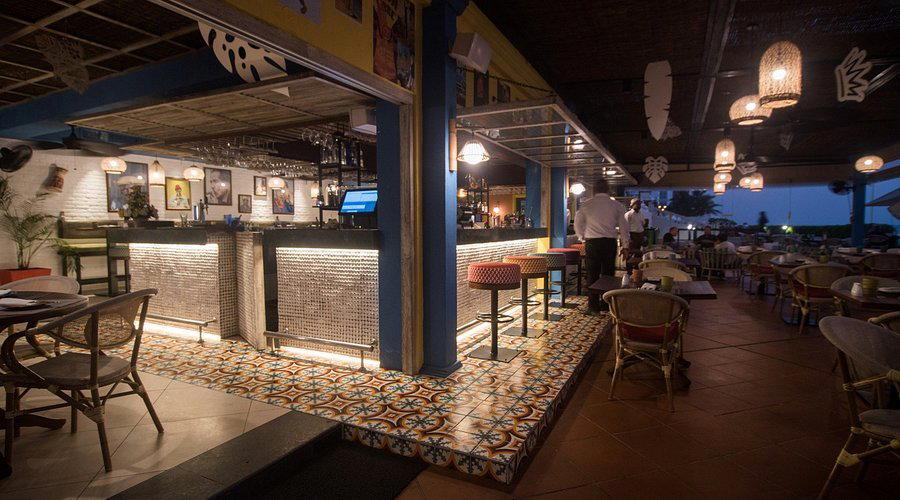
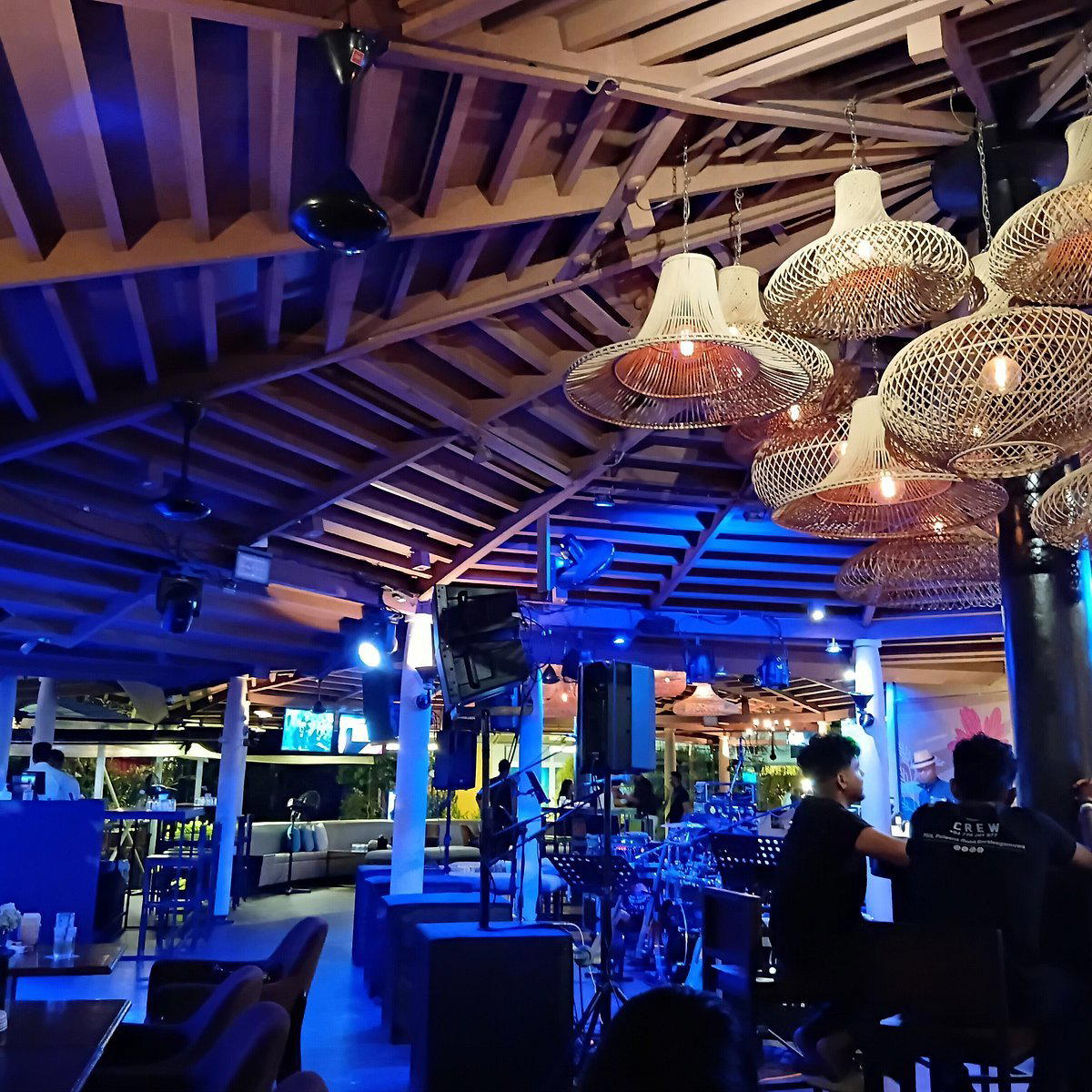
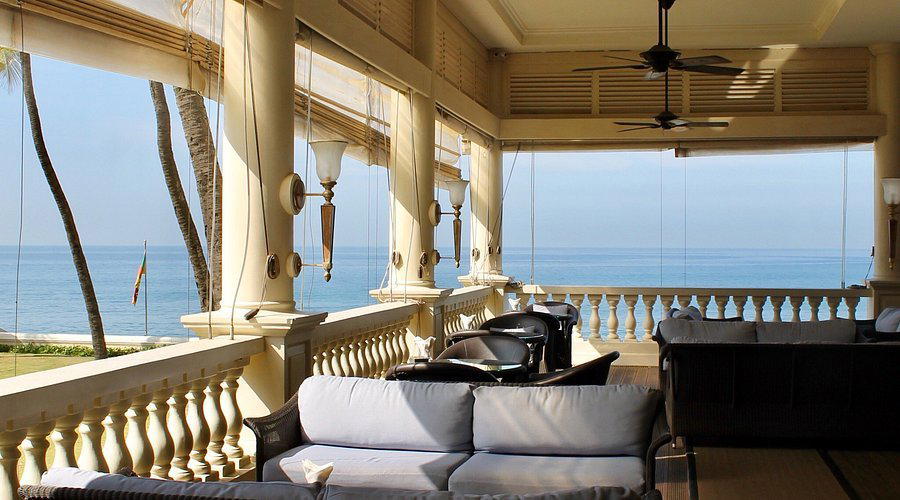
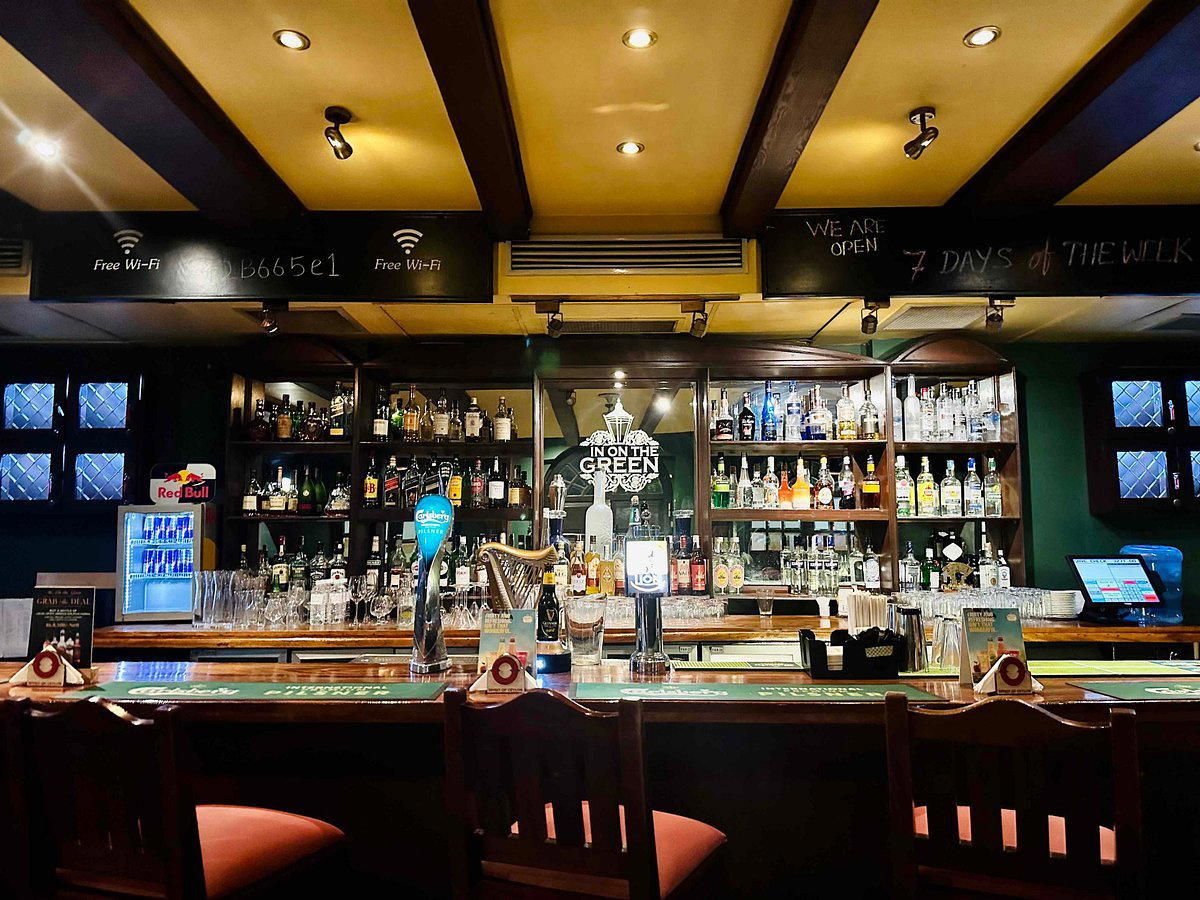
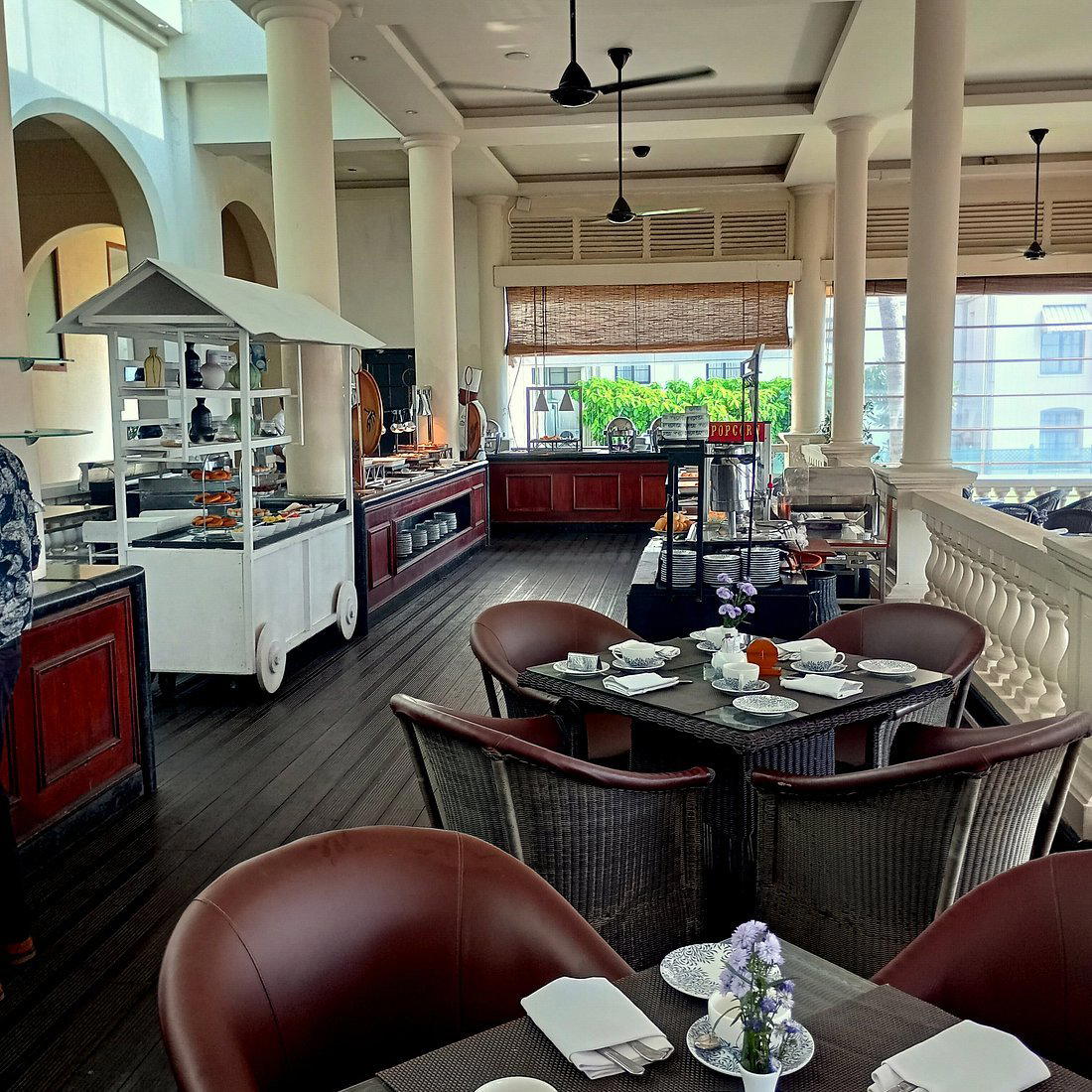
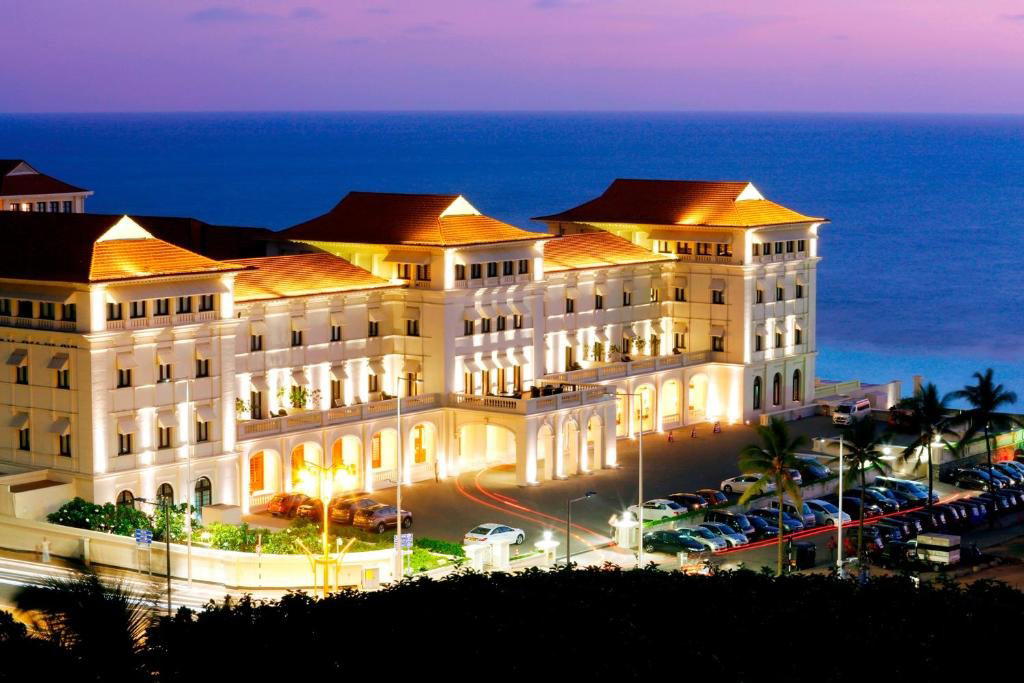
Bustling open-air atmosphere with ocean views, sunset watching, and lively street energy amid loud music and crowds.