Laya Safari - Restaurant
Our verdict
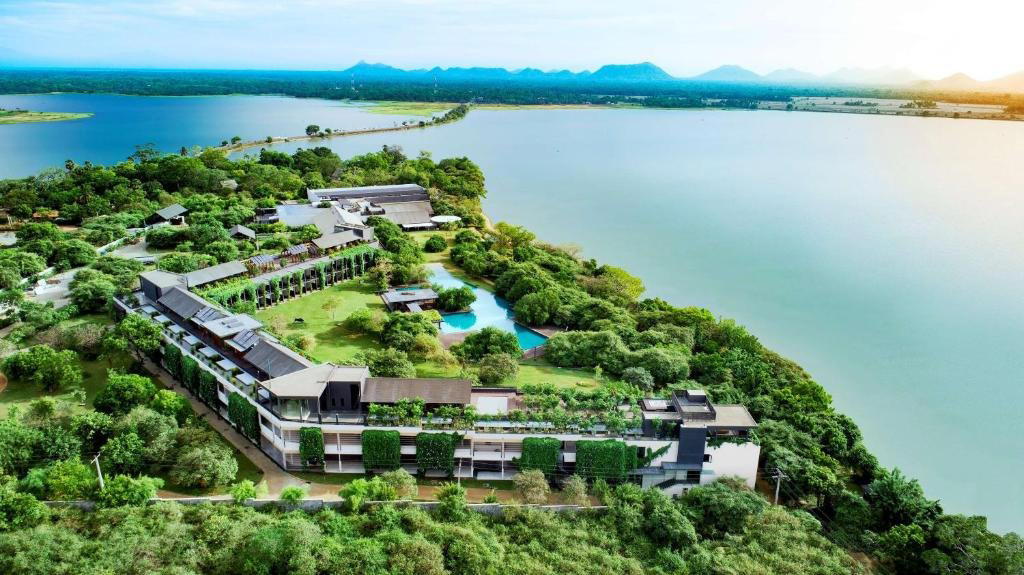
Set within the wildlife corridor flanking Yala National Park, Laya Safari's restaurant operates where the sourcing story writes itself: ingredients drawn from one of Sri Lanka's most ecologically distinct coastlines and its surrounding farmland. The cooking sits inside a broader tradition of camp dining that has grown increasingly serious across the island's southern safari belt, positioning it alongside venues like COAST Yala as the region matures beyond basic bush fare.

Pearl is the En Primeur Club membership app, where members save venues, book tables and use the concierge.
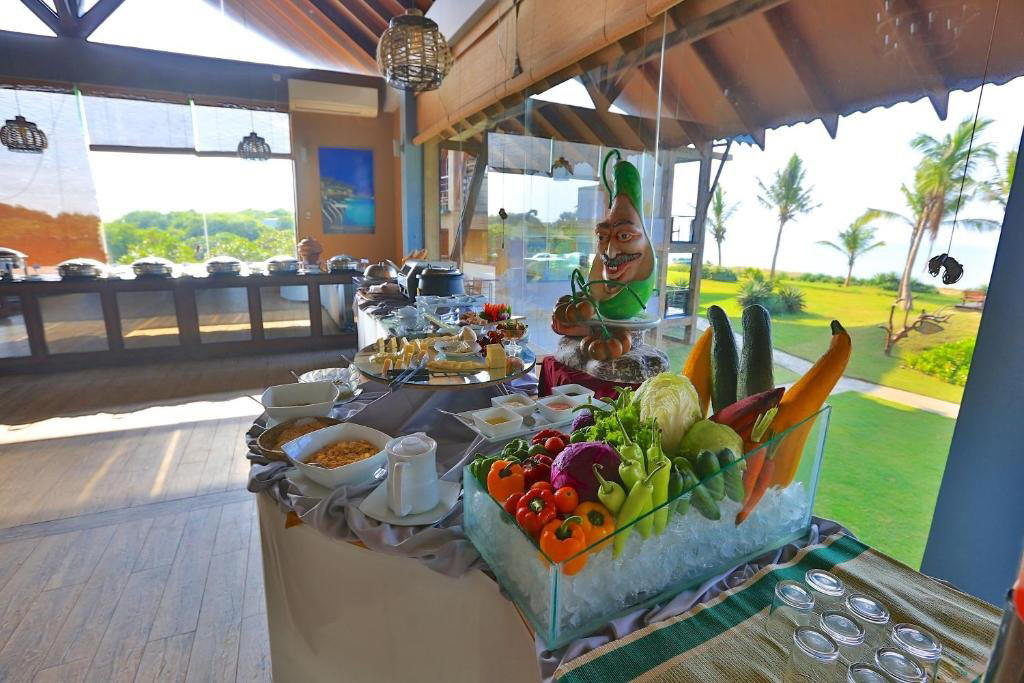
The menu
What to order
- Fresh seafood platters
- Beach bonfire dinners
Eating at the Edge of the Park
Palatupana occupies a narrow strip of land where the Yala National Park buffer zone meets the Indian Ocean, and that geography is not incidental to what ends up on the plate. Dining in this part of Sri Lanka's southern coast has historically been an afterthought, camp food calibrated for tired guests returning from dawn game drives rather than a reason to visit in its own right. That calculus has shifted in the past decade. Lodges and safari camps in the Yala corridor have progressively invested in their kitchens, recognising that guests who will spend significantly on accommodation expect the food to match the setting. Laya Safari's restaurant sits inside that broader shift, operating in a location where the sourcing argument is made almost automatically by the surrounding ecology.
Where the Ingredients Come From
The southern coastal belt running from Tangalle through Palatupana to the Yala boundary is one of Sri Lanka's more productive agricultural and fishing zones. Lagoon fishing operations at Koggala and further east supply the coast with reef fish, prawns, and crab that rarely travel far before reaching a kitchen. Inland, smallholder farms in the Hambantota district grow the jackfruit, drumstick, bitter gourd, and green leaves that form the spine of Sinhalese home cooking. A restaurant operating in Palatupana has the structural advantage of proximity: supply chains are short by default, and the variety of what arrives at the kitchen reflects the seasonal rhythm of that specific coastal-inland transition zone rather than a standardised hotel inventory. That distinction matters because Sri Lankan cuisine at its most honest is intensely local, coconut milk from the tree behind the house, rice from the paddy two fields over, spice blends ground to a family recipe rather than sourced from a commercial paste. The further a restaurant drifts from that proximity, the more it tends toward a flattened, export-friendly version of the cuisine. Proximity, here, is a form of editorial control over what the food tastes like.
For broader context on how Sri Lanka's restaurant scene handles this tension between local sourcing and tourist expectations, Ministry of Crab in Colombo represents one end of the spectrum: a high-profile, urban operation that built its identity around a single premium local ingredient and internationalised it. The camp dining model in Yala works from a different premise, the ingredient story is inseparable from the physical place.
The Setting as Dining Context
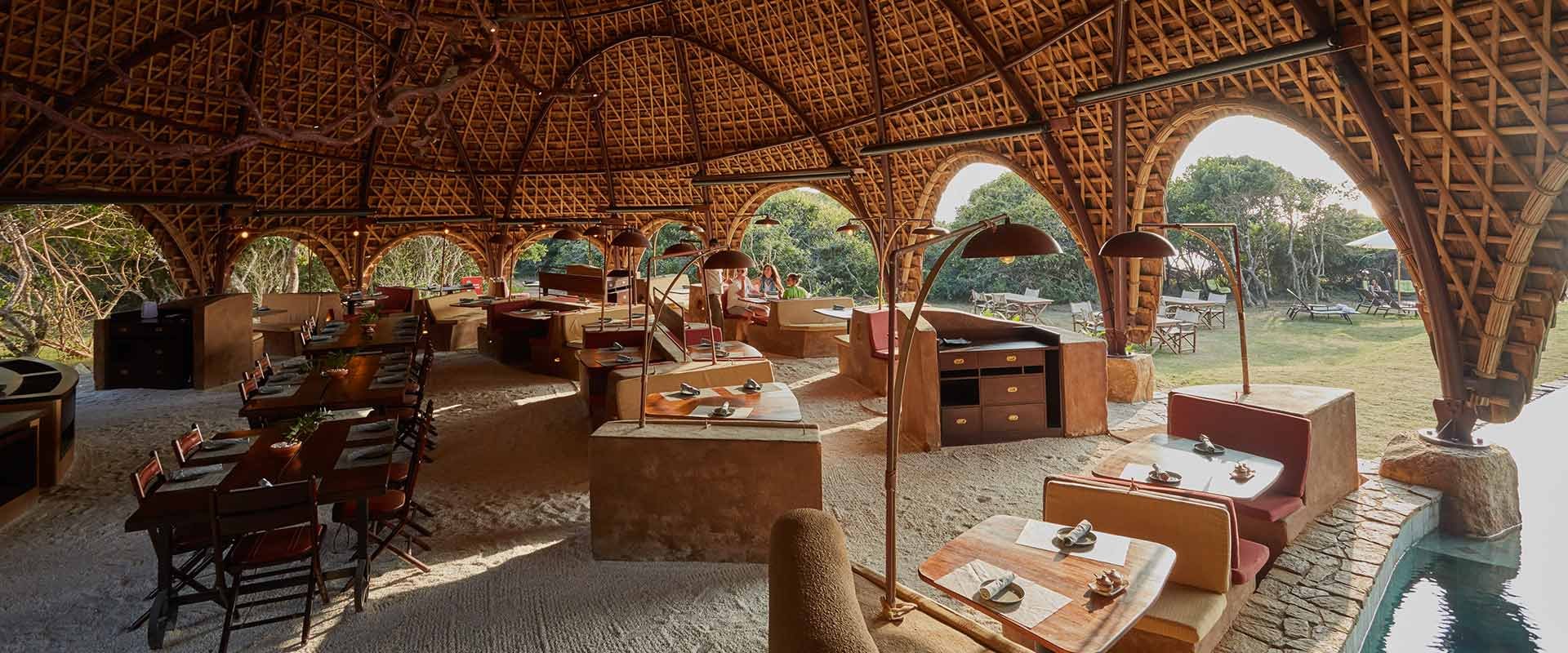
Camp restaurants in the Yala corridor tend to operate in open-sided or semi-open structures that keep the surrounding environment present throughout a meal. The sounds and light of the bush function as part of the dining experience in a way that no interior design replicates. Dusk meals in particular carry the ambient logic of the location: the shift in bird noise, the dropping temperature, the change in light from blue-white to amber that the landscape does on its own. This is not scenography manufactured for effect; it is a consequence of where the kitchen is. The distinction between setting and atmosphere is meaningful here. Atmosphere can be engineered. Setting, at Palatupana, cannot.
Restaurants operating in comparable ecological positions across the island, COAST in Yala among them, have leaned into this framing, positioning the natural context as part of the product rather than a backdrop to it. The approach aligns with a wider pattern in premium wilderness dining globally, where the logic is that controlled scarcity of setting justifies a different kind of kitchen ambition.
The Regional Dining Tradition
Sri Lankan coastal cooking in the south draws from a different pantry than the Colombo restaurant circuit or the hill-country tea-region kitchens. The spice profiles are bolder, the coconut milk richer, and the fish preparations more direct, less elaborated than what you find in the city. Ambulthiyal, the dry sour fish curry made with goraka (gamboge) that is specific to the south, is the kind of dish that survives long journeys in the heat, developed by fishing communities as a preservation technique before refrigeration. It is not a dish that transplants easily to a Colombo hotel kitchen and remains the same thing. In the south, it retains its context. Rice and curry in the traditional format, multiple small dishes arranged around a central starch, remains the structural grammar of a meal in this part of the island regardless of what price tier the restaurant occupies.
For a different angle on Sri Lanka's coastal dining scene, AQUA Forte in Galle and KAIYŌ in Weligama each operate in the southern coastal corridor but in more accessible, higher-tourism-density towns. The Palatupana context is more remote and more ecologically specific, which shapes both what the kitchen can do and what guests are likely to want after a morning in the park.
Planning a Visit
Palatupana is accessed primarily via Tissamaharama, which sits roughly 20 kilometres to the northwest and functions as the main service town for Yala's western gate. The area's remoteness means that dining at Laya Safari's restaurant is, in practice, tied to a stay at the camp rather than a standalone reservation from outside. Guests travelling from Colombo typically arrive via the Southern Expressway to Matara and then the A2 coastal road eastward, a journey of four to five hours depending on traffic. The season shapes everything in this part of Sri Lanka: Yala's western zone closes during the heavy monsoon months (typically September and October), and the camps that remain operational outside peak season operate under different conditions. The period from December through April carries the highest game-drive activity and the most consistent kitchen operation. Dining decisions here are logistical first, who you are staying with determines where you eat, which places the restaurant's quality in a different evaluative frame than a standalone urban dining choice.
For a fuller picture of what is available to eat across Palatupana and the surrounding area, see our full Palatupana restaurants guide. Further afield, restaurant@jetwingyala offers a useful point of comparison within the same immediate geography, operating inside a different camp model with its own approach to the same sourcing terrain.
Across the island, the conversation about what Sri Lankan restaurant cooking should look like when it takes its ingredients seriously is happening in places like Coconut Sambol in Galle, Mandiya in Kandy, and Maara Cafe in Galewela. The Yala camp dining model contributes its own answer to that question: that proximity to source, enforced by geography, is itself a form of culinary discipline.
Frequently asked questions
Can I bring kids to Laya Safari - Restaurant?
Laya Safari sits within the Yala corridor in Palatupana, where open-sided camp dining structures are the norm and the surrounding environment is always present. That setting suits children who are comfortable with outdoor conditions, ambient wildlife sounds, and a less structured dining format. There is no recorded age restriction, but the remote location and proximity to Yala National Park's buffer zone makes it better suited to older children on safari with their families.
What is the atmosphere like at Laya Safari - Restaurant?
Camp restaurants along the Yala corridor in Palatupana typically operate in semi-open or fully open-sided structures, which means the boundary between dining room and surrounding wilderness is deliberately thin. At Laya Safari, that geography, a narrow strip between Yala National Park and the Indian Ocean, shapes every meal. Expect ambient bush sounds, natural light, and an environment that prioritises the setting over interior design.
What makes dining at Laya Safari different from other restaurants near Yala National Park?
Laya Safari's location in Palatupana places it directly at the junction of Yala's buffer zone and the southern coastline, a position that very few dining venues in Sri Lanka occupy simultaneously. Where most Yala-area restaurants are based in Tissamaharama town, roughly 20 kilometres inland, Laya Safari operates within the corridor itself, meaning the park's presence is not a marketing claim but a physical fact of the dining environment.
What's the signature dish at Laya Safari - Restaurant?
Given its position on the southern coastal belt running toward the Yala boundary, the kitchen draws from a pantry distinct from Colombo's restaurant circuit: fresh coastal catch, local coconut-based preparations, and southern Sri Lankan spice profiles are the defining culinary reference points for this region.
Is Laya Safari - Restaurant reservation-only?
Camp restaurants in the Yala corridor typically serve guests staying within their own lodge or safari property first, with walk-in access limited by capacity and the remote access point at Palatupana. Travelling from Tissamaharama, roughly 20 kilometres to the northwest, it is worth confirming arrangements before arrival.
What's the signature at Laya Safari - Restaurant?
The defining feature of Laya Safari is its physical position: dining at the edge of Yala National Park's buffer zone in Palatupana, where the Indian Ocean sits on one side and protected wilderness on the other. That geography shapes the sourcing and setting more than any single dish. Southern Sri Lankan coastal cooking, drawing from the fishing and agricultural belt between Tangalle and the Yala boundary, forms the regional backbone of the food.
At-a-Glance Comparison
| Venue | Cuisine | Price | Awards | Notes |
|---|---|---|---|---|
| Laya Safari - RestaurantThis venue (the venue you are viewing) | Sri Lankan Coastal Buffet | $50–100 | Not listed | Not listed |
| Ministry of Crab | Sri Lankan Mud Crab Seafood | $50–100 | World's 50 Best #94 | Sri Lankan |
| Cape Weligama | Modern Sri Lankan Fine Dining with Seafood Focus | $100–150 | Relais Chateaux Award | Sri Lankan Coastal |
| COAST | Modern Sri Lankan Fine Dining | $200–300 | Relais Chateaux Award · AAA 5 Diamond | Southeast Asian |
| The Atlas | Modern Sri Lankan Seafood | $50–100 | Relais Chateaux Award | Sri Lankan Cuisine |
| The Theva Cuisine | Sri Lankan Fusion | $20–30 | We're Smart World 3 Radishes | Not listed |
Continue exploring
More in Palatupana
Restaurants in Palatupana
All restaurants in Palatupana →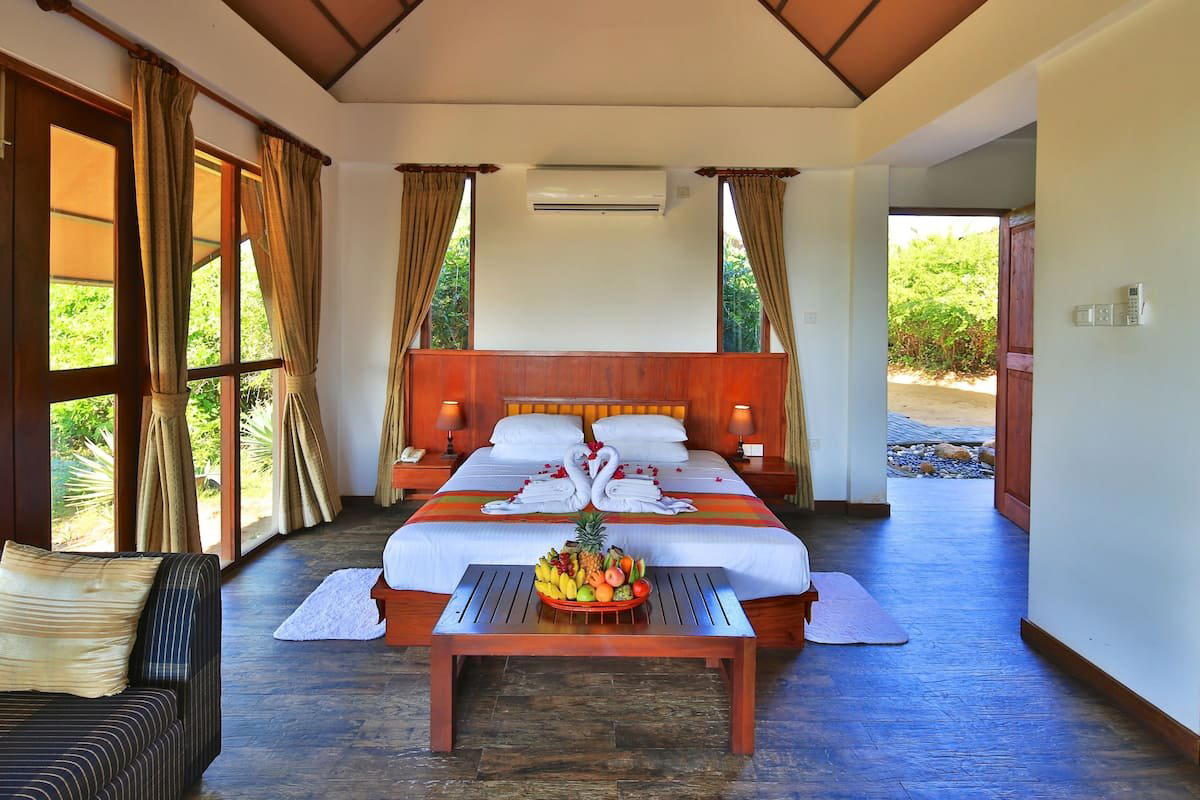
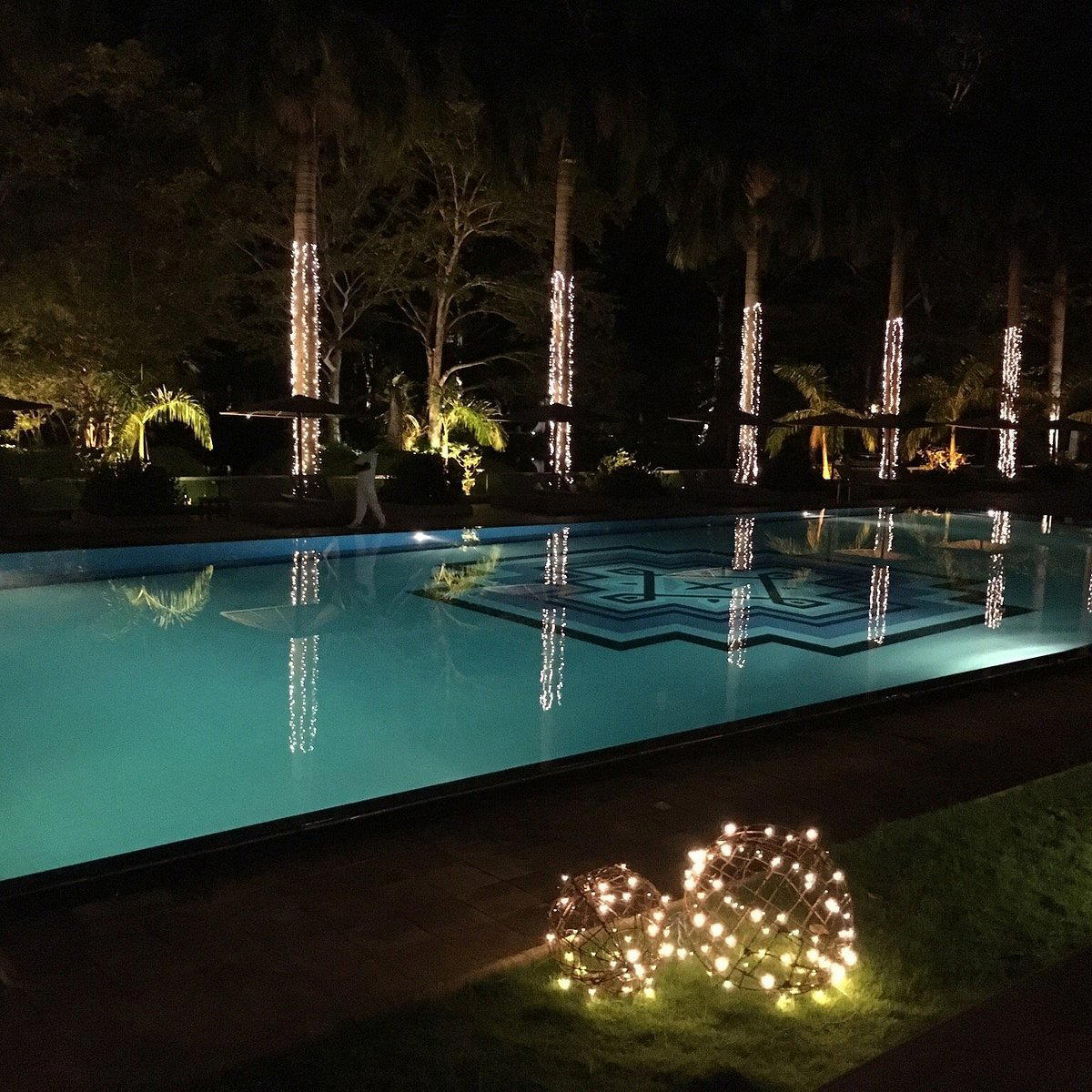
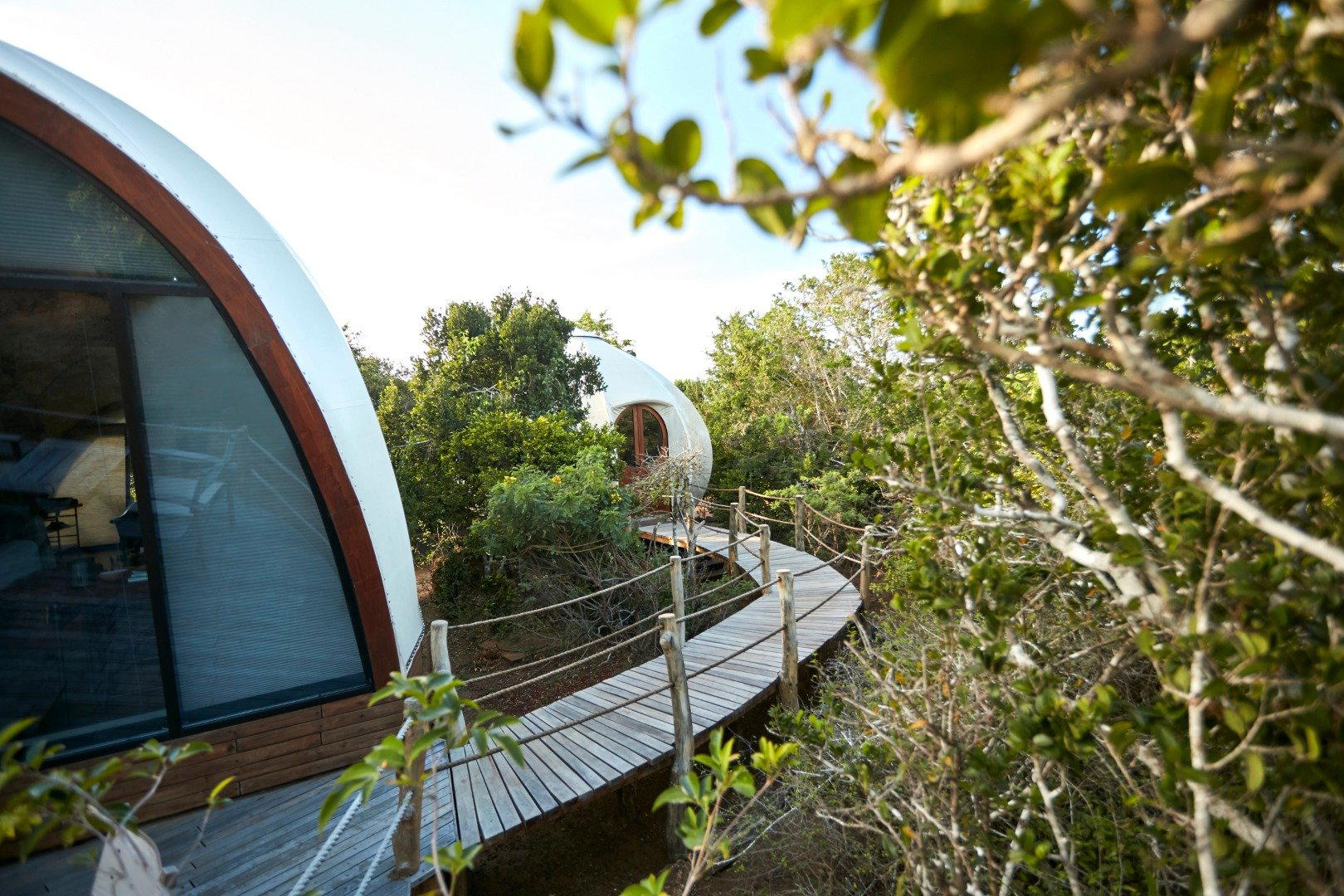
Bars in Palatupana
Browse all →
Details
- Scenic
- Rustic
- Elegant
- Special Occasion
- Family
- Beachfront
- Waterfront
- Terrace
- Local Sourcing
- Waterfront
- Buffet
- A La Carte
- Vegetarian Friendly
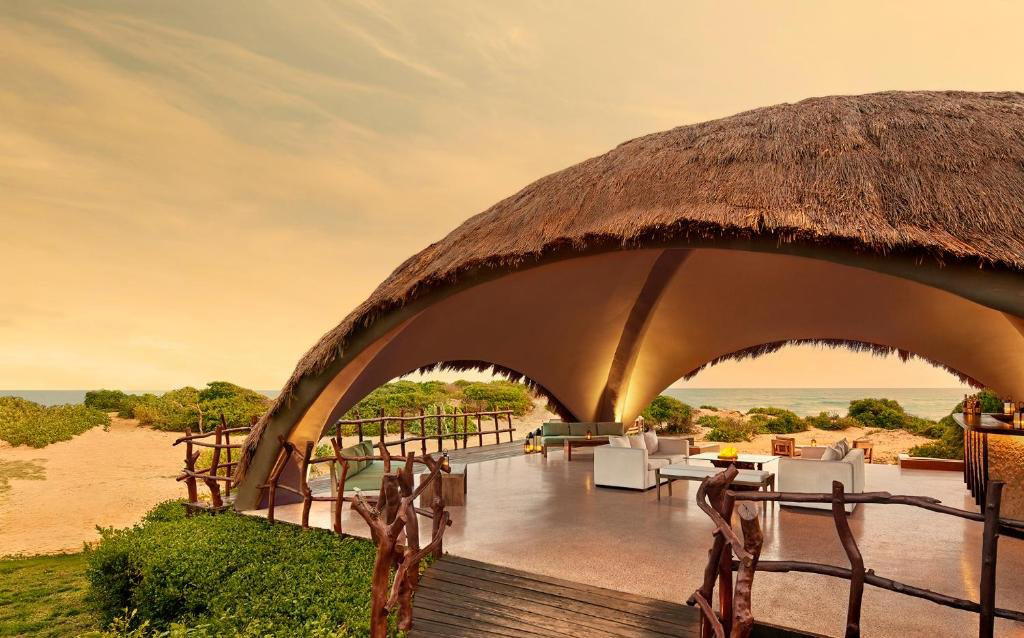
Serene beachside atmosphere with polished panoramic ocean views and relaxed coastal wilderness setting.