

Set inside Colombo's restored Old Dutch Hospital complex, Ministry of Crab has held a place on Asia's 50 Best Restaurants list and earned recognition from Opinionated About Dining. The menu centres on Sri Lankan lagoon crab, cooked with a spice vocabulary drawn from the island's culinary tradition. It is among the more internationally recognised restaurants in Sri Lanka.
Pearl is the En Primeur Club membership app — saves, bookings, and concierge access live there. Same editors, same standards.
- Address
- Old Dutch Hospital Complex, 04 Hospital St, Colombo 00100, Sri Lanka
- Phone
- +94 77 002 4823
- Website
- ministryofcrab.com
- Directions
- Get directions
 Saves & bookings on Pearl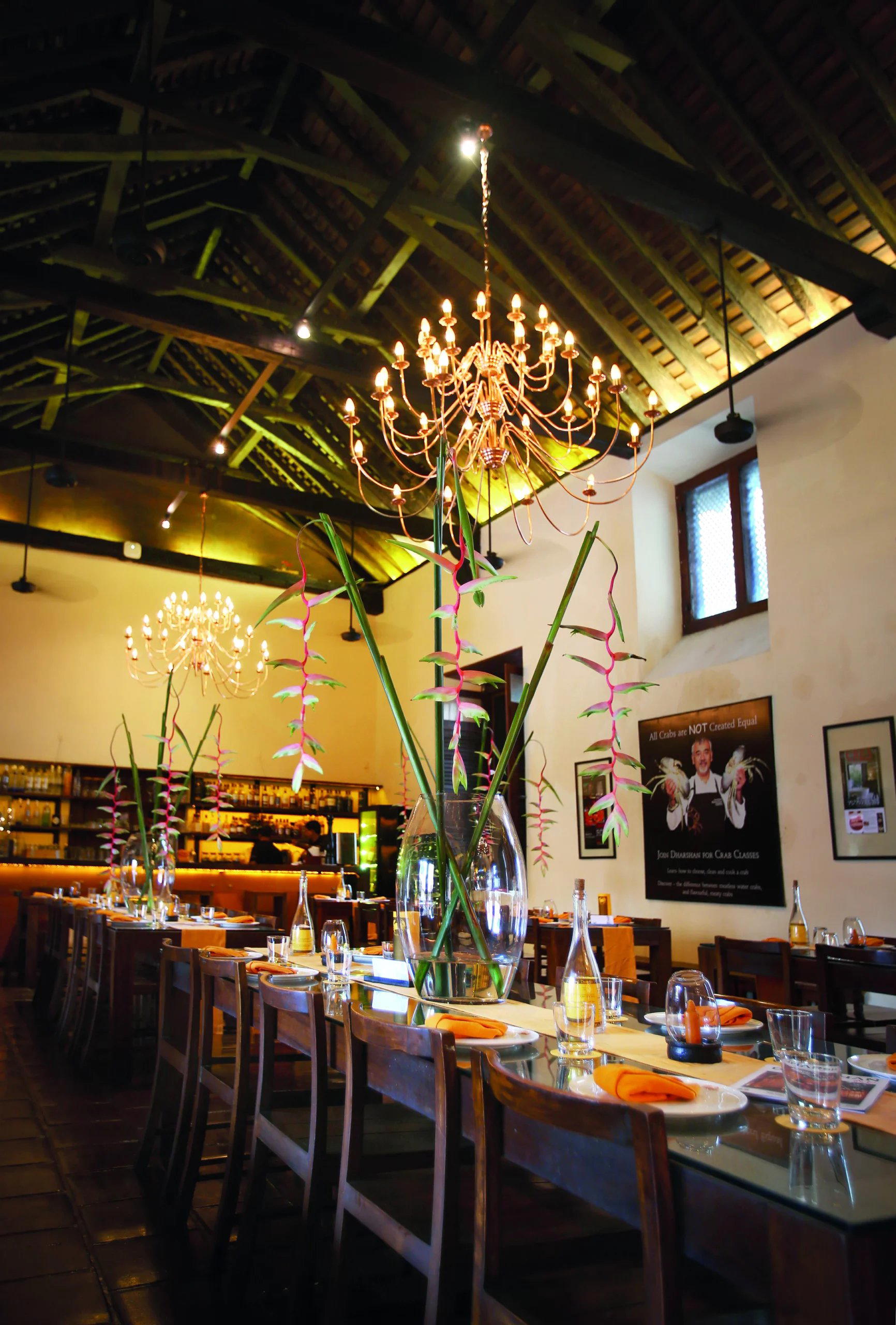
Where Colonial Stone Meets Live Crab
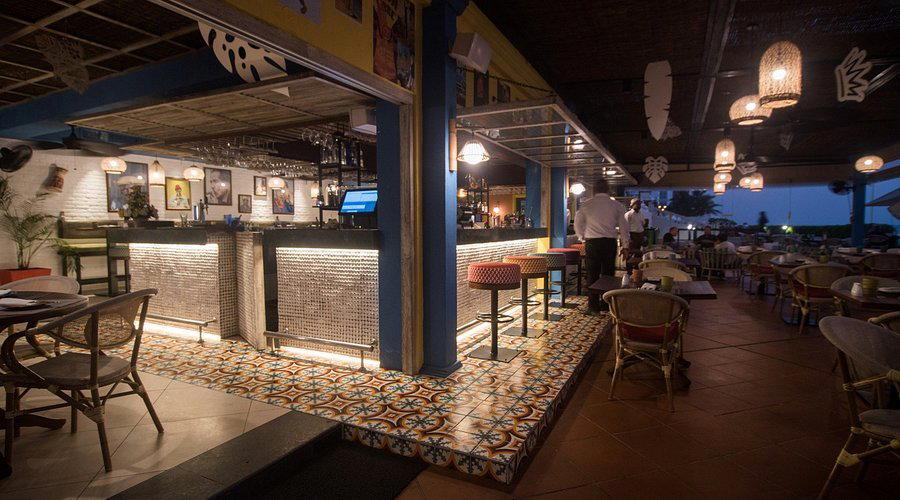
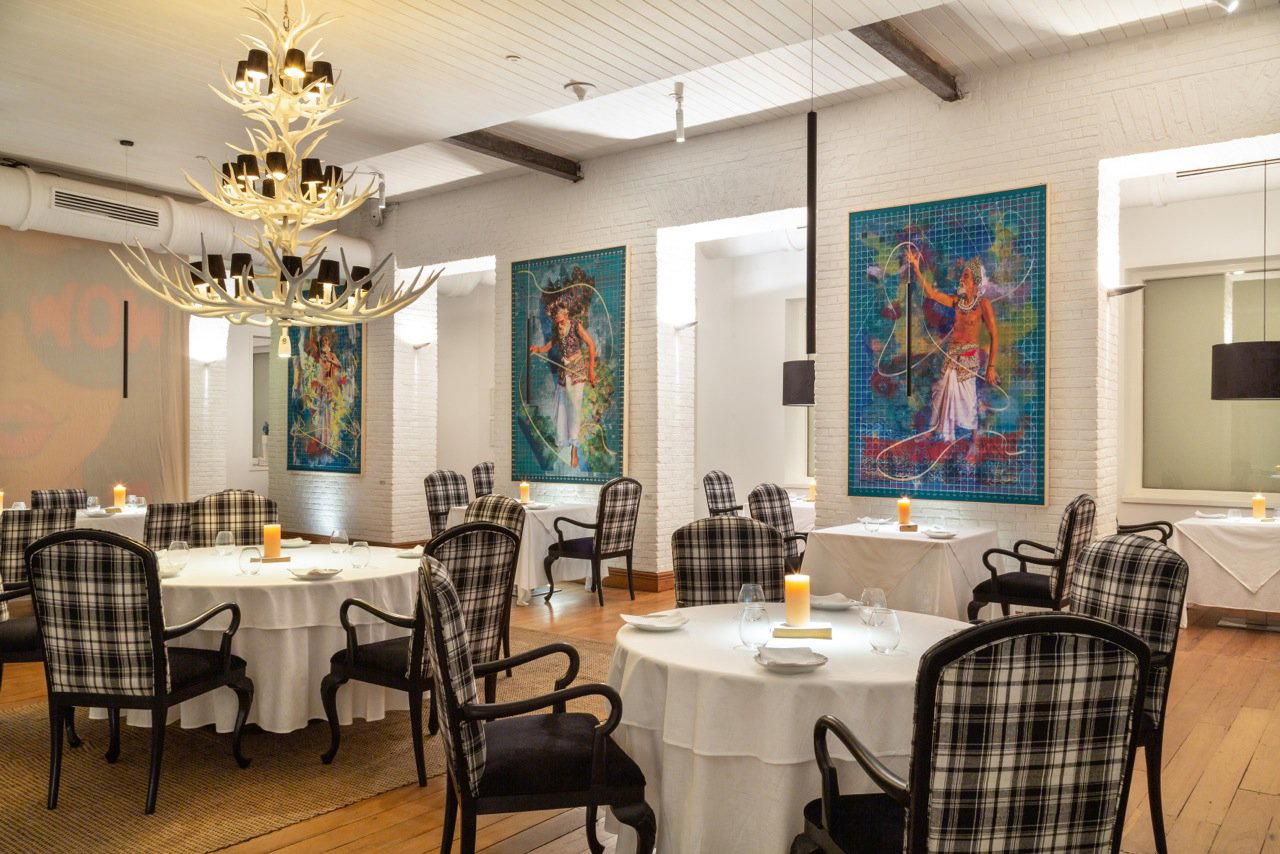
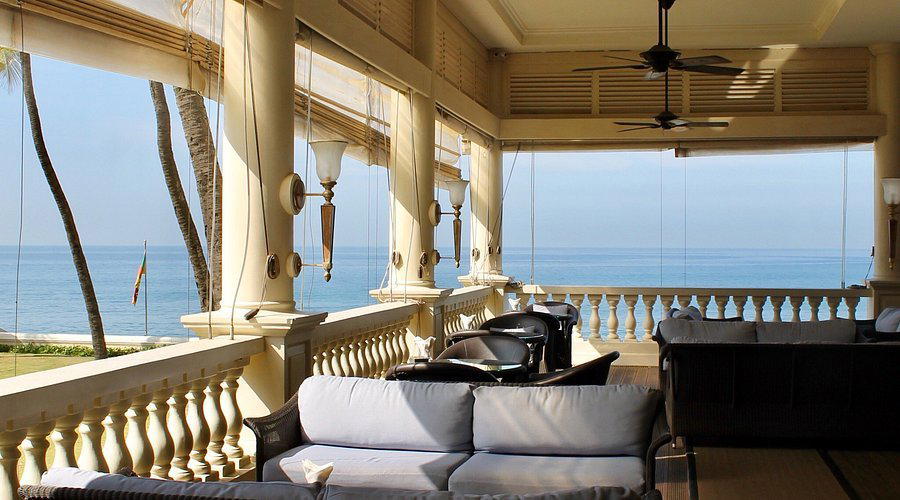
The Old Dutch Hospital complex in Fort, Colombo, is one of the oldest colonial structures in the city, its stone arches and open courtyards converted into a dining and retail quarter that sits at a deliberate remove from the surrounding financial district. Arriving here in the early evening, the transition is abrupt: the traffic and heat of Colombo's streets give way to thick walls and shaded corridors. Ministry of Crab occupies part of this complex, and the setting does real work before a dish arrives. The architecture frames the meal in a way that a purpose-built dining room rarely can.
That physical context matters because it establishes the register. This is not a casual seafood shed, nor is it a clinical fine-dining box. The Old Dutch Hospital's colonnaded spaces place the restaurant in a category common across Southeast Asia, where repurposed heritage buildings carry ambient authority that newer construction borrows heavily from. Within Colombo specifically, the Fort and Galle Face precinct has become the reference point for that kind of dining, and Ministry of Crab is among the venues that established that precedent.
The Spice Logic Behind a Crab-Focused Menu
Sri Lankan cooking is frequently described through heat, but that framing compresses what is actually a more structured approach to spice. The island's kitchen tradition distinguishes between spices used whole and early, those ground into pastes and added mid-cook, and those bloomed in oil at the end to finish a dish. Each technique extracts different compounds, builds different aromatic layers, and produces a different texture of heat. This architecture is not decorative; it is load-bearing. A Sri Lankan crab preparation that relies only on chilli powder tastes flat against one that has cycled through mustard seed, curry leaf, pandan, and a finishing temper of dried red chilli in coconut oil.
Ministry of Crab, under chef Dharshan Munidasa, applies this vocabulary to Sri Lankan mud crab. The menu's orientation toward a single primary ingredient is a deliberate formal constraint, one that forces the kitchen to articulate the same product through different spice treatments rather than hiding behind variety. It is a structure familiar from the leading crab houses in coastal India and from some of the technically serious seafood restaurants elsewhere in Asia, though the spice grammar here is distinctly Sri Lankan rather than borrowed from those traditions. The result is a menu where understanding the spice progression across dishes teaches you something about the cuisine, not just the restaurant.
Internationally, crab-specialist restaurants have grown in prestige as the single-protein tasting format has gained traction. The restaurant's position in Asian dining. That positioning is reflected in its recognition: the restaurant ranked 58th on Asia's 50 Best list in 2025. In the context of Colombo's dining scene, those signals represent a significant tier above the city's general restaurant market.
Colombo as a Context for This Kind of Cooking
Sri Lanka's culinary reputation internationally has historically been absorbed into the broader South Asian category, its specificity lost behind the more prominent profiles of Indian and Thai cuisine. That has changed in the past decade, with Sri Lankan restaurants gaining distinct footholds in London (Rambutan), Singapore (Kotuwa), New York (Lakruwana, Lungi, Sagara), Doha (Hoppers), Tokyo (HOPPERS), and Kuala Lumpur (Aliyaa). The diaspora restaurant wave has made the cuisine legible to international diners in a way that increases, rather than diminishes, the pull of the source. For anyone arriving in Colombo with those reference points, the restaurant sits at the end of that chain, closest to the ingredient itself.
Within Sri Lanka, the coastal tradition of cooking crab and large crustaceans with whole spice and coconut-based preparations has deep roots, particularly in the south and west of the island. Coastal properties elsewhere in the country, including Cape Weligama in Weligama and COAST in Yala, engage with Sri Lankan seafood from a different angle, embedded in resort contexts where landscape and leisure are part of the proposition. The restaurant operates differently: it is a city restaurant built around a specific culinary argument, one that happens to be set inside a landmark building rather than a beach resort. The comparison clarifies what each type of venue is doing.
Awards as a Calibration Tool
A ranking of 58 on Asia's 50 Best in 2025 is a useful peer indicator. The list's methodology, weighted toward industry votes, places the restaurant in the same conversation as technically serious restaurants across the continent. Two separate ranking systems arriving at the same conclusion about a restaurant in a city that is not yet on the primary international fine-dining circuit carries more weight than either signal alone. For reference, venues like Atomix in New York and Emeril's in New Orleans each occupy defined positions within their local hierarchies, and the restaurant occupies a comparable role in Colombo: the restaurant that consistently appears when international visitors ask where to eat.
Planning Your Visit
The restaurant is open Tuesday through Sunday, from noon to 10:30 pm. The address is the Old Dutch Hospital Complex, 04 Hospital St, Colombo 00100, placing it in the Fort district, walkable from the Galle Face Green hotel corridor and accessible by tuk-tuk from most central Colombo accommodation. Reservations are essential, particularly for Friday and Saturday evenings. The volume of reviews suggests consistent traffic from both international visitors and Colombo residents, which means walk-in availability at peak times is not reliable.
A Quick Peer Check
Comparable venues nearby, for context on price, style, and recognition.
| Venue | Cuisine | Price | Awards | Notes |
|---|---|---|---|---|
| Ministry of CrabThis venue — the venue you are viewing | Sri Lankan Mud Crab Seafood | $$$$ | World's 50 Best #58 | Not listed |
| The Gallery Café | Sri Lankan Fusion | $$$ | Not listed | Colombo 03 |
| The Bayleaf | Authentic Italian in Colonial Villa | $$ | Not listed | Colombo 7 |
| The Lagoon | Sri Lankan Seafood | $$$ | Not listed | Colombo 03 |
| Crystal Jade | Authentic Cantonese & Hong Kong Chinese | $$$ | Not listed | Colombo 03 |
| The Station Restaurant & Bar | Sri Lankan Seafood | $$$ | Not listed | Dehiwala |
Recognition history
Dated appearances from independent guides and award organizations, with the underlying list record or original source where available.
Opinionated About Dining Top Restaurants in Asia Recommended
Opinionated About Dining
World's 50 Best Asia's Best Restaurants #94
World's 50 Best
Opinionated About Dining Top Restaurants in Asia Ranked #457
Opinionated About Dining
World's 50 Best Asia's Best Restaurants #58
World's 50 Best
Opinionated About Dining Top Restaurants in Asia Recommended
Opinionated About Dining
At a Glance
- Lively
- Well Known
- Elegant
- Energetic
- Special Occasion
- Group Dining
- Celebration
- Date Night
- Open Kitchen
- Historic Building
- Extensive Wine List
- Sustainable Seafood
- Local Sourcing
Current opening hours
- Monday
- Closed
- Tuesday
- 12–10:30 PM
- Wednesday
- 12–10:30 PM
- Thursday
- 12–10:30 PM
- Friday
- 12–10:30 PM
- Saturday
- 12–10:30 PM
- Sunday
- 12–10:30 PM
Hours can change for holidays and private events. Last verified .
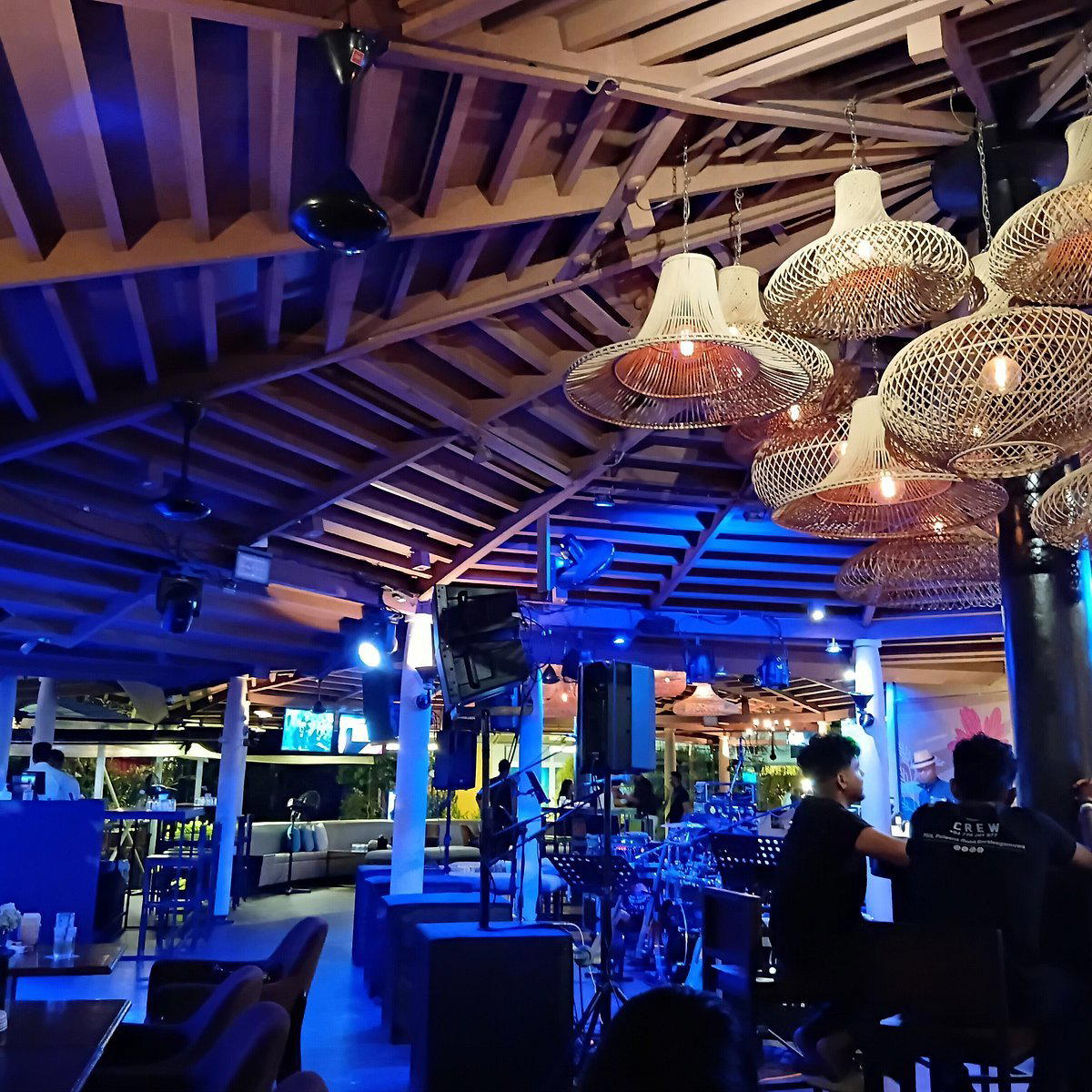
Buzzy and lively atmosphere in a 400-year-old restored Dutch colonial building with exposed brick walls, high ceilings, minimalist decor, open kitchen, and lively energy.