
Preferred Hotels Member
Compared to the established names further inland, this property trades central business district proximity for sea exposure, making it a different calculation for travellers who orient their Colombo stay around the water rather than the Fort district.

Pearl is the En Primeur Club membership app — saves, bookings, and concierge access live there. Same editors, same standards.
- Address
- 590 Marine Drive, Colombo 00300
- Phone
- +94 112 375 375
- Website
- marinobeach.com
- Directions
- Get directions
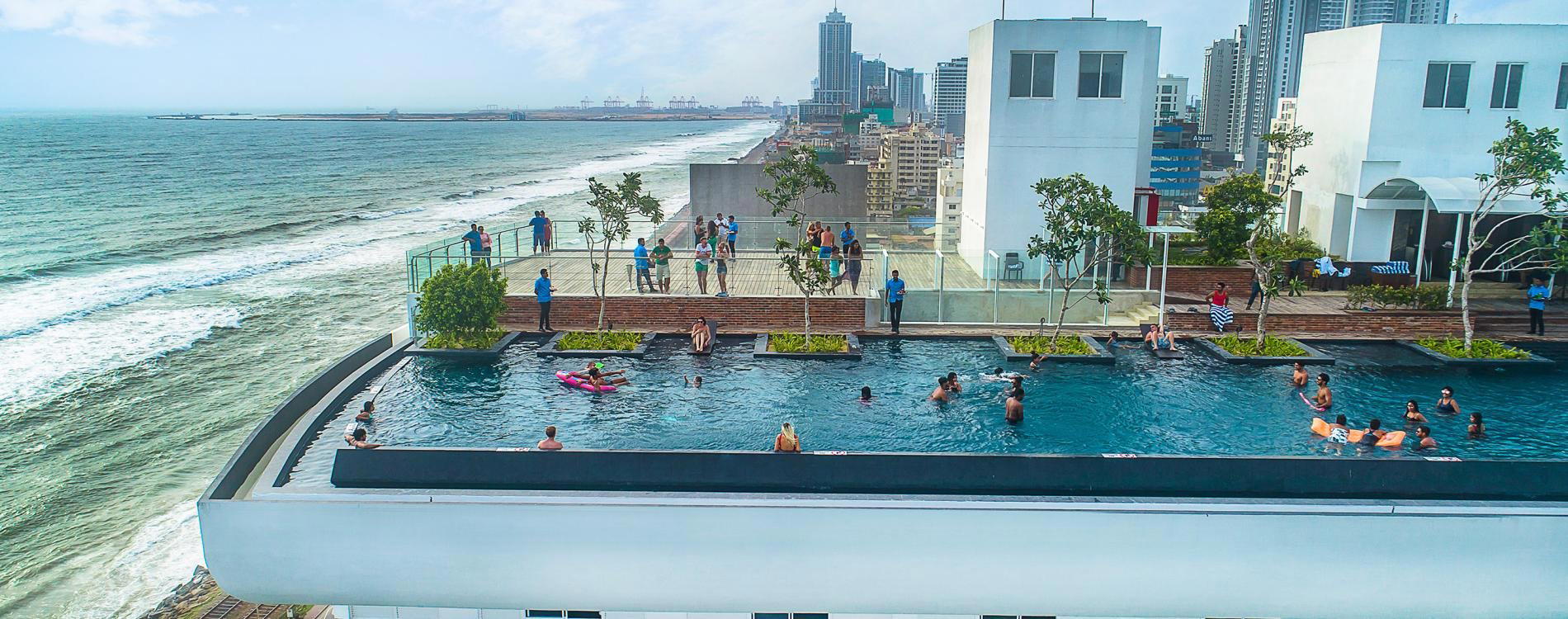
Scale, Format, and What 289 Rooms Signals
In Sri Lanka's hotel market, 289 rooms is a count associated with full-service properties that carry conference infrastructure, multiple food and beverage outlets, and the staffing depth to handle group travel alongside leisure guests. This is the operational register of properties like Heritance Ahungalla on the south coast, or the Hilton Yala Resort near Tissamaharama, hotels built to serve travellers with varied needs rather than a single curated experience. Against the smaller, design-led end of the Colombo market, Marino Beach trades intimacy for range: more room categories, more facilities, more flexibility for guests arriving with different purposes.
That scale also places it in direct comparison with the Hilton Colombo as a full-service city option, though the two properties answer different location questions. The Hilton sits inside the city's commercial core; Marino Beach sits on its coastal edge. Which matters more depends entirely on the itinerary. To the north, Galle Face and the Fort district hold the colonial-era buildings, the National Museum, and the city's most recognisable open space. To the south, the road runs toward Bambalapitiya and eventually Kollupitiya, where the city's independent restaurant culture is more developed, rice-and-curry lunch spots, bakeries running on Dutch Burgher recipes, and newer addresses serving Colombo's expanding professional class.
For travellers using Colombo as a gateway rather than a destination in itself, heading south to Amangalla in Galle, the surf coast around Cape Weligama, or the tea country properties like Ceylon Tea Trails or the Karpaha Sands on Kalkudah Beach on the east coast, Gal Oya Lodge in the national park, Nine Skies in Demodara, or the hill-country seclusion of Ceylon Tea Trails Norwood Bungalow in Hatton. Colombo typically anchors the beginning and end of these itineraries, and the city's southern seafront addresses provide a decompression zone between Sri Lanka's interior and Bandaranaike International Airport. The property's 289-room count suggests standard hotel booking channels apply, and advance reservation during the high season (December through March, when the southwest coast is dry and international arrivals peak) is the practical approach. Our full Colombo guide covers timing, neighbourhood breakdown, and how the city's hotel tiers compare across price and position.
Travellers who prioritise design-led intimacy over scale would look instead at Tintagel or the Kumu Beach property in Balapitiya for something with a smaller footprint. Those for whom a direct ocean address in a full-service format is the deciding factor will find fewer alternatives of comparable size in Colombo. Additional context on properties operating at a similar international standard can be drawn from how large-format luxury addresses handle the city-resort balance elsewhere: Aman New York, The Fifth Avenue Hotel, and Aman Venice each demonstrate how a defining address shapes a property's identity in ways that amenity lists alone cannot.
What is the leading suite at Marino Beach Colombo?
Contacting the property directly or checking the official booking channel will confirm the current suite hierarchy and pricing.
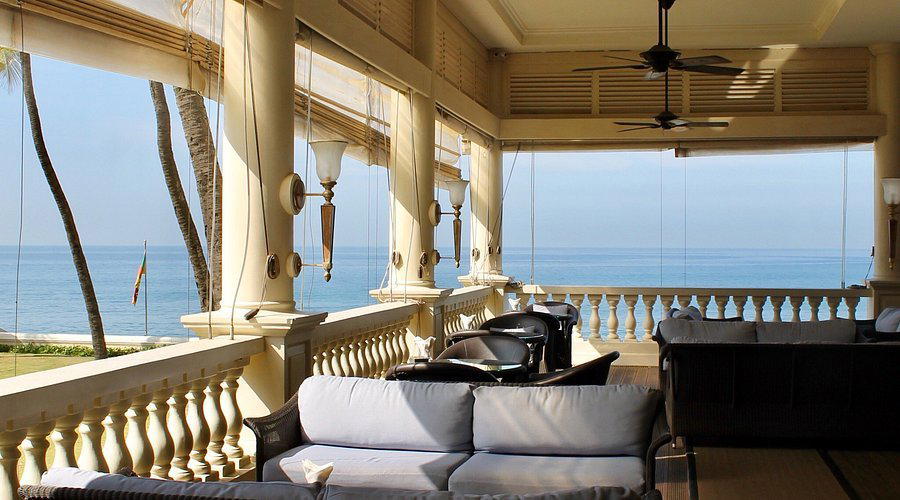
What is Marino Beach Colombo leading at? In a city where coastal access is either heavily trafficked (Galle Face Green area) or absorbed into development, a 289-room hotel sitting directly on the seafront south of the city centre fills a specific gap. For travellers whose Colombo stay is oriented around the ocean rather than the Fort business district, this is the address that answers that requirement at volume.
Do they take walk-ins at Marino Beach Colombo?
Walk-in availability at a 289-room property depends entirely on occupancy, and Colombo's high season (December to March) compresses availability across all full-service hotels in the city. The reliable approach is advance reservation through a standard hotel booking platform or direct contact with the property. For comparison, how other full-service Colombo hotels handle availability can be gauged through Hilton Colombo and the Galle Face Hotel, both of which operate at similar scale and visibility.
The Quick Read
Comparable venues nearby, for context on price, style, and recognition.
| Venue | Price | Awards | Notes |
|---|---|---|---|
| Marino Beach ColomboThis venue — the venue you are viewing | Not listed | Preferred Hotels Member | Not listed |
| Paradise Road Tintagel Colombo | $300–500 | Michelin Selected · La Liste Top Hotels | Cinnamon Gardens, Colonial heritage boutique hotel with residential neighborhood positioning, emphasizing historical significance and intimate luxury. |
| Hilton Colombo | Not listed | World Luxury Hotel Awards WLHA Regional Winner | business district, Modern business luxury hotel with ocean views |
| Hilton Colombo Residences | $1–100 | World Luxury Hotel Awards WLHA Regional Winner | Ibbanwala, Urban luxury serviced residences |
| SOFIA COLOMBO CITY HOTEL | Not listed | Not listed | Bambalapitiya, Contemporary urban hotel blending business and leisure with sustainable LEED Silver certification. |
| Galle Face Hotel | Not listed | Michelin Selected | Colombo 3, Historic colonial grande dame with modern refurbishments |
Recognition history
Dated appearances from independent guides and award organizations, with the underlying list record or original source where available.
Preferred Hotels Member
Preferred Hotels


Details
- Modern
- Trendy
- Elegant
- Sophisticated
- Romantic Getaway
- Business Trip
- Family Vacation
- Weekend Escape
- Beachfront
- Infinity Pool
- Rooftop Pool
- Panoramic View
- Wi Fi
- Pool
- Spa
- Fitness Center
- Room Service
- Concierge
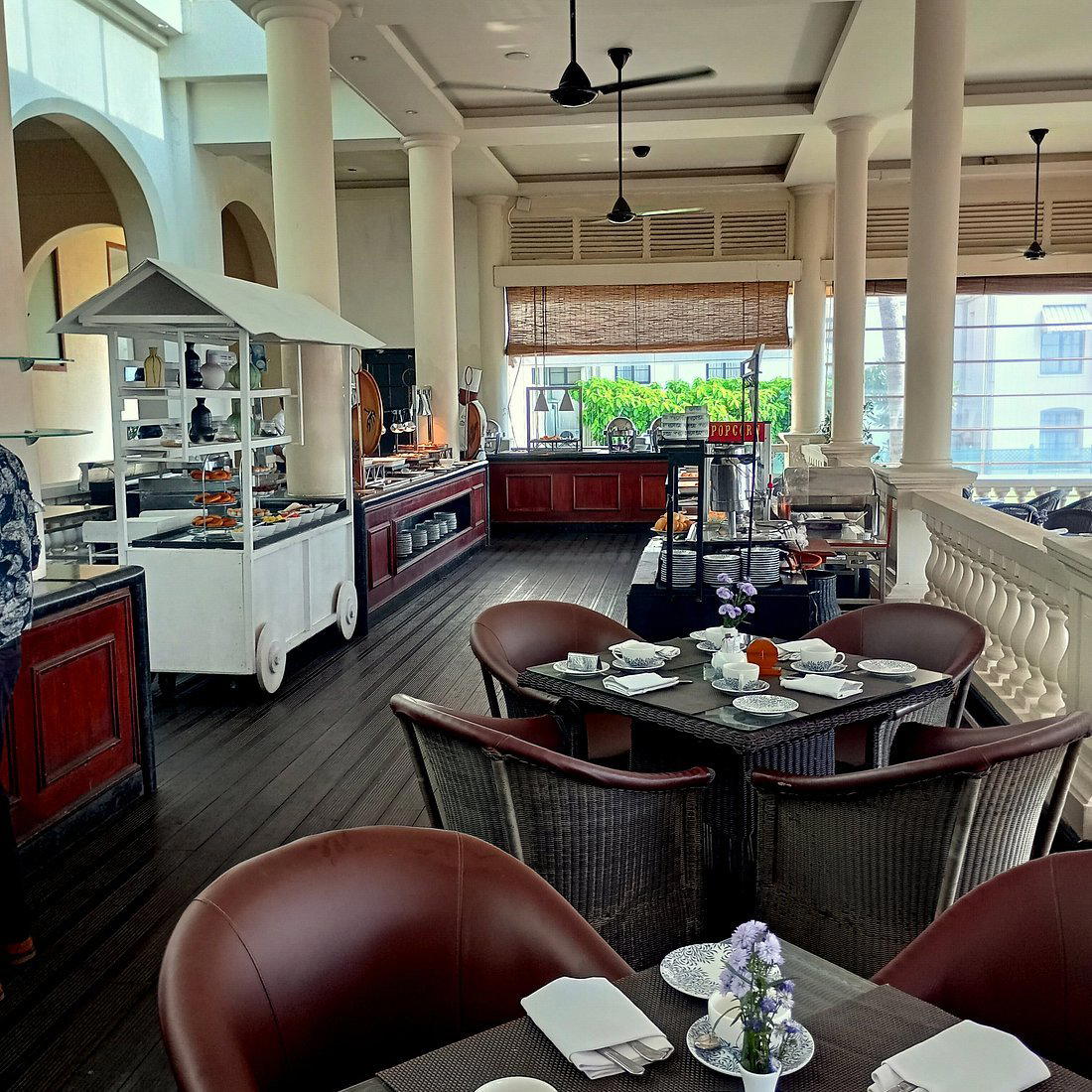
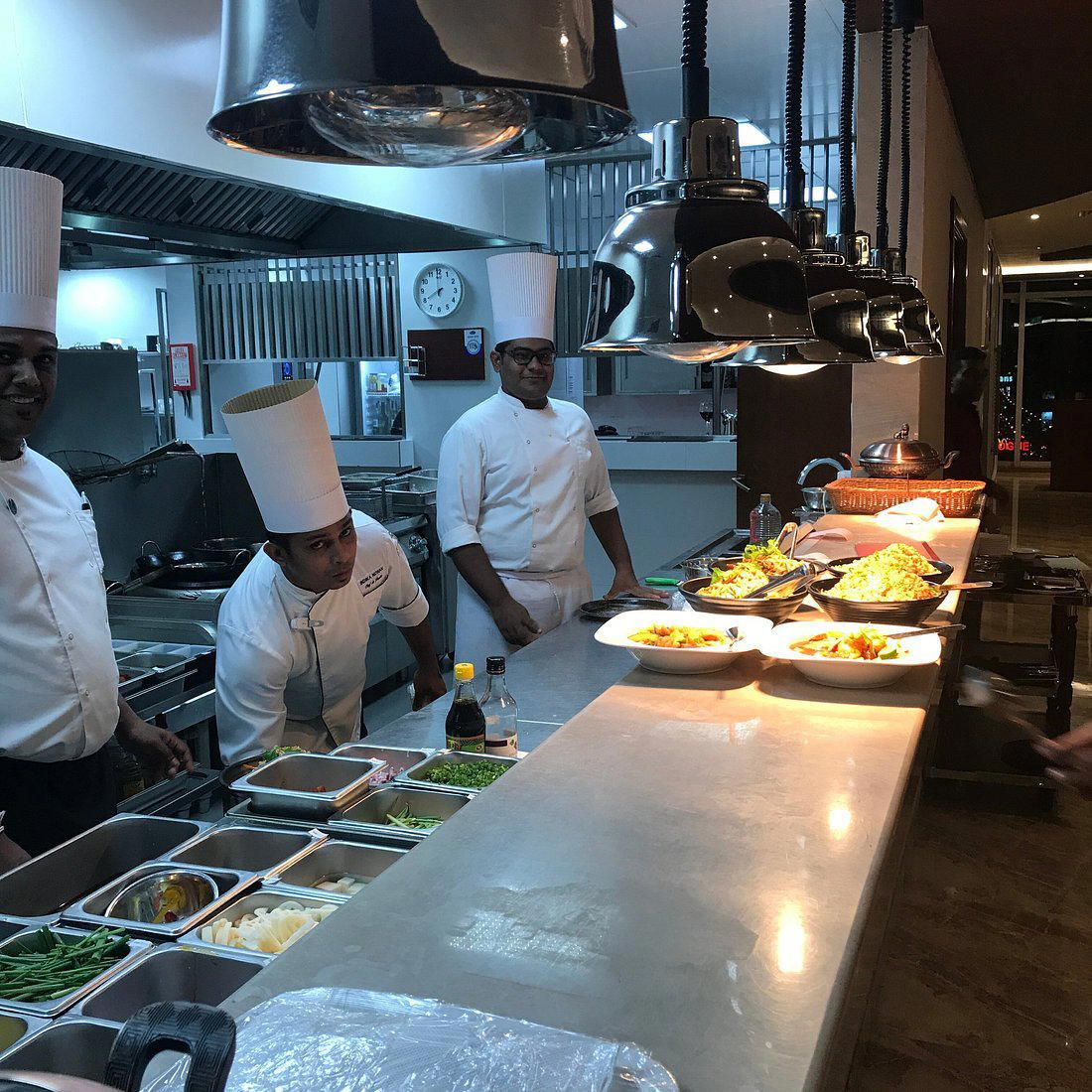
- Restaurant
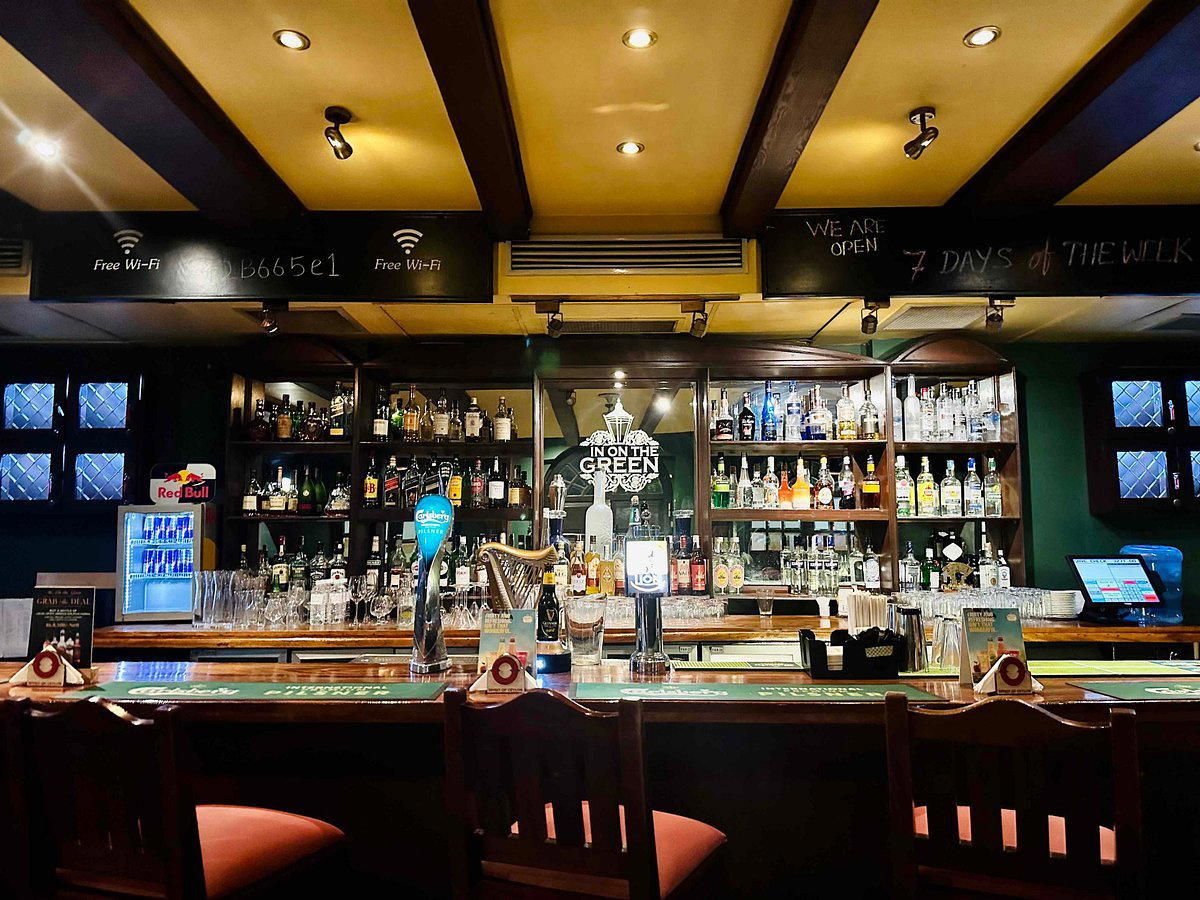
- Bar
- Waterfront
- Skyline
- Elevator
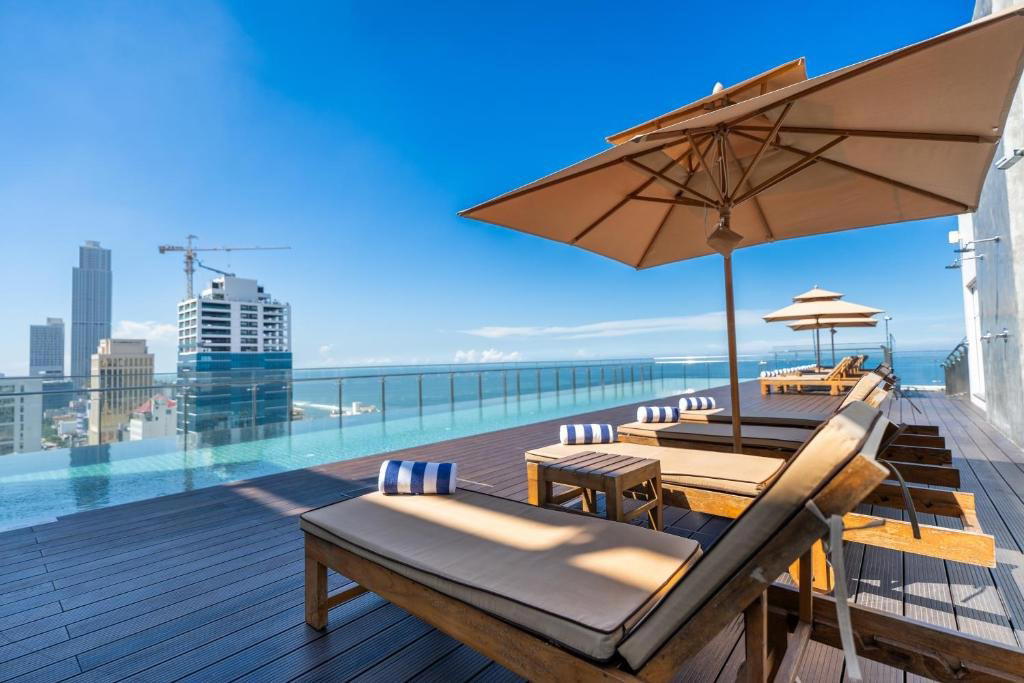
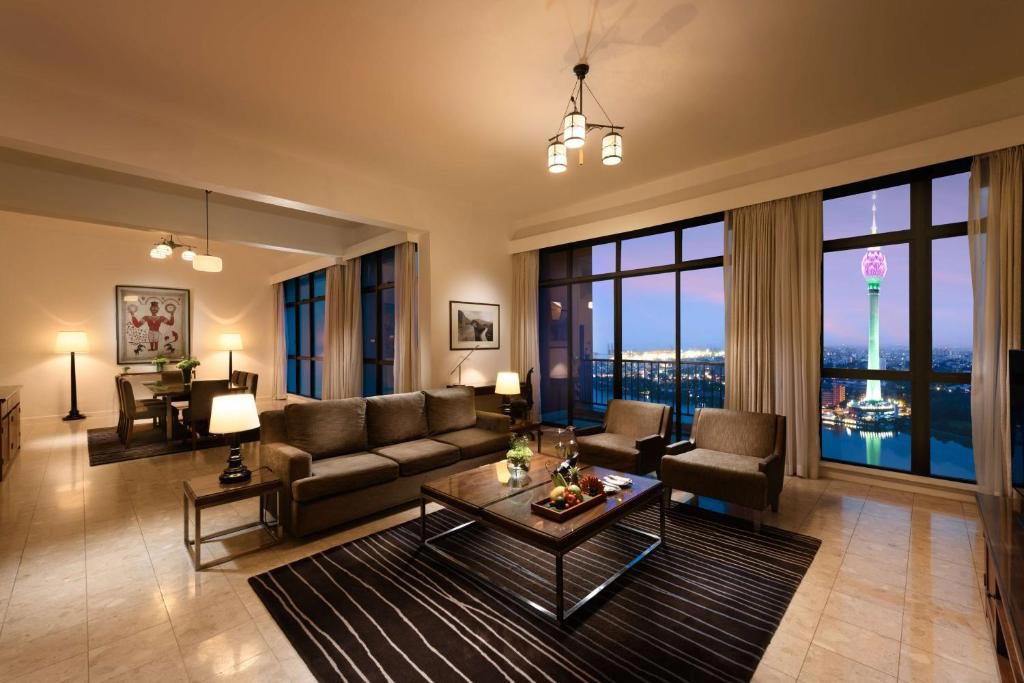
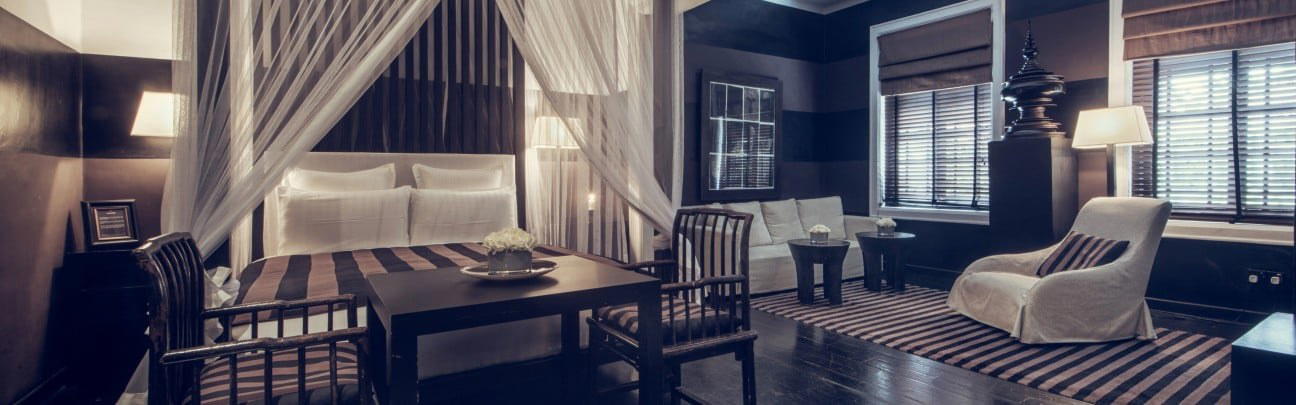
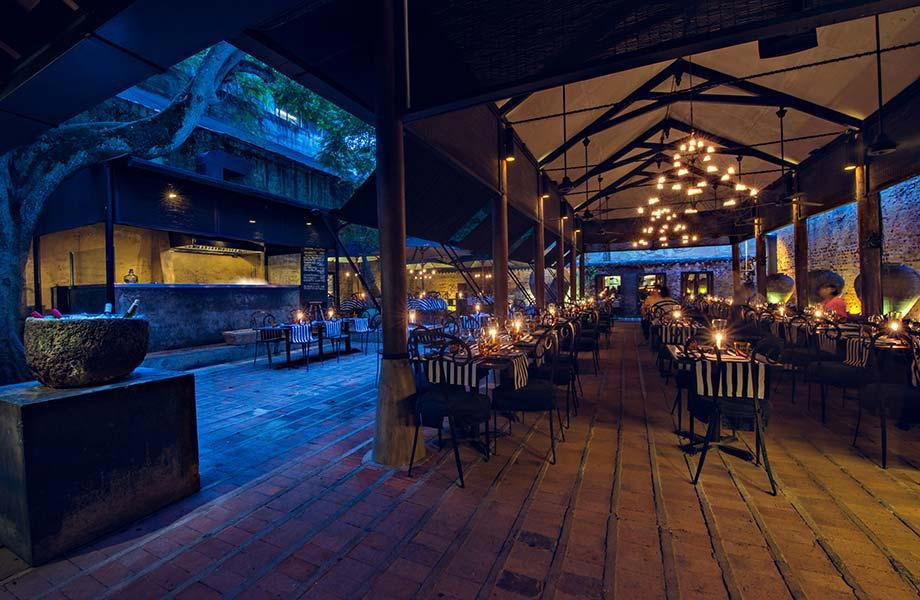
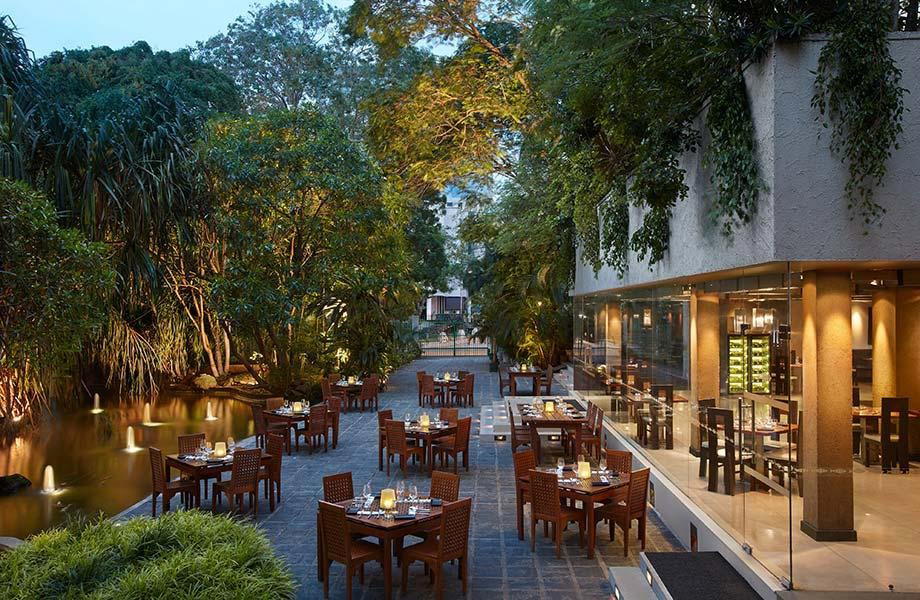
Modern and tranquil with spacious, spotlessly clean rooms featuring excellent lighting, sea-view balconies, and a serene rooftop pool area.