Our verdict
Korean cooking occupies a narrow but dedicated niche within Colombo's international dining scene, and Kim's Family Korean on Deal Place represents that niche at its most direct. Operating from a residential address in central Colombo, the restaurant draws a regular crowd seeking fermented, grilled, and braised Korean staples rather than fusion adaptations. For those tracking where the city's non-Sri Lankan kitchen traditions are taking root, it warrants attention.

Pearl is the En Primeur Club membership app, where members save venues, book tables and use the concierge.
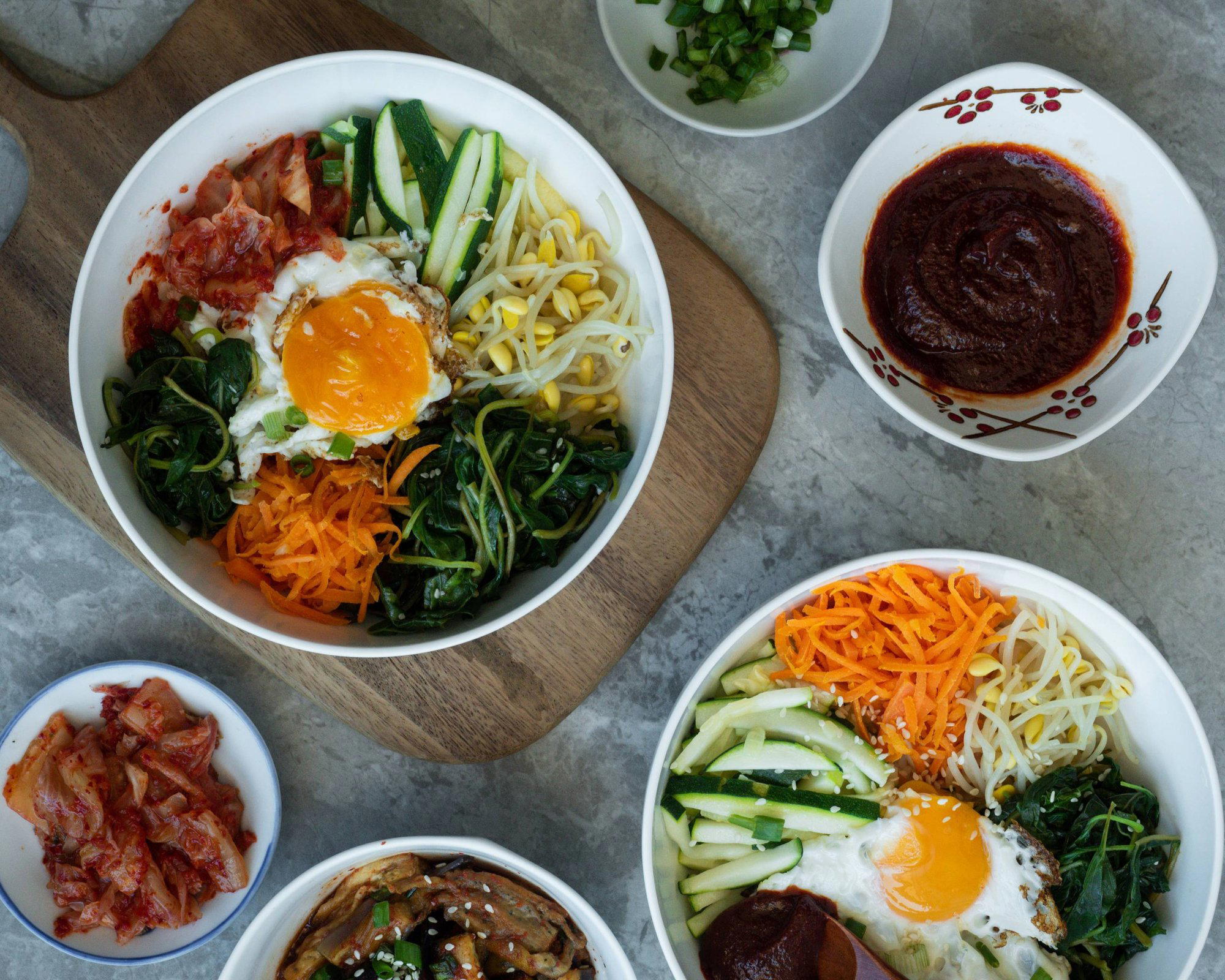
The menu
What to order
- Beef Bulgogi
- Pork Belly
- Kimchi Jjigae
Korean Cooking in Colombo: A Minority Tradition With a Loyal Following
Colombo's restaurant scene is anchored, understandably, in Sri Lankan and South Asian cooking, with Chinese and Thai formats occupying a secondary tier of long-established international presence. Korean food sits further from the centre of that picture, a minority tradition supported by a small but consistent expatriate and enthusiast base. Deal Place, a quiet residential strip in Colombo 3, is not where you would expect to find it. That off-pitch location is partly what defines Kim's Family Korean's positioning: it functions as a neighbourhood fixture rather than a destination restaurant, drawing repeat visitors through familiarity and consistency rather than foot traffic or visibility. For our full Colombo District restaurants guide, this kind of embedded, community-serving address represents a distinct category within the city's dining map.
The Physical Environment and What It Signals
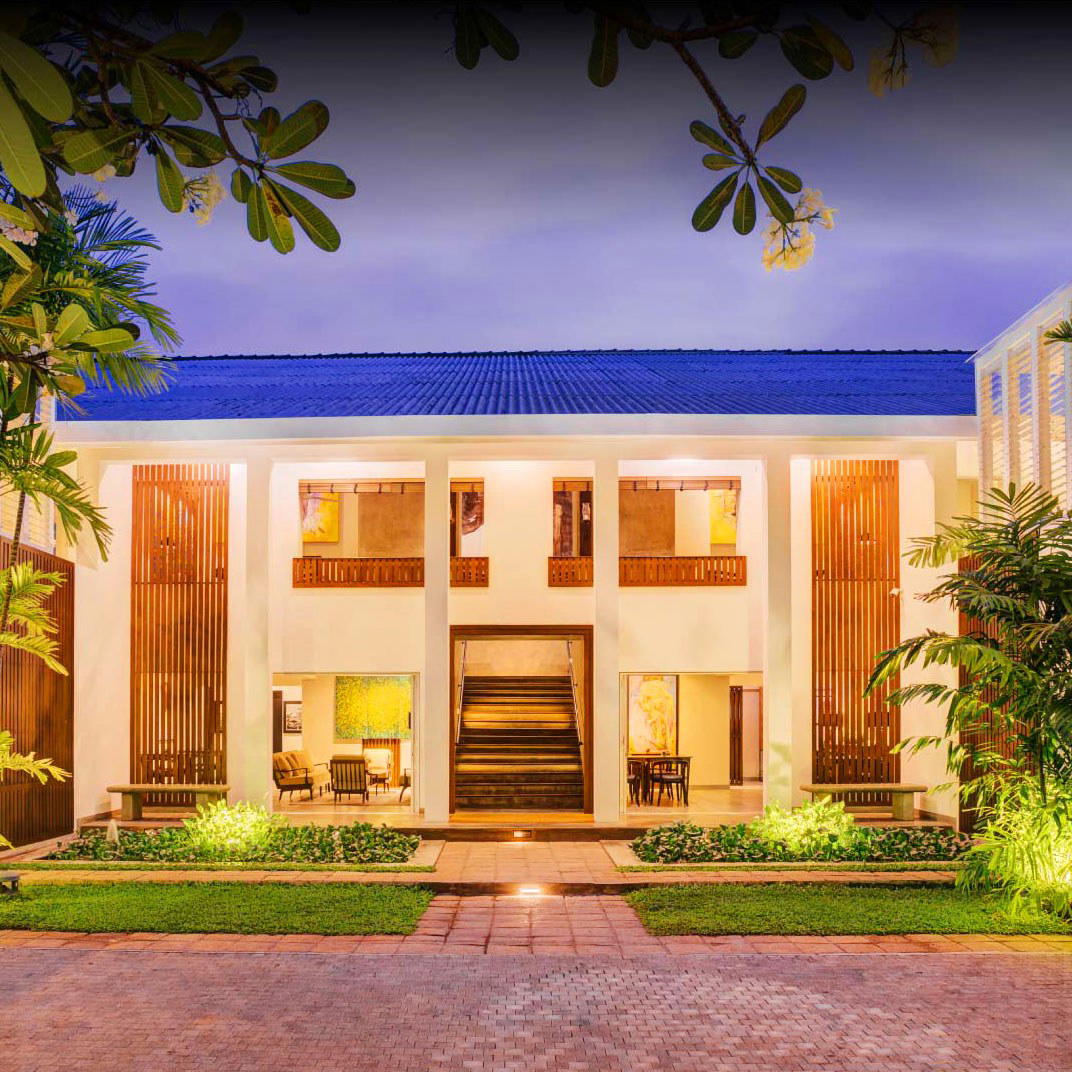
Approaching along Deal Place, the setting is quiet and residential, with little of the commercial density that marks Colombo 3's busier corridors. The address, No. 3 Deal Place A, places the restaurant in a converted or adapted space rather than a purpose-built dining room, which is common for this tier of Korean dining across South and Southeast Asia. In cities where Korean restaurants operate as community anchors rather than commercial flagships, the interior tends toward function over atmosphere: practical seating, direct lighting, the low hum of a kitchen focused on output rather than presentation. That format shapes the kind of experience on offer before a dish arrives: you are eating in a place built around the food itself.
Ingredient Sourcing and the Korean Kitchen in Sri Lanka
Korean cooking places unusual demands on its supply chain. The fermented base of the cuisine, gochujang, doenjang, kimchi in its many forms, typically requires either reliable importation or, in more established diaspora communities, local production that has accumulated over years. In Sri Lanka, neither pathway is as developed as in larger Southeast Asian cities with longer Korean expatriate histories, such as Singapore, Kuala Lumpur, or Bangkok. Restaurants operating in this environment make sourcing decisions that shape the menu significantly: some rely heavily on imported condiments and proteins; others adapt the format to locally available ingredients while preserving the cooking logic. The fermentation-forward character of Korean food, built on time and controlled microbial processes rather than expensive raw ingredients, is one reason the cuisine travels at all, the core flavour architecture does not depend on proximity to a Korean agricultural base the way, say, highly seasonal Japanese kaiseki does.
This sourcing reality places Kim's Family Korean in a broader pattern visible across South Asian cities that host small but active Korean communities. The menu at a family-format restaurant of this kind typically centres on dishes whose primary complexity comes from preparation and fermentation rather than from the provenance of a single ingredient: braised or stewed formats, griddled meats served with fermented accompaniments, rice and noodle bases that absorb ambient flavour. Contrast this with Colombo's coastal-focused kitchens, Ministry of Crab in Colombo is the obvious reference point, where the sourcing story is entirely local and the premium is placed on product provenance, and you can see how different kitchen traditions organise their quality arguments differently.
Where Korean Food Sits in Colombo's International Dining Scene
International dining in Colombo has grown more varied over the past decade, though it remains concentrated in a small number of cuisines. Chinese cooking, represented in the city for generations, maintains the deepest non-South Asian footprint, Crystal Jade in Colombo operates at the formal end of that tradition. Thai formats have also established themselves, as the presence of venues like Grand Thai Restaurant in Nuwara Eliya suggests even outside the capital. Korean restaurants, by contrast, remain sparse, which means the few that operate do so without significant peer competition but also without the reinforcing ecosystem, specialist suppliers, trained staff pipelines, regular ingredient imports, that makes restaurant operations easier.
That scarcity has a practical implication for the diner: Kim's Family Korean functions less as one option among many and more as the available option for its format in its part of the city. Regulars tend to anchor to venues in this position strongly, which generates the kind of loyal, repeat-visit customer base that sustains a family-run operation over time. It also means that the restaurant's relationship to authenticity is read differently by its audience than it would be in Seoul or even in a larger diaspora hub: the standard applied is relative to what is available in Colombo, not to what is available in the country of origin.
For context on the range of dining formats across Sri Lanka more broadly, the island's restaurant scene includes everything from coastal resort dining, AQUA Forte in Galle, KAIYŌ in Weligama, and COAST in Yala, to local community restaurants serving regional Sri Lankan cooking, such as Priyamali Gedara in Kaduruwela and U.S. Restaurant in Jaffna. Kim's Family Korean occupies a separate category within this map, neither resort-adjacent nor regionally Sri Lankan, but part of the urban international layer that Colombo supports as the country's commercial capital.
Planning a Visit
The restaurant is located at No. 3 Deal Place A, Colombo 3, in a quiet residential area accessible by tuk-tuk or car from central Colombo. As with many small family-run Korean restaurants operating in non-primary markets, phone and online booking information is not publicly listed, and visiting during standard meal service hours or making contact through local dining platforms is advisable. No pricing, seating capacity, or current hours are confirmed in EP Club's verified data, so it is worth arriving with some flexibility or confirming current operating status through local channels before making a special trip. The format and address suggest an informal, no-dress-code environment suited to direct meals rather than occasion dining.
Frequently asked questions
Is Kim's Family Korean child-friendly?
The family-restaurant format and residential Deal Place address in Colombo 3 suggest an atmosphere that accommodates mixed-age groups without the formality of a destination dining room. Korean table dining, with its shared banchan spread, lends itself naturally to family meals. The setting is functional rather than styled for occasion dining, which generally means a more relaxed approach to younger guests.
What's the vibe at Kim's Family Korean?
Deal Place is a quiet, largely residential corridor in Colombo 3, removed from the busier commercial strips around Galle Road. The family-restaurant framing points to a dining room where the cooking takes precedence over décor or scene. Regulars in this format tend to be a mix of Colombo's Korean expatriate community and locals drawn by word of mouth rather than marketing.
Is Kim's Family Korean one of the few Korean restaurants in Colombo?
Korean dining options in Colombo remain sparse compared to Chinese or Thai formats, with central Colombo's Korean restaurant count staying in single digits. Kim's Family Korean on Deal Place, Colombo 3, occupies a niche that sees little direct competition at the neighbourhood level. For diners seeking Korean cooking outside of hotel dining rooms in Sri Lanka, the options are narrow enough that this address draws from across the city.
What do regulars order at Kim's Family Korean?
Korean family-restaurant formats in this part of Colombo typically anchor their menus around fermented staples, kimchi, doenjang jjigae, bulgogi, alongside rice and banchan sides. Confirming specific dishes directly with the restaurant before visiting is advisable.
Comparable Venues
Comparable venues nearby, for context on price, style, and recognition.
| Venue | Cuisine | Price | Notes |
|---|---|---|---|
| Kim's Family KoreanThis venue (the venue you are viewing) | Traditional Korean Family Restaurant | Not listed | Not listed |
| Not available | Dining | Not listed | Colombo |
| The Bayleaf | Authentic Italian in Colonial Villa | $10–20 | Colombo 7 |
| The Lagoon | Sri Lankan Seafood | $10–20 | Colombo 03 |
| Menya Hanabi | Original Nagoya Mazesoba | $10–20 | Colombo 02 |
| Nihonbashi | Authentic Japanese Fine Dining | $30–50 | Galle Face |
Continue exploring
More in Colombo
Restaurants in Colombo
All restaurants in Colombo →
Bars in Colombo
All bars in Colombo →
Details
- Cozy
- Family
- Casual Hangout
- Group Dining
- Open Kitchen
- A La Carte
Current opening hours
- Monday
- 11 AM–2:30 PM, 5–9:30 PM
- Tuesday
- 11 AM–2:30 PM, 5–9:30 PM
- Wednesday
- 11 AM–2:30 PM, 5–9:30 PM
- Thursday
- 11 AM–2:30 PM, 5–9:30 PM
- Friday
- 11 AM–2:30 PM, 5–9:30 PM
- Saturday
- 11 AM–2:30 PM, 5–9:30 PM
- Sunday
- 11 AM–2:30 PM, 5–9:30 PM
Hours can change for holidays and private events. Last verified .
Tranquil and warm home-like atmosphere with good interior ambiance.