Inside The Imperial on Janpath, The Spice Route occupies one of Delhi's most architecturally considered dining rooms, tracing the historical spice trade corridor from Kerala to Southeast Asia through its murals, hand-carved interiors, and a menu that treats regional Indian cooking as a serious culinary archive rather than a hotel amenity.
Pearl is the En Primeur Club membership app — saves, bookings, and concierge access live there. Same editors, same standards.
- Address
- The Imperial, Janpath Lane, Connaught Place, New Delhi, Delhi 110001, India
- Phone
- +91 11 4111 6605
- Website
- theimperialindia.com
- Directions
- Get directions
 Saves & bookings on Pearl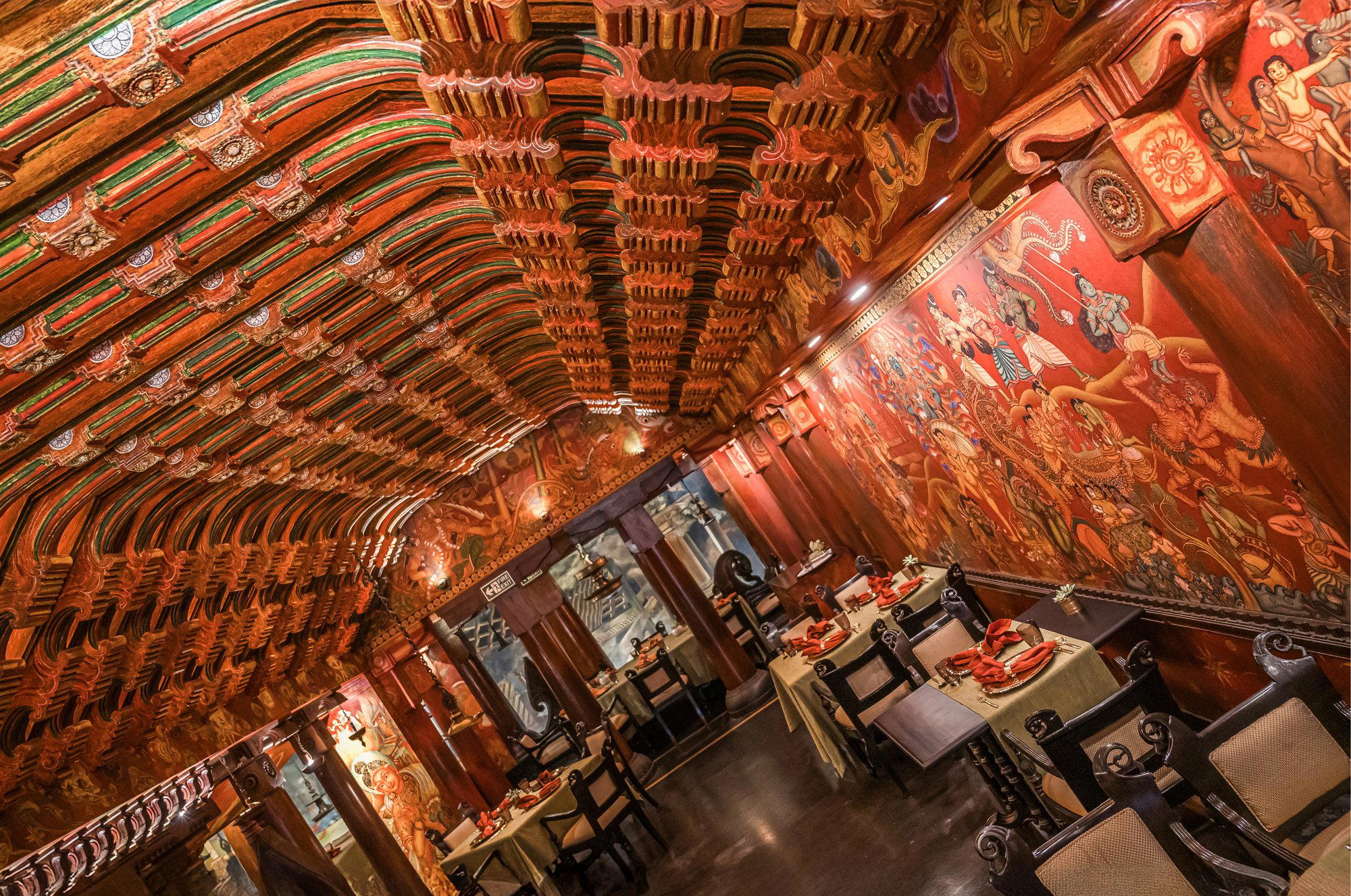
The Room Before the Meal
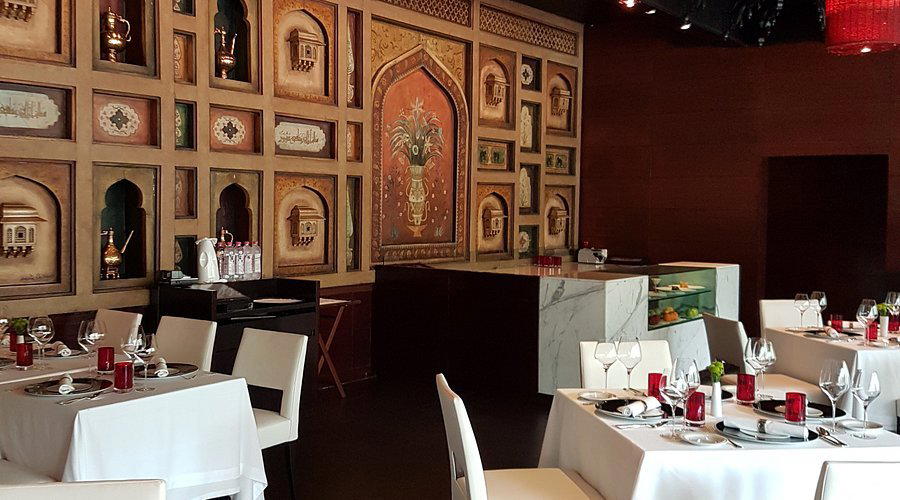
Certain hotel dining rooms announce themselves before a single dish arrives. The Spice Route is a restaurant at The Imperial, Janpath Lane, Connaught Place, New Delhi, known for its Southeast Asian Spice Route Fine Dining menu and smart casual setting. The interior was designed and painted by artist Rajeev Sethi over a period reported to span nearly a decade, and the result is a space that places you inside an argument about history rather than merely decorating around you. The murals trace the old spice trade route from the Malabar Coast through Southeast Asia, and the carved teak panels and temple-style detailing reinforce a visual proposition that is unusual for a hotel restaurant in any market: that the room itself is making an editorial claim about the food served within it.
That claim is essentially this: the cuisines of Kerala, Tamil Nadu, Sri Lanka, Thailand, Vietnam, and Malaysia share a common thread in pepper, cardamom, turmeric, and tamarind that moved along maritime and overland routes for centuries before national borders fixed those flavors in place. Sitting inside this argument, even before the menu arrives, conditions how you receive the food. It is a deliberate piece of hospitality theater, and it works in a way that more neutrally designed rooms cannot replicate.
The Logic of the Menu
Hotel restaurants in India have historically occupied an awkward position, caught between the need to serve international guests unfamiliar with regional specificity and the opportunity to represent a cuisine seriously. The Spice Route has, over its years at The Imperial, leaned toward the latter. The menu is structured around the same geographic corridor the murals depict, which means dishes from Kerala's toddy-shop tradition sit alongside preparations that acknowledge Thai and Malaysian influence without collapsing into a generic pan-Asian format.
This is a more considered approach than it might appear. Most hotel restaurants in Delhi's five-star tier default to a broad North Indian menu anchored by tandoor and curry staples, the format that Bukhara at the ITC Maurya has executed at the highest level for decades. The Spice Route makes a different institutional bet: that a geographically coherent, historically grounded premise can sustain a full-service hotel dining program. Comparable commitments to regional specificity show up at Adaa at Falaknuma Palace in Hyderabad, which treats Nizami cuisine with similar archival seriousness, and at Kappa Chakka Kandhari in Chennai, which focuses on Kerala Christian cooking with a scholar's precision.
Ritual and Pacing at the Table
The dining ritual at the restaurant is best understood as a slow progression rather than a sequence of courses in the European sense. South Indian and Southeast Asian meal structures don't always translate neatly into starter-main-dessert framing, and a room that takes its premise seriously tends to let service reflect that. The appropriate pace here is unhurried. Dishes intended for sharing arrive in an order designed to build flavor rather than contrast it, and the meal rewards the diner who reads this logic and follows it rather than treating each plate as a standalone event.
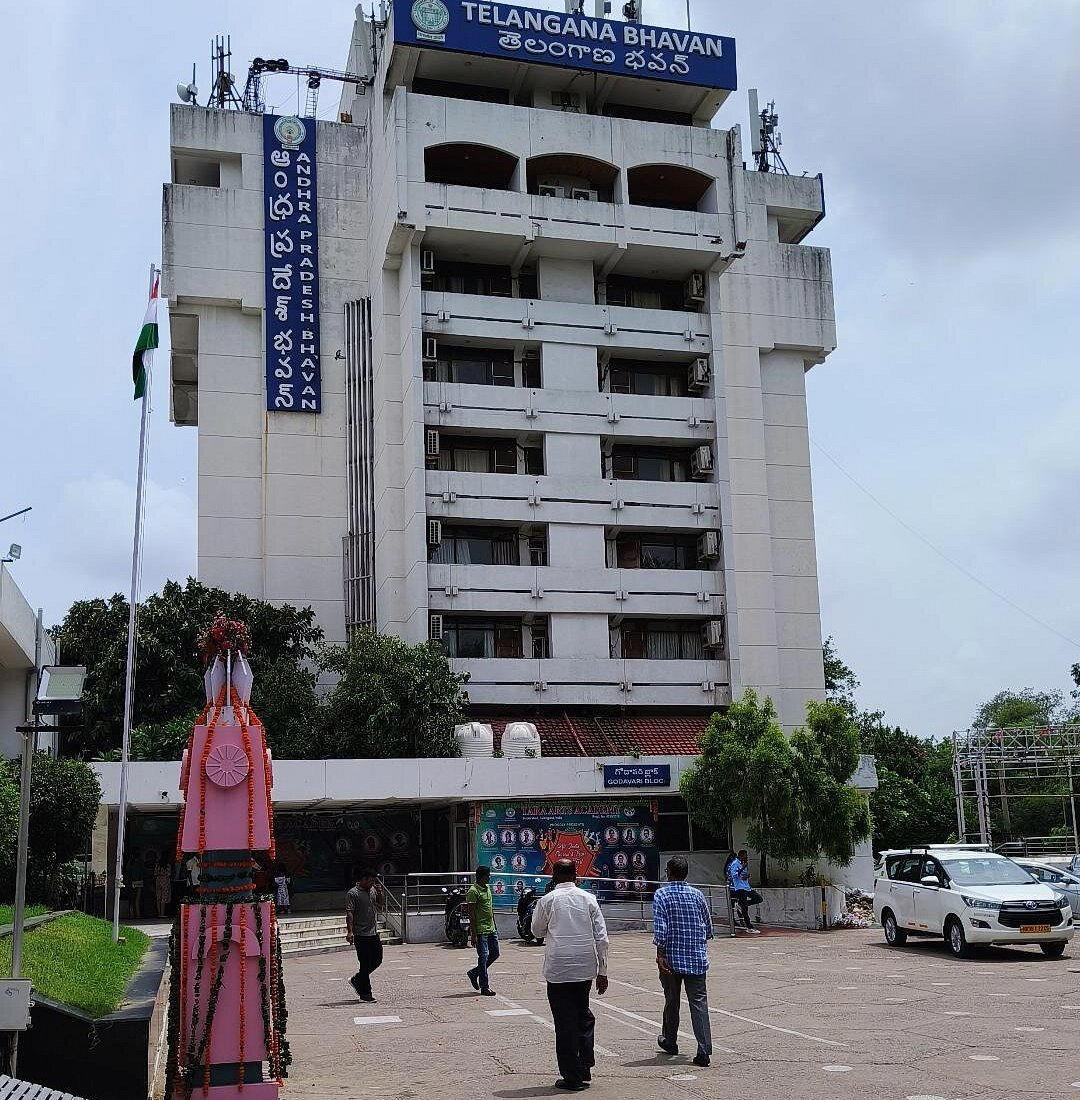
This is a point worth emphasizing for guests coming from restaurants where Western service rhythms have become default. Delhi's more formally structured dining options, from the thali formats documented at Andhra Pradesh Bhavan to the street-facing immediacy of Chache Di Hatti, carry their own internal logic. The restaurant asks for something more deliberate: a willingness to let the room and the menu set the terms of the evening.
Across India's premium dining tier, this kind of pacing has become a distinguishing marker. Farmlore in Bangalore structures its meal around a similar unhurried philosophy tied to seasonal sourcing, while Inja in New Delhi builds its Indo-Japanese format around a tasting sequence that demands the same attentive patience. Internationally, the dedicated tasting-meal format at Lazy Bear in San Francisco applies a comparable discipline to pacing and communal service.
Where It Sits in Delhi's Dining Order
The five-star hotel restaurant in India occupies a specific cultural niche that doesn't have a direct Western equivalent. For much of the post-independence era, these rooms were the primary sites where serious Indian cooking met professional service, wine programs, and air-conditioned comfort. That structural position has eroded as independent restaurants have matured, and addresses like Curry Kitchen and the street-level institutions of Bikanervala in Chandni Chowk demonstrate that compelling food is no longer a hotel monopoly.
The restaurant's response to this shifting context has been to double down on the things an independent restaurant cannot easily replicate: an extraordinary room, a service infrastructure underwritten by a heritage hotel, and a premise built over years rather than assembled for an opening season. That logic places it in a different competitive conversation than Delhi's newer wave of chef-driven independents, and closer in spirit to hotels like those that house Leela Kerala Terrace in Trivandrum or Dining Tent in Jaisalmer, where the physical context carries as much weight as the kitchen.
Planning a Visit
The restaurant is located within The Imperial hotel on Janpath Lane, placing it at the edge of Connaught Place and within reach of the central Delhi hotel corridor. Given the room's scale and the nature of service, booking in advance is advisable, particularly for dinner; walk-in availability depends on occupancy and day of week, with weekends during the winter season (October through March) representing the highest-demand period. Dress expectations align with a formal hotel dining room rather than casual restaurant standards.
Booking and Cost Snapshot
Comparable venues nearby, for context on price, style, and recognition.
| Venue | Cuisine | Price | Notes |
|---|---|---|---|
| The Spice RouteThis venue — the venue you are viewing | Not listed | $$$$ | Not listed |
| Bukhara | Not listed | $$$$ | Chanakyapuri/Lutyens' Delhi, North West Frontier Indian |
| Indian Accent | Lodhi Road, Modern Indian Fine Dining | $$$$ | Not listed |
| Soy x Neung Roi | Mahipalpur, Thai and Pan-Asian | $$$ | Not listed |
| Bukhara Restaurant | Not listed | $$$ | Diplomatic Enclave, North West Frontier Indian |
| Rajdhani Thali Restaurant | Not listed | $$ | Connaught Place, Rajasthani & Gujarati Thali |
At a Glance
- Elegant
- Sophisticated
- Ornate
- Well Known
- Special Occasion
- Business Dinner
- Historic Building
- Hotel Restaurant
- Extensive Wine List
Current opening hours
- Monday
- 12:30–2:45 PM, 7–11:45 PM
- Tuesday
- 12:30–2:45 PM, 7–11:45 PM
- Wednesday
- 12:30–2:45 PM, 7–11:45 PM
- Thursday
- 12:30–2:45 PM, 7–11:45 PM
- Friday
- 12:30–2:45 PM, 7–11:45 PM
- Saturday
- 12:30–2:45 PM, 7–11:45 PM
- Sunday
- 12:30–2:45 PM, 7–11:45 PM
Hours can change for holidays and private events. Last verified .
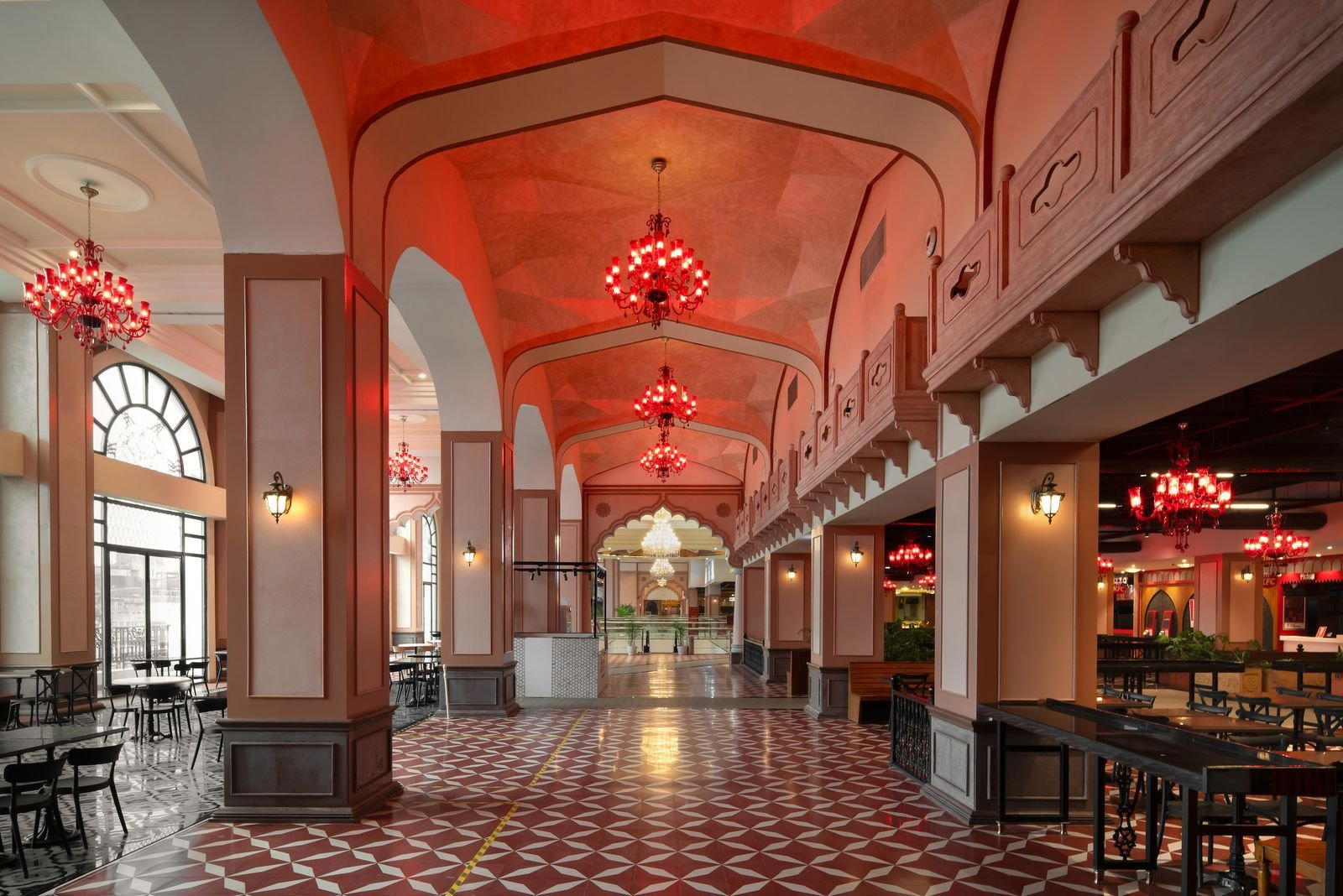
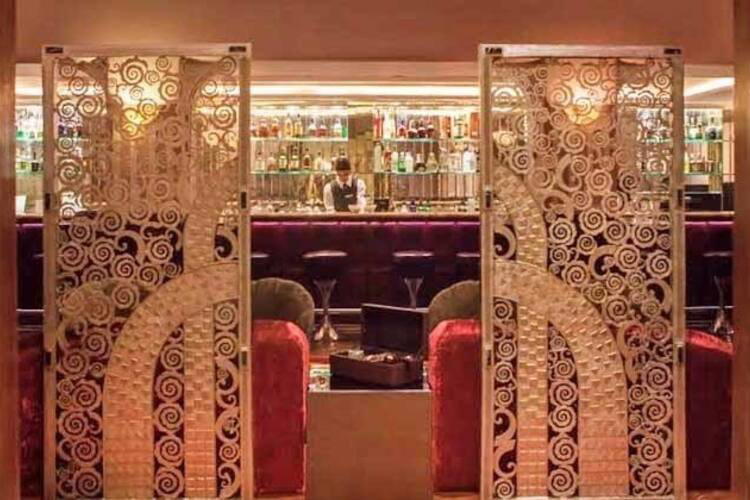
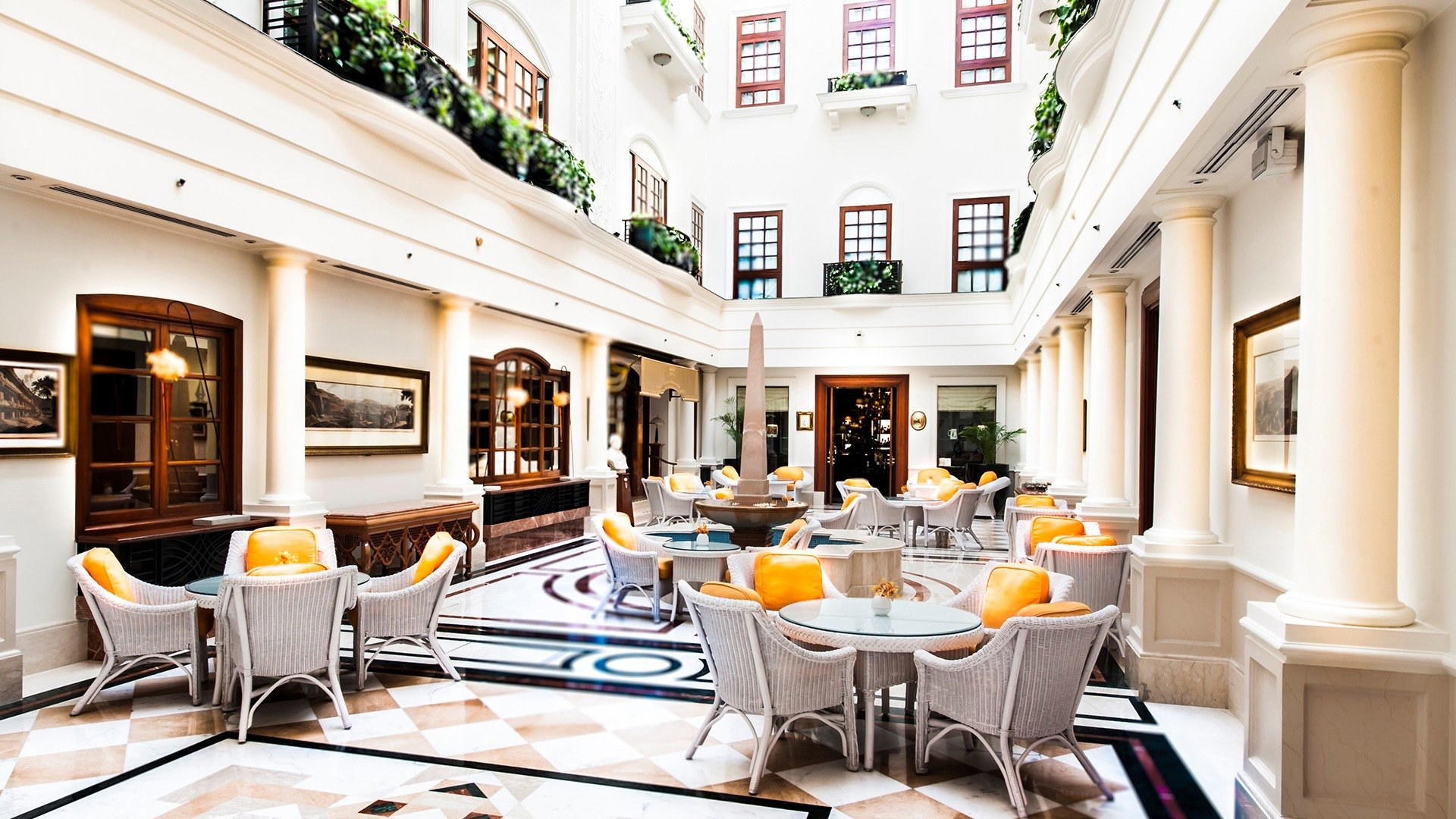
Sumptuous atmosphere featuring hand-painted murals, antique pillars, timber ceilings, and nine themed sections evoking cultural heritage under soft, enchanting lighting.